



Starting a fitness regimen often feels like walking into a maze without a map. There is so much conflicting advice—do this to lose belly fat, avoid that to protect your knees, use this machine to get “toned”—that most people just end up standing still. The irony of the situation is that cardio does not need to be complicated, high-intensity, or expensive to be effective.
In fact, the most effective exercise is simply the one you can stick with for more than two weeks. Consistency creates change, not the specific equipment or the intensity of a single sweat session. When you are new to the world of physical activity, the goal is to build the habit of movement. You want to increase your heart rate, get your blood circulating, and feel a sense of accomplishment without feeling completely wiped out the next day.
Forget about hitting the ground running—literally. You do not need to sprint or jump until you are breathless to see improvements in your cardiovascular health or to burn fat. Below are twenty distinct ways to get moving, each with its own set of benefits and practical applications. Whether you prefer the solitude of a quiet walk or the structure of a home circuit, there is a path here that fits your lifestyle.
1. Brisk Walking
Walking is often dismissed as too simple, yet it remains the most sustainable form of cardiovascular exercise on the planet. It requires no equipment, no gym membership, and zero technical skill. You likely already know how to do it. The key difference between a casual stroll and a workout is the intensity.
How to Make It a Workout
To get the cardiovascular benefits, you need to elevate your heart rate. This means walking at a pace where you could still hold a conversation, but you would struggle to sing a song.
- Maintain an upright posture: Keep your head up and look forward rather than down at your feet.
- Engage your core: A slight pull of the belly button toward the spine protects your lower back.
- Swing your arms: Using your arms naturally increases your calorie burn by forcing your body to work harder.
If you are just beginning, start with fifteen minutes at a time. Do not worry about speed. Focus on being consistent. Over the weeks, you will find that the same pace feels easier, which is your cue to walk a little faster or go a little further.
2. Stair Climbing
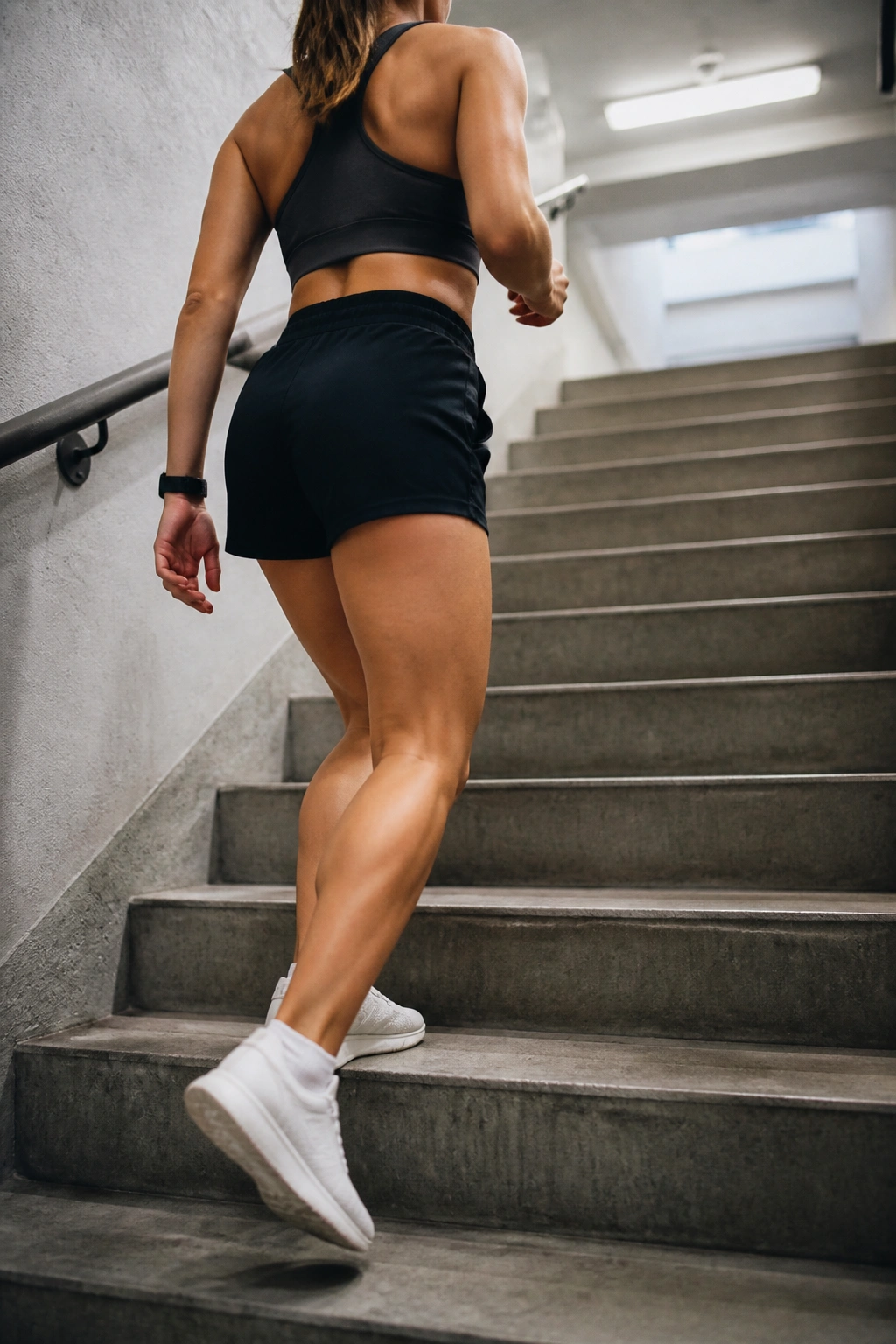
Stairs are everywhere, and they are essentially a vertical gym. Walking up stairs forces your body to lift its own weight against gravity, which is a massive demand on your legs, glutes, and heart. You do not need a fancy step machine at a club to reap these rewards.
Why It Works for Beginners
Because climbing stairs is a closed-chain exercise—meaning your feet are in contact with a surface throughout the movement—it is surprisingly low-impact on the joints. You are essentially doing hundreds of mini-squats and lunges in one go.
- The Pace: Take it one step at a time. You do not need to rush.
- The Descent: Walk down the stairs slowly to protect your knees, or take an elevator/walk down a ramp if you are working out in a public building.
- The Duration: Even five minutes of stair climbing is more taxing than twenty minutes of flat walking.
Focus on planting your entire foot on the step rather than just the ball of your foot. This engages your posterior chain—the hamstrings and glutes—more effectively and provides better balance.
3. Stationary Cycling
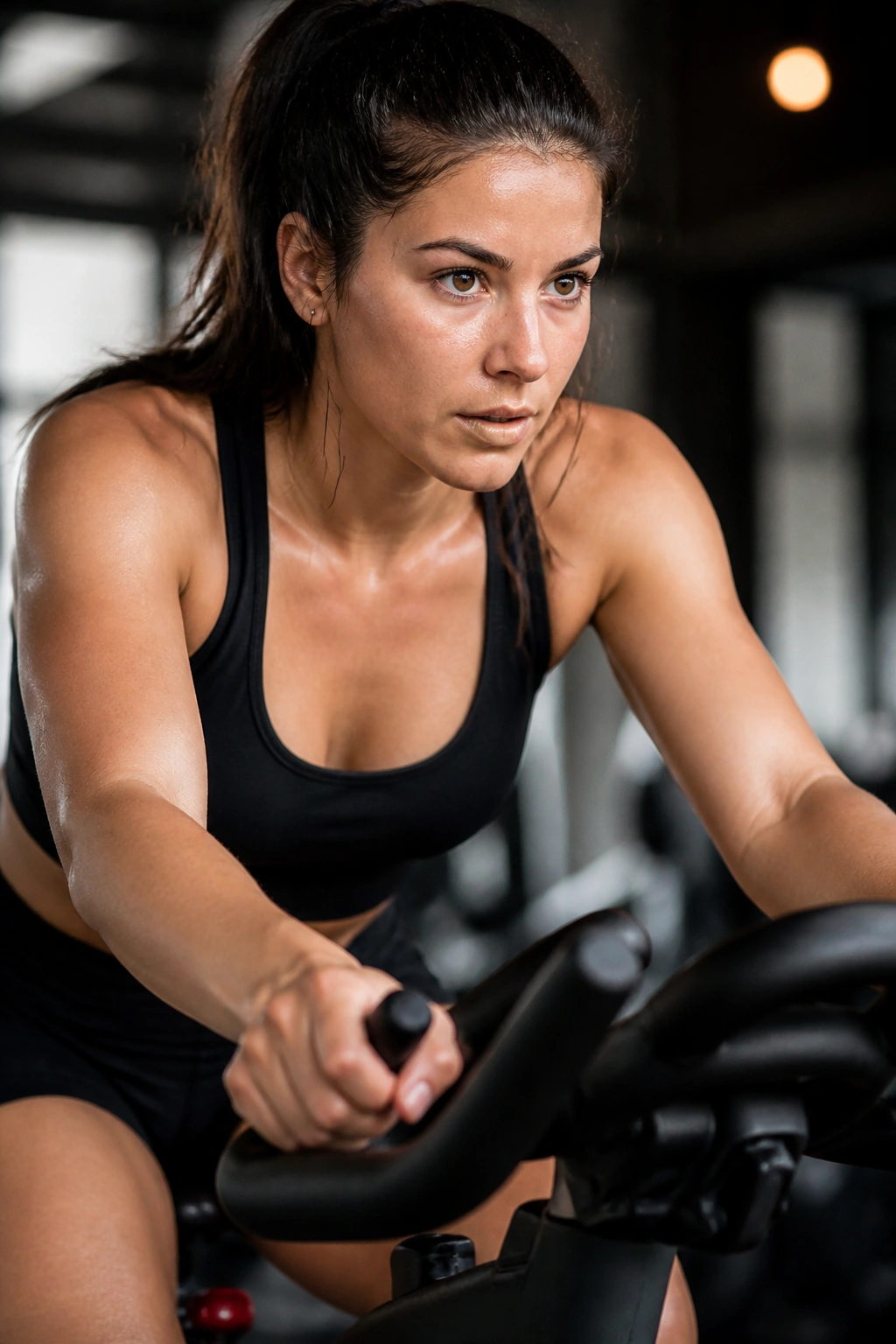
If you have joint discomfort or simply prefer to be seated while you exercise, a stationary bike is an ideal tool. It removes the stress of impact from your ankles, knees, and hips, making it one of the safest ways to get your heart rate into a “fat-burning” zone.
Setting Up for Success
The biggest mistake beginners make is setting the seat too low. If your knee is still bent when your foot is at the bottom of the pedal stroke, you are robbing yourself of power and putting unnecessary pressure on the kneecap.
- Seat Height: Position the seat so that your leg is almost fully extended at the bottom of the pedal rotation, with just a slight bend in the knee.
- Resistance: Start with the resistance low. Your goal is to move your legs consistently, not to grind out a heavy climb.
- Posture: Keep your shoulders back. If you are leaning heavily on the handlebars, you are using your back rather than your legs to power the bike.
Cycling is perfect for multitasking. Since your upper body is relatively stable, you can read, watch a show, or listen to a podcast, which makes the time pass much faster than it would on a treadmill.
4. Swimming
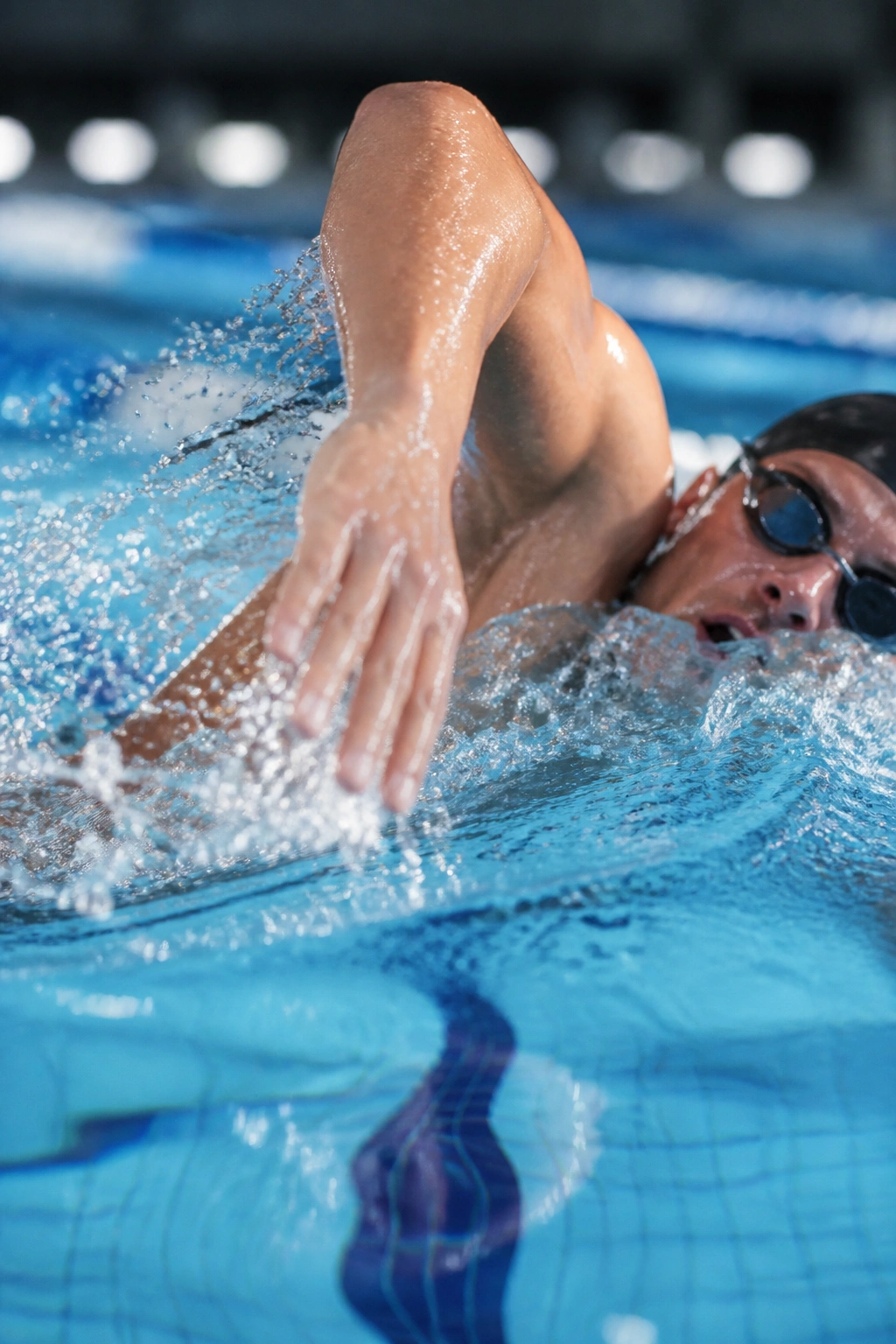
Swimming is unique because it provides resistance in every direction. The water pushes against you as you move, forcing your muscles to work harder than they would in the air. Yet, because of buoyancy, you feel lighter, and your joints are entirely supported.
Getting Started in the Pool
You do not need to be an Olympic athlete to use swimming for cardio. Even basic movements in the shallow end can be highly effective.
- Water Walking: Simply walking through chest-deep water is a fantastic, low-impact workout. The water provides natural resistance.
- Laps: If you know how to swim, do not worry about speed. Just focus on a steady, rhythmic stroke.
- Rest: Take breaks at the wall. Treat it like interval training—swim a length, rest for thirty seconds, repeat.
If you are not a strong swimmer, stick to the shallow end where your feet can touch the ground. The goal is to move, not to master a competitive stroke technique.
5. The Elliptical Trainer
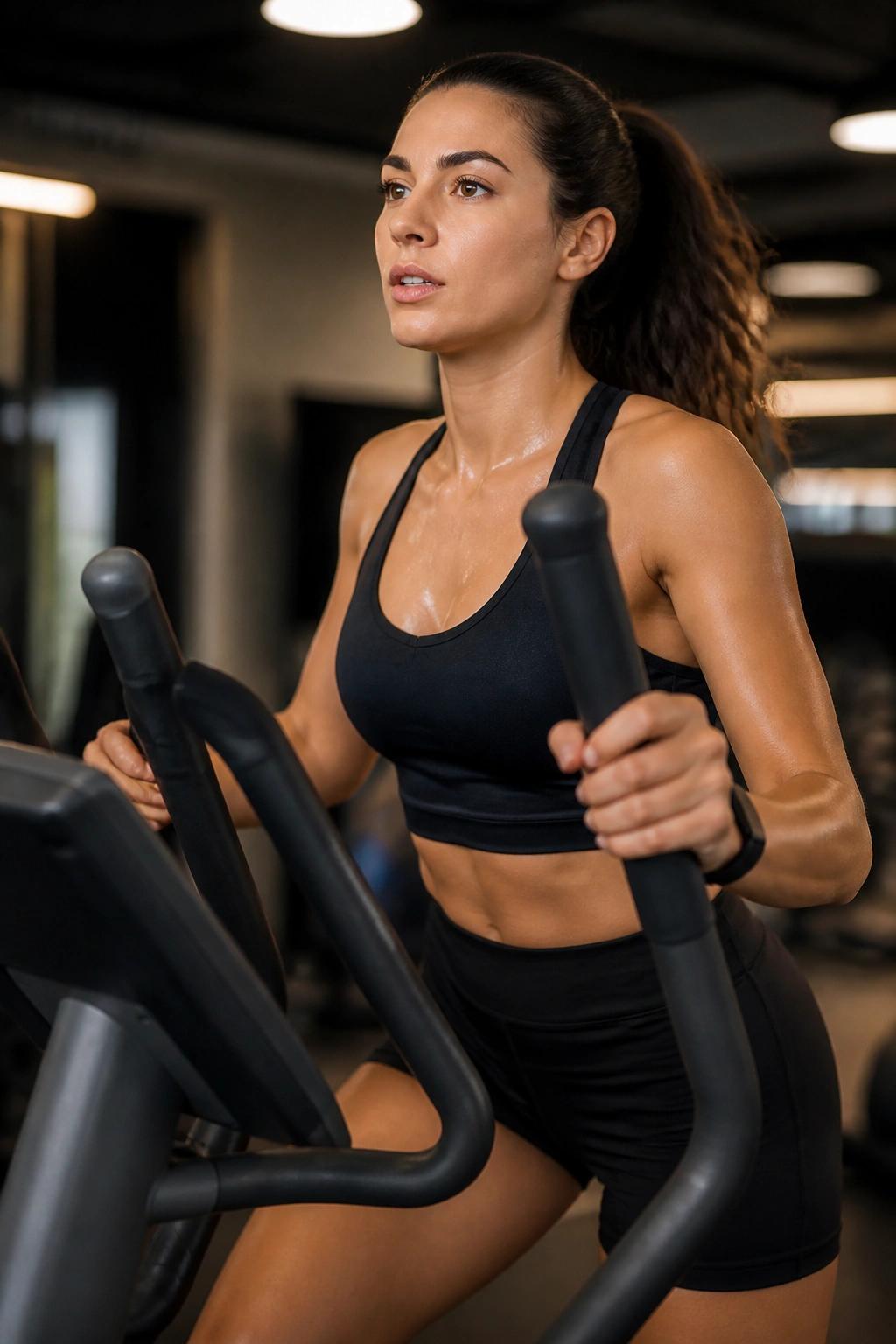
The elliptical machine is a classic for a reason: it mimics the motion of running without the jarring impact of your feet hitting the pavement. It engages both the upper and lower body, making it a true full-body cardio session.
Avoiding Common Mistakes
Many people use the elliptical with a “lazy” stride, barely pushing the pedals. To get the benefit, you have to be active.
- Push and Pull: Do not just let the handles move with your arms. Actively push and pull the levers to engage your chest, back, and shoulders.
- Heel Contact: Keep your heels planted on the pedals. Lifting your heels puts all the weight on your toes, which can cause numbness and strain your calves.
- Forward and Backward: Most ellipticals allow you to pedal in reverse. This targets different muscles in your legs, particularly the hamstrings.
Try to maintain a consistent speed. If you find yourself holding onto the console and bouncing, reduce the resistance. You should be in control of the machine, not the other way around.
6. Jump Rope
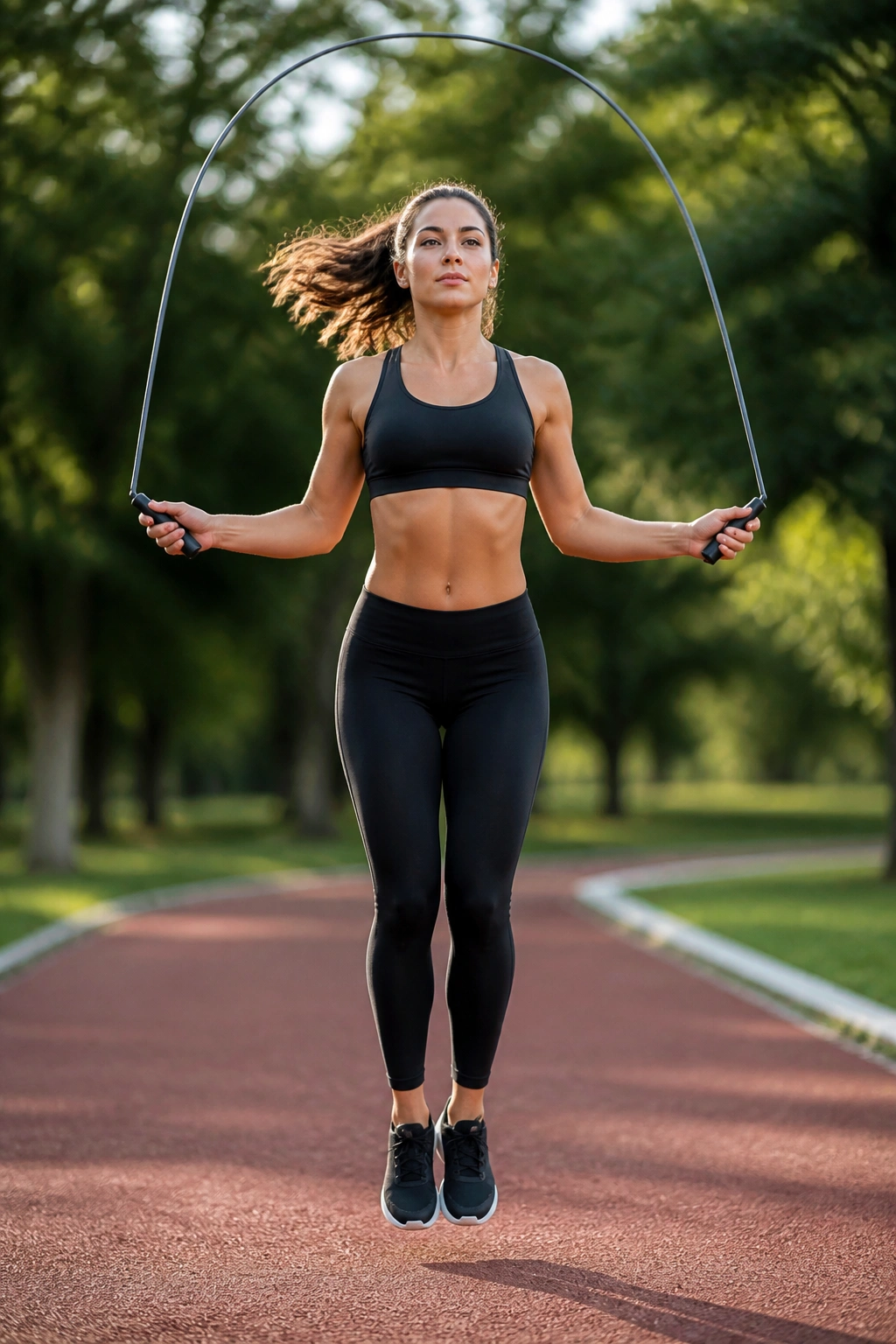
Jumping rope is not just for boxers or children on the playground. It is one of the most efficient calorie-burning exercises available. It improves coordination, strengthens the calves, and gets the heart rate up almost instantly.
Technique for Beginners
You do not need to jump high. In fact, jumping high is a mistake. You only need to clear the rope by an inch or two.
- Keep it short: Start with intervals of thirty seconds of jumping followed by sixty seconds of rest.
- Wrist movement: The motion should come primarily from your wrists, not your shoulders. If your arms are flailing, you will tire out quickly.
- Surface matters: If possible, jump on a mat or a wooden floor. Jumping on concrete is hard on the ankles and shins.
If you trip on the rope, just reset and go again. It takes time to get the rhythm. Even without a rope, the motion of jumping up and down—the “ghost jump”—is a great way to build the habit.
7. Bodyweight Circuit
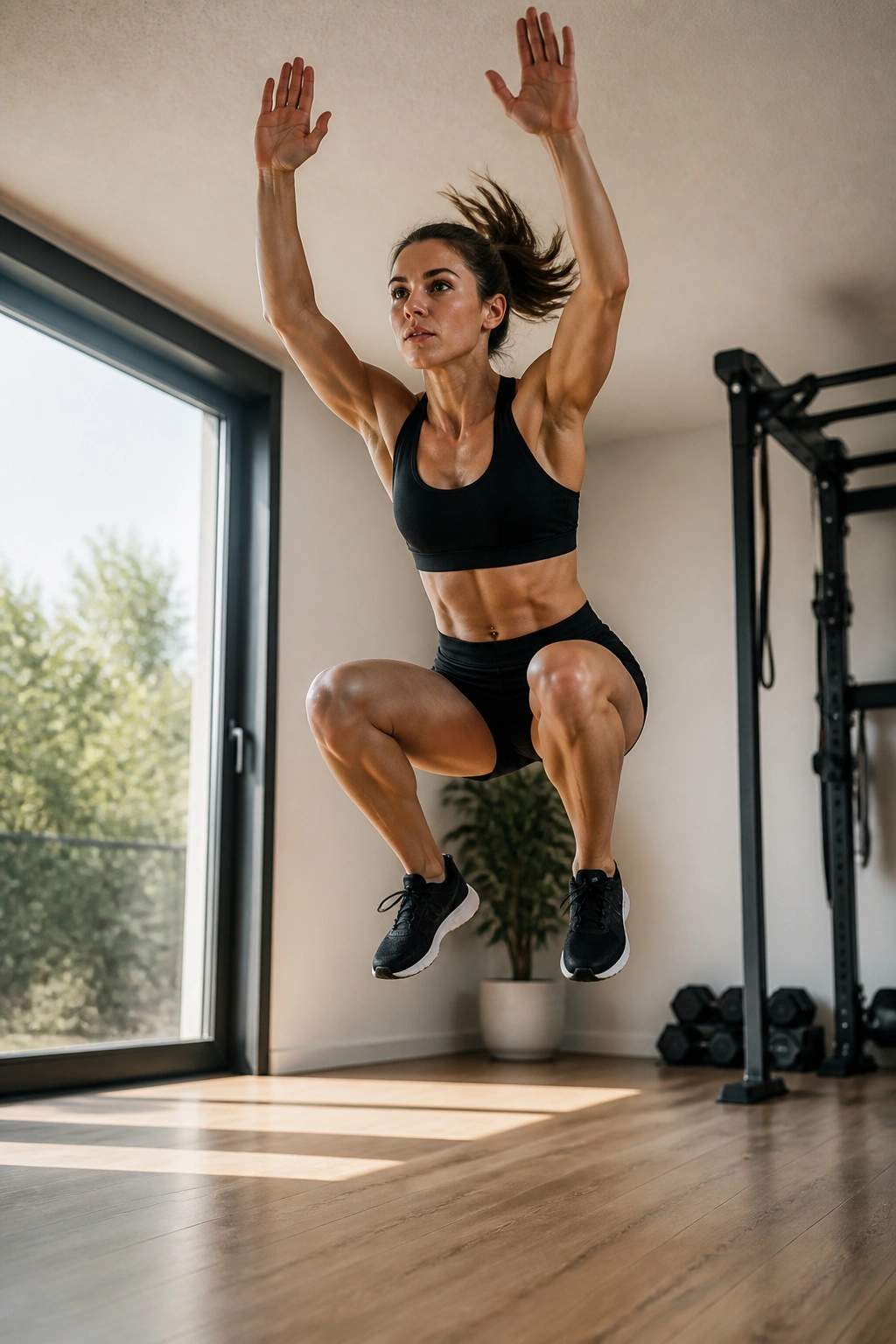
A bodyweight circuit involves moving from one exercise to the next with little to no rest. This keeps your heart rate elevated throughout the entire workout, combining the benefits of strength training with cardio.
Building Your Routine
Pick four to five simple movements. Examples include air squats, pushups (knees or toes), jumping jacks, and high knees.
- The Structure: Perform each exercise for forty seconds, then rest for twenty seconds before moving to the next.
- The Cycle: Complete all four exercises to finish one “round.” Aim for three rounds.
- Efficiency: You can finish a complete, effective workout in fifteen minutes or less.
This is the ultimate home workout because you do not need a square inch of special equipment. If a movement feels too difficult, swap it for something easier. The goal is to keep moving, not to perform perfect gym-style repetitions.
8. Dancing
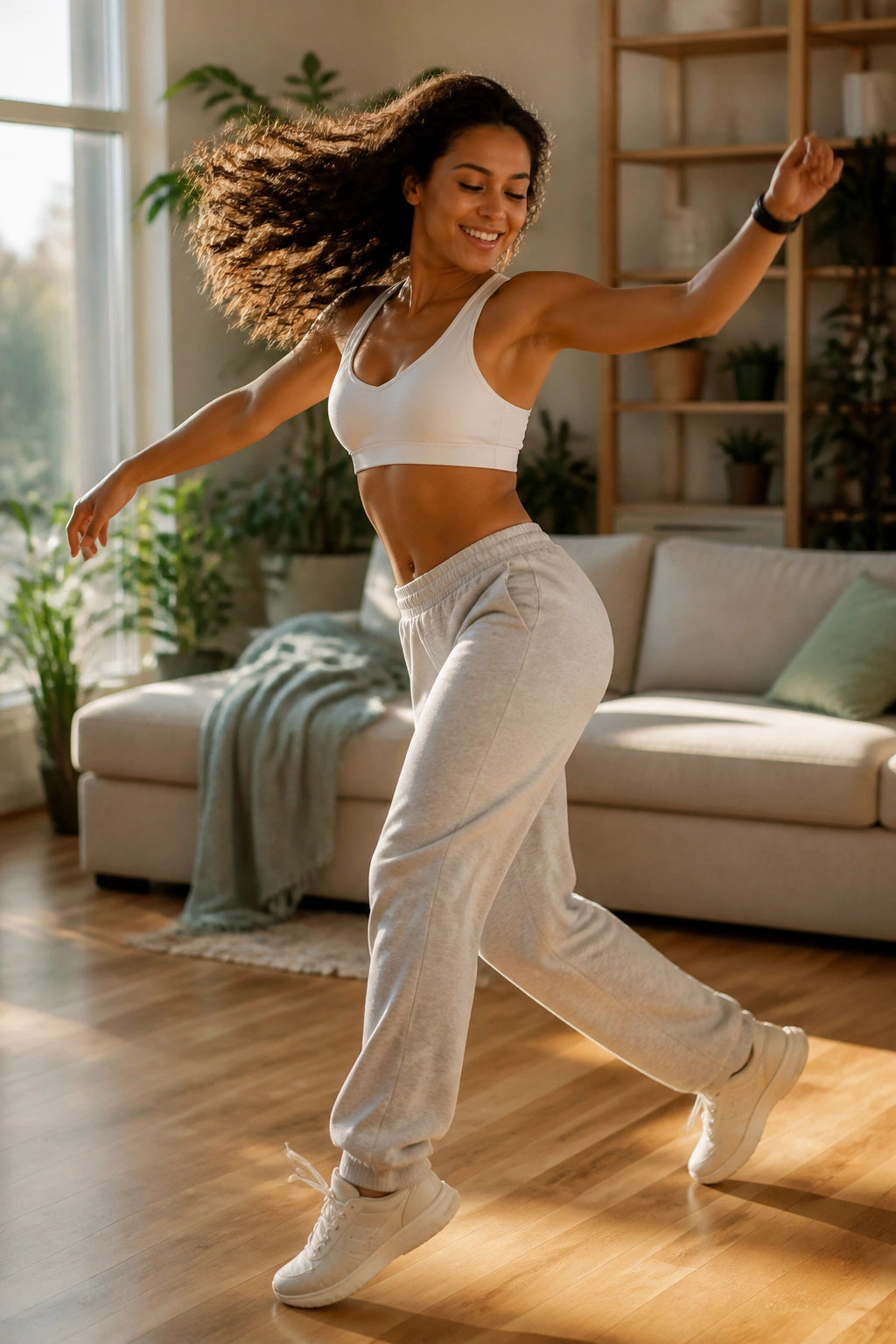
Dancing might be the most underrated form of cardio. Because it is fun and mentally engaging, you often forget you are exercising until you look down and realize you are drenched in sweat. It improves balance, coordination, and mood simultaneously.
How to Do It
There is no “wrong” way to dance for fitness.
- Follow Along: There are thousands of free dance-based workout videos online. Search for “beginner dance cardio” and pick one that looks like fun.
- Freestyle: If you prefer, just clear a space in your living room, put on a playlist of fast-paced songs, and move for the duration of five songs.
- Focus on Energy: Do not worry about looking graceful or hitting the right steps. The goal is just to keep your body in motion and your heart rate up.
If you find yourself laughing or smiling, you are doing it right. This type of exercise builds adherence because it doesn’t feel like a chore you have to check off a list.
9. Rowing Machine
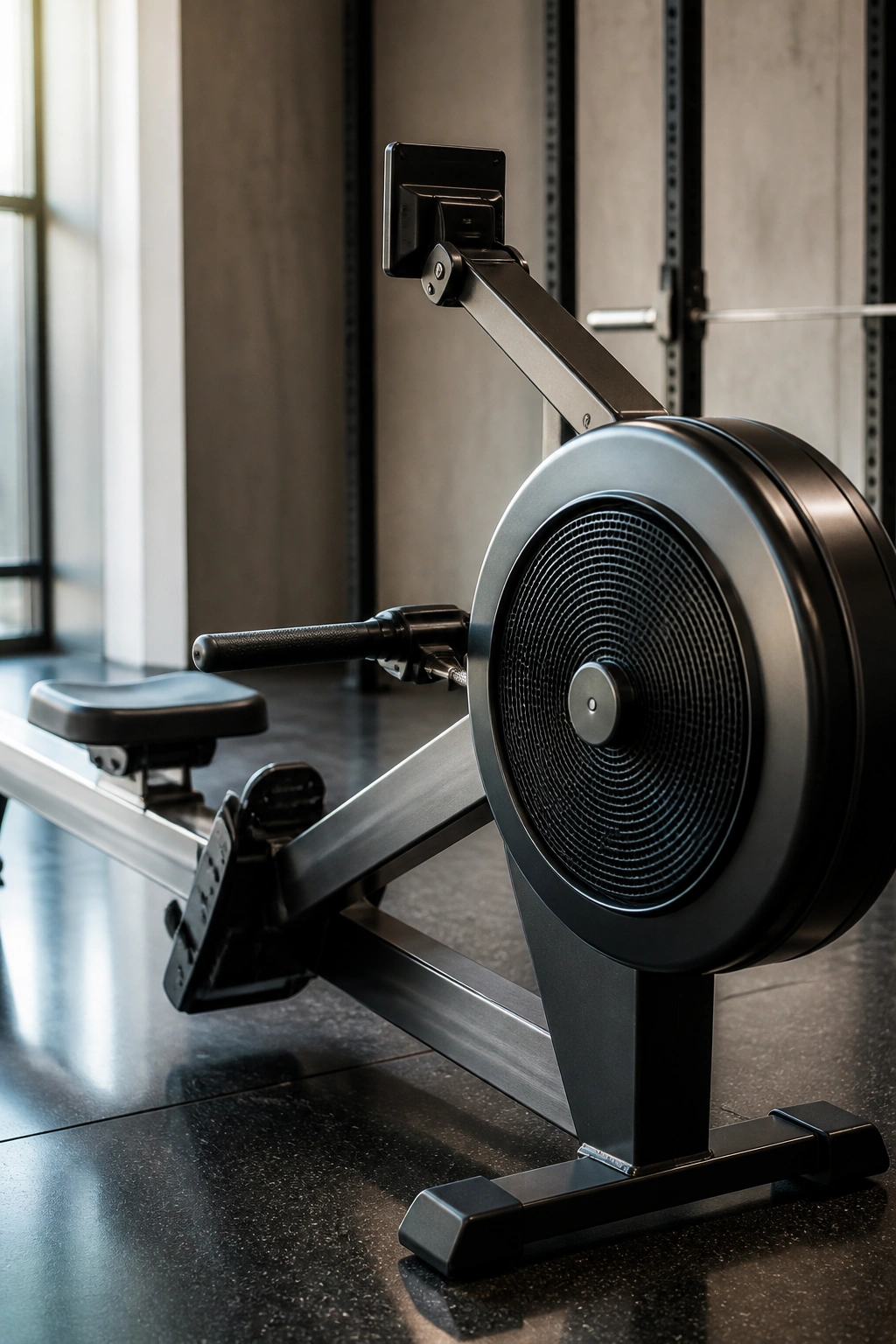
Rowing is a powerhouse exercise. It targets your legs, back, shoulders, and core in one fluid motion. It is technically more demanding than cycling or walking, but once you learn the sequence, it is incredibly rewarding.
The Stroke Sequence
The biggest mistake people make on the rower is using just their arms. The power comes from your legs.
- Legs-Core-Arms: Push with your legs first, hinge your core back slightly, and then pull the handle to your chest.
- Arms-Core-Legs: On the return, do the reverse. Extend your arms, lean forward, and then slide your legs back to the start.
- Rhythm: Focus on a smooth, steady pace rather than pulling as hard as you can.
The monitor on a rowing machine can be confusing, but don’t worry about the stats at first. Focus on the feeling of the drive—the powerful push of your heels against the footplates.
10. Shadow Boxing
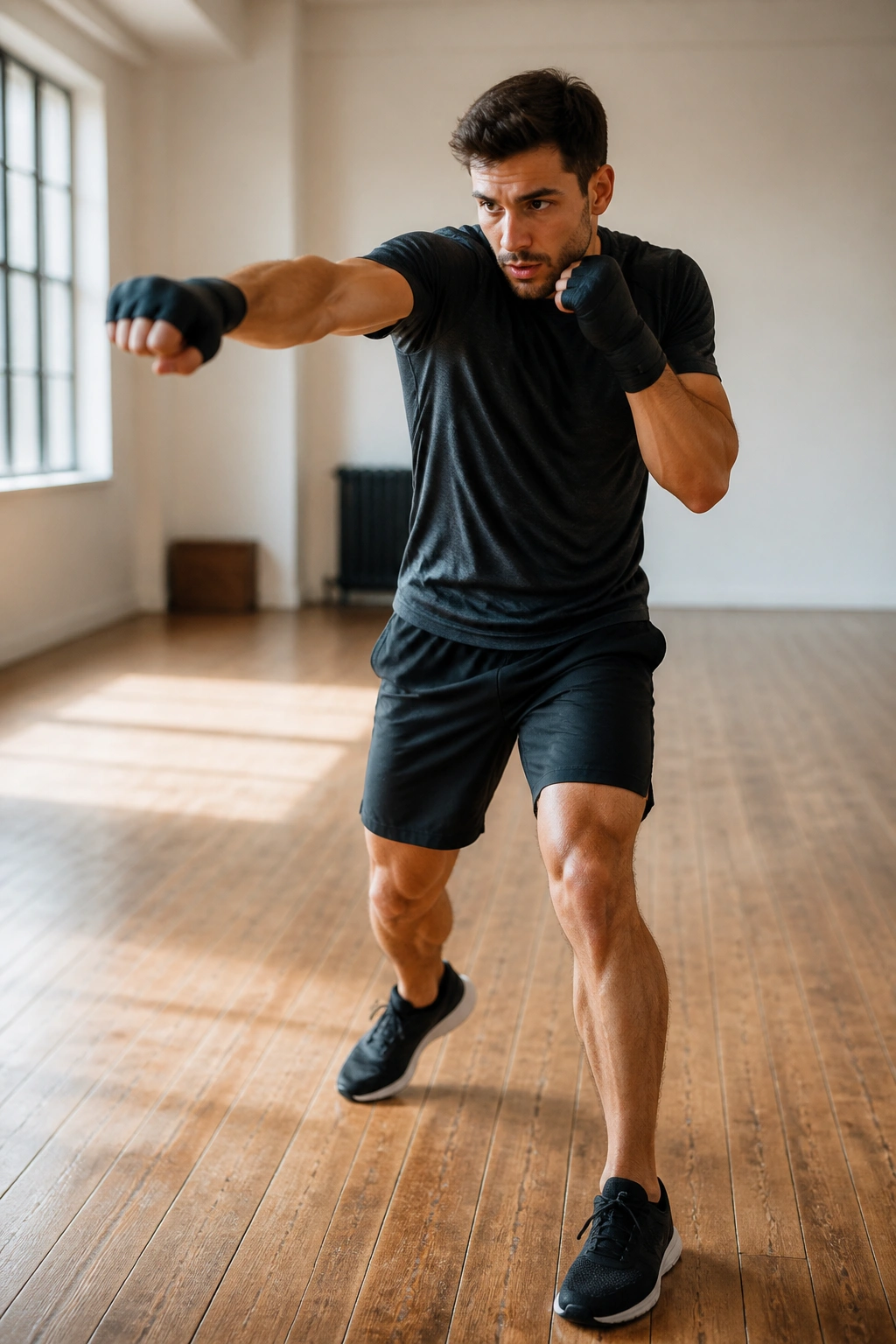
Shadow boxing is excellent for building coordination and getting the heart rate up without needing to hit a heavy bag. You are essentially fighting an imaginary opponent, which requires you to move your feet, rotate your torso, and keep your arms up.
Keep It Simple
You do not need to know complex combinations.
- The Stance: Keep one foot slightly in front of the other, knees soft.
- The Punches: Throw simple jabs (leading hand) and crosses (rear hand).
- Movement: Keep your feet moving. Step side to side. Add a light hop.
- The Hook: Add in some hook punches to get your core rotating.
The key to shadow boxing is to keep your hands up. When you start to get tired, your hands will drop. Fight the urge to let them fall, as this forces your shoulders and core to work harder, which is exactly where the cardio benefit comes from.
11. Hiking
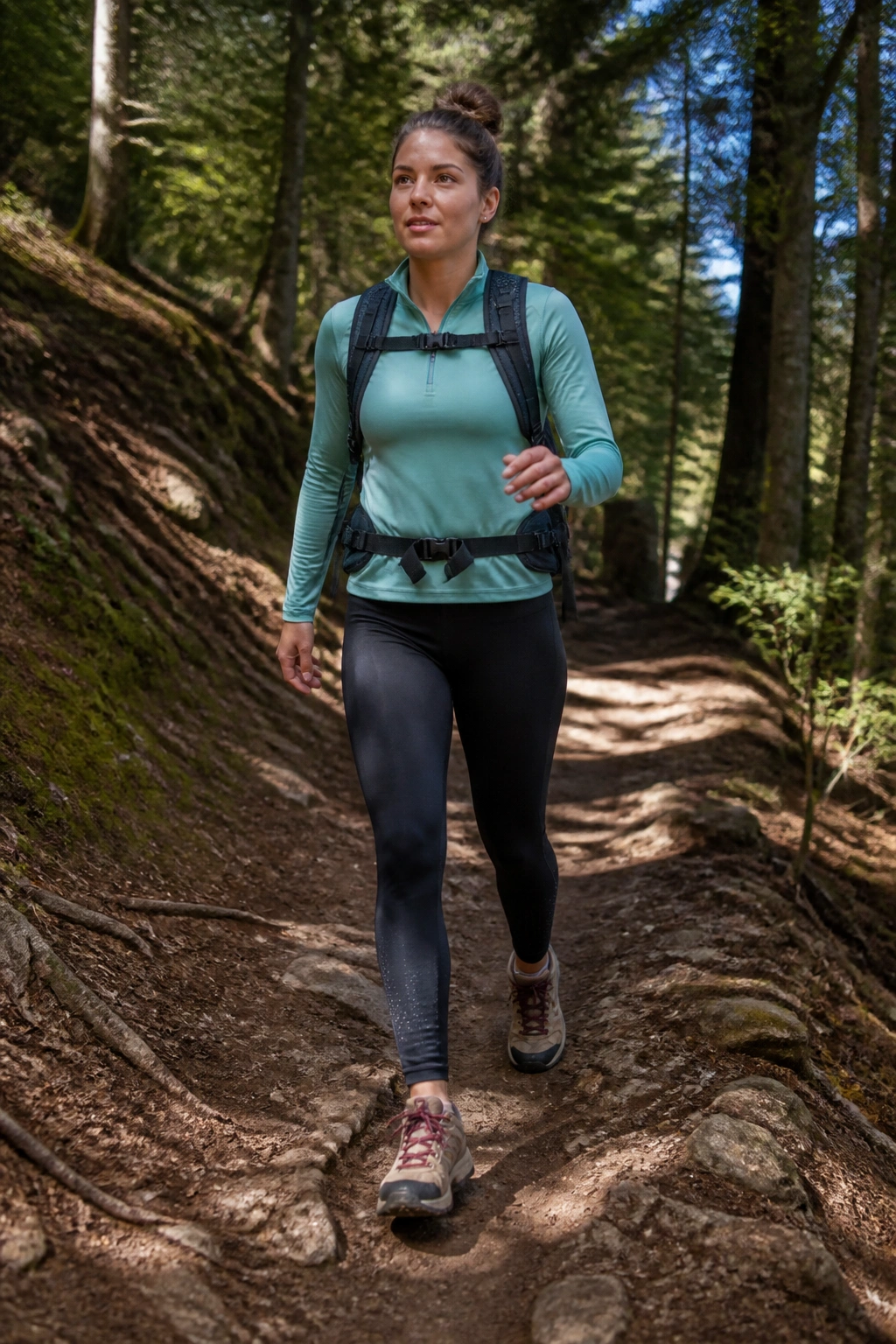
Hiking is cardio disguised as an adventure. Because terrain is rarely flat, you are constantly making micro-adjustments with your ankles, core, and legs to maintain balance, which increases the energy expenditure compared to walking on a treadmill.
Tips for Beginners
If you are new to hiking, start with established, well-marked trails.
- Footwear: Wear shoes with good grip. You do not necessarily need heavy boots, but sneakers with a decent tread are essential.
- Pacing: The goal is not to sprint to the top. Use the “talk test”—if you can’t talk comfortably, slow down.
- Water: Always carry more water than you think you need.
The psychological benefit of being outdoors—the sunlight, the fresh air, the lack of screens—often makes hiking feel less exhausting than equivalent gym sessions. It is a mental reset as much as a physical one.
12. Kettlebell Swings
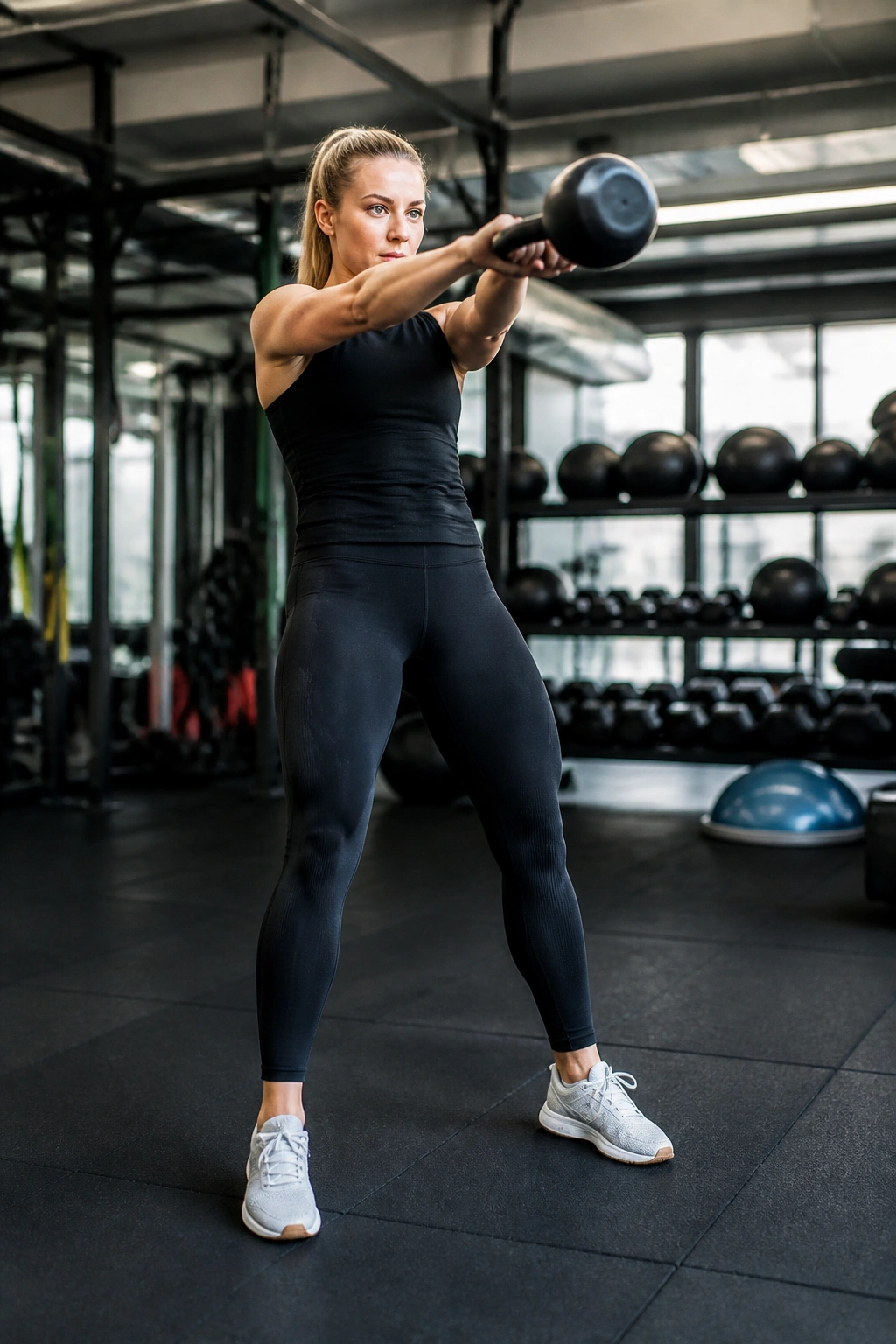
The kettlebell swing is a full-body movement that burns a significant amount of calories in a short amount of time. It is a hip-hinge exercise, meaning it focuses on the posterior chain—the glutes, hamstrings, and lower back.
Mastering the Hinge
This is not a squat. Do not bend your knees deeply.
- The Movement: Push your hips back as if you are trying to touch a wall behind you with your butt.
- The Swing: Let the bell swing back between your legs, then snap your hips forward to propel the bell upward.
- The Finish: The momentum of your hips does the work. You are not lifting the bell with your arms; you are guiding it.
Start with a light weight. If you are a beginner, ten to fifteen swings is plenty to get your heart rate soaring. It is a high-intensity move, so treat it with respect and focus on your form.
13. Power Yoga
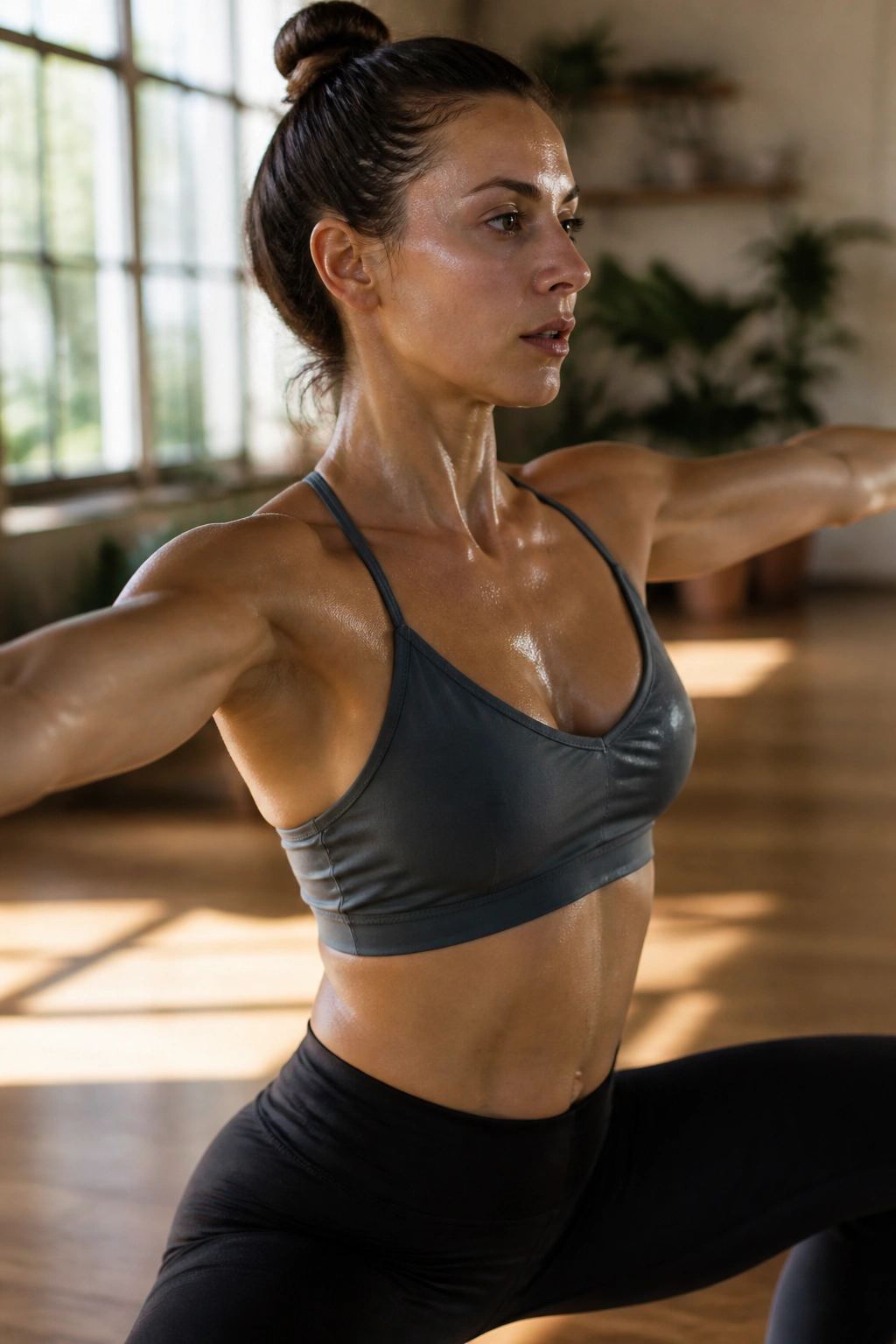
Yoga is often associated with flexibility, but Vinyasa or “power” style yoga classes move quickly, transitioning from one pose to the next without pausing. This keeps the heart rate elevated throughout the session.
What to Expect
You will find yourself sweating much more than you anticipate.
- Flow: The continuous movement from plank to downward dog, to lunges, and back to plank, creates a circuit-like effect.
- Strength: Holding your body weight in various positions builds muscular endurance.
- Modification: If a pose is too difficult, move into “Child’s Pose” to catch your breath.
Yoga has the added benefit of improving mobility. Being able to move through a full range of motion actually makes other forms of cardio—like running or cycling—easier and safer.
14. Battle Ropes
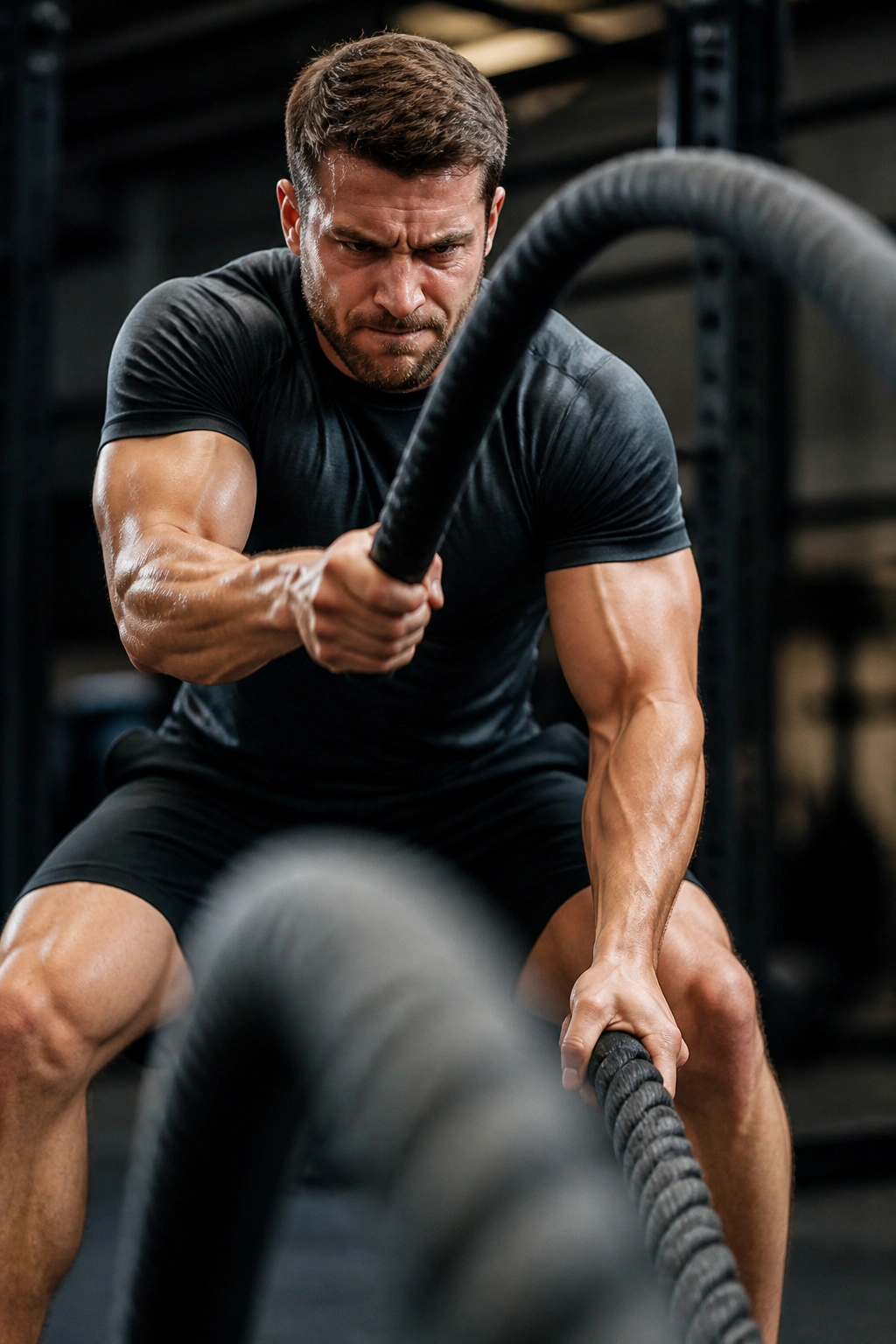
Battle ropes might look intimidating because they are usually seen in the hands of seasoned athletes, but they are actually very accessible. You are simply gripping two heavy ropes and creating waves.
How to Use Them
You can perform battle ropes while standing, sitting, or kneeling.
- Small Waves: The goal is to make the ropes travel in a wave all the way to the anchor point.
- Duration: These are great for intervals. Thirty seconds of intense waving followed by thirty seconds of rest.
- Engagement: Keep your core braced tight. The effort of stabilizing your body against the ropes is what makes this a core workout as much as a cardio one.
Battle ropes are fantastic because you can adjust the intensity instantly. If you are tired, make smaller, slower waves. If you have energy, make big, aggressive waves.
15. Step Aerobics
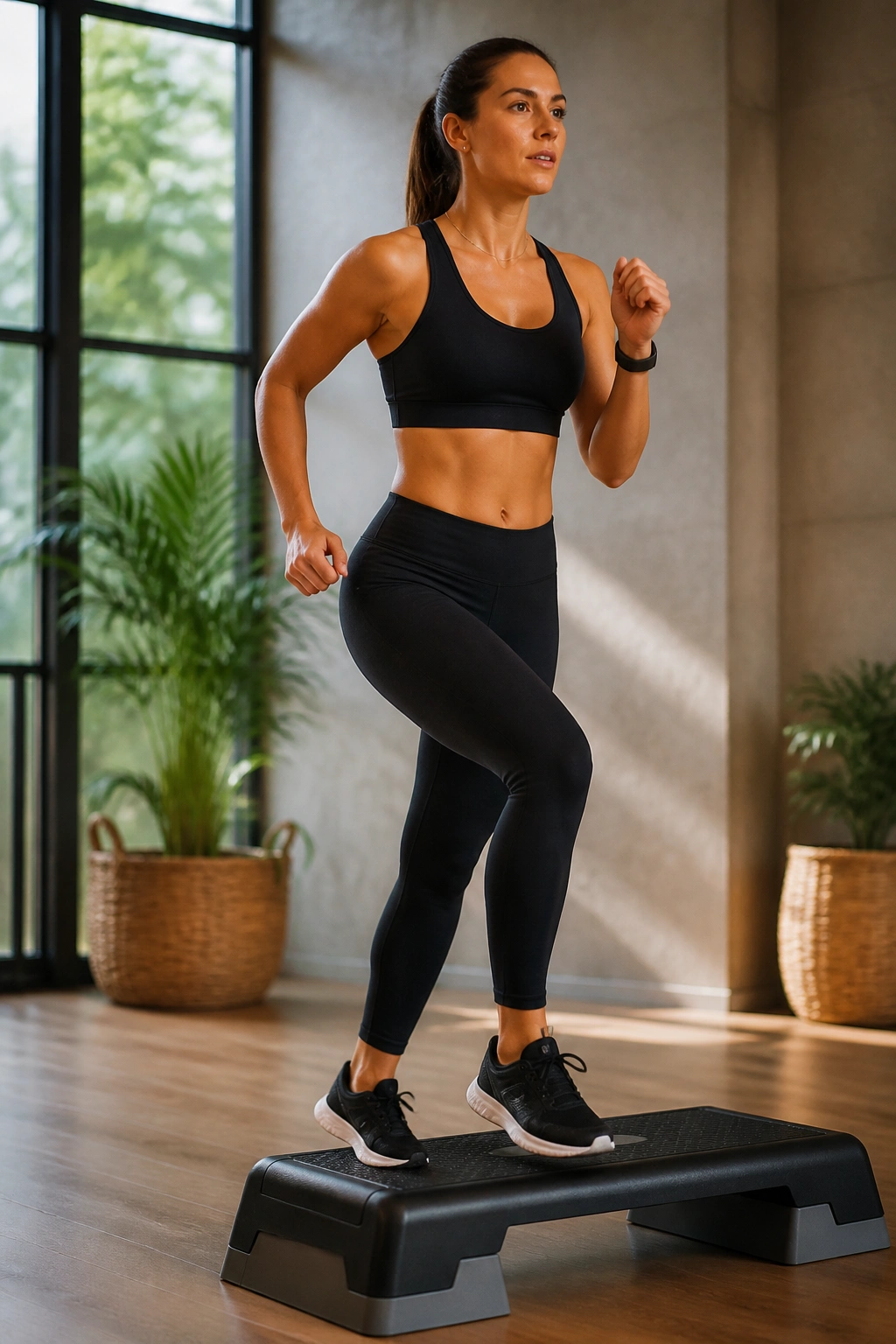
Step aerobics uses a raised platform to create a rhythmic, low-impact workout. It is excellent for coordination and can be done at home with a simple step stool or by just stepping up and down on a sturdy, low box.
The Basic Rhythm
The classic move is the “basic step”—up, up, down, down.
- Rhythm: Once you get the pattern, it becomes muscle memory.
- Impact: Because you are stepping onto a platform rather than jumping, your joints are protected.
- Variety: There are endless variations—side steps, taps, and turns—that keep your brain engaged and prevent boredom.
If you don’t have a step, you can just do the movements on the floor. The benefit comes from the constant, rhythmic shifting of weight, not the height of the step itself.
16. Water Aerobics
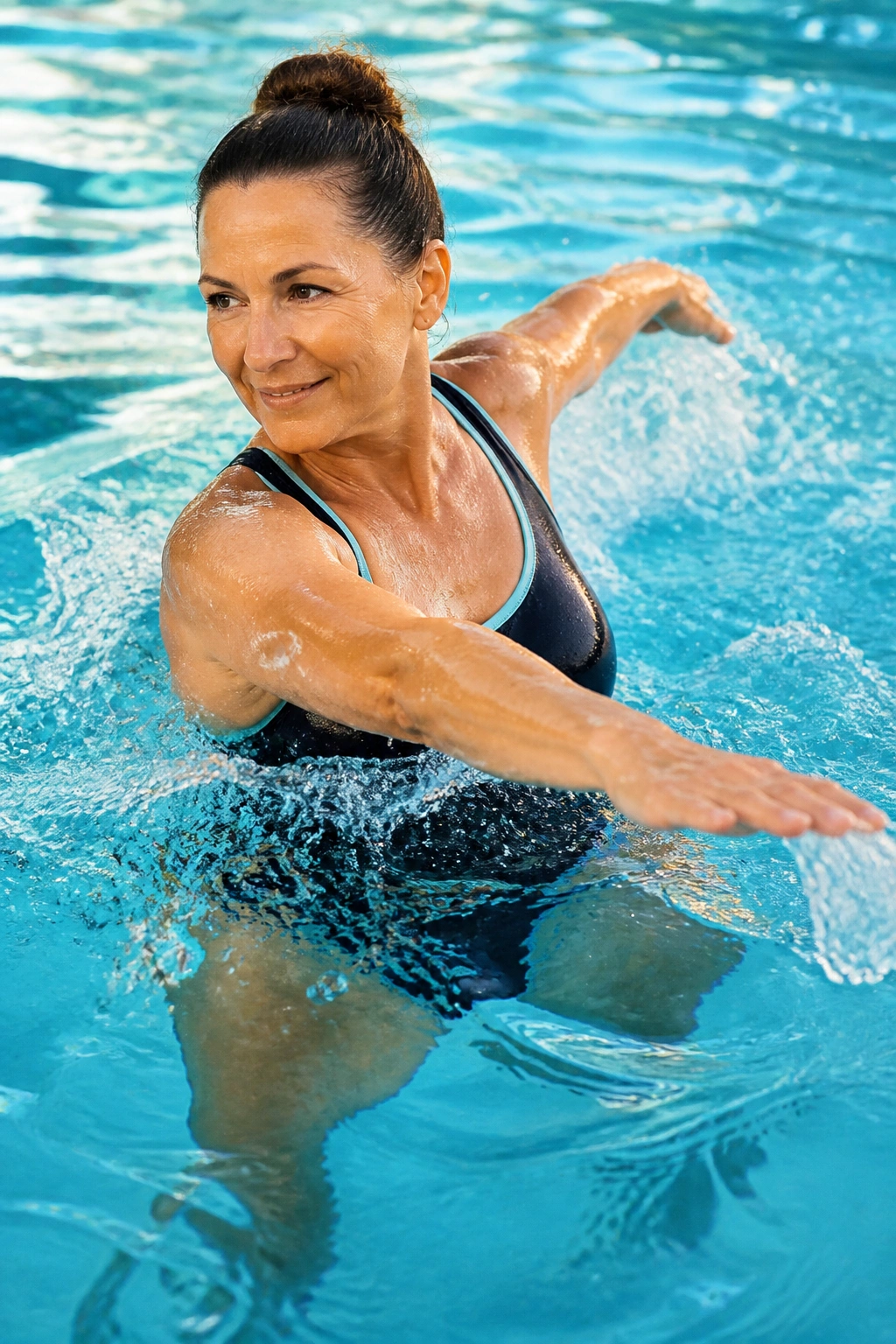
Often unfairly labeled as a workout for seniors, water aerobics provides incredible resistance training and cardio benefits for all ages. Moving your limbs against water is like lifting weights with every single movement.
Why It’s Effective
The resistance of water is roughly twelve times that of air.
- Controlled Movement: Every move you make, whether it is a leg lift or an arm circle, is met with resistance.
- Core Stability: You have to engage your core constantly just to keep your balance in the water.
- Temperature: Cold or cool water can help keep your body temperature down, allowing you to work longer than you might on land.
If you have joint issues or are significantly overweight, starting in the water is the smartest way to build the capacity to do land-based exercises later.
17. Incline Walking
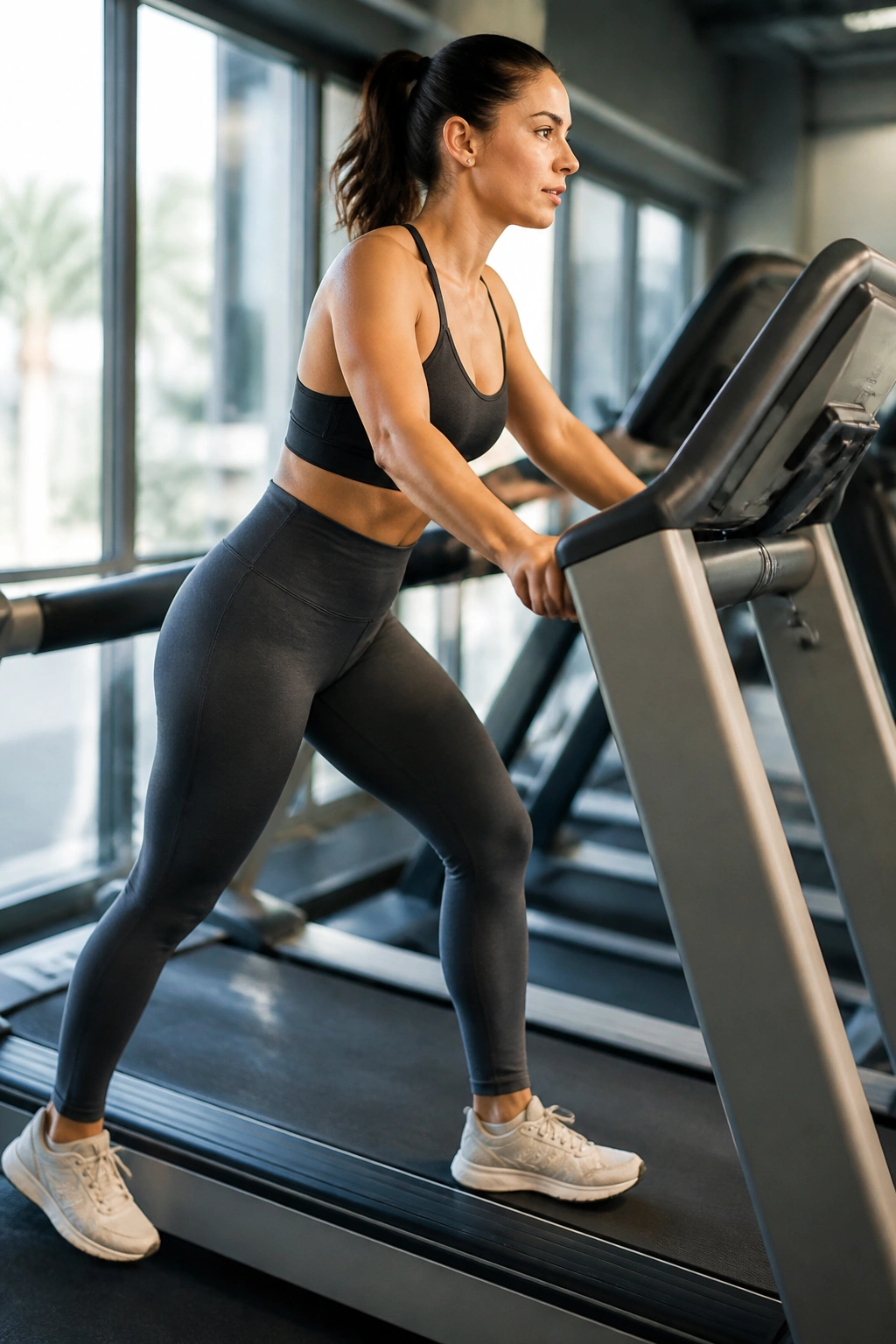
If you want the benefits of running without the impact on your joints, incline walking is the answer. By simply raising the angle of the treadmill, you increase the difficulty of the walk exponentially.
The Sweet Spot
You do not need a massive incline to get results.
- The Incline: A setting between 3% and 6% is often enough to significantly increase heart rate.
- The Hands-Off Rule: Do not hold onto the handrails. Holding on allows you to lean back, which negates the incline and defeats the purpose of the workout.
- Posture: Lean slightly forward from your ankles, not your waist.
This targets the glutes and calves much harder than flat walking. You will feel a burn in your legs, but your joints will feel much happier than if you had gone for a run.
18. HIIT for Beginners
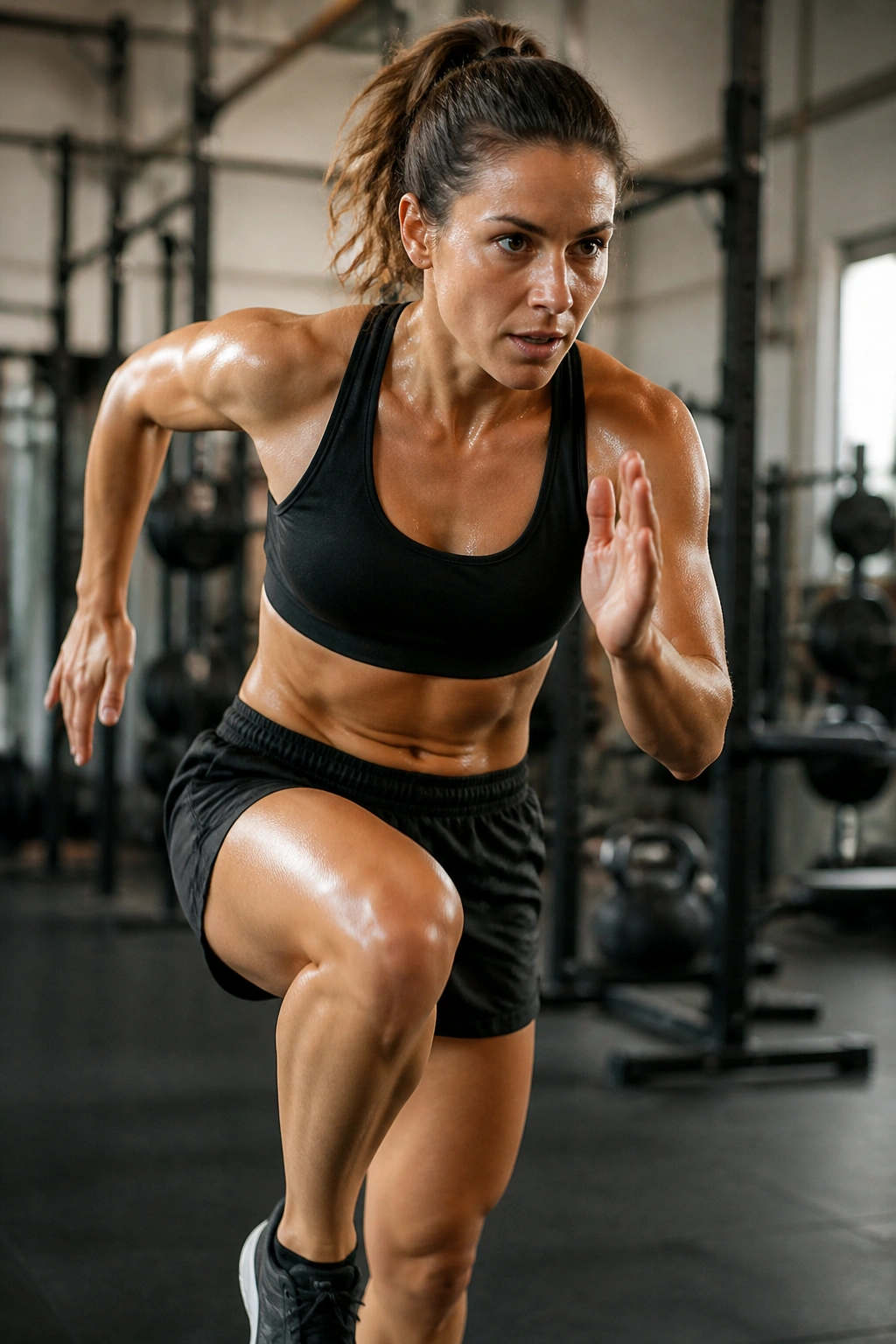
High-Intensity Interval Training (HIIT) sounds daunting, but at its core, it is simply alternating short bursts of effort with periods of rest. You can apply this to almost any form of movement.
Creating a Simple Protocol
You do not need to sprint. You just need to increase your effort level from “easy” to “hard” for a short time.
- The Ratio: Start with 30 seconds of effort, followed by 60 seconds of recovery.
- The Effort: During the “work” phase, pick up the pace or add resistance. During the “rest” phase, move very slowly or stop completely.
- The Duration: Ten minutes is plenty to start.
HIIT is effective because it allows you to get a high-quality workout in a very short amount of time. It is perfect for days when you feel like you do not have an hour to dedicate to the gym.
19. Garden and Yard Work
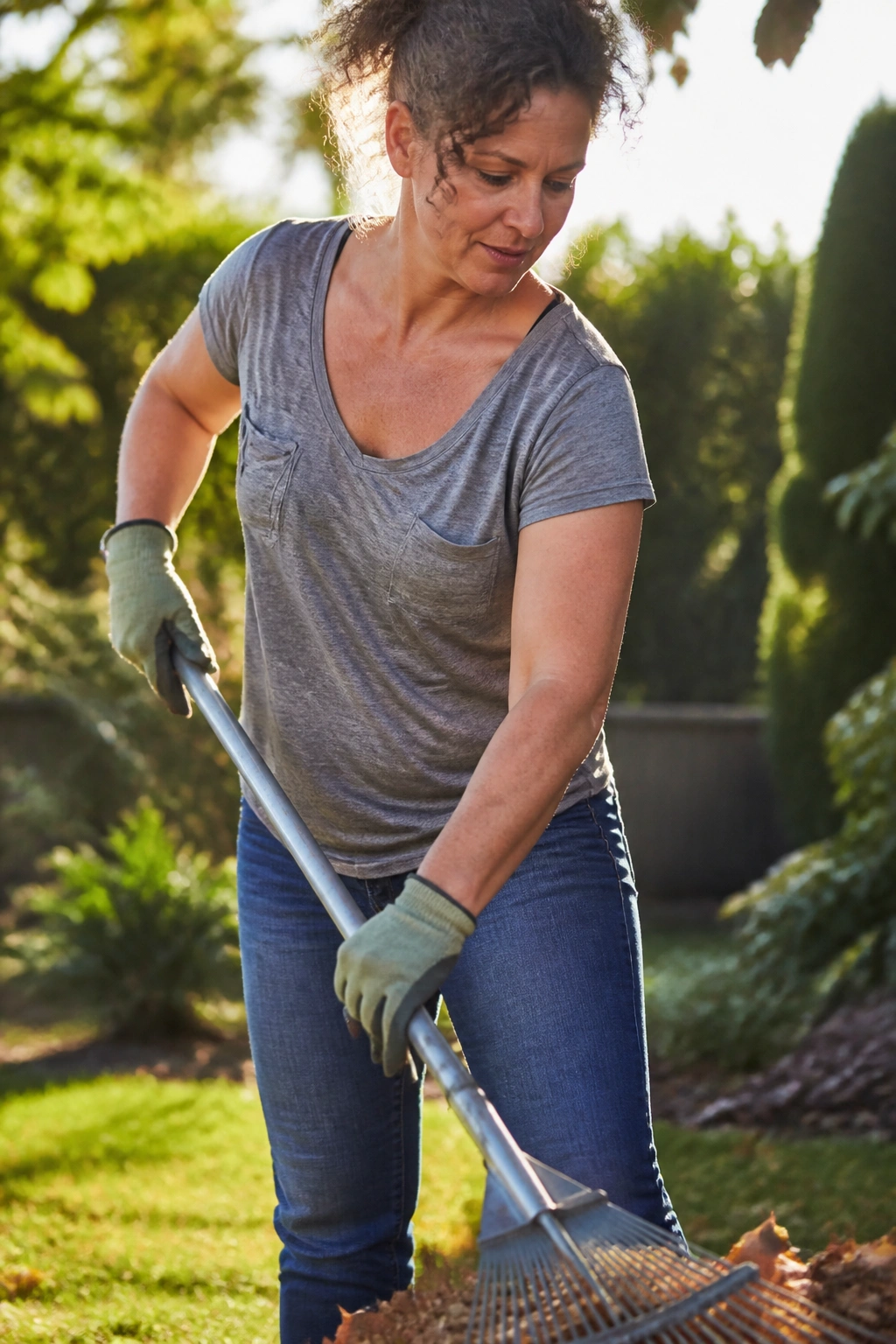
Cardio does not always have to look like “exercise.” Heavy yard work—raking leaves, shoveling mulch, digging, or mowing the lawn—is physically demanding labor that keeps your heart rate elevated for extended periods.
Why It Counts
Functional movement is often the most sustainable.
- Varied Motion: Yard work involves bending, lifting, twisting, and reaching, which works muscles in a way that repetitive gym machines often miss.
- Duration: You might spend two hours in the yard without realizing it.
- Sunlight: Being outside adds an extra boost to your mood.
The next time you have a weekend project, don’t look at it as a chore. Put on some music, stay hydrated, and treat it as a productive way to burn calories and move your body.
20. Stability Ball Cardio
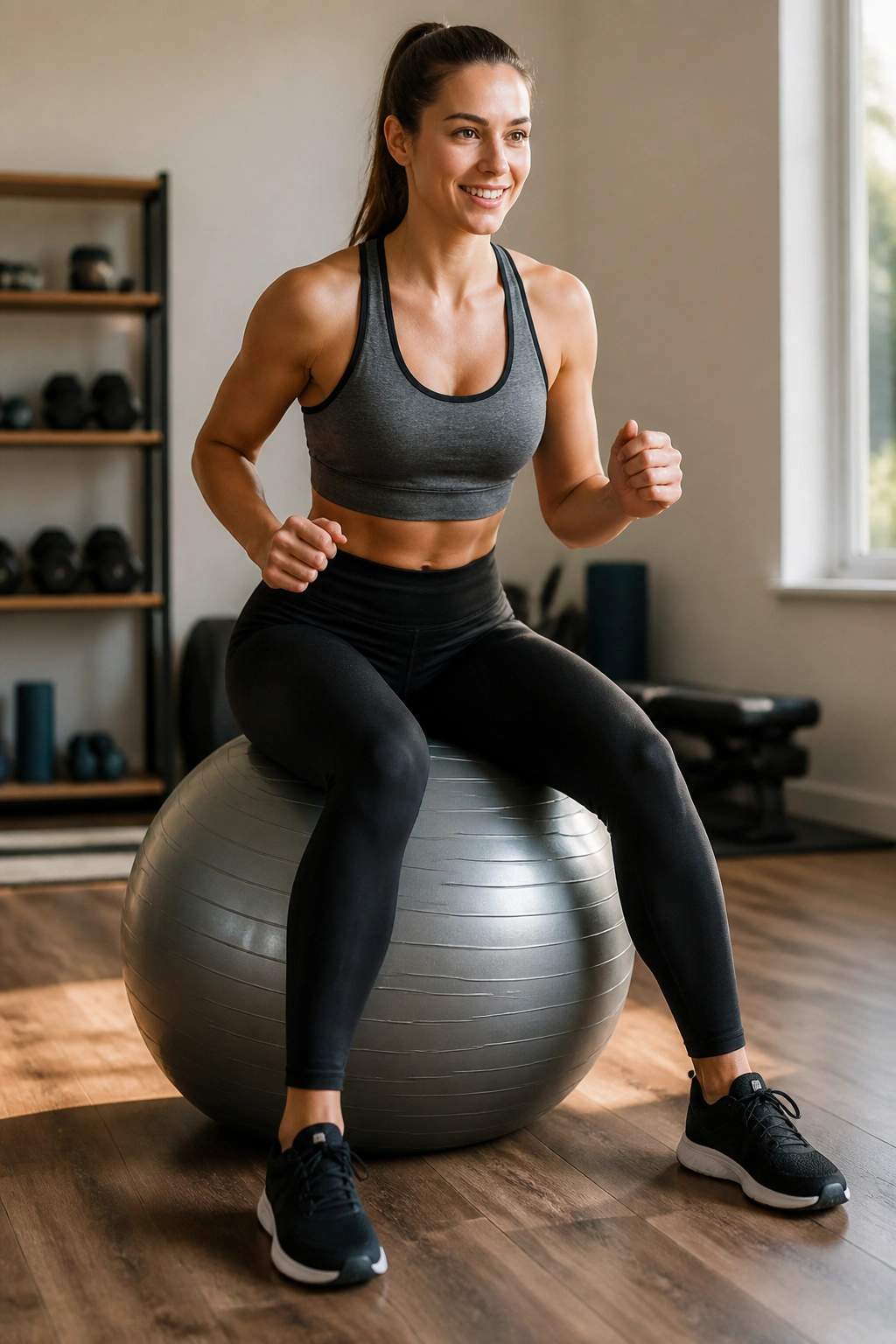
A stability ball—often called a Swiss ball—can be used for more than just ab work. You can bounce on it, march on it, or use it to assist with movements to keep your heart rate up.
Simple Moves to Try
- Ball Bounces: Sit on the ball and bounce rhythmically. It sounds silly, but it engages your core and gets the heart pumping.
- Ball Marches: Sit on the ball and alternate lifting your knees. This requires significant balance.
- Ball Squats: Use the ball against a wall to help you maintain form while doing squats.
Because the ball is unstable, your body has to work overtime to keep you upright. This constant micro-adjusting is excellent for burning calories and strengthening the stabilizing muscles of your core.
Final Thoughts
The “best” cardio workout is the one you actually do. It is easy to get caught up in the idea that you need to be doing the most intense, advanced, or “optimal” workout to see results, but that is simply not true. Your body does not know the difference between a high-tech gym workout and a brisk walk in the park; it only knows that it is moving, that it needs oxygen, and that it is adapting to the challenge.
Start where you are, not where you think you should be. If you can only manage ten minutes today, that is a success. If you can only manage three days a week, that is a foundation. The most successful people in fitness are not the ones who do the most work in a single day, but the ones who keep showing up, day after day, year after year. Listen to your body, celebrate the movement, and keep going.
