



The heavy, deep ache in your quads after a massive squat session isn’t just a sign of work done; it’s a structural update in progress. Your body is busy tearing down and rebuilding. Most people make the mistake of assuming that “rest day” means “couch day.” They sit, they stiffen, and they wonder why they feel like a rusty gate hinge when they go back to the gym on Tuesday.
Total inactivity is rarely the answer. When you move, you flush the metabolic byproducts—lactate, hydrogen ions, the whole chemical soup of fatigue—out of your tissues and replace them with fresh, oxygenated blood. This is the physiological magic of active recovery. It keeps the pump working without adding the stress load that led to your fatigue in the first place.
The key is intensity management. If you are breathing hard, you are training, not recovering. If you are sweating buckets, you are burning fuel, not replenishing it. Active recovery should feel like a warm, gentle tide moving through your muscles. It should feel like maintenance.
If you have been struggling with lingering soreness or that stagnant feeling between training blocks, you are likely missing the point of rest. It isn’t about doing nothing. It is about doing the right thing just enough to keep the engine lubricated.
1. Brisk Walking
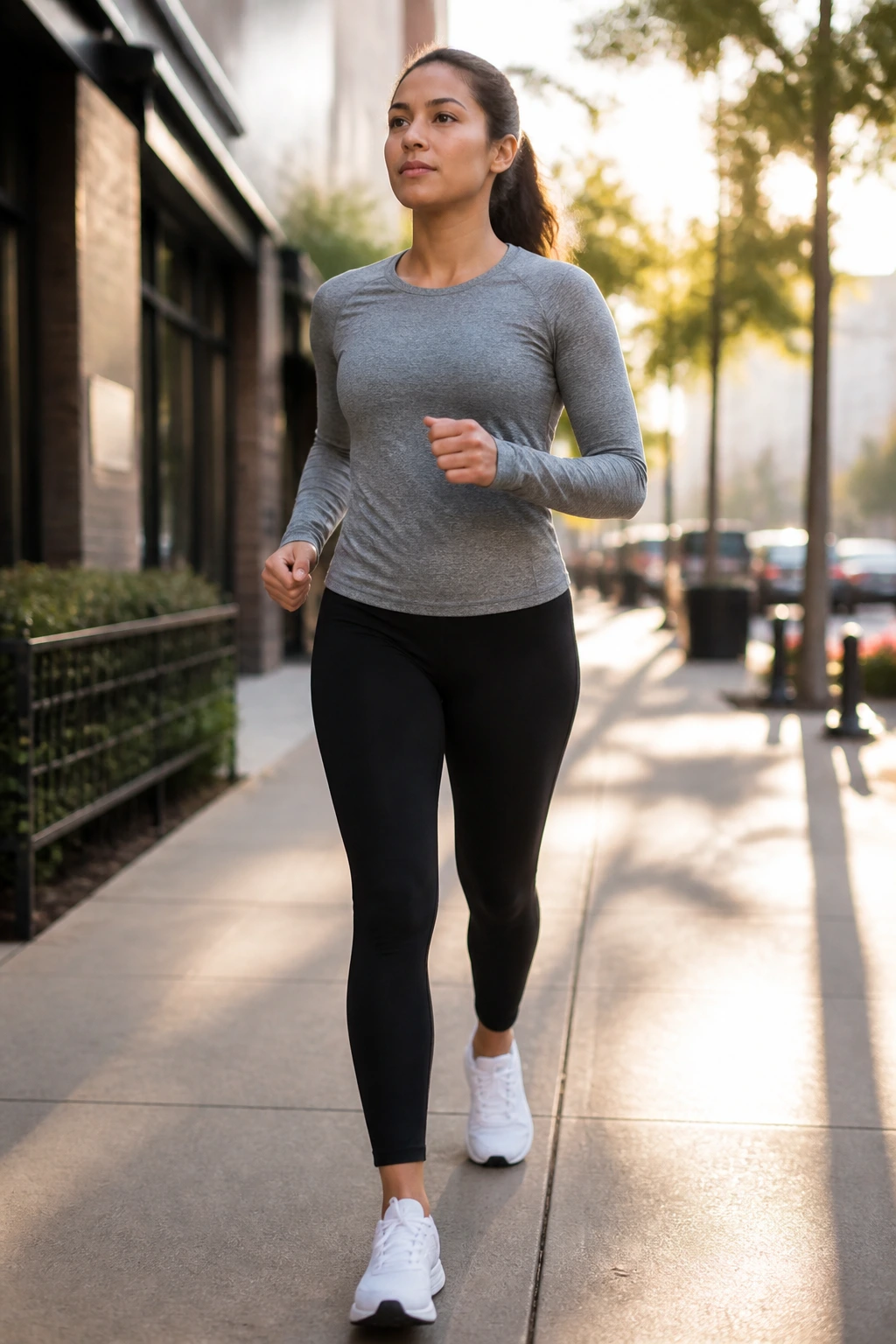
This is the gold standard of active recovery, and for good reason. It is universally accessible, low-impact, and effectively keeps the lower body mobile without putting excessive torque on the joints. You are looking for a pace that is rhythmic and steady—not a power walk, not a leisurely stroll, but something that creates a consistent, gentle cadence.
Why It Works for Recovery
Walking creates a natural “calf pump” effect. Every time your foot strikes the ground and you push off, your calves engage, pushing venous blood back up toward the heart. This helps clear out the debris from yesterday’s workout. It also keeps your hips from locking up, which is a common issue for anyone who spends the rest of their day at a desk.
How to Do It Right
- Aim for 30 to 45 minutes on flat terrain.
- Keep your posture upright; don’t slouch into your stride.
- If you can hold a full conversation without gasping, your intensity is spot on.
- Wear your most comfortable shoes—your joints have earned the cushioning.
Pro tip: Listen to a podcast or an audiobook. If you focus too hard on the workout, you might unconsciously pick up the pace and turn it into a cardio session. Keep your heart rate firmly in the aerobic “recovery” zone.
2. Vinyasa Yoga Flow
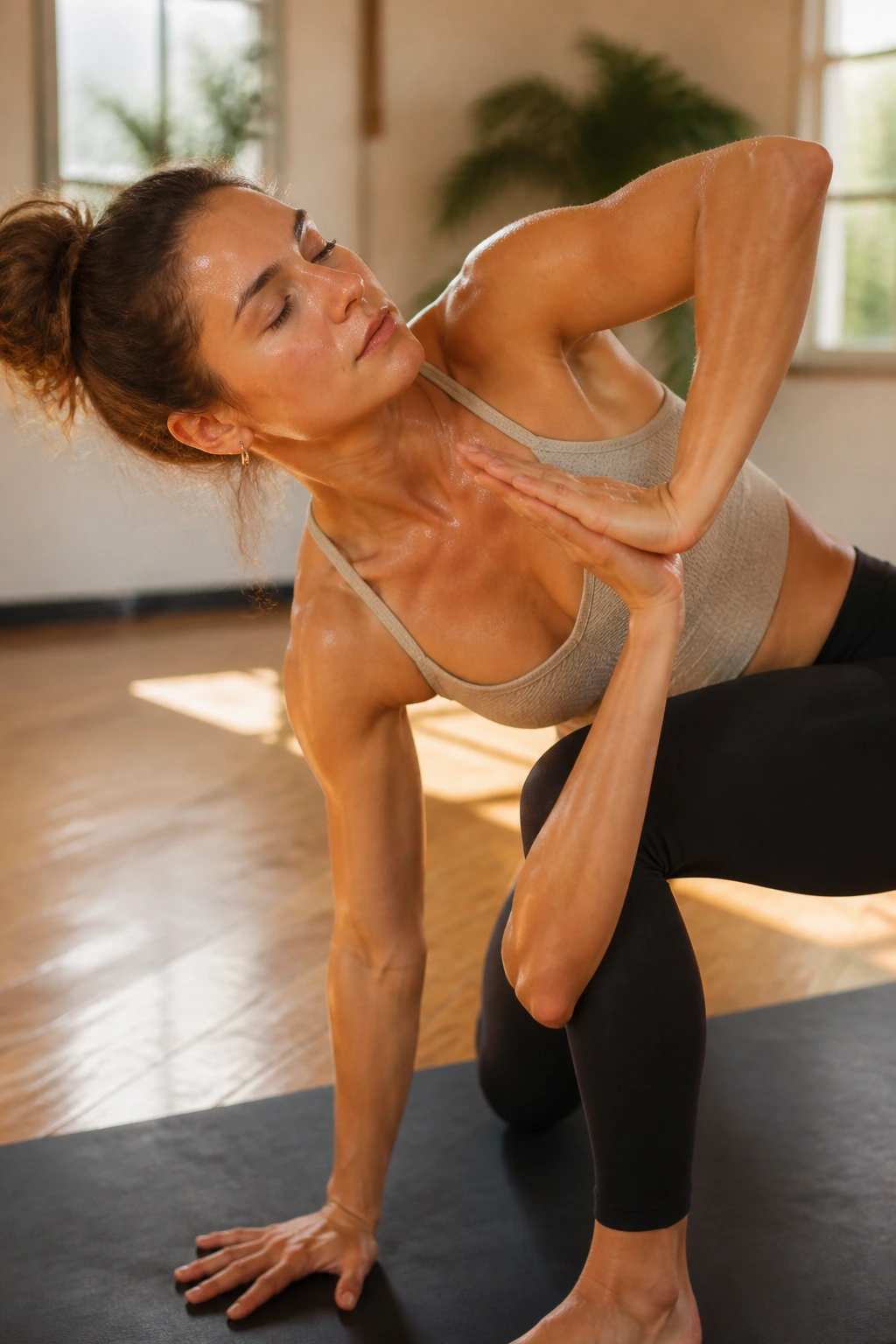
Yoga on a rest day is not about mastering the most difficult pose in the studio. It is about creating a flow that moves through your range of motion. Think of it as a moving meditation where the focus is on the transition between poses rather than the final hold.
Connecting Breath and Movement
The beauty of a Vinyasa-style flow is the emphasis on rhythmic breathing. When you coordinate your inhales and exhales with your movement, you downregulate your nervous system. You move from the sympathetic (“fight or flight”) state, which dominates during hard lifting, to the parasympathetic (“rest and digest”) state.
Structuring Your Session
- Start with simple cat-cow stretches to mobilize the spine.
- Incorporate gentle sun salutations to get the blood flowing.
- Spend extra time in child’s pose or pigeon pose if your hips are the specific problem area.
- Skip the high-intensity inversions or power holds if you are feeling truly depleted.
Do not worry about perfect alignment. This isn’t a performance. If you need to bend your knees deeply in downward dog to protect your hamstrings, do it. The goal is fluid motion, not gymnastic achievement.
3. Low-Intensity Indoor Cycling
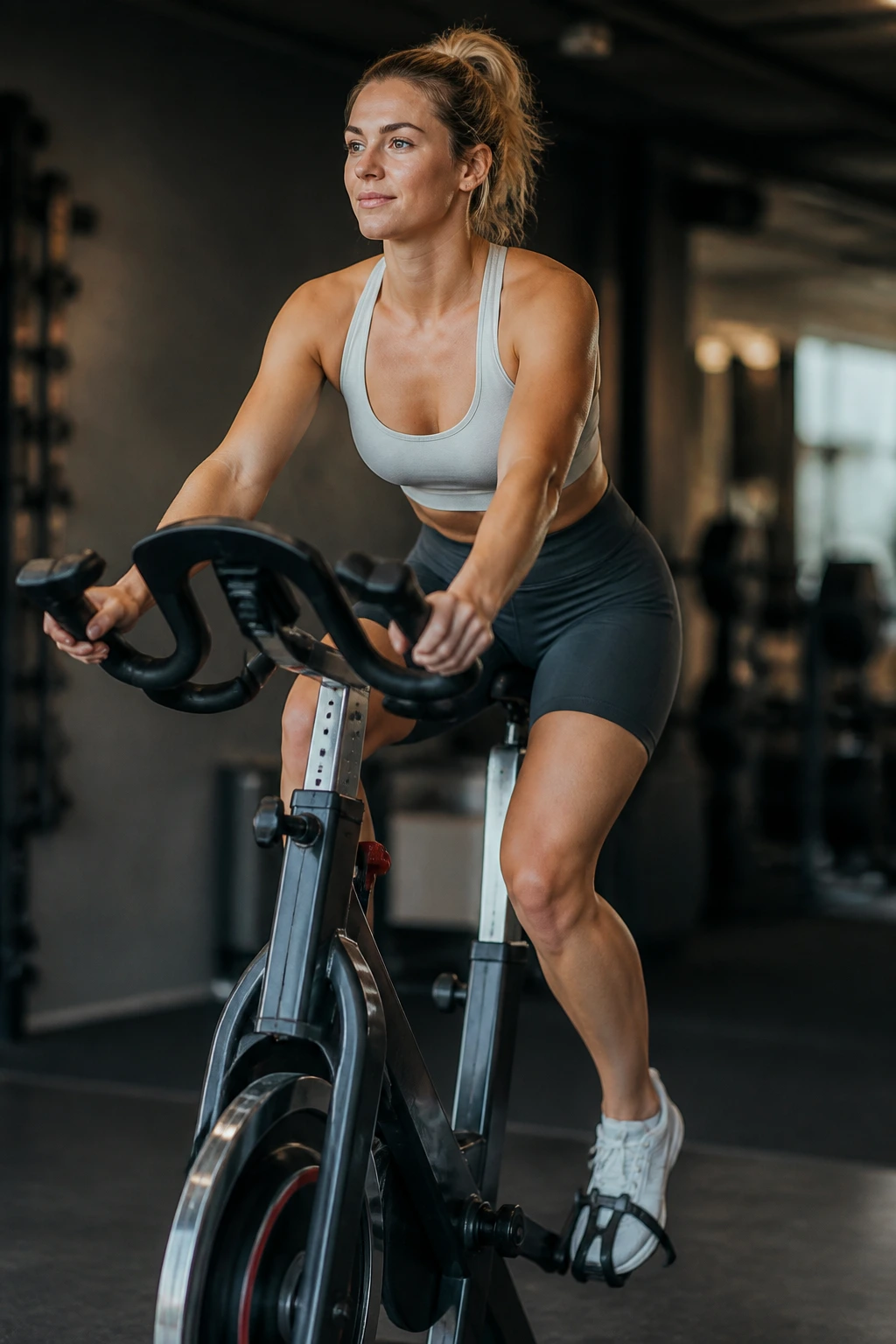
If you have access to a stationary bike, it can be a fantastic tool for active recovery because it removes the instability and balance requirements of road cycling. You don’t have to worry about traffic, hills, or uneven pavement. You just get on, clip in (or strap in), and pedal.
The Mechanics of the Spin
When you cycle at a very low resistance, you create a rotational movement pattern. This is excellent for knee and hip health because it circulates synovial fluid around the joint capsules without the jarring impact of running. It’s essentially a gentle oil change for your joints.
Setting Your Resistance
- Keep the resistance set to a level where you feel zero strain.
- Your cadence should be around 70 to 80 RPM.
- Avoid the temptation to do “sprints” or “climb” against high resistance.
- Keep your hands relaxed on the bars; don’t grip them tightly, as this indicates you are trying to push too hard.
Many athletes find that 20 minutes of light spinning is the perfect duration. Anything longer starts to become a training session, which is exactly what we are trying to avoid on a rest day.
4. Mobility Drills and Joint Rotations
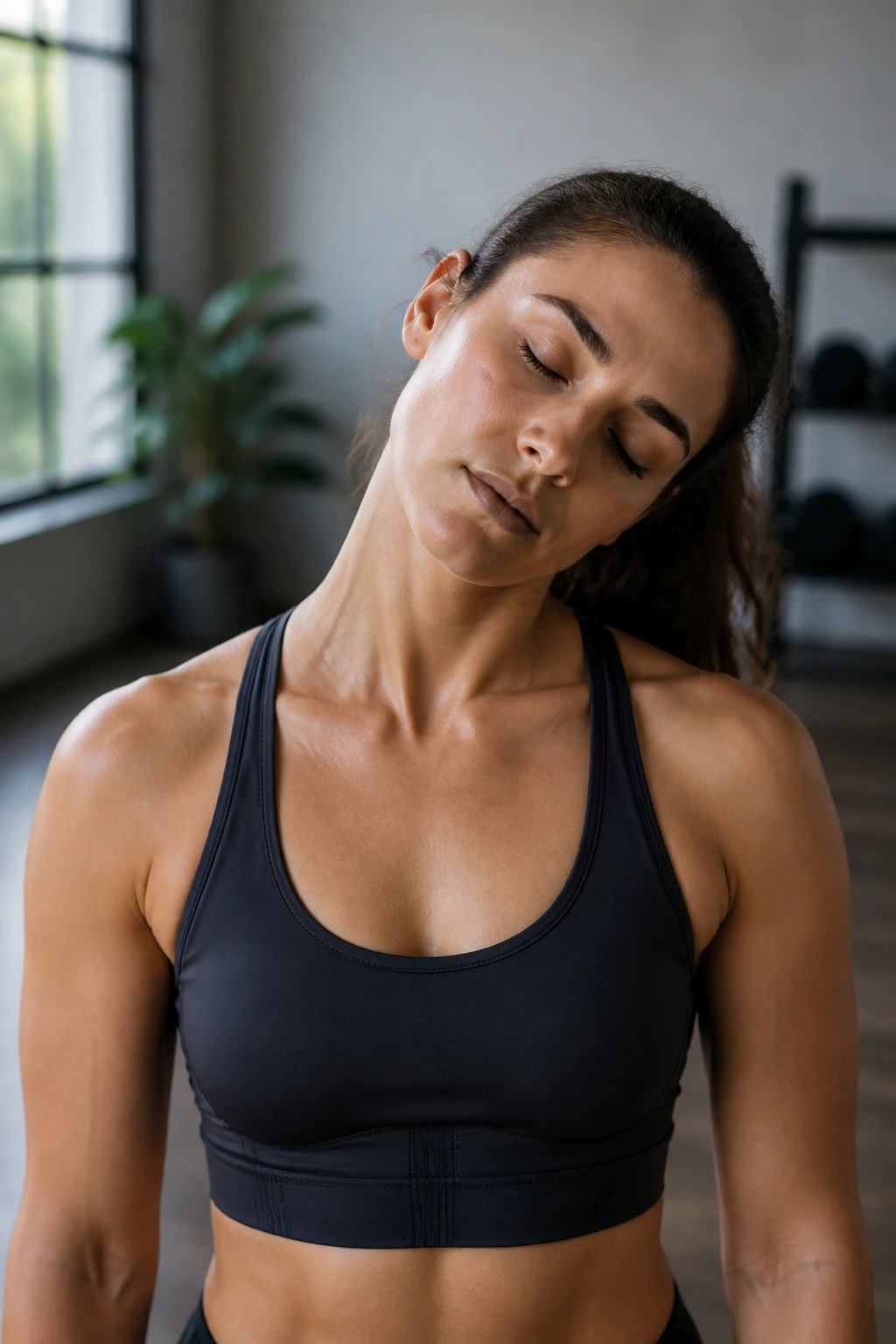
Mobility training is often confused with stretching, but they are different. Stretching targets the muscle fibers; mobility targets the joint capsule and the ability to control a movement through a full range. On a rest day, your goal is to “unlock” the joints that got tight from yesterday’s heavy lifting.
Why Focus on Rotations
Joints like your shoulders, hips, and ankles are designed to move in circles. When we train with heavy barbells or machines, we often force them into linear, restricted paths. Joint rotations restore that circular freedom.
Simple Routine to Try
- Neck rolls: Slow, controlled circles to release tension.
- Arm circles: Start small, gradually increasing the size of the circle to open up the shoulder girdle.
- Hip CARs (Controlled Articular Rotations): Stand on one leg and rotate the other knee in a controlled arc.
- Ankle circles: Do these while sitting to relieve any stiffness from standing.
Perform each of these for about 2 minutes. Focus on feeling the joint move. If you feel a “crunch” or a sticking point, don’t force it. Just move through the range that feels comfortable and fluid.
5. Self-Myofascial Release (Foam Rolling)
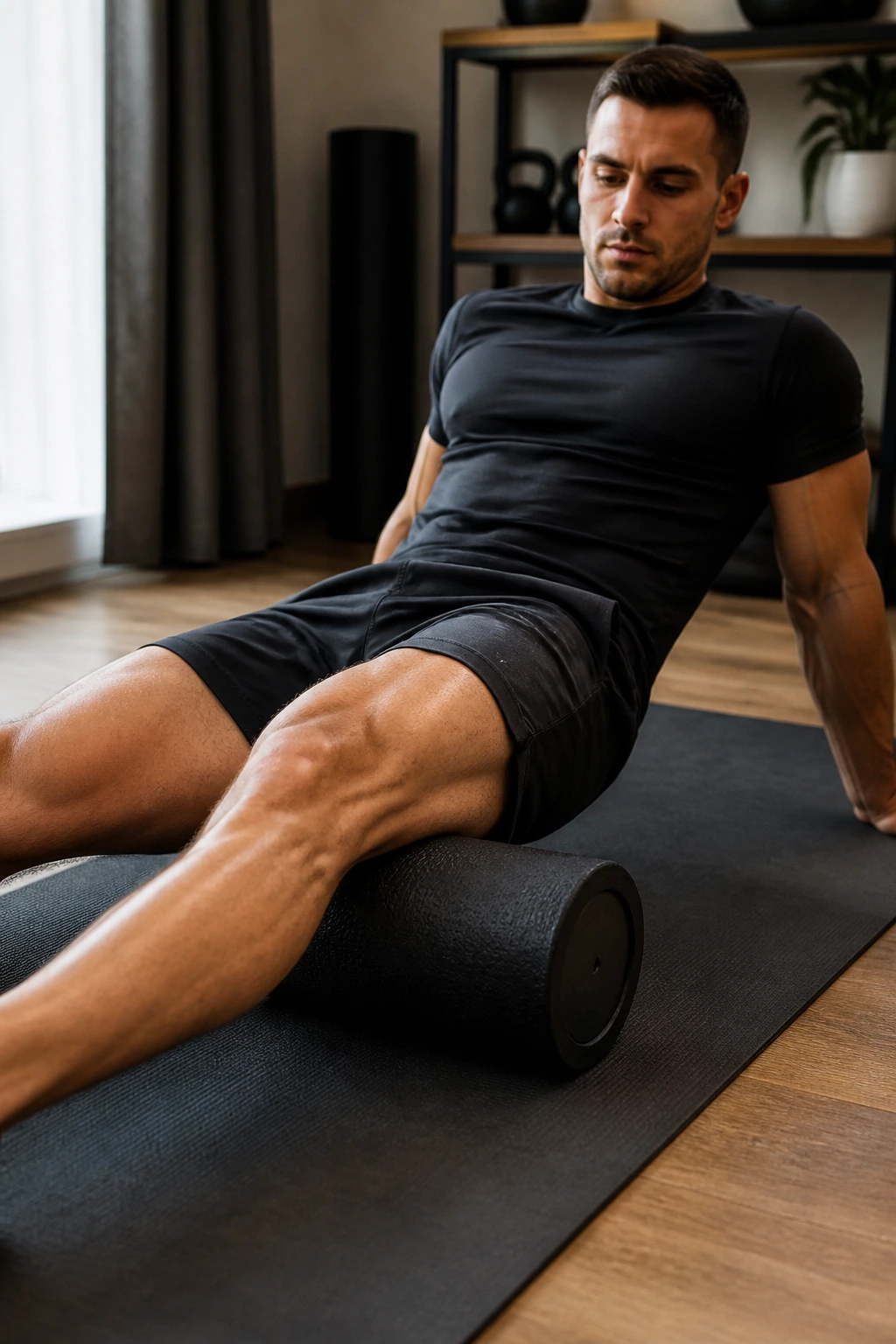
Foam rolling is the manual therapy of the gym world. It’s not necessarily about “breaking up knots,” as that’s a bit of a myth, but it is excellent for stimulating the nervous system and helping tissues slide more effectively.
Finding the Right Pressure
The biggest mistake people make is rolling too fast and too hard. If you roll quickly, your muscles will tense up to protect themselves, which defeats the entire purpose. You want to move slowly. Find a tender spot, settle into it, and breathe.
Key Areas to Target
- The Quads: Essential if you did squats or lunges.
- The Lats: Often overlooked, but they get tight after pulling movements.
- The Thoracic Spine: Use a foam roller to gently extend the upper back.
- The Calves: Especially if you spent time on your feet.
If you find a spot that is excruciatingly painful, move slightly off it. You want “so good it hurts” pressure, not “I might bruise” pressure. Spend about 5-10 minutes total. It’s supposed to be soothing, not a torture session.
6. Recreational Swimming
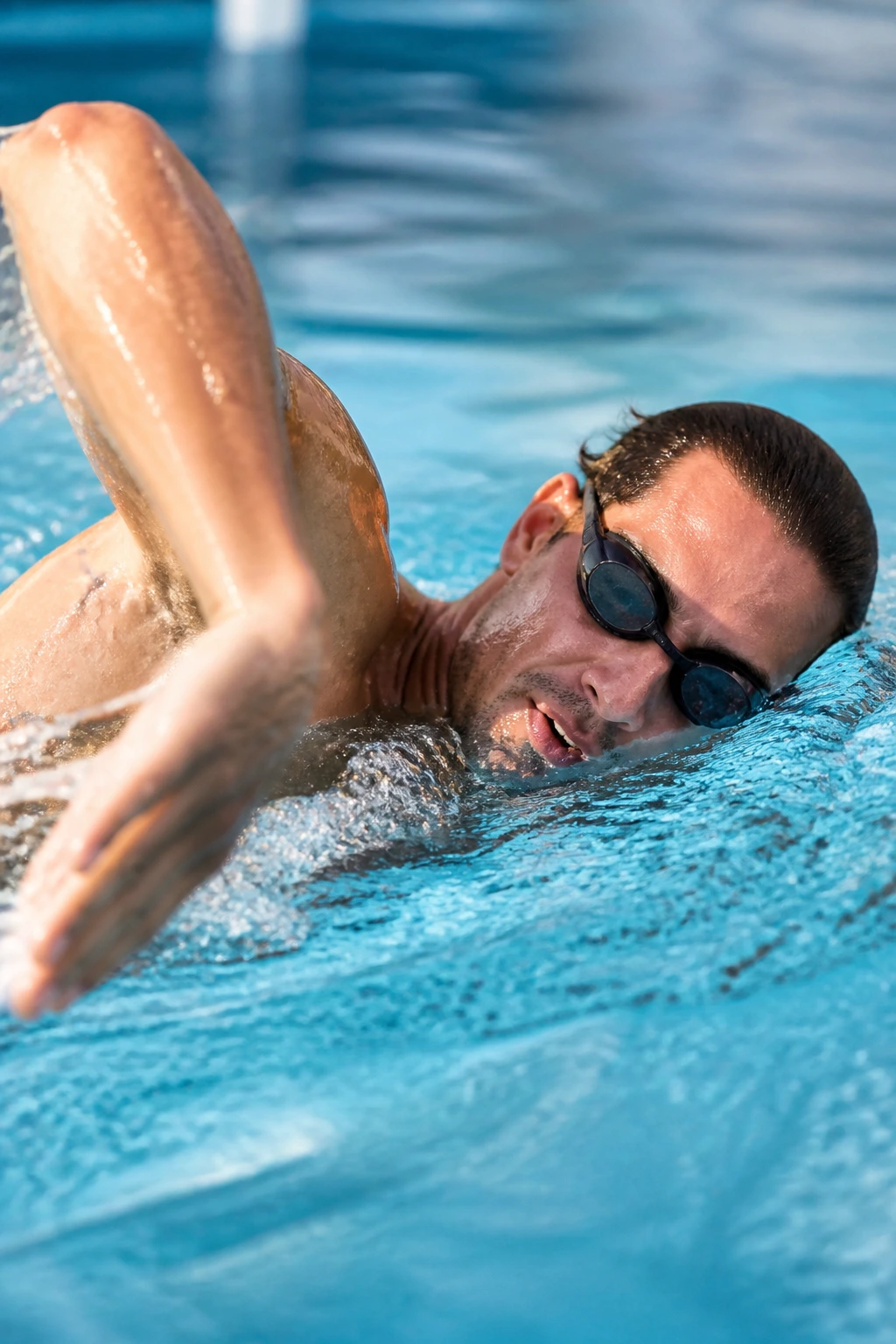
Swimming is unique because it provides a form of active recovery that is both buoyant and resistive. Water supports your weight, which immediately takes the load off your skeletal system. Simultaneously, moving through water provides a gentle, full-body resistance that is impossible to replicate on land.
Benefits for Muscle Soreness
The hydrostatic pressure of the water acts like a mild compression suit, which can help with fluid retention and circulation. It’s incredibly calming. The rhythmic nature of swimming laps—in, turn, stroke, breathe—tends to induce a meditative state that is hard to find in a crowded gym environment.
Technique for Recovery
Don’t swim for speed. If you are a swimmer, you know the difference between a “recovery swim” and a “hard set.” Stick to a comfortable breaststroke or a slow freestyle. If you aren’t a strong swimmer, just walking laps in the pool can provide the benefits of hydrostatic pressure without the technical demand of keeping your head above water.
7. Pilates Mat Work
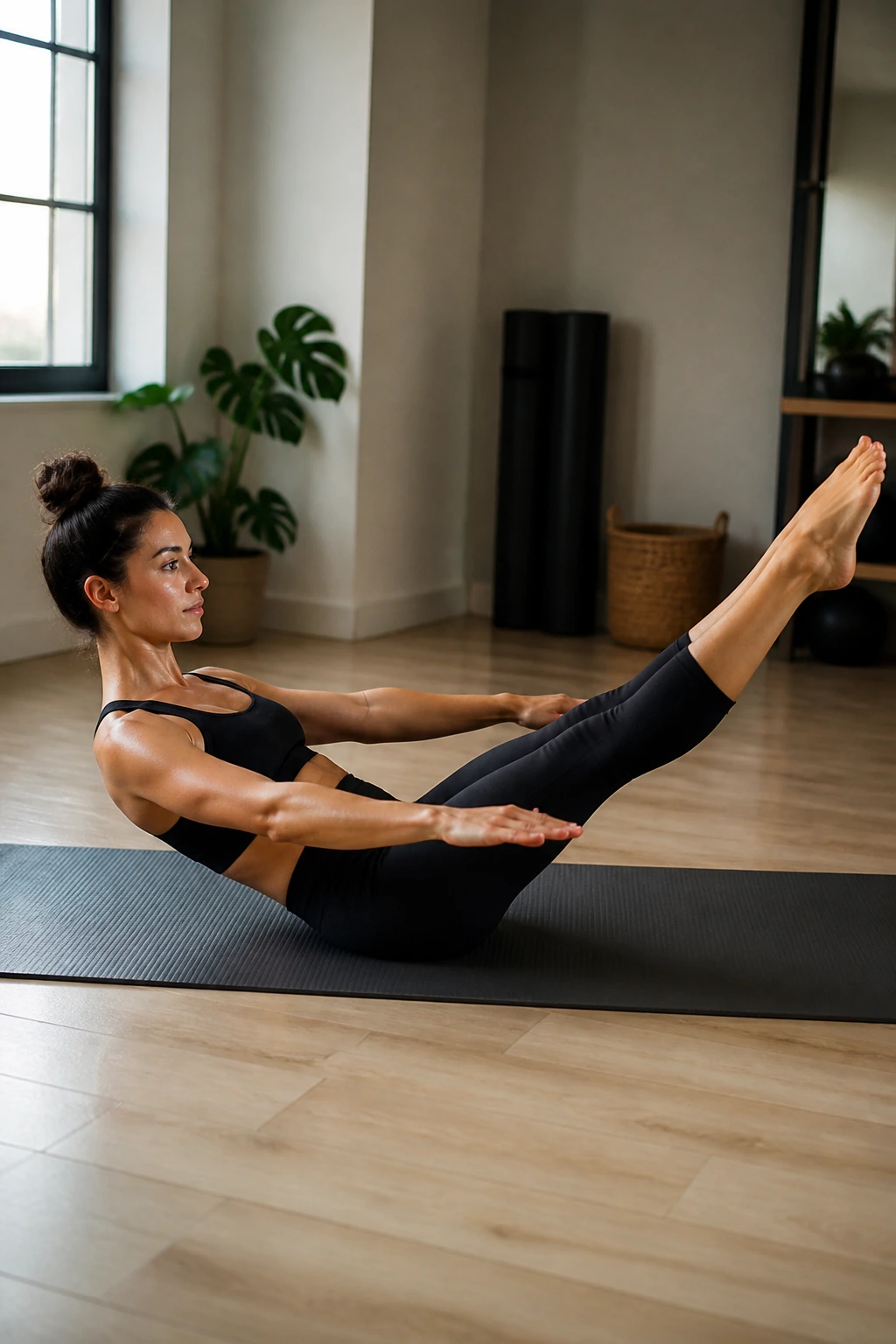
Pilates is built around the idea of core stability and controlled movement. It’s perfect for rest days because it forces you to slow down. You cannot “cheat” a Pilates movement with momentum; you have to use your deep stabilizer muscles.
Why It’s Great for Strength Athletes
If you are a lifter, you are likely strong in the big, global muscles (quads, chest, back) but might be neglecting the smaller stabilizers. Pilates highlights those weaknesses. It teaches you to move from your center, which carries over directly to better form during your heavier training sessions.
Sample Focus Areas
- The “Hundred” to get the blood flowing.
- Leg circles for hip mobility.
- Bridging to activate the glutes without the heavy load of a barbell.
Keep the session short—15 to 20 minutes is plenty. The goal is to wake up those deep stabilizer muscles that get turned off when you are doing high-intensity, compound lifting.
8. Light Hiking on Flat Terrain
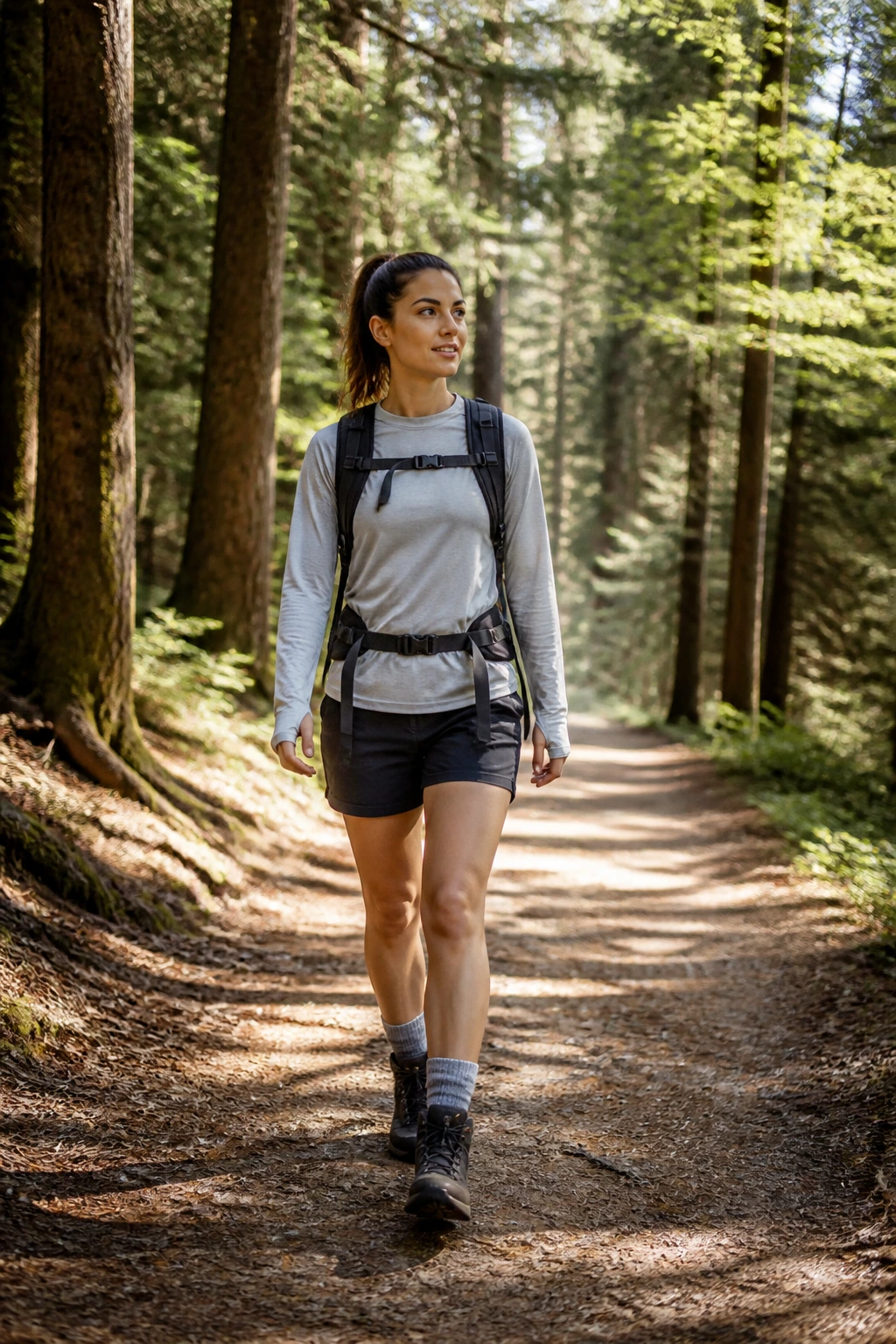
Hiking is fantastic, provided you don’t turn it into a mountain ascent. Find a trail that is relatively flat, well-maintained, and ideally surrounded by trees or nature. The psychological benefit of getting out of the gym and into a natural environment is just as important as the physical activity.
The Terrain Factor
Walking on uneven ground (like a dirt trail) forces your stabilizing muscles in your ankles, knees, and hips to work slightly harder than they would on a treadmill. This is actually a good thing for recovery; it forces your body to adapt to micro-adjustments, which improves your overall stability without taxing your cardiovascular system.
Safety Considerations
- Avoid trails with steep inclines or declines.
- Wear shoes with decent grip.
- Don’t push for distance; aim for time instead.
- If you start to feel fatigue in your joints, turn back.
This is meant to be a restorative walk in the woods. Enjoy the scenery. Don’t check your fitness tracker every five minutes to see your pace.
9. Tai Chi for Balance
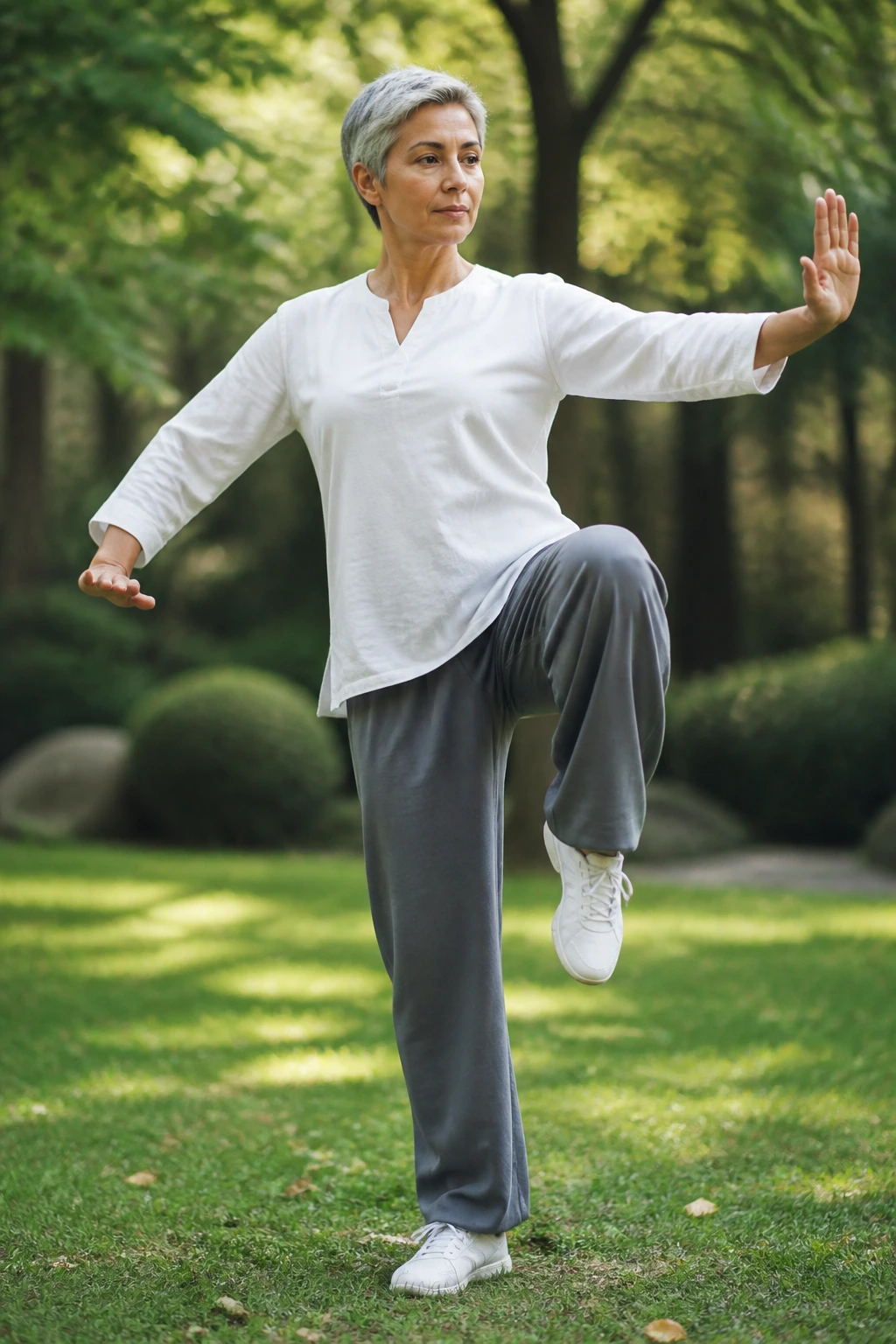
Tai Chi is an ancient practice that, to the uninitiated, looks like slow-motion dancing. To the athlete, it is a masterclass in weight distribution, balance, and controlled deceleration. It is arguably one of the most underutilized recovery tools in the modern athletic world.
The Science of Slow
Everything in Tai Chi is done with deliberate, slow intention. By moving slowly, you are forced to control every inch of your body’s path through space. It is incredibly challenging for your coordination and helps “reset” your nervous system after the high-stress, explosive movements of traditional strength training.
How to Get Started
- You don’t need a class to start. Look for basic beginner videos.
- Focus on the shift of your weight from one leg to the other.
- Keep your joints “soft” (bent) rather than locked.
- Use your breath to guide the movement.
You might feel a bit silly at first, especially if you are used to the aggression of a lifting session. Lean into it. The ability to control your body with grace is a form of strength that complements the raw power you build in the weight room.
10. Gentle Rowing
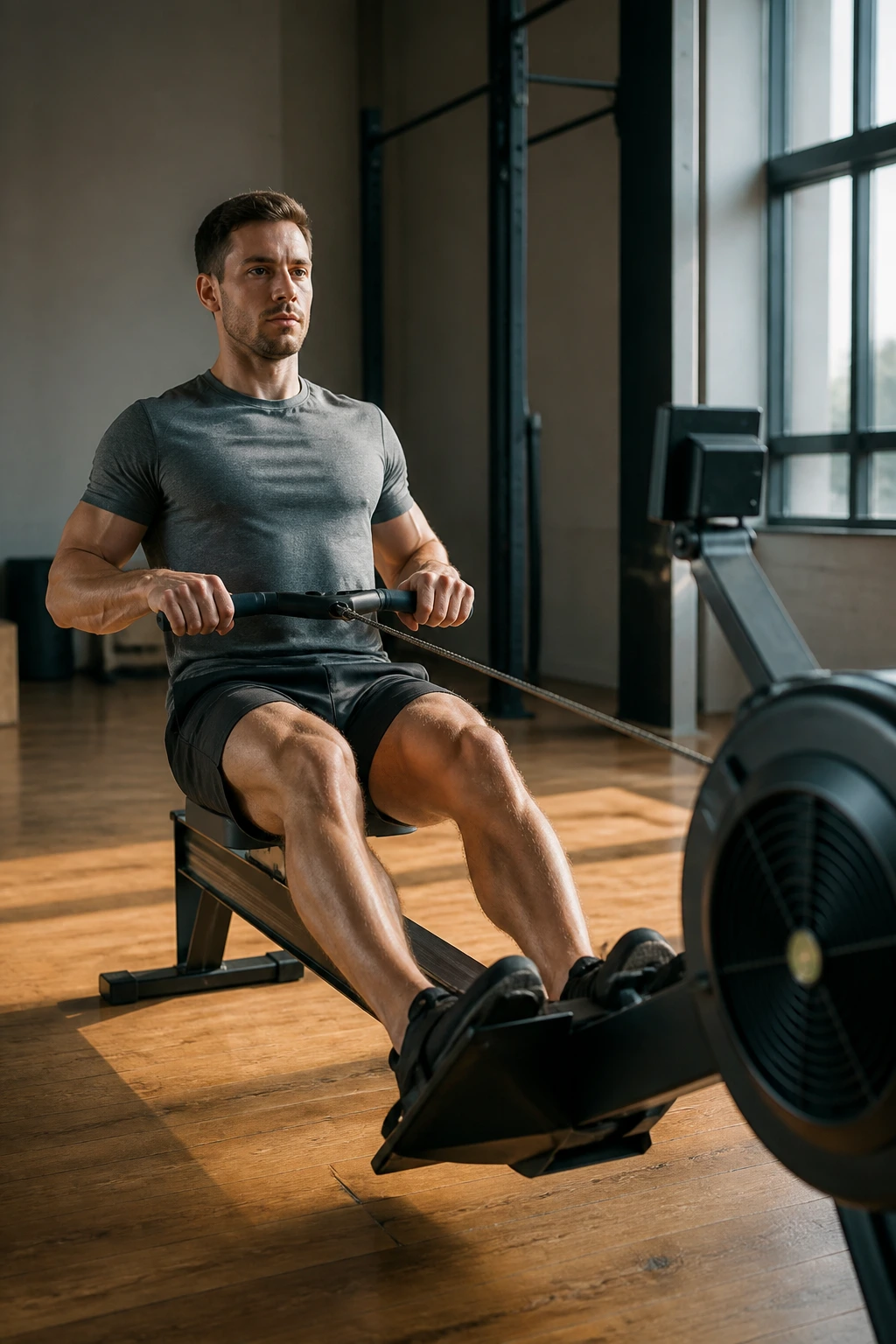
Rowing is a total-body movement pattern that engages the legs, back, and arms. When used for recovery, it becomes a tool for flushing out the system. The key here is the “gentle” part. You should not be trying to beat your 500-meter split record.
Keeping the Rhythm
Focus on the connection between the drive and the recovery. In a recovery session, the “recovery” part of the stroke—where you slide back toward the screen—should take twice as long as the drive. This gives your heart rate a chance to stay steady and prevents you from getting into a high-intensity groove.
Technique Cues
- Keep the drag factor low on the rower.
- Focus on the fluid motion of the slide.
- Relax your shoulders.
- Keep your breathing deep and controlled.
If you find yourself panting, you are going too hard. Back off the stroke rate. You want to feel like you could maintain this pace for an hour, even if you only row for 15 minutes.
11. Gardening and Yard Work
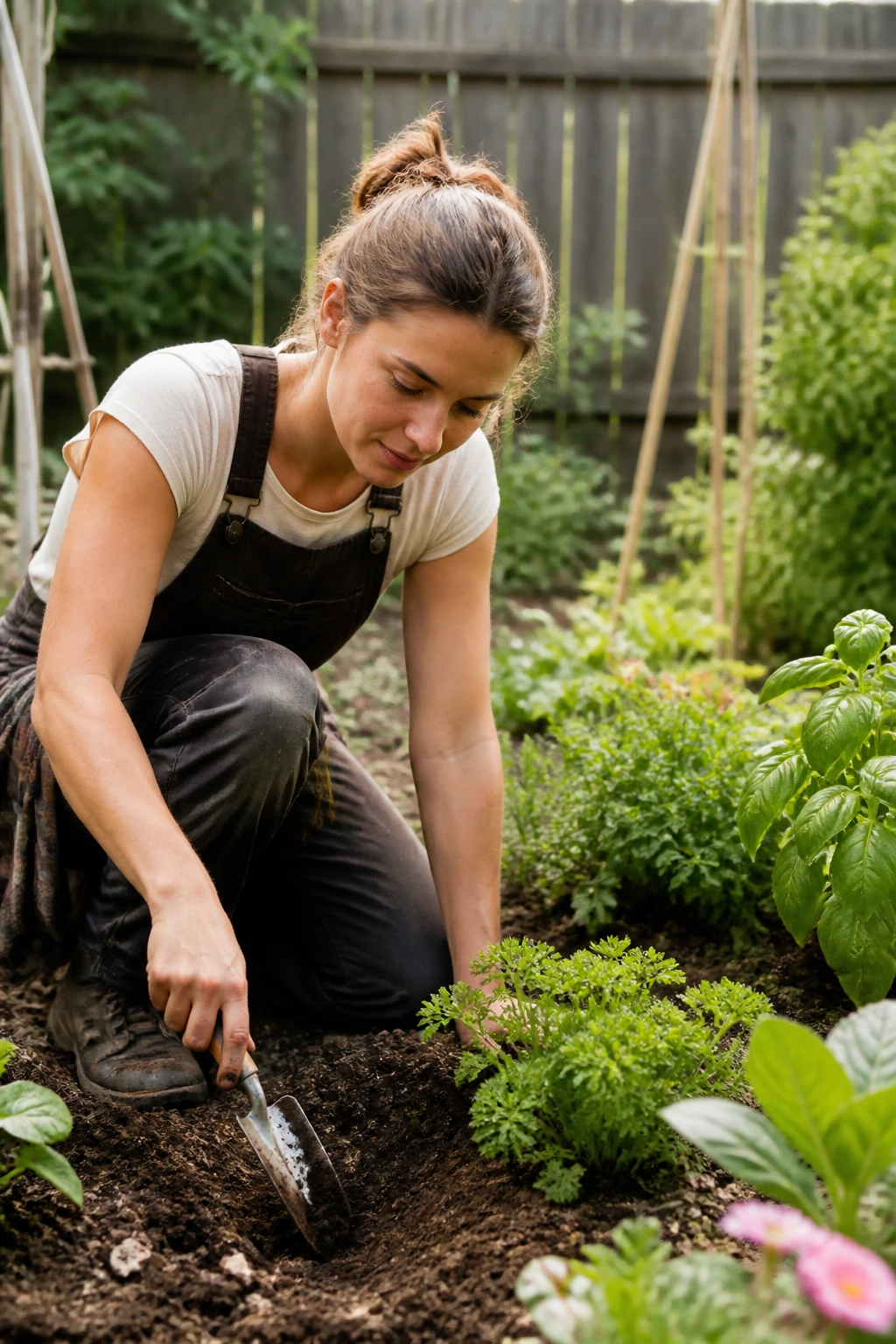
Gardening is a fantastic way to get “incidental” movement. It involves squatting, reaching, carrying, and twisting—all things that keep the body supple. It is functional, productive, and gets you outside.
Movement Patterns in the Garden
Think about the movements: you are hinge-lifting pots of soil, squatting to pull weeds, and reaching across the garden bed. These are all natural, human movement patterns. They are great for maintaining mobility in the hips and thoracic spine in a way that feels productive rather than like “exercise.”
Dos and Don’ts
- Use a kneeling pad to save your knees.
- Switch sides frequently so you aren’t only reaching with your dominant hand.
- Don’t try to move heavy landscaping rocks or large trees on your rest day.
- Stay hydrated.
Gardening is about flow. It’s about being engaged with your environment. It’s a perfect way to keep your body moving without the mental strain of watching a clock or tracking your heart rate.
12. Dynamic Stretching Sequences
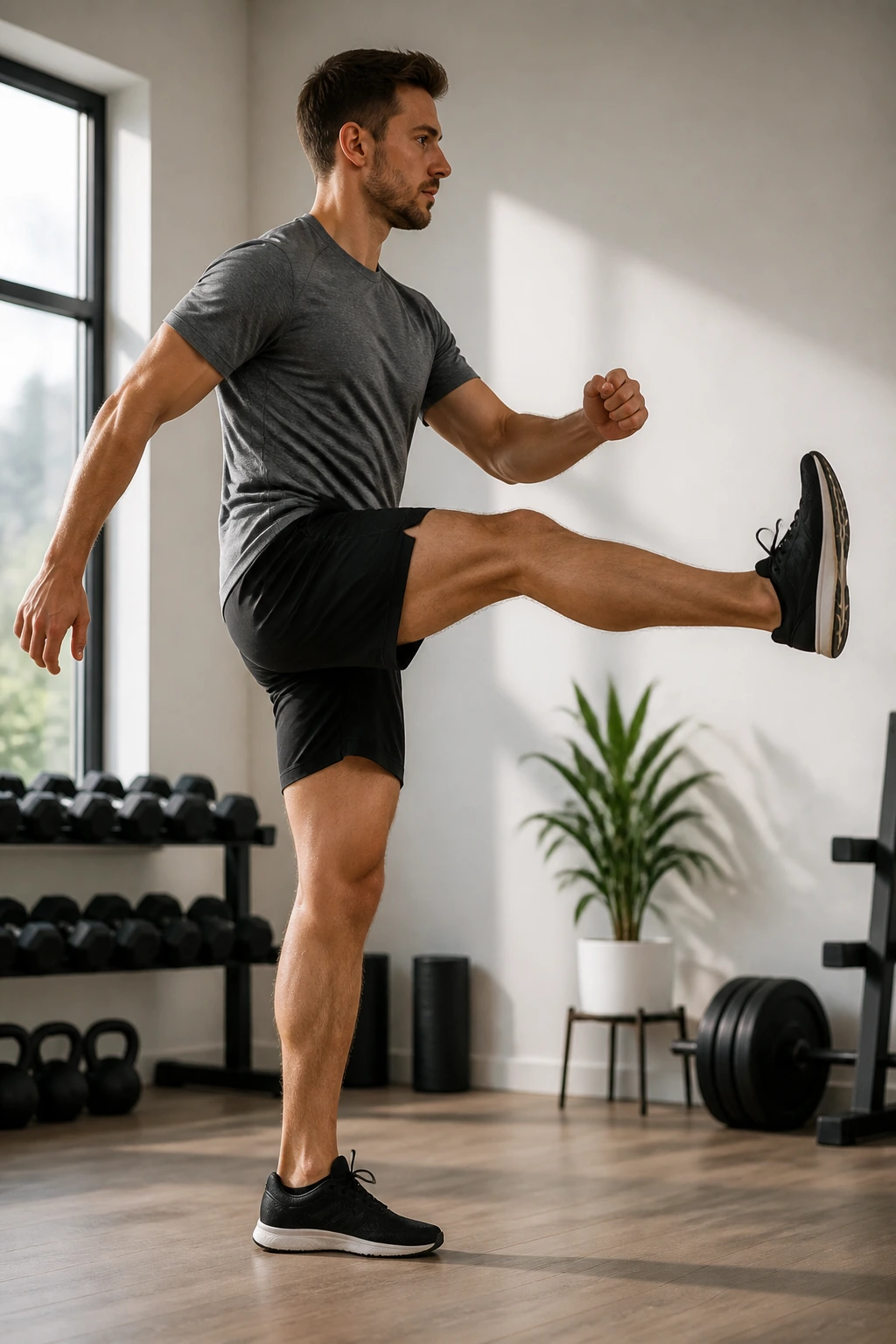
Dynamic stretching is different from static holding. It involves moving through a range of motion. Think of leg swings, arm circles, lunges with a torso twist, or walking high knees. This is the stuff you likely do as a warm-up, but it is also highly effective as a standalone recovery session.
Why Dynamic Beats Static on Recovery Days
Static stretching (holding a position for 30 seconds) can sometimes be counterproductive if you do it too intensely or when your muscles are already stiff from training. It forces a tension release that the body might not be ready for. Dynamic stretching warms the tissue, increases blood flow, and gently eases the muscles into their full length.
Best Moves to Include
- Leg Swings: Forward and backward, side to side.
- Torso Twists: Gentle rotations to open the spine.
- Arm Circles: Large, sweeping movements.
- World’s Greatest Stretch: A deep lunge with a torso rotation.
Spend about 10 minutes moving through these motions. You don’t need to push into the pain barrier. Just move through the range until you feel a gentle pull, then release and move back.
13. Active Stretching with Resistance Bands
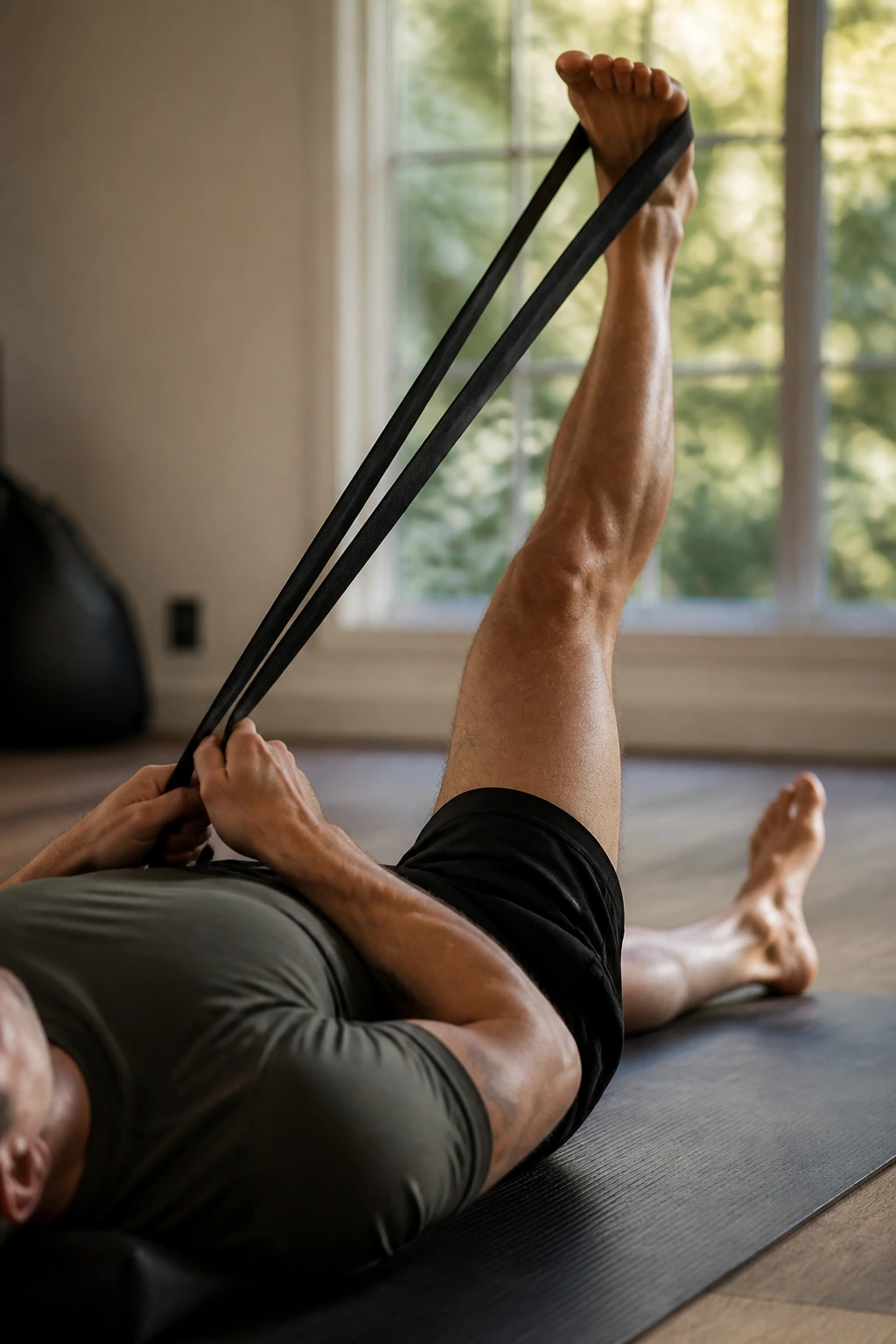
Resistance bands are great for recovery because they provide a constant, gentle pull. This “traction” can feel amazing on tight joints and muscles. It’s like having a physical therapist assisting you, providing that extra bit of leverage to get into a deeper stretch.
The Advantage of Elastic Tension
When you use a band to pull your leg into a hamstring stretch or to open up your shoulder, you can use the band to “hold” the stretch for you. This allows you to relax deeper into the position than you could with your own grip strength.
Setup Ideas
- Hamstring Stretch: Loop the band around your foot while lying on your back.
- Chest Opener: Hold a band between your hands and bring it over your head to your lower back.
- Shoulder Mobility: Anchor a band to a post and let it pull your arm into a stretch.
Keep the tension light. The band is there for support, not to act as a weight. Relax your body into the band’s resistance.
14. Deep Breathing and Mindful Movement

Sometimes, the best thing you can do for your body is to get out of your own head. High-intensity training creates a significant load on the central nervous system (CNS). If you are fried from training, no amount of physical movement will fix it if your CNS is still stuck in overdrive.
The Physiological Reset
Deep breathing, specifically diaphragmatic breathing (belly breathing), stimulates the vagus nerve. This is the primary driver of the parasympathetic nervous system. When you breathe deeply, you are literally telling your body, “It is safe to repair tissues now.”
Practices to Try
- Box Breathing: Inhale for 4 seconds, hold for 4, exhale for 4, hold for 4.
- Progressive Muscle Relaxation: Tense a muscle group for a second, then release it completely while breathing out.
- Mindful Walking: Walk slowly, focusing entirely on the sensation of your feet touching the ground.
You can do this while lying on the floor, sitting in a chair, or walking. It requires no equipment and takes as much time as you have. Five minutes of this can be more restorative than an hour of foam rolling.
15. Recreational Dancing

This might sound strange, but dancing is one of the most natural forms of movement there is. It is unpredictable, rhythmic, and fun. It forces you to move in planes of motion that you don’t use in the gym.
Why It’s Unique
In the gym, you move in straight lines. Forward, backward, up, down. Dancing forces you to move laterally, rotationally, and with varying speed. It helps smooth out the movement patterns that get rigid from heavy weight training.
How to Do It
- Put on a playlist you enjoy.
- Don’t worry about “steps” or technique.
- Just move your body to the beat.
- Let your hips, shoulders, and spine move naturally.
It is impossible to be stressed while you are moving to music you love. It’s a great way to disconnect from the “work” mentality of training and reconnect with the simple joy of moving your body.
16. Using a Massage Gun or Percussive Therapy
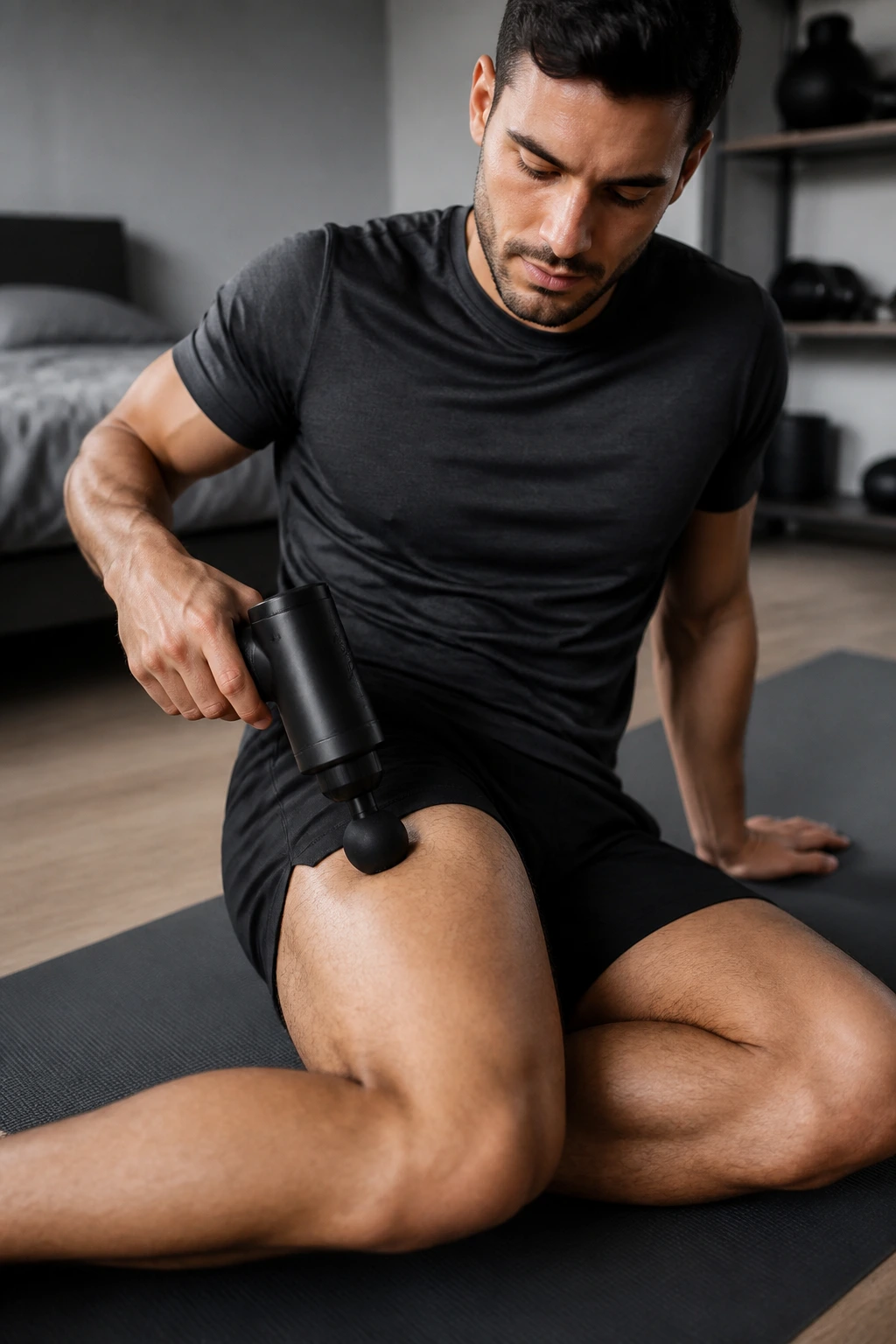
Percussive therapy devices have become popular for a reason. They provide rapid, short-duration pulses that can help desensitize the nervous system in a specific area. This is great for those localized “knots” or tight spots that just won’t seem to go away.
Using It Correctly
The mistake people make is jamming the device into the muscle and holding it there for five minutes. That’s too much. The tissue needs a break. Use it for 30 to 60 seconds on a specific area, then move on.
Targeted Areas
- Glutes: Often tight from sitting and lifting.
- Calves: Great for post-run recovery.
- Shoulders/Traps: Where most people carry stress tension.
Avoid bone. Never use a massage gun directly on your joints, spine, or neck. Keep it on the meaty parts of the muscle. If it hurts, move it. It should feel like a deep, vibrating release, not a bruise-inducing impact.
17. Spine Decompression (Hanging)
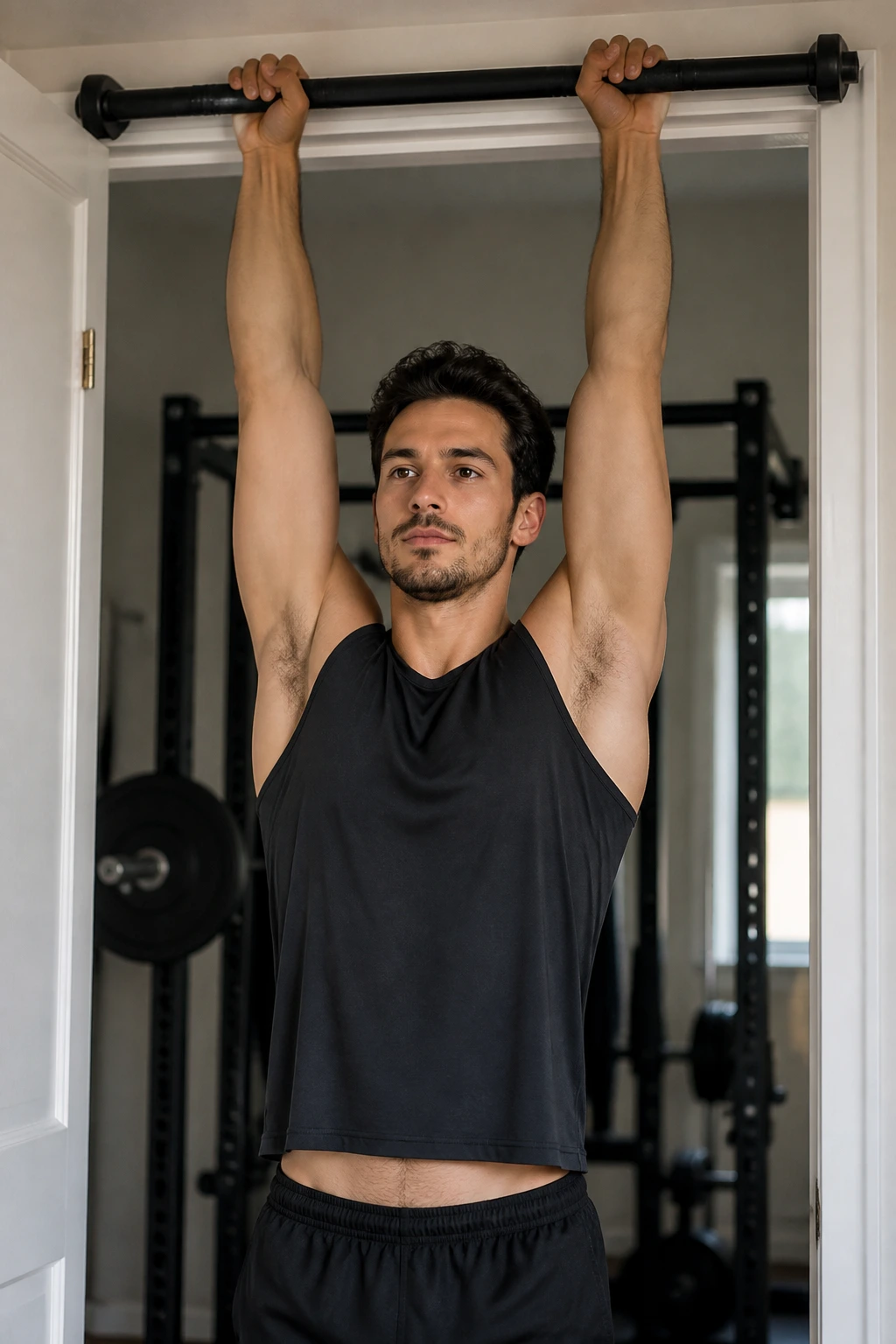
If you spend your days lifting heavy weights, your spine is under constant compressive load. Gravity pushes your vertebrae together. Hanging from a pull-up bar is the simplest way to reverse that process.
The Simple Hang
You don’t need to do pull-ups. Just grab the bar, let your feet hang, and relax. Let your shoulders, spine, and hips feel the stretch. This opens up the intervertebral spaces and provides immediate relief for many people.
Tips for Success
- If you can’t hang comfortably, use a resistance band to take some of your weight off.
- Keep your shoulders engaged; don’t let them shrug up to your ears.
- Hang for 30-60 seconds at a time.
- If you have any shoulder issues, be careful—start with a very gentle, supported hang.
This is a decompression exercise, not a strength exercise. Keep your body loose and heavy.
18. Light Bodyweight Calisthenics
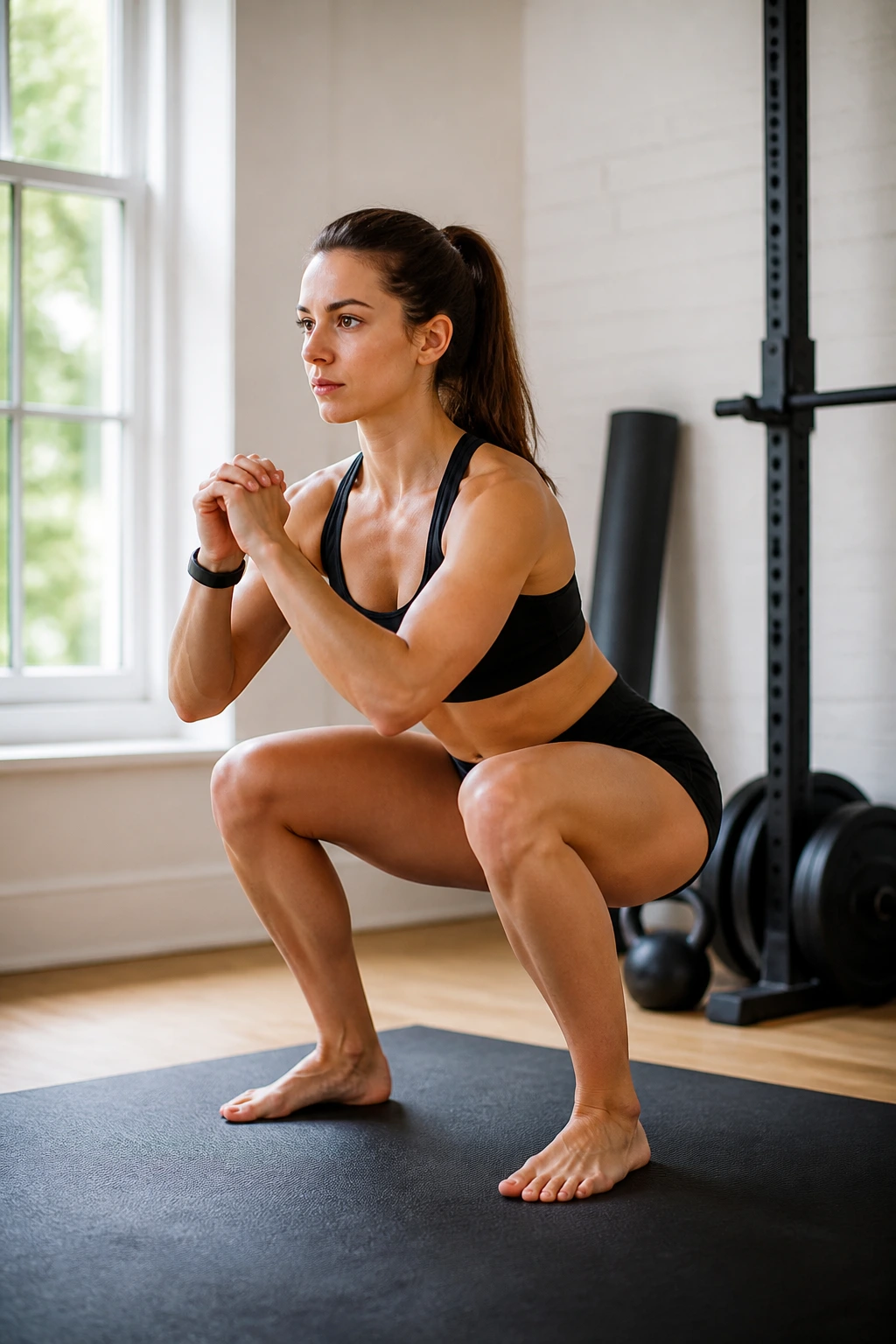
Bodyweight movement can be a great way to maintain motor patterns without the load of external weights. Think of movements like bodyweight squats, lunges, push-ups (or incline push-ups), and bird-dogs.
The Focus: Precision
Since there is no weight, focus on the quality of the movement. Do your push-up with perfect form. Do your squat slowly, feeling the glutes activate. This is about “greasing the groove”—practicing the movement pattern so it becomes more efficient for when you add the weight back on.
Sample Routine
- 10 Slow Bodyweight Squats
- 10 Incline Push-ups
- 10 Bird-dogs
- 10 Glute Bridges
- Repeat 2-3 times.
It’s about waking up the muscles, not tiring them out. You should feel better after this session, not worse.
19. Swimming Pool Walking
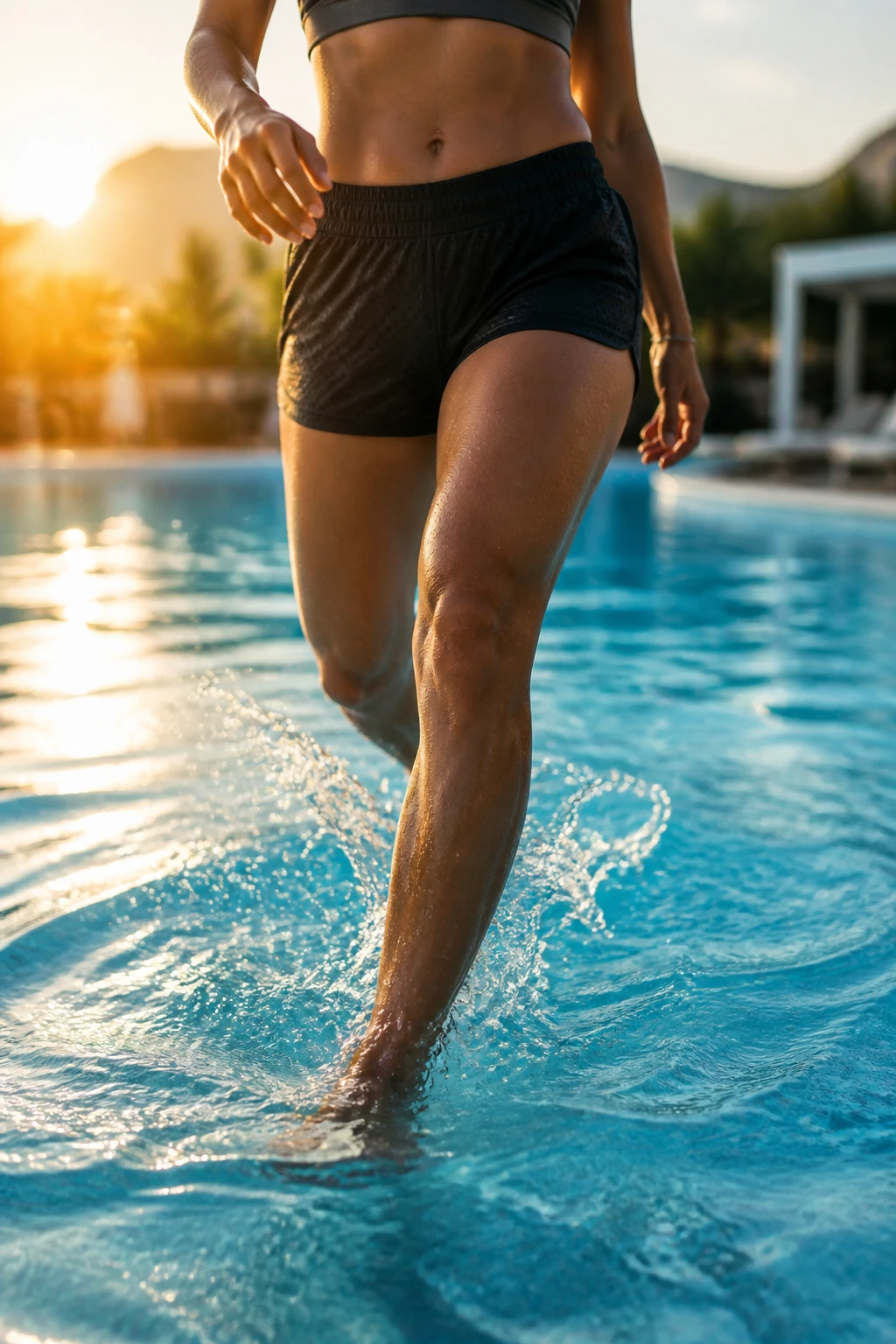
This is a specific subset of swimming that deserves its own mention. It’s the ultimate low-impact cardio. You walk across the shallow end of the pool, back and forth. The water resistance makes it feel like you are working, but the buoyancy protects your joints.
Why It’s Better Than Treadmill Walking
On a treadmill, your joints take the full impact of every step. In a pool, the water supports you. You can walk with a longer stride and more exaggerated movement, which opens up the hips and keeps the legs moving, without the wear and tear.
Increasing Resistance
If you want to make it harder without going faster, cup your hands and push the water. This adds upper body resistance to the lower body movement. It’s a great way to get a full-body active recovery session that feels genuinely restorative.
20. Contrast Therapy (Heat and Cold)
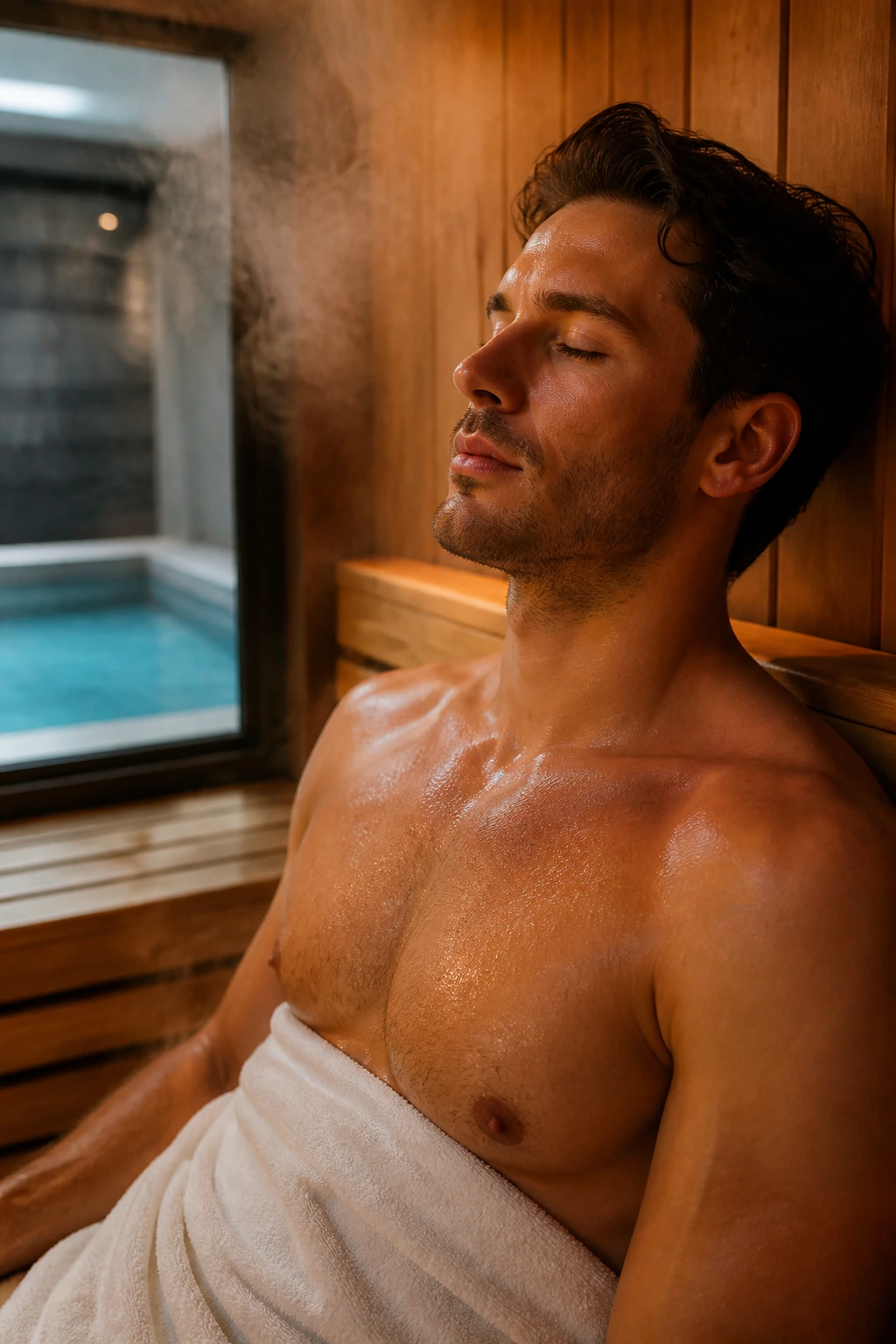
While not technically “movement,” contrast therapy is one of the most effective recovery tools available. It works on the principle of vasodilation (heat) and vasoconstriction (cold). When you cycle between the two, you act like a pump, moving fluid in and out of the tissues.
The Process
- Spend 3-5 minutes in heat (sauna, hot tub, or hot shower).
- Follow immediately with 1-2 minutes of cold (cold shower or plunge).
- Repeat 3 times.
Always end on cold, which helps to close the pores and settle the nervous system. This cycle is incredibly efficient at reducing inflammation and making you feel refreshed and alert. It’s a bit of a shock to the system, but the feeling afterward—once you’ve warmed back up—is hard to beat.
Final Thoughts
Active recovery is a skill just like lifting or running. It requires the discipline to pull back when your brain tells you to push forward. The goal of a rest day isn’t to see how little you can do, but to see how well you can facilitate your body’s own repair process.
Don’t overcomplicate it. You don’t need to do all twenty of these activities in a single week. Pick one or two that resonate with how you feel. If your legs are shot, walk. If your back is stiff, hang and stretch. If your nervous system is fried, breathe.
Listen to your body. It has a way of telling you exactly what it needs if you stop long enough to hear it. Remember, you aren’t “missing out” by resting; you are ensuring that your next workout is actually worth the effort. Quality work requires quality recovery—treat your rest days with the same respect you give your training sessions, and your results will thank you for it.
