



Running drills are the unglamorous part of getting faster, and that’s exactly why they work. If your miles start to feel heavy, your feet slap the ground, or your form falls apart the moment the pace picks up, the problem is often not a lack of effort. It’s a lack of clean movement.
The nice thing about good running drills is that they do not need much time. Ten minutes before a workout can change how the rest of the run feels, especially when you’ve been grinding through the same easy pace over and over and wondering why your legs never seem to get any snappier. The body learns through repetition, and drills give it the right kind of repetition.
These are not circus tricks. They’re small, practical ways to teach better posture, quicker turnover, stronger push-off, and a foot strike that lands where it should. Some are almost boring. Some feel awkward for the first few tries. All of them have a job to do.
1. A-Marches to Stack the Body
A-marches are the least flashy drill in the whole group, which is part of the appeal. They teach you how to stand tall, lift the knee without tipping backward, and place the foot under the hip instead of reaching out in front. That’s the kind of body position that makes faster running feel less sloppy.
What to Feel
- Lift one knee to about hip height while keeping the rib cage quiet.
- Flex the foot so the toes point up instead of dangling down.
- Drive the opposite arm forward like you mean it, not like you’re waving from a parade float.
- Place the foot down under your body, then switch sides with control.
A-marches work best over 15 to 20 meters for 2 to 4 passes. Slow is fine. Crisp is better. If you rush them, they turn into a sloppy shuffle, and that misses the point.
One good cue: think “tall torso, quick switch.” That’s enough for most runners.
2. A-Skips to Add Rhythm and Bounce
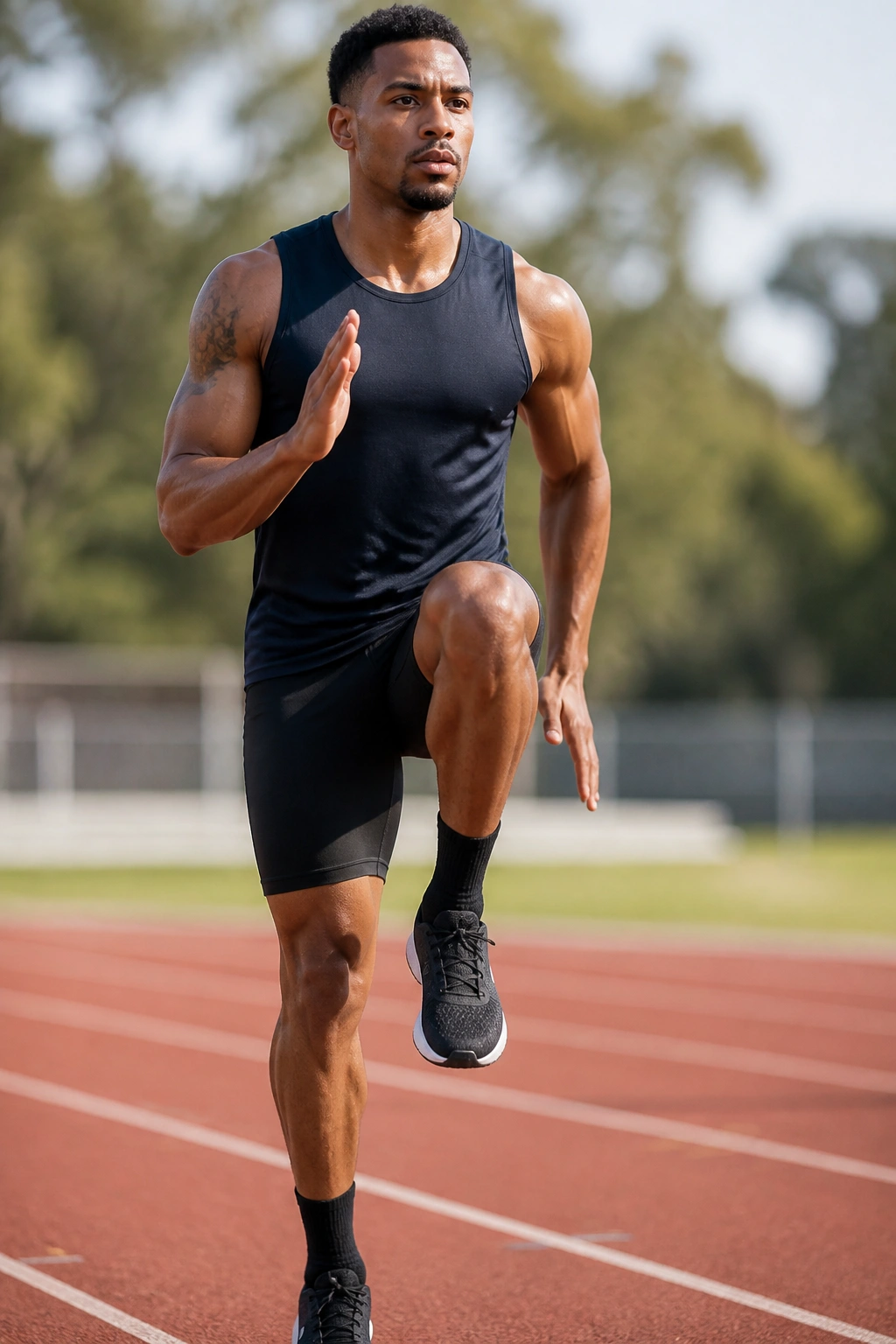
A-skips are the first drill that starts to feel a little like running. The march becomes a skip, the body gets a touch of spring, and the whole pattern starts to connect. You should still feel controlled, though. Not bouncy for the sake of bouncing.
The drill teaches rhythm more than brute effort. Each skip should feel light off the ground, with the knee coming up, the opposite arm driving, and the foot coming back down fast and under the body. If your upper body starts bobbing all over the place, you’ve gone too hard.
Use 2 to 4 passes of 15 to 25 meters, then walk back and reset. The sound matters here. Good A-skips are quiet. Loud, clunky skips usually mean the foot is reaching too far or the shoulders are too tense.
A lot of runners do better when they think about moving through the drill instead of performing it. That keeps the motion smoother and less theatrical, which is exactly what you want.
3. B-Skips to Teach a Strong Frontside Pull
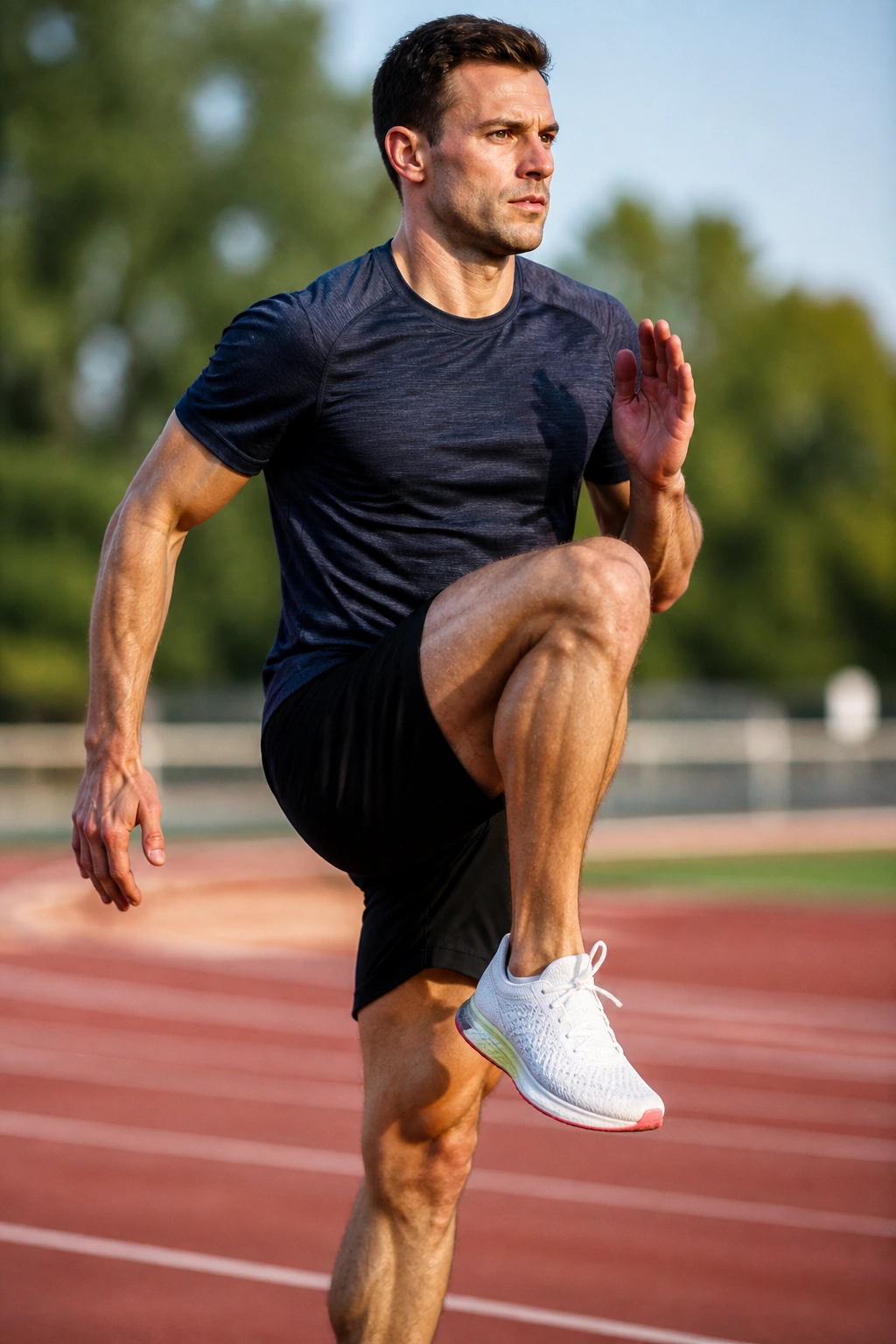
Why do so many runners like B-skips even though they look a little strange? Because they teach the leg to recover with purpose instead of just flinging forward and hoping for the best. The drill adds a small lower-leg extension before the foot snaps back under the hip, which helps connect knee lift, leg swing, and foot placement.
Do not turn this into a giant karate kick. That’s the classic mistake. The movement should stay compact: knee up, lower leg extends, then the foot sweeps back down and under. If you’re throwing the leg way out in front, you’re training a habit you probably do not want.
How to Use It
- Do 2 to 3 passes of 15 to 20 meters.
- Keep the torso tall and the chin level.
- Let the ankle stay active, not floppy.
- Rest long enough to repeat the drill cleanly.
B-skips fit well after A-skips in a warm-up. They wake up the front side of the stride without beating up the legs. That matters on days when you want speed, not fatigue.
4. High Knees for Quicker Leg Turnover
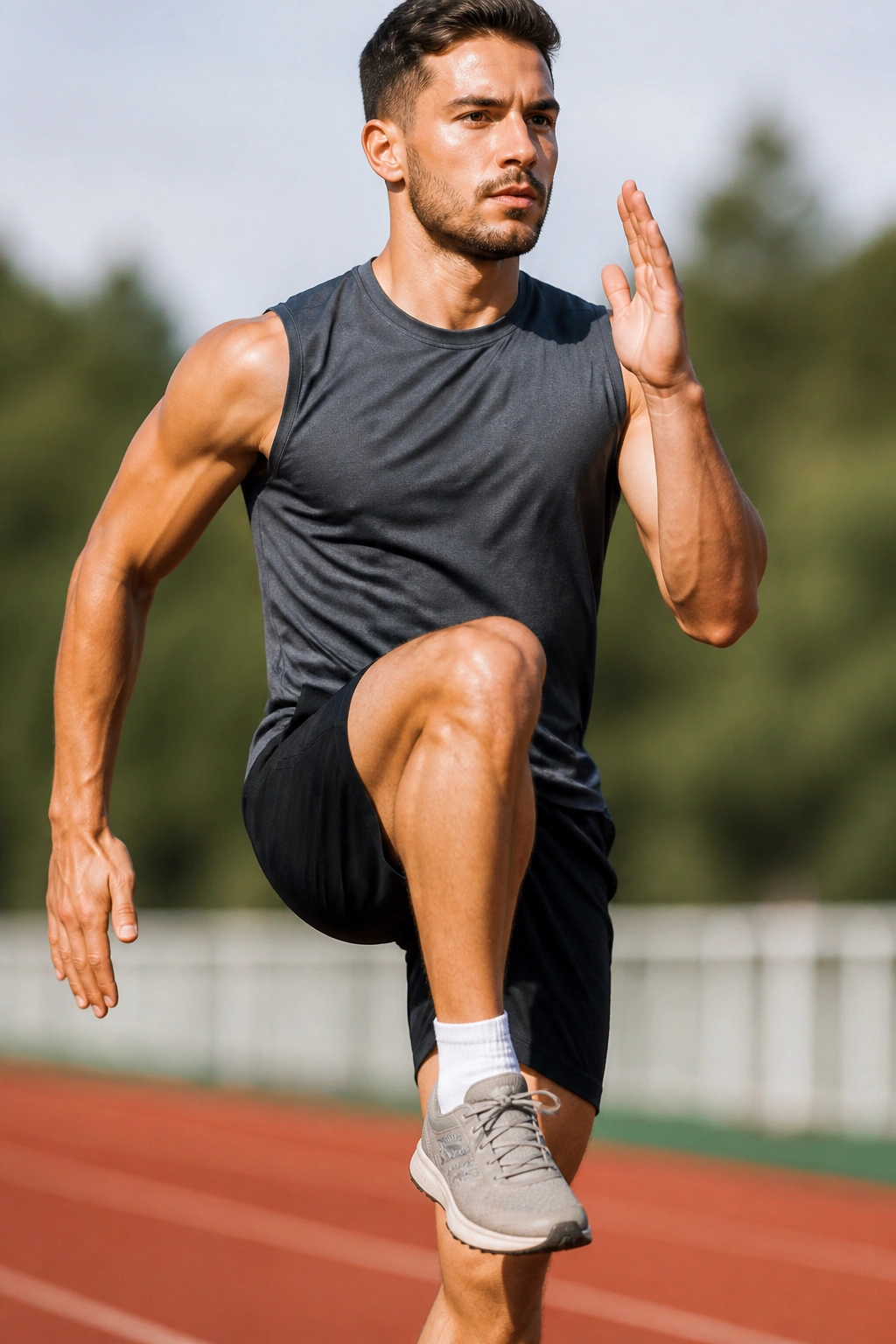
High knees can go wrong fast. Done well, they sharpen cadence, help you lift the thigh without leaning back, and teach the foot to come down quickly. Done badly, they turn into a frantic stomp-fest that leaves your calves tight and your shoulders jammed up around your ears.
That’s why the drill works best when you keep it short. Ten to twenty meters is plenty. The goal is a fast, clean step under the center of mass, not a desperate race to see who can make the most noise. A good high-knee run looks almost springy. A bad one looks angry.
What Keeps It Useful
- Stay tall through the hips.
- Keep the hands moving from cheek to hip, not across the body.
- Pull the knee up to a practical height, not a cartoon version of it.
- Land softly on the ball of the foot and keep going.
If your feet feel stuck to the ground during tempo runs or short repeats, high knees can remind your legs how to move faster without overthinking it. They’re a warm-up tool, not a workout by themselves.
5. Butt Kicks for a Faster Recovery Swing
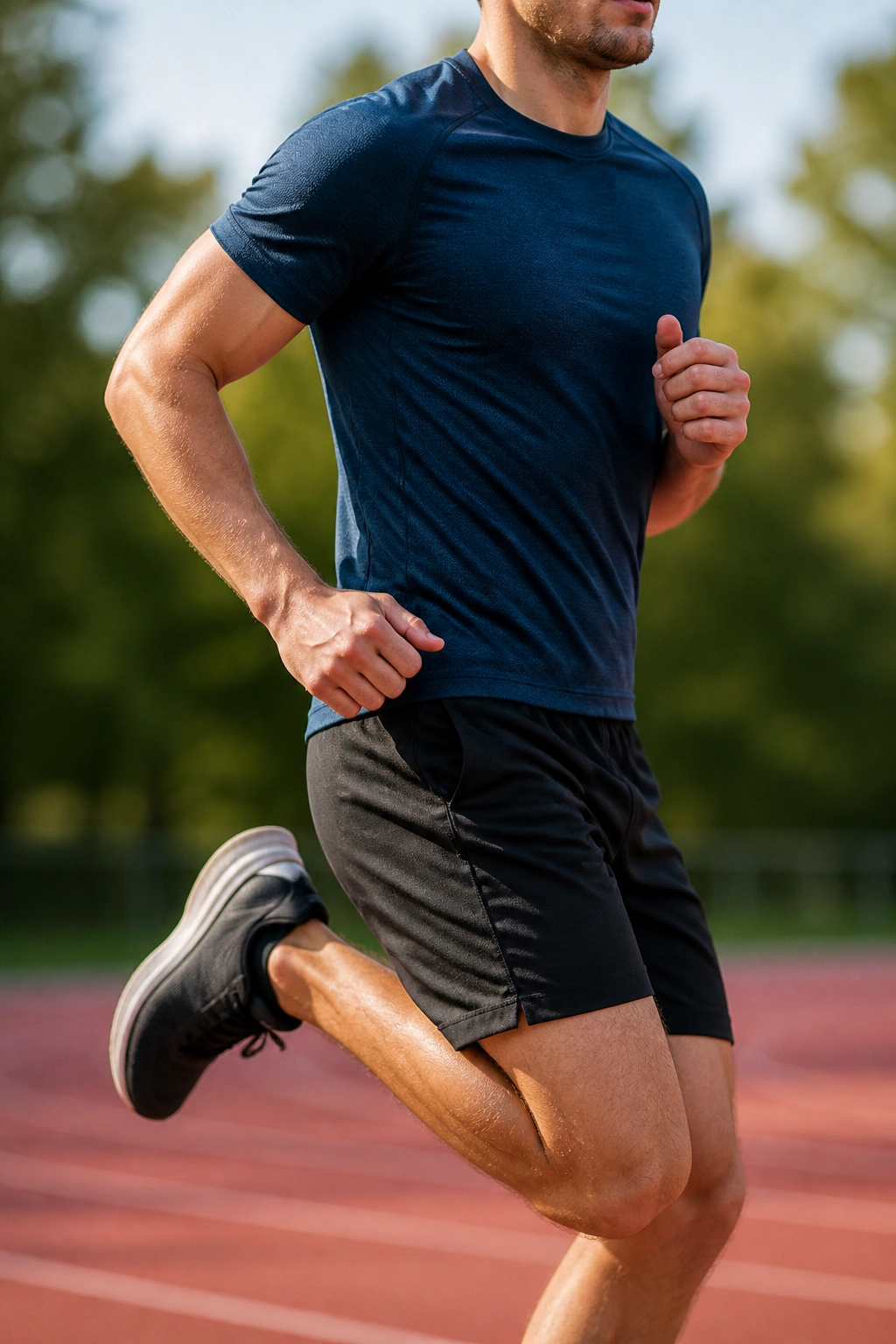
Butt kicks get dismissed because people picture them as a kindergarten warm-up. That’s lazy thinking. The drill has a real job: it teaches the heel to recover quickly underneath the body, which matters when you want a smoother, faster turnover.
The trick is to keep the motion compact. You are not trying to slam your heel into your shorts. You’re simply folding the lower leg back with a quick, easy recovery while the thigh stays more or less upright. If the knees drift forward and the chest tips back, the whole drill falls apart.
A good butt-kick rep feels quick, light, and almost lazy in a good way. The legs should cycle under you without a lot of upper-body drama. Try 2 to 4 passes of 15 to 20 meters, then shake the legs out before the next one.
I like these after A-skips or high knees because they balance the frontside work with something that teaches the back side of the stride. One does not replace the other. They fit together.
6. Ankling and Dribbles for Quiet, Quick Feet
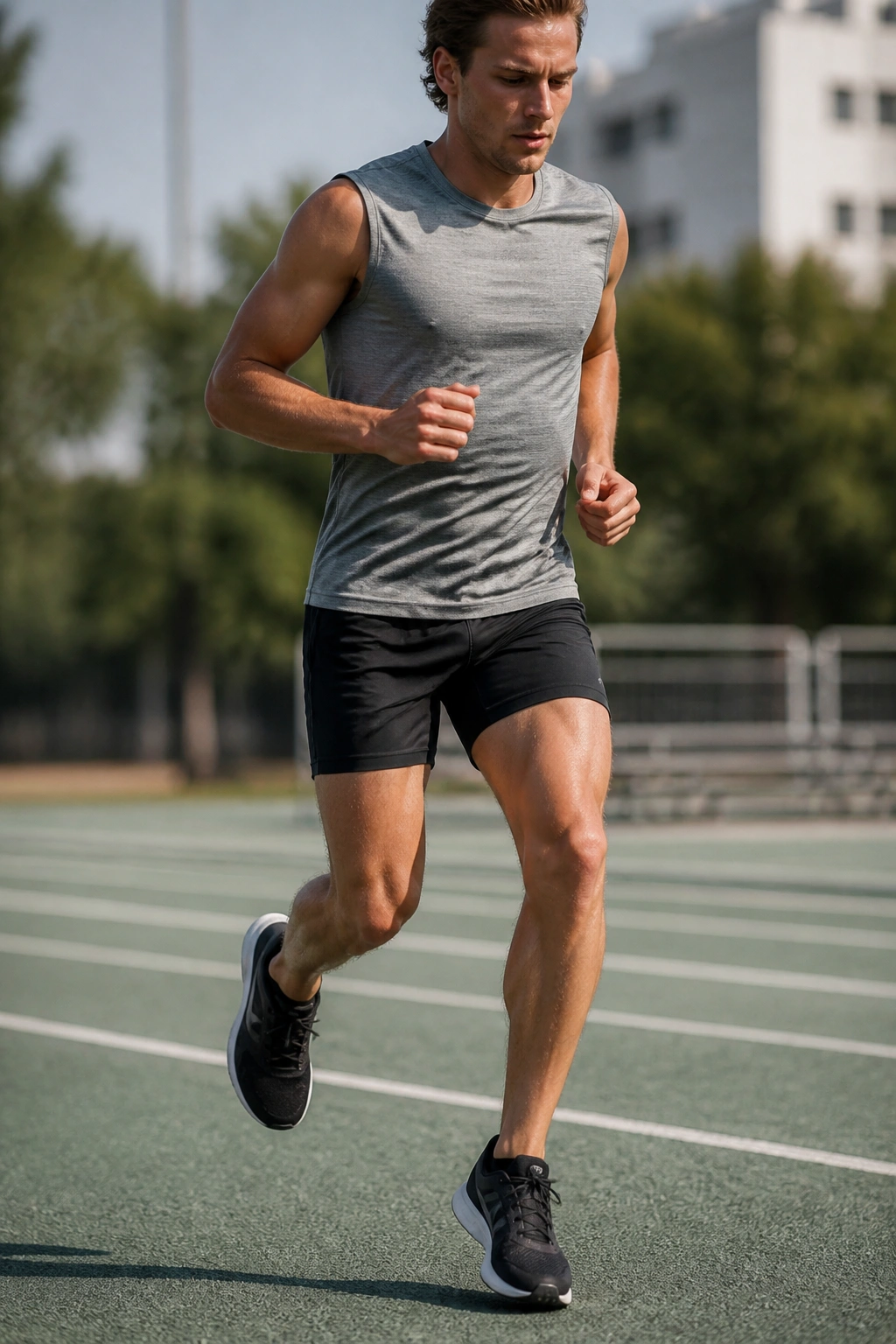
Ankling is one of those drills that looks almost too small to matter until you feel it the right way. The steps are tiny. The contact is fast. The goal is to keep the ankle active and springy while the body moves forward with almost no extra bounce.
Dribbles are similar, just a touch more dynamic. Think of quick little running steps with the foot landing just under the hips. The surface should sound soft, not hard. If it sounds like a washboard under your shoes, your feet are probably reaching too far or your calves are doing all the work.
Key Details
- Keep the knees low and the posture tall.
- Let the foot strike be short and quick.
- Use 2 to 3 passes of 20 meters.
- Stay relaxed through the face and shoulders.
Ankling is excellent before faster work because it sharpens the lower leg without draining it. It also makes you more aware of how much time your foot spends on the ground. Less is better there. Usually much less.
7. Pogo Jumps for Stiffer Ankles and More Spring
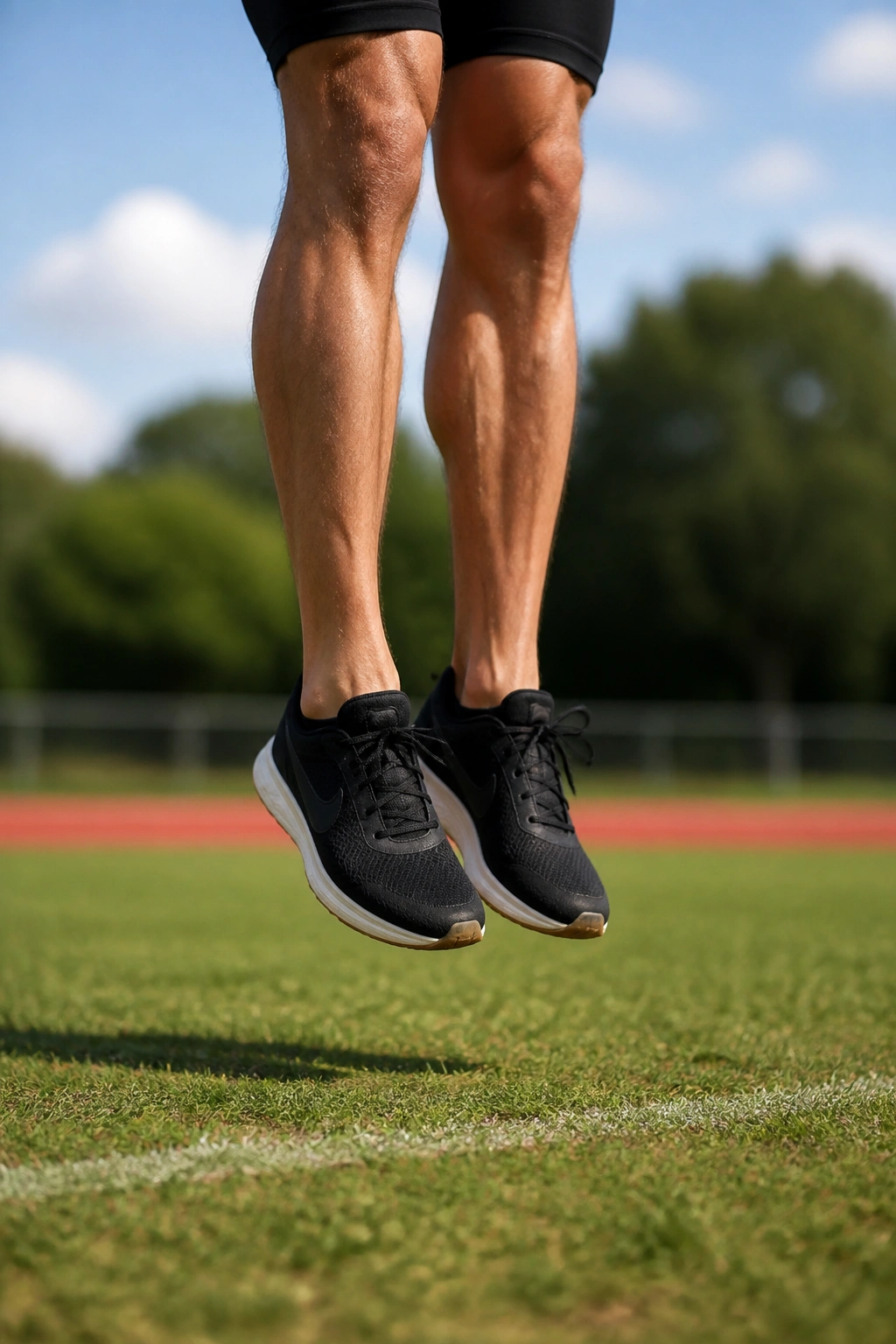
Pogo jumps are the drill that exposes weak ankle stiffness in a hurry. Stand tall, keep the legs fairly straight, and bounce lightly from the balls of the feet with very little knee bend. The work comes from the lower leg and Achilles tendon storing and returning force, not from sinking deep into the knees.
That’s why the drill matters. Running speed is not only about big muscles. It’s also about how well the lower leg acts like a spring. If your ankle collapses every time you land, you leak energy. Pogos train the opposite habit.
A Clean Set Looks Like This
- 2 to 4 sets of 15 to 25 contacts.
- 30 to 45 seconds of rest between sets.
- Minimal heel drop.
- Quiet, fast ground contact.
The calves will tell you the truth here. If they start burning on the first set, reduce the contacts and keep the bounce smaller. The drill should feel snappy, not grinding. On grass or a firm track surface, it usually feels best.
8. Strides for Relaxed Speed

Strides are the drill I’d keep if you only had time for one. They bridge the gap between easy running and fast running without asking your body to go from zero to full send. That makes them useful after easy runs, before workouts, or on days when your legs need a reminder of pace.
A good stride is fast but relaxed. You’re running at maybe 85 to 90 percent of max, with smooth mechanics and full control. The stride should lengthen a little as you build, then settle into a quick, crisp rhythm. No sprint-face. No clawing at the ground.
What a Good Stride Feels Like
- The first few steps are smooth, not abrupt.
- The arms stay loose and efficient.
- The hips stay level instead of bouncing around.
- You finish feeling sharper, not cooked.
Use 4 to 8 strides over 80 to 120 meters, with a full walk-back recovery. That recovery matters. If you cut it short, the drill turns into a fatigue session, and that defeats the purpose. Strides are about sharpening speed, not dragging it through mud.
9. Hill Sprints for Power That Carries to Flat Roads

Hill sprints are brutally honest. They show you how much force you can put into the ground without overstriding or collapsing at the hips. A short, steep effort forces cleaner mechanics than flat-out sprinting because the hill naturally keeps the stride compact.
How short? Short enough that form stays intact. Eight to twelve seconds is usually enough. Pick a moderate incline, not a wall, and sprint hard while staying tall through the chest and aggressive through the arms. Walk all the way back down before the next rep.
That full recovery is not optional. Hill sprints are power work, and power work needs freshness. If the reps start looking mushy, stop there. You want crisp drive, not survival mode.
A solid session might be 4 to 8 reps. Not 20. Not even close. The point is to teach the legs to produce force without a lot of wasted movement, which is exactly the kind of skill that shows up later in faster miles and stronger finishes.
10. Bounding for Horizontal Force
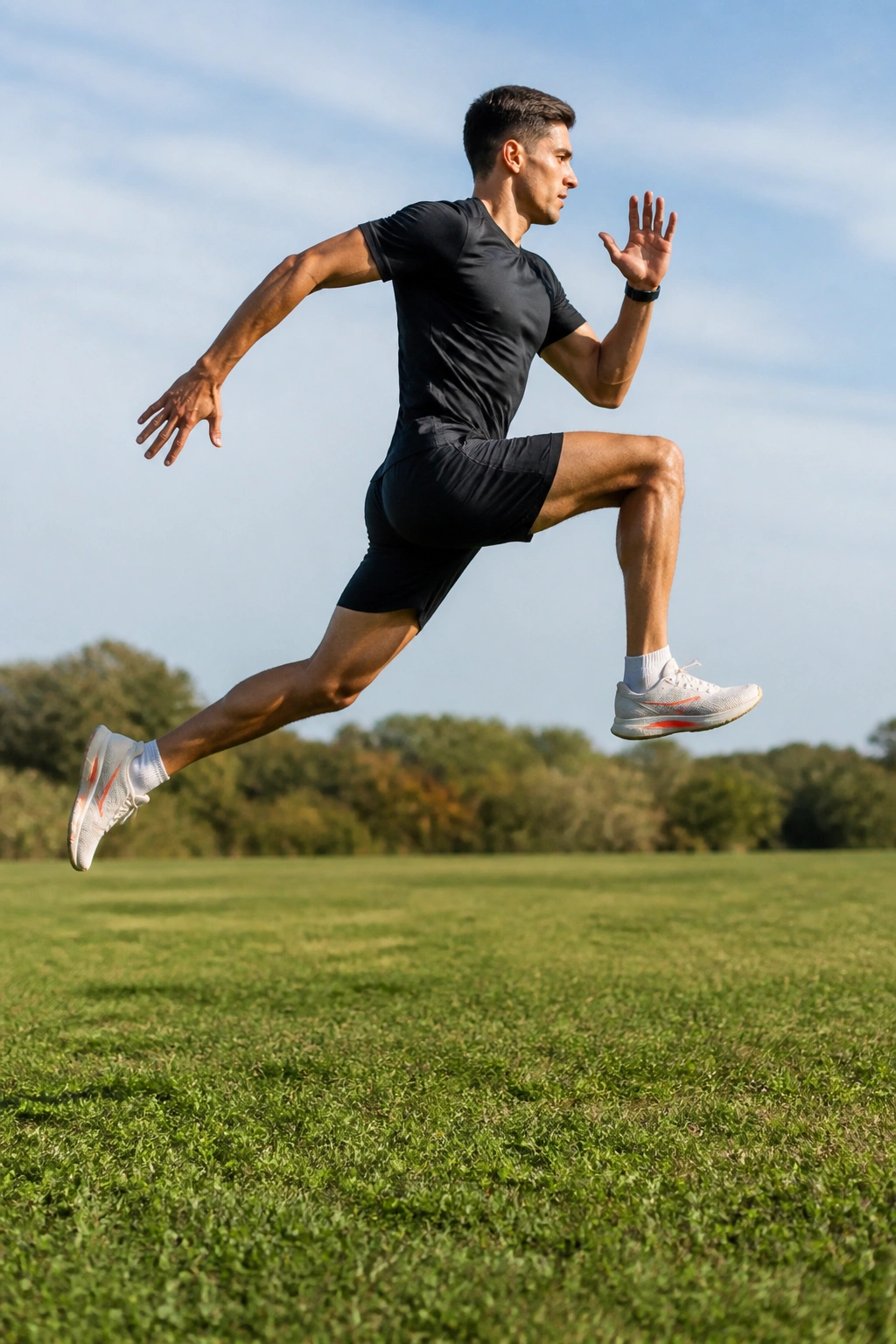
Bounding is what happens when a skip grows up and decides to get serious. The movement is longer, more powerful, and more elastic. You push off one leg, travel farther through the air, and land ready to keep that rhythm going.
It’s useful because running is not only vertical bounce. You also need to project the body forward without collapsing into a long, lazy reach. Bounding teaches you to apply force and move with intent. The best reps feel rhythmic and athletic. The worst ones feel like uncontrolled leaps with no landing plan.
Keep These Cues in Mind
- Drive off the ground, then snap the leg back under you.
- Keep the torso steady, not flailing.
- Use 20 to 30 meters per rep.
- Stop if the landings get loud or sloppy.
Bounding works well on grass or a track, with 3 to 5 passes being enough for most runners. More is not better here. Once fatigue changes the shape of the movement, the drill stops teaching the right thing.
11. Straight-Leg Bounds for Hamstring Snap
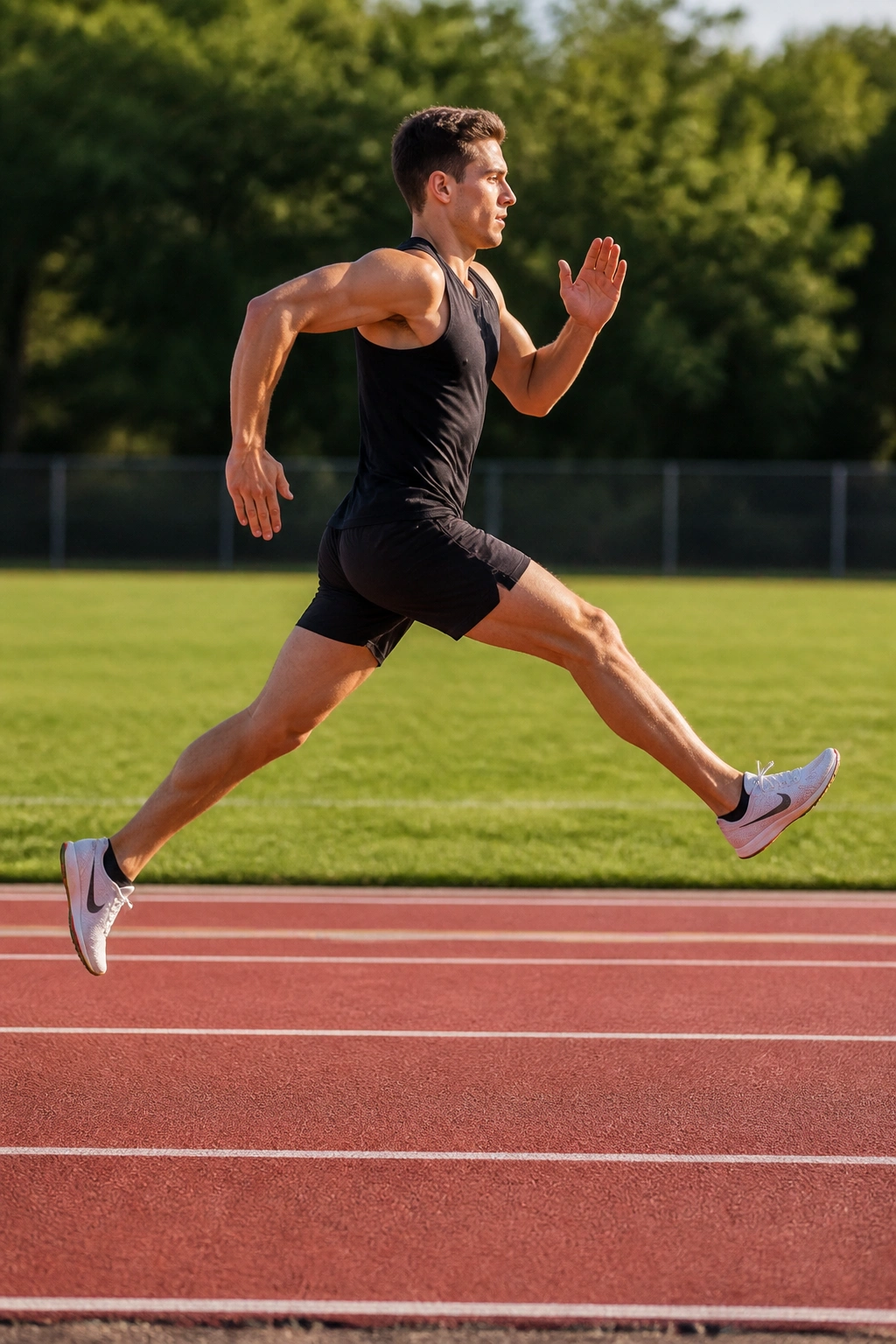
Straight-leg bounds look similar to bounding, but the feel is different. The knee stays a bit straighter, which shifts more work toward the hamstrings, glutes, and ankle stiffness. That makes the drill especially useful for runners who need a stronger back side of the stride.
This one is not about stomping. It’s about a quick, elastic snap with the leg under the body while the hips stay tall. If you overdo the reach, the hamstrings complain. If you keep the motion compact and rhythmic, the drill feels powerful without turning ugly.
Straight-leg bounds are a good contrast to high-knee work because they remind you that speed comes from both ends of the stride. Frontside mechanics matter. So does the back side.
Use 3 to 4 passes of 20 meters, with plenty of recovery. If you feel a grabbing sensation behind the knee or deep in the hamstring, back off. That’s your body telling you the drill has crossed from useful into too much.
12. Wall Drills for Lean, Drive, and Posture
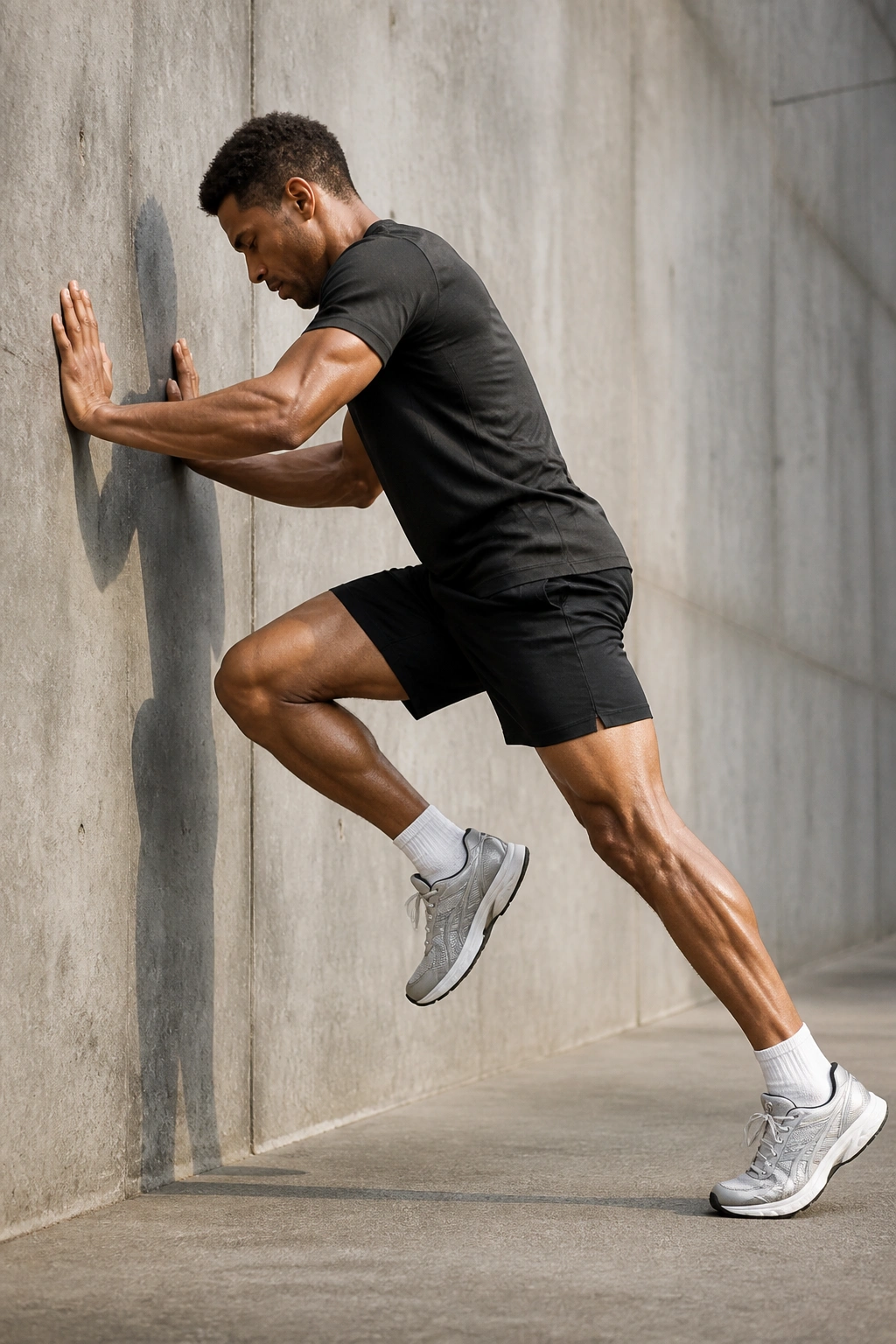
Wall drills are simple, which is part of why they’re so useful. You lean into a wall at about a 45-degree angle, brace through the midsection, and practice the exact knee drive and switch you want in running. No speed. No noise. Just positions.
Three Positions Worth Practicing
- Driving knee up with the foot dorsiflexed.
- Switching legs quickly without shifting the hips.
- Holding the body angle so the lean comes from the whole body, not just the waist.
I like wall drills for runners who stand too upright or sit in the hips when they run. The wall gives you a fixed reference point, which makes it easier to feel what a strong forward lean actually is. Not a bend at the waist. A whole-body lean.
Do 2 to 3 sets of 6 to 8 switches per leg. The reps should be sharp, and the foot should come down under the body. If the lower back takes over, reset your bracing and shorten the range a little.
13. Fast Feet in Place for Sharp Ground Contact

Fast feet are tiny, quick steps in place, and they can wake up the nervous system fast. That’s the real value. They remind your legs what quick ground contact feels like without asking for a lot of space, equipment, or recovery.
You can do them before a workout, after a drill sequence, or even between strides if you want a little extra turn-over practice. Ten to fifteen seconds is plenty for a set. Longer than that, and the movement gets sloppy.
Keep the knees low and the steps under the hips. The sound should be light. If your shoulders start tensing or your arms windmill, stop and reset. You’re aiming for quickness, not panic.
Fast feet are one of those drills that seem too small to matter until you compare how your legs feel after a few reps. Suddenly everything feels a notch more awake. That matters before tempo running and short intervals, where a sluggish first mile can wreck the whole session.
14. Wicket Runs for Better Step Placement

Wicket runs are a sneaky good drill because they force you to pay attention to stride length and rhythm without making you think about it too much. Set out 6 to 10 small markers — cones, chalk marks, even spare shoes — and run through them at a controlled fast pace.
The spacing should match your pace. Too tight, and you’ll chop the stride and tangle your feet. Too wide, and you’ll reach. The goal is to land in a rhythm that feels smooth and repeatable, with the foot striking under the body instead of stretching forward.
If You Do Not Have Hurdles
- Use cones, chalk, or water bottles.
- Keep the markers low and visible.
- Start with fewer spaces and expand only if the pattern stays clean.
- Run tall through the middle of the drill, not hunched over the markers.
Wickets are especially useful for runners who overstride when they get tired. The drill gives the body a pattern to follow, and that pattern tends to stick better than a verbal cue alone.
15. Single-Leg Hops for Balance Under Load
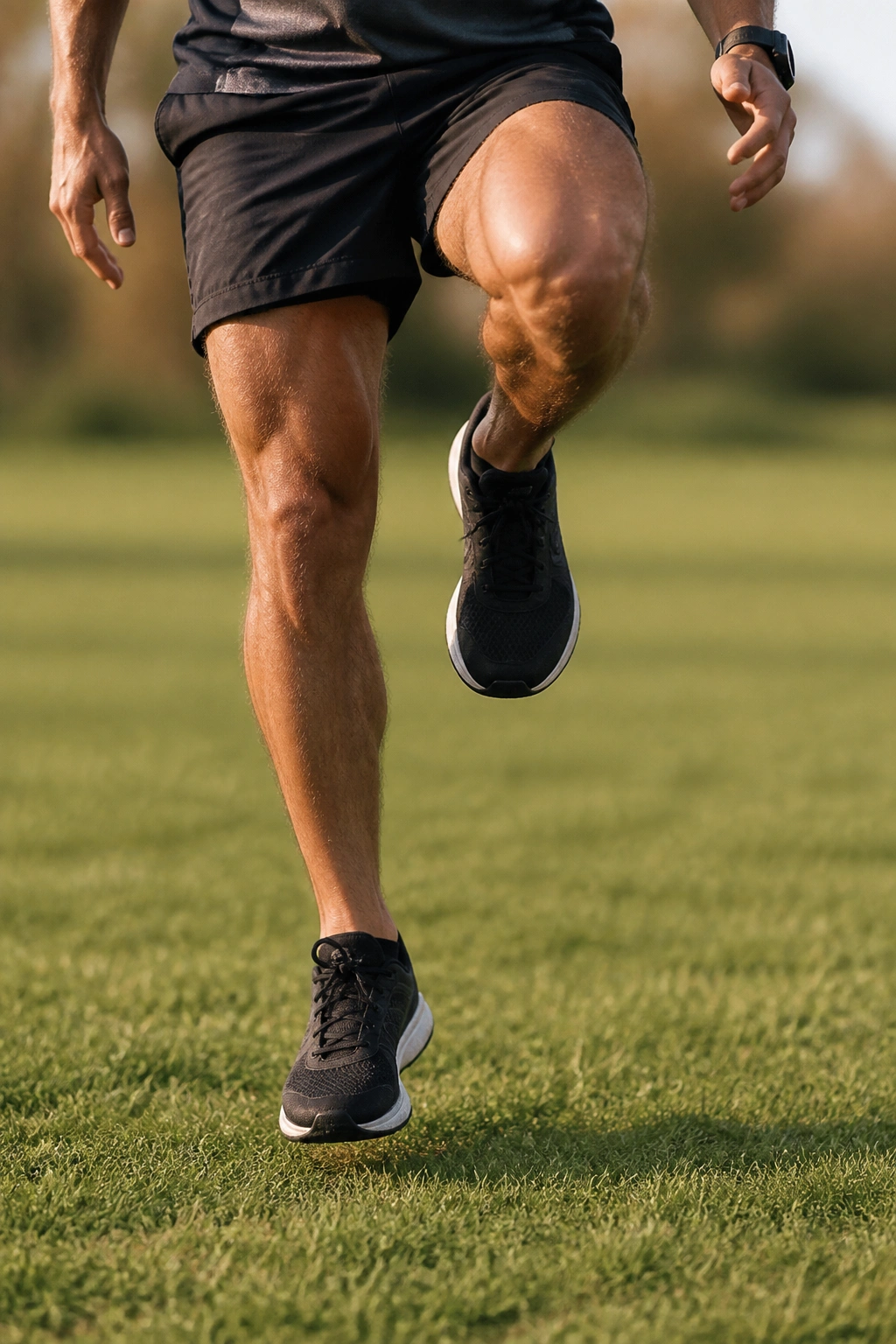
Single-leg hops are where strength and control meet. One leg takes the load, the foot rebounds, and the body has to stay organized enough to repeat the movement without wobbling apart. That makes the drill useful for ankle stability, calf strength, and general lower-body confidence.
Start on grass or another forgiving surface. Hop forward a short distance, then stick the landing lightly before the next rep. You do not need giant distance here. Small, clean hops teach more than wild ones. If the knee caves inward or the foot collapses hard, cut the set short.
A clean session might be 2 to 3 sets of 6 to 8 hops per leg. Rest between sides. Rest between sets too. The leg should feel challenged, not smashed.
Single-leg work pays off because running is a single-leg sport disguised as a two-leg one. Every step lands on one side, then the other. Teaching each side to handle load without drama makes the whole stride more stable when fatigue shows up.
16. Carioca for Hip Mobility and Coordination
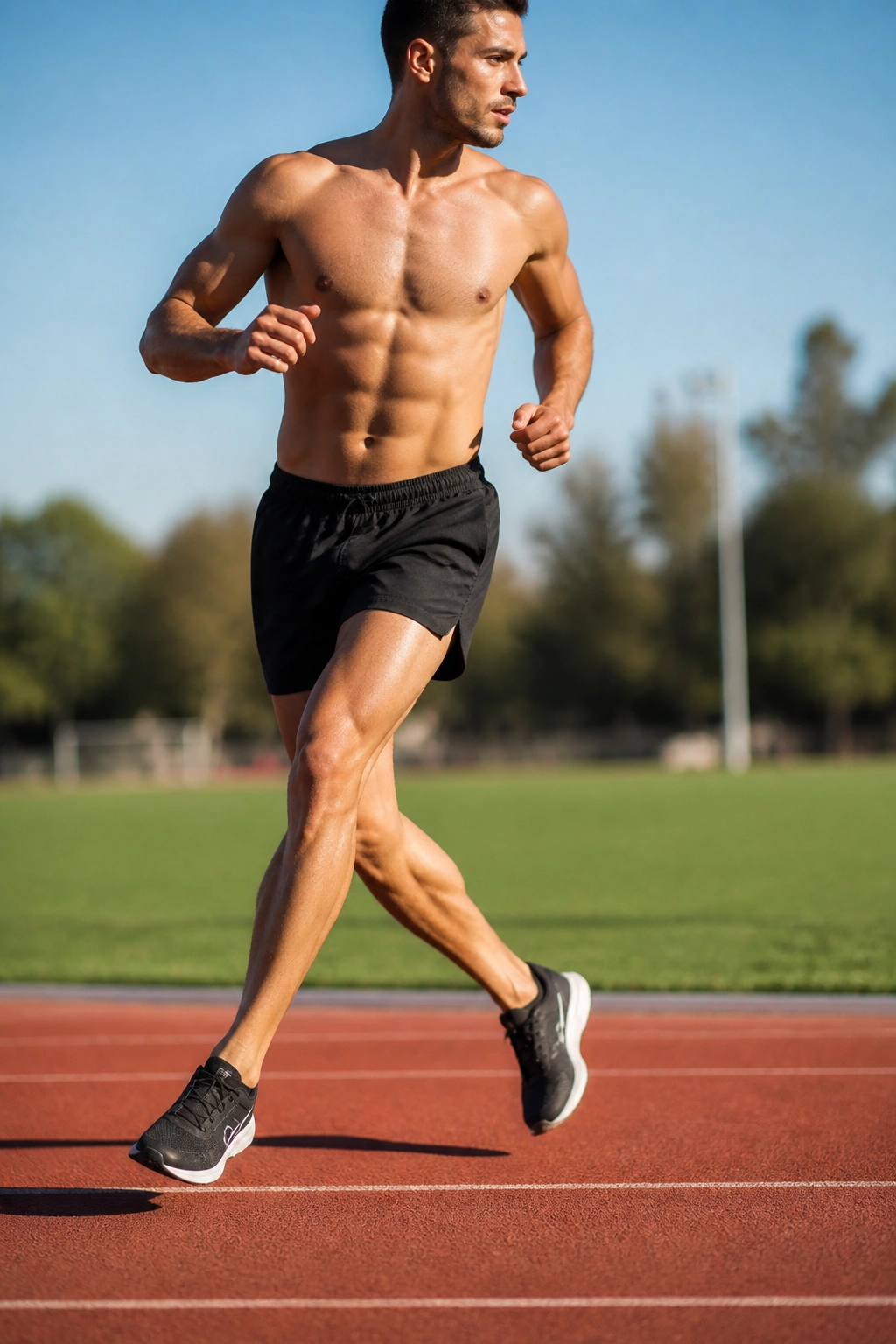
Carioca is a lateral drill, but it belongs in running work because runners are not robots moving in one plane. The hips need to rotate a little, the feet need to cross cleanly, and the torso has to stay quiet while the legs do something more complicated than straight-ahead running.
The motion can feel weird at first. That’s normal. One leg crosses in front, then behind, while the upper body stays facing mostly forward. Done well, the drill opens the hips and improves coordination without pounding the legs.
Keep the movement light and controlled. Two passes each direction over 15 to 20 meters is enough. If you twist wildly through the upper body, the drill loses its point. Think hips and feet doing the work while the chest stays mostly steady.
Carioca is especially handy for runners who feel stiff in the hips after lots of straight-ahead mileage. It’s a reset as much as a drill. A useful one.
17. Backward Running for Calf Control and Balance
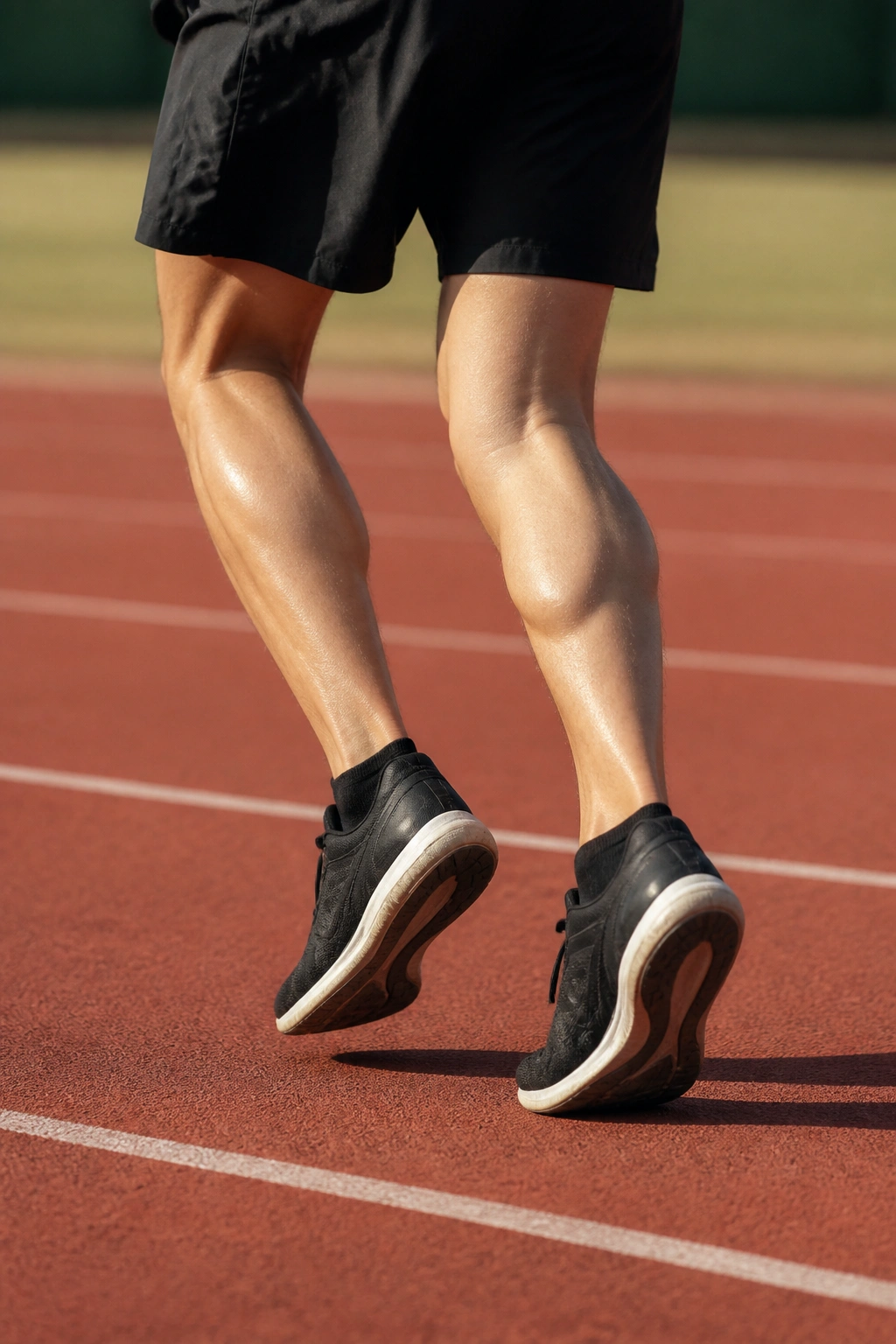
Backward running is one of the most underrated pieces of running prep. It looks odd, yes. It also trains different foot and ankle mechanics, which can be useful if your lower legs get beat up by lots of forward running.
The movement should stay upright, quick, and controlled. Stay on the balls of the feet, take small steps, and keep the torso tall. You’re not trying to spin around or cover huge ground. The drill is about coordination, balance, and a different loading pattern through the calves and shins.
A Simple Way to Start
- Use a flat patch of grass or a track apron.
- Do 2 to 4 passes of 15 to 20 meters.
- Keep the steps light and short.
- Turn your head only enough to stay aware of what’s behind you.
This is a nice drill for runners who feel beat up by forward-only work. It won’t replace sprint drills or hill work. It does add another layer of control, and sometimes that small change is enough to make a warm-up feel less stale.
18. Falling Starts for Real Acceleration

Falling starts are pure acceleration practice, and they’re one of the cleanest ways to teach the body how to move hard from a dead stop. You lean forward until you have to catch yourself with a step, then you drive out with short, forceful strides.
The lean is the point. Not a waist bend. A full-body lean that sets the angle for the first few steps. If you try to pop straight up, the drill loses power. If you lean too far and scramble, it turns messy. The sweet spot is somewhere in the middle — enough angle to force a true drive phase, not so much that you lose balance.
Do 4 to 8 reps of 10 to 20 meters with full recovery. That recovery matters because the first three steps should feel sharp every single time. If the hamstrings start to tug, shorten the distance and clean up the angle.
Falling starts are a strong finish to a drill session because they connect everything: posture, lean, arm drive, foot strike, and force. They are simple. They are hard. And they tell you a lot about how your body handles speed.
Final Thoughts

The best running drills are the ones you can repeat without turning the warm-up into a workout. A few crisp reps done with focus will help more than a long circuit where everything gets rushed and noisy.
Mix the list to fit the day. Use A-marches, A-skips, and strides before easier speed sessions. Save hill sprints, bounding, and falling starts for days when you want more power. Keep the total drill block short enough that you still feel eager to run.
And if a drill starts looking sloppy, that’s your cue to stop. Clean movement beats extra volume every time.
