



A hard workout can leave you hungry, oddly not hungry at all, or standing in the kitchen staring at the fridge like it owes you answers. That’s the annoying part nobody talks about enough. The best post workout meals for men who lift are not the flashy ones with five powders and a heroic amount of peanut butter. They’re the meals that land well in your stomach, give you enough protein to start muscle repair, and put carbs back where heavy training burned them.
Most lifters do one of two things after training: they either under-eat with a shaker bottle and call it a night, or they swing way too far in the other direction and turn “recovery” into a random fast-food blowout. Neither move is ideal. A solid post-lifting meal usually gives you about 30 to 50 grams of protein, enough carbs to refill glycogen, some fluid, and a food choice you’ll still want to eat after deadlifts, rows, or a brutal hour under a bar.
Protein matters because muscle protein synthesis responds best when you hit a decent dose of complete protein—whey, dairy, eggs, meat, fish, soy all do the job. Carbs matter because hard training, especially high-volume sessions, chews through stored glycogen. And then there’s the part people learn the slow way: meals that are too greasy, too fibrous, or comically huge can sit in your gut like a brick when your body would rather recover than wrestle a plate of regret.
Sports nutrition position stands have landed in the same place for a long time: protein plus carbohydrate after training is practical, effective, and easier to stick to than complicated timing rituals. You do not need a laboratory meal plan. You need a short list of plates and bowls you’ll actually make on a Tuesday night when your legs are shot and your patience is gone.
What strong post workout meals for men who lift have in common
Forget the hype. A good recovery meal is boring in the best possible way.
The pattern is easy to spot once you know what to look for. Most strong post-workout meals lean on a high-quality protein source, a carb source that’s easy to digest, and enough flavor that you’ll keep eating them week after week instead of abandoning the plan after three days.
For a lot of men who lift, this is the sweet spot:
- Protein: 30 to 50 grams from chicken, beef, eggs, dairy, fish, whey, turkey, tofu, or soy foods
- Carbs: 40 to 100 grams, with the higher end making more sense after long or high-volume sessions
- Fat: Moderate, not sky-high, so the meal does not feel slow and heavy
- Fluid and sodium: Often overlooked, yet both matter after a sweaty session
- Prep time: Under 20 minutes if you want this to become a habit
A meal doesn’t need to be “clean” to work. It needs to be useful. White rice, potatoes, bagels, pasta, cereal, tortillas—those are all fair game after training, especially when paired with lean protein and a sane portion size.
And yes, vegetables still belong here. Just don’t build a giant raw kale mountain after leg day and wonder why your stomach starts a protest.
When to eat post workout meals for men who lift after training
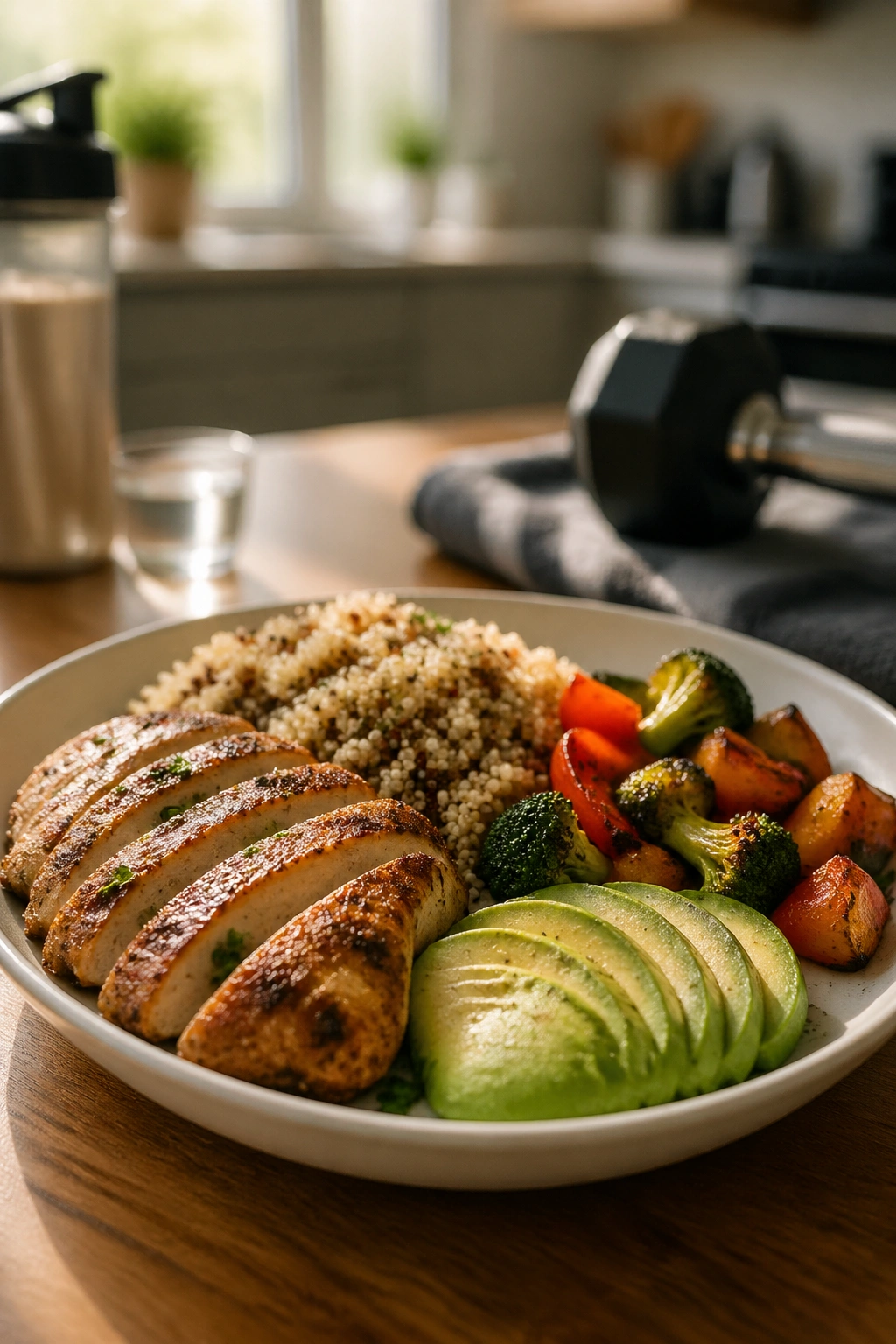
That old panic about needing food within 17 seconds of your last set has always been overstated. Your body is not a trapdoor.
If you ate a mixed meal 1 to 3 hours before lifting, you’ve got more breathing room than gym lore suggests. In that case, eating within roughly 1 to 2 hours after training works well for most people. You can shower, drive home, cook something, and still be fine.
A different story shows up when you trained fasted, lifted first thing in the morning, or have another hard session later the same day. Then it makes sense to eat sooner—sometimes a shake and fruit right away, then a full meal not long after. That’s less about magic and more about convenience. Your muscles do not care whether carbs came from a bowl of rice at minute 22 or minute 58. They care that recovery keeps getting fed.
Appetite matters too. Some men finish lifting and could eat a whole baking dish. Others feel flat, hot, and not ready for steak. Respect that. A liquid meal is still a real meal if it gives you enough protein and carbs.
That’s where a short, reliable meal rotation pays off.
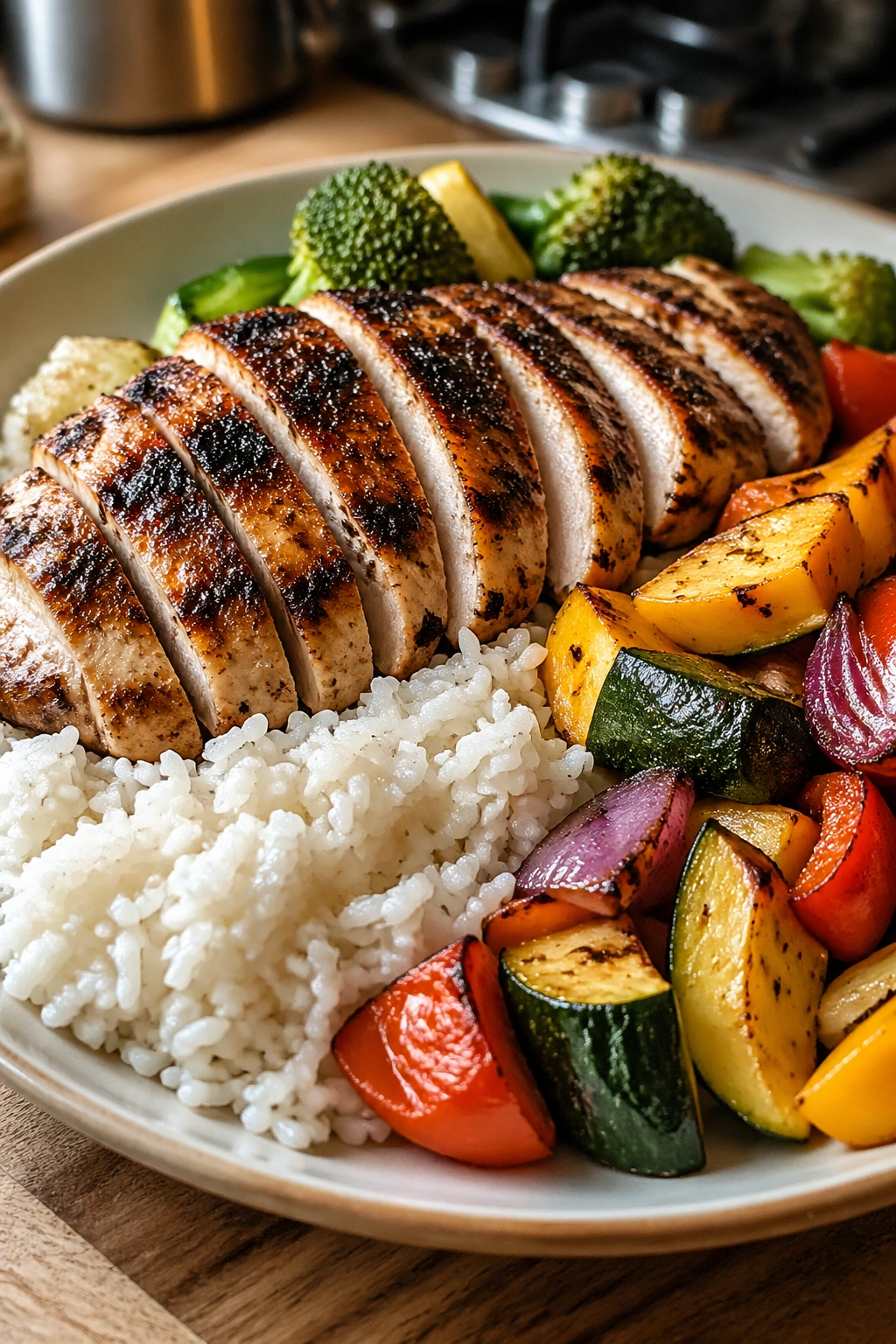
1. Chicken, Rice, and Roasted Vegetables
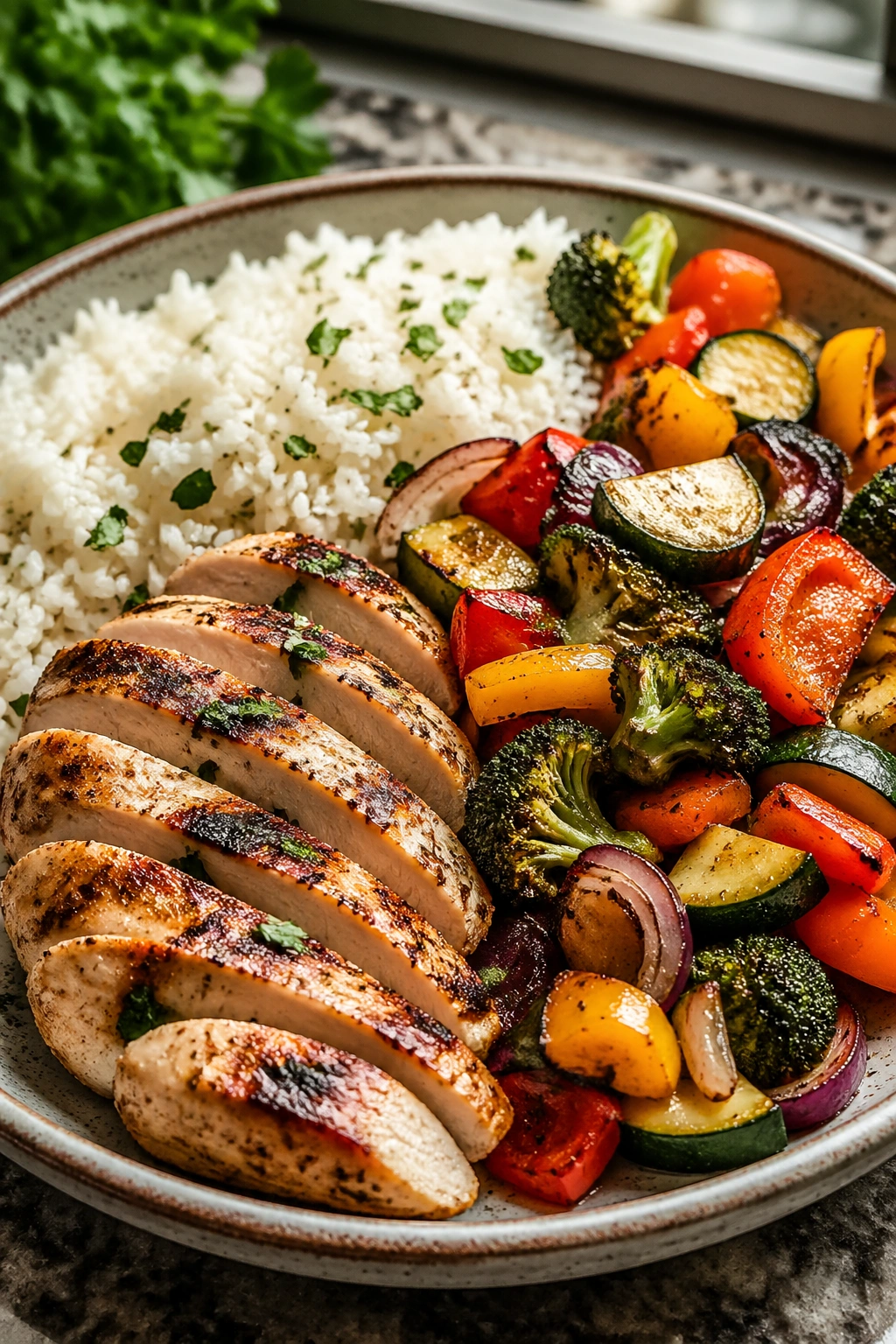
If you’ve spent any time around lifters, you knew this one was coming. There’s a reason it keeps surviving every nutrition trend. Chicken and rice works because it is easy to portion, easy to digest, cheap enough to meal-prep, and easy to push higher or lower in calories depending on whether you’re trying to gain size or trim down a bit.
Use 5 to 7 ounces of cooked chicken breast or thigh, 1 to 1½ cups of cooked rice, and a tray of roasted vegetables. That lands many men around 35 to 50 grams of protein and 45 to 70 grams of carbs before you even touch the sauce.
Fast recovery math
Rice is especially handy after hard training because it gives you carbs without a lot of bulk. Chicken brings a dense protein hit with enough leucine to help trigger muscle repair. Roasted carrots, zucchini, peppers, or green beans add color and micronutrients without turning the meal into a fiber bomb.
Quick ways to keep it from getting boring
- Stir a spoonful of salsa into the rice
- Add soy sauce and sesame seeds for a takeout feel
- Use chicken thighs when you want more flavor
- Roast the vegetables until browned at the edges, not pale and wet
Best move: cook a 2-pound batch of chicken and 6 cups of rice at once. This meal gets old only when you make the dry, sad version.
2. Greek Yogurt Parfait with Berries, Honey, and Granola
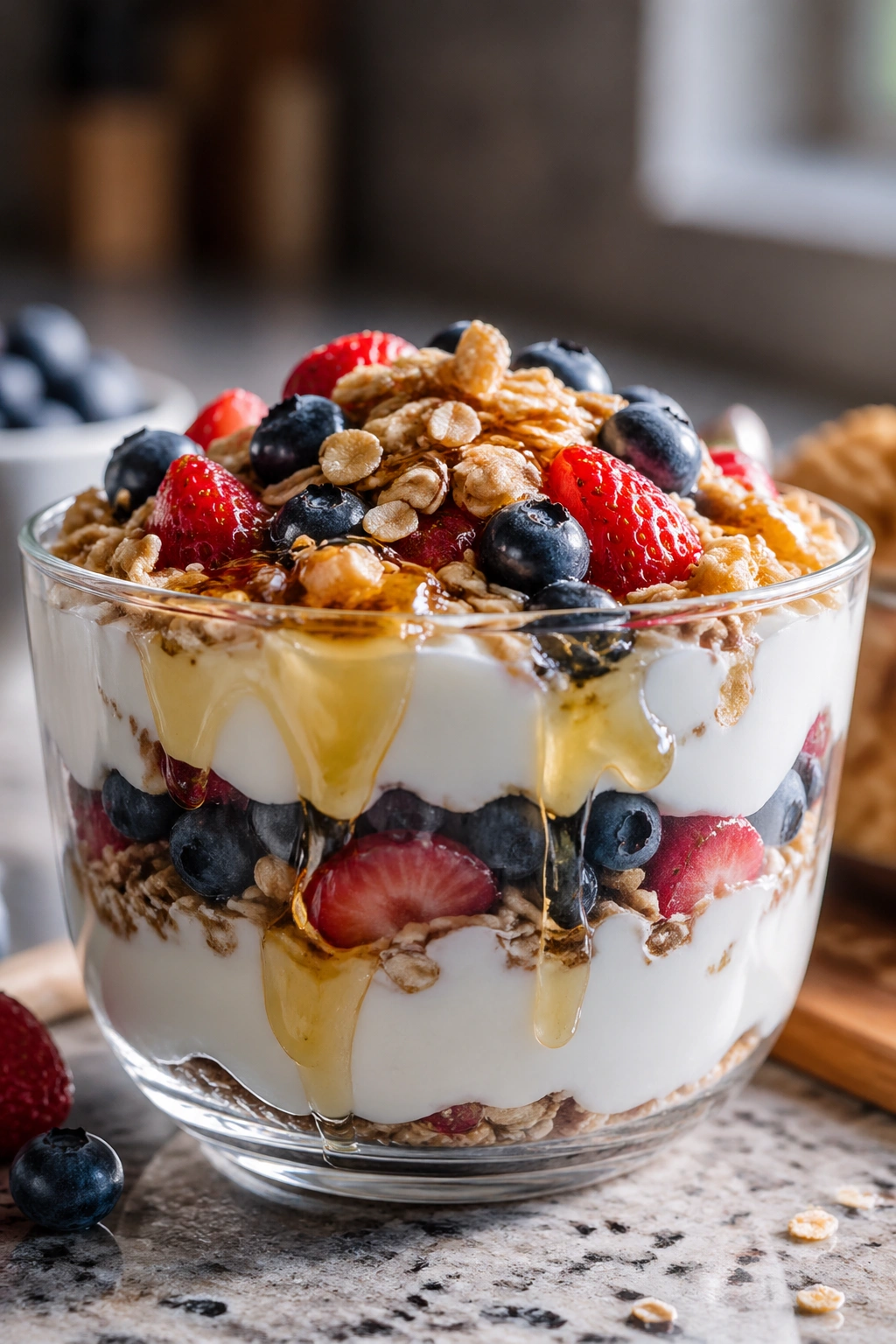
Need something cold, quick, and low-effort? This is the post-workout meal for nights when cooking sounds like punishment. A large bowl made with 2 cups of strained Greek yogurt, a cup of berries, ⅓ to ½ cup granola, and a drizzle of honey can give you 35 to 45 grams of protein with enough carbs to matter.
The nice part is how little chewing it asks from you. After hard squats or a late session, that counts. Greek yogurt also brings calcium and a thick texture that actually feels like food, not like you got tricked into another supplement.
Berries add some freshness without making the bowl too heavy. Honey gives fast carbs. Granola does the rest, though I’d keep an eye on the label because some brands are just dessert wearing hiking boots.
If you want to push this meal harder, stir in a scoop of whey or add a banana on the side. If you’re cutting and want to keep calories tighter, use less granola and more fruit. I also like a pinch of salt here—tiny amount, weirdly good, and helpful after a sweaty session.
No stove. No pan to wash. Some days that is exactly the point.
3. Eggs, Potatoes, and Sourdough Toast
Can eggs work after lifting, or do you need meat every single time? Eggs work. You just need enough of them.
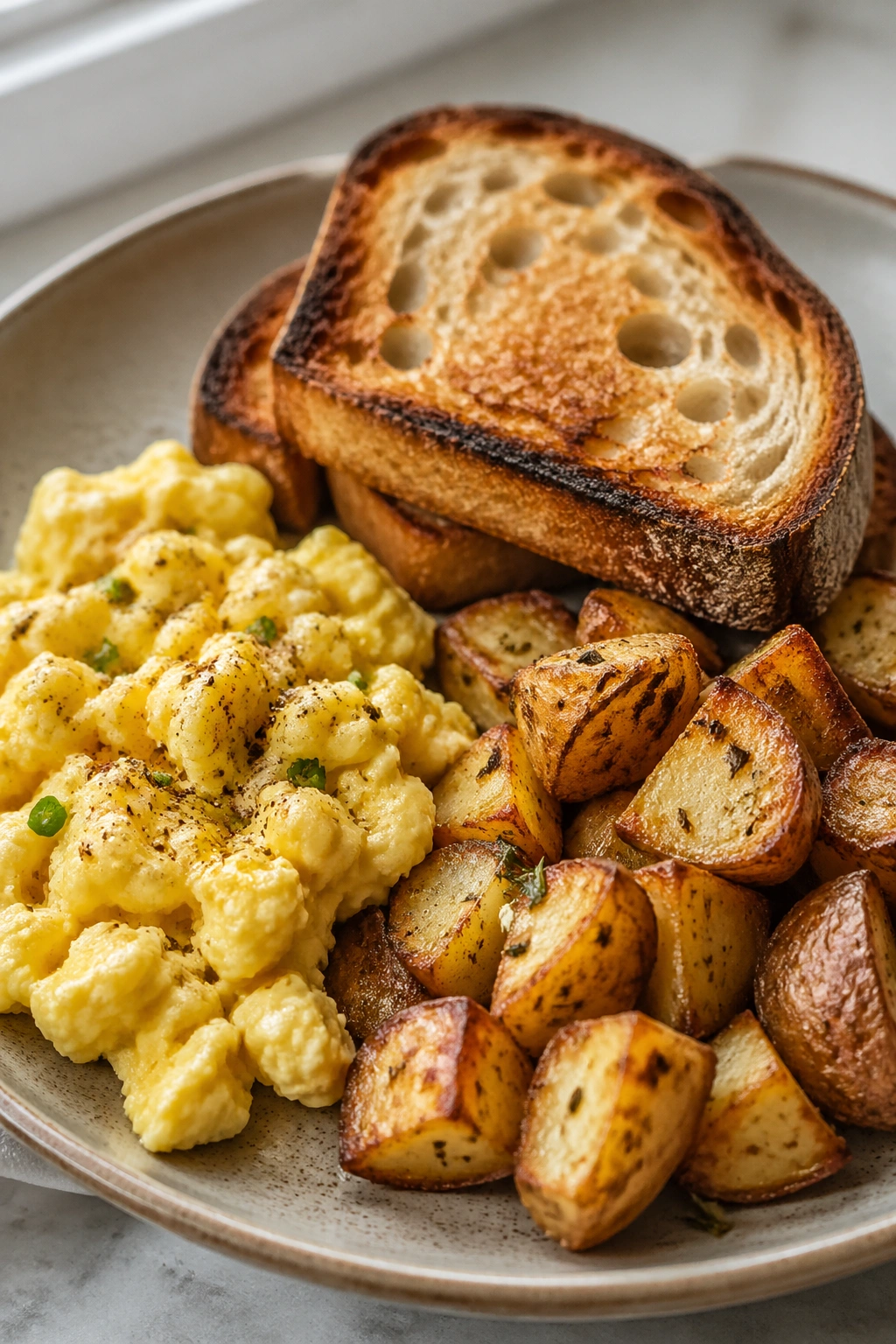
Four whole eggs plus 1 cup of egg whites gives you a better protein total than four eggs alone, and it keeps the meal from turning into an all-fat breakfast. Pair that with 10 to 12 ounces of cooked potatoes and two slices of sourdough toast, and you’ve got a plate that feels satisfying without dragging you down.
Potatoes are underrated in sports nutrition. They refill glycogen well, bring potassium, and sit surprisingly light when they’re roasted or air-fried instead of drowned in oil. Sourdough toast adds another carb layer that’s easy to eat even when appetite is lagging.
Best way to build the plate
Cook the potatoes first so they get crisp edges. Scramble the eggs soft, not rubbery. Add salt, pepper, and maybe a little hot sauce or ketchup if that makes the meal easier to finish. It usually does.
This one shines after morning training because it feels like breakfast, though I’ve eaten it at 8 p.m. more times than I can count. Rules are rules—until you’re hungry and your body wants food.
4. Lean Beef Burrito Bowl
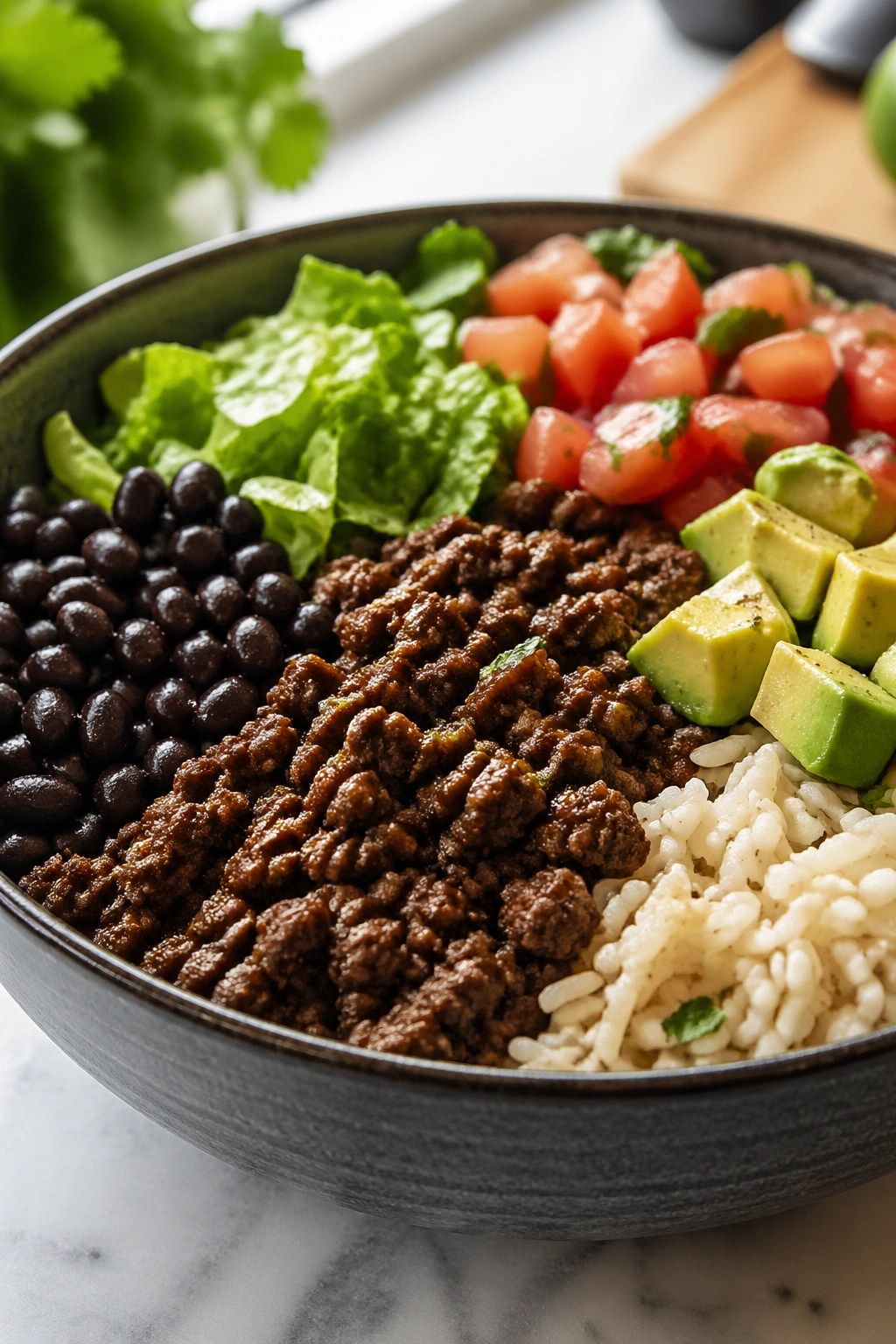
A burrito bowl is what I reach for when I want a post-workout meal with some personality. Rice and chicken can start to feel like wallpaper. Lean ground beef gives you protein, iron, zinc, creatine, and a richer taste that makes the whole bowl easier to eat after a brutal session.
Brown 93% lean beef with garlic, cumin, chili powder, and salt. Spoon it over 1 to 1½ cups of rice, then add black beans, chopped romaine, pico de gallo, and a little avocado or shredded cheese. You end up with a meal that often lands around 40 grams of protein and 60 to 90 grams of carbs, depending on the rice and beans.
A few details make this work better than most homemade burrito bowls:
- Use enough salt on the beef
- Warm the rice with a splash of water so it isn’t dry
- Keep avocado to a quarter fruit if digestion is touchy after training
- Add lime juice right before eating
The bowl format helps because you can scale it fast. More rice for a hard leg day. Less rice for a lighter upper session. Extra salsa when the food needs help. That last part matters more than nutrition purists like to admit.
5. Salmon, Sweet Potato, and Greens
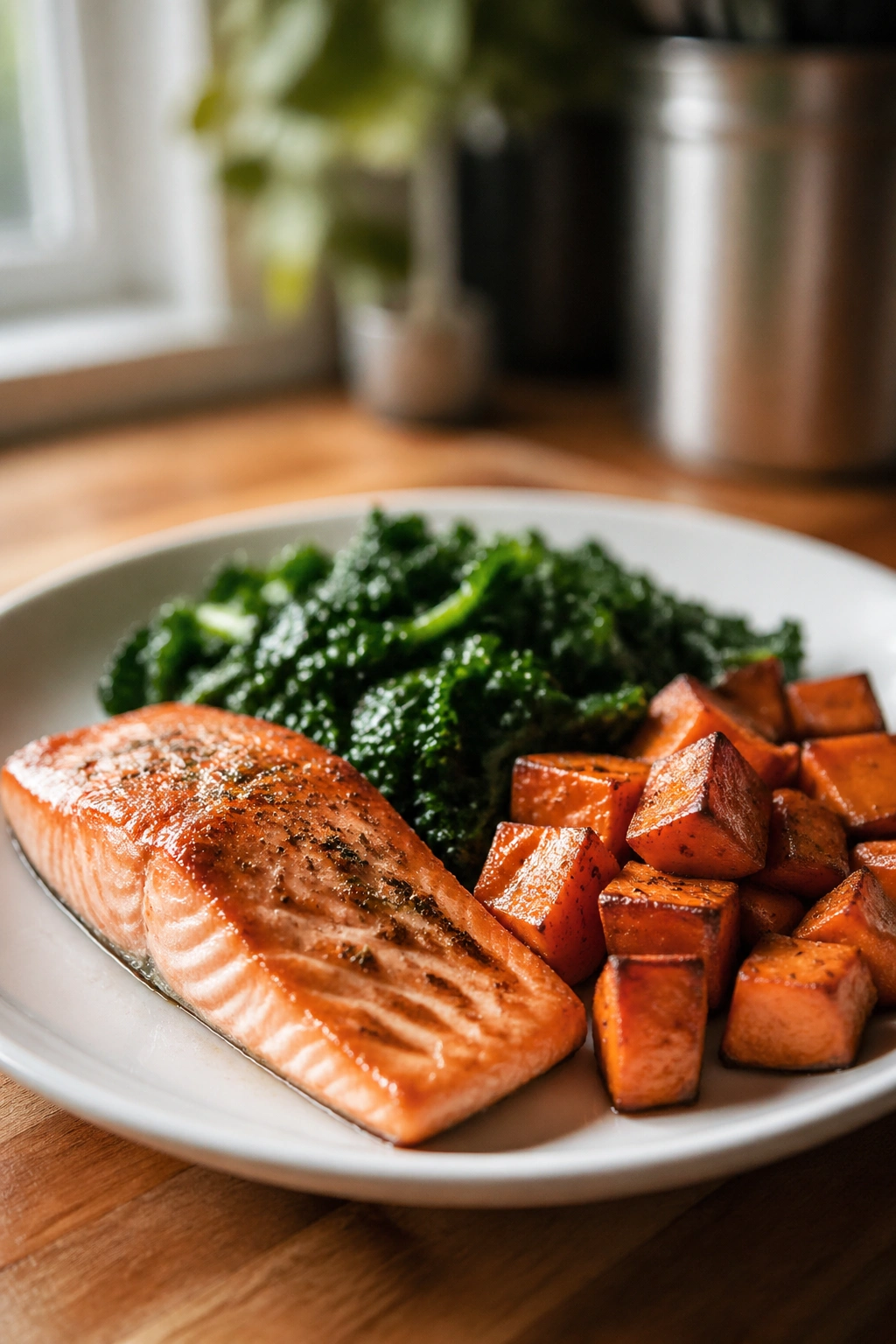
Unlike ultra-lean proteins, salmon brings a dose of fat with the protein. That slows digestion a bit, which is not always what you want right after training, but there’s a tradeoff worth making here: salmon gives you high-quality protein plus omega-3 fats, and for a lot of men it feels more satisfying than chicken when appetite is strong.
A good plate looks like this: 6 ounces of baked salmon, 10 ounces of roasted sweet potato, and a side of wilted spinach or green beans. You’ll get around 35 to 40 grams of protein and 45 to 55 grams of carbs.
This is better suited to a full meal than a grab-and-go snack. If you train at lunch and head back to work, salmon may be a little too aromatic for shared office air. At home, though, it’s a strong play—especially after lower-body sessions when you want a more complete dinner.
Sweet potatoes have their own advantage. They hold up well in meal prep, they taste good even reheated, and they don’t need much besides salt and olive oil. Cinnamon works too, though I know that splits the room.
If your stomach gets weird with fattier fish after lifting, use cod or tilapia instead and keep the sweet potato. That swap fixes the issue for a lot of people.
6. Cottage Cheese, Pineapple, Cereal, and Almonds
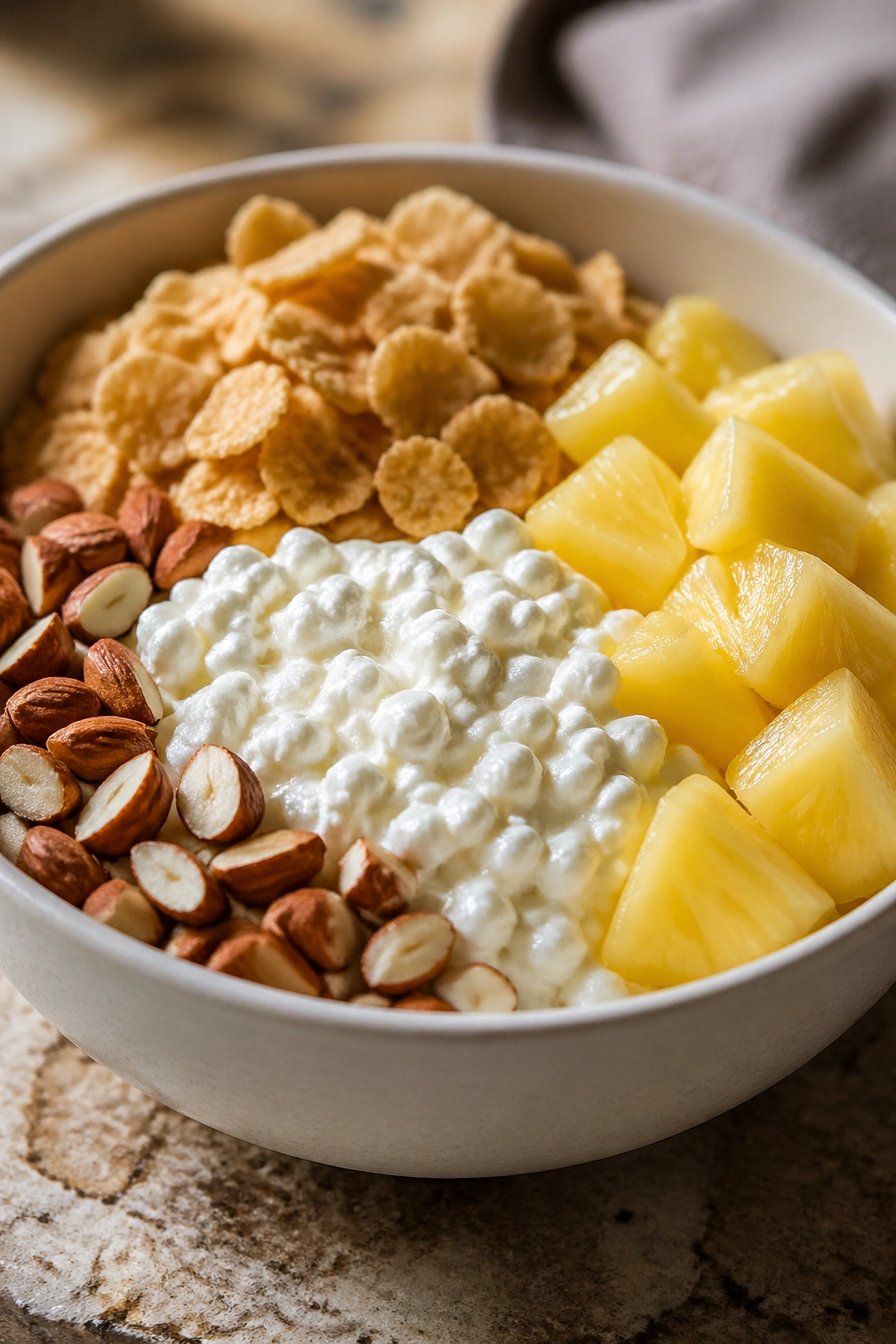
This meal punches above its weight. It looks like a snack. It eats like recovery.
A large bowl with 1½ to 2 cups of cottage cheese, pineapple chunks, a serving of crispy cereal, and a tablespoon of chopped almonds can give you 30 to 40 grams of protein and enough carbs to make the meal worth your time. The cereal is doing more work than people think. Post-workout is one of the few times when simple, fast-digesting carbs are exactly what you want.
Cottage cheese also has something going for it that chicken does not: you can eat it when you’re too tired to cook. That matters. Men who lift tend to obsess over the “ideal” meal and then skip eating because the ideal one wasn’t available. I’d rather see a lifter eat this bowl in five minutes than stall for an hour and end up with nothing but coffee and bad decisions.
Use full-fat or low-fat based on your calorie target. I lean low-fat here because the almonds already add richness and texture. Pineapple cuts through the dairy and keeps the bowl from tasting flat.
And yes, savory cottage cheese fans exist. I respect them. After lifting, I still think the sweet route works better.
7. Turkey Pasta with Red Sauce and Parmesan
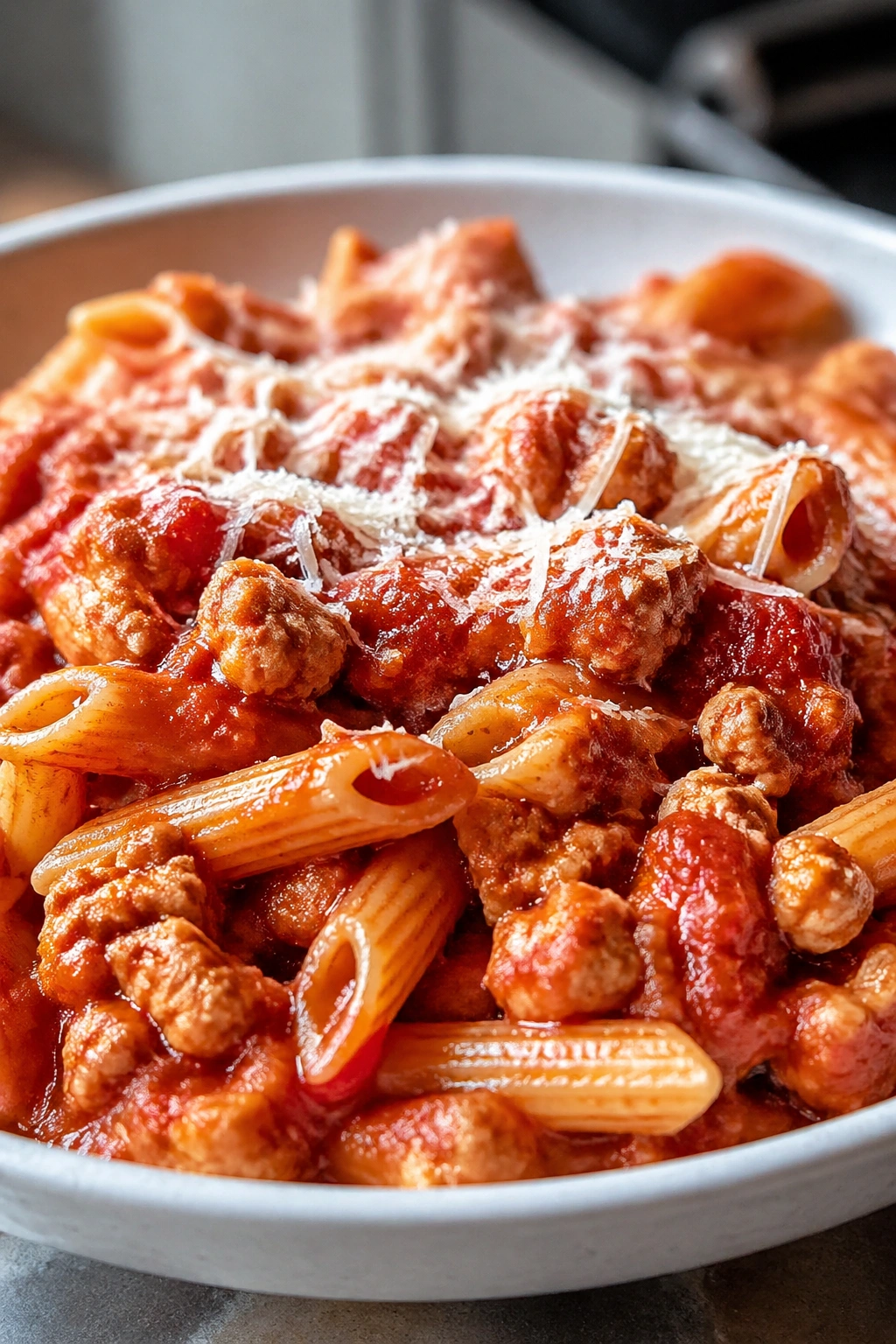
Pasta gets treated like a guilty pleasure in corners of the fitness world, which is funny once you’ve watched a lifter try to recover from high-volume training on dry chicken and lettuce. Pasta is one of the most practical carb sources you can use after lifting, and turkey gives the meal enough protein without making the sauce greasy.
Cook 6 to 8 ounces of lean ground turkey with onion, garlic, salt, and red pepper flakes. Add marinara, toss with 3 to 4 ounces dry pasta—measured before cooking—and finish with Parmesan. That gets many men into the 35 to 45 gram protein range and 70-plus grams of carbs, which is perfect after a demanding session.
This meal also solves a common problem: appetite fatigue. A warm bowl of pasta is easy to finish. It reheats well. You can batch-cook it. You can pack it. The only thing I do not like is overloading it with cheese and oil until the meal becomes a slow, heavy brick.
There’s room to sneak in vegetables here without turning the dish into a punishment meal. Mushrooms, spinach, zucchini, even finely chopped carrots in the sauce all work. Keep the ratio sensible. Pasta should still taste like pasta.
Some meals are “disciplined.” This one is smarter than that.
8. Tuna Bagel Sandwich with Fruit
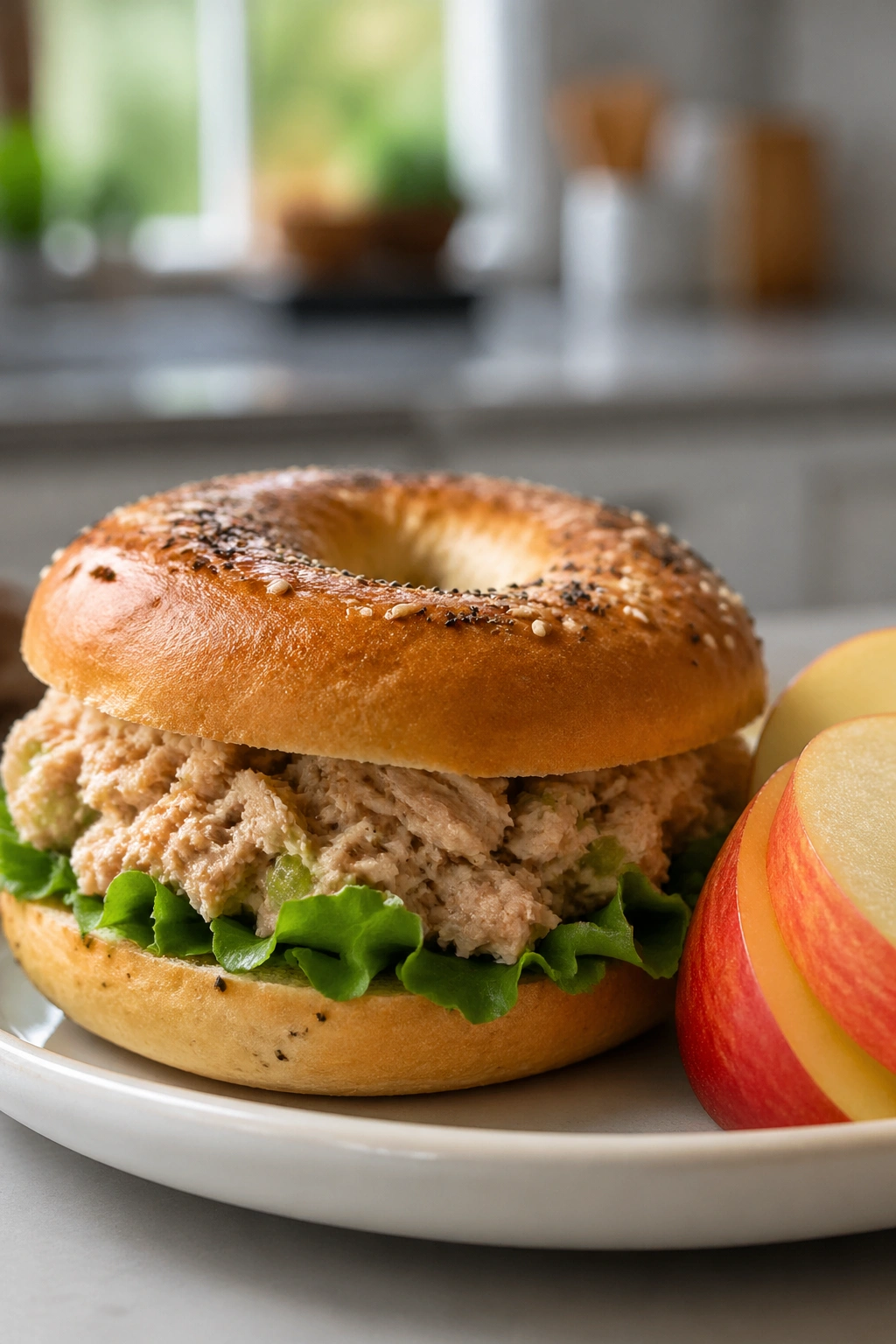
A bagel is almost built for post-workout eating. Dense carbs, easy to carry, easy to finish.
Mix one large can of tuna with a little Greek yogurt or light mayo, mustard, chopped celery, salt, pepper, and lemon juice. Pile it onto a plain or sesame bagel, then eat a banana or apple on the side. You’ve got a meal that can land around 35 grams of protein and 60 to 80 grams of carbs without any cooking.
When this one makes the most sense
This is ideal for men who train on a tight schedule and need food that travels well. It also works when you want a break from shakes but still need something fast.
A few practical upgrades
- Use two tuna pouches if you want more protein with less volume
- Toast the bagel so the sandwich has some structure
- Add pickles if you like extra salt after sweaty sessions
- Keep the mayo light; too much makes the sandwich drag
Tuna is not a meal I’d eat twice a day, every day. Variety matters, and canned fish can get old fast. Still, for convenience, price, and protein density, this sandwich earns its place.
9. Whey Oatmeal with Banana and Peanut Butter
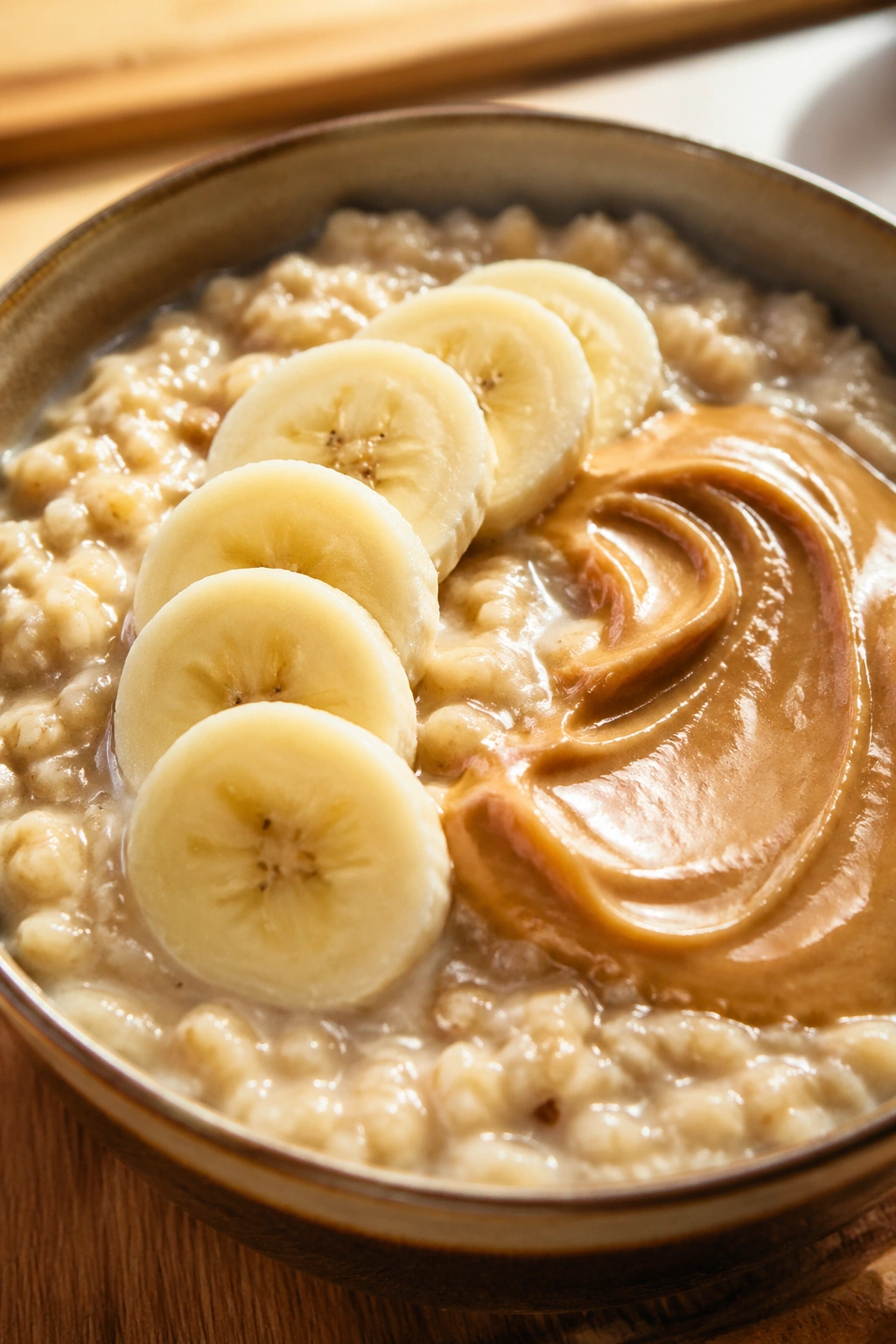
Does oatmeal count as a real post-workout meal, or is it just breakfast pretending to be sports nutrition? It counts—if you build it right.
Plain oats alone do not bring enough protein. Stirring whey into hot oatmeal carelessly can turn the bowl into sweet cement. The fix is easy. Cook the oats first, let them cool for a minute, then mix in 1 scoop to 1½ scoops of whey, sliced banana, and a tablespoon of peanut butter. Add a splash of milk if the texture gets too thick.
That bowl gives you 30 to 40 grams of protein and 50 to 70 grams of carbs, depending on your serving size. It also goes down well when you want something warm but not too heavy.
Texture is the whole game here
Quick oats make a smoother bowl. Rolled oats hold more chew. Cream of rice works even faster if you want a softer texture and less fiber. I still like oats when I have an hour or two before bed and want the meal to stick with me a bit longer.
You do need to watch the peanut butter. A spoonful tastes good. A quarter cup turns a recovery meal into a fat-heavy dessert. There is a difference.
10. Shrimp Stir-Fry with Jasmine Rice
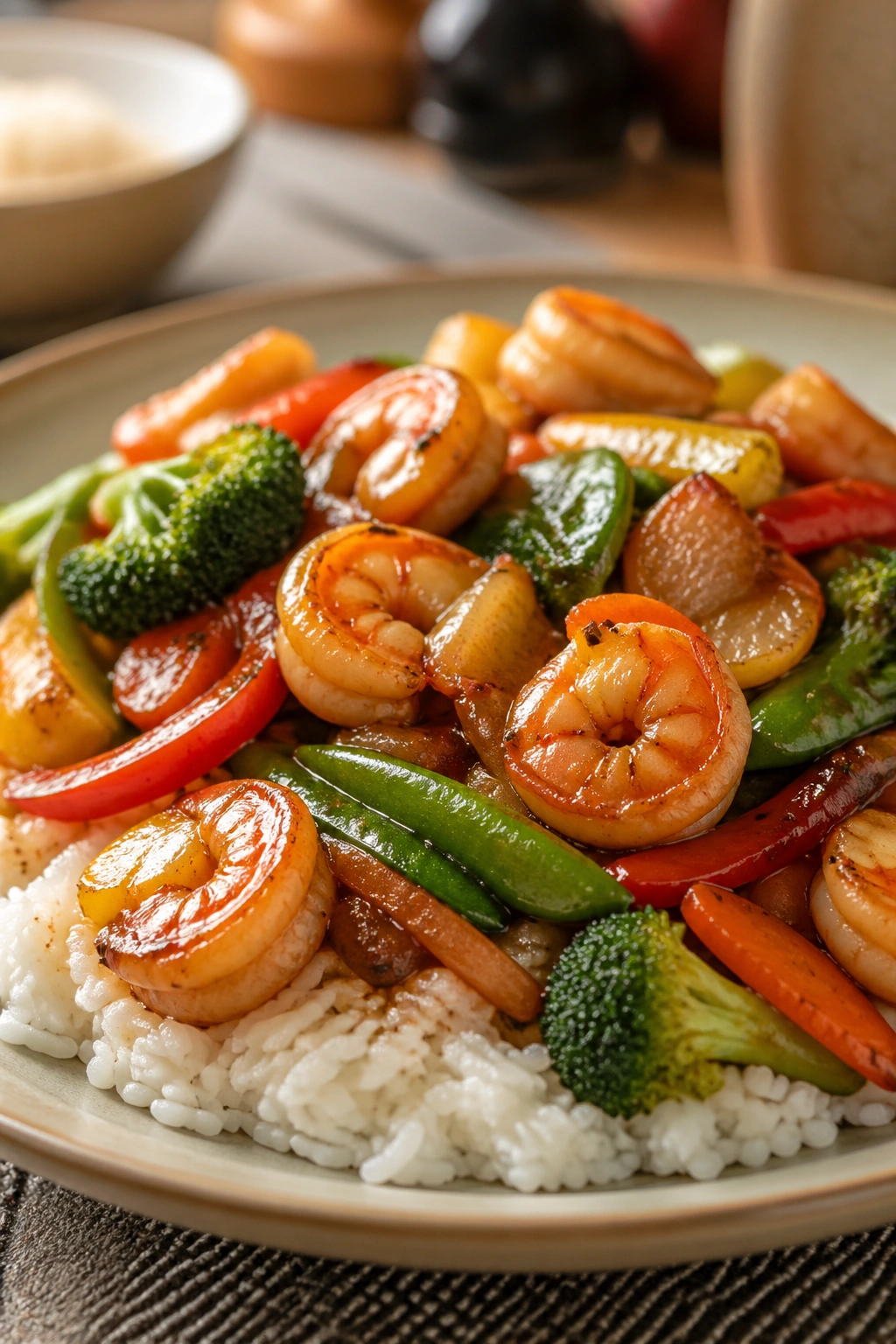
Shrimp feels like restaurant food, but it’s one of the fastest proteins you can cook at home. Two minutes per side and you’re done. That speed matters when you’re standing at the stove after training, tired, hungry, and one bad decision away from ordering wings.
Sauté 7 to 8 ounces of shrimp with garlic, ginger, and a little sesame oil. Toss in snap peas, bell peppers, or bok choy, then serve it over 1½ cups of cooked jasmine rice. You’ll end up with roughly 35 to 40 grams of protein and 60 grams of carbs.
What makes this meal work is the digestion profile. Shrimp is lean. Jasmine rice is easy to eat. The vegetables can stay crisp and light instead of dense and mushy.
A few details help:
- Pat the shrimp dry so they sear instead of steam
- Use high heat and a big pan
- Add soy sauce after the shrimp cooks, not at the start
- Keep the sesame oil to 1 teaspoon or so
This meal also feels less repetitive than chicken without becoming fussy. I like that. Lifting already asks for enough routine.
11. Chocolate Milk and a Turkey Wrap
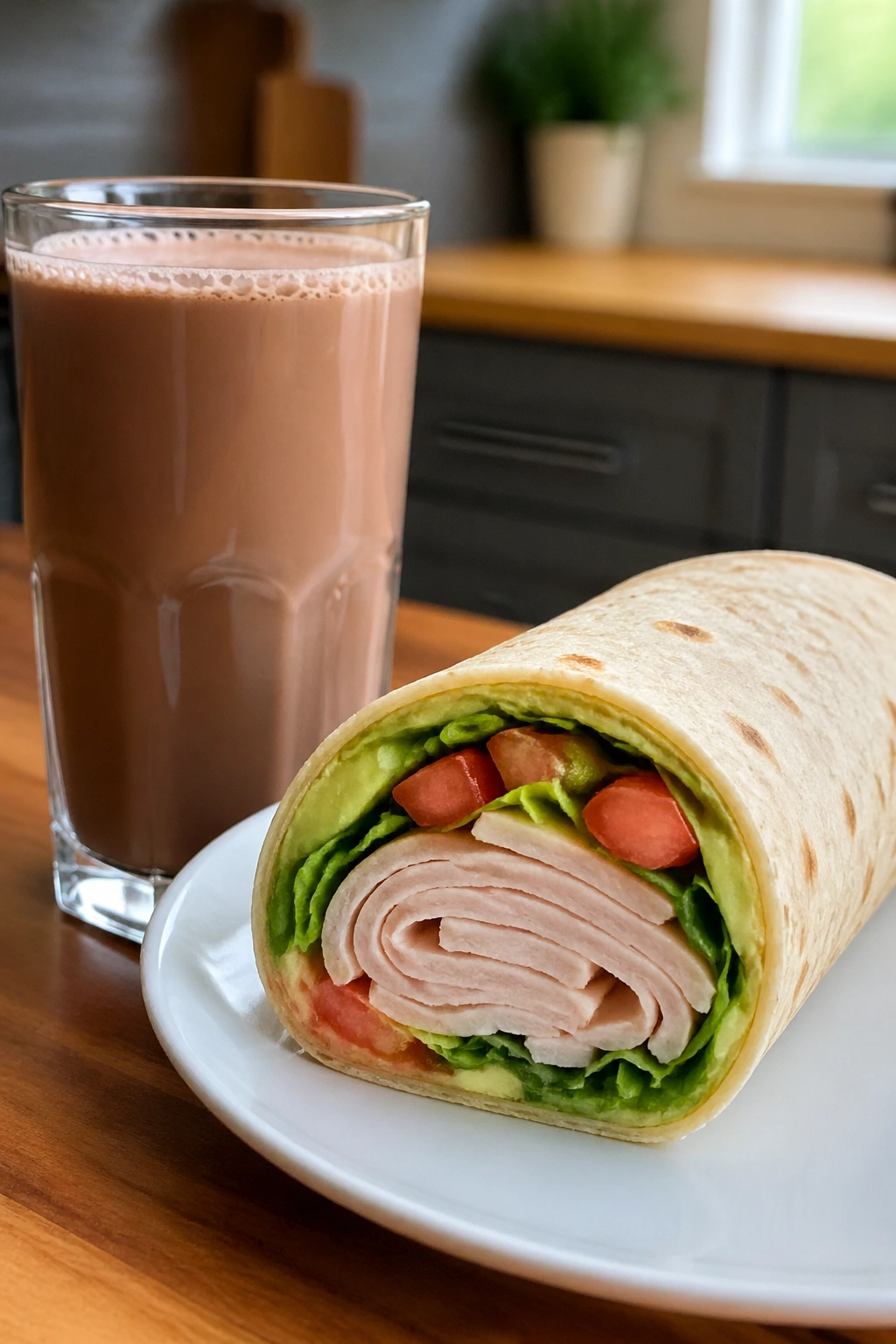
No, chocolate milk is not childish. It’s practical.
Milk gives you whey plus casein, which means fast and slower-digesting dairy proteins in one shot. Pair 16 to 20 ounces of low-fat chocolate milk with a turkey wrap made from a large tortilla, 5 to 6 ounces sliced turkey, lettuce, tomato, and a swipe of mustard, and you’ve got a post-workout combo that usually lands around 35 to 45 grams of protein and 65 to 85 grams of carbs.
This is the move when you need to eat fast and your appetite is only halfway online. The milk helps with hydration. The wrap gives you something solid so you do not feel like you skipped dinner.
Why this combo keeps showing up in locker rooms
- It’s quick enough for the drive home
- You can buy every part of it at a grocery store in under 10 minutes
- The carb-to-protein mix makes sense after hard training
- It costs less than most premade “fitness” snacks
If dairy never sits right with you, skip the milk and use a bottled high-protein shake plus fruit. But for men who tolerate it well, chocolate milk has earned its stubborn place in recovery nutrition.
12. Steak and Roasted Potatoes
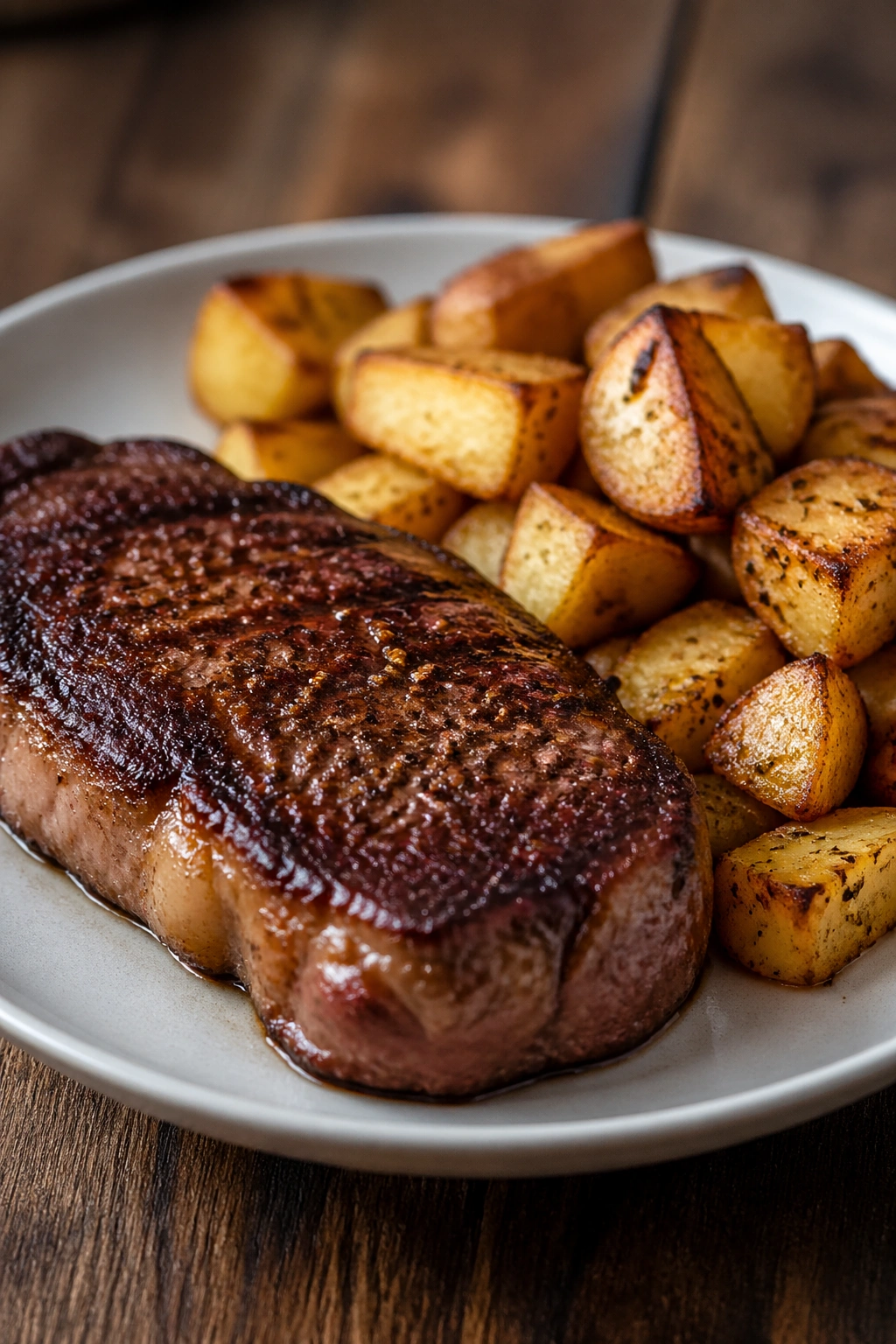
Some meals are satisfying in a way no bowl or shake can touch. Steak and potatoes is that meal.
A 6-ounce sirloin or flank steak with 12 ounces of roasted potatoes gives you a dense hit of protein, iron, zinc, creatine, and carbs with enough heft to feel like dinner, not damage control. Men who train hard and eat hard usually do well with this plate, especially after heavy compound days.
There is one catch. Steak digesting after training can feel slow if the cut is too fatty or the portion gets out of hand. Ribeye tastes great, sure, but a giant slab with butter-heavy potatoes is not always the smartest recovery meal. Sirloin, top round, flank, and flat iron usually strike the better balance.
The potatoes matter as much as the steak. Roast them hot—425°F is a good starting point—until the edges get crisp and the insides turn fluffy. Salt them well. Add ketchup, chimichurri, or steak sauce if that helps you finish the plate. Food does not get bonus points for being dry.
When lifters talk about eating “real food,” this is often what they mean. Fair enough. It works.
13. Tofu and Edamame Rice Bowl
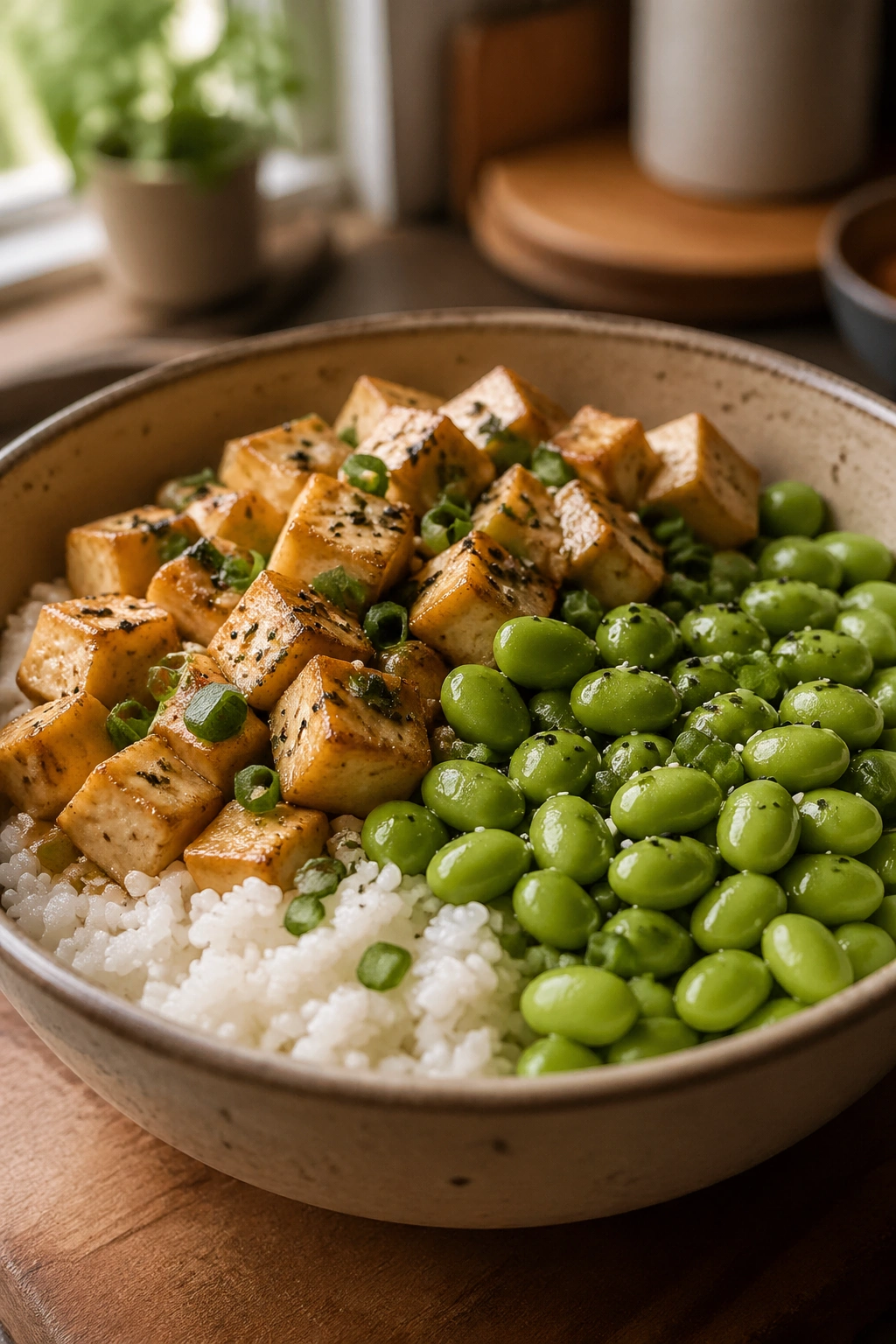
Plant-based post-workout meals can work fine for men who lift. They just need some planning. The main issue is not whether plants can build muscle. They can. The issue is hitting enough total protein and enough leucine in one meal without ending up with a giant mound of fiber.
That’s why tofu and edamame make sense together. Use 8 ounces of extra-firm tofu, 1 cup shelled edamame, and 1 to 1½ cups cooked rice. Add shredded carrots, cucumber, and a soy-ginger sauce. Now you’re looking at 35 to 40 grams of protein and a solid carb base.
Compared with chicken and rice, this bowl asks for a little more volume. That’s the trade. Still, the texture mix is good, and the meal holds up well in the fridge.
Who benefits most from this one?
- Men who eat fully plant-based
- Lifters who want a break from meat-heavy meals
- Anyone trying to push up protein while keeping saturated fat lower
Press the tofu first so it browns instead of weeping into the pan. Small detail. Big difference.
14. Rotisserie Chicken Couscous Bowl
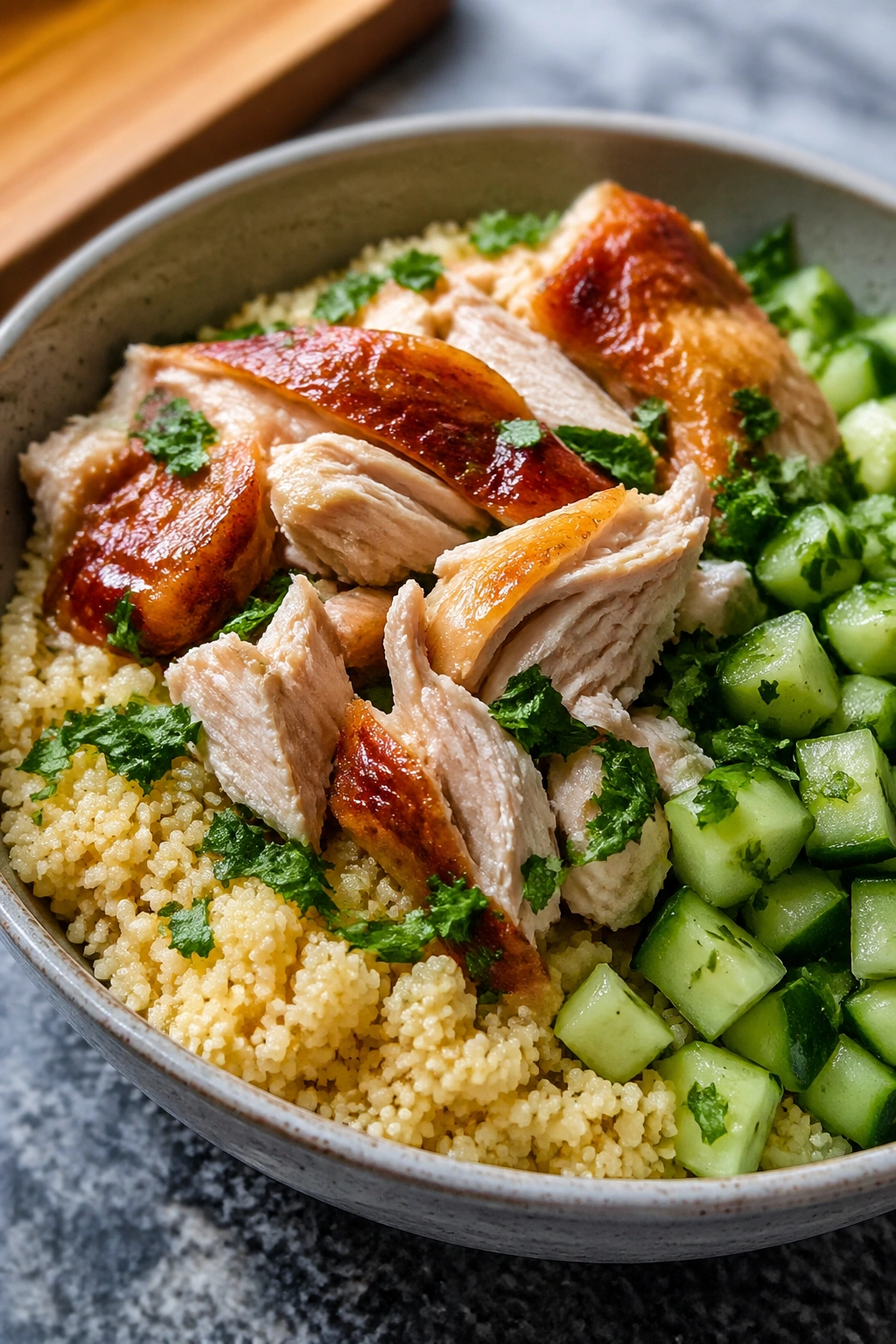
This is what I’d call a low-friction meal. No recipe ego. No unnecessary labor.
Pull 5 to 6 ounces of meat off a rotisserie chicken, make instant couscous, add chopped cucumber, tomatoes, parsley, olive oil, lemon, and a spoonful of hummus or tzatziki. You end up with a post-workout bowl that tastes fresh and takes about 10 minutes if the chicken is already on hand.
Couscous deserves more love in lifting diets. It cooks fast, absorbs flavor well, and sits lighter than some whole grains after training. Rotisserie chicken—skin removed if you want to keep fat down—solves the “I don’t feel like cooking protein tonight” problem better than almost anything.
A smart build might look like this:
- Protein: 35 to 40 grams from chicken
- Carbs: 45 to 60 grams from couscous and vegetables
- Flavor boosters: lemon juice, herbs, garlic, yogurt sauce
- Extra calories if you need them: pita, raisins, or a little feta
This one is especially good during busy work weeks because it tastes decent cold or room temp. Not every recovery meal has to be hot.
15. Whey, Oats, Banana, and Cocoa Smoothie
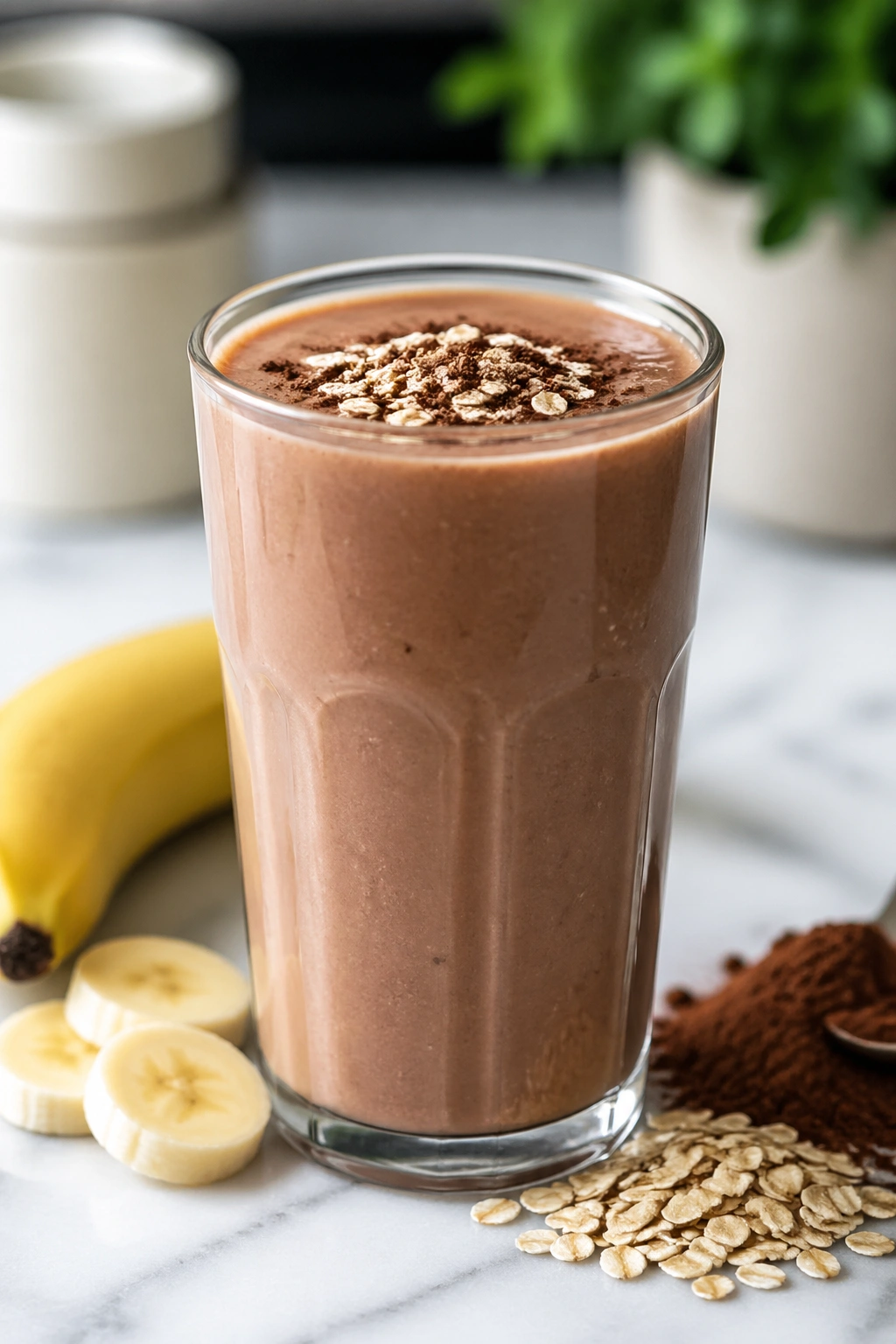
Some men finish training and do not want to chew. They want cold, quick, done. A properly built smoothie is not second-rate. It’s efficient.
Blend 1½ scoops whey, ½ to ¾ cup dry oats, 1 large banana, 1 tablespoon cocoa powder, milk, ice, and maybe a spoonful of peanut butter if you need extra calories. That can give you 35 to 45 grams of protein and 50 to 80 grams of carbs depending on how you mix it.
The mistake people make with post-workout smoothies is turning them into a blender full of random health-food ambition. Spinach, flax, chia, nut butter, frozen acai, six supplements, maybe half a coconut. Then the shake becomes thick, fibrous, and weirdly hard to drink. Keep it tighter than that.
A good recovery smoothie should pour well, taste decent, and not take 20 minutes to assemble. Oats thicken it and add carbs. Banana smooths out the texture. Cocoa makes it feel like a treat without much sugar. If your blender struggles with raw oats, blend them first into a powder.
This is also the easiest way to feed a high-calorie phase without forcing down another giant plate.
16. Ground Turkey Chili Over Rice
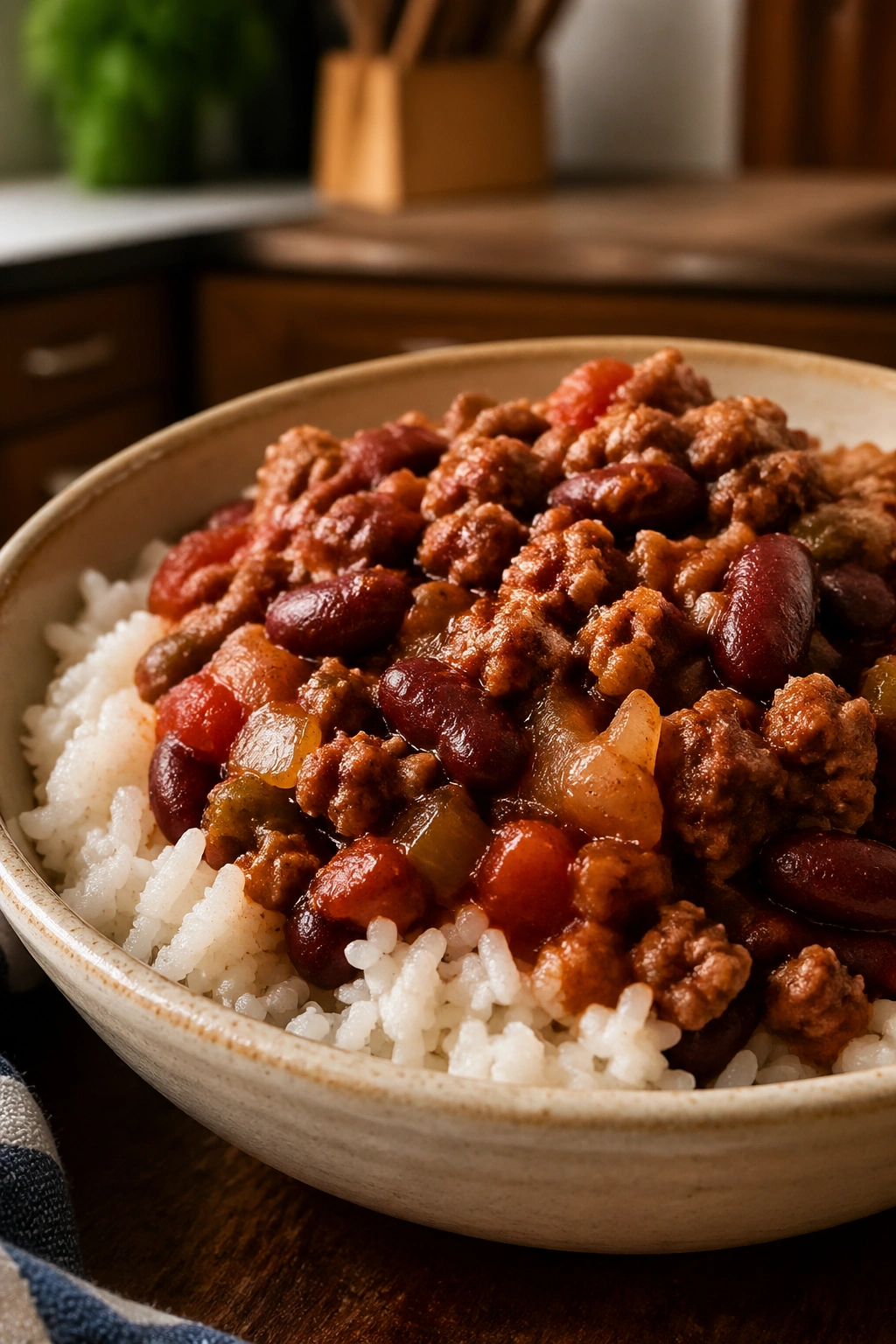
Chili is one of those meal-prep foods that lifters either swear by or ruin. When it’s watery and bland, it’s a chore. When it’s thick, salty enough, and built with lean meat, beans, and tomatoes, it becomes one of the better post-workout meals you can make in bulk.
Use lean ground turkey, kidney or black beans, crushed tomatoes, onion, garlic, chili powder, cumin, and paprika. Serve it over rice instead of on its own. That last part matters because the rice makes the meal more useful for glycogen recovery and easier to scale after harder sessions.
Why this one works for batch cooking
A pot of chili can cover 4 to 6 meals without much extra effort. The flavor often improves after a night in the fridge, and the macros stay predictable.
What usually goes wrong
People under-salt it. Or they skip the rice and wonder why the meal feels low-energy after training. A post-workout serving with 1½ cups chili plus 1 cup cooked rice can land around 35 to 45 grams of protein and 55 to 70 grams of carbs. That’s a solid return for one container and one spoon.
Cold-weather food? Sure. I’d still eat it in July.
17. Cottage Cheese Overnight Oats for Late-Night Lifters
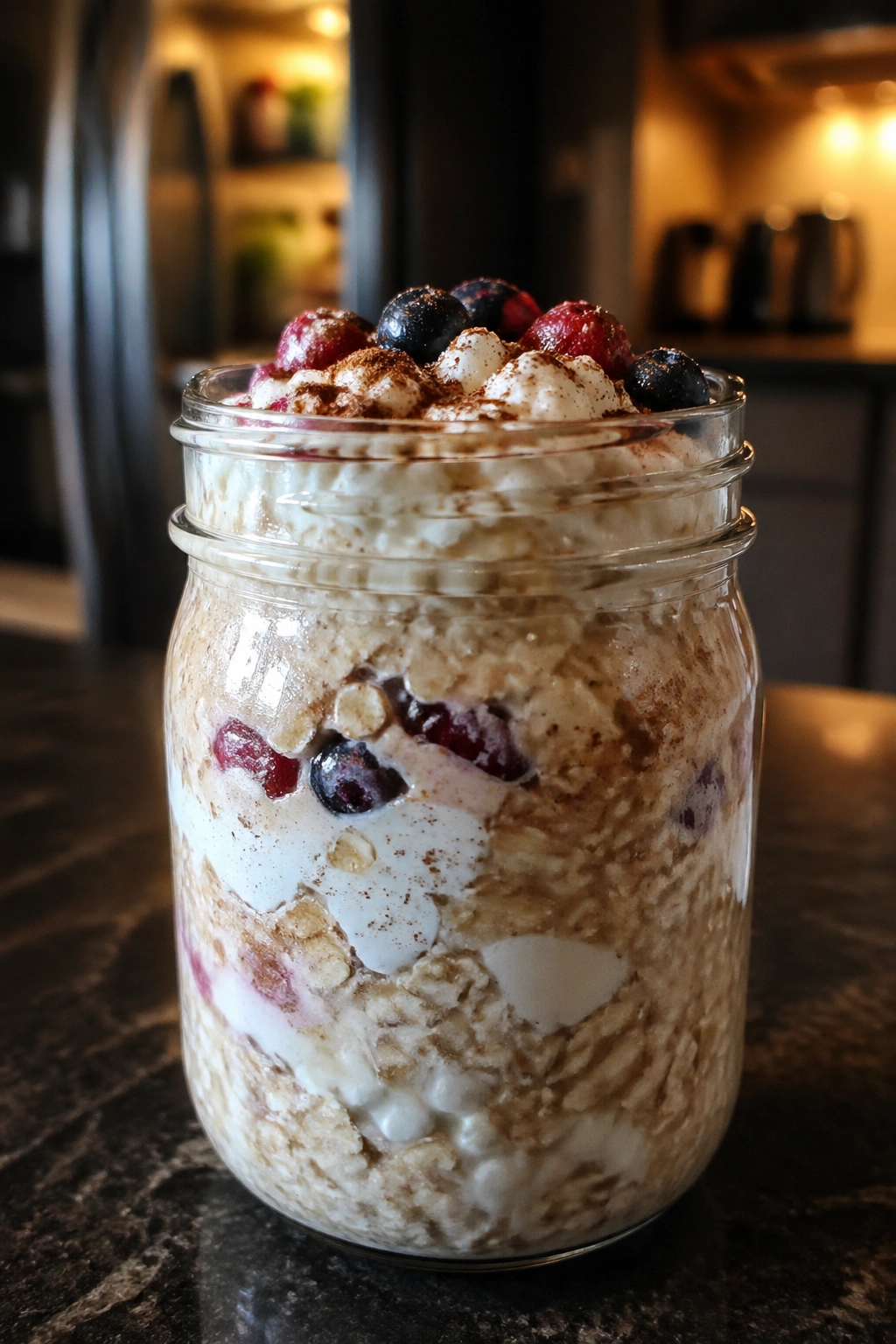
Train late and don’t want to cook at 9:30 p.m.? Make the meal before the workout.
Mix rolled oats, milk, cottage cheese, chia seeds, cinnamon, and diced banana or berries in a jar and let it sit in the fridge. By the time you get home, it’s ready. The texture lands somewhere between oatmeal and pudding, which sounds strange until you actually eat a good batch and finish the whole thing without thinking.
Why use cottage cheese here instead of only yogurt? Protein density. A well-built jar can hit 30 to 40 grams of protein without needing a shake on the side, and the oats give you a steady carb source that feels calming at night rather than heavy.
A late-session bonus
This meal fits the guys who do not want a huge hot dinner before bed but still need recovery nutrition. Add crushed cereal or chopped walnuts on top right before eating if you want texture. I would not stir them in early unless you enjoy sogginess as a personality trait.
This one isn’t flashy. It is useful, and that counts for more.
18. Chicken Quesadillas with Black Beans and Salsa
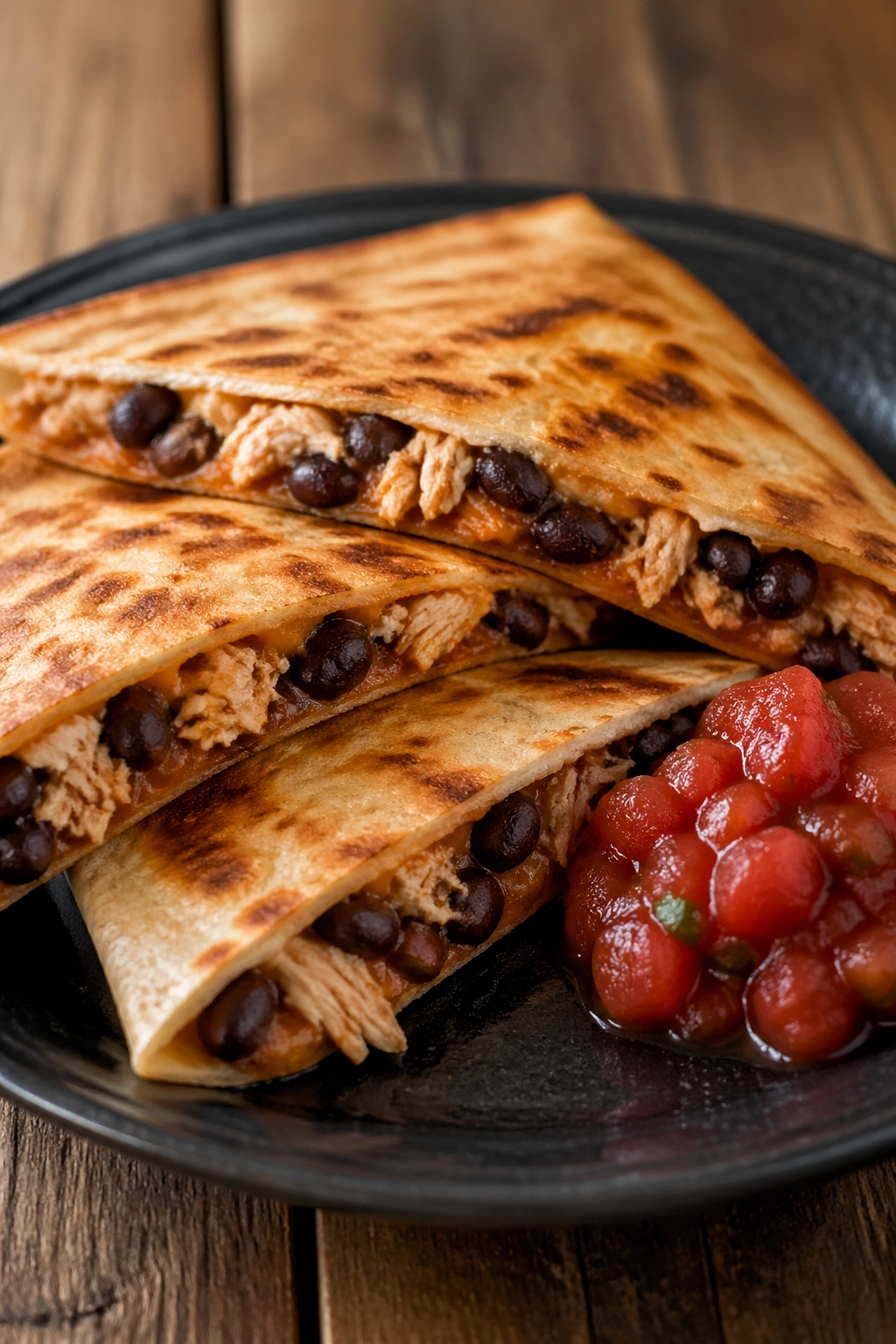
If you want a post-workout meal that feels like actual comfort food, quesadillas are hard to beat. They also happen to work well for recovery when you stop treating them like a cheese delivery system and build them with some balance.
Use two medium flour tortillas, 5 ounces shredded chicken, ½ cup black beans, a modest amount of shredded cheese, and salsa on the side. Pan-toast them until the tortillas crisp and the filling is hot. You’ll wind up with something around 35 to 45 grams of protein and 55 to 75 grams of carbs, depending on the tortillas and bean portion.
A few reasons this meal stays in my rotation:
- Tortillas are easy to keep on hand
- Leftover chicken works perfectly
- The carb-protein mix is right where you want it
- Salsa fixes dryness fast without much fat
Don’t overdo the cheese. That’s the line between a smart recovery meal and a greasy nap. A little goes a long way here.
And yes, you can cut the quesadillas into wedges and dip them like a civilized adult who also lifts heavy things.
Keep It Simple
The men who recover well are not always the ones with the most complicated nutrition plans. They’re usually the ones who eat enough protein, stop being afraid of carbs after training, and keep 3 to 5 repeatable meals in the house at all times.
Pick a few meals from this list that match how you actually live. If you train early, keep a fast option ready. If you train late, prep the meal before you leave. If appetite disappears after hard sessions, lean on smoothies, yogurt bowls, wraps, and other foods that don’t ask much from you.
Consistency is the boring answer. It is also the one that keeps showing up in stronger, better-fed lifters.
