



A spoonful of oil will not melt belly fat. If anyone tells you that, they’re selling a fantasy.
The better question is which natural oils that help reduce belly fat actually belong in a real kitchen, where meals are cooked, eaten, repeated, and sometimes messed up by a heavy hand with the bottle. That’s where the honest answer lives. Oils can support fat loss when they replace worse fats, make simple foods taste good enough to stick with, and keep you from reaching for creamy sauces, fried food, or endless snacks.
The catch is the one people keep ignoring. Oil is still oil. One tablespoon carries about 120 calories, give or take, and that number matters more than the pretty label on the bottle. If you pour without measuring, even the healthiest fat turns into a quiet calorie leak. If you measure it and use it with beans, vegetables, eggs, fish, or lean protein, it can fit a waistline-friendly way of eating without much drama.
That’s the real game here: not chasing a magic fat burner, but using the right oil in the right way, at the right dose, for the right meal.
1. Extra Virgin Olive Oil
Extra virgin olive oil is the one I trust most, and I’m not alone in that. It shows up over and over in eating patterns linked with healthier body weight because it brings monounsaturated fat and plant compounds that make simple food feel finished, not stripped down. That matters when you’re trying to lose fat around the waist, because the easier your meals are to stick with, the less likely you are to go hunting for extra snacks an hour later.
Why It Keeps Showing Up in Belly-Fat Plans
Extra virgin olive oil works best as a replacement, not an addition. Swap it in for butter, creamy dressings, or random pours of refined oil, and the meal often gets better without getting bigger. It also has a flavor that makes vegetables, beans, tomatoes, and grilled fish taste like actual food.
That’s a small thing. It isn’t.
A lot of “healthy eating” fails because the food feels boring, so people compensate with bread, sugar, or snacks. Olive oil helps close that gap. Use 1 tablespoon on a big salad, 1 teaspoon to finish roasted vegetables, or a light drizzle over eggs and lentils.
How to Use It Without Blowing Calories
- Drizzle 1 teaspoon to 1 tablespoon over cooked greens, not a free pour.
- Use it with lemon and salt on chickpeas or white beans.
- Finish soups with a small swirl right before serving.
- Choose a peppery, fruity bottle in dark glass if you want stronger flavor from less oil.
One good bottle can replace three mediocre ones. That’s the olive-oil trick people miss.
2. Avocado Oil
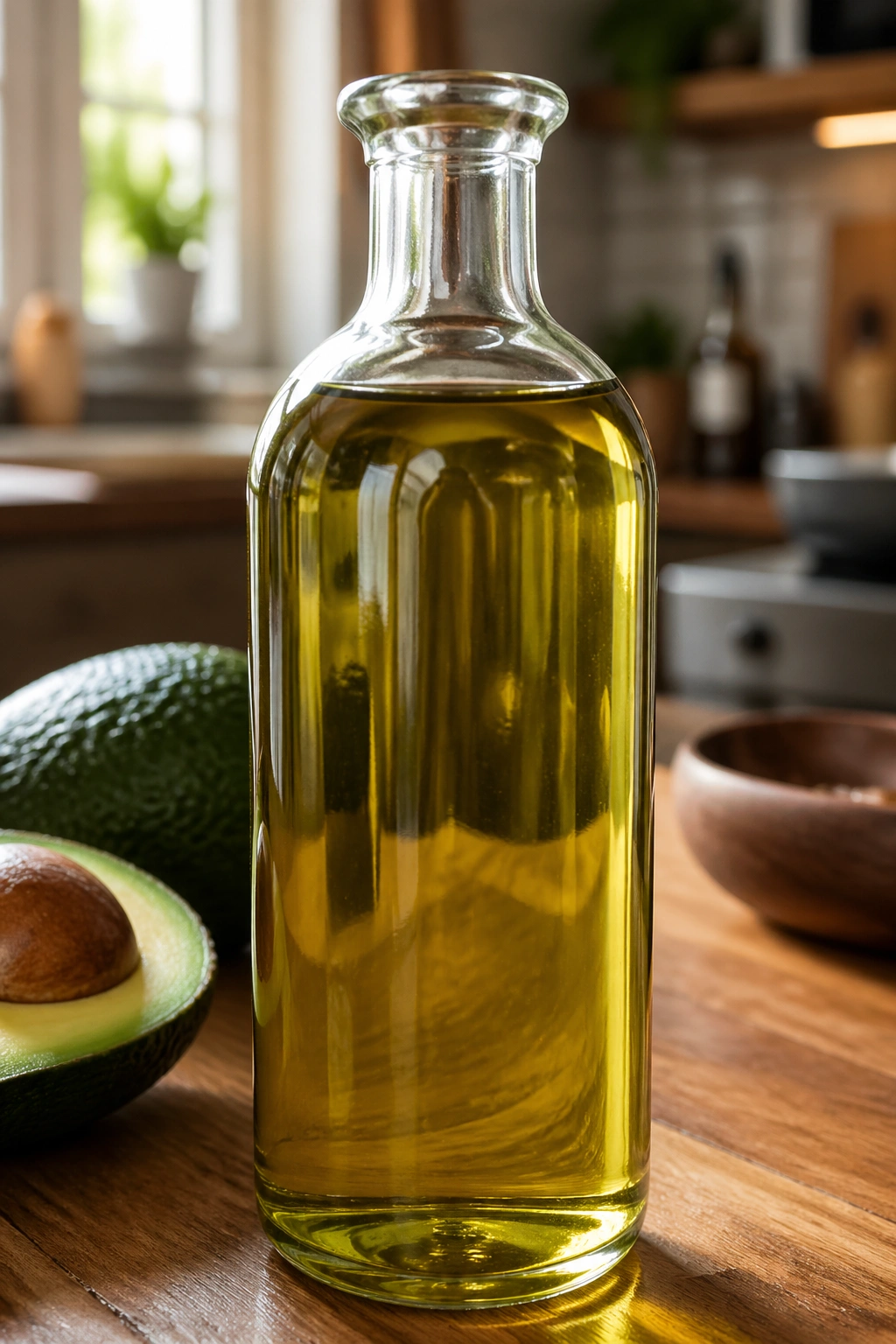
Avocado oil is the easiest oil to cook with when you want less fuss. It has a mild flavor, a high heat tolerance, and a smooth texture that doesn’t fight the food. If olive oil is the bold, peppery bottle on the counter, avocado oil is the quiet workhorse that handles roasting, searing, and weeknight cooking without making a scene.
It helps with belly-fat goals in a practical way: it lets you make hot food with a measured amount of fat instead of reaching for butter, shortening, or heavy sauces. That swap is where the win is. Not magic. Just less waste.
When Avocado Oil Makes Sense
Use it for sheet-pan vegetables, skillet chicken, salmon, or air-fried potatoes when you want crisp edges without a greasy finish. A 1-teaspoon brush over a tray of broccoli goes farther than people think, especially if you toss the vegetables first so the oil spreads before it hits the pan.
Refined avocado oil is the one that usually handles heat best. Unrefined versions taste a little greener and work better as a finishing oil or for low-heat cooking. If you only buy one, buy the one that matches how you actually cook.
Best Uses in the Kitchen
- Roast carrots, cauliflower, and Brussels sprouts at high heat.
- Sear shrimp or chicken in a thin layer.
- Mix with vinegar for a simple salad dressing.
- Brush onto kebabs before grilling.
A lot of people overpour because avocado oil looks harmless in a pan. It isn’t. Measure it.
3. Virgin Coconut Oil
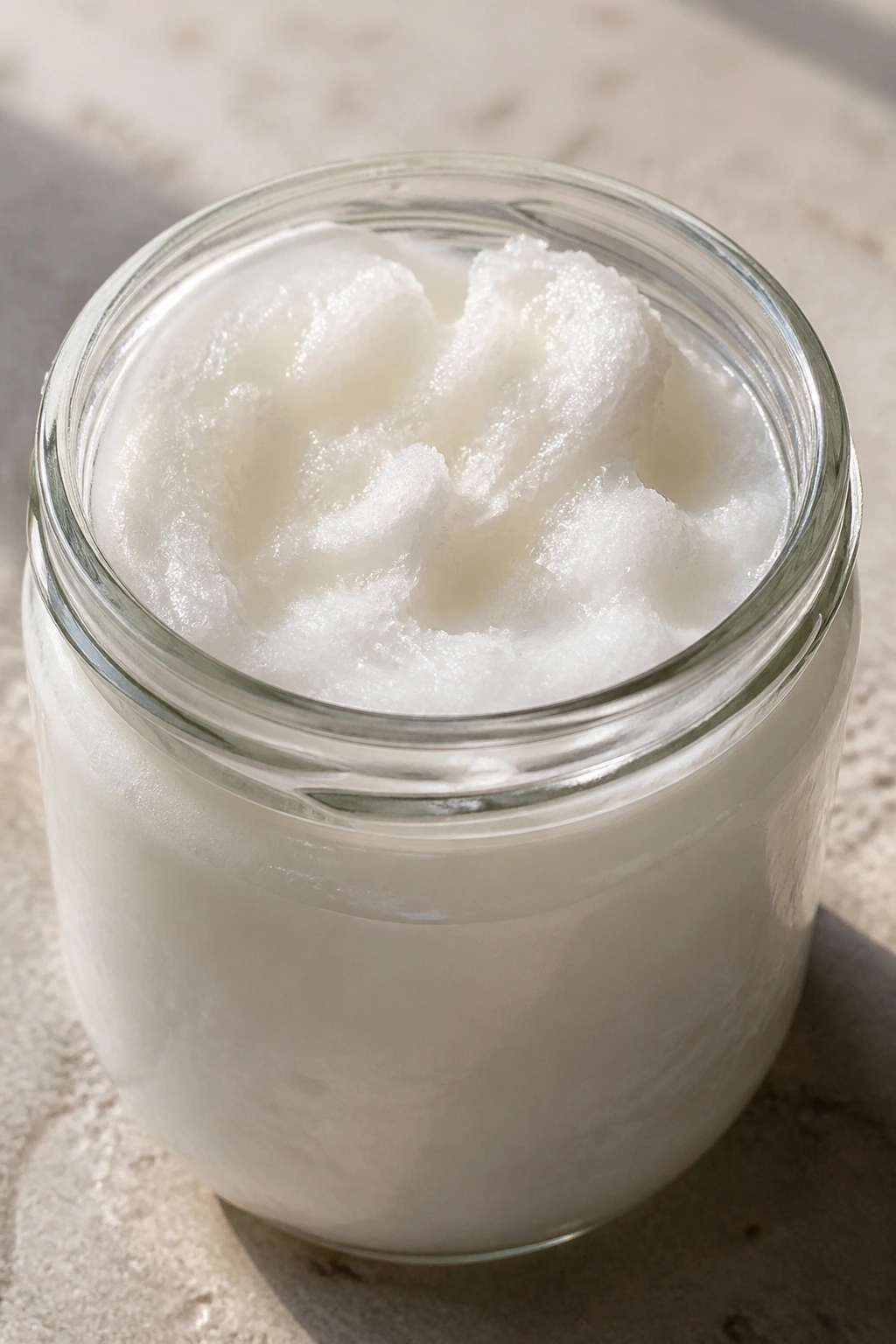
Can coconut oil help with belly fat? Sometimes, but not in the lazy way the internet likes to pretend.
Virgin coconut oil contains more saturated fat than the oils above, and that makes it a less automatic choice for everyday use. Still, it has a place. Some people find its flavor satisfying enough that they use less of it, and a small amount in a meal can make the rest of the plate feel richer without adding cream or cheese.
Where Coconut Oil Fits
I like it in dishes where the flavor makes sense: curries, sautéed cabbage, popcorn, baked oats, or a small spoonful melted into a warm breakfast bowl. Start with 1 teaspoon, not a heaping spoon, because coconut oil is calorie-dense and easy to overdo.
The MCTs inside coconut oil get talked about a lot, and for good reason. They’re metabolized a little differently from longer fats. That does not mean coconut oil burns abdominal fat on command. It means it may fit some people’s routines better than butter or heavy dairy fat, especially when portion size stays tight.
Where It Falls Short
If you’re using it for every meal, it stops being a special ingredient and starts being a calorie source with a tropical accent. That’s the wrong job. For daily cooking, especially if cholesterol numbers matter to you, olive oil and avocado oil usually make more sense.
Use coconut oil for flavor, not permission.
4. MCT Oil
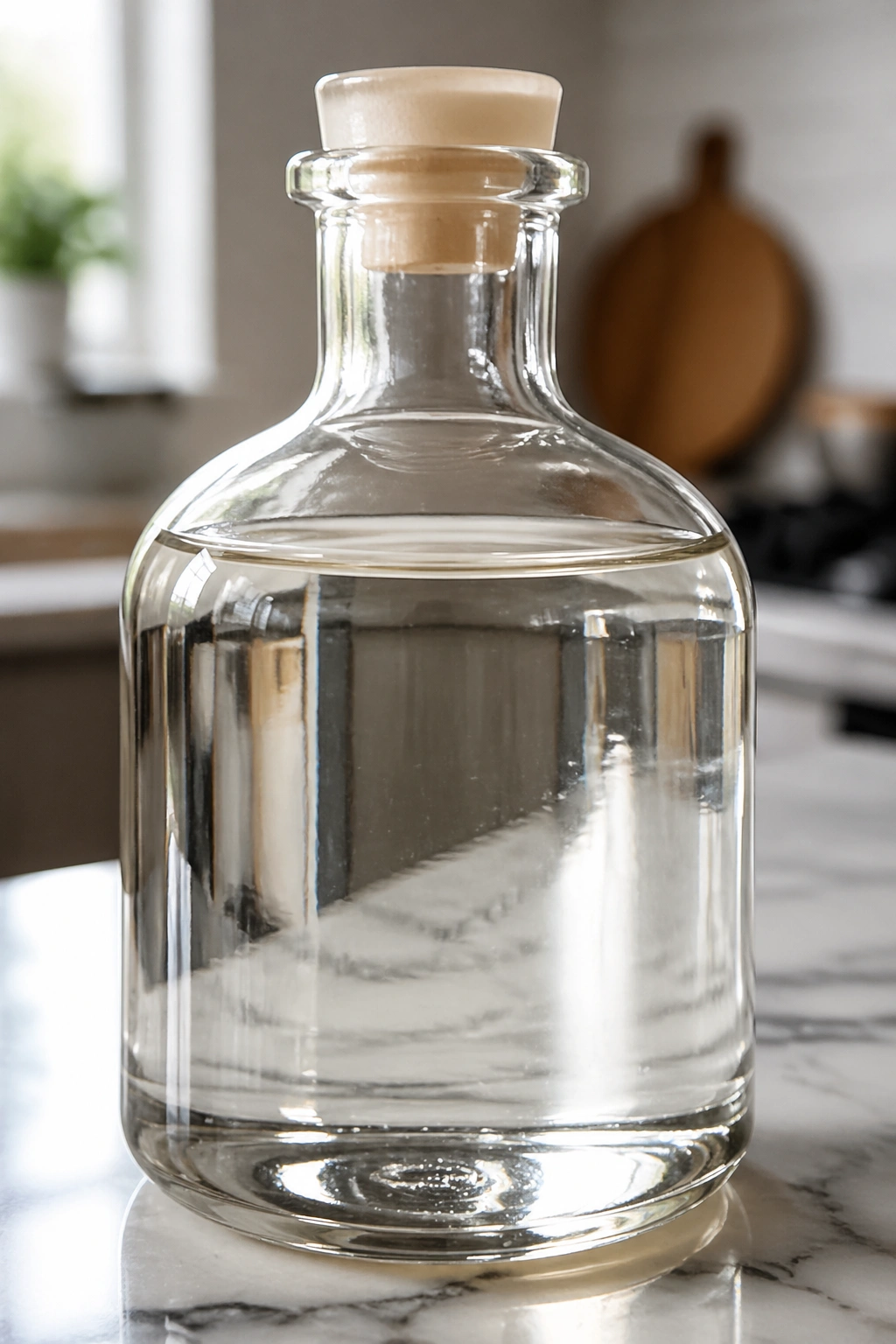
MCT oil is the impatient cousin of coconut oil. It goes from bottle to energy use faster than most other fats, which is why people like it in coffee, smoothies, and quick breakfasts. For some, that speed helps with appetite control. For others, it just means they paid a lot for a tablespoon that did not taste like much.
How It Differs From Coconut Oil
MCT stands for medium-chain triglycerides, a type of fat the body handles differently from longer-chain fats. In plain English, it’s more likely to be burned quickly than stored. That sounds useful for weight loss, and sometimes it is, but the dose still matters. A tablespoon is a tablespoon. Calories still count.
Start with 1 teaspoon. Seriously. If you jump straight to a tablespoon or two, your stomach may not thank you. MCT oil can cause cramping, loose stools, or that awful sudden “this was a mistake” feeling if you overdo it on day one.
What to Watch For
- Do not cook it on high heat.
- Stir it into yogurt, oats, smoothies, or coffee.
- Keep the serving small until you know how your body reacts.
- Skip it if you already get enough fat from meals and feel fine.
MCT oil is useful, but it’s not a free pass. I’d rather see someone use half a teaspoon consistently than chase some dramatic dose and spend the afternoon regretting it.
5. Flaxseed Oil
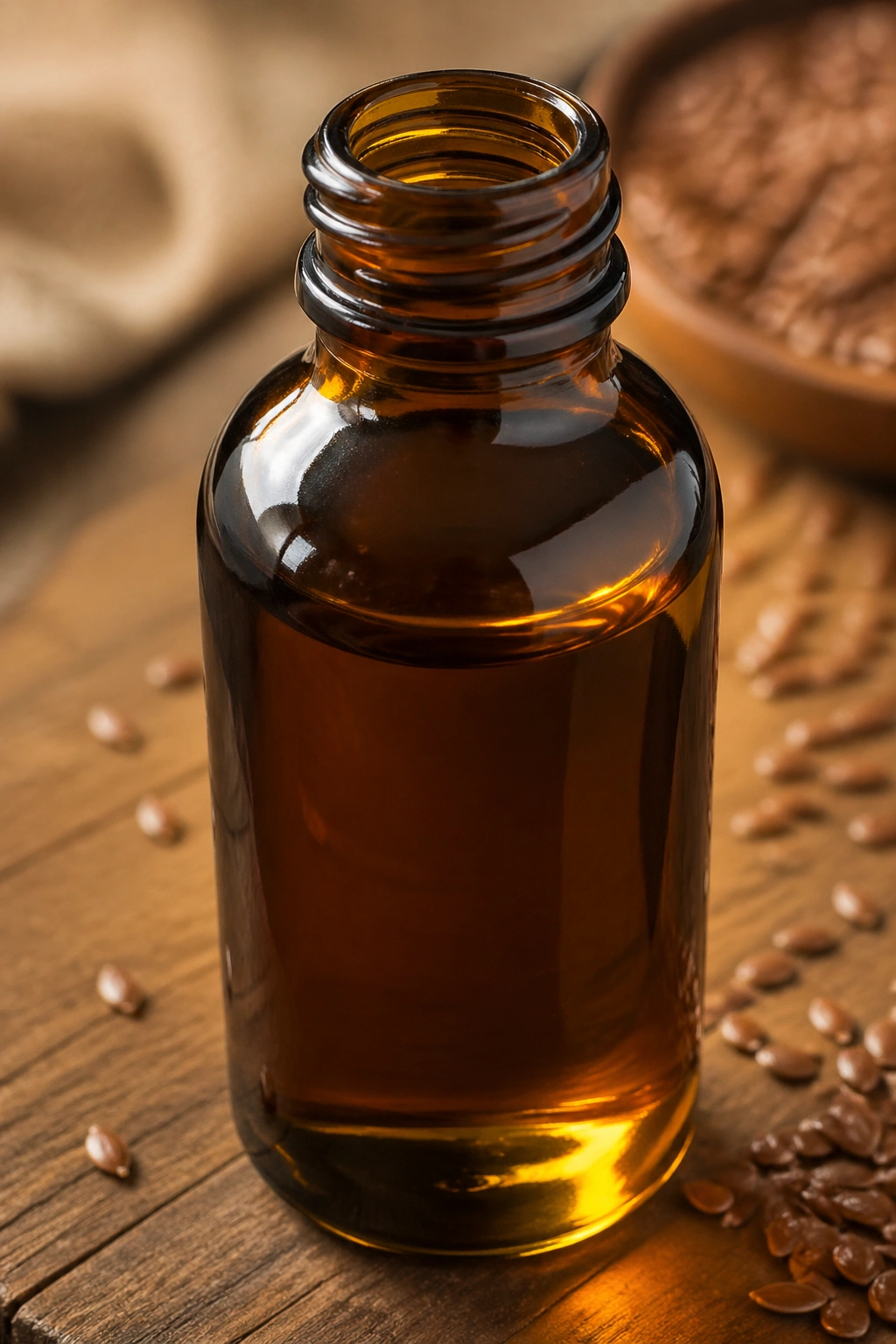
Flaxseed oil smells nutty and faintly grassy when it’s fresh. If it smells like old paint or a dusty drawer, toss it. That smell tells you more than the label ever will.
This is one of the more interesting oils for a belly-fat-friendly diet because it’s rich in ALA omega-3 fatty acids, a plant-based omega-3 that supports overall diet quality. It doesn’t burn fat by itself. What it does is give your meals a cleaner fat profile, which matters when the rest of the day is full of cheese, packaged snacks, or fried food.
How to Use It Cold
Flaxseed oil is delicate. Heat ruins it fast, so keep it out of pans and ovens. Use it on oatmeal after cooking, in salad dressing, or stirred into yogurt and cottage cheese. A teaspoon is enough in many meals, and that small amount can give you the fatty acid benefit without turning lunch into a calorie bomb.
Best Way to Buy It
Buy a bottle in dark glass if you can. Keep it refrigerated after opening, and use it fairly quickly. I prefer small bottles for this exact reason. A giant bottle sitting warm on a shelf is how you end up with rancid oil and money down the drain.
If you like the taste, flaxseed oil can become one of those quiet habits that makes a diet easier to maintain. If you hate the flavor, don’t force it. That’s a bad trade.
6. Walnut Oil
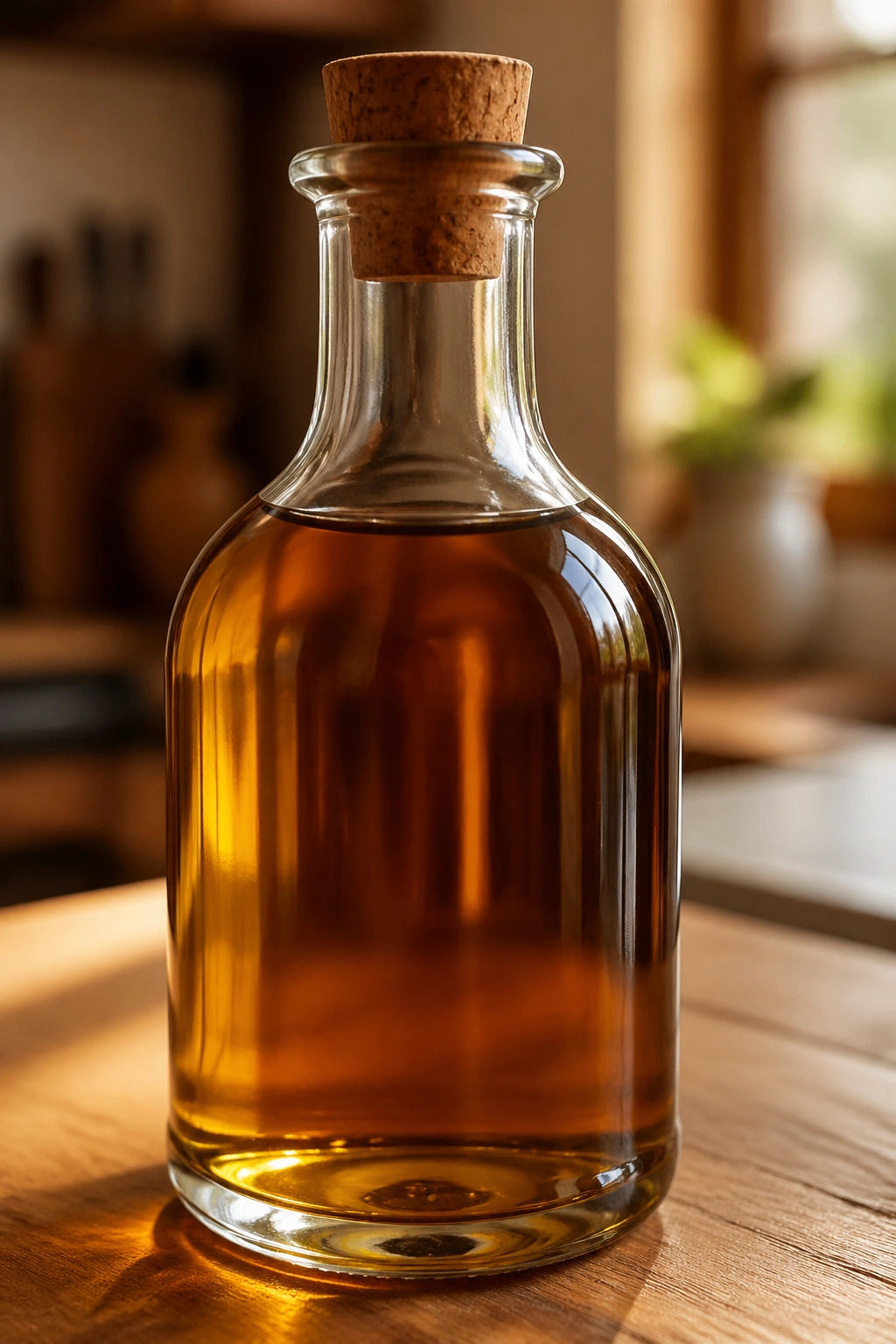
Unlike olive or avocado oil, walnut oil is not a workhorse. It’s a finishing oil, and that’s why it’s useful. The flavor is rich, nutty, and sharp enough that you need less of it to make food feel complete.
That matters for belly-fat goals because satisfying food usually beats bland food. People rarely stick with a plan that leaves every salad tasting like damp leaves. Walnut oil can fix that problem without dragging in cream or cheese.
Why It Feels More Satisfying
Walnut oil brings a natural pairing with bitter greens, apples, beets, roasted squash, and lightly cooked grains. It also contains plant-based omega-3 fats, so it fits nicely into a diet that’s trying to keep fat quality high while total calories stay controlled.
A small bottle goes a long way. Use 1 teaspoon over a bowl of arugula and shaved fennel, or build a dressing with a little vinegar, mustard, and salt. That’s enough. More than that and you start wasting a delicate oil that should be doing flavor work, not drowning the plate.
A Simple Dressing Formula
- 1 tablespoon walnut oil
- 1 tablespoon apple cider vinegar or lemon juice
- 1 teaspoon Dijon mustard
- Pinch of salt
Whisk it and pour it over greens, sliced pears, or roasted vegetables. The mustard helps the oil cling to the food instead of sliding to the bottom of the bowl.
Walnut oil is expensive enough that you’ll respect it, which is half the point.
7. Sesame Oil
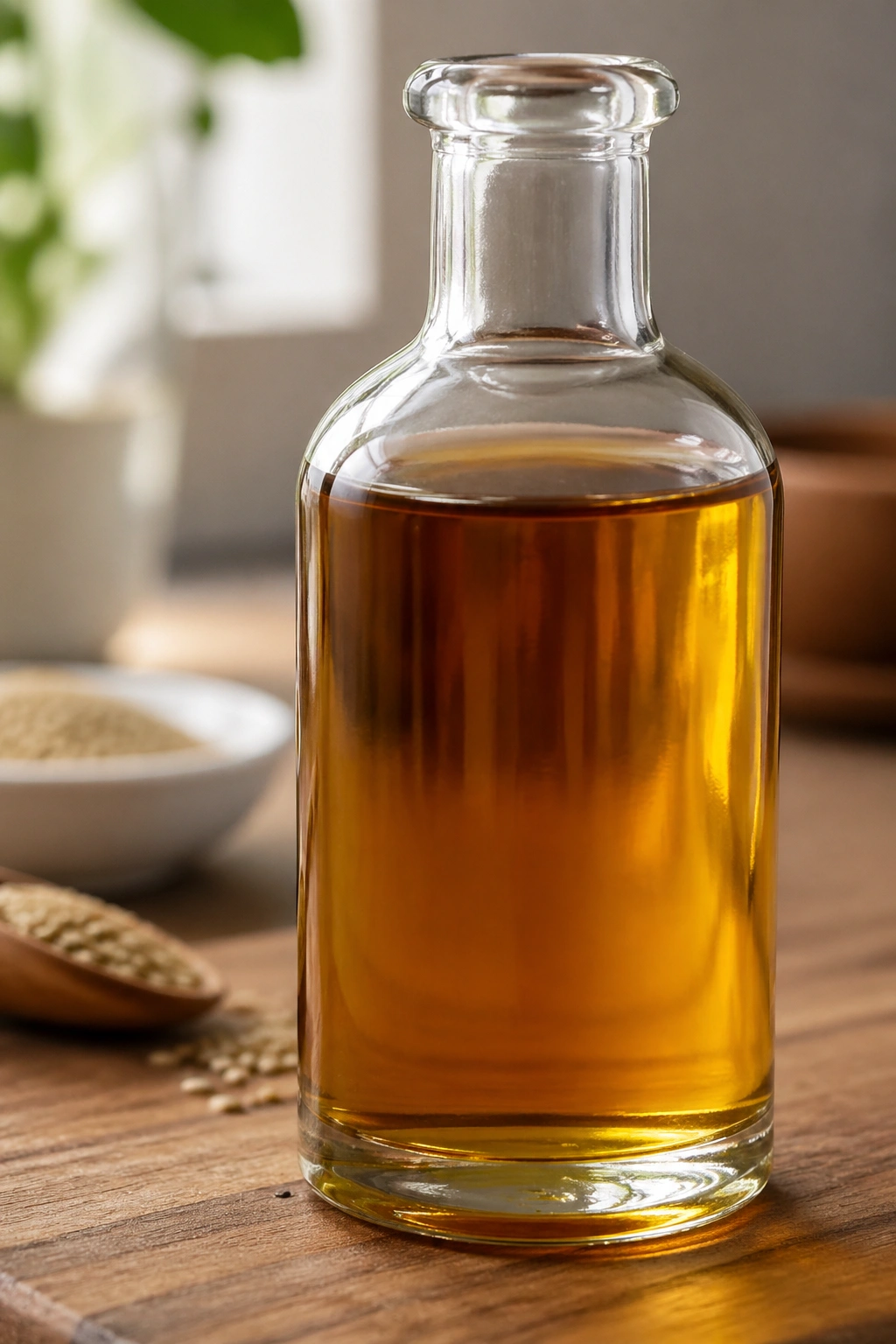
Toasted or plain sesame oil? That’s the first question, because they behave differently in the kitchen.
Plain sesame oil can handle moderate heat. Toasted sesame oil is the stronger one, the one that smells like a warm stir-fry the second the bottle opens. For reducing belly fat, the real advantage is that sesame oil gives you a lot of flavor from a small amount. That makes it easier to season lean food without dumping on sauces that add calories fast.
Toasted vs Plain
Toasted sesame oil belongs near the end of cooking. Add ½ teaspoon to 1 teaspoon to noodles, greens, or a finished stir-fry, and the whole dish wakes up. If you add it too early on high heat, the aroma fades and you lose the best part.
Plain sesame oil is better when you need a little fat for sautéing garlic, ginger, cabbage, or tofu. It’s not a heavy oil, and it does well in Asian-style dishes where the other flavors do most of the work.
Where It Helps Most
- Stir-fries with broccoli, mushrooms, and chicken.
- Cabbage slaw with rice vinegar and lime.
- Noodles with chili flakes and scallions.
- Roasted green beans with a tiny finishing drizzle.
I like sesame oil because it gives you a lot of payoff for a small measure. That’s the whole story.
8. Pumpkin Seed Oil
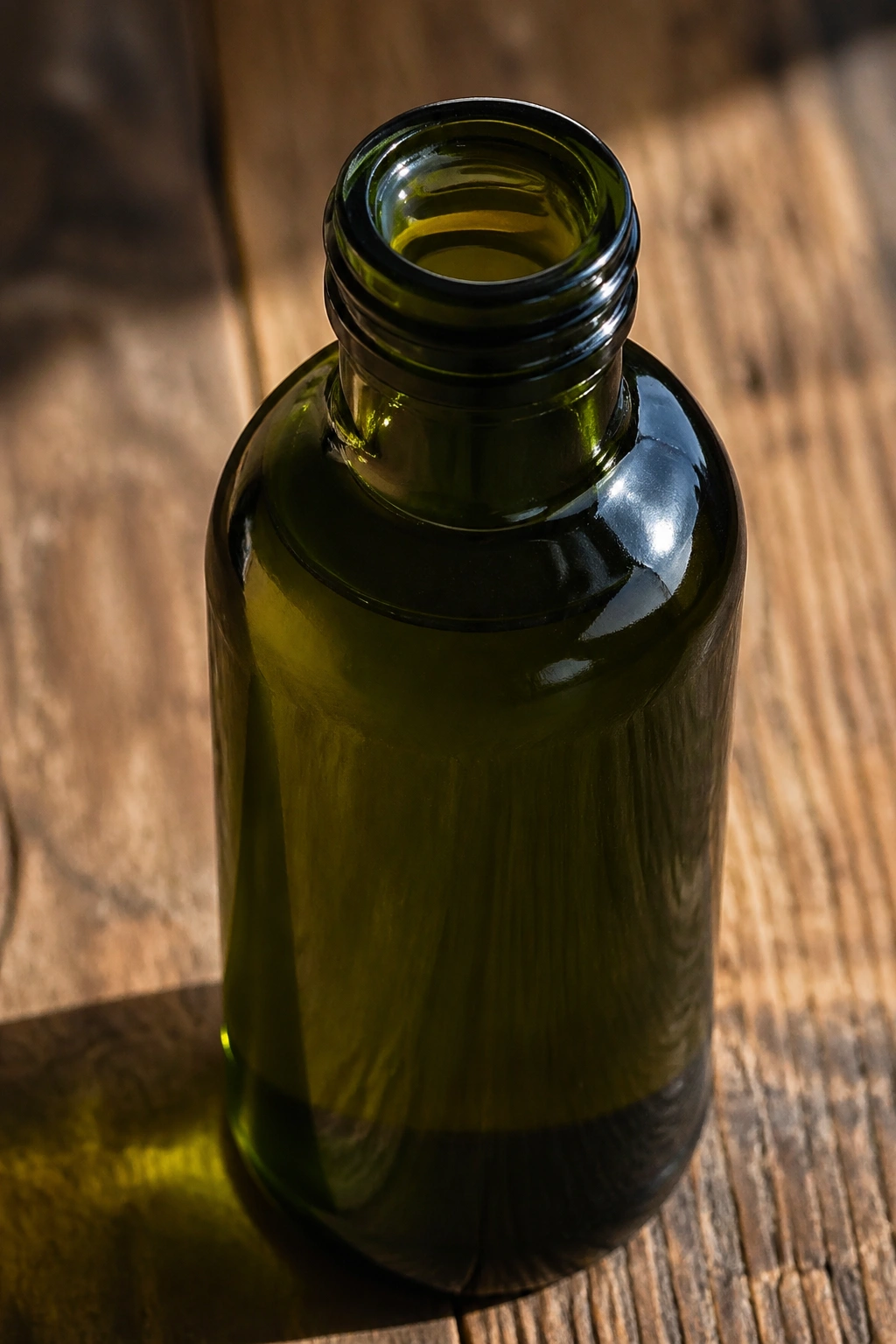
Pumpkin seed oil is too delicate for a hot pan. It is a finishing oil, and it wants to be treated like one. The color is deep green, almost black in some light, and the flavor is earthy with a nutty edge that works better on cool or warm foods than on anything screaming in a skillet.
That makes it useful in a weight-loss routine where plain salads and grain bowls need a little personality. If the meal tastes flat, you’re more likely to overeat later. If the meal feels finished, one reasonable portion is usually enough.
Cold Foods Only
Use pumpkin seed oil over roasted squash, tomato salad, bean soup, hummus, or even plain yogurt with herbs. A teaspoon can carry a dish farther than you’d think because the flavor is strong and a little bitter in a good way.
Don’t cook it hard. High heat flattens the taste and wastes the bottle. Keep it in a cool, dark place, and use it as a finishing move, not a frying oil.
Where It Shines
- Drizzled on lentil soup right before serving
- Over cucumber salad with dill and salt
- Mixed into a dip with yogurt and garlic
- On roasted pumpkin or sweet potato
One small pour is enough. More can start to taste muddy, and nobody needs that.
9. Hemp Seed Oil
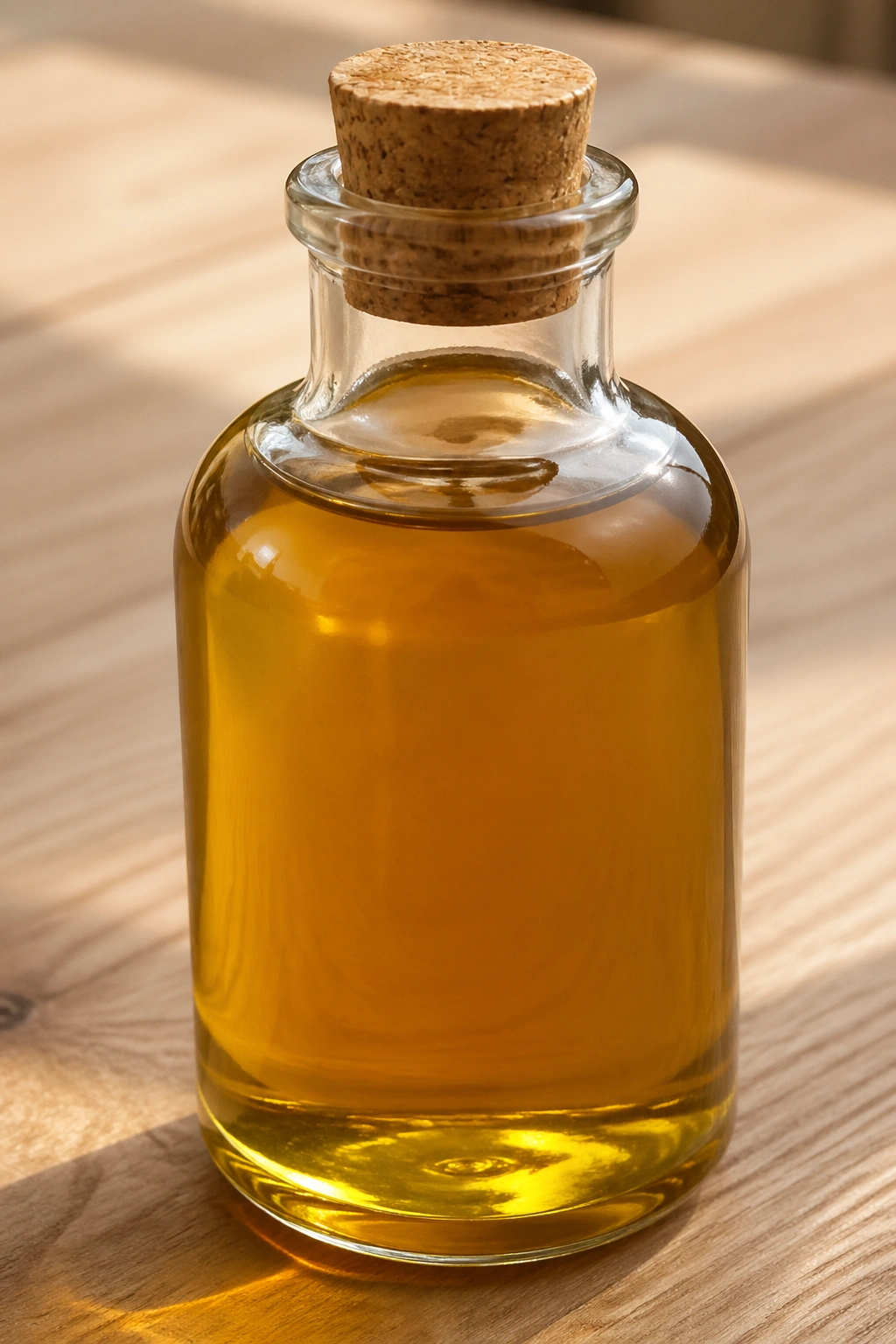
Hemp seed oil is the quiet one in the cupboard. It doesn’t shout like toasted sesame oil or smell as punchy as walnut oil, but it has a place because it brings a mild flavor and a fatty acid profile that fits nicely into a balanced diet.
For fat-loss work, that matters less as a direct burner and more as a substitution. If hemp seed oil helps you replace creamy dressings, butter-heavy toppings, or random snack fats, it earns its keep.
Why the Fat Profile Matters
Hemp seed oil contains a mix of omega-3 and omega-6 fats in a ratio many people like for everyday eating. That doesn’t make it magic. It just means the oil is a cleaner fit for cold dishes than some heavier options, especially if you’re trying to keep meals light without making them dull.
Use it on salads, hummus, smoothie bowls, or chilled grain dishes. A teaspoon or two is plenty. The flavor stays mild, almost grassy, which is helpful if you want the oil to disappear into the food rather than dominate it.
Smart Ways to Use It
- Whisk with lemon juice for a simple dressing.
- Stir into hummus for a smoother finish.
- Spoon over quinoa or farro once the grains cool.
- Refrigerate after opening and use it fairly quickly.
If you hate strong-tasting oils, hemp seed oil may be the one that stays in rotation.
10. Rice Bran Oil
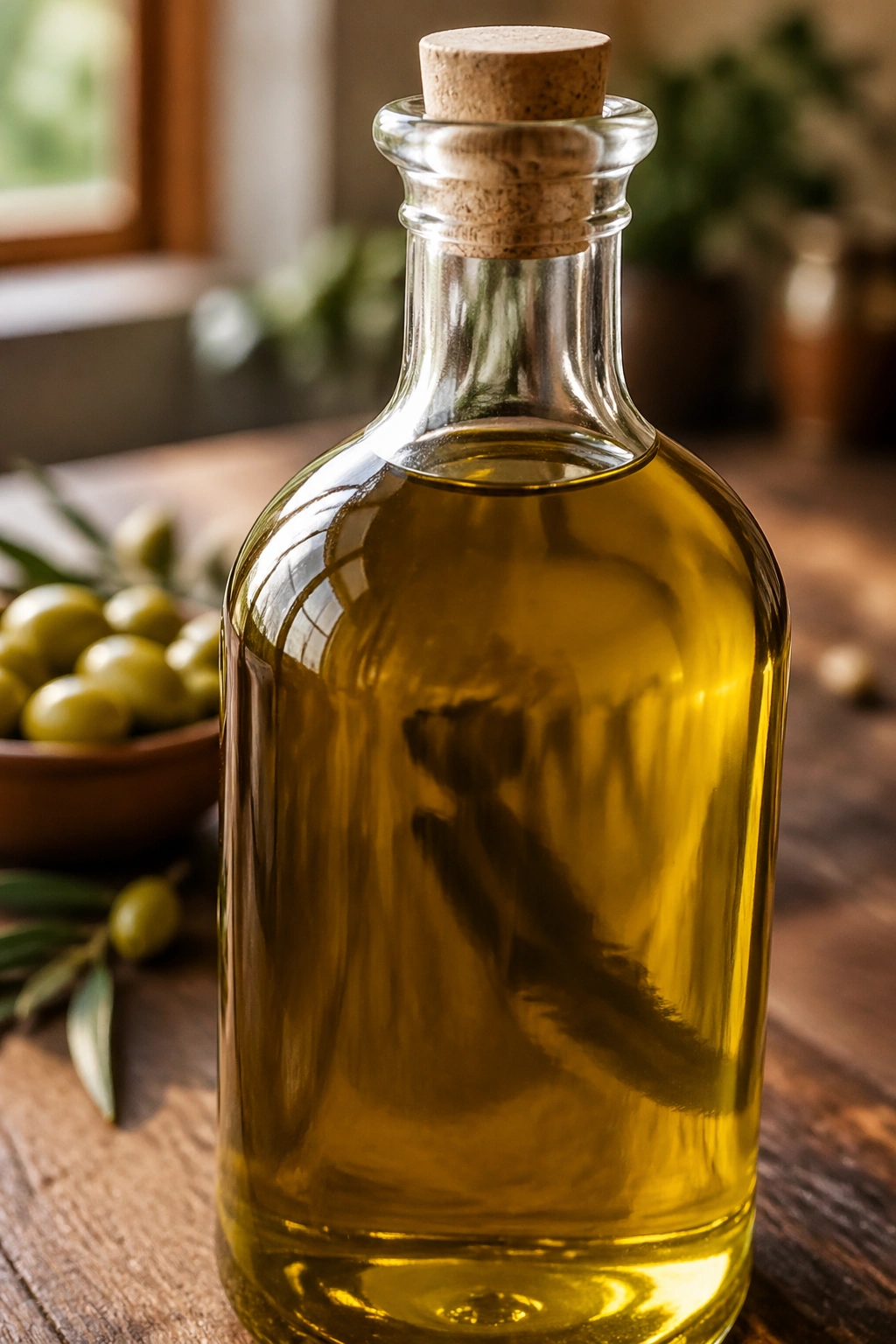
If you want one neutral oil for the whole kitchen, rice bran oil deserves a look. It doesn’t get nearly as much attention as olive oil, but it’s practical. It has a mild taste, handles heat well, and works in the kind of cooking that actually happens in real homes: stir-fries, sautés, shallow frying, and quick roasting.
That practicality can help with belly fat reduction because it makes measured cooking easier. When an oil behaves well under heat, you’re less tempted to drown the pan in it or compensate with heavy sauces.
The Neutral-Oil Advantage
Rice bran oil is the sort of bottle that disappears into the background, which can be a good thing. It lets the food stay in charge. If you’re making vegetables, eggs, fish, or chicken and want a clean finish without the peppery bite of olive oil or the sweetness of coconut oil, this is a solid middle ground.
It’s also handy for people who cook a lot of mixed dishes and want one stable oil that doesn’t fight with spices. Use 1 teaspoon to coat a pan, then add more only if the food actually needs it. That part matters. A neutral oil is easy to overpour because it feels invisible.
How to Keep Portions Small
- Measure before the pan gets hot.
- Use a silicone brush for sheet pans.
- Pour into a small dish, then dip or brush.
- Keep the bottle off the stove so you don’t mindlessly add more.
Rice bran oil won’t flatten your waist. No oil will. But if it helps you cook simple meals with less fuss and fewer extra calories, it absolutely has a place.
The honest thread running through all ten oils is simple: the bottle matters less than the hand holding it. A measured teaspoon on vegetables does useful work; a careless pour on everything does the opposite.
If you want one habit that makes the biggest difference, start measuring oil for a week. Not forever. Just a week. Most people are shocked by how much ends up in the pan when they finally watch the spoon, and that one small check tells you more than any label on the shelf ever will.
