



A man can train hard four days a week, finish with hanging leg raises, and still keep the same waist size if breakfast is a muffin, lunch is a giant sub, and dinner comes with three beers. Belly fat is far more responsive to what you eat than to how many crunches you do. That part frustrates people because it sounds less exciting than a workout fix, but it is the part that works.
If you’re looking for diet tips to lose belly fat for men, start with the truth that nobody likes on first read: you cannot peel fat off the stomach alone. What you can do is lower total body fat, keep muscle, and shrink the waist as a result. Men also tend to carry more visceral fat—the deeper abdominal fat packed around the organs—which is one reason a growing waistline matters for more than shirt fit.
A tape measure usually tells the story better than the mirror. Lighting lies. A pump lies. Even body weight can bounce around from sodium, carbs, and a bad night of sleep. Your waist measurement is harder to fool, and for many men, it starts moving once the diet gets tighter in a few plain, repeatable ways.
No detox tea needed. No “fat-burning” foods either. The stuff that changes a midsection is boring in the best possible way: more protein, more fiber, fewer liquid calories, fewer meals you didn’t mean to eat, and a plan for the hours when discipline runs thin.
1. Build Breakfast Around Protein to Lose Belly Fat for Men
A protein-heavy breakfast fixes more bad eating than people expect. Men who start the day with 30 to 40 grams of protein usually feel less pulled toward pastries, vending-machine snacks, and giant lunches that leave them sleepy by 2 p.m. That matters because belly fat comes off when your weekly calorie intake drops, and protein makes that drop easier without the white-knuckle feeling.
A common miss: breakfast that looks decent but barely reaches 12 grams of protein. A bowl of cereal with milk, toast with peanut butter, or a smoothie made mostly of fruit can leave you hungry fast. Hunger at 10:30 a.m. is where the day starts to drift.
A workable protein target
For most men trying to trim body fat while holding onto muscle, 30 to 40 grams at breakfast is a strong place to start. If you are bigger, lift weights often, or eat only three times a day, pushing toward the higher end helps.
A few breakfasts that hit the mark:
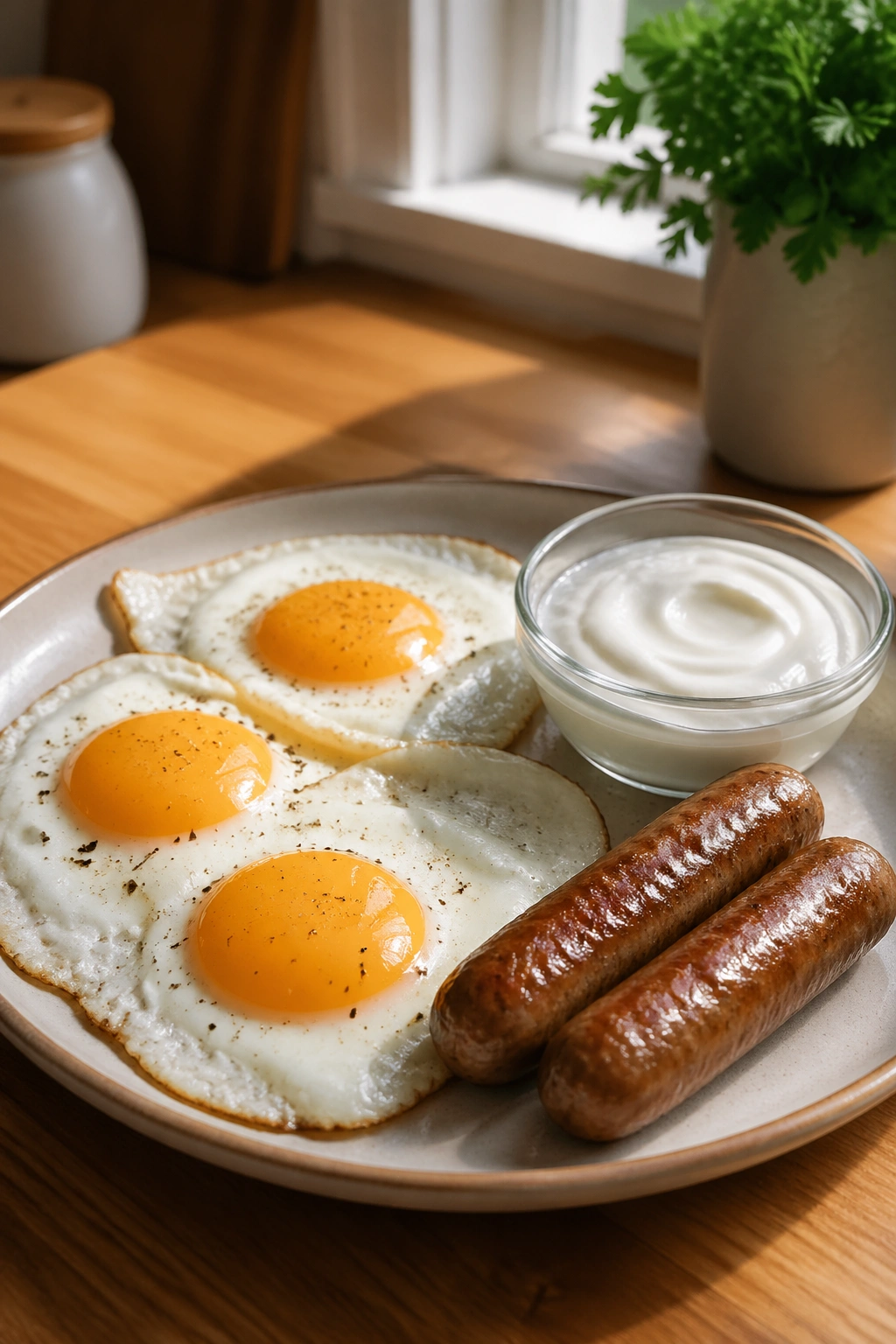
- 3 eggs plus 1 cup Greek yogurt lands near 35 to 40 grams of protein.
- 1 scoop whey mixed into oats, plus 2 hard-boiled eggs, gets you into the same zone.
- Cottage cheese with berries and a side of turkey sausage works well when you need something fast.
- Leftover chicken, rice, and fruit may not look like “breakfast food,” but your body does not care.
Useful rule: if breakfast stays under 20 grams of protein, odds are high that the next meal gets too big.
2. Put Soluble Fiber at the Center of Lunch and Dinner
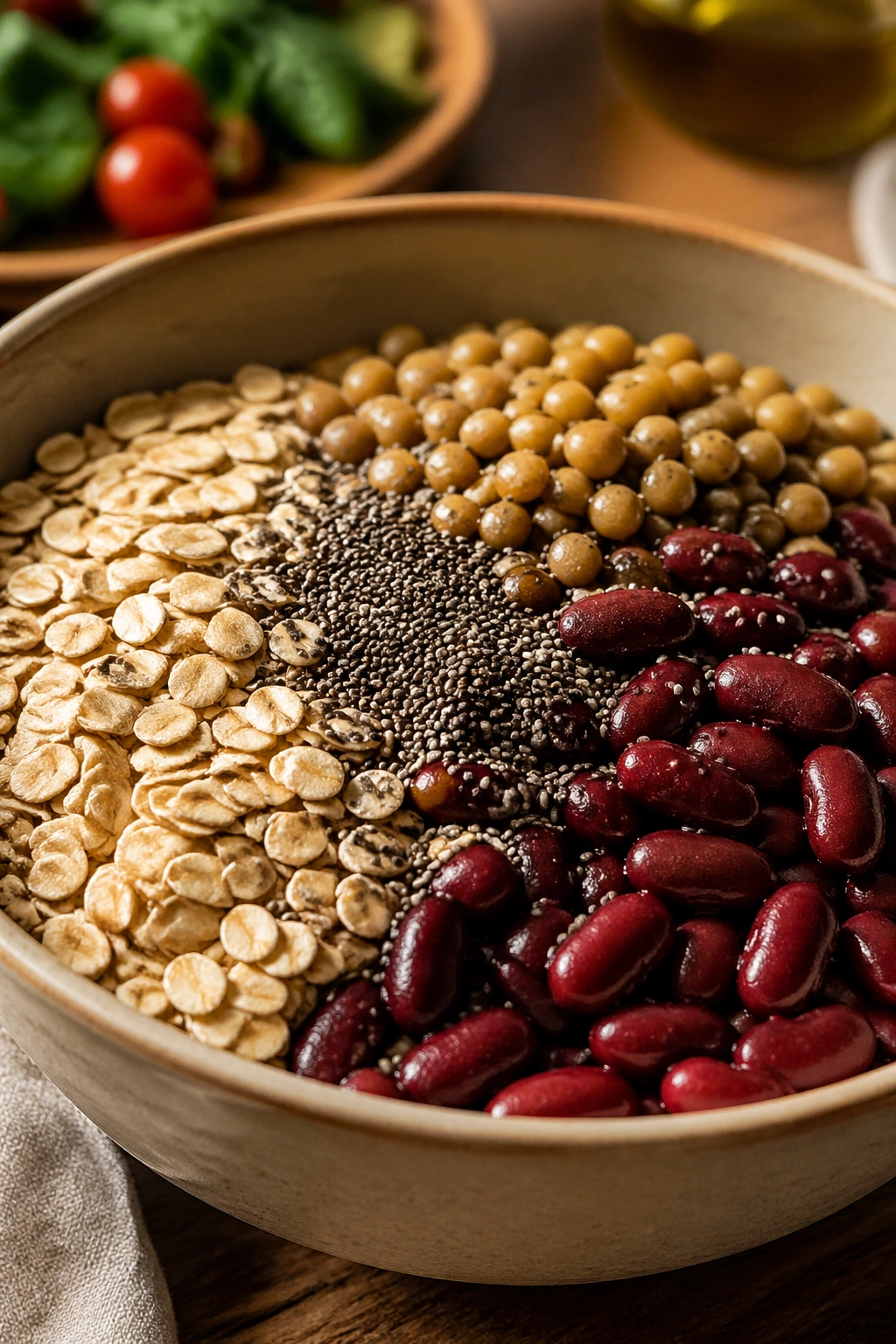
Why do some meals keep you full for four hours while others seem to vanish on contact? A lot of that comes down to fiber, especially soluble fiber. It slows digestion, helps steady blood sugar, and makes it easier to stop eating before you hit that stuffed, regret-heavy point.
Men often focus on protein—and they should—but leave fiber way behind. The usual target for men is 30 to 38 grams of total fiber per day. Most do not get near that. A sandwich on white bread, chips, a protein bar, and takeout at night might bring in enough calories for weight gain while still falling short on fiber.
Soluble fiber shows up in foods that also tend to help with belly fat: oats, beans, lentils, apples, citrus, chia seeds, ground flax, and psyllium. There is nothing glamorous about a bowl of oats or a side of black beans, yet those foods do the quiet work that appetite-suppressing gimmicks promise and rarely deliver.
Psyllium is worth a mention because it punches above its weight. One teaspoon stirred into water or yogurt can help, though many men do better starting with a small amount and building up over a week. Too much too fast can leave you bloated, and nobody needs that while trying to tell fat loss from stomach irritation.
If your lunches and dinners do not include a bean, fruit, vegetable, or whole grain, the fix is staring at you.
3. Stop Drinking Sugar and Start Chewing Your Calories
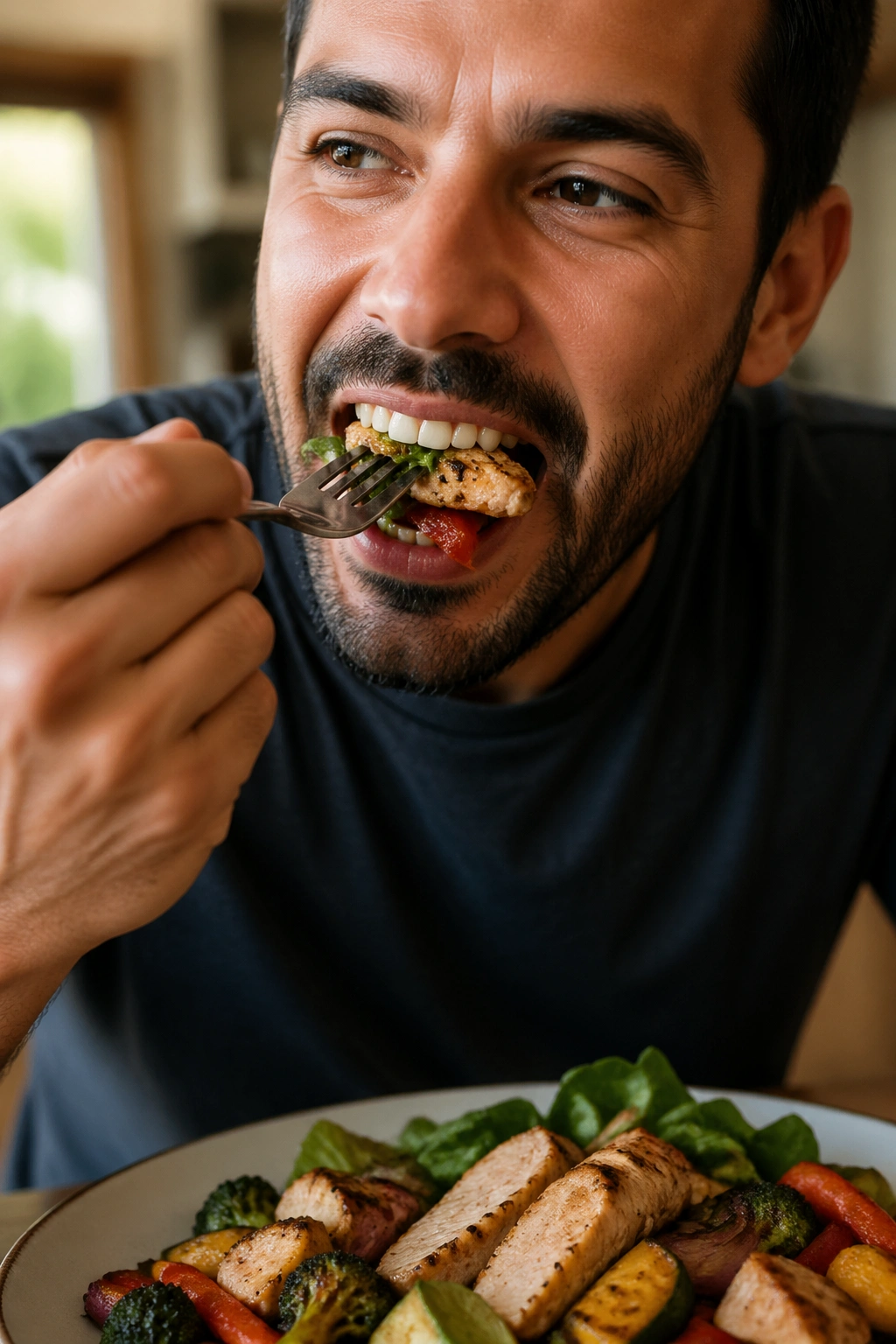
Liquid calories are sneaky. They hit your intake hard and barely touch hunger. A 20-ounce soda can bring around 240 calories and roughly 65 grams of sugar. A sweet coffee drink can land in the same neighborhood. Juice sounds cleaner, but an oversized glass can still dump 150 to 250 calories into the day without much fullness.
The waistline problem is not sugar alone. It is sugar plus speed plus zero chewing. Your brain tends to register a meal differently when you chew it, smell it, and slow down for it. Drinking calories skips half that process.
What to drink instead
You do not need monk-like habits here. You need a default list.
- Water, plain or sparkling
- Black coffee or coffee with a measured splash of milk
- Unsweetened tea
- Diet soda if it helps replace regular soda and keeps calories down
- A protein shake used as a meal, not added on top of one
The American Heart Association puts the cap for added sugar at 36 grams a day for men. One bottle of soda can burn through that on its own. If you only change one habit this week, cutting sugar-sweetened drinks gives you a fast return.
And no, honey-heavy “natural” drinks are not a loophole.
4. Treat Packaged “Healthy Snacks” Like Dessert, Not Diet Food
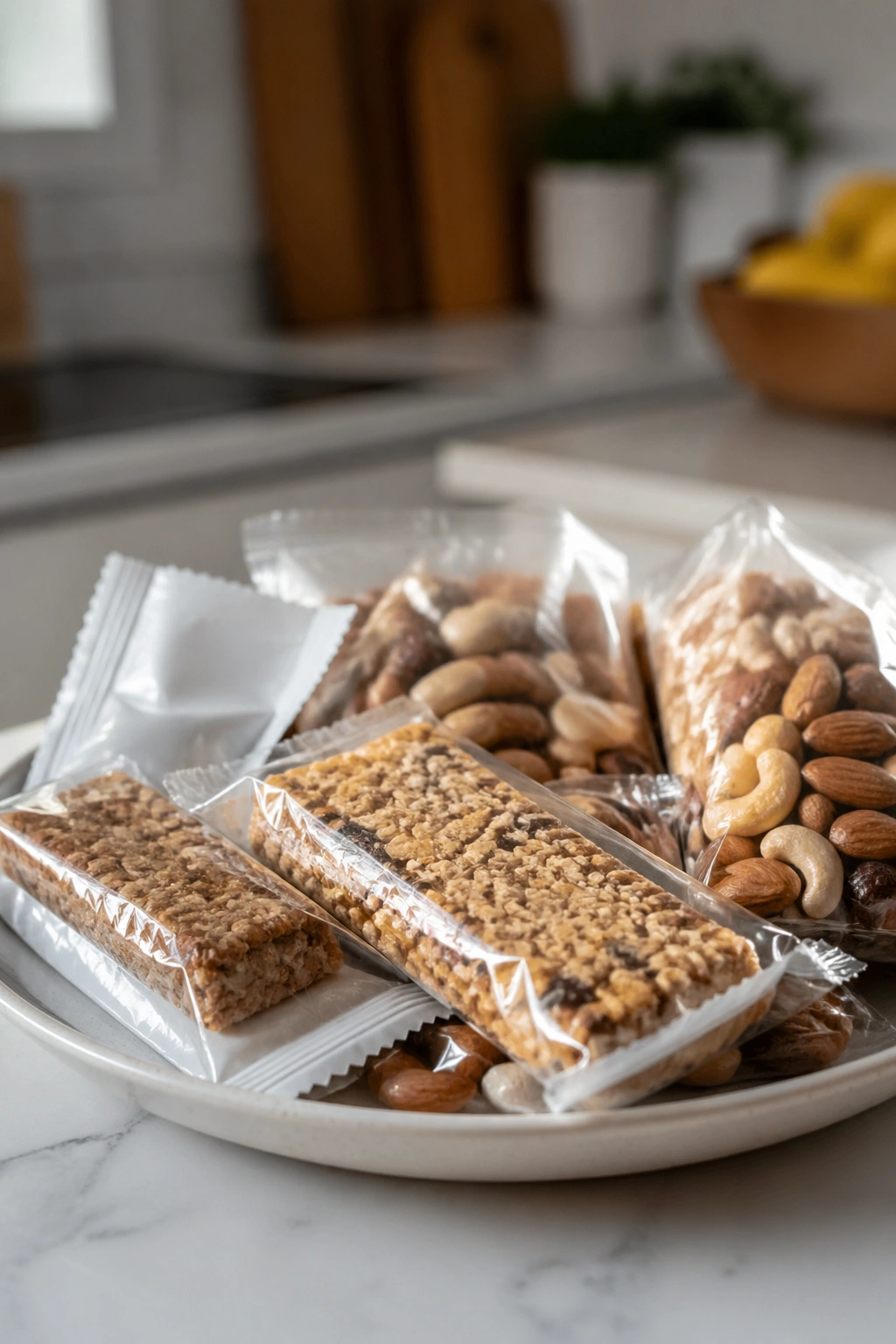
I’ve watched more men stall fat loss with “smart snacks” than with pizza. Sounds backward, but look at the labels. A protein bar can run 220 to 300 calories. A small bag of trail mix can hit 170 to 220 calories before you feel like you have eaten anything. Nut butter packets, granola clusters, baked chips—same story.
The issue is not that these foods are poison. The issue is calorie density wearing a health halo. If the wrapper says keto, paleo, high-protein, gluten-free, or plant-based, many people eat it with less caution than they’d use around cookies. That is expensive optimism.
A better way to think about snacks: if you need one, make it pull real weight.
Snack choices that do the job
- Greek yogurt cup plus fruit
- Apple plus a measured tablespoon of peanut butter
- Beef jerky with low sugar, around 1 ounce
- Edamame, shelled and salted
- Cottage cheese
- Air-popped popcorn, 3 to 4 cups
Packaged snacks fit best when you portion them first. Not from the bag. Never from the bag. A “few bites” of trail mix can turn into 500 calories while you answer email.
5. Use the Half-Plate Vegetables Rule Before You Count Anything
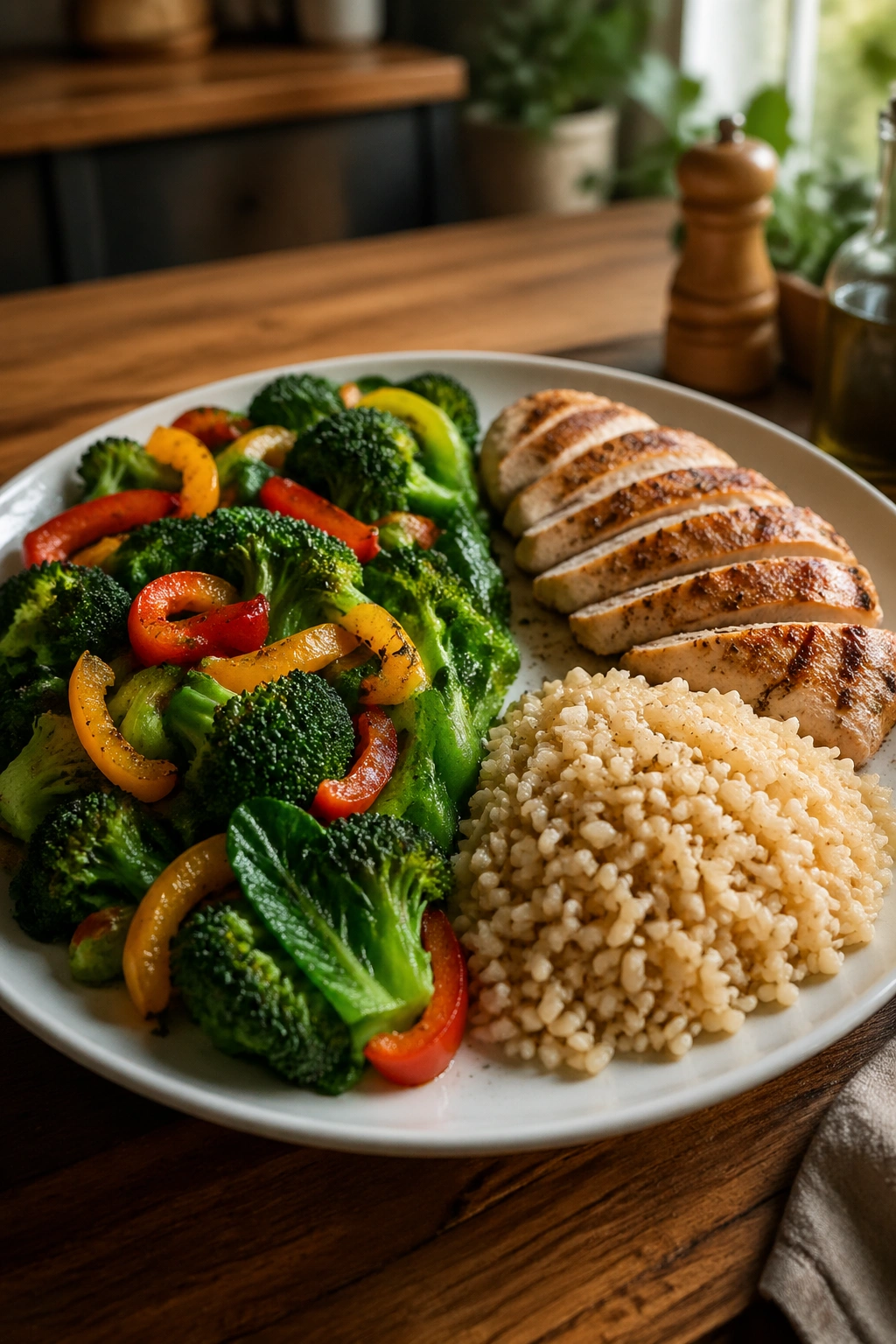
Start with volume.
Half of your lunch and dinner plate should be non-starchy vegetables most days. Broccoli, green beans, peppers, salad greens, cabbage, zucchini, cauliflower, asparagus, tomatoes, mushrooms. Not because vegetables melt belly fat. They do not. They help because they take up space, add fiber and water, and crowd out foods that stack calories fast.
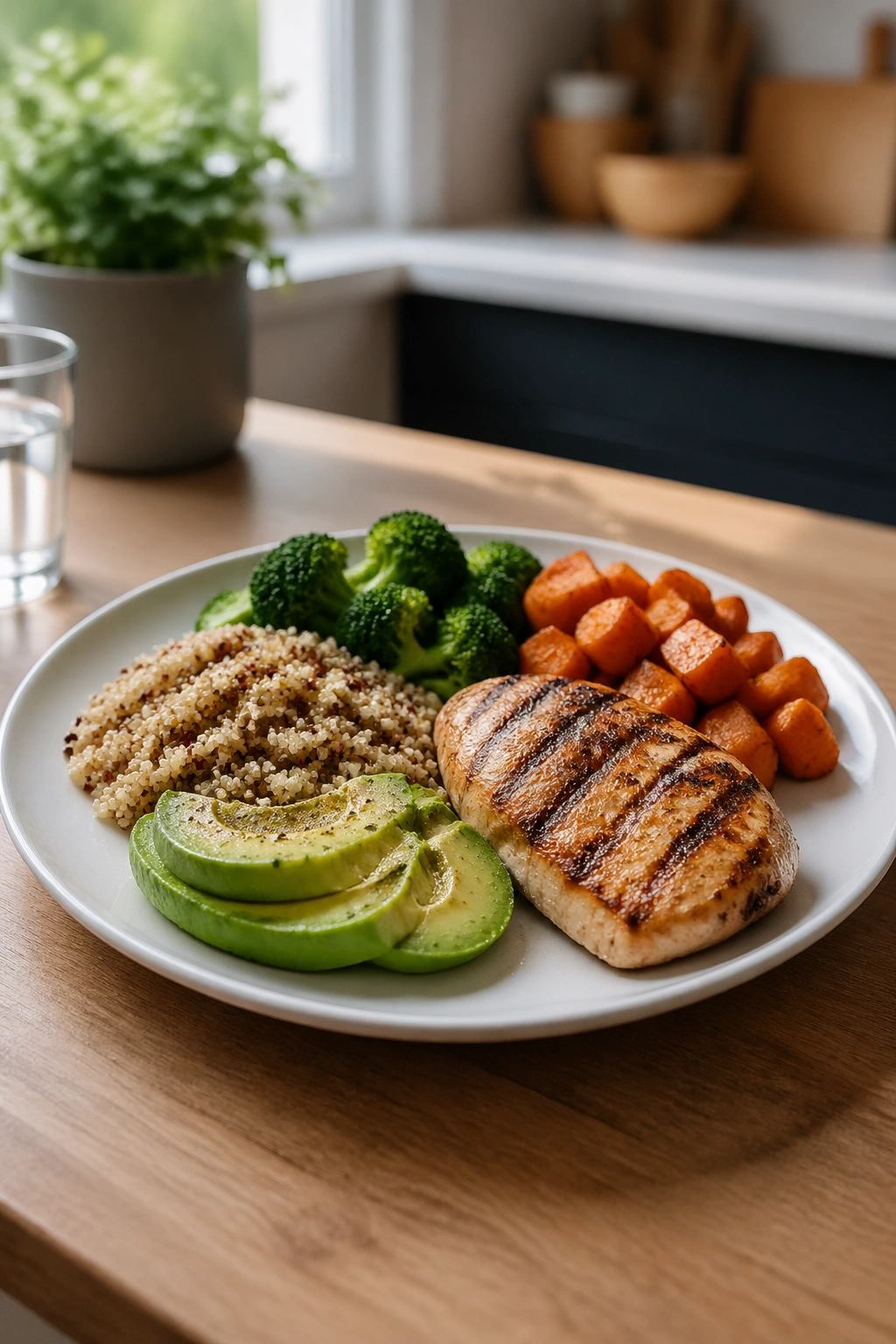
This rule works well for men who hate logging apps and still need a structure that keeps portions under control. If half the plate is vegetables, one quarter is lean protein, and the last quarter is starch, your meals clean themselves up more than you might expect. Restaurant portions still need some handling, though. Those places love oil and giant scoops.
Try this when eating out: order your meal, then ask for double vegetables instead of fries or request a box at the start and pack away one third before you begin. That sounds annoyingly disciplined. It also works.
Frozen vegetables count. Bagged salad counts. Canned green beans count if you rinse them. Men often skip this tip because it feels soft compared with macros and fasting windows. Fine. Keep skipping it and see how easy appetite control feels without food volume. Not easy.
6. Keep Alcohol Small If You Want to Lose Belly Fat for Men

Alcohol has 7 calories per gram, which puts it closer to fat than to carbs or protein on the calorie scale. Add mixers, bar food, and the “I’ve earned it” mood that comes after two drinks, and you can blow through an entire day’s calorie deficit in one night.
Beer gets the blame because “beer belly” is catchy, yet the bigger issue is total intake. Three pints can mean 450 to 750 calories before the wings show up. A couple of cocktails can do the same thing faster. Then your food choices get sloppier, your sleep gets worse, and the next morning often starts with greasy damage control.
There is also the appetite piece. Alcohol lowers restraint. You stop caring about portions, then the kitchen—or the late-night drive-thru—suddenly looks persuasive.
A cleaner way to handle drinking
- Set a two-drink cap before the night starts.
- Pick one or two nights a week, not four.
- Have water between drinks.
- Skip sugary mixers and frozen drinks.
- Eat a protein-based meal first, not bar food first.
Men who say they “eat clean” but drink hard on weekends are often solving the wrong problem from Monday to Thursday.
7. Pick Carbs That Slow You Down Instead of Spiking Hunger
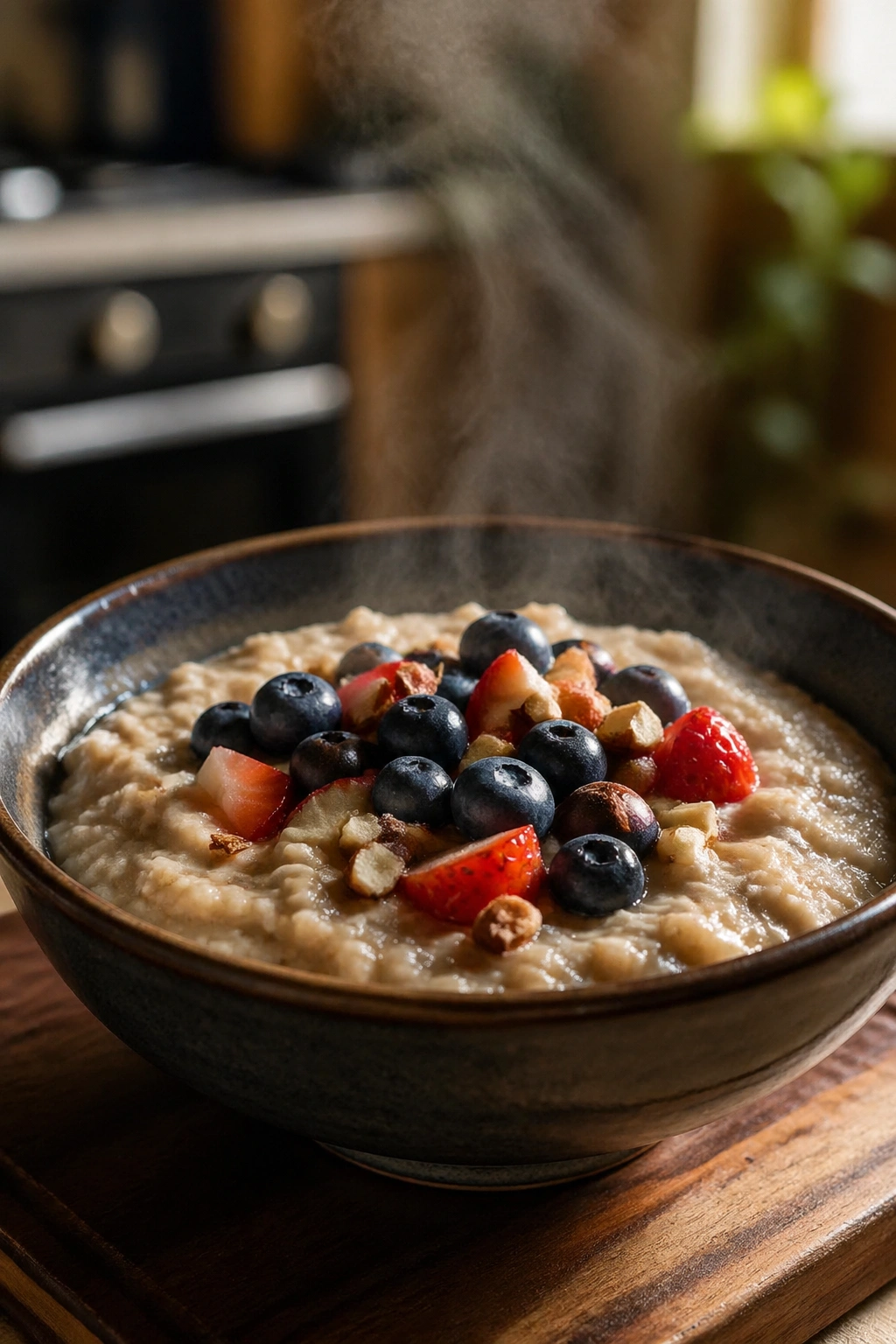
Unlike pastries, chips, sweet cereal, and white bread that seem to disappear in six bites, carbs you have to chew tend to keep you fuller. That includes potatoes, oats, rice, beans, lentils, fruit, and dense whole grains. Belly fat loss doesn’t require low-carb eating for every man, but it does reward better carb choices.
Potatoes deserve more respect than they get. Boiled or baked potatoes are filling, cheap, and easy to portion. The problem is not the potato. It is what usually happens to it—deep-fried, salted hard, buried in cheese, or turned into chips that you can inhale while standing up.
Better carb swaps
- Oatmeal instead of sugary cereal
- Potatoes or rice instead of fries
- Whole fruit instead of juice
- Beans or lentils instead of a second serving of bread
- Plain popcorn instead of chips
A useful test: after 15 minutes, does the carb leave you satisfied or hunting for more food? If it makes you want another handful, another sleeve, another bowl, it belongs in the “sometimes” pile.
And yes, white rice can still fit. Pair it with protein and vegetables, keep the portion honest, and it’s fine. The carb debate gets louder than it needs to be.
8. Eat Sitting Down and Stretch Every Meal to 20 Minutes

Fast eating is stealth overeating.
Men are bad at this in a specific way: lunch in the car, dinner over a laptop, bites grabbed while cooking, snacks swallowed during a game. None of those moments feel like a full meal, which is part of the problem. Your brain does a poor job counting food you barely noticed.
Try giving each meal at least 20 minutes. That does not mean turning dinner into a ceremony. Put the food on a plate, sit down, chew, and pause once or twice before going back in. Hunger hormones and stretch signals from the stomach need a little time to catch up. If you eat in seven minutes, you can overshoot before the satiety message arrives.
Screens make this worse. A phone next to the plate is often enough to keep you disconnected from how much you are eating. Men who swear they are “not eating that much” are often correct in a narrow sense—they are not eating huge meals. They are eating one meal plus scattered extras that never register.
No stopwatch required. One easy trick: drink a glass of water before the meal, put the fork down between a few bites, and do not stand for seconds until ten minutes pass.
9. Push More of Your Calories Earlier in the Day

A huge share of belly-fat trouble lives after sunset. Not because food turns to fat at night like some old gym myth, but because late eating often means more total calories, poorer food choices, and larger portions.
Breakfast gets skipped, lunch is rushed, then dinner arrives like a reward. That pattern is common in men with desk jobs, long commutes, or late training sessions. By 8 p.m., hunger is high, patience is low, and the food tends to be rich, salty, and easy to overdo.
A more stable daily split
You do not need a strict clock. You need a better load.
- 25 to 30% of daily calories at breakfast
- 30 to 35% at lunch
- 25 to 30% at dinner
- The remainder for one planned snack
That setup keeps you from backloading half the day’s intake into one meal. Men who try it often notice fewer cravings at night within a week, sometimes sooner. Your blood sugar stays steadier, your appetite is less chaotic, and the dinner plate stops looking like emotional support.
If mornings are rough, start small: eggs and fruit, Greek yogurt with oats, or a shake plus toast. Skipping food early and then trying to “be good” at 9 p.m. is a poor bargain.
10. Build a Short List of High-Satiety Foods You Can Repeat
A full fridge can still produce takeout.
The leanest eaters I know are not more inspired than everyone else. They simply repeat foods that keep them full and stop pretending every meal needs novelty. Decision fatigue is real. Belly fat loves decision fatigue because tired men pick the fastest, saltiest, highest-calorie option in reach.
Here are foods worth putting on repeat:
- Greek yogurt
- Eggs
- Cottage cheese
- Chicken breast or thighs
- Lean ground beef
- Tuna or salmon
- Beans and lentils
- Potatoes
- Oats
- Berries and apples
- Edamame
- Air-popped popcorn
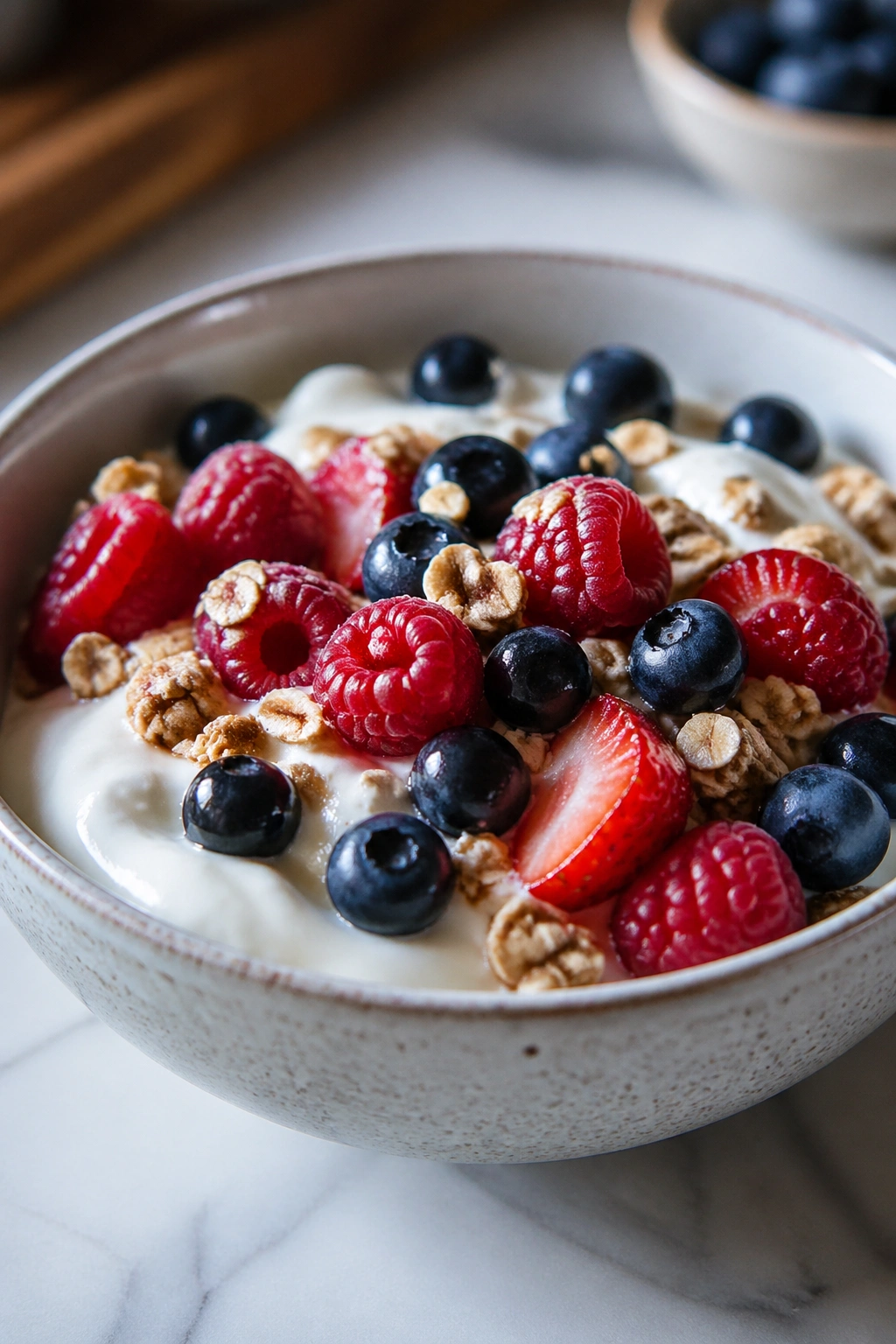
You do not need all of them. Pick 8 to 10 staples and build from there. A bowl of Greek yogurt, berries, and oats works. Chicken, potatoes, and broccoli works. Chili with beans works. A tuna sandwich on whole-grain bread plus fruit works.
This is not thrilling. It is effective. The men who lose belly fat and keep it off often eat a little boring during the week, then loosen up with intent instead of drifting.
11. Cook More Dinners in Your Own Kitchen

Restaurant food is not a moral failure. It is a portion-control problem with hidden oil. Even meals that sound light—salmon bowl, chicken wrap, steak salad—can come with 2 to 4 tablespoons of added fat between cooking oil, dressing, sauce, and finishing butter. That alone can add 240 to 480 calories without changing how full you feel.
Home cooking fixes that because you can see the spoon, the pan, the plate, and the second helping before it happens.
What your own kitchen does better
At home, you can keep the protein large, the vegetables bigger, and the calorie-heavy extras measured. One tablespoon of olive oil looks small when you pour it, which is useful. In a restaurant, you rarely know whether your “healthy bowl” was cooked with one tablespoon or four.
A five-dinner rotation that covers most weeks
- Chicken, potatoes, and a green vegetable
- Lean beef tacos on corn tortillas with salsa and cabbage
- Salmon, rice, and roasted broccoli
- Turkey chili with beans
- Egg scramble with vegetables, toast, and fruit
That list is not fancy. Good. Fancy meals break down on Wednesday when work runs late. A repeatable five-dinner loop is what trims a waistline in real life.
12. Protect Your Weekend From “Earned It” Eating
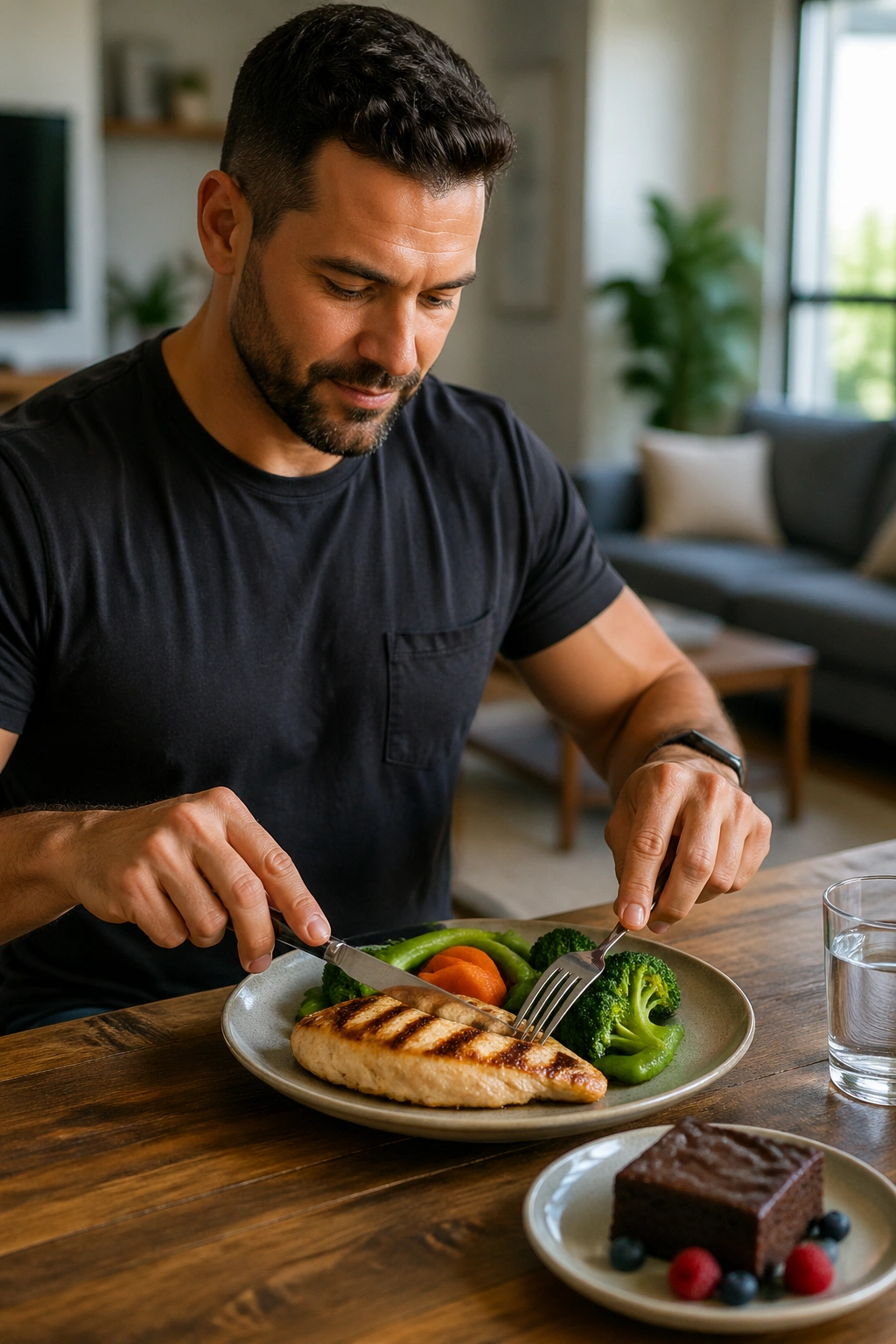
Weekends wreck fat loss more often than weekday lunches do.
Picture the pattern: disciplined breakfast on Friday, takeout at night, drinks after, giant brunch on Saturday, snacks during errands, restaurant dinner, then “one last treat” on Sunday because Monday is coming. A man can erase a weekday calorie deficit with 800 to 1,500 extra calories across two days and still feel like he was only a little off-plan.
The fix is not staying home with plain chicken while everyone else has fun. The fix is keeping guardrails.
- Keep the first meal protein-heavy.
- Pick one indulgent meal, not a full indulgent day.
- Keep alcohol attached to a meal, not to an empty stomach.
- Split dessert or skip the forgettable kind.
- Hit a grocery store before the weekend if the fridge is empty.
Scale spikes after a salty weekend can look dramatic. Most of that is water, glycogen, and food volume still sitting in the system. Belly fat does not appear overnight. Repeated weekends of loose eating, though, absolutely can keep the waist stuck month after month.
13. Cut Ultra-Processed Foods That Make Portion Size Blow Up
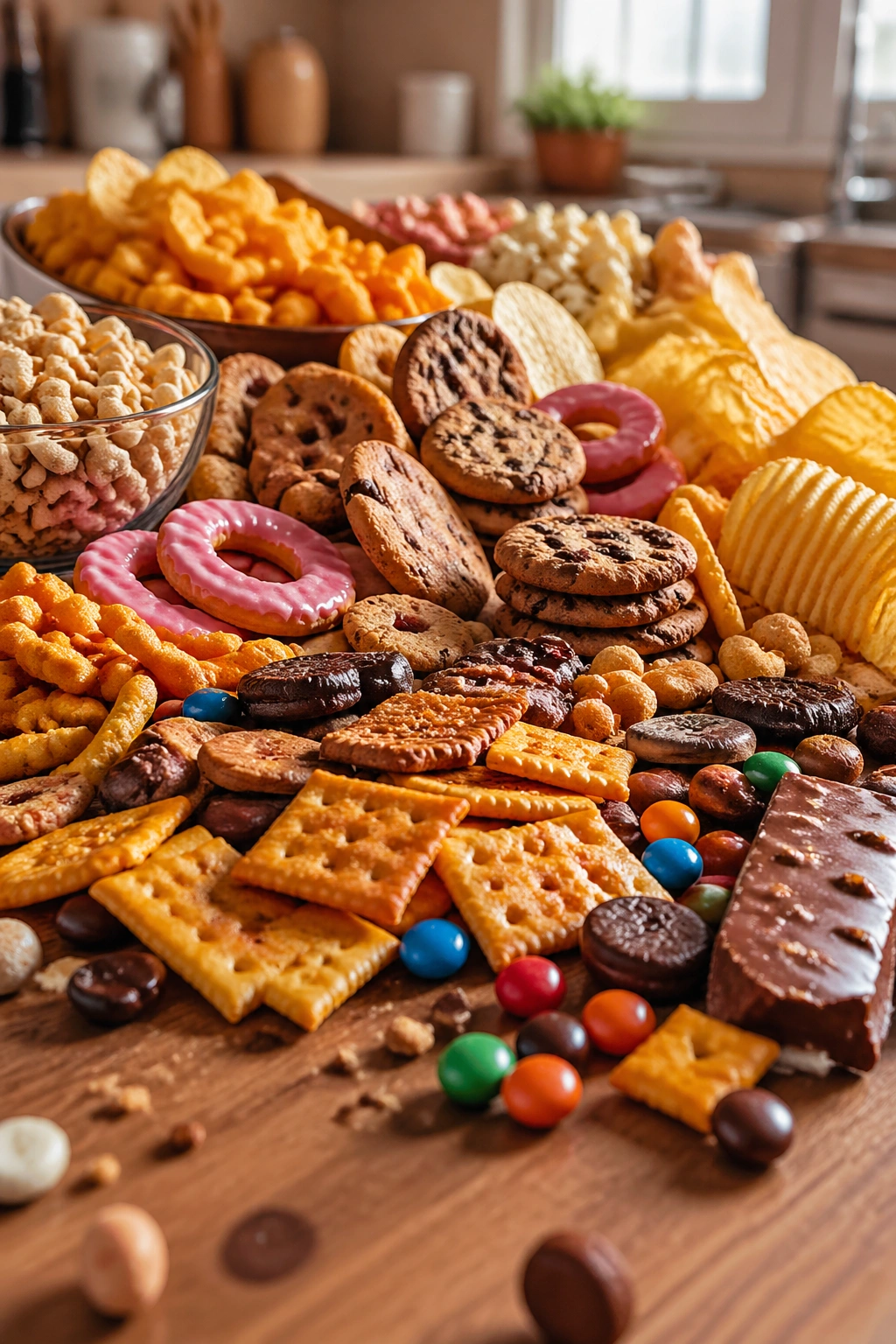
One controlled feeding study from the National Institutes of Health found that people eating an ultra-processed diet took in about 500 more calories per day than when they ate minimally processed meals designed to match for protein, sugar, fat, fiber, and calories offered. That is a huge number. It helps explain why some foods feel impossible to stop eating even when you are trying.
Ultra-processed foods are usually soft, salty, sweet, easy to chew, and easy to eat fast: packaged pastries, chips, candy, sweet cereals, frozen pizza, drive-thru combos, flavored snack crackers. They are built for speed. Your appetite loses that race.
Here’s the nuance, because nuance matters here. Not all processed foods are a problem. Greek yogurt, canned beans, frozen vegetables, protein powder, tofu, whole-grain bread—all processed to some degree, all still useful. The issue is not the factory. The issue is whether the food encourages you to keep eating long after hunger should have stopped.
A simple filter works well: if the food disappears fast, leaves you wanting more, and gives little fullness for its calories, keep it out of your daily rotation. Save it for deliberate meals, smaller portions, and days when you actually want it.
14. Keep a Workday Backup Plan to Lose Belly Fat for Men
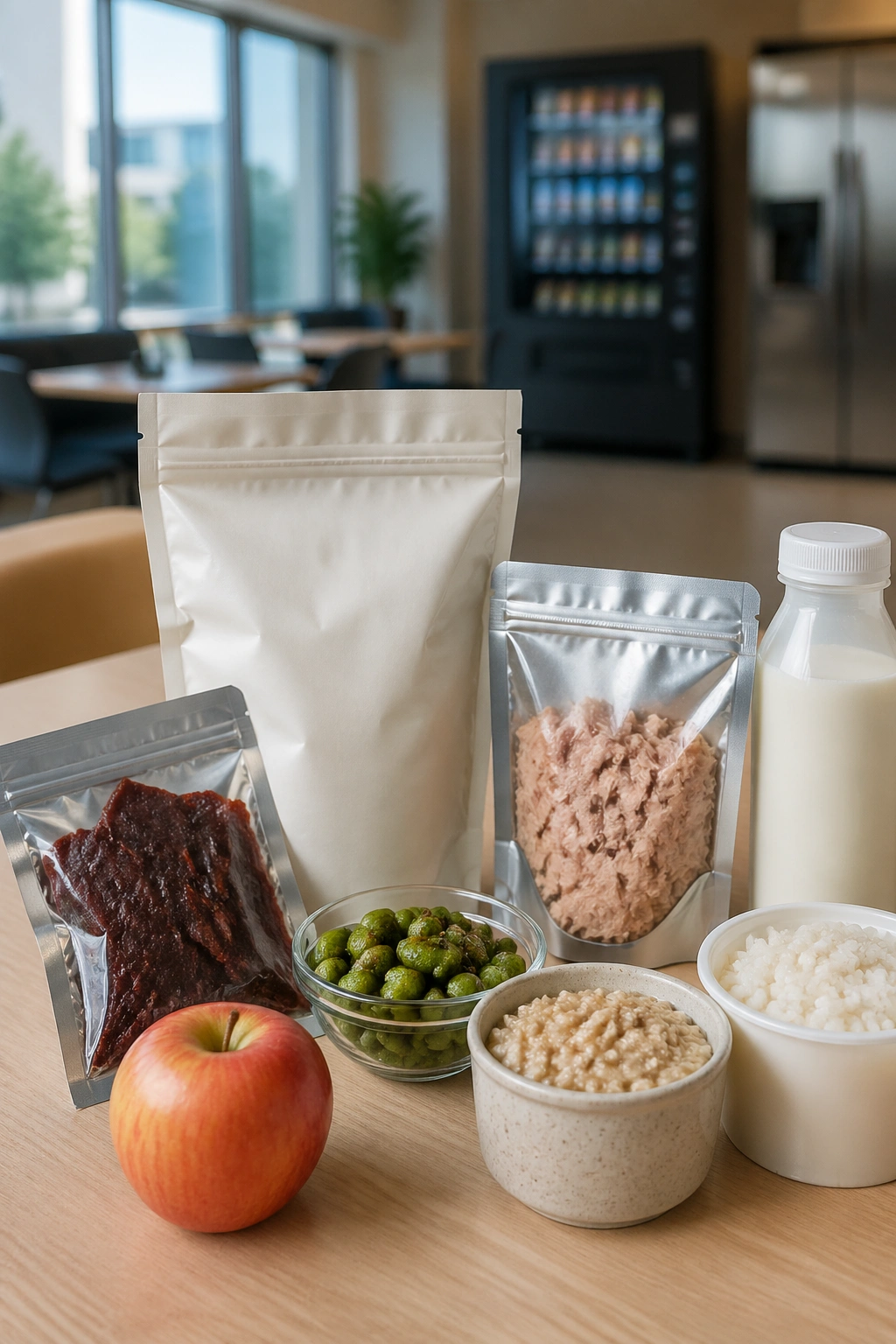
The office, the job site, the airport, the long commute—this is where many men lose the plot. You can have clean intentions at 8 a.m. and still end up eating a vending-machine lunch at 2 p.m. if the day gets scrambled. Hunger does not care that your original plan was respectable.
A backup plan solves that. Not a heroic one. A practical one.
Backup foods worth keeping around
- Protein powder in single-serve packets
- Tuna or salmon pouches
- Low-sugar beef jerky
- Roasted edamame or chickpeas
- Instant plain oatmeal cups
- Apples or bananas
- Shelf-stable milk or high-protein milk
- Microwave rice cups and canned beans if you have access to a break room
You are trying to create meals or snacks that land around 250 to 500 calories with 20 to 35 grams of protein. That is enough to stop the emergency hunger that leads to burgers, chips, and two cookies “because the day got away.”
Skip the all-or-nothing thinking here. A shaker bottle and a banana is not a gourmet lunch. It can still save your calorie target and your patience.
15. Watch Fats by Spoonfuls, Not by Vague Labels
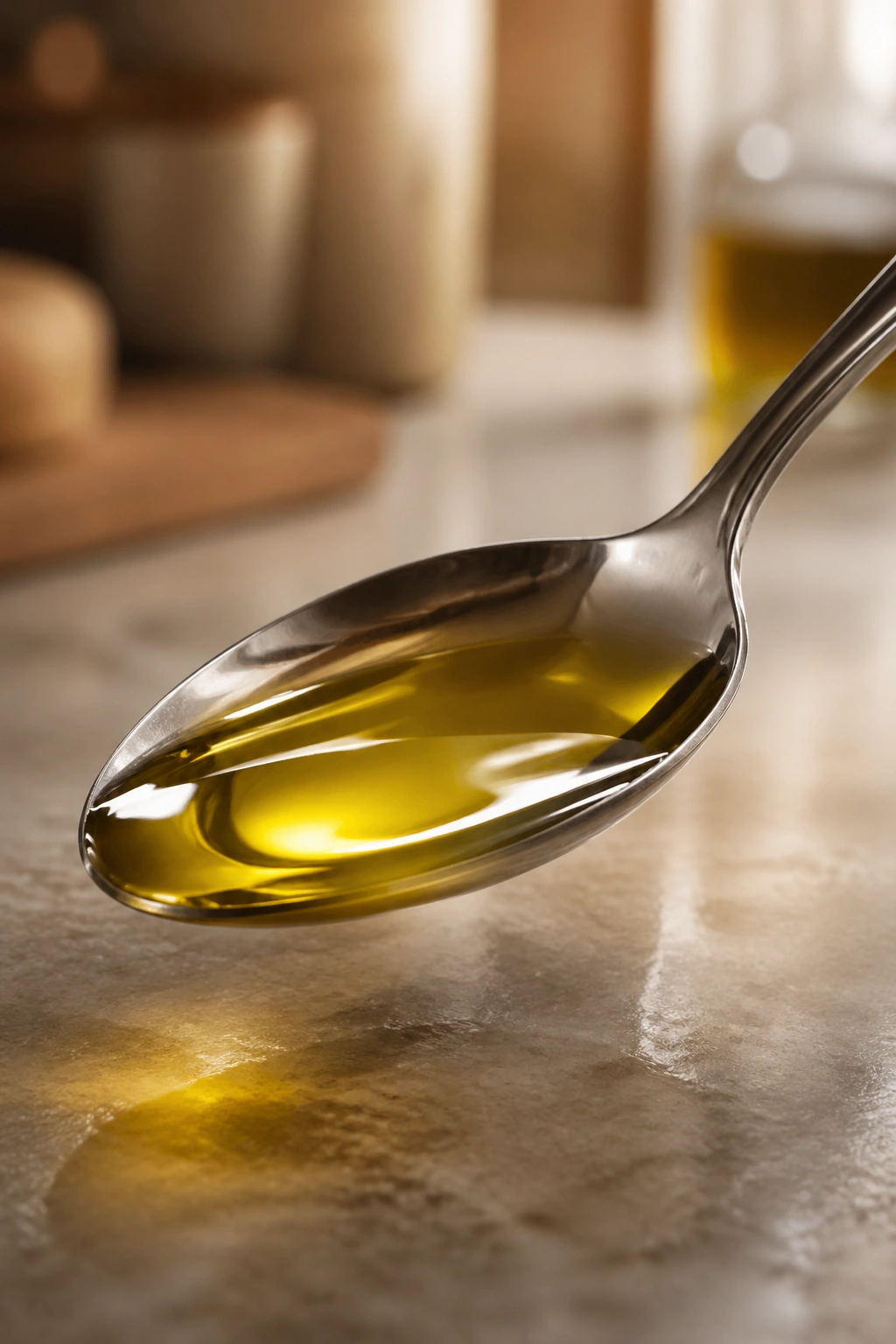
Fat is not the enemy. Underestimating fat is. Olive oil, avocado, nuts, peanut butter, cheese, dressing, mayo—those foods can fit a solid fat-loss diet, but they carry calories in a small physical space. One tablespoon of olive oil has about 120 calories. Two tablespoons of peanut butter land near 190 calories. A few careless pours and scoops can erase the calorie gap you thought you had built.
This catches men who eat “clean.” The salad is fine, then the dressing turns it into a restaurant meal. The chicken is fine, then the oil in the pan plus the handful of nuts plus the cheese pile the numbers up. Nothing seems excessive because the foods sound wholesome.
Eyeballing oil is where many lean-out plans go off the rails.
Use a measuring spoon for one week. That is all. Measure cooking oil, dressing, nut butter, and mayo. You do not need to do this forever. You need to recalibrate your eyes because most of us pour more than we think. After a few days, the gap between one tablespoon and three becomes painfully obvious—in a useful way.
16. Track Your Intake for 14 Days and Measure Your Waist
If your stomach is not shrinking, collect data before changing another rule.
Some men resist tracking because it sounds obsessive. Fair. Done forever, it can be annoying. Done for 14 days, it is one of the fastest ways to spot where the extra calories live. Sauces, drinks, handfuls while cooking, oversized weekend meals, “healthy” snacks, giant spoonfuls of peanut butter—tracking exposes the leaks.
A short tracking method that works
- Log everything you eat and drink for 14 days. Include alcohol, condiments, cream in coffee, and the bites you take while standing in the kitchen.
- Weigh calorie-dense foods when possible: oil, cereal, nuts, peanut butter, rice, pasta.
- Measure your waist at the navel three mornings a week before eating, then use the average.
- Watch the weekly trend, not one day’s body weight.
The point is not hitting perfect macros. The point is finding patterns. Maybe lunch is fine but dinner doubles in size on training days. Maybe Friday drinks are swallowing your deficit. Maybe you thought you were eating 2 tablespoons of dressing and it was 5. Data is humbling. Good. Humbling beats confused.
And once you see the pattern, you can fix the right thing instead of cutting carbs one week, fasting the next, then blaming your age.
17. Shut Down Late-Night Eating Before It Starts

The fridge light at 10:45 p.m. is where discipline goes to die. You are tired, reward-seeking, and less interested in portion size than comfort. Late-night eating is rarely about hunger alone. It is habit, stress, boredom, and the fallout from under-eating earlier in the day.
Sleep ties into this more than men like to admit. Short sleep tends to push hunger up and self-control down. The next night, that bowl of cereal, ice cream, chips, or peanut butter toast feels harder to resist. Then you go to bed overly full and start the next day groggy. The cycle writes itself.
A few fixes work better than willpower:
- Eat a real dinner with protein, vegetables, and a starch if you trained that day.
- Set a kitchen closing time.
- Brush your teeth after the final meal.
- Keep a planned night snack if needed—Greek yogurt, cottage cheese, or fruit—under about 250 calories.
- Do not keep your trigger foods in easy reach.
Men who train at night need some flexibility here. If you lift at 8 p.m., a post-workout meal makes sense. What does not help is wandering through the pantry for 45 minutes because the day felt long.
Final Thoughts
The men who lose abdominal fat and keep it off rarely use all 17 tips at once. They pick a few heavy hitters and repeat them until the waist starts moving. Protein at breakfast, fiber at lunch and dinner, fewer liquid calories, tighter weekends—that combination alone solves more stalled progress than any supplement stack.
Belly fat also punishes inconsistency harder than people expect. Five careful days cannot cover for two nights of unchecked eating and drinking forever. Your body adds up the week, not the stories you tell yourself about the week.
Start with three moves you can keep for the next two weeks. Measure your waist, not only your weight. If the tape starts sliding down and your belt loosens by one notch, you are on the right road—even if your abs are taking their time.
