



After a hard workout, your body is not asking for a cleanse or a fancy powder with a neon label. It wants protein, carbs, fluids, and a little sodium. Miss those pieces, and recovery tends to feel clumsy: your legs stay heavy, your shoulders ache longer than they should, and the next session starts with a slight deficit.
That’s why post-workout foods matter. Not in a dramatic, gym-bro way. In a practical way. A training session burns through glycogen, stresses muscle tissue, and leaves you mildly dehydrated even when you do not feel it. If you eat a smart mix soon after, the difference can show up in how fast you feel ready to move again, how manageable soreness feels, and how normal your appetite stays later in the day.
The best recovery foods are usually plain, familiar, and easy to digest. That last part gets ignored a lot. A giant bowl of fried food may sound satisfying, but if it sits like a brick in your stomach, it is not helping much. A good recovery meal is the one you can eat with a real appetite, keep down, and repeat after the workouts that matter most.
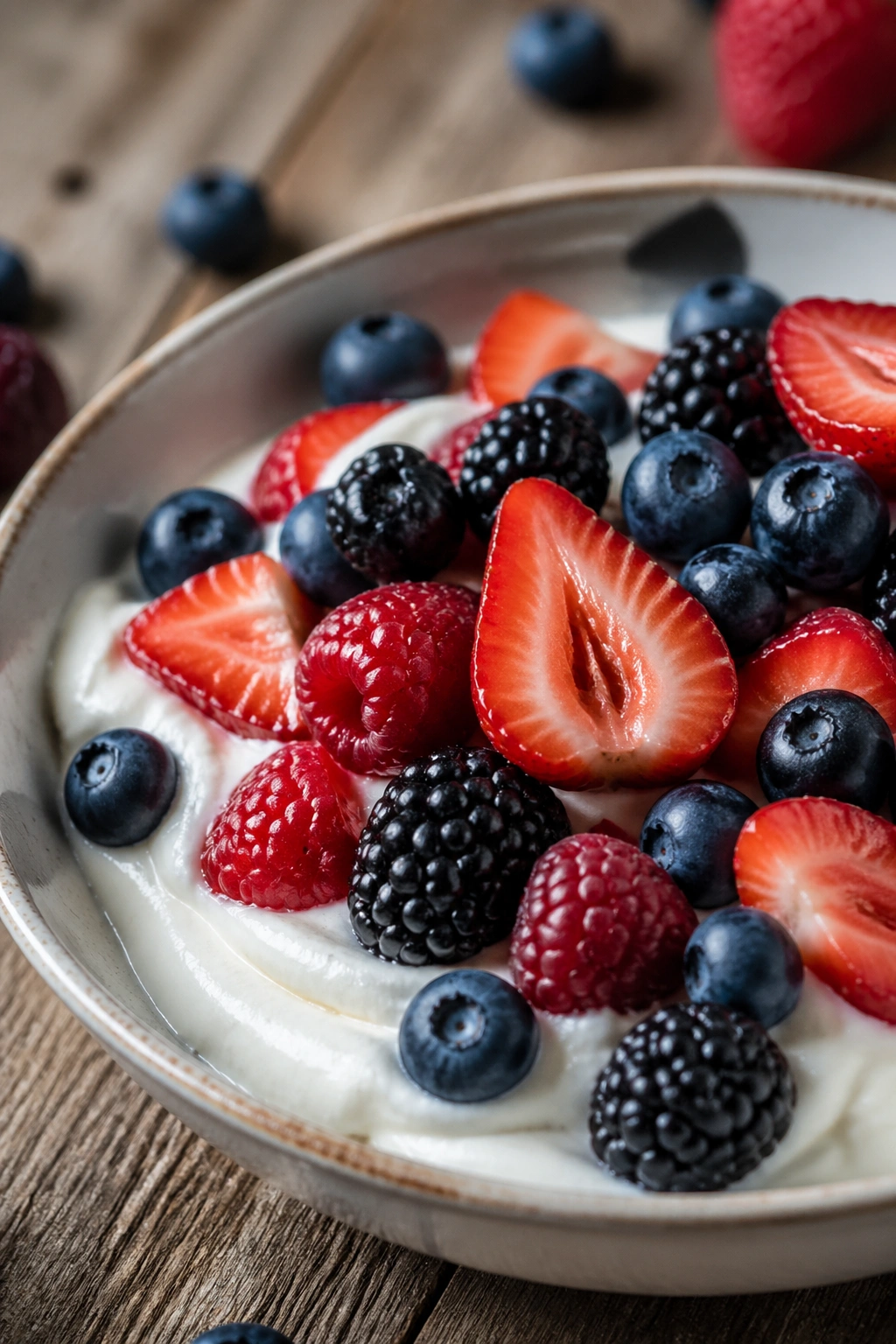
1. Greek Yogurt and Berries
Greek yogurt is one of the cleanest post-workout moves you can make. It gives you a solid hit of protein in a small bowl, and the berries bring carbs without making the meal heavy. That matters when you want something cold, quick, and easy on a tired stomach.
Why It Works
A plain cup of Greek yogurt often lands around 15 to 20 grams of protein, depending on the brand and fat level. That is enough to make a real dent in muscle repair without forcing you to cook. Add berries and you get fast-digesting carbs, a little fiber, and a bright flavor that keeps the bowl from tasting flat.
The nice thing here is balance. Yogurt is filling, but not sleepy-heavy. Berries also bring water, which sounds small until you are a little dehydrated and food feels oddly dry. Blueberries, strawberries, raspberries — pick the one you actually like and stop there.
How to Build the Bowl
- 1 cup plain Greek yogurt
- 1/2 to 1 cup berries
- 1 tablespoon honey or maple syrup if you want more carbs
- 2 tablespoons granola if the workout was long or brutal
- 1 tablespoon chia seeds if you want more staying power
Best move: use plain yogurt and sweeten it yourself. Flavored yogurt usually tastes fine, but it often sneaks in more sugar than you need.
If you lift in the morning, this is one of the easiest ways to get protein in fast without cooking a thing. If you train later in the day, it also works as a bridge snack before dinner. Clean, cold, and efficient. That’s the appeal.
2. Eggs and Whole-Grain Toast

Why do eggs and toast show up after hard training so often? Because the pairing is simple and it works. The eggs cover protein, and the toast brings the carbs your muscles are looking for after they’ve spent an hour or two chewing through fuel.
Eggs also have a texture that many people handle well right after exercise. Scrambled, poached, hard-boiled — it doesn’t matter much. What matters is that they’re easy to chew, easy to season, and not too fussy when you’re hungry and a little tired. Whole-grain toast adds some extra fiber and B vitamins, and it gives the meal enough bulk to feel real.
The best version is not fancy. Two to three eggs on two slices of toast with a little salt is enough for plenty of people after a normal strength session. If the workout was longer, add fruit on the side or another slice of toast. If you’re someone who gets hungry fast, a swipe of avocado or a slice of cheese helps the meal hold.
How to Build the Plate
- 2 to 3 eggs
- 2 slices whole-grain toast
- Salt and black pepper
- Optional sliced tomato or spinach
- Optional fruit on the side
A small detail makes a bigger difference than people think: do not drown the eggs in oil. A teaspoon or two is fine. More than that can make the meal feel heavy for no good reason.
This is the kind of recovery food that rewards routine. You don’t need to overthink it. You need enough protein, enough carbs, and a plate you can actually finish.
3. Chocolate Milk
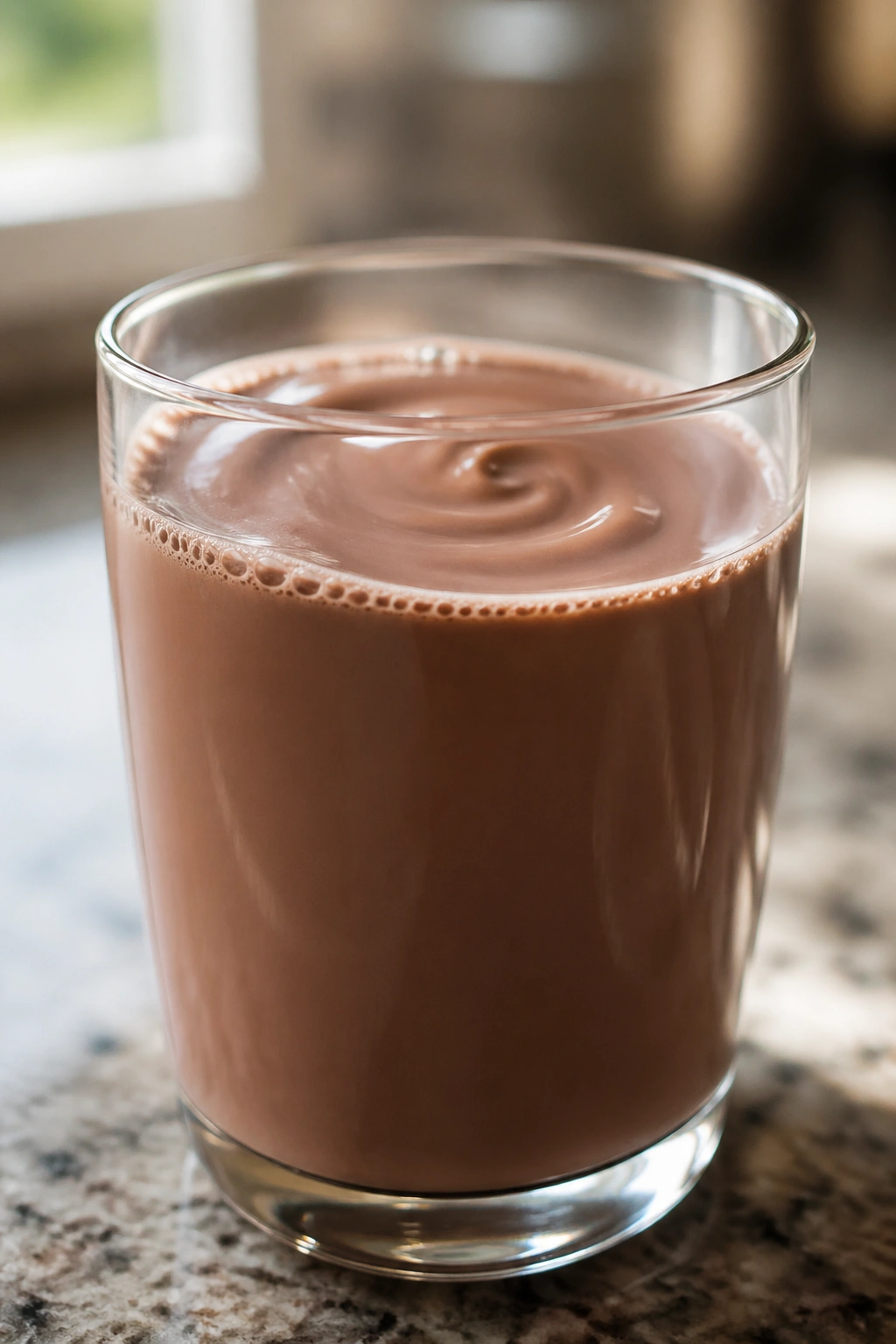
If you can barely face food after training, chocolate milk is a sneaky good answer. It is cold, drinkable, and it gives you both carbohydrate and protein in a format that goes down fast when chewing feels like a chore.
That combination is the reason people keep coming back to it. A glass of chocolate milk typically provides a useful mix of carbs for glycogen replacement and protein for muscle repair, all without the heaviness of a full meal. After a long run, a brutal spin class, or a sweaty team practice, that matters more than the “clean eating” crowd likes to admit.
Use an 8 to 12 ounce glass if you want a quick recovery snack. Use more if it is your main post-workout intake and you know you need it. Low-fat versions feel lighter, while whole milk versions feel more filling. If lactose gives you trouble, this is not the place to pretend otherwise — choose a lactose-free version or skip it.
One thing I like about chocolate milk: it does not demand much from you. No blender. No knife. No plate. Just cold calories that happen to do a decent job of refueling after hard work. That’s not glamorous, but it is useful.
4. Salmon with Roasted Potatoes
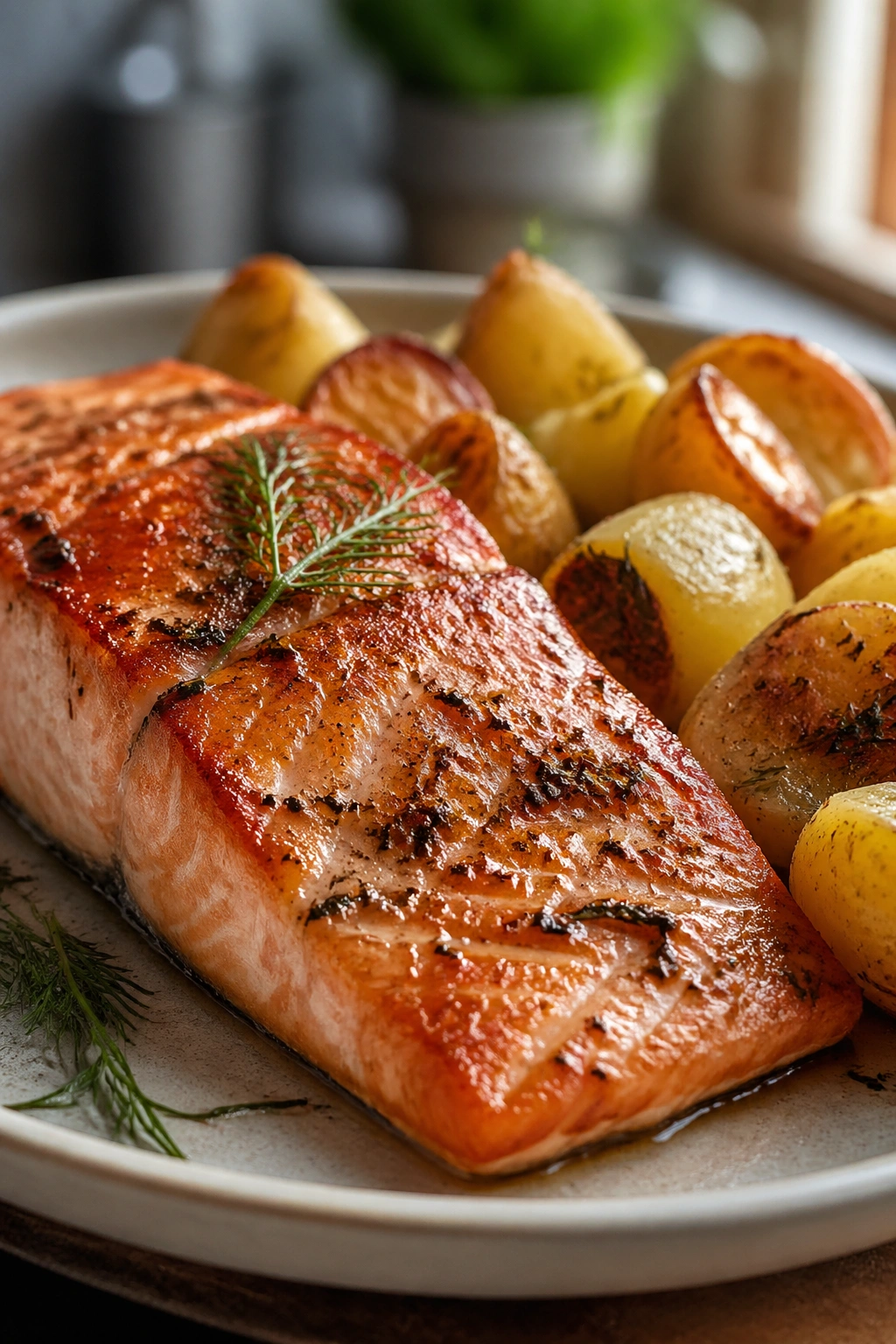
Salmon is one of the best recovery proteins if you want food that does more than fill space. It brings high-quality protein, and the natural fats give you a meal that feels satisfying without turning greasy. Pair it with roasted potatoes and you’ve got protein plus carbs in a plate that actually tastes like dinner.
The potatoes matter more than people give them credit for. A medium potato gives you an easy carb base, and roasted potatoes are simple to digest compared with a giant pile of raw vegetables right after training. Salt them well. Seriously. If you sweat a lot, the sodium helps replace what you lost, and it also makes the food taste like it should.
What Makes This Combo Useful
- 4 to 6 ounces salmon for protein and omega-3 fats
- 1 to 2 medium potatoes for glycogen refill
- A pinch of salt to help with rehydration
- Lemon or dill for flavor without making the meal heavy
Omega-3 fats get talked about a lot, and sometimes too dramatically, but salmon does bring something useful to the table beyond protein. It feels like a recovery meal, not just a protein delivery system. That counts when you’re trying to eat well enough to repeat training without dreading the plate.
This is a smart dinner after a lifting day or a long endurance session. It takes a little more effort than yogurt or milk, sure, but the payoff is a meal that leaves you fed instead of merely “not hungry.”
5. Banana with Peanut Butter
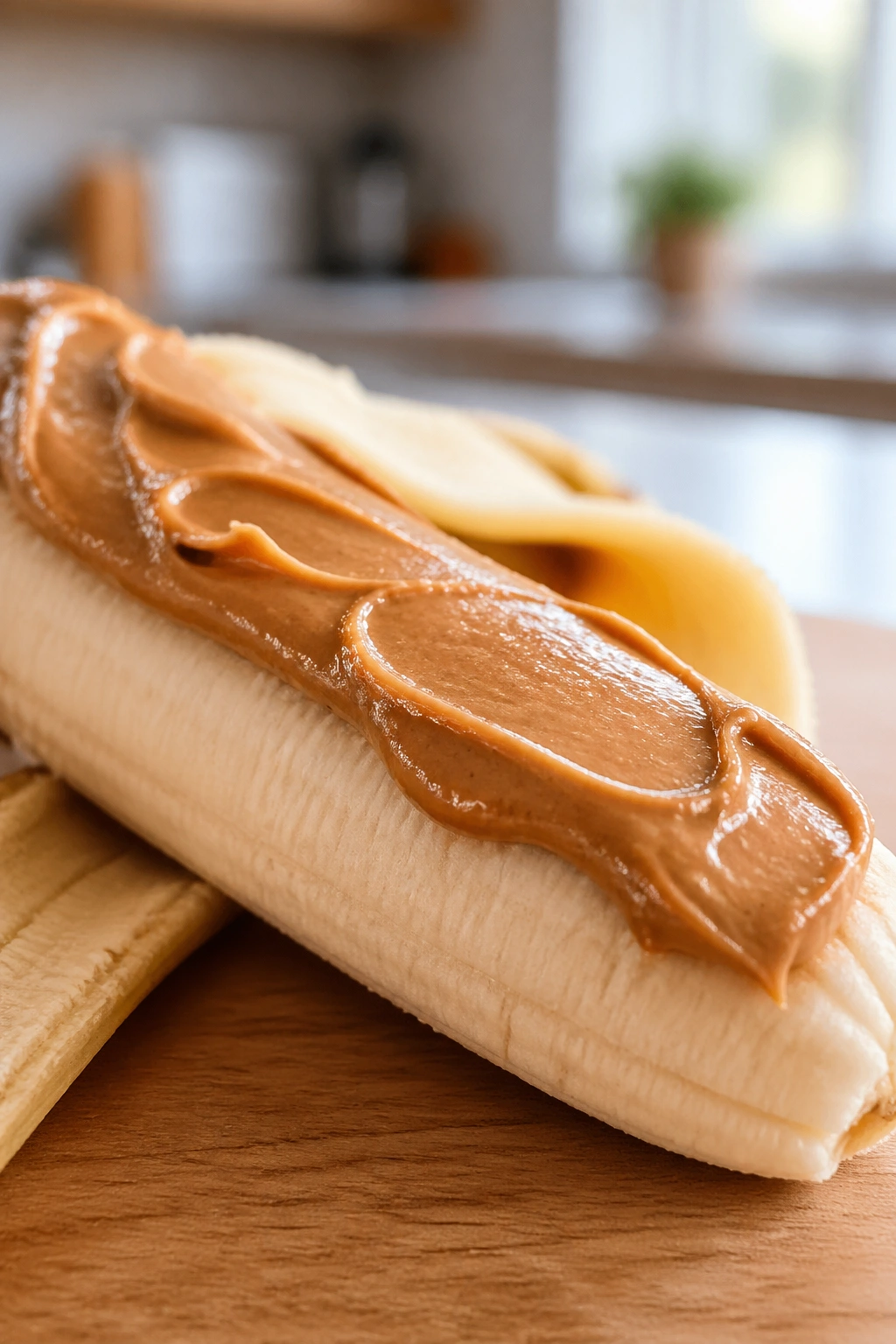
A banana and a spoonful of peanut butter is the kind of snack that looks almost too plain to matter. Then you eat it after training and realize why people keep doing it. The banana gives you fast carbs, the peanut butter adds fat and a little protein, and the whole thing comes together without cooking.
This combo works best when you want a quick bridge between exercise and a bigger meal. A banana is easy to chew, easy to digest, and naturally rich in potassium. Peanut butter slows things down a bit, which can help if your next meal is still an hour or two away. If your stomach feels delicate after a hard workout, keep the peanut butter portion modest.
A thick slab of nut butter sounds satisfying. It can also sit like paste if you overdo it. One tablespoon is often enough. Two if you’re genuinely hungry. More if this is part of a larger recovery snack, but don’t force it.
This is one of those foods that saves you when your appetite is weird. Too tired to make eggs? Too early for dinner? Banana, peanut butter, done. Not glamorous. Very effective.
6. Oatmeal with Whey Protein
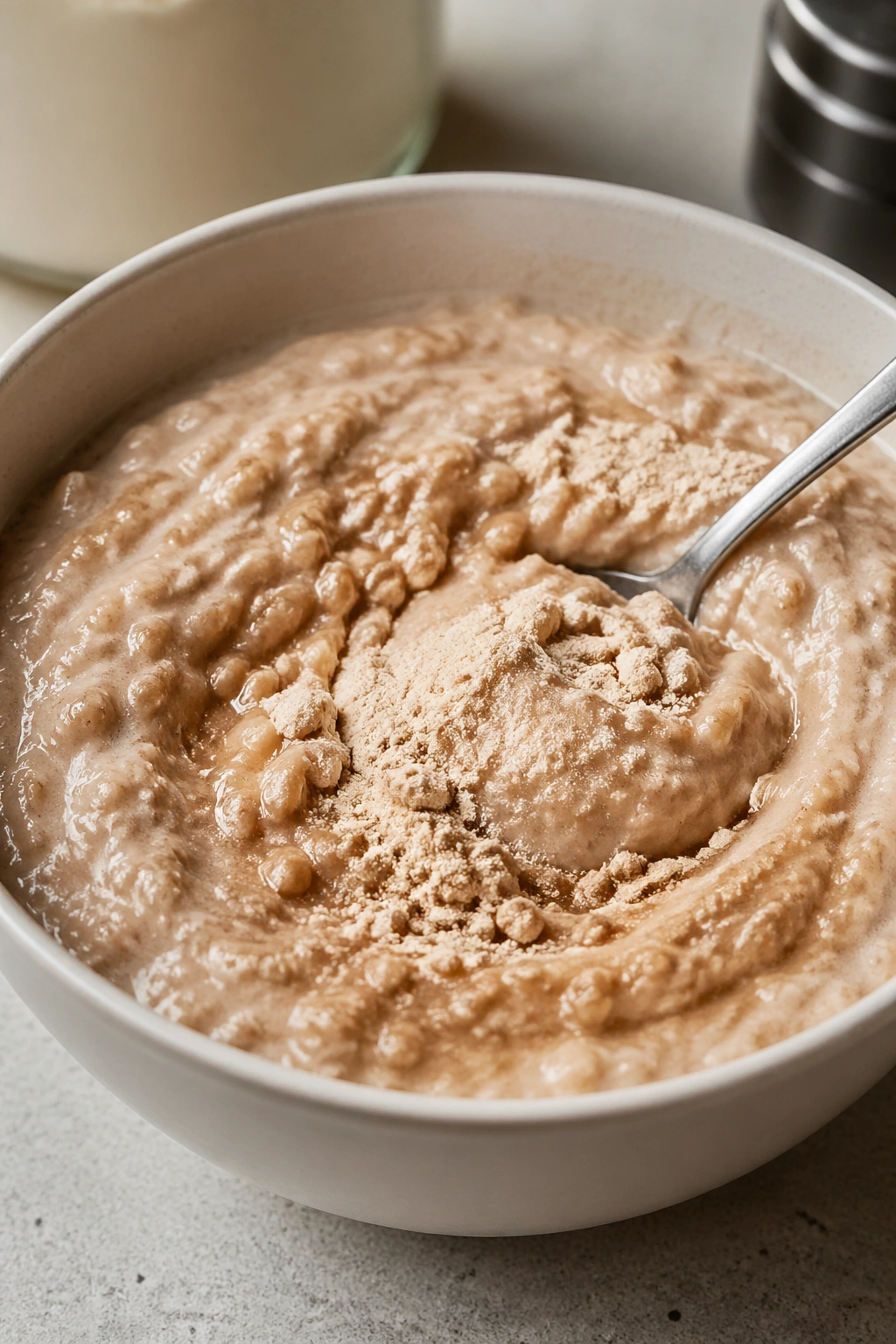
Oatmeal is one of the most underrated recovery foods because it looks humble and acts bigger than it seems. The oats bring slow, steady carbs, and whey protein turns the bowl into something that actually supports muscle repair instead of just filling the stomach.
Can you eat plain oats after training? Sure. But plain oats alone often leave too much work for later. Stirring in whey gives the bowl a more useful protein load, and it changes the texture in a good way if you get the ratio right. Too much powder, though, and the whole thing turns chalky fast. That’s the trap.
How to Get the Most From It
Mix 1 scoop whey protein into oats that have cooled for a minute or two after cooking. If the oats are scorching hot, the powder clumps and gets gritty. Add banana slices, cinnamon, or a spoon of nut butter if you want more carbs or flavor. A pinch of salt also helps more than people expect.
This is especially good after morning training. Warm food can feel calming when you’re a little wired from exercise but still hungry enough to eat. It also sits well if you’re heading into a busy day and want something that keeps hunger under control for a few hours.
Oatmeal is not flashy. It doesn’t need to be. It’s cheap, easy, and much better than skipping food because you’re waiting for the “right” meal.
7. Cottage Cheese with Pineapple
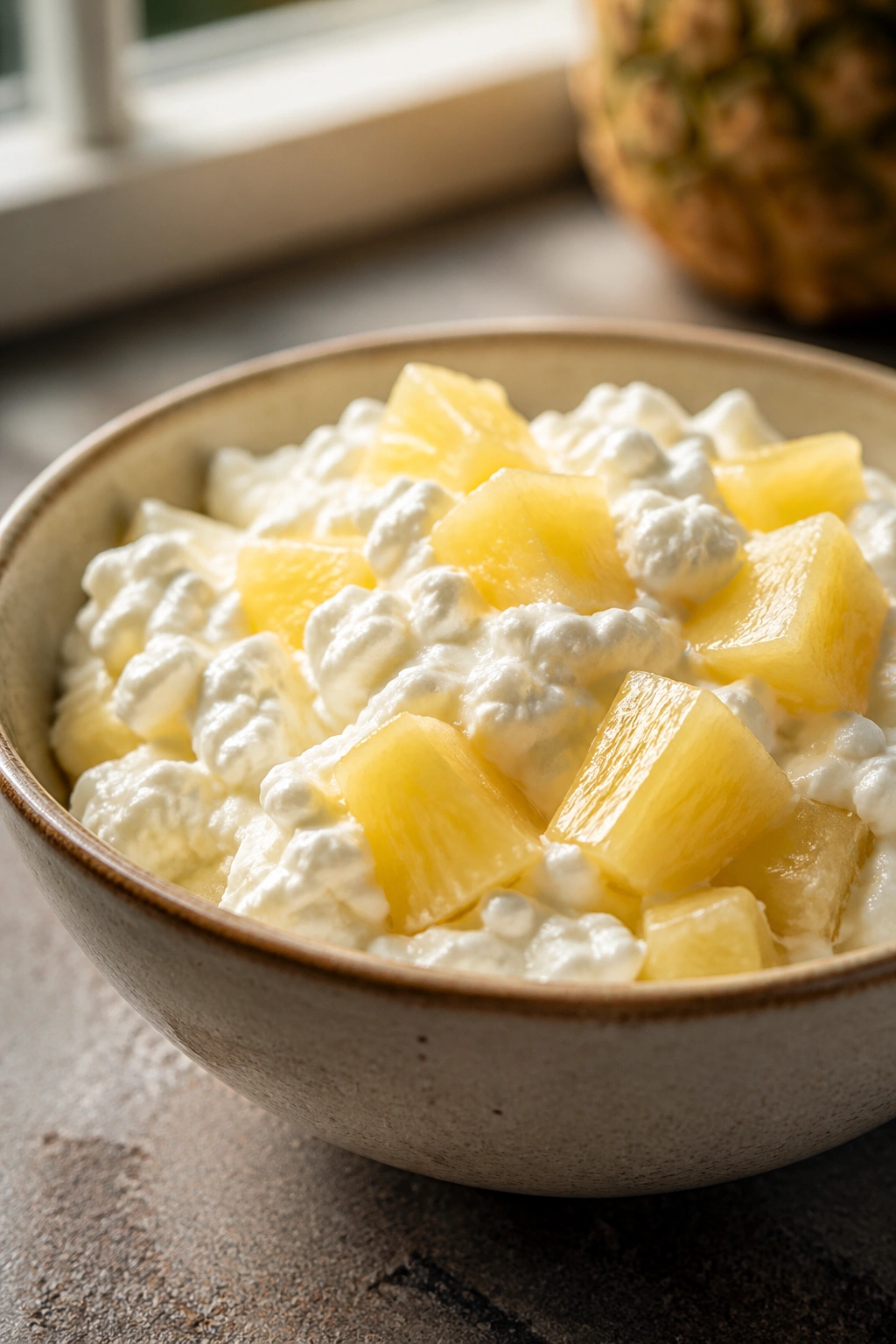
Late workouts make people weirdly bad at food decisions. The fridge looks full, nothing sounds good, and suddenly a simple bowl of cottage cheese starts looking smarter than any complicated dinner. That’s because it gives you protein without much effort, and pineapple brings enough sweetness to make the bowl feel alive.
Cottage cheese is rich in casein, a slower-digesting dairy protein that keeps feeding your muscles for longer than a quick snack would. That is useful when you train at night and won’t eat again before bed. Pineapple adds carbs, moisture, and a sharper bite that cuts through the dairy.
- 1 cup cottage cheese
- 1/2 cup pineapple chunks
- Optional cinnamon
- Optional chopped walnuts
- Optional drizzle of honey
If you like sweet-and-salty food, try a tiny pinch of salt on top. It sounds odd until you taste it. Then it makes sense.
This is a recovery food for people who want something low-effort but not boring. It works at breakfast, too, but it really shines after evening exercise, when you want protein that doesn’t feel heavy and fruit that tastes fresh rather than sugary.
8. Chicken Breast with Rice
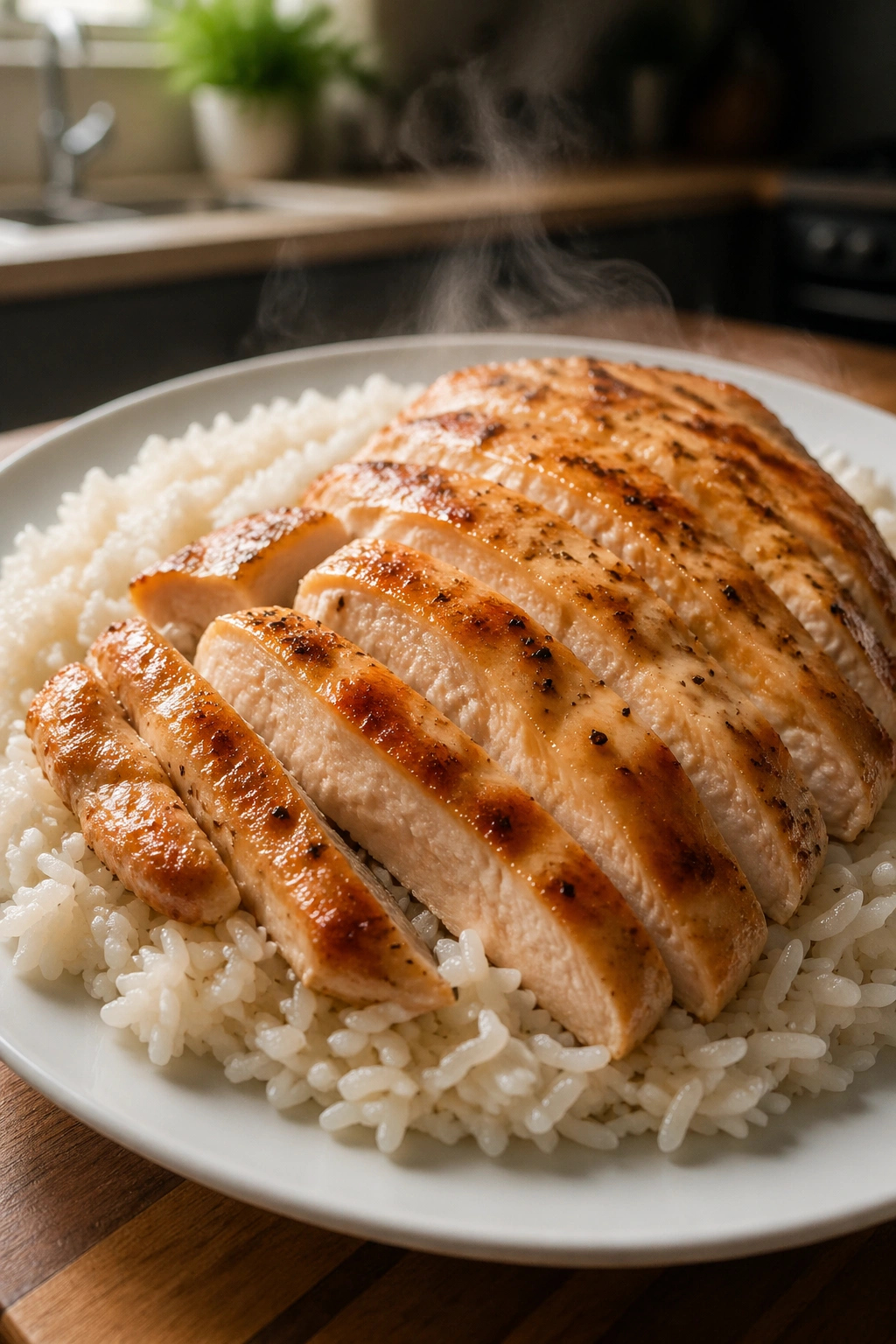
Chicken and rice is classic for a reason. It is easy to portion, easy to digest, and easy to scale up after a bigger training day. Lean chicken gives you protein with very little fuss, while rice restores glycogen in a form most people tolerate well.
A lot of recovery meals try too hard. This one doesn’t. A few ounces of chicken, a scoop or two of rice, and some salt is enough to make a solid post-workout plate. Add steamed vegetables if you want them, but don’t stuff the bowl with so much fiber that it slows everything down right after a hard session.
A practical plate looks like this
- 4 to 6 ounces cooked chicken breast
- 1 to 2 cups cooked white or brown rice
- Soy sauce, salt, or broth for sodium
- Optional cooked vegetables
- Optional olive oil if you need more calories
White rice tends to feel easier after intense exercise, especially if your stomach is a little off. Brown rice brings more fiber and a bit more chew, which some people prefer later in the day. Use the one that fits the moment.
This is the meal I’d point to when someone says they want a recovery dinner that does the job without drama. There’s a reason it keeps showing up in meal prep containers. It works.
9. Tart Cherries
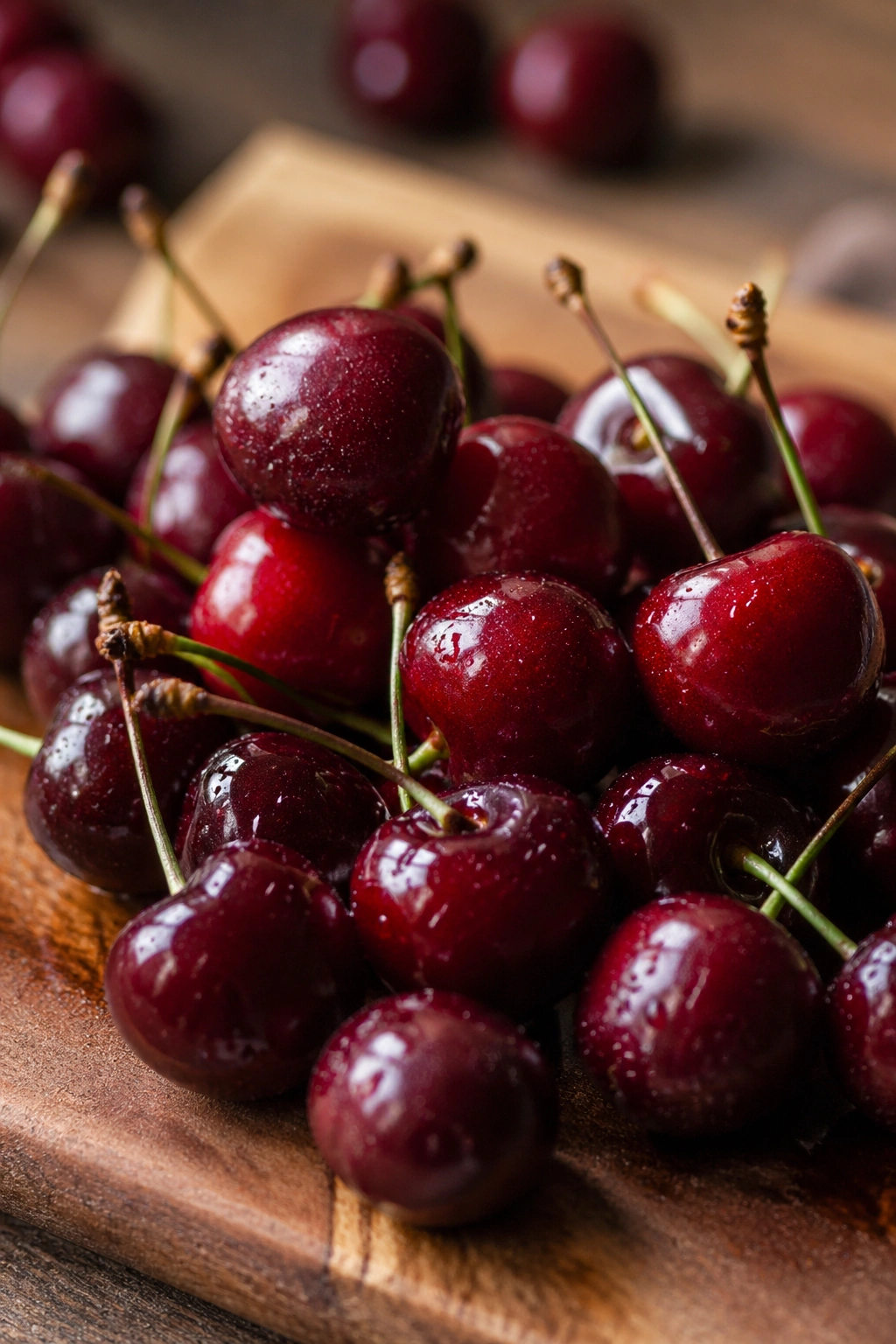
Tart cherries are not the main event. They’re the thing you add when you want a little extra help with soreness, sleep, or just getting the next day to feel less rough around the edges. That makes them a sharp tool, not a magic one.
Tart cherry juice and dried tart cherries get attention because they contain compounds called anthocyanins, the same family of pigments that give berries their deep red and purple color. Those compounds are tied to the recovery conversation because they may help with exercise-induced soreness and general stress from hard training. I’d treat them as a useful add-on, not a miracle cure.
How to use them
- Drink 4 to 8 ounces tart cherry juice
- Add dried tart cherries to oatmeal or yogurt
- Pair them with protein, not instead of protein
- Use them after hard runs, heavy leg days, or long matches
The best version is simple. A small glass of juice alongside a meal, or a handful of dried cherries in yogurt, is enough. You do not need to chug a liter and hope for the best.
What I like here is the flexibility. Tart cherries can show up in a snack, a smoothie, or a recovery dinner. They fit without making the meal feel medical. That matters more than people admit.
10. Sweet Potatoes
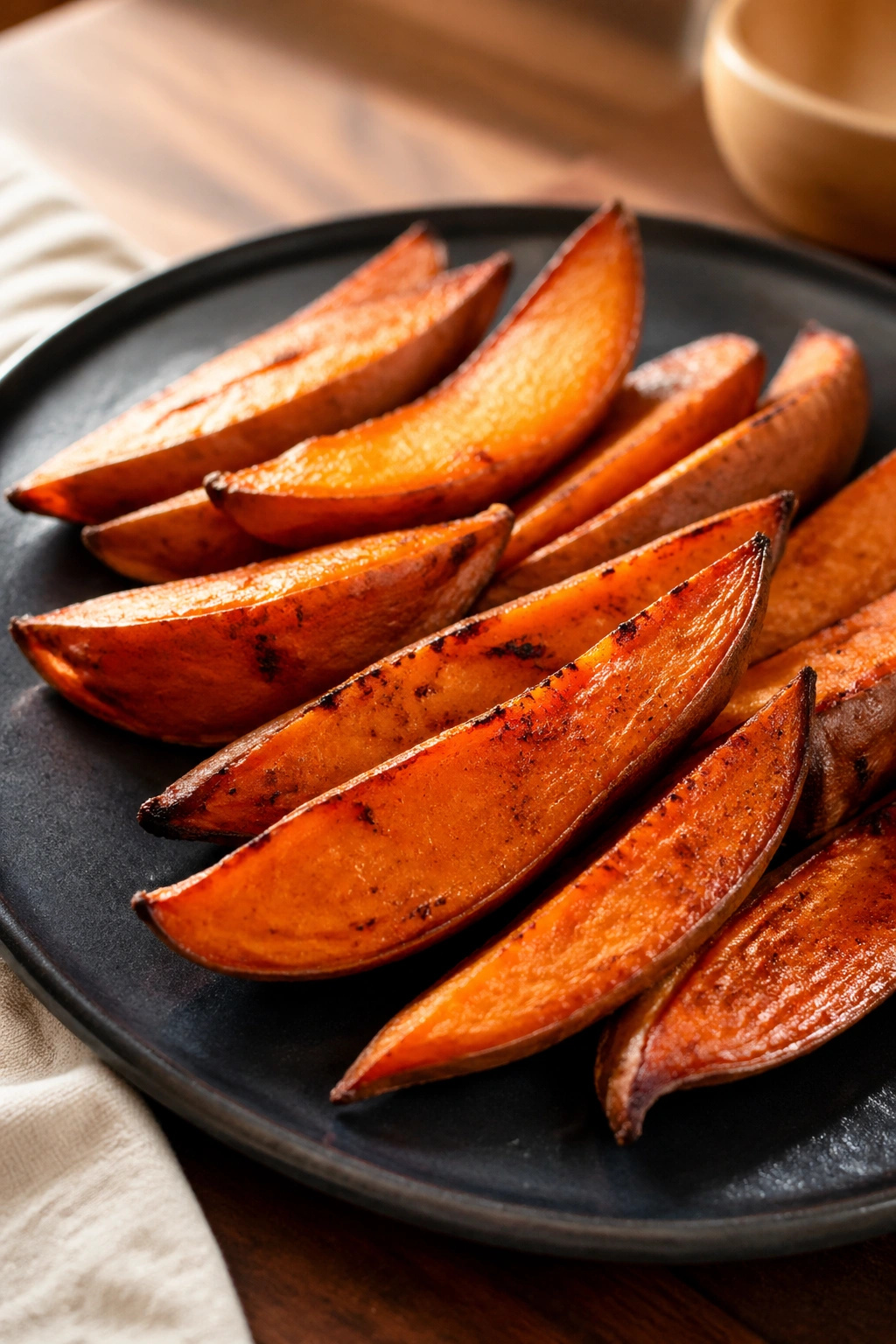
Sweet potatoes are one of those foods that sound plain until you actually eat them after training. Then the soft texture, gentle sweetness, and steady carbs make a lot of sense. They refill fuel without feeling greasy or sugary.
They also give you potassium and fiber, which is helpful if your whole body feels a little wrung out. Roasted sweet potato wedges, mashed sweet potatoes, or a baked sweet potato with a little salt all work. If you want to keep digestion easy, peel them. If you want more fiber and chew, leave the skin on.
The real advantage is how well sweet potatoes play with other foods. They sit next to chicken, salmon, tofu, eggs, or yogurt without fighting for attention. That makes them one of the easiest sides to drop into a recovery meal.
One thing to watch: if your workout left your stomach finicky, an enormous pile of fibrous vegetables plus sweet potatoes can feel like too much. Keep the portion sensible. Eat more later if you need it. No prize for overstuffing the plate.
11. Tuna on Whole-Grain Crackers
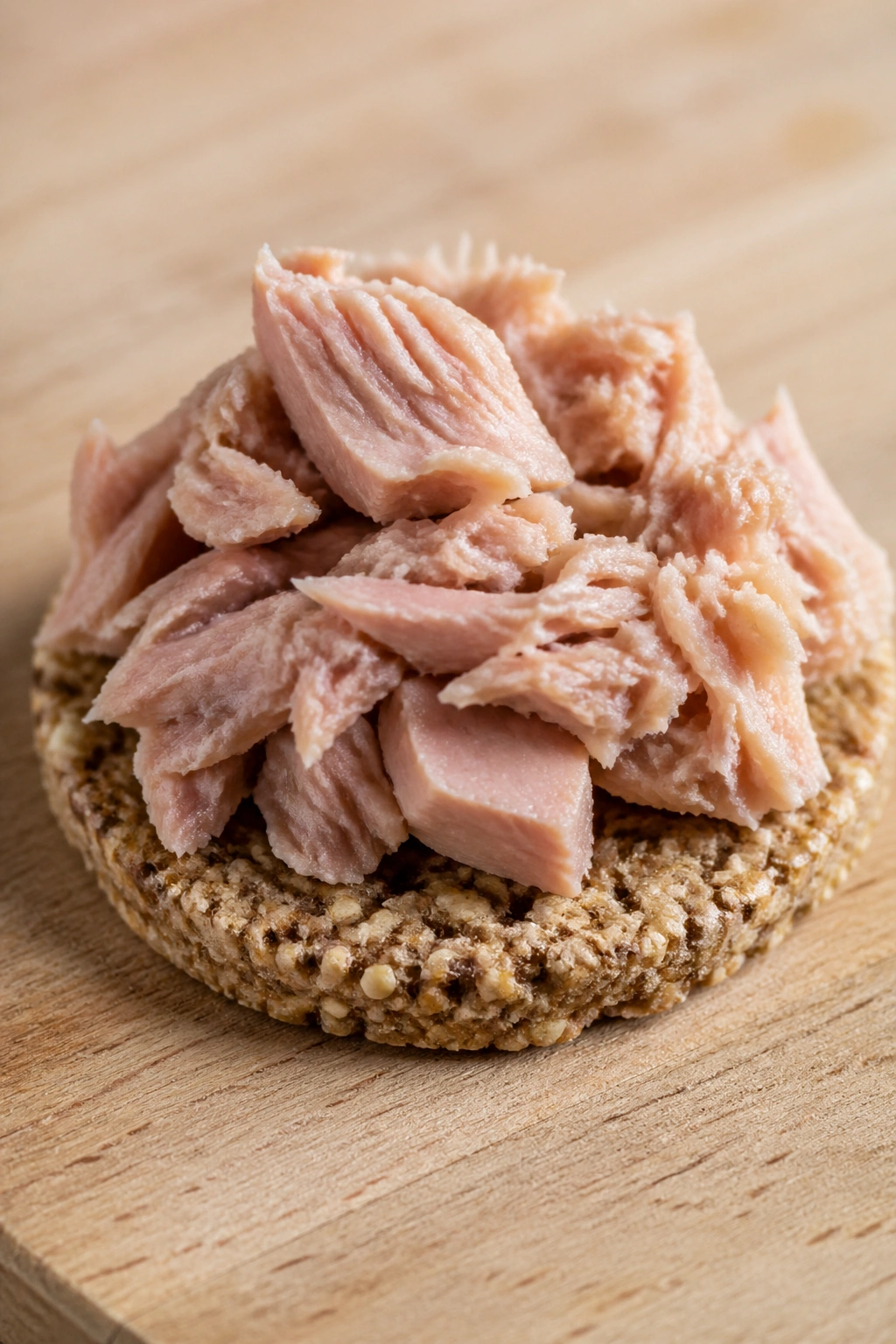
Tuna is the food you keep around when you want recovery to happen even if you are nowhere near a kitchen. It is lean, packed with protein, and easy to turn into a quick snack or an actual meal with very little effort.
Whole-grain crackers or bread give the tuna a carb base, which is what stops it from being just another protein-only habit. That detail matters. A lot of people eat lean protein after training and then wonder why they still feel flat an hour later. The carbs are doing work here too.
A fast recovery plate
- 1 can tuna, drained
- 6 to 10 whole-grain crackers or 2 slices bread
- 1 teaspoon mayo, olive oil, or mustard
- Lemon juice, pepper, or diced celery
- Optional fruit on the side
If you want the meal to taste better without making it heavy, use a little olive oil and lemon. That gives the tuna a cleaner finish than too much mayo. If you’re using canned tuna often, pay attention to the sodium and choose the version that fits the rest of your day.
This is not a romantic meal. It is a practical one. Keep a few cans in the cupboard and you have a fast recovery option whenever the day gets messy.
12. Kefir
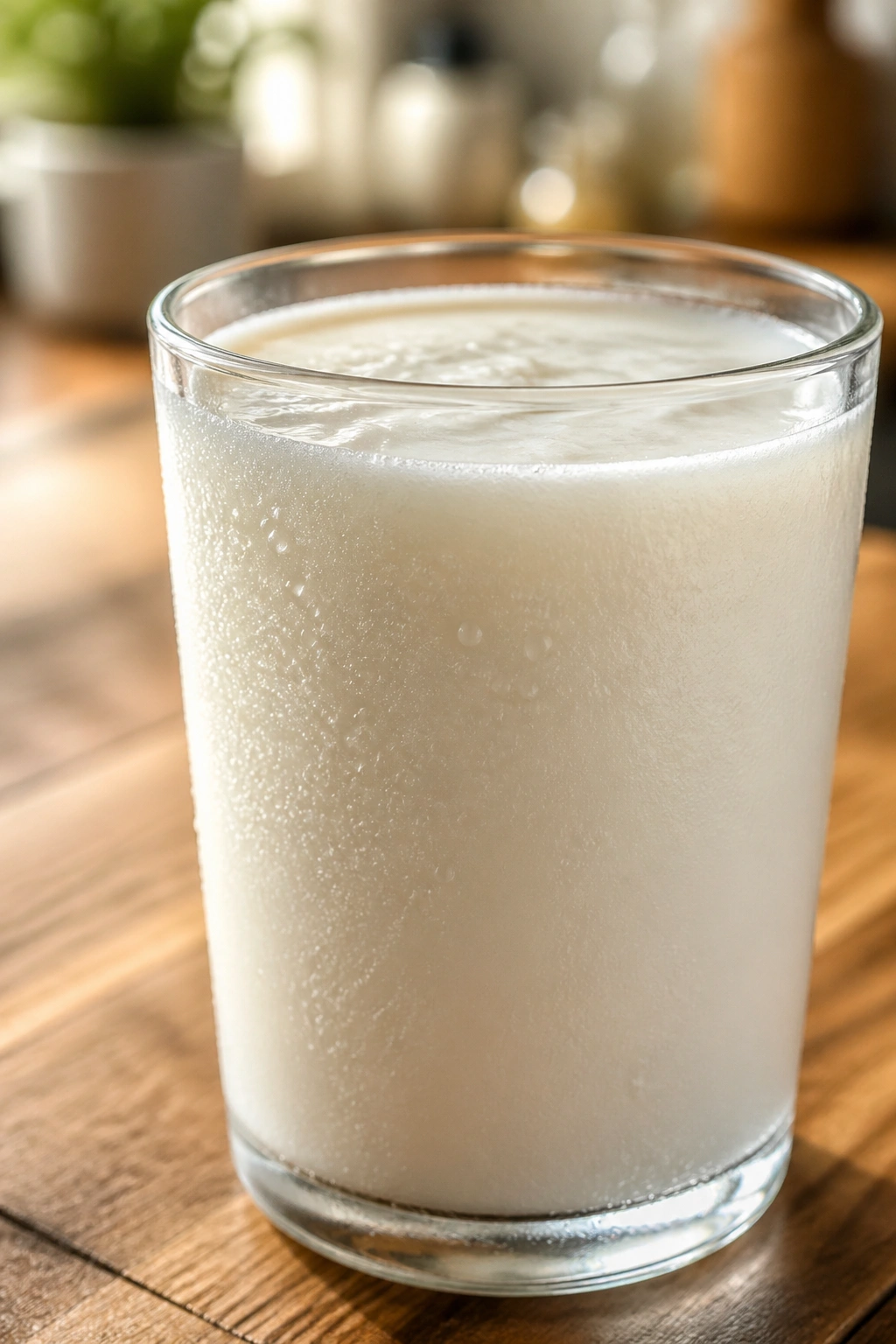
Kefir is one of the easiest recovery foods to overlook because it looks like drinkable yogurt and doesn’t make a big show of itself. That’s a shame, because it handles a lot of the job you want after training: protein, carbs, fluid, and a texture that goes down fast when appetite is low.
Plain kefir has a tangy edge, almost like yogurt with more bite. That can be a turnoff if you’re expecting milk, but it is exactly why it works in smoothies and recovery drinks. Add banana, oats, or berries and it becomes more balanced without losing the easy-drinking feel.
When a workout leaves you too hot or too tired to eat a plate of food, kefir is a strong backup. It hydrates, it provides some protein, and it is gentle enough for plenty of people who can’t face something solid right away.
If plain kefir tastes too sharp, do not force yourself to love it. Blend it with fruit. Add a spoon of honey. Make it work for you. That is the whole point of recovery food anyway.
13. Quinoa Bowl with Beans
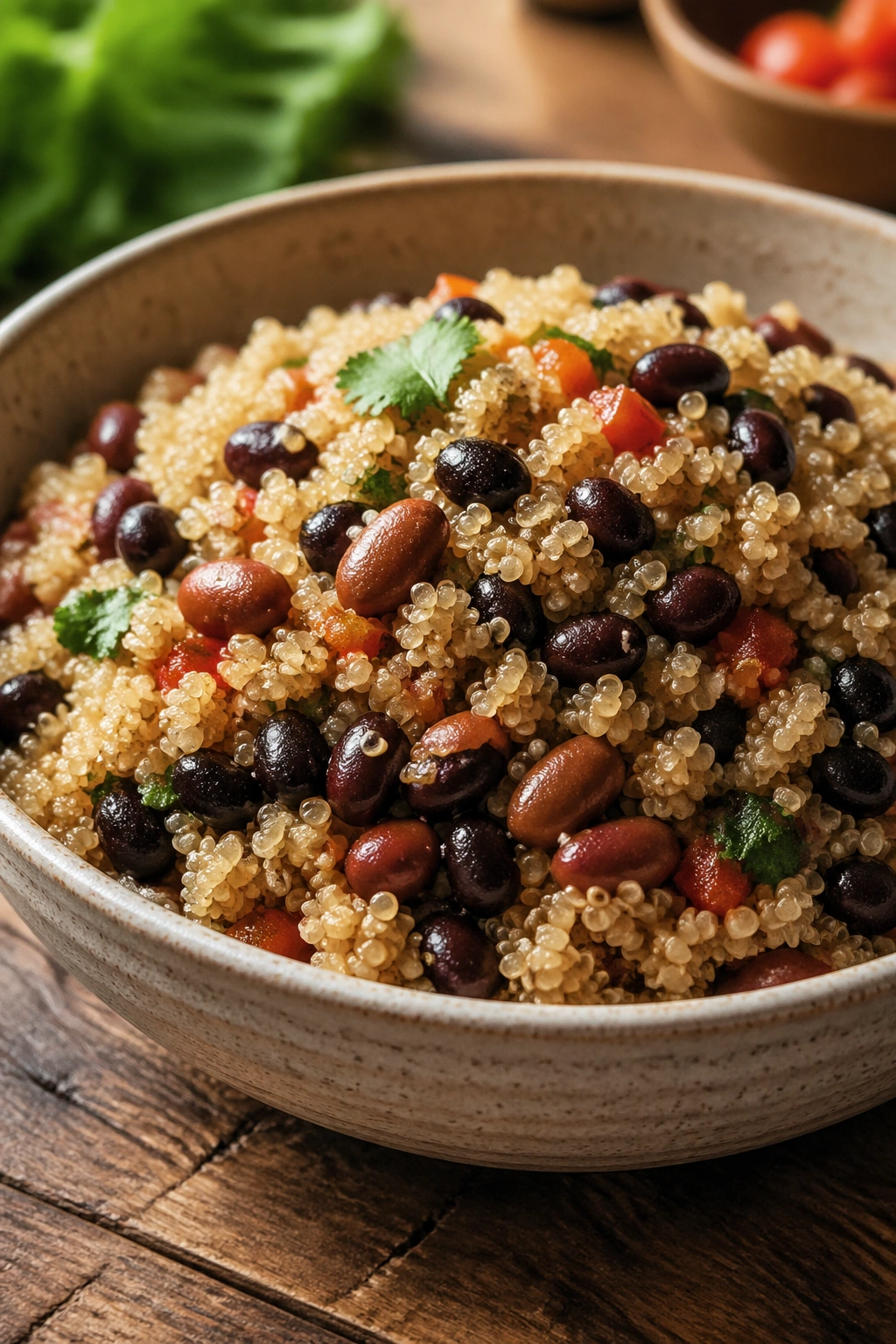
Quinoa bowls earned their place because they do more than one job at once. Quinoa brings carbs and a little protein, beans add more protein and fiber, and the bowl can be built around whatever vegetables or sauces you already have around.
Is this the lightest option on the list? No. But it is a strong one if you train in the afternoon and want a meal that carries you into the evening. The texture is pleasantly chewy, and the bowl can be flavored in a dozen directions without turning into junk food.
Build it like this
- 1 cup cooked quinoa
- 1/2 to 1 cup beans — black beans, chickpeas, or kidney beans
- Cooked vegetables like peppers, zucchini, or spinach
- Salsa, olive oil, or tahini
- Salt and lime
There’s a small catch here: beans bring fiber, which is useful, but right after a brutal session some stomachs want less of it. If that sounds like you, keep the bean portion moderate and lean more on quinoa and a protein topping like eggs, tofu, or chicken.
I like quinoa bowls for recovery when the goal is a real meal, not a snack. They keep hunger stable, and they are easy to make in larger batches. That matters on the days when cooking sounds like a nuisance.
14. Tofu Stir-Fry with Rice
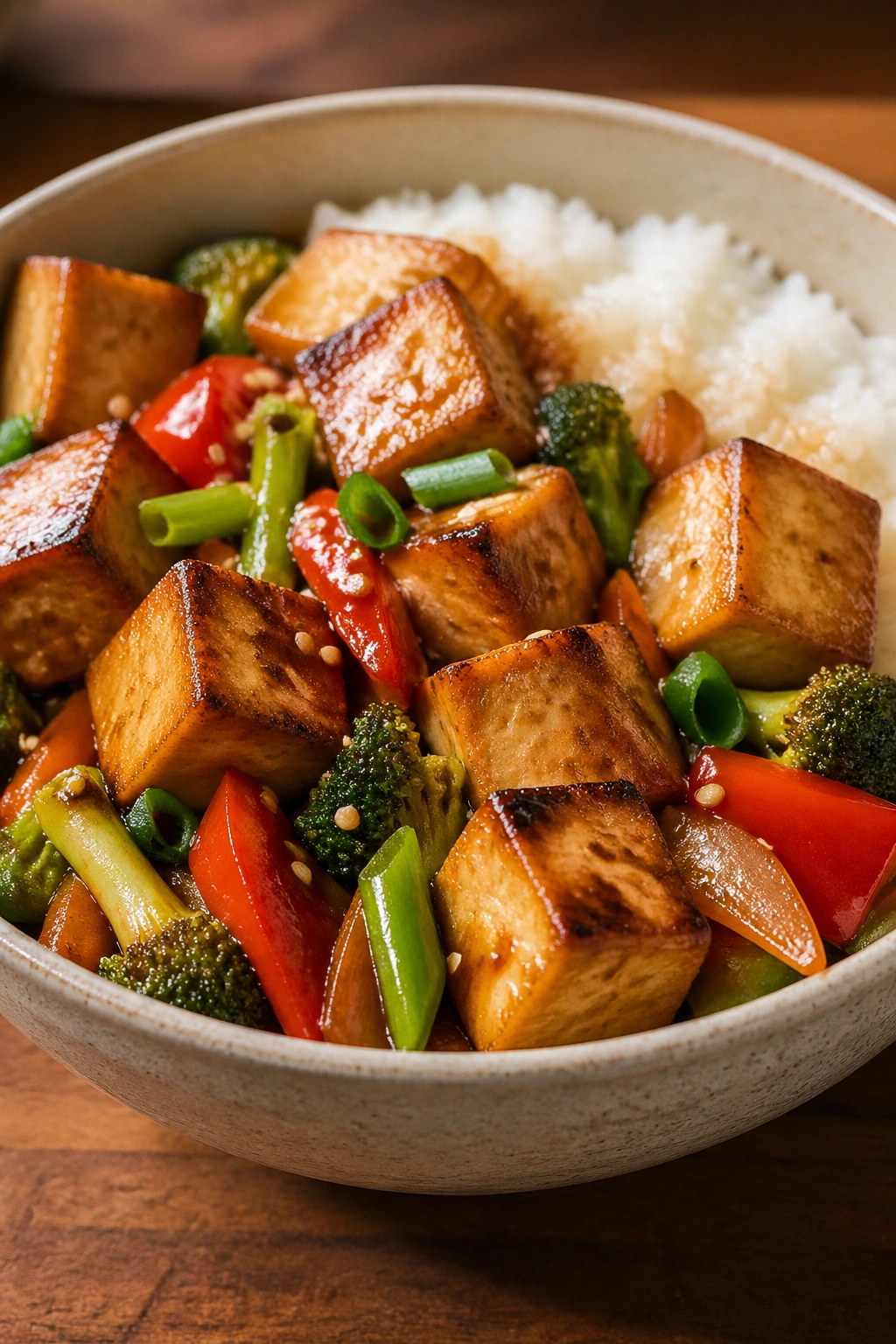
People who eat plant-based often get told to “just get enough protein,” as if that sentence solves everything. Tofu stir-fry with rice is the reply I wish more people gave. It covers protein, carbs, and sodium in one pan, and it can be built to feel light or hearty depending on what you need.
Extra-firm tofu is the version I’d use here. Press it, cube it, and cook it long enough for the edges to get a little color. That bit of browning matters. It gives the tofu texture, and texture matters when you are trying to eat enough after training instead of picking around a bland bowl.
What to put in the pan
- 8 ounces extra-firm tofu, pressed and cubed
- 1 to 2 cups cooked rice
- 1 to 2 cups vegetables
- Soy sauce or tamari
- Garlic and ginger
- 1 teaspoon sesame oil if you want more flavor
This meal is easy to scale. Add more rice after a long endurance day. Add more tofu after a heavy lift. Add vegetables when you want color and crunch. The nice part is that it doesn’t force you into one exact shape.
For plant-based recovery, I think this is one of the most reliable options around. It’s warm, filling, and it actually tastes like dinner instead of compromise.
15. Turkey Avocado Wrap
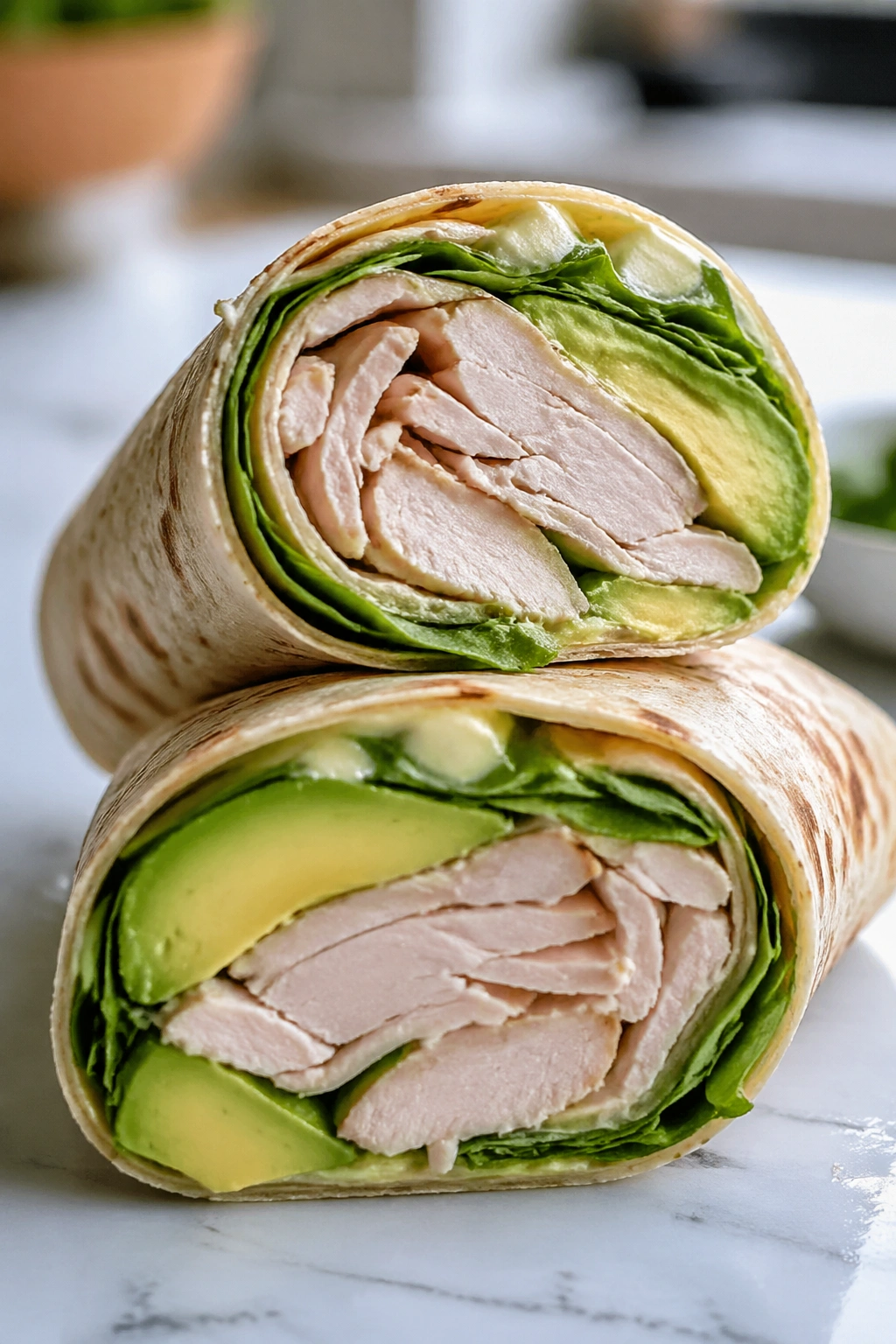
A turkey avocado wrap is the kind of post-workout food that makes sense when you need to move, not lounge. It travels well, holds together in a container, and gives you lean protein without asking for a fork.
Turkey brings the protein, the wrap brings the carbs, and avocado adds fat that makes the meal feel finished. If your workout was especially hard, pair the wrap with fruit or a small drink that adds a few more carbs. Avocado is useful, but it is not a glycogen refill machine. Food has jobs. That one is not its job.
A good wrap uses sliced turkey, a tortilla, a spread of avocado, and maybe a little mustard or hummus. Add lettuce if you want crunch, but don’t overload it with watery vegetables that make the wrap soggy before you eat it. Simple wins here.
This is one of my favorite options for car rides, work lunches, and those days when you train and then have to keep moving. It feels like a real meal, it is easy to pack, and it does not collapse the minute you pick it up.
Final Thoughts
The best post-workout foods are the ones that cover the basics without making a fuss. Protein repairs, carbs refill fuel, fluids help with rehydration, and sodium keeps the whole thing working better than plain water alone. That is the boring truth, and it is also the useful one.
If you want a simple rule, pair a protein source with a carb source and stop chasing perfection. Greek yogurt and berries, eggs and toast, chicken and rice, chocolate milk, tofu and rice — those combinations keep showing up because they solve the problem without making you wait around hungry.
And if your appetite is low, start smaller. A glass of kefir, a banana with peanut butter, or a bowl of cottage cheese can be enough to get recovery moving until you’re ready for a bigger meal. The food you actually eat after training beats the “ideal” meal you skip every time.
