



After a hard lift, a run that left your calves barking, or a conditioning session that soaked your shirt through, the body wants two things fast: amino acids and carbs. That’s the blunt version, anyway. Post workout snacks for muscle repair work best when they give your muscles the raw material they need without making you feel like you need a nap afterward.
A lot of people get stuck on timing and miss the bigger picture. The body does not care about gym folklore nearly as much as it cares about total protein across the day, enough calories, and a steady supply of quality food after training. Still, the snack you choose matters. A bowl of ice cream might calm your mood, but it won’t do much for recovery unless there’s actual protein in the mix. A little protein plus some carbs is the sweet spot for most people.
There’s also the practical side that gets ignored. After training, appetite can swing hard in either direction. Some people are ravenous. Others feel too wired or too tired to chew much of anything. That’s why the smartest recovery snack isn’t the fanciest one. It’s the one you’ll actually eat, digest, and repeat tomorrow without getting bored.
So here’s the real test: does it bring enough protein to support muscle protein synthesis, does it add some carbs to help refill glycogen, and can you get it down without wrestling with your own stomach? Good. That’s the lane these snacks are trying to stay in.
1. Greek Yogurt and Berries
Cold, thick Greek yogurt with a handful of berries is one of those snacks that feels almost annoyingly sensible. It’s the kind of thing you can assemble in 30 seconds, but it still checks the boxes that matter for recovery: protein, carbs, and easy digestion.
Why It Works
A single cup of plain Greek yogurt usually brings 15 to 20 grams of protein, depending on the brand and fat level. That’s enough to matter, especially if you pair it with berries, banana slices, or a drizzle of honey. The berries add quick carbs, a little fiber, and a sharp, fresh bite that keeps the yogurt from tasting flat.
I like this one after lifting because it does not sit heavy. It feels cool and clean in the mouth, which sounds minor until you’ve tried to eat something dense when your stomach is still bouncing from deadlifts.
- 1 cup plain Greek yogurt
- 1/2 cup berries
- 1 teaspoon honey if you want faster carbs
- 1 tablespoon chopped almonds or walnuts if you need more calories
Pro tip: buy plain yogurt and sweeten it yourself. The flavored tubs can turn into dessert fast, and recovery snacks do not need that much sugar to do their job.
2. Chocolate Milk
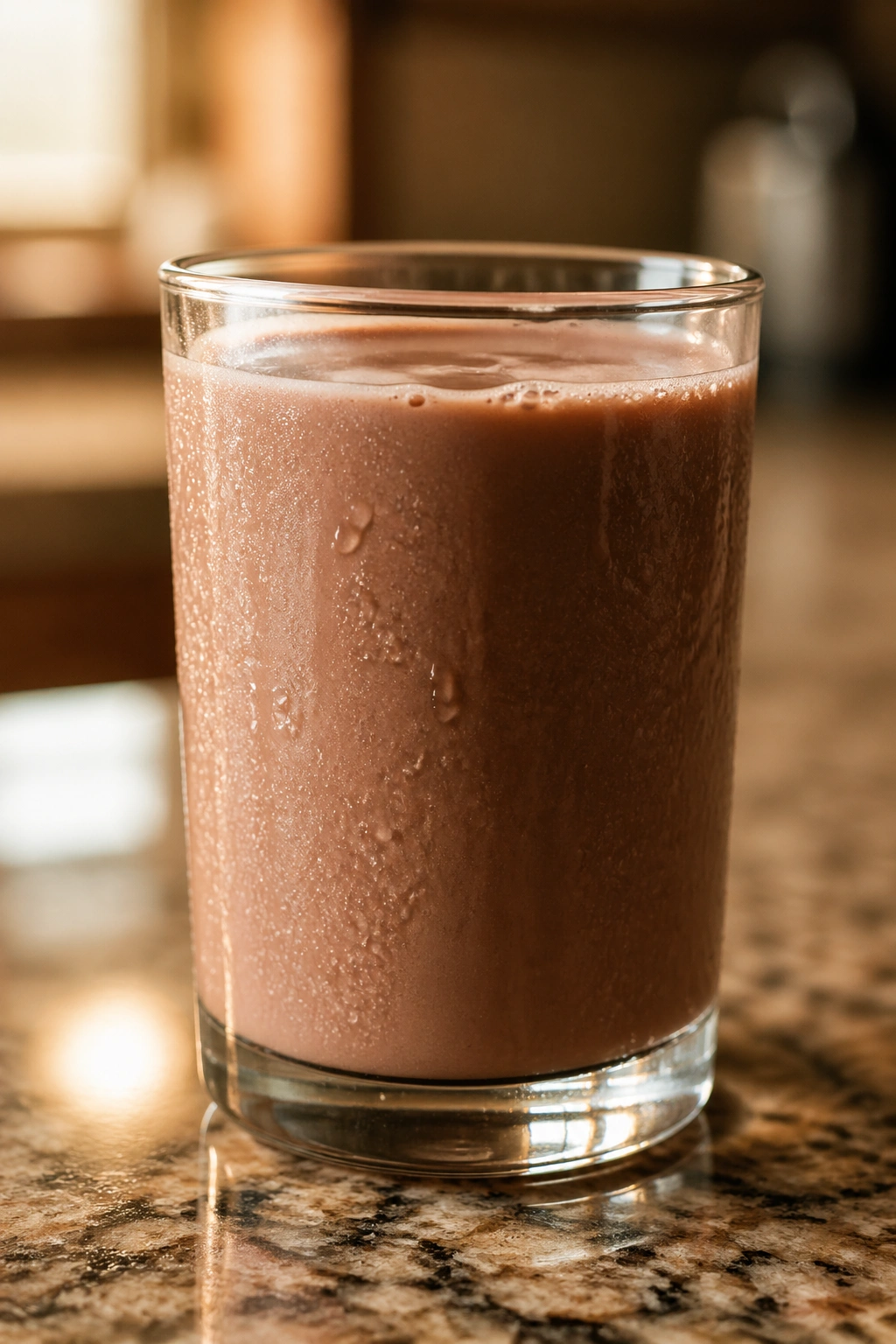
Sometimes the cheapest answer is the right one. Chocolate milk has stuck around in post-exercise talk for a reason: it gives you fluid, carbs, and protein in one bottle with almost no prep.
Most low-fat versions land in the useful range for recovery, especially if you grab a bottle that gives you around 8 to 12 grams of protein and a decent carb hit. That combination helps when you’ve just finished a long session and your appetite is still half asleep. The liquid form also matters. Drinking your recovery snack is easier than chewing it when you’re sweaty, breathless, and not feeling particularly ambitious.
This is a good choice after cardio, a hard leg day, or any workout where you burned through glycogen and want something cold right away. It’s not fancy. That’s the point.
Drink it soon after training, then eat a solid meal later if you need one. If dairy bothers your stomach, skip it. No snack is worth spending the next hour negotiating with your gut.
3. Cottage Cheese and Pineapple
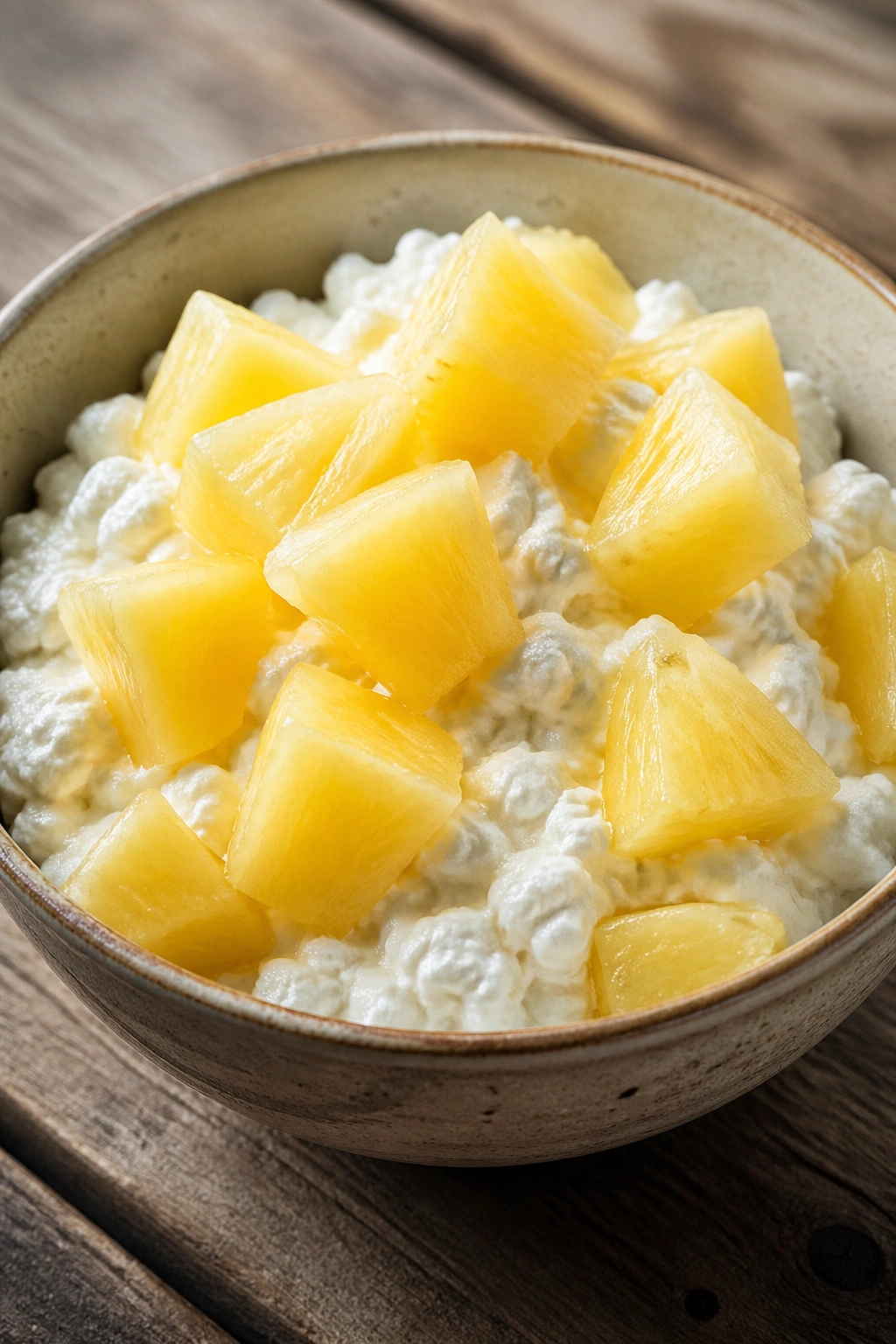
Why does cottage cheese keep showing up in old-school gym kitchens? Because it’s quietly useful.
Cottage cheese is packed with casein protein, the slower-digesting dairy protein that keeps feeding amino acids over a longer stretch. That makes it a smart option if your next meal is a few hours away or if you want something that feels more substantial than yogurt. Pineapple gives the bowl a brighter edge and adds carbs without making the snack feel heavy.
I like this one when training ends late and dinner is not happening anytime soon. The texture is a little lumpy, yes. Some people love that. Some people need to stir it with a fork until it looks less like cottage cheese and more like a creamy bowl with fruit. Both versions work.
How to Use It
Use 1/2 to 1 cup cottage cheese with 1/2 cup pineapple chunks. If you want more flavor, add cinnamon, a tiny pinch of salt, or a spoon of chia seeds. If you hate the texture, blend the cottage cheese until smooth and pour the pineapple on top.
That version tastes much better than it sounds.
4. Turkey Roll-Ups with Avocado
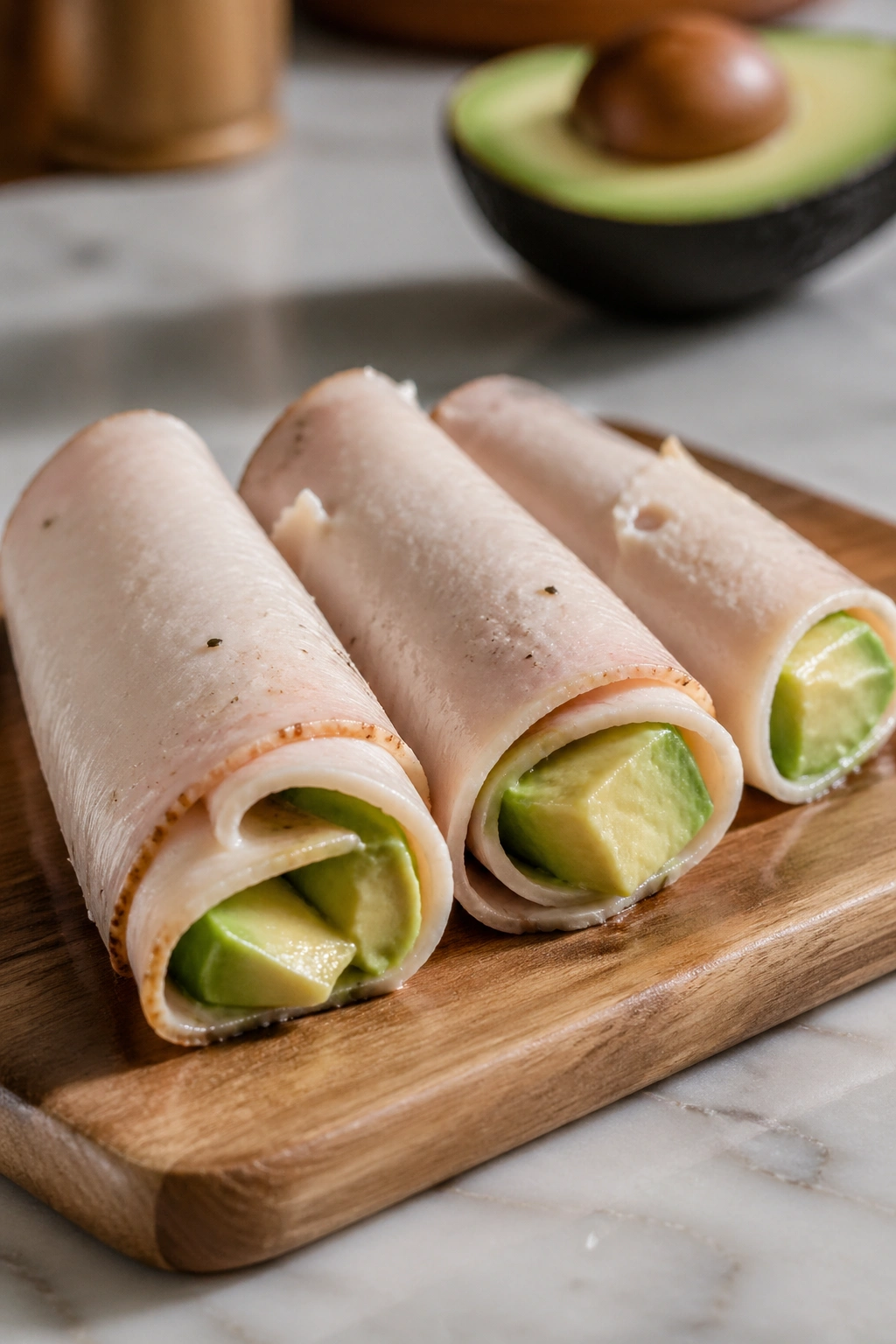
Picture this: you get home from the gym, your hands are still cold from the dumbbell rack, and you want something you can eat standing up while the kettle heats. Two or three turkey roll-ups solve the problem without making a mess.
Lean turkey gives you high-quality protein fast, and avocado adds a little fat so the snack feels more satisfying. The fats do slow digestion a bit, but that is not a flaw here. It just makes the snack feel less brittle and more like real food. Add a few cucumber sticks or a rice cake on the side and you’ve got a solid recovery bite.
- 3 to 4 ounces sliced turkey
- 1/4 to 1/2 avocado, sliced or mashed
- 1 to 2 teaspoons mustard if you want more flavor
- A few cucumber spears or a rice cake for carbs and crunch
Pro tip: choose turkey with a decent sodium level if you sweat a lot. After a hard session, that salt can help replace what you lost. And yes, this one tastes better than it looks.
5. Protein Smoothie
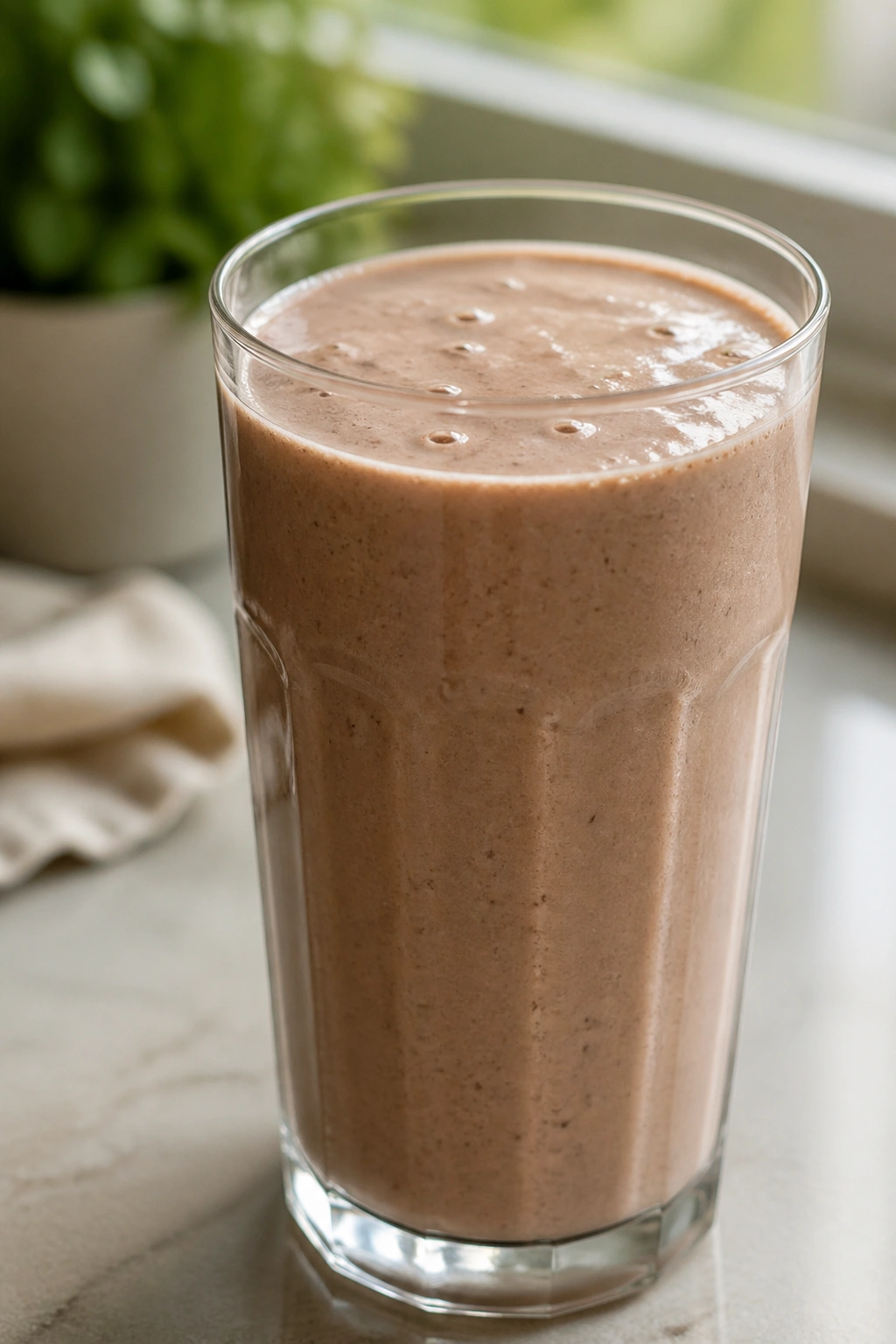
A smoothie is not cheating. Sometimes chewing is the annoying part.
That’s where a protein smoothie earns its spot. If you’ve trained hard and your stomach feels a bit shut down, a drinkable snack lets you get 20 to 30 grams of protein down without sitting there poking at a fork. Whey protein is the easy route, but pea protein or a dairy-free blend can work just as well if the texture is decent and the label isn’t loaded with weird gums.
The best versions have a real carb source in them. Banana, oats, frozen mango, or berries all do the job. A scoop of protein powder alone is fine in a pinch, but the recovery value goes up when you add fruit or oats. That gives your muscles more than just amino acids. It also helps refill the tank.
Cold smoothies are easy to overdo. Too much nut butter, too much chia, too much frozen stuff and suddenly you’ve made a sludge bomb. Keep it simple. Milk or soy milk, one scoop protein, one banana, a handful of ice, maybe a spoon of oats. That’s enough.
A pinch of salt helps too, especially after a sweaty workout.
6. Eggs and Whole-Grain Toast
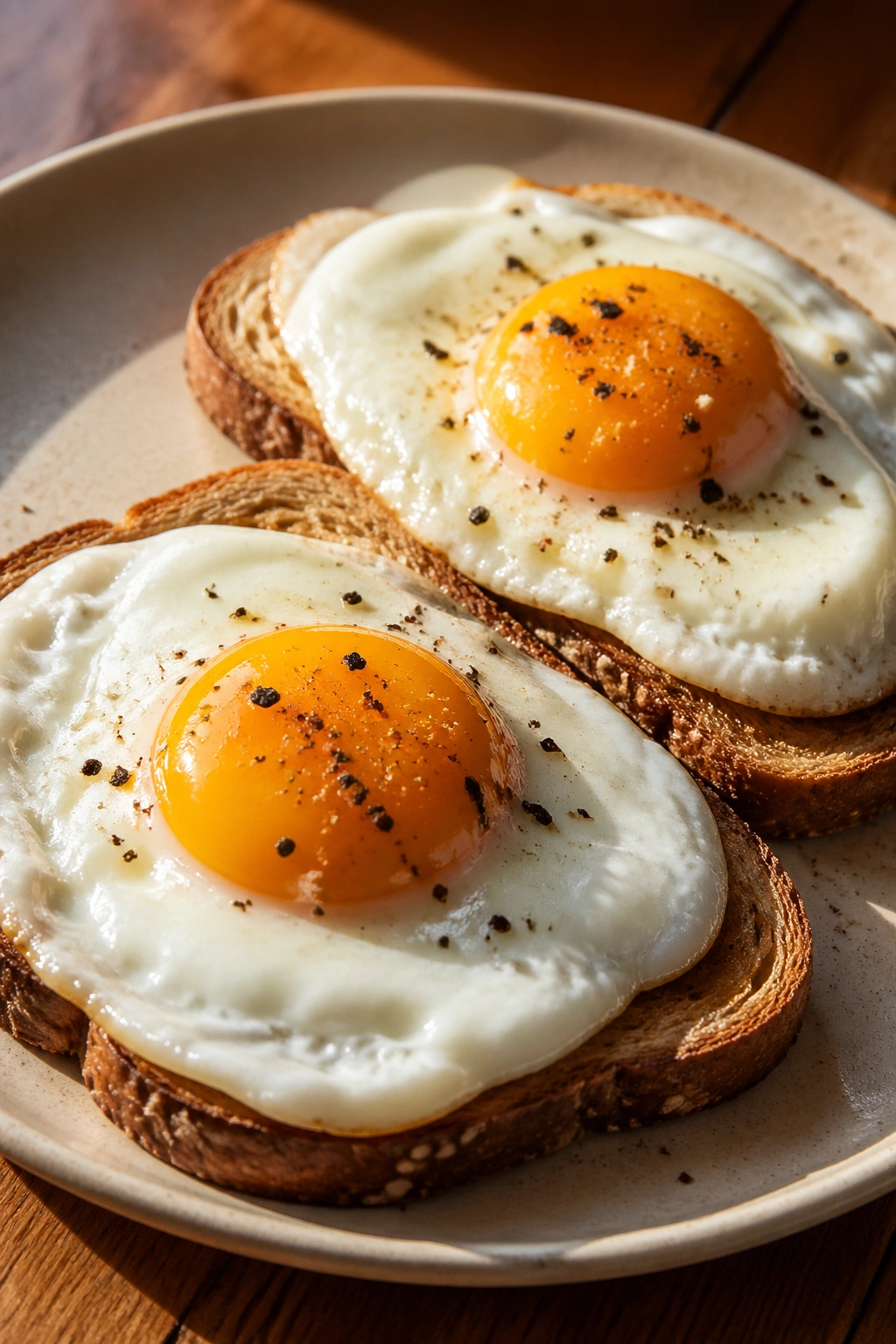
Unlike a lot of packaged snacks, eggs feel like food food. That matters when you’ve trained hard and need something that lands with a little more weight.
Eggs bring a clean protein package, plus nutrients people tend to forget about, like choline and fat-soluble vitamins. Toast adds the carbs that help restore energy after a workout, and whole-grain bread gives the snack a bit more staying power than white bread alone. If you’re trying to hit recovery without eating a full meal, this is one of the easiest ways to do it.
Two whole eggs with two egg whites on toast is a nice middle ground. You get a boost in protein without making the snack heavy enough to feel like brunch. If you want it richer, add a thin smear of avocado or a slice of tomato. If you want it faster, hard-boil the eggs ahead of time and keep them in the fridge.
This one is better than a bar when you have time to sit for five minutes. The texture is warmer, softer, and less processed. Sometimes that’s exactly what the body wants after a rough session.
7. Tuna and Whole-Grain Crackers
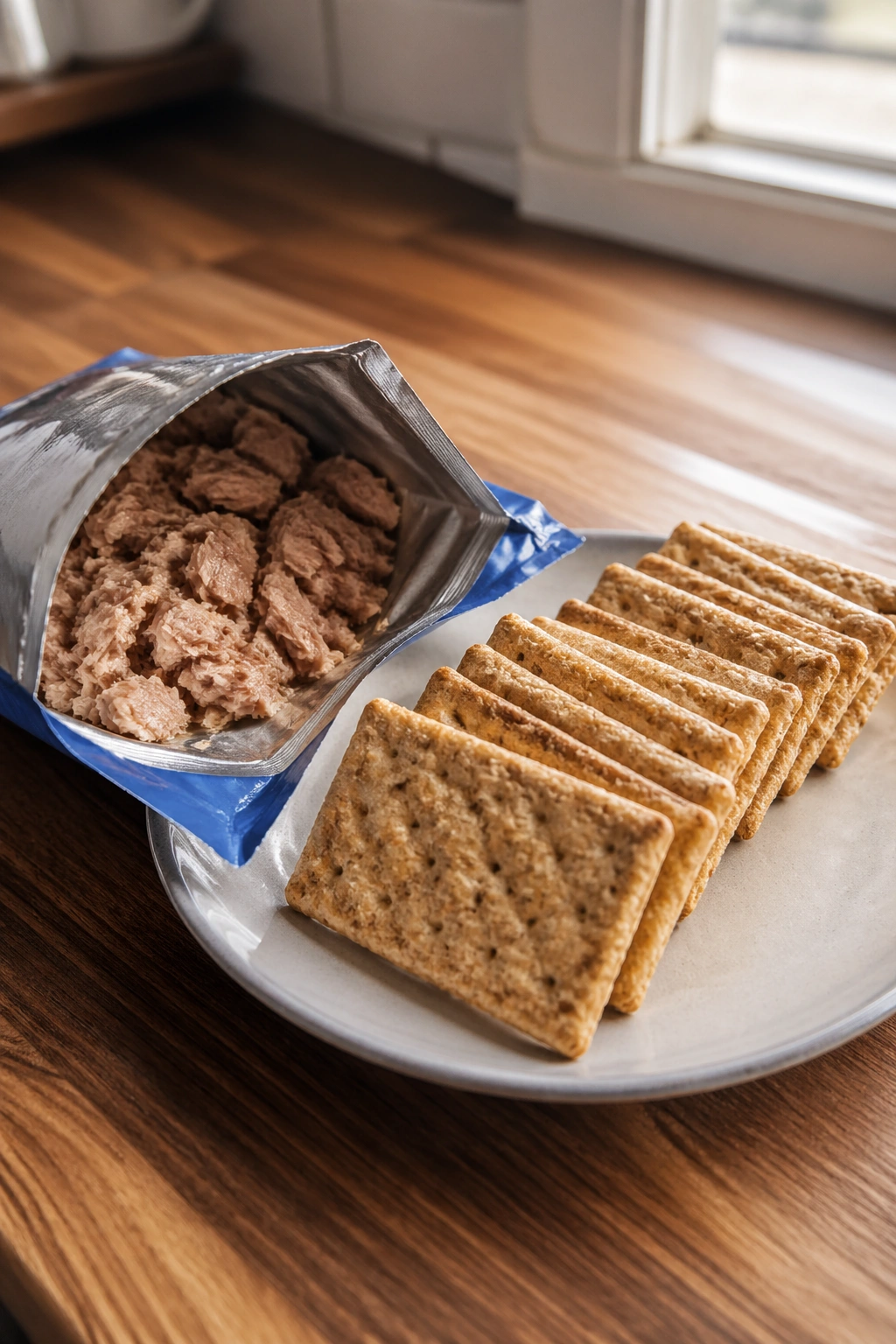
A tuna packet can save the day. Not glamorous. Very useful.
What to Keep Around
Shelf-stable tuna gives you 17 to 20 grams of protein in a small, fast-to-open package. That makes it one of the better options for office bags, gym lockers, car consoles, and any other place where fresh food disappears too quickly. Pair it with whole-grain crackers or rice cakes, and you’ve got enough carbs to support recovery without cooking anything.
- 1 tuna packet or 1 small can, drained
- 6 to 8 whole-grain crackers
- 1 teaspoon mustard or a squeeze of lemon
- Optional celery or pickles for crunch and salt
Tuna is especially good when you want something savory after training. If the smell bothers you, mix it with a little Greek yogurt, mustard, or chopped celery so it tastes more like a salad spread than a fish can. If you’re nervous about calories, tuna in water keeps things lighter. Oil-packed tuna gives you more energy, which can be useful after brutal sessions.
Pro tip: keep a fork in your desk drawer. Sounds obvious. Saves time anyway.
8. Edamame and Fruit
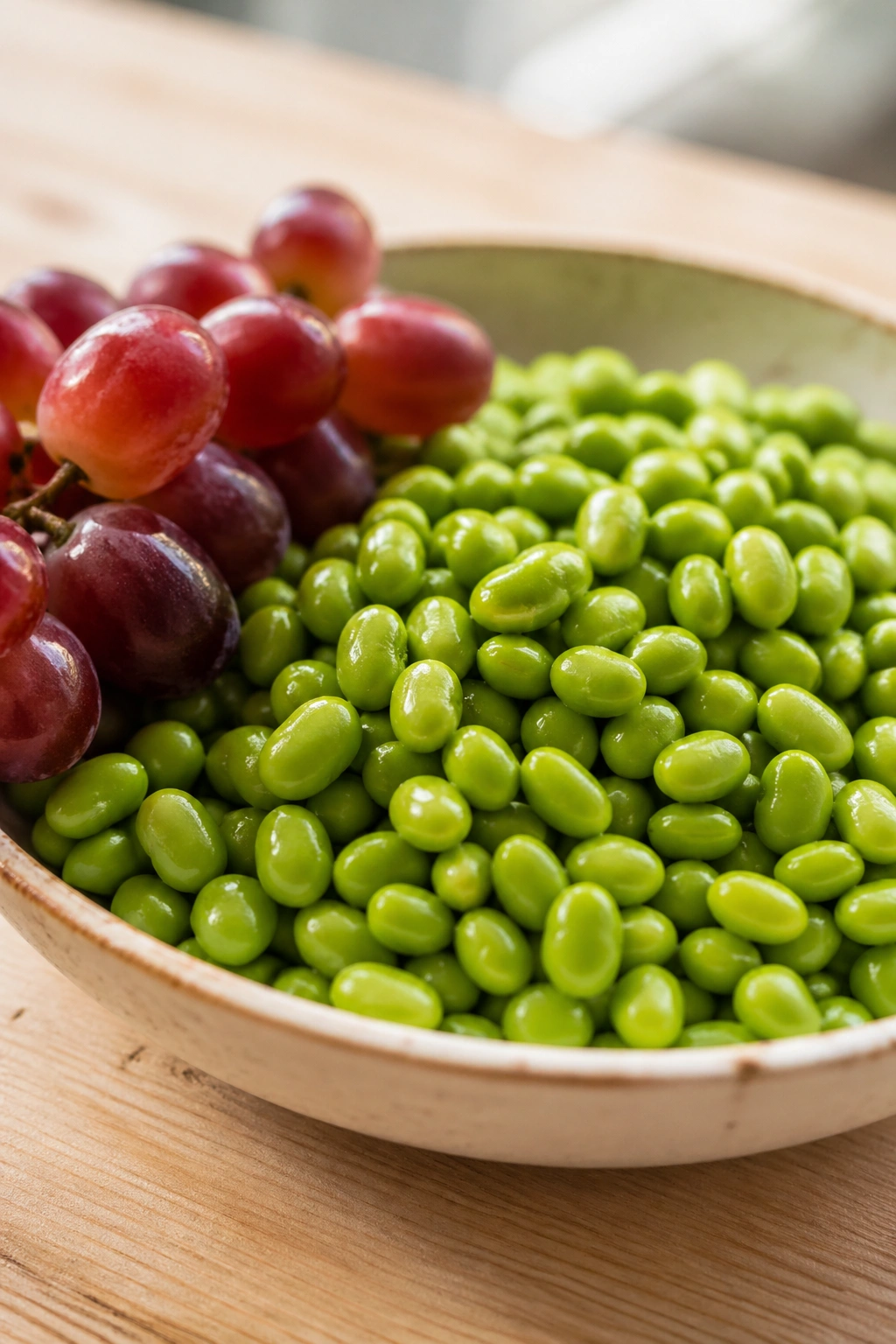
Plant-based snacks can pull their weight after lifting.
Edamame is one of the easiest plant proteins to use because it’s already portioned out in your freezer aisle and it brings a decent amount of protein per cup. A cup of shelled edamame can give you roughly 17 grams of protein, plus carbs and fiber. Pair it with an apple, orange, or grapes, and you’ve got a recovery snack that works without dairy or meat.
The nice thing here is texture. Warm edamame with a little salt feels snacky, not medicinal. It’s one of the few vegetarian options that can still look and taste like a real post-workout choice rather than a compromise. If you’re sensitive after exercise, go easy on the fiber and choose fruit that sits well for you. An orange usually feels lighter than a big bowl of raw veg.
Microwave steam bags make this absurdly easy. Five minutes, maybe less. That makes it a strong choice for people who train at home and want something with more substance than a shake.
9. Kefir and Banana
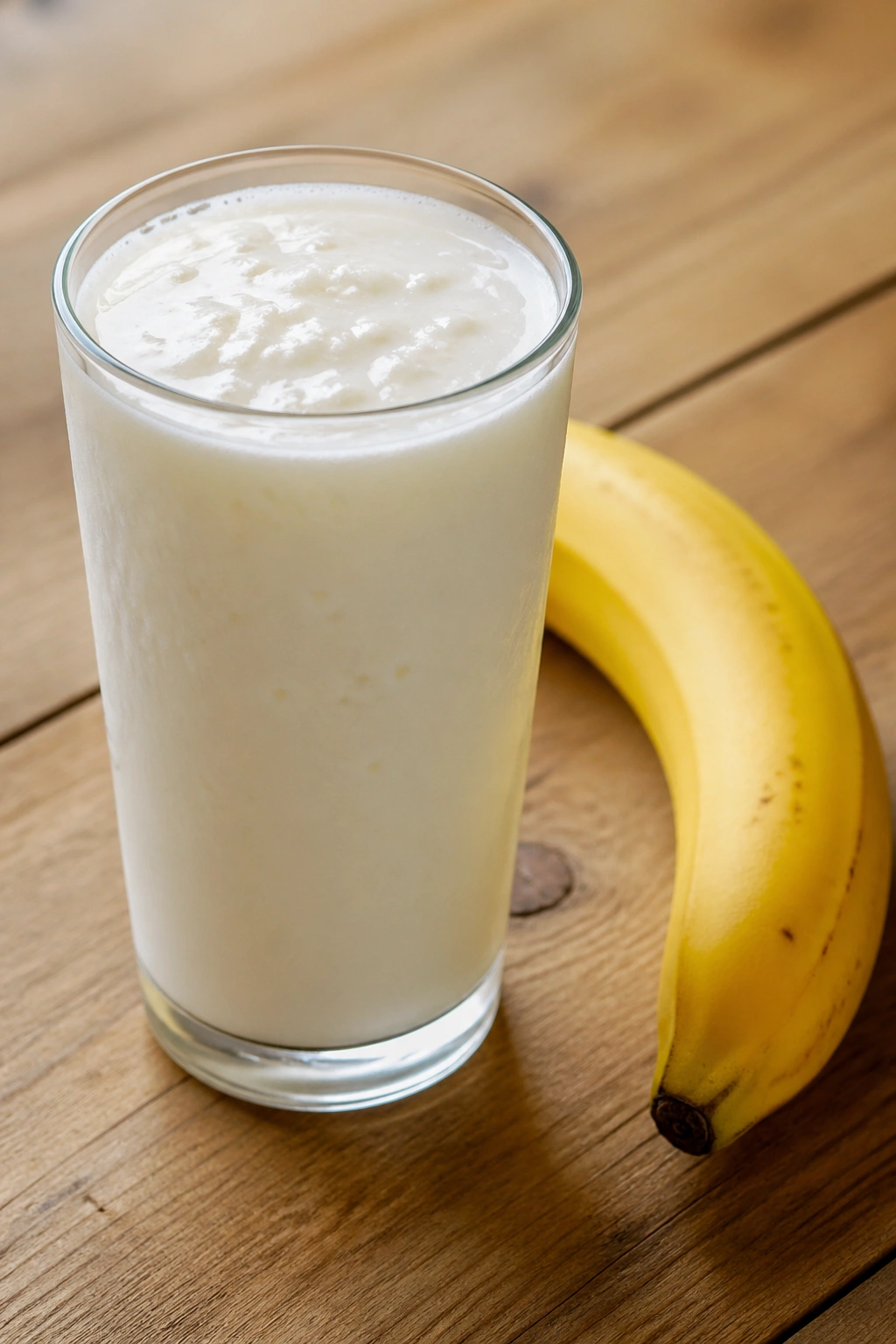
Need something you can drink in a hurry?
Kefir is the answer for a lot of people. It’s thinner than yogurt, tangier than milk, and usually easier to sip when your appetite is low. A bottle of plain kefir can give you protein, calcium, and a bit of carbohydrate, and the banana adds the fast energy piece that kefir alone does not bring in enough quantity.
I like this snack for people who don’t want to chew after a workout. It feels lighter than a smoothie because it doesn’t need to be blended, and that can be a nice middle ground when your stomach is tired but your body still needs food. If plain kefir tastes too sharp, blend it with the banana and a spoon of cinnamon. That softens the tang and makes it much easier to keep down.
This is also a good one for late afternoons when you still need to eat dinner later. It bridges the gap without filling you up too much. Small thing. Very useful.
10. Oatmeal with Whey Protein
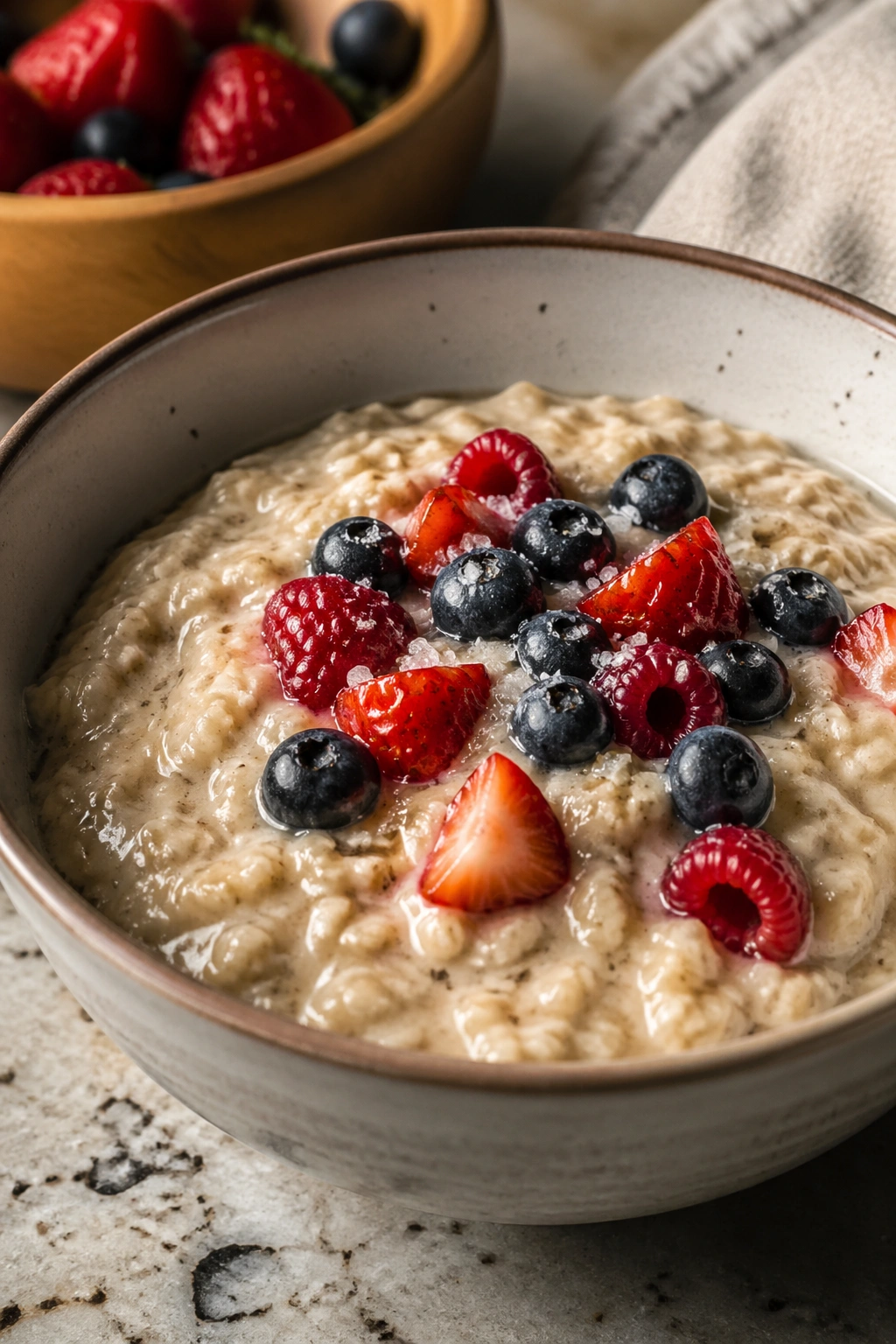
Warm oatmeal after training has a kind of quiet satisfaction to it. Nothing flashy. Just a bowl that does its job.
Oats are a solid carb source for refilling glycogen, which is the fuel you burn through during hard training. Stirring in whey protein turns that bowl into a real recovery snack instead of a breakfast-only habit. You get the slow warmth of oats with the quicker amino acid delivery that helps muscle protein synthesis move along.
Build the Bowl
Start with 1/2 cup dry oats cooked in 1 cup milk or water. Once the oats are thick and soft, pull the pan off the heat and wait about 30 seconds before stirring in 1 scoop whey protein. That short pause matters. Add the powder while the oats are still boiling and it can clump up into a chalky mess.
Top with berries, sliced banana, or a teaspoon of maple syrup if you want more carbs. A pinch of salt sounds odd in sweet oats, but it sharpens the flavor and helps after sweaty sessions.
This snack works best when you want something warmer and more filling than yogurt or a shake. It is not the fastest option. It is one of the more satisfying ones.
11. Hummus, Pita, and Hard-Boiled Eggs
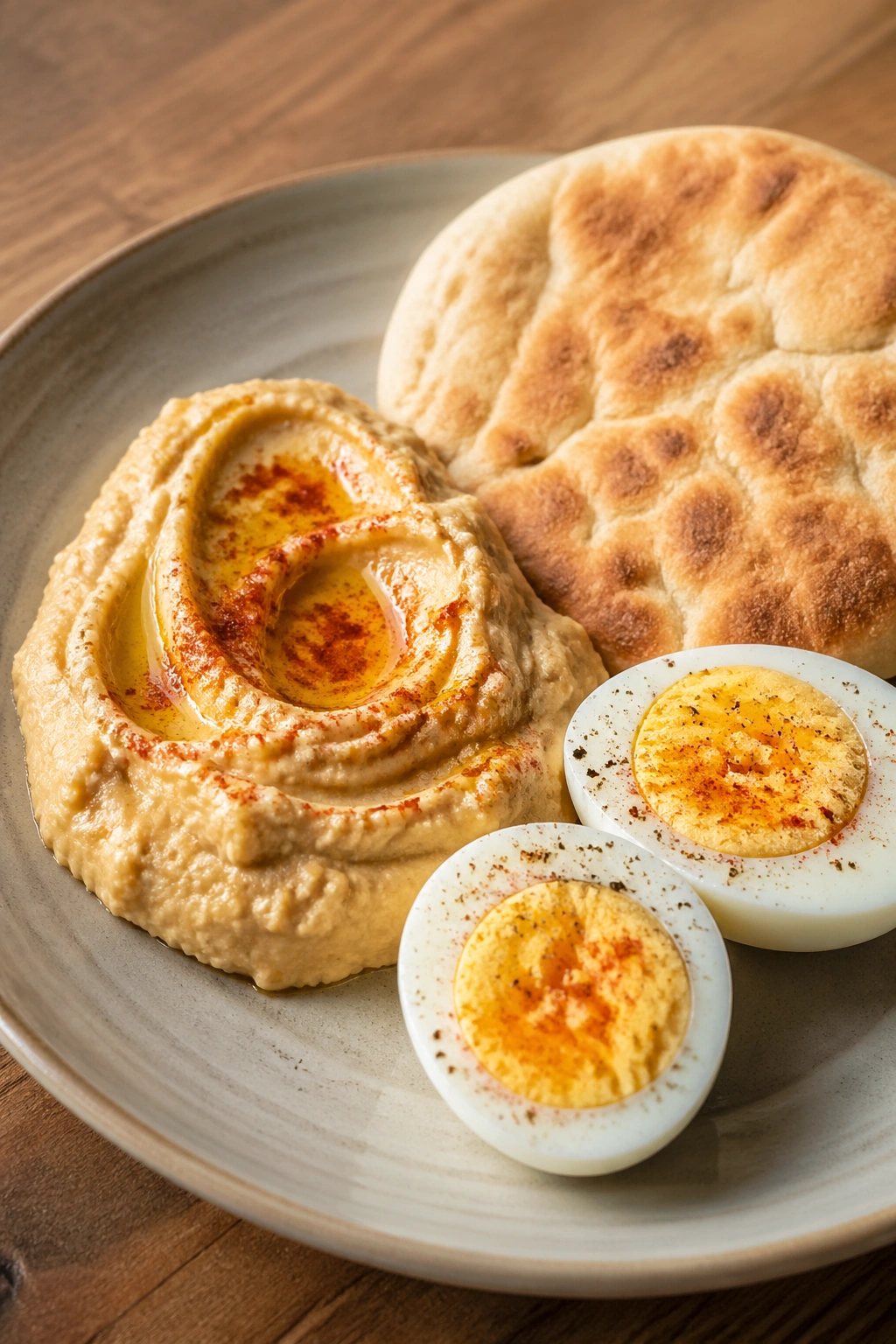
If you are tired of all the sweet recovery talk, this is the escape hatch.
Hummus by itself is tasty, but it is not the whole answer for muscle repair. It brings some protein, yes, along with carbs and fat, yet the amount usually stays too low to stand alone after training. Add hard-boiled eggs, though, and the snack changes shape fast. Suddenly you have a savory plate that gives you better protein density and enough carbs from pita to make it count.
The texture combo is the real win here. Creamy hummus, soft egg whites and yolks, and warm pita or flatbread make the snack feel like food you would choose on purpose, not food you settled for because the fridge was empty. If you’ve got cucumber or roasted peppers nearby, throw them in. They add crunch and keep the snack from feeling dull.
Two eggs, a third of a cup of hummus, and one small pita is enough for a lot of people after moderate training. If the workout was longer or harder, make the pita larger or add a piece of fruit on the side.
12. Beef Jerky and an Apple
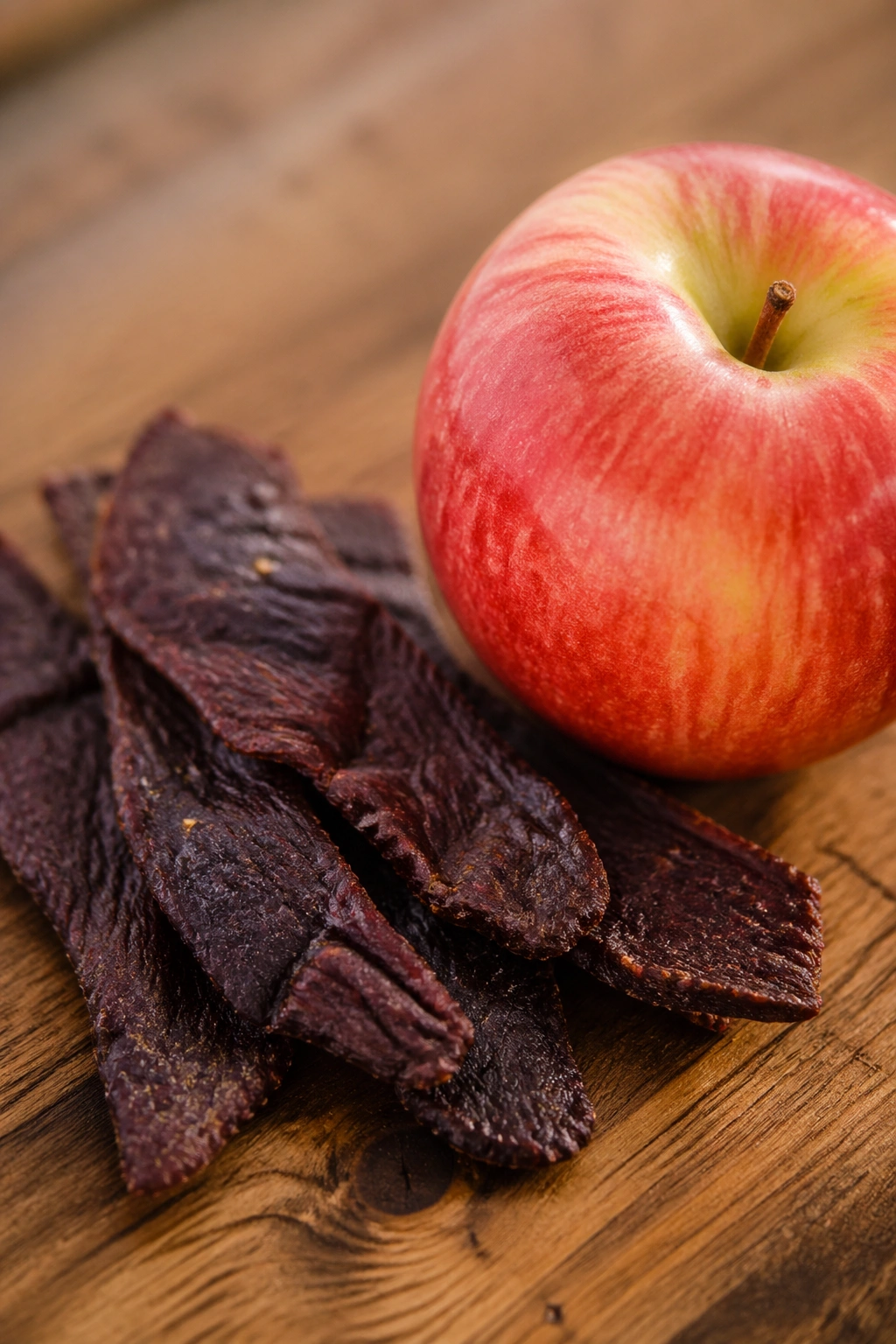
Jerky is one of those snacks people dismiss until they’re hungry in a parking lot after training.
Compared with a protein bar, jerky gives you a more obvious chew and usually a shorter ingredient list. The better versions offer 8 to 12 grams of protein per ounce, though some pack more. Pair it with an apple and you get a simple recovery combo: protein for repair, carbs for energy, and enough bite to feel like a real snack. The apple also helps with dryness, which matters more than people think when you’ve just finished a workout and your mouth feels like paper.
Watch the sugar. A lot of flavored jerky tastes like barbecue candy. Fine if that’s what you like, but not every sweet coating belongs in a recovery snack. If sodium is a concern for you, choose a lower-salt version. If you sweat heavily, saltier jerky can actually be useful.
This one shines in the real world because it travels well. No fridge. No spoon. No drama.
13. Salmon Rice Cakes
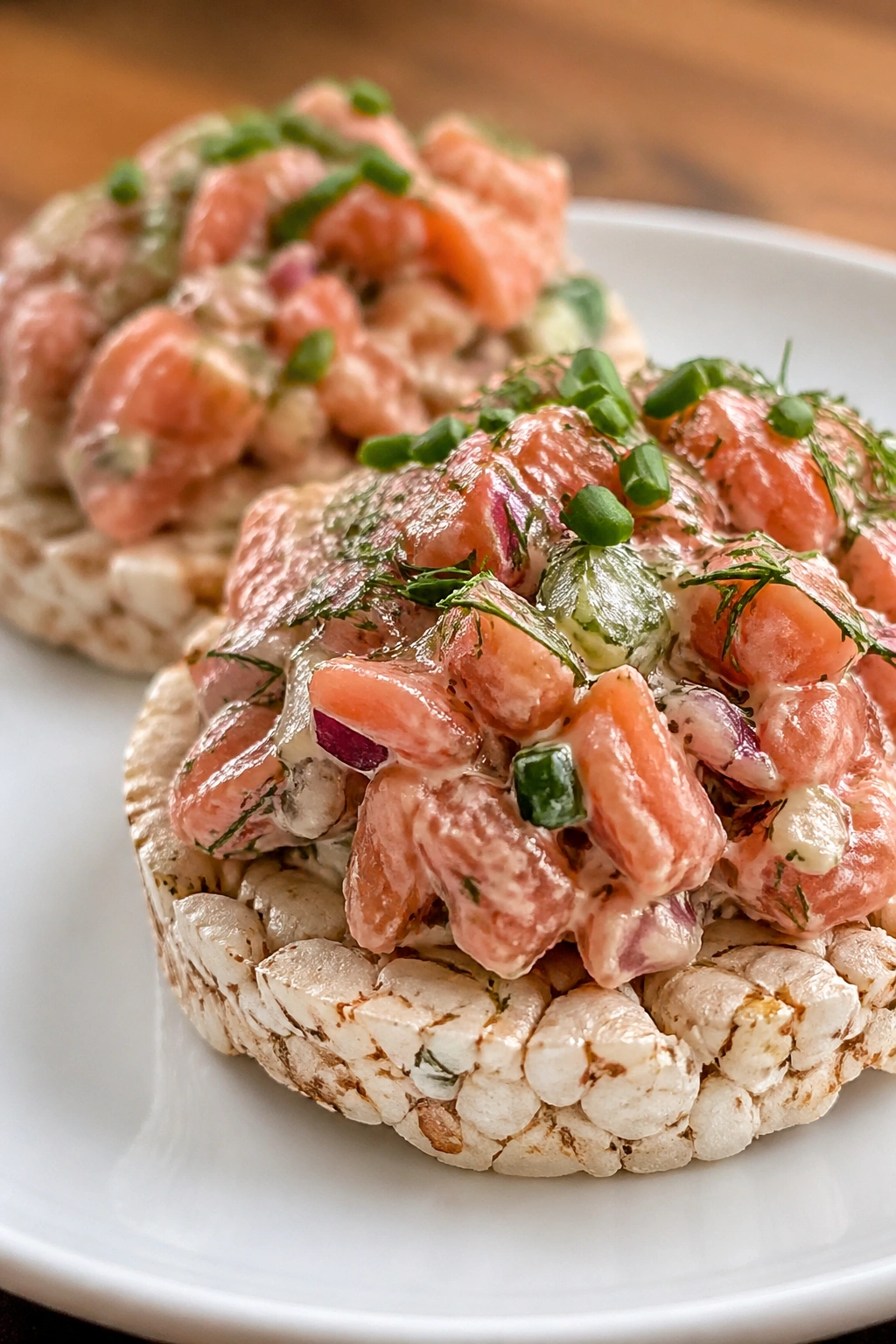
A couple of rice cakes topped with canned salmon sounds plain until you actually eat them.
Salmon is one of the more interesting post-workout proteins because it brings protein plus omega-3 fats, which are worth having in a regular diet even if they are not some magic recovery switch. Canned salmon also tends to be softer and less dry than tuna, which makes it easier to mix with a little Greek yogurt, lemon, dill, or black pepper. Spread that on rice cakes and you’ve got a snack that feels light but still has substance.
How to Build It
Use 3 to 4 ounces canned salmon, drained well. Stir in 1 tablespoon Greek yogurt or a little mashed avocado for texture, then pile it onto 2 to 3 rice cakes. Add lemon juice if you want brightness. Add cucumber slices if you want crunch.
This snack is a strong option when you want savory food that doesn’t sit heavy. It also works well if you’re trying to keep meal prep low-effort, because canned salmon keeps in the pantry and takes almost no work. A little pepper goes a long way here.
14. Protein Bar and an Orange
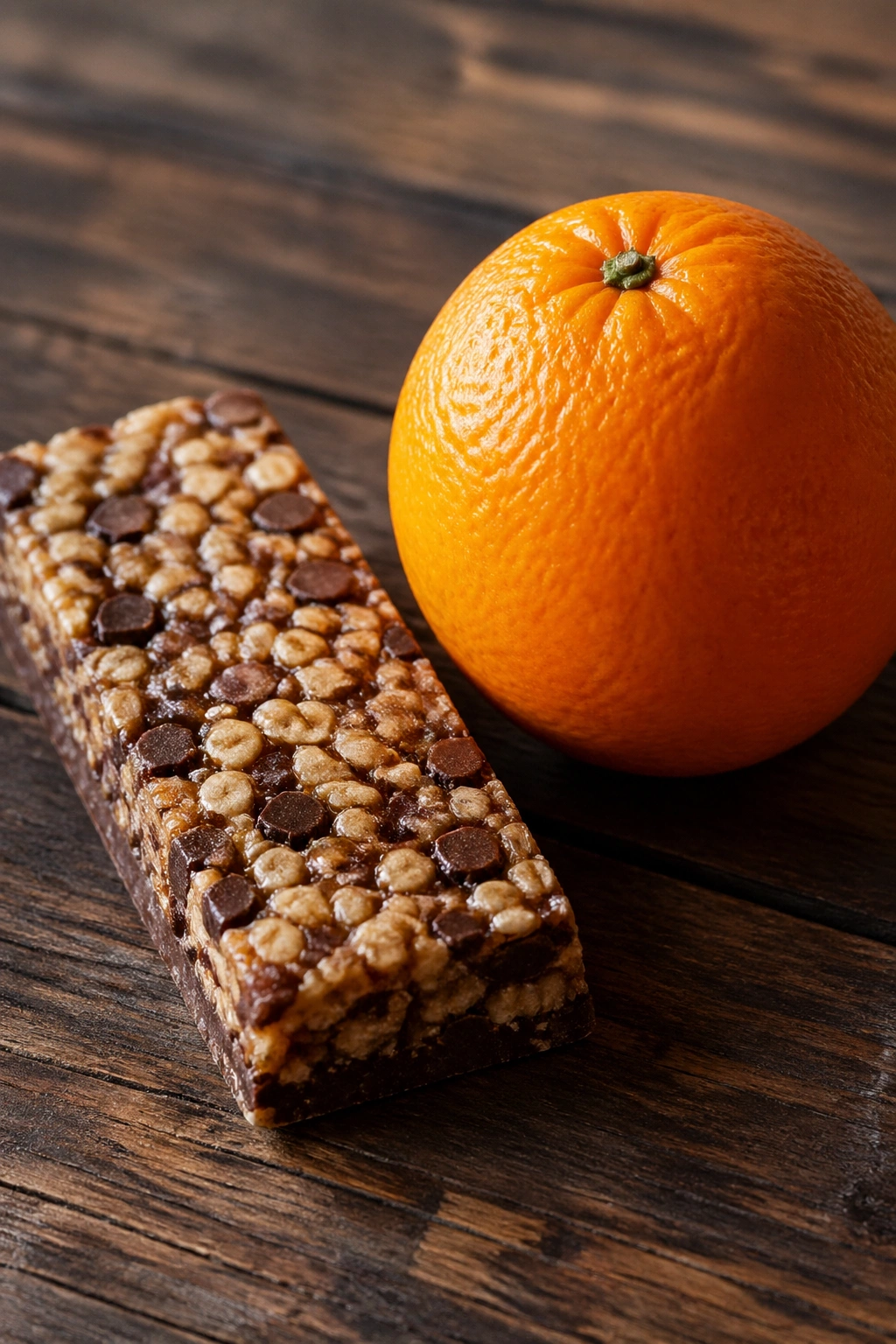
A protein bar is only useful if you read the label.
Some bars are fine. Some are candy bars in a gym wrapper. The ones worth buying usually have 15 to 20 grams of protein, at least a little fiber, and a sugar level that does not send the whole thing into dessert territory. If a bar gives you a protein hit but sits in your stomach like drywall, it is not helping much. Sugar alcohols are the usual culprit there. If those bother you, skip the bar with the long ingredient list and pick a simpler one.
Pair the bar with an orange, clementines, or a handful of grapes. That adds the carbs that many bars skimp on, and the fruit keeps the snack from feeling like a brick. It also helps when you need something portable after training but do not have a fridge nearby.
- Check for 15 g+ protein
- Watch for huge sugar alcohol loads
- Pick a bar with some carbs, not just protein
- Add fruit if the bar looks too small to count
Pro tip: if you have time for real food, choose real food. Bars are backup gear, not the main event.
15. Skyr with Honey and Walnuts
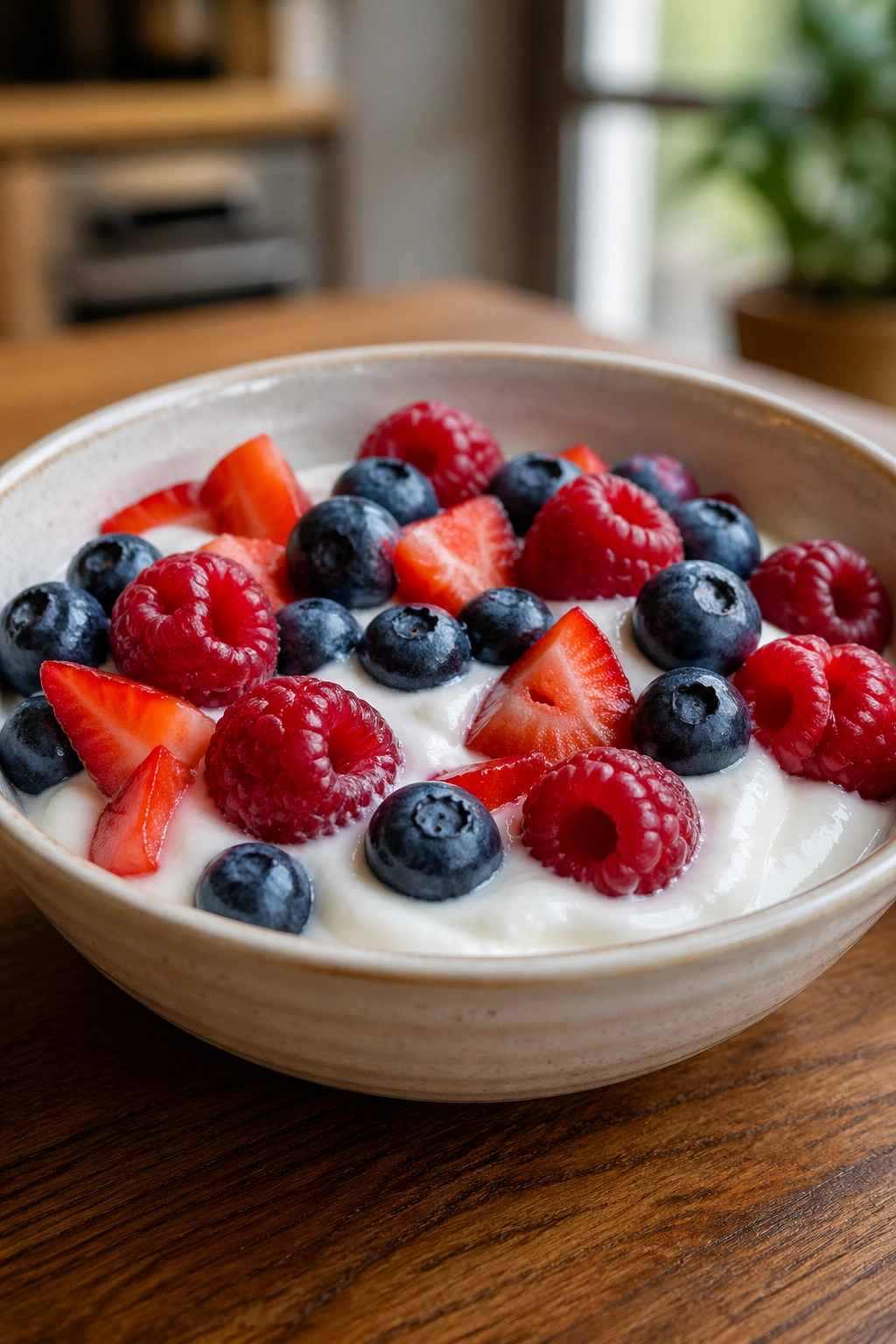
Skyr is the one I keep coming back to when I want a cold, spoonable snack that still has serious protein behind it. It is thicker than regular yogurt, usually a little tangier, and often higher in protein per serving than people expect. A single cup can land in the 16 to 20 gram range, which makes it easy to build a recovery snack around without much fuss.
Honey brings quick carbs. Walnuts add crunch and a little fat, which helps the bowl feel less bare. That combination works well after a hard session when you want something calm, cold, and not too sweet. If you like more texture, add sliced banana or a spoon of granola. If you want it cleaner, keep it to skyr, honey, and a small pinch of salt.
There’s a reason simple snacks keep winning in real kitchens. They are fast enough to repeat, and repeatability is what makes them useful. A recovery snack that only works when you have the patience of a food stylist is not much of a recovery snack.
After training, the goal is not to impress anyone. It is to feed the work you already did.
The strongest post workout snacks for muscle repair are the ones that keep showing up in your routine because they solve a problem without creating another one. Enough protein. Some carbs. Not too much drama. That’s the formula worth keeping close.
