



Post-workout meal prep recipes only matter if you’ll actually eat them when you’re tired, sweaty, and half-interested in anything except chopping onions. That’s the real test. Not whether a bowl looks great on a cutting board, but whether it gives you enough protein, enough carbs, and enough flavor to make recovery feel automatic.
A solid recovery meal does a few boring jobs well. It lands somewhere around 25 to 40 grams of protein per serving, gives you a real carb source to refill energy stores, and doesn’t drown everything in heavy sauce so it turns into a brick by day three. Sports nutrition guidance has circled around that protein range for a long time, and it makes sense in practice: enough amino acids, enough fuel, no drama.
Muscle gain still depends on total daily intake, training hard, and sleeping like it matters. But having a fridge full of meals that already do the math saves you from making random choices when you’re hungry enough to eat a fistful of crackers and call it dinner. That’s where meal prep earns its keep.
The recipes below are built for that kind of real life. Some reheat beautifully. Some are meant to be eaten cold. A few are cheap enough to repeat all week without getting annoying, which is half the battle anyway.
1. Lemon-Garlic Chicken Rice Boxes
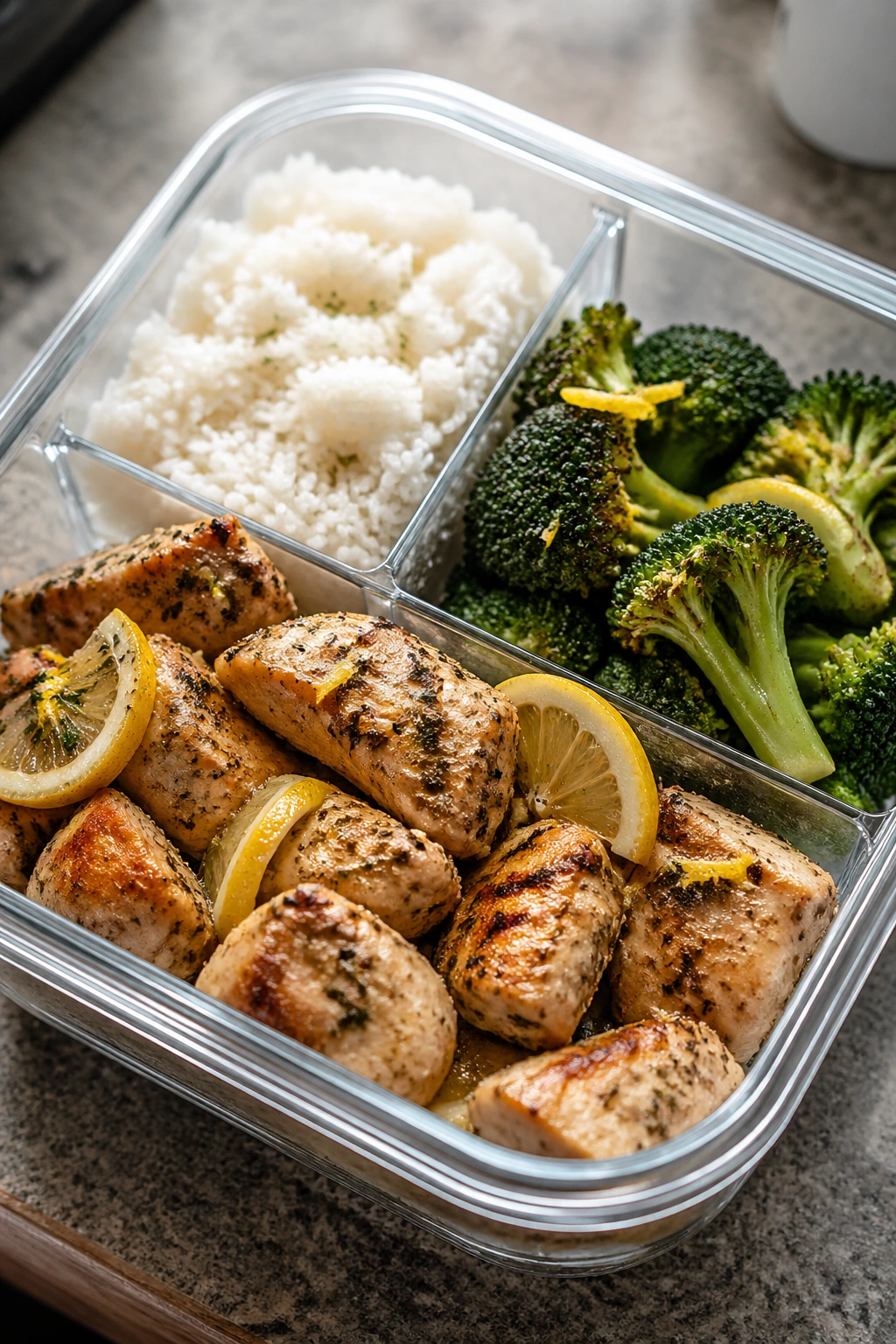
Chicken and rice is the old reliable for a reason. It’s simple, it reheats well, and it gives you the one-two punch that matters after lifting: lean protein plus easy carbs. Add broccoli, and you’ve got a lunch box that doesn’t feel like punishment.
Why this one works after training
Use 1 pound of boneless chicken breast, 2 cups cooked jasmine rice, and 3 cups broccoli florets. Toss the chicken with 2 tablespoons olive oil, 2 minced garlic cloves, the zest and juice of 1 lemon, 1 teaspoon salt, black pepper, and a pinch of paprika if you like a little color. The broccoli can roast on the same tray, which keeps cleanup civilized.
What makes this one hold up is the sauce, or rather the lack of a sloppy one. A quick spoonful of Greek yogurt mixed with lemon juice, salt, and chopped dill makes it creamy without turning the rice wet. That matters more than people think. Wet rice gets gluey in the fridge.
Best move: cook the chicken to just done, not beyond. Pull it when the thickest piece hits 160°F, then rest it for 5 minutes. It will finish climbing a bit, and the slices stay juicy.
Protein per serving: about 35 grams if you divide the batch into four boxes.
2. Teriyaki Salmon and Sweet Potato Trays
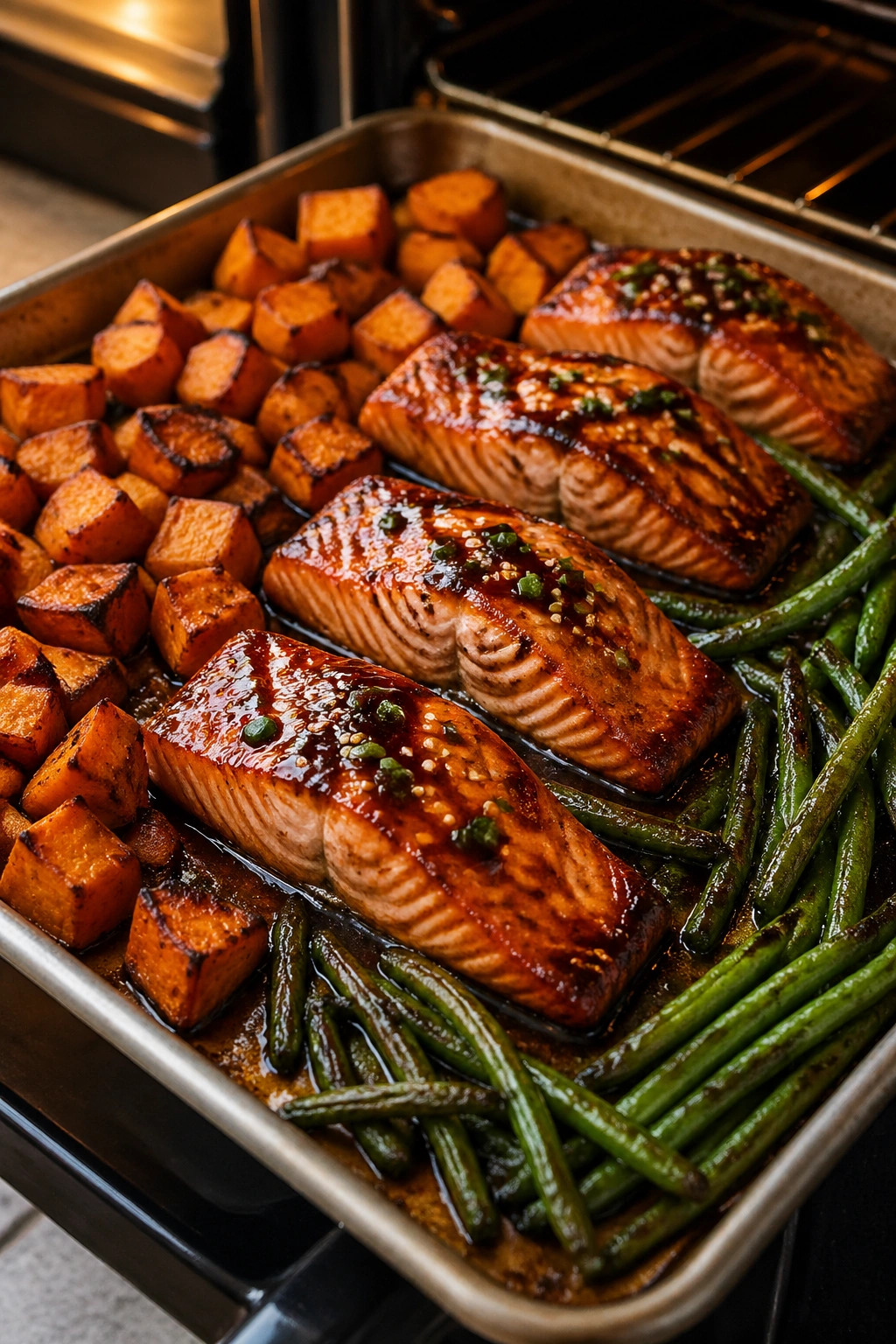
Warm salmon, roasted sweet potato, and a little sticky teriyaki glaze make a meal that feels a touch nicer than plain gym food. The sweet potato gives you steady carbs, and the salmon brings both protein and fat, which helps if your workout was long or especially brutal.
A good tray starts with 4 salmon fillets, 2 large sweet potatoes cut into cubes, and 2 cups broccoli or green beans. Coat the potatoes with 1 tablespoon olive oil, salt, and pepper, then roast them at 425°F until the edges look browned and the centers are soft. That usually takes about 25 minutes. Add the salmon for the last 10 to 12 minutes so it stays tender instead of chalky.
The glaze can be dead simple: 3 tablespoons soy sauce, 1 tablespoon honey, 1 tablespoon rice vinegar, and 1 teaspoon grated ginger. Brush it on near the end so it gets glossy instead of burnt. Salmon is fussy that way.
Cold salmon is fine. Really. If you let it cool uncovered for a few minutes before boxing, it won’t steam itself into sadness. Keep the trays in the fridge for up to 3 days, and reheat gently at 300°F or in short microwave bursts so the fish stays moist.
3. Turkey Taco Quinoa Bowls
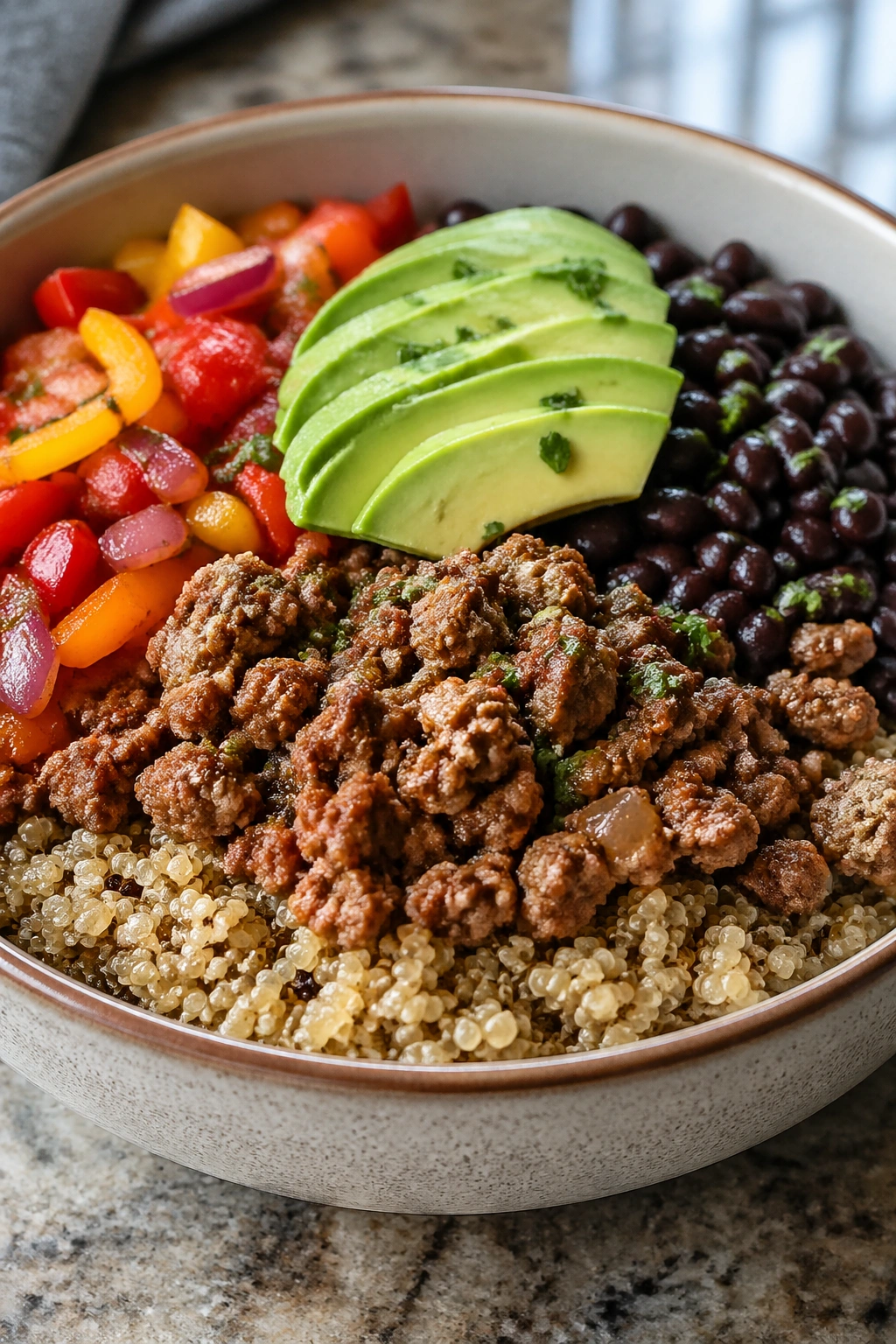
If you want something that still tastes good on day three, this is the bowl I’d reach for first. Ground turkey has a clean flavor, quinoa brings a little more bite than rice, and the taco seasoning keeps the whole thing from feeling monotonous. You can eat it after a heavy upper-body session or on a day when your legs are too tired to argue.
What goes in the bowl
- 1 pound lean ground turkey
- 1 cup dry quinoa, rinsed
- 1 can black beans, drained and rinsed
- 1 bell pepper, diced
- 1 small onion, diced
- 2 tablespoons taco seasoning
- 1 cup salsa
- 1 cup shredded lettuce or cabbage for serving
- 1 avocado, sliced at the last minute
Brown the turkey with onion and pepper, then stir in the seasoning and salsa. Let it simmer until the sauce clings to the meat instead of sitting in a puddle. Quinoa cooks fast, which is part of why I like it here. It gives you carbs and a little extra protein without getting heavy.
Pack the quinoa on the bottom, turkey in the middle, beans on one side, and lettuce or avocado on top if you plan to eat it cold. If you’re reheating, keep the fresh stuff separate. Soggy avocado is a tragedy, and not the dramatic kind.
Tip: add a squeeze of lime right before eating. It wakes everything up.
4. Cottage Cheese Turkey Pasta Bake
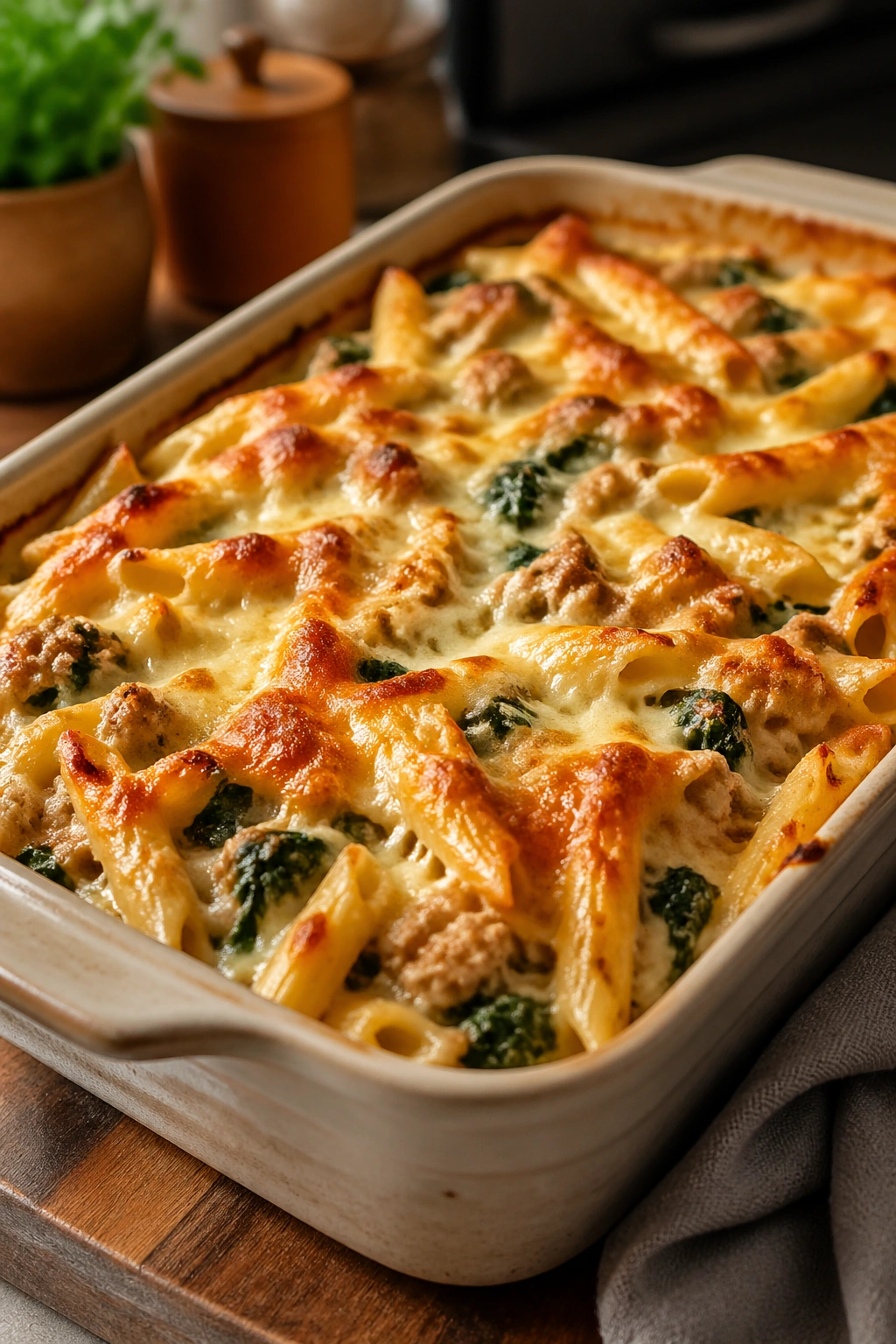
Pasta bake is one of those meals people underestimate until they’re three bites in and realize it’s doing a lot. This version uses cottage cheese to thicken the sauce and add protein without the heaviness of a cream-based bake. It’s practical, filling, and good reheated straight from the fridge, which is the whole point.
A pasta bake that still tastes good on day three
Start with 12 ounces of short pasta, 1 pound lean ground turkey, 1 jar marinara, 1 cup cottage cheese, 2 cups baby spinach, and 1 cup shredded mozzarella. Cook the pasta until it’s just shy of done. Drain it well. That part matters, because watery pasta turns baked pasta into soup with cheese on top.
Brown the turkey with garlic and a little salt, then stir in marinara and spinach until the leaves wilt. Blend the cottage cheese if you want a smoother sauce, or leave it chunky if you like texture. Stir it all together with the pasta, pile it into a baking dish, and top with mozzarella.
Bake at 375°F for about 20 minutes, until the cheese bubbles and the edges start to brown. Let it sit for 10 minutes before cutting into squares. If you skip that rest, the slices collapse into a mess.
- Boil the pasta to very firm al dente.
- Mix the turkey sauce and cottage cheese together.
- Bake until the top is browned and the center is hot.
Protein per serving: roughly 30 to 35 grams, depending on the pasta and cheese you use.
5. Beef, Black Bean, and Pepper Burrito Bowls
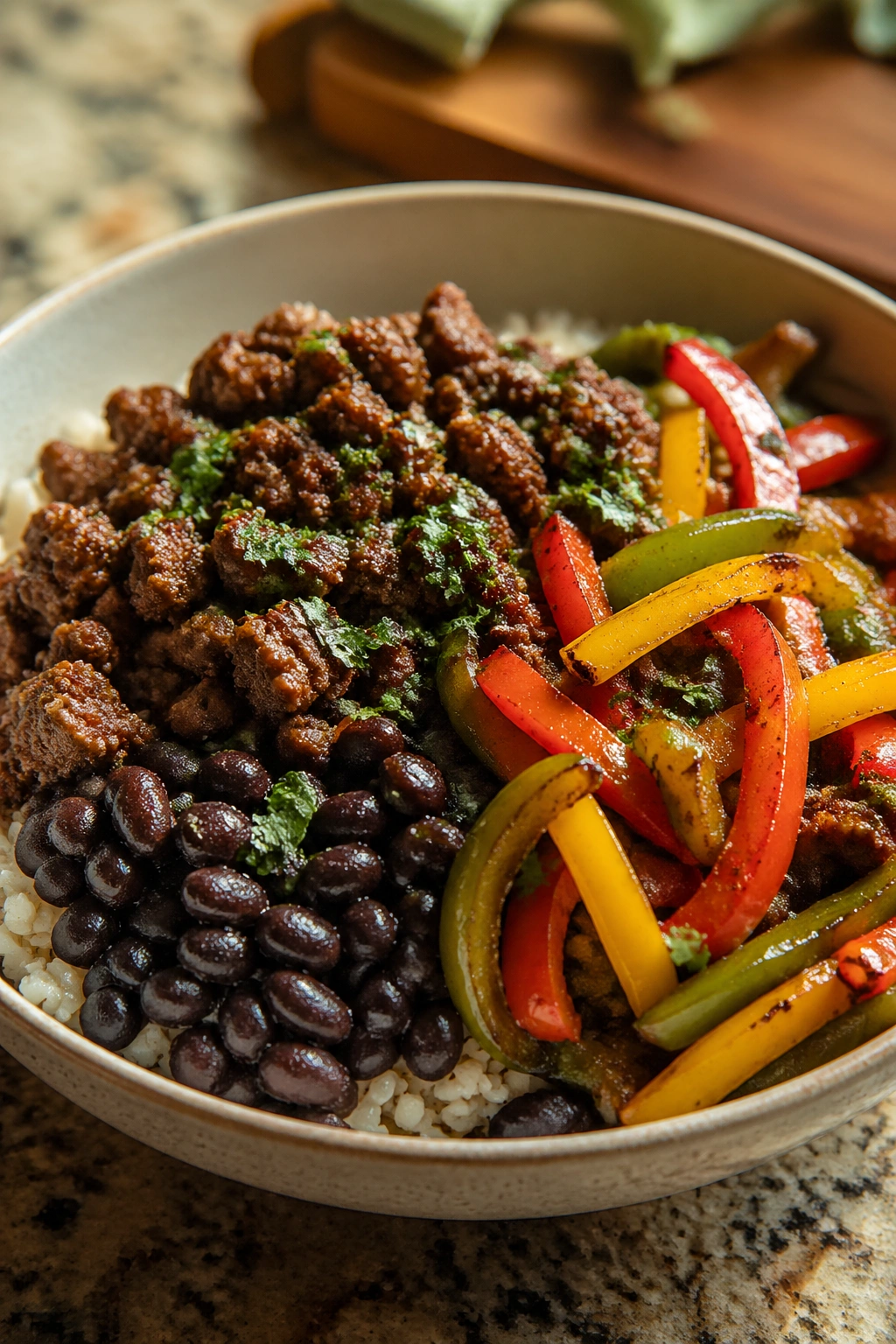
You do not need chicken every day. Lean beef brings a deeper flavor, a little more iron, and a texture that feels hearty after a tough session. Black beans bulk out the bowl with carbs and fiber, and bell peppers keep the whole thing bright instead of heavy.
A batch starts with 1 pound of lean ground beef, 1 can black beans, 2 bell peppers, 1 cup dry rice, and a spice blend of cumin, chili powder, garlic powder, salt, and pepper. Cook the rice first, because everything else moves fast once the pan is hot. Brown the beef, then add the peppers and seasoning so the peppers soften but don’t disappear.
The nice thing about this bowl is how easy it is to build around. You can add corn, shredded lettuce, pico de gallo, or a spoon of Greek yogurt instead of sour cream. I like a small handful of crushed tortilla chips on top when I’m eating it fresh, but I leave them out of the prep containers. Chips go stale fast. That’s not a mystery.
Batch notes
- Keeps well for 4 days in the fridge
- Freezes cleanly if you skip fresh toppings
- Reheats best with a splash of water over the rice
- Works well after lower-body training because it’s more filling than a light bowl
If you want a post-workout meal prep recipe that feels like dinner instead of diet food, this is a strong pick.
6. Tofu Edamame Soba Jars
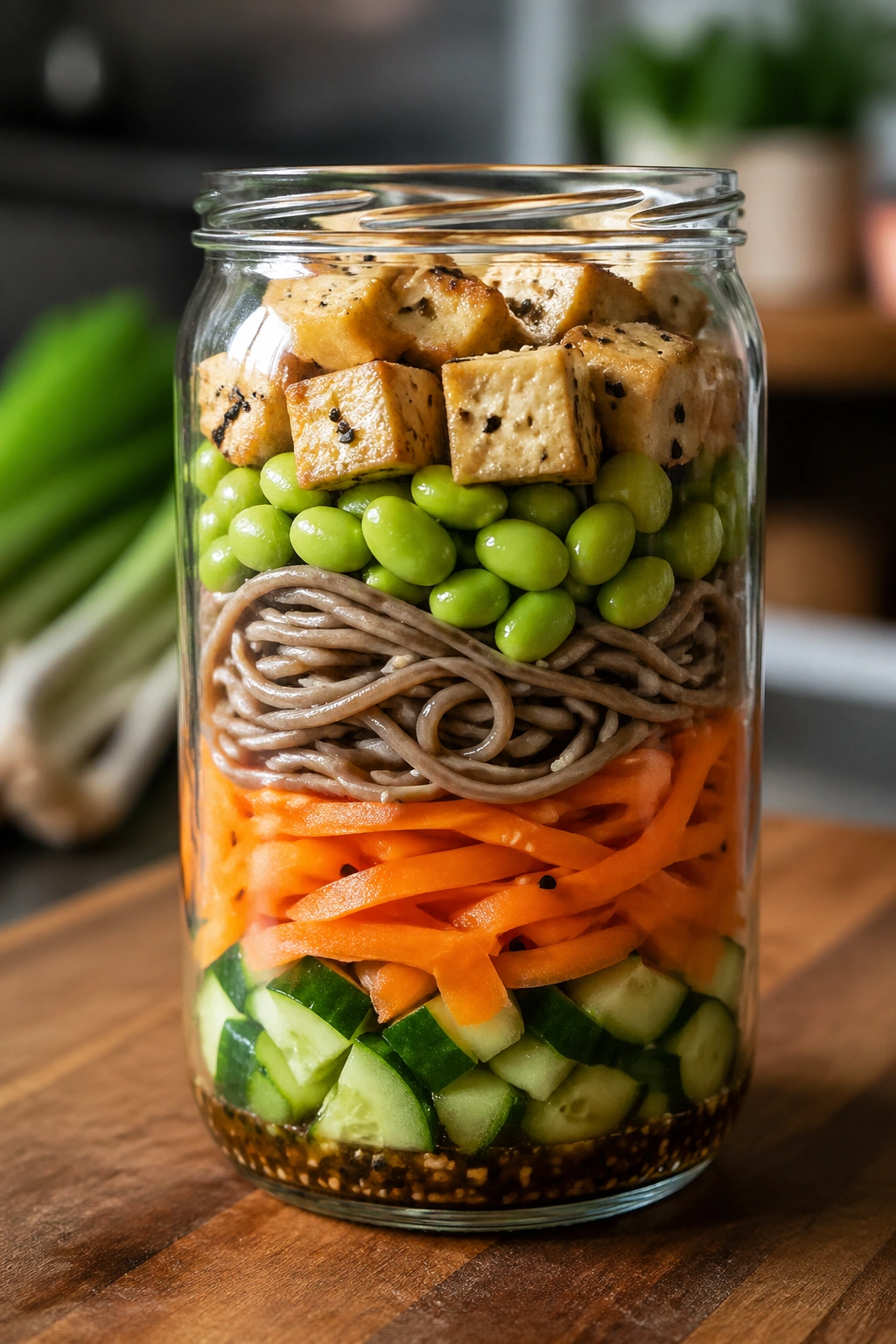
Want a plant-based post-workout meal that doesn’t taste like an apology? This one actually delivers. Tofu, edamame, and soba noodles give you a sturdy protein-and-carb base, while a ginger-sesame dressing keeps the jar bright enough that you’ll still want it on day four.
What makes it work
Use 14 ounces extra-firm tofu, pressed and cubed, 8 ounces soba noodles, 1 cup shelled edamame, 1 shredded carrot, and 2 cups sliced cucumber or cabbage. The dressing is easy: 2 tablespoons sesame oil, 2 tablespoons soy sauce, 1 tablespoon rice vinegar, 1 teaspoon grated ginger, 1 teaspoon maple syrup, and a little chili flakes if you want heat.
Bake or pan-sear the tofu until the edges are crisp and the surface feels dry, not spongy. That’s the texture that survives meal prep. Soft tofu won’t carry a jar. It just won’t.
How to keep the noodles from clumping
Layer the dressing first if you’re using jars, then the tofu and edamame, then the noodles, then the crunchy vegetables on top. If you’d rather box everything in a container, toss the soba with a teaspoon of sesame oil before packing. It keeps them from welding themselves into one sticky slab.
Cold soba is refreshing after training, especially when you don’t feel like reheating anything. Keep the jars in the fridge for up to 4 days, and give them a good shake before eating.
7. Egg White and Potato Breakfast Burritos
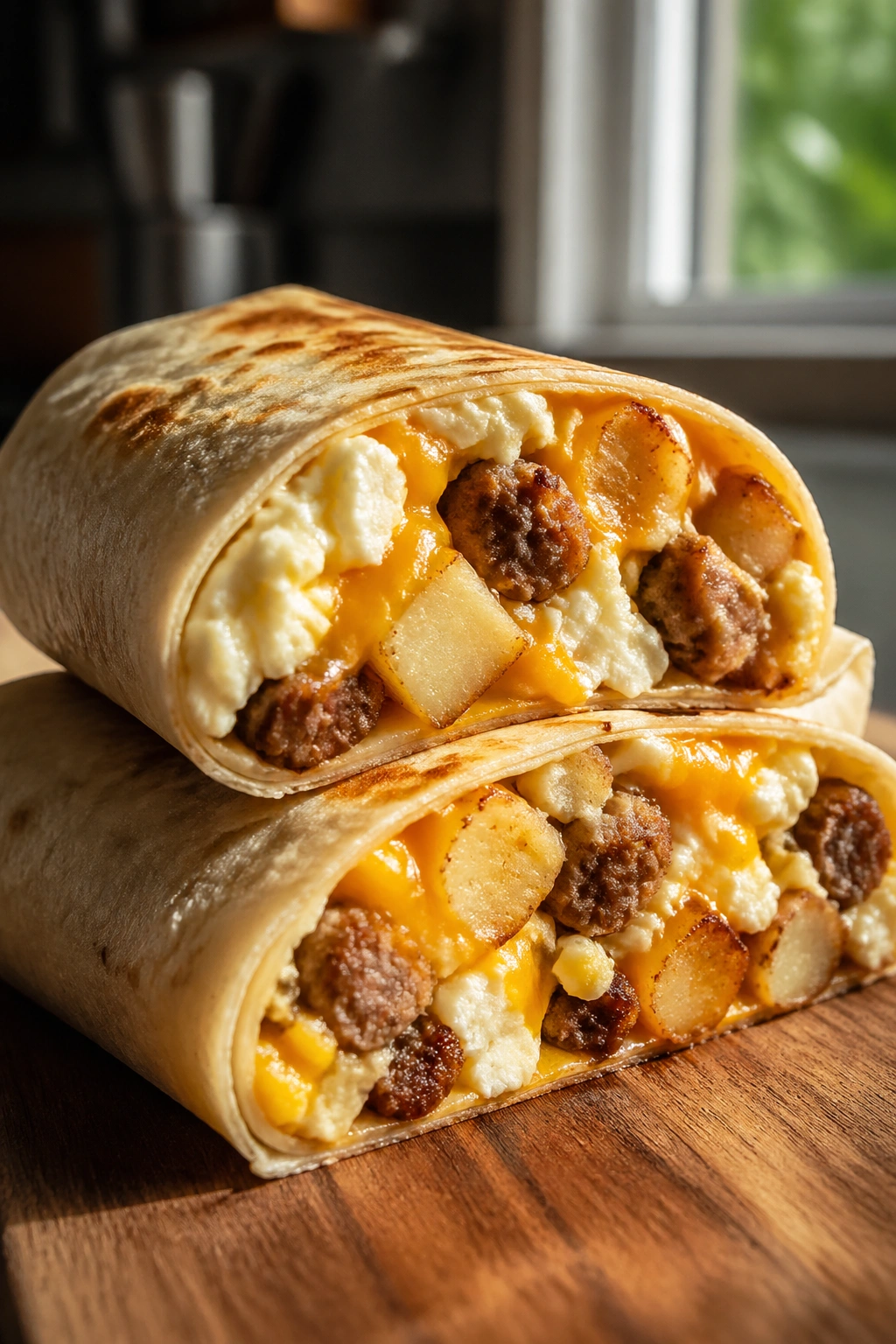
Some workouts happen before breakfast. Some happen at a time of day that makes a full lunch feel ridiculous. These burritos are for that. They’re easy to freeze, easy to reheat, and they land with enough protein and carbs to make you feel fed instead of merely occupied.
Best for morning lifters
Scramble 8 large eggs plus 1 cup egg whites for a mix that stays soft but still gives you a higher protein count. Add 3 cups diced potatoes, cooked until the outsides are golden, plus 1 cup shredded cheddar, 1 cup turkey sausage crumbles, and a few spoonfuls of salsa. If you want a lighter version, skip the sausage and bump up the egg whites.
Potatoes are the key here. They give the burrito some heft and keep the filling from tasting thin. I like to pan-crisp them in a little olive oil before mixing everything together. Soft potatoes work, but crisp-edged potatoes make the whole burrito feel more finished.
Wrap the filling in large flour tortillas, then cool them completely before freezing. If you wrap them while hot, condensation turns the tortillas gummy. That’s one of those tiny mistakes that ruins a whole batch.
- Freeze individually in parchment
- Reheat from frozen for 2 to 3 minutes in the microwave, then crisp in a dry skillet
- Eat with extra salsa or hot sauce
- Good for 2 months in the freezer if wrapped tightly
One burrito usually lands around 28 to 32 grams of protein, depending on how much sausage and cheese you use.
8. Tuna, White Bean, and Herb Pasta Salad
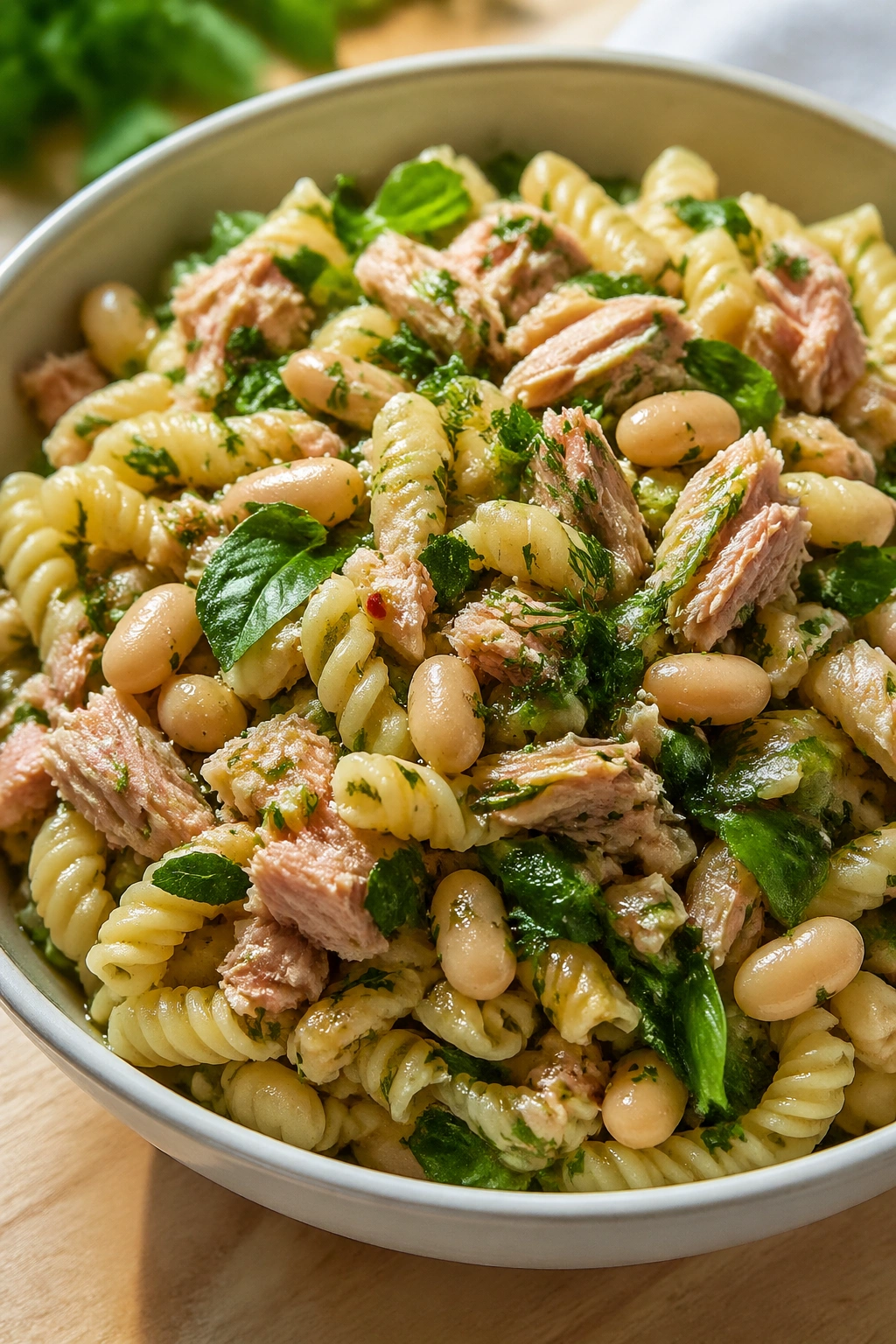
Cold pasta salad gets a bad rap because too many versions are limp, greasy, and forgettable. This one isn’t. Tuna and white beans bring the protein, pasta gives you the carbs, and fresh herbs keep the whole thing from tasting like fridge leftovers.
A good batch starts with 12 ounces short pasta, 2 cans tuna, 1 can white beans, 1 celery stalk, 2 tablespoons chopped parsley, and a small handful of dill or basil if you’ve got it. Dress it with 2 tablespoons olive oil, 1 tablespoon lemon juice, 1 teaspoon Dijon mustard, salt, and black pepper. Toss it while the pasta is still a little warm so the dressing clings instead of sliding off.
White beans do more work than people expect. They make the salad feel fuller, and they add a creamy bite without needing mayo. If you prefer mayo, use a spoon or two, not half the jar. The goal is coating, not drowning.
This one is good for desk lunches after a workout because it eats well cold or at room temperature. If you make it ahead, keep the herbs and any leafy greens separate until the last minute. Fresh herbs wilt faster than you think.
Best move: add capers or chopped pickles if you want more punch. It wakes up the tuna fast.
9. Chicken Pesto Farro Meal Prep Boxes
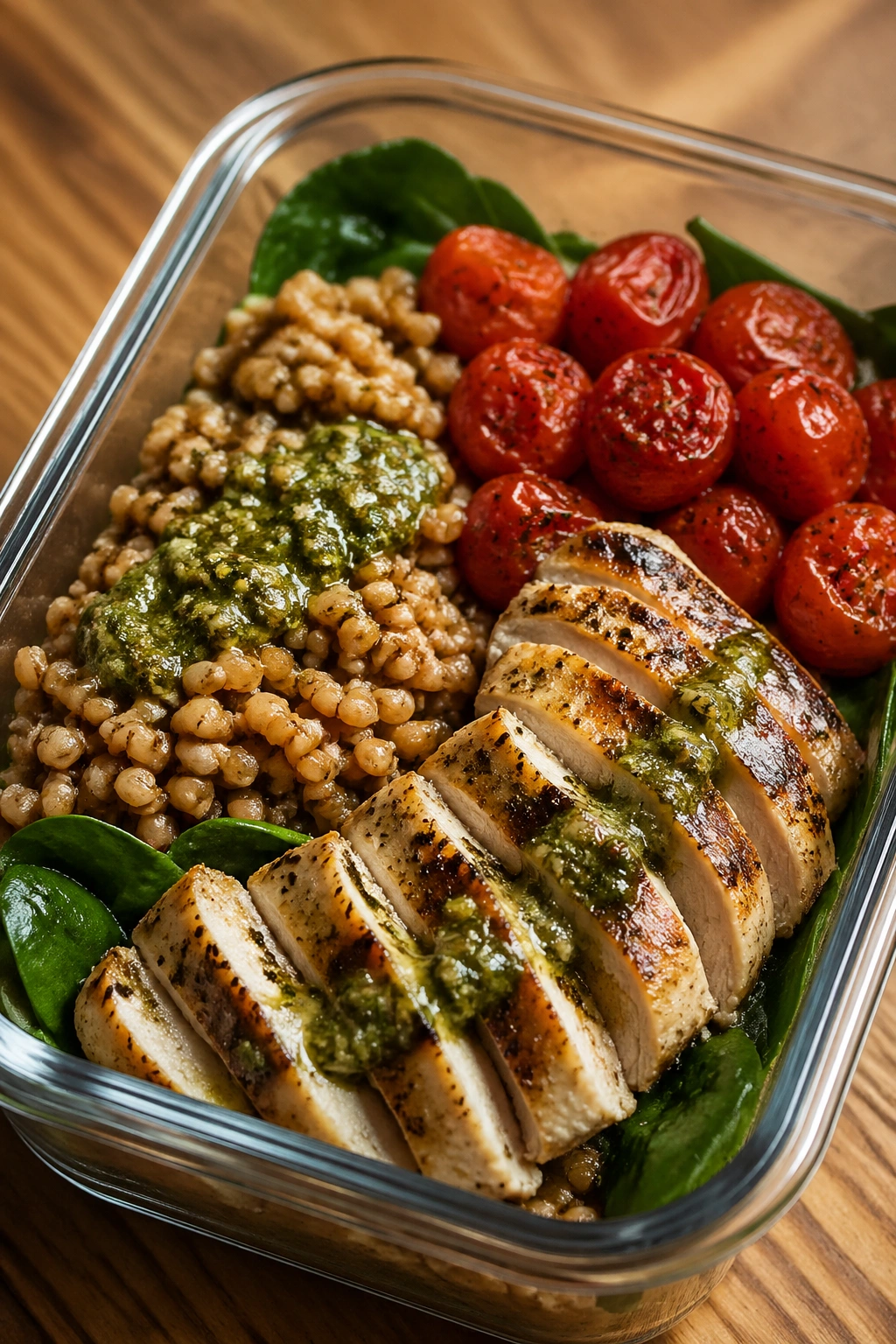
Farro is the ingredient people skip until they try it cold after a few days in the fridge. Then they get it. It stays chewy, it doesn’t turn to paste, and it gives this chicken bowl a little more body than white rice. Pesto does the heavy lifting on flavor, which is useful when you want a meal that doesn’t need a complicated sauce.
Farro beats mushy rice here
Cook 1½ cups dry farro in salted water until it’s tender but still has bite, usually around 25 to 30 minutes. While that simmers, roast or pan-sear 1 pound chicken breast or thighs with salt, pepper, and garlic powder. Toss in 1 pint cherry tomatoes and 2 cups baby spinach at the end so the tomatoes blister and the spinach softens just enough.
Stir ⅓ cup pesto into the warm farro. That step matters. Warm grains take up the pesto better than cold ones, and you don’t end up with green oil sitting at the bottom of the box. Add the chicken, tomatoes, and spinach, then finish with a little grated Parmesan if you want it.
This box works after training because it hits protein, carbs, and enough fat to keep you full through the rest of the afternoon. It’s not a light meal. That’s a feature, not a bug.
Keep the pesto portion moderate if you’re storing it for several days. Too much oil can make the farro feel slick by day four. A tablespoon or two per serving is plenty.
10. Chocolate Peanut Butter Protein Oats
Cold oats sound boring until you get the ratio right. Then they turn into a thick, spoonable breakfast that tastes like dessert but still does the recovery job. If you train early and need something you can eat without cooking a whole skillet, this is a clean answer.
Oats that eat like pudding, not wallpaper paste
Mix 2 cups rolled oats, 2 scoops chocolate or vanilla protein powder, 2 tablespoons cocoa powder, ¼ cup peanut butter, 2 cups milk of choice, and 1½ cups plain Greek yogurt. Add a pinch of salt and a drizzle of honey if you want it sweeter. Stir hard. Protein powder likes to clump if you rush it, and nobody needs chalky bites.
The texture should be thick but not stiff. If it looks like cement, add another splash of milk. If it’s soupy, let it sit for 10 minutes before deciding it needs more liquid. Oats keep absorbing, which is why a lot of people accidentally make them too dry.
Spoon the mixture into jars and top with banana slices, berries, or chopped peanuts. A sliced banana gives you faster carbs after a workout, while berries keep it sharper and less sweet. I like banana on training days and berries on lazier ones.
These oats hold for 4 days in the fridge, and they’re one of the easiest ways to get 30 grams of protein or more without standing at the stove. If you want a final rule for muscle-building meal prep, it’s this: make the food easy to eat when you’re tired, and you’ll eat enough of it.
