



The alarm goes off, the kitchen is dark, and the gym bag is already by the door. You want fuel, but you do not want a breakfast that sits like a brick halfway through your warm-up. That awkward middle ground is exactly where pre-workout meal prep for morning gym sessions earns its keep.
A lot of people make the same mistake: they either eat nothing and feel flat, or they build a giant “healthy” breakfast with too much fat and fiber and then wonder why squats feel heavy. Morning training usually works best with food that is easy to digest, steady enough to keep your energy up, and simple enough that you can assemble it half asleep. If you have 15 minutes before training, the food should be light. If you have 60 to 90 minutes, you can get away with a little more volume and a more balanced plate.
Meal prep solves the decision part. No one wants to negotiate with themselves at 5:30 a.m. about whether to toast bread, cook eggs, or thaw something from the freezer. A few make-ahead containers, some smart portioning, and a little attention to texture make the whole thing easier. The best options usually lean on quick carbs, moderate protein, and not much grease. Simple. Effective. Easy on the stomach.
Some of these ideas are barely recipes at all, which is part of the appeal. Others need a little weekend effort and pay you back all week long. All of them work because they respect the reality of early training: you want something that fuels the session, disappears quickly, and doesn’t make you stare at the clock between bites.
1. Overnight Oats Jars with Banana and Yogurt
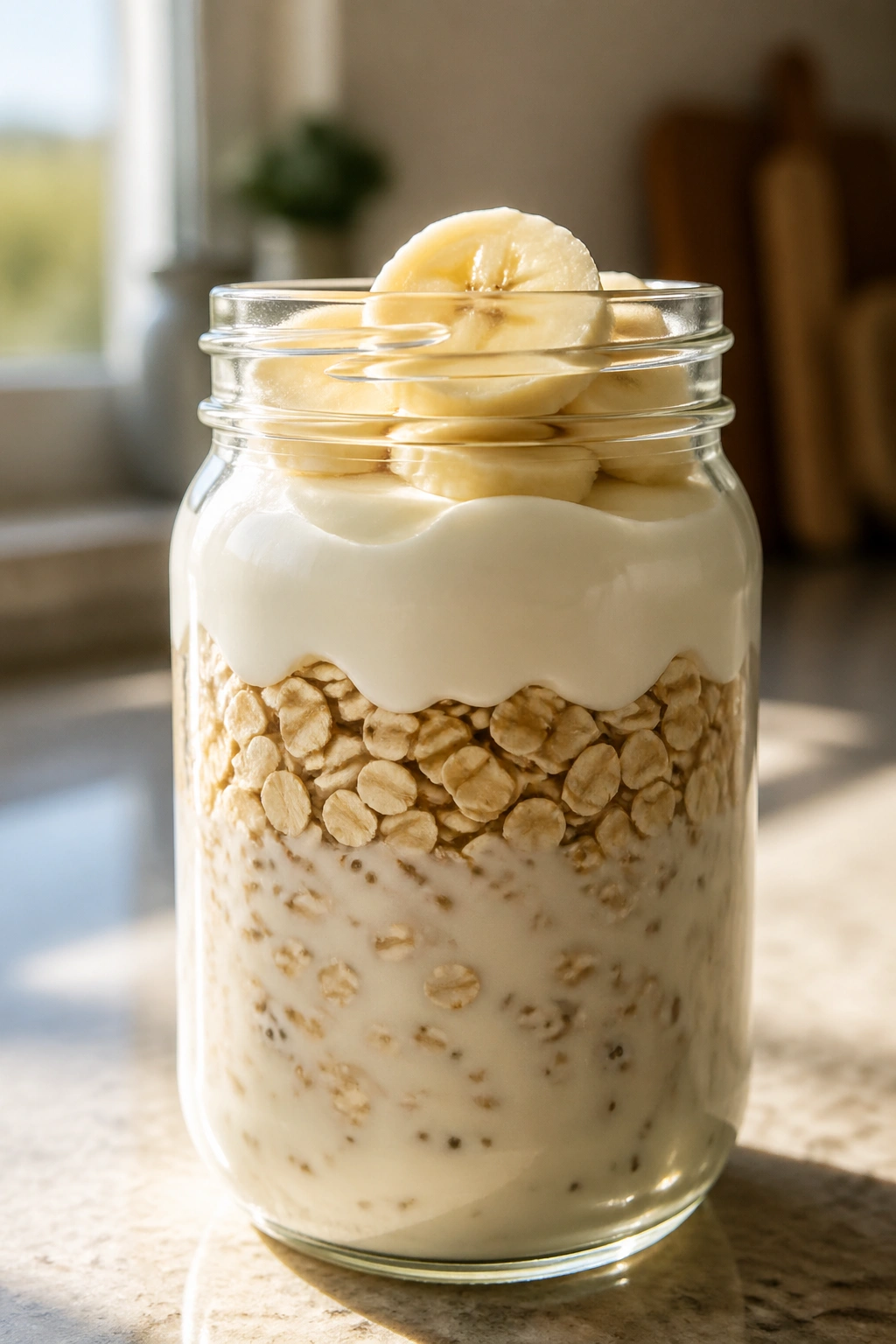
Overnight oats are the workhorse of early lifting food. They are cheap, calm on the stomach, and easy to portion into jars so you can grab one on the way out the door. The trick is not making them sound glamorous. They are practical, and that is why they work.
Why This One Earns a Spot in Your Fridge
A good pre-workout jar usually gives you fast enough carbs from oats and banana, plus a little protein from Greek yogurt or milk. That balance matters when you train before breakfast has a chance to become a big meal. If your workout starts within 30 minutes, keep the jar smaller and lighter. If you have closer to an hour, a fuller portion makes more sense.
I like this option because it is forgiving. You can prep three or four jars at once, and they hold up for a few days without much drama. The texture gets thicker overnight, which is useful if you want something spoonable and not soupy. Add chopped banana in the morning if you want it fresher, or mash half of it into the oats the night before for a sweeter base.
What to Put in the Jar
- 1/2 cup rolled oats
- 3/4 cup milk or soy milk
- 1/2 to 3/4 cup plain Greek yogurt
- 1 small banana, sliced or mashed
- 1 teaspoon chia seeds, if you tolerate a little extra fiber
- 1 teaspoon honey or maple syrup, if you want more quick carbs
- Pinch of cinnamon and salt
Keep nuts and seeds light here. A spoonful is fine. A mountain of almond butter is not, at least not if you plan to train soon after eating. Fat slows things down, and that is the last thing you want when you are trying to keep breakfast from sitting heavy.
One small habit makes these better: store the banana on top instead of stirring it in everywhere. It keeps the flavor brighter, and it stops the whole jar from turning into a beige paste by day three.
2. Egg Muffin Cups with Toast
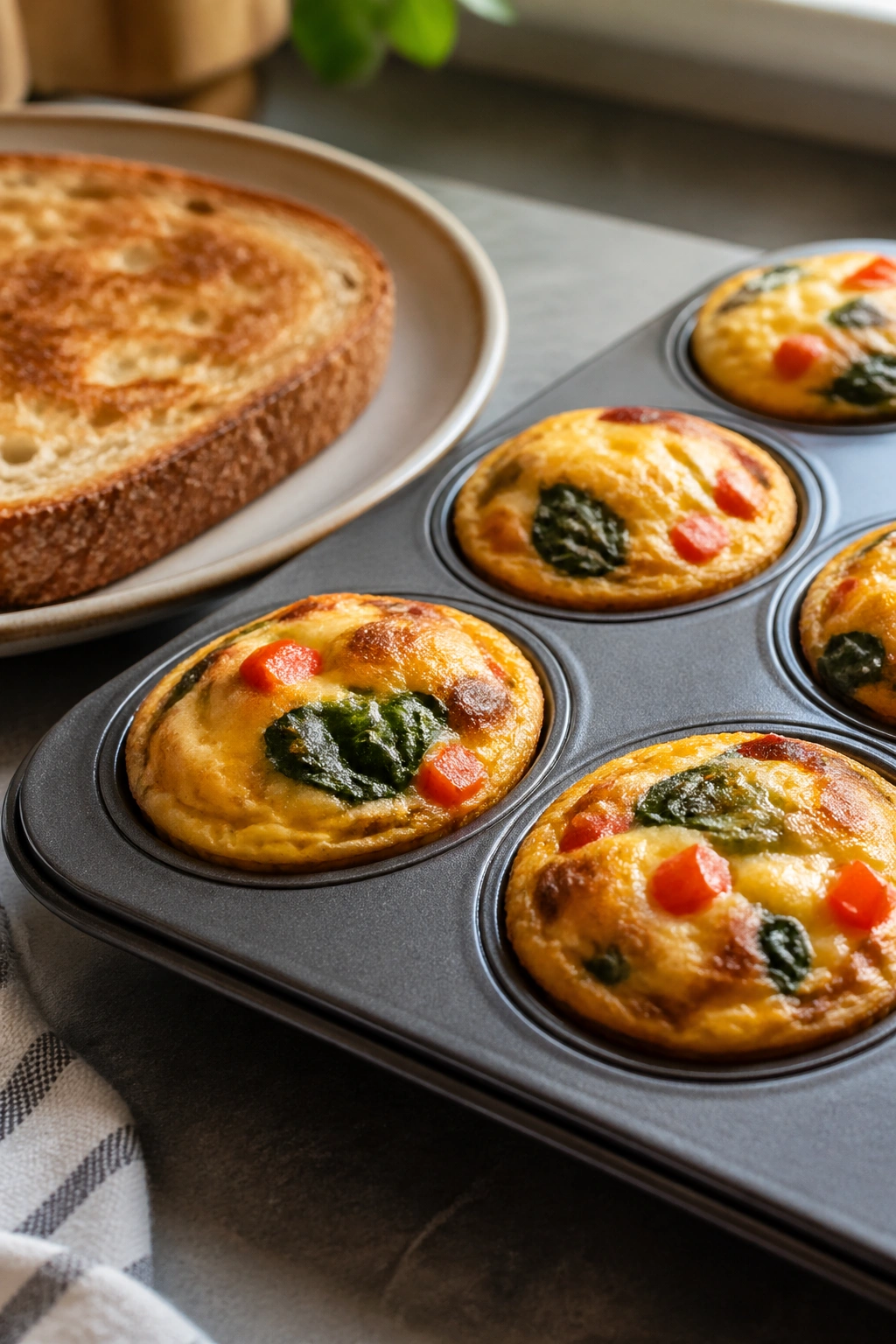
If you want something that feels like actual breakfast, this is the one. Egg muffin cups are the kind of meal prep that sounds plain until you eat them after a hard session and realize they hit the exact right note: warm, salty, portable, and not messy.
Eggs give you protein, but the real trick is pairing them with bread, fruit, or potatoes so you have enough carbs to do something useful in the gym. Two egg cups with one slice of sourdough is a nice middle ground for a moderate workout. If you know your sessions are intense, add a second slice of toast or a piece of fruit. That extra carb helps more than people expect.
The nicest part is how little morning effort they need. Bake a dozen egg cups in a muffin tin on Sunday, cool them, and stash them in the fridge. Reheat two or three in the microwave for 30 to 45 seconds, toast your bread, and you are done. They also freeze well. Wrap them individually, and you have a backup breakfast for the mornings when the fridge looks bare and you do not feel like improvising.
Go light on the fillings. Spinach, diced peppers, a little feta, maybe chopped turkey or ham. That is enough. If you overload the cups with sausage, extra cheese, and oily vegetables, they start behaving like brunch instead of pre-workout fuel. Fine food. Wrong timing.
A small detail people miss: let the eggs set fully in the oven until the centers are puffed and no longer wet-looking. If they wobble in the middle, they will weep water when reheated, and the texture gets mushy fast. Nobody wants a soggy egg cup at 6 a.m.
3. Greek Yogurt Parfaits with Berries and Granola
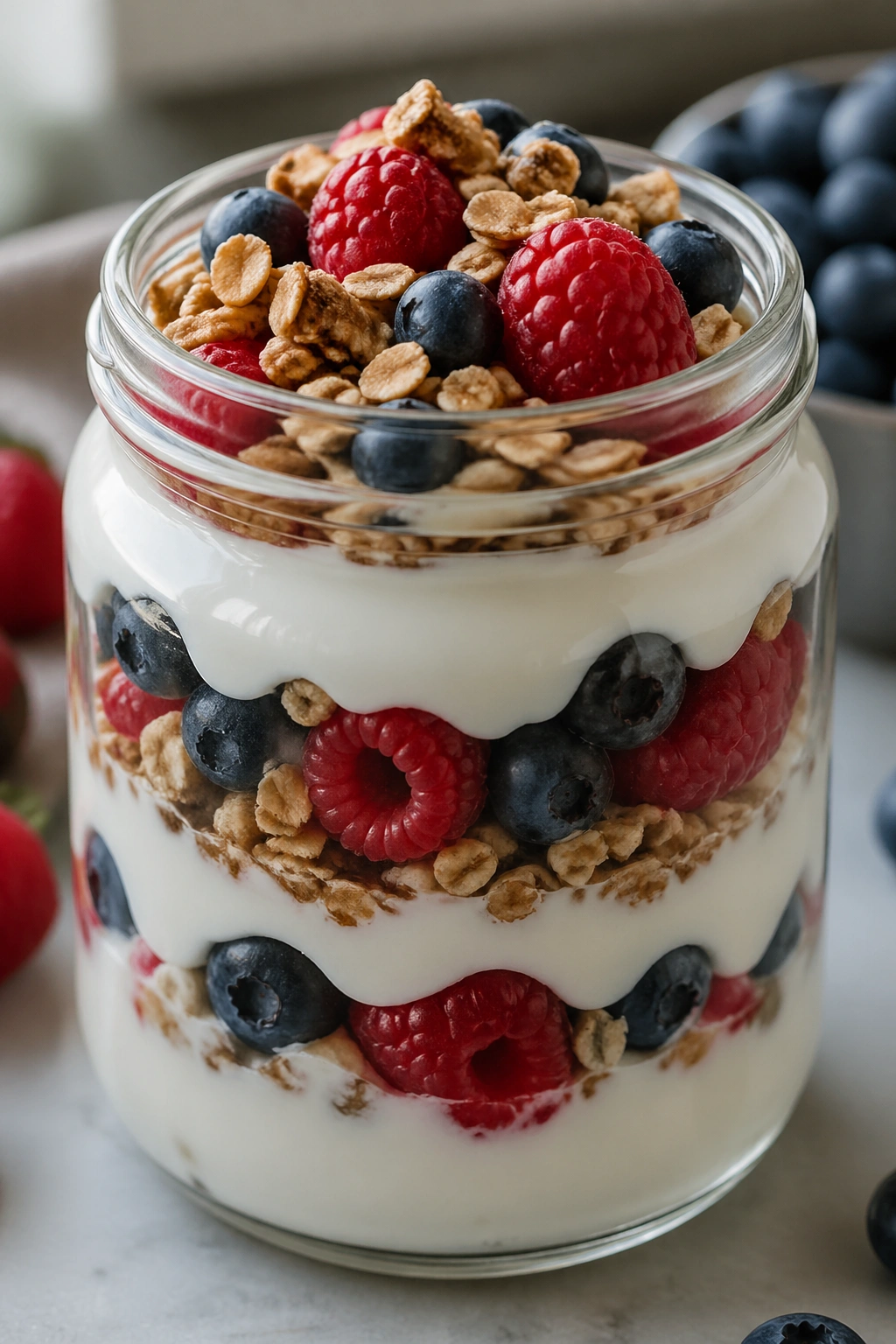
Cold, fast, and predictable. That is the real appeal of a yogurt parfait before a morning lift. You open the fridge, grab a jar, and eat without thinking much about it. Some mornings, that is worth more than culinary creativity.
Best For Shorter Training Windows
A parfait works best when you are eating about 30 to 60 minutes before the gym. Greek yogurt gives you protein, berries bring quick carbs, and a modest amount of granola gives you crunch plus more fuel. If you are heading into a run, spin class, or a leg day that leaves you sweating through your shirt, this kind of breakfast is easy to tolerate and easy to finish.
The part that matters most is what you do with the granola. Keep it separate until the morning if you care about texture. Once granola sits in yogurt for hours, it turns soft and sad. Fruit can do the same thing if it is very juicy, so choose berries that hold their shape well — blueberries and sliced strawberries tend to behave better than overly ripe peaches.
A good make-ahead ratio is simple: 1 cup plain Greek yogurt, 1/2 cup berries, and 1/4 cup granola. That is enough for a light session or a smaller appetite. If you need more fuel, add a banana on the side or a drizzle of honey. I would keep nut butter out of the jar unless you are eating well before training. It tastes good, sure, but it slows the whole thing down.
What Usually Goes Wrong
- The yogurt is too thin. Use thick Greek yogurt or skyr.
- The fruit gets watery. Pat berries dry after washing.
- The granola gets soggy. Pack it in a separate bag or tiny container.
- The serving is too tiny. If you know you get hungry fast, make the jar bigger.
You can prep three jars in about ten minutes. That alone makes them worth keeping in rotation.
4. Turkey, Jam, and Cheese Rice Cake Stacks
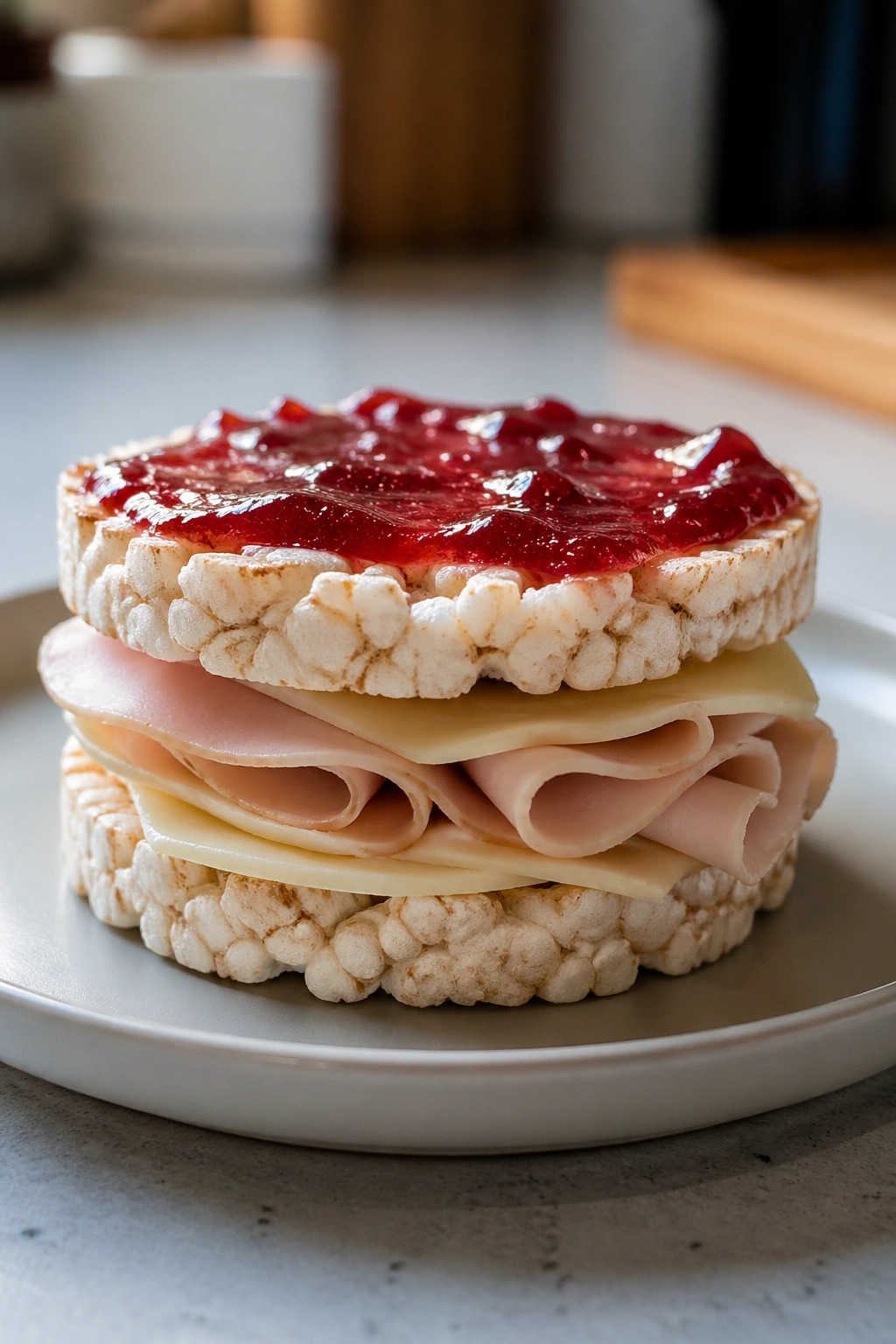
A pre-workout meal does not have to look virtuous to work. This one is a little strange on paper and extremely useful in practice. Sweet jam, salty turkey, and a thin layer of cheese on rice cakes gives you carbs, a little protein, and almost no kitchen mess.
Rice cakes get dismissed all the time because they seem bland. That is fair. By themselves, they are not much of a food. But as a carrier for something quick and balanced, they are excellent. They digest fast, they stay light, and they are easy to assemble even when you are moving around with one sock on and a coffee in your hand.
For a basic stack, use 2 rice cakes, 2 to 3 ounces of sliced turkey, and 1 tablespoon of jam. A thin slice of cheese is optional. If dairy sits well with you, it adds a little richness. If not, skip it. You can also swap in toast or a bagel thin if rice cakes feel too fragile, though I think the crisp snap of the rice cake is part of the charm here.
The sweet-salty thing is not just for taste. It encourages you to actually eat the food, which matters at 5 a.m. when appetite is not exactly roaring. Some people also do better with a little salt before training, especially if they sweat a lot. This isn’t magic. It is just practical.
- Best when you have 15 to 30 minutes before training
- Good for people who hate heavy breakfasts
- Easy to pack in foil or a small container
- Works well with coffee because it is not greasy
If you want a more portable version, make the stack at home and wrap it tightly. By the time you reach the gym, it will still taste fine, maybe even better.
5. Freezer Smoothie Packs with Oats and Protein
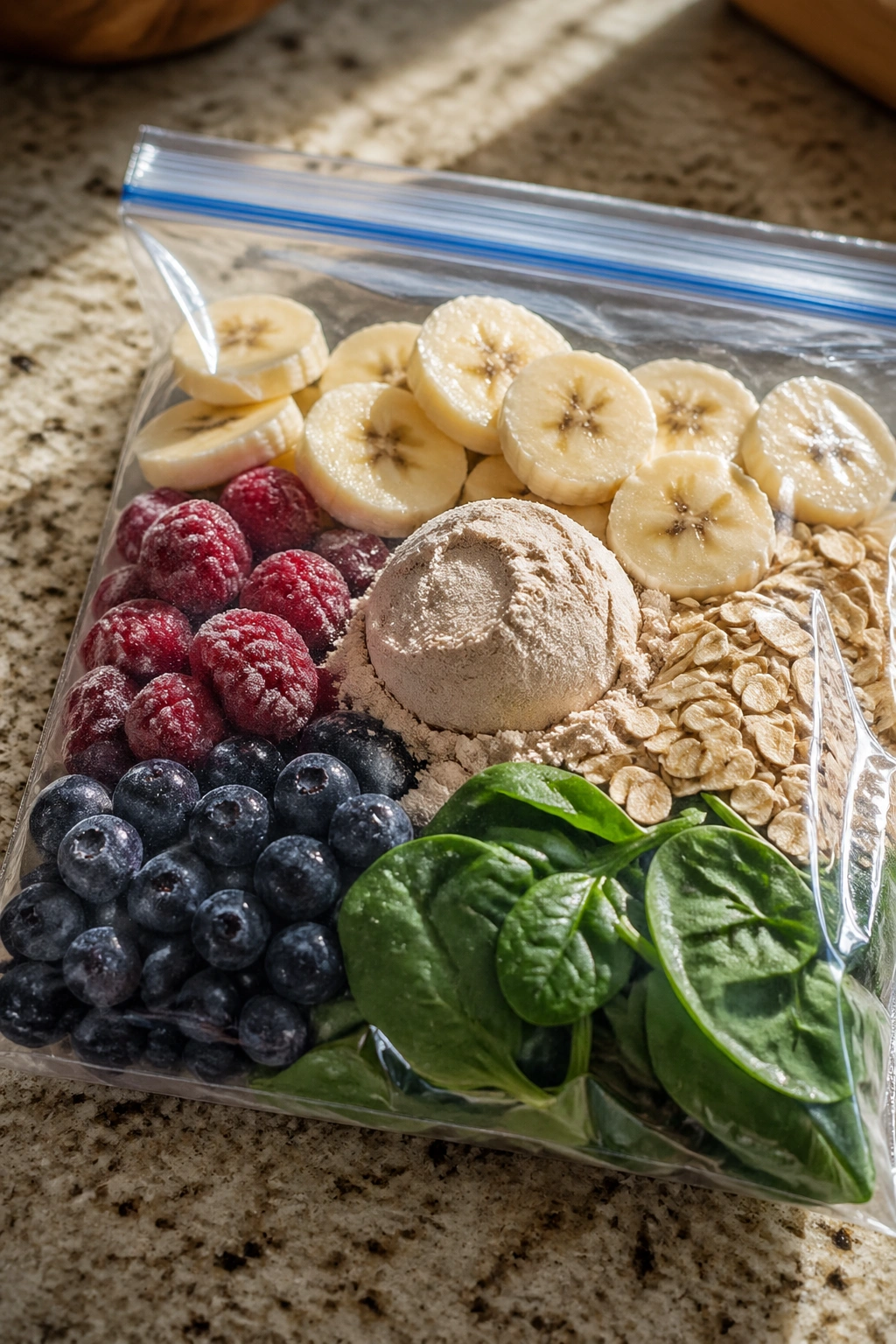
The freezer bag should feel like a flat brick of fruit, oats, and spinach. That sounds less glamorous than a glass with a straw, but it is the kind of detail that makes mornings easier. Smoothie packs are a cheat code for people who cannot face chewing a full breakfast before training.
You do the work once. Bananas get sliced, berries get portioned, spinach gets tucked in, oats get measured, and each pack goes into the freezer. In the morning, you dump one into a blender with milk or soy milk, add protein powder if you use it, and blend until the sound changes from chunky to smooth. That sound matters. It goes from a rough chop to a softer, higher-pitched whir when the ice breaks down and the mixture is ready.
How to Build a Better Blend
A good starting pack might include:
- 1 banana
- 1 cup frozen berries
- 1 handful spinach
- 1 scoop protein powder
- 1/4 cup rolled oats
- 1 cup milk, almond milk, or soy milk added in the blender
If your workout is almost immediate, keep the smoothie thinner and lighter. If you have a little more time before lifting, the oats make it more filling. I would not go heavy on peanut butter here unless you know your stomach likes it early. A tablespoon is enough. Two spoonfuls can make the whole thing feel thick and slow.
The best part is how flexible this is. You can use cherries, mango, peaches, or whatever fruit you actually enjoy. That matters more than perfection. A smoothie you hate will sit untouched, and then you are back to wandering the kitchen with no breakfast and a bad attitude.
Make three or four packs at once, and freeze them flat so they stack neatly. They keep for weeks, and they thaw fast in the blender. Clean-up is minimal too, which is a small blessing when you are trying to leave the house before sunrise.
6. Freezer Breakfast Burritos
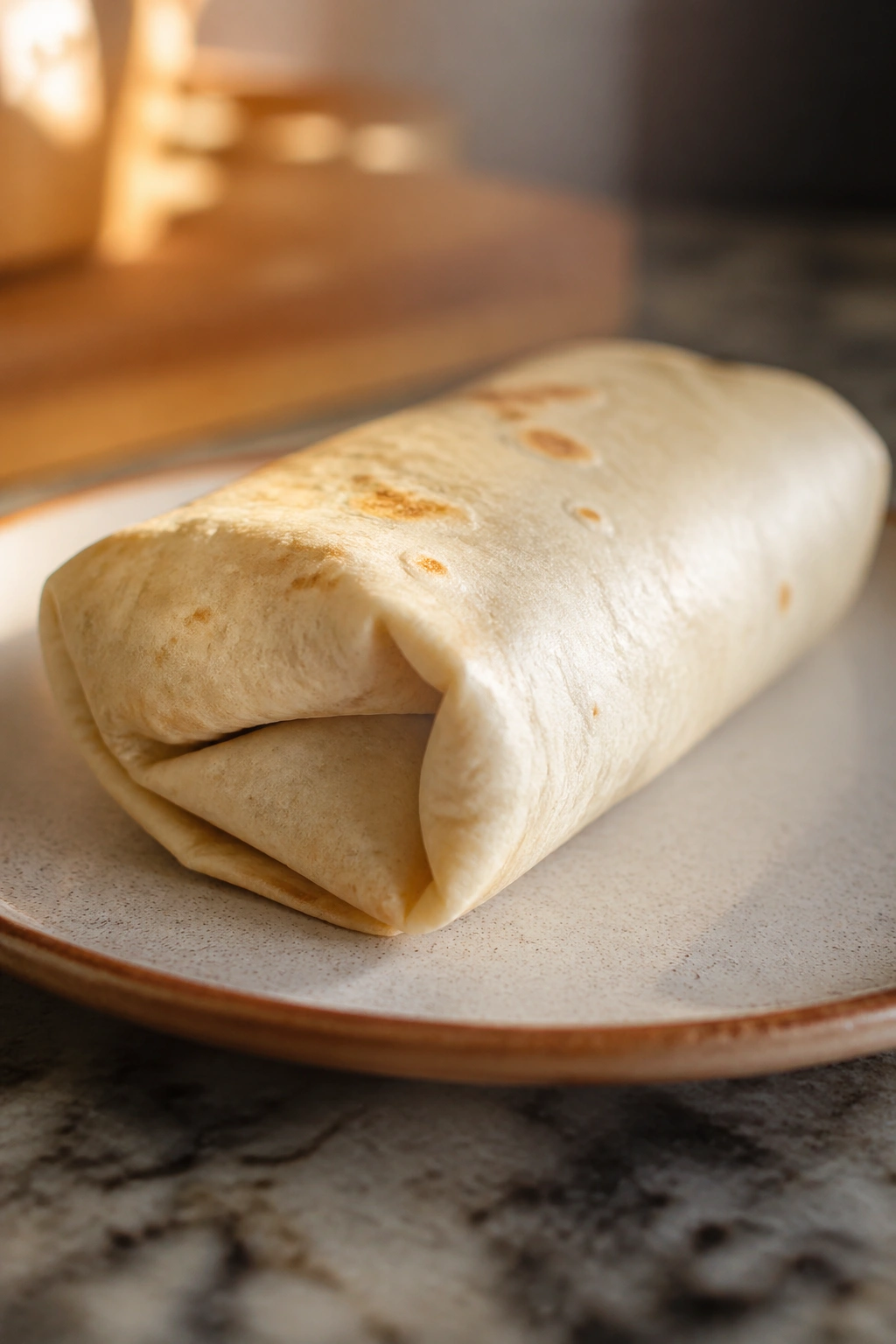
You pull one from the freezer, microwave it for 90 seconds, and you’re halfway to the gym with breakfast already handled. That is the basic logic of the freezer burrito, and it is a good one. It is not flashy. It just works.
Breakfast burritos make sense when you want something warmer and more filling than yogurt or a smoothie. They are also great if your session is not immediate and you have 60 to 90 minutes before you train. Eggs, potatoes, a little sausage or turkey, and a soft tortilla give you the kind of fuel that feels substantial without becoming a full diner plate.
The Trick With Moisture
The biggest mistake is stuffing the burrito with wet filling. If the eggs are runny, the potatoes are steaming hot, or the salsa is dumped inside by the spoonful, the tortilla turns soft and tears when you reheat it. Let the filling cool before rolling. That tiny bit of patience makes the whole thing better.
A solid batch prep formula looks like this:
- Scrambled eggs cooked just until set
- Diced potatoes roasted until lightly browned
- A small amount of cooked sausage, turkey, or black beans
- Shredded cheese used sparingly
- Salsa packed on the side, not buried inside
Wrap each burrito tightly in foil or parchment, then freeze them in a single layer first. Once they are solid, stack them in a freezer bag. That keeps them from becoming a frozen clump. Reheat from frozen or thaw overnight in the fridge if you want a faster morning.
Burritos are especially useful when you are sick of sweet breakfasts. Some mornings you want banana and oats. Other mornings you want salt, heat, and something that feels like a meal. This covers that second mood nicely.
One more thing: choose tortillas that are large enough to roll without tearing. A 10-inch tortilla is easier than a tiny one trying to hold breakfast for an entire workout.
7. Baked Oatmeal Squares with Apples and Cinnamon
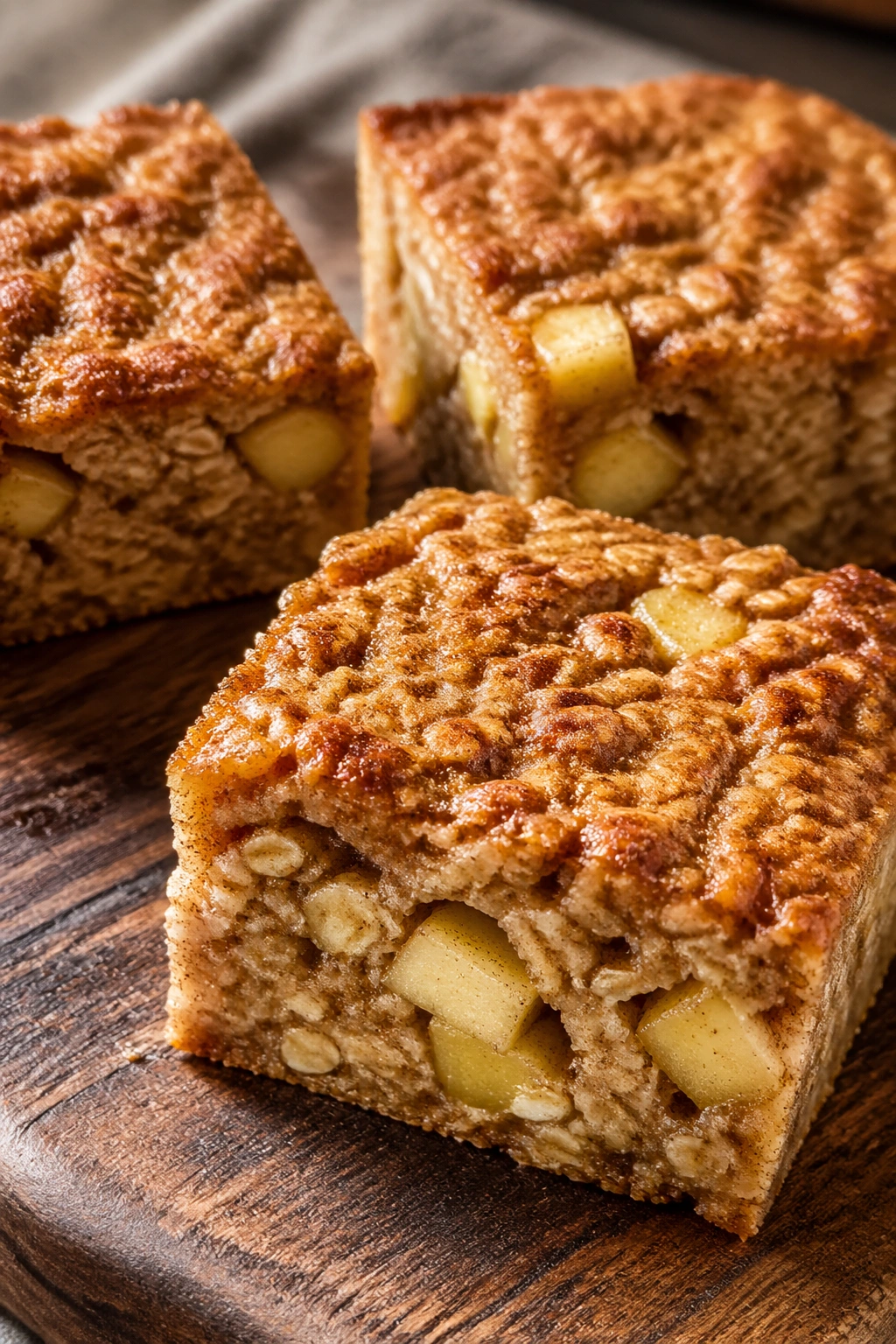
Unlike a bowl of oatmeal, a square won’t slosh around in a container. That sounds trivial until you are juggling keys, headphones, and a gym pass. Then it starts sounding brilliant.
Baked oatmeal gives you the comfort of oats in a form you can slice and carry. It is a nice middle ground between soft breakfast and actual snack. Apples and cinnamon are the classic move because they smell warm when reheated and still taste good at room temperature, which is more important than people admit. A food that tastes fine cold is a useful food.
This is a smart option if you like to prep one pan and eat from it for several mornings. Bake it in a 9-by-13-inch dish, cool it completely, and cut it into 8 to 12 squares. Pair one square with a cup of yogurt or a glass of milk if you want more protein. By itself, baked oatmeal is mostly carb fuel. That is not a flaw. It just means you may want to build around it.
I also like this one for people who struggle with appetite early in the day. A warm square is easier to face than a big plate of food. It is soft, simple, and easy to chew. If you reheat it for 20 to 30 seconds, the edges loosen up and the cinnamon gets louder. That little smell can wake you up better than a second cup of coffee.
A few ways to make it hold up better:
- Use rolled oats, not instant oats
- Dice the apples small so the slices cut cleanly
- Let the pan cool fully before slicing
- Store squares with parchment between layers if you stack them
You can keep the squares in the fridge for several days, and they freeze well too. Honestly, that is half the appeal. The other half is eating breakfast from a square instead of a bowl and pretending your life is a little more organized than it really is.
8. Freezer Protein Pancakes with Maple Berries
Protein pancakes are the one breakfast prep that feels a little like cheating. They look like a treat, they reheat well, and they can be eaten one-handed if you are really rushing. For a morning gym session, that matters.
The best version is not a dry stack that tastes like cardboard with syrup on top. It should be soft in the middle, lightly browned on the outside, and sturdy enough to pick up without falling apart. Blend oats, eggs, cottage cheese or Greek yogurt, and a banana, then cook small pancakes on a greased skillet. Let them cool, freeze them with parchment between layers, and toast them in the morning. They come back to life fast.
Why They Work So Well
Pancakes give you quick carbs from the banana and oats, plus protein from the eggs and dairy. That makes them a strong choice when you have 45 to 60 minutes before training and want something that feels like actual food. If you train almost immediately after waking, they might be a little more food than you want. If you have a bit of time, they hit a sweet spot.
A simple batch usually makes enough for several breakfasts. Keep the pancakes small, about the width of your palm, so they cook through before the outside gets too dark. Bigger pancakes are harder to freeze and reheat evenly. Smaller ones are easier. Plain as that.
Maple berries are a nice topping because they add moisture and fast carbs without turning the whole plate into syrup soup. Warm a handful of berries in a microwave-safe bowl, then spoon them over the pancakes with a teaspoon or two of maple syrup. If you want more protein, add a side of yogurt. If you want less fuss, eat the pancakes plain and carry on.
A few practical notes help here:
- Freeze pancakes flat before bagging them
- Reheat in a toaster or toaster oven for the best texture
- Keep the batter thick enough to hold shape in the pan
- Don’t drown them in nut butter right before a workout
If you only prep one breakfast for the week, this is a strong candidate. It feels like a treat, but it functions like fuel. That is a rare combination, and I never get tired of it.
