



Flat belly foods are not magic, and that is the good news. There isn’t a fruit, seed, or vegetable that melts stomach fat on command. What does help is a steady pattern of eating that keeps you full, keeps blood sugar calmer, and makes it easier to stop snacking just because the pantry is there.
That usually means more protein, more fiber, more water-rich produce, and fewer foods that disappear in three bites. Boring? A little. Effective? Much more than the flashy stuff people keep chasing. The people who stay leaner around the middle usually lean on meals that do not leave them hunting for snacks an hour later.
The trick is to think in terms of appetite control, digestion, and convenience. A hard-boiled egg, a bowl of oats, plain yogurt with berries, lentils, salmon, cucumbers, chia pudding, beans — these are the kinds of foods that quietly do the work. They are not dramatic. They just make it easier to eat like a normal human instead of fighting hunger all day.
1. Eggs
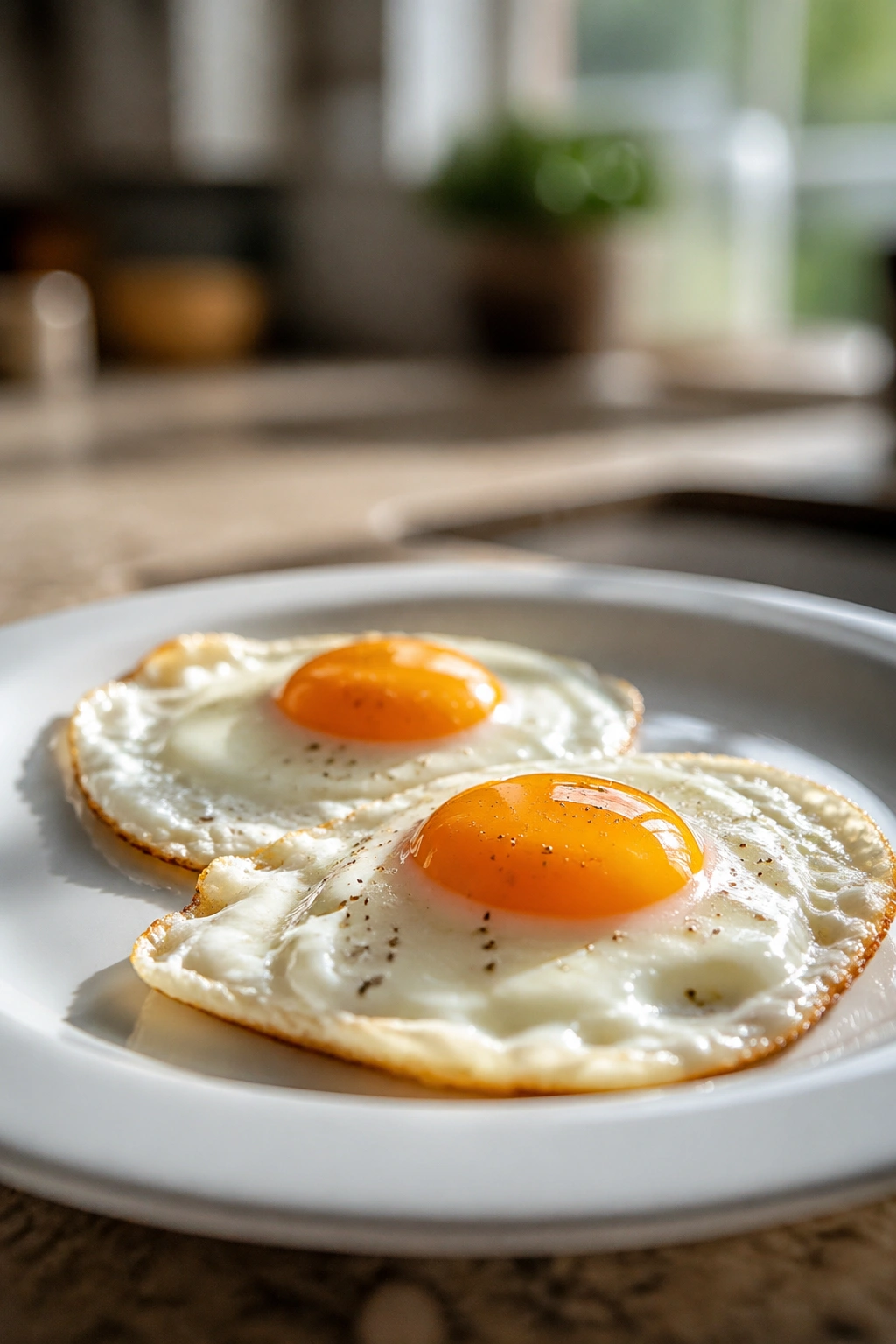
Eggs earn their place on a flat belly foods list because they do one job especially well: they shut down morning hunger. Two eggs give you a solid hit of protein with very few calories, and the yolks bring choline, a nutrient that tends to get overlooked even though it matters for normal fat metabolism and liver function.
A breakfast built around eggs usually beats a pastry or a bowl of cereal that barely sticks to your ribs. Scramble them with spinach, hard-boil a batch for the fridge, or tuck one into a whole-grain wrap with salsa. The protein makes the meal feel finished, which matters more than people admit. If breakfast leaves you hunting for crackers by 10 a.m., the problem is rarely willpower.
Best way to eat them: pair 2 eggs with vegetables and one slow carb, like a slice of whole-grain toast or half a sweet potato.
What to watch for: the trouble starts when eggs get buried under heaps of cheese, butter, and fried sides. Fine once in a while. Not the point here.
2. Plain Greek Yogurt
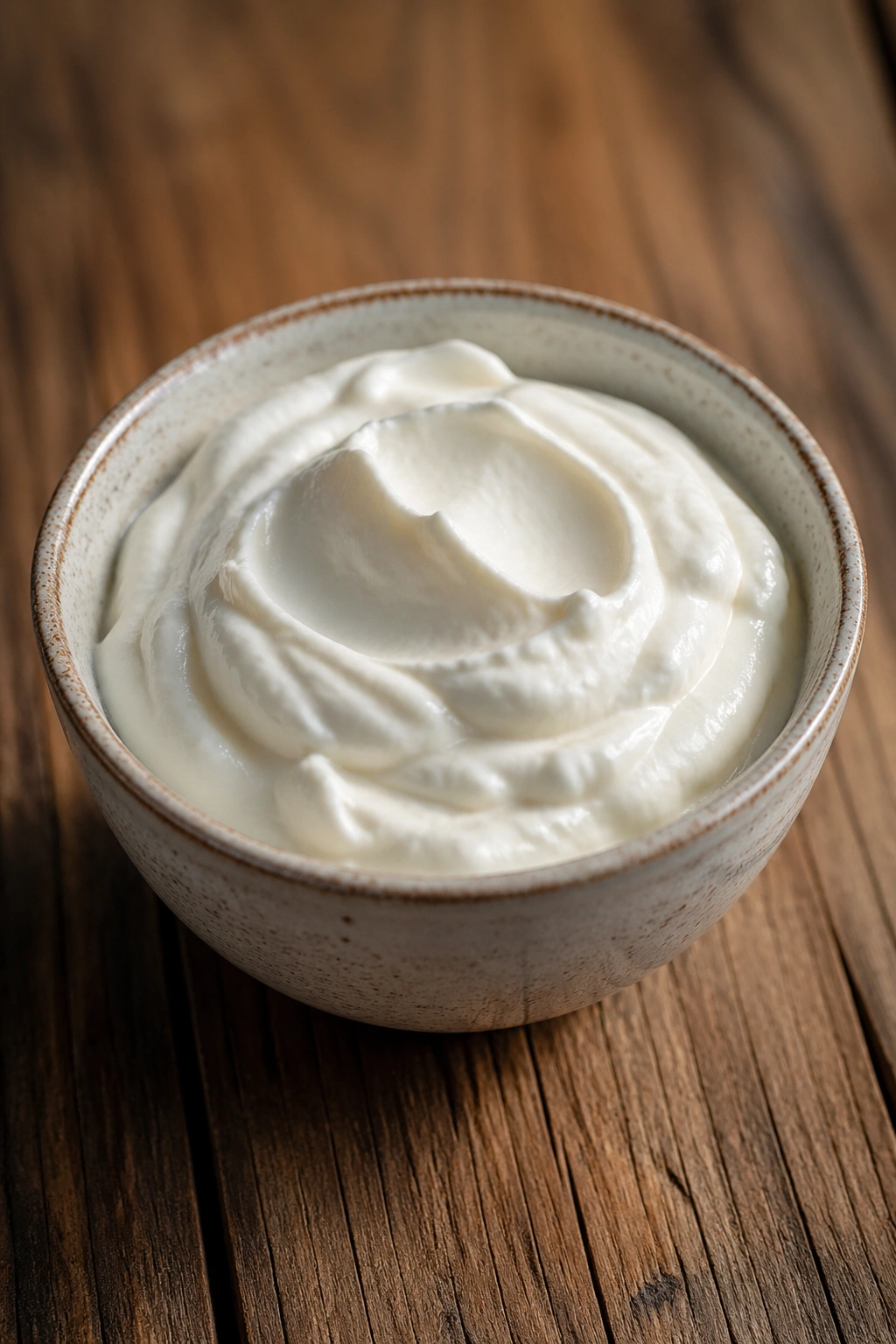
Plain Greek yogurt is one of those foods that looks plain on the outside and does a lot behind the scenes. It’s thick, high in protein, and easy to dress up without turning into dessert. A single serving, usually around 170 to 200 grams, can feel far more filling than a sweet flavored cup that’s loaded with sugar and still leaves you wanting more.
The probiotic angle matters too, though I would not treat yogurt like a miracle cure for gut issues. Still, a steady habit of eating fermented dairy can be a smart move for digestion, especially when you keep the sugar low and choose plain yogurt. Add berries, cinnamon, or chopped nuts, and you’ve got a snack that calms a sweet tooth without kicking off a blood-sugar swing.
- Choose plain Greek yogurt, not the fruit-on-the-bottom kind.
- Add 1 cup berries or 1 tablespoon chia seeds for fiber.
- Stir in cinnamon if you want it sweeter without adding sugar.
- Use it as a base for savory dips with garlic and cucumber.
Good rule: if the label reads like a dessert, skip it.
3. Oats
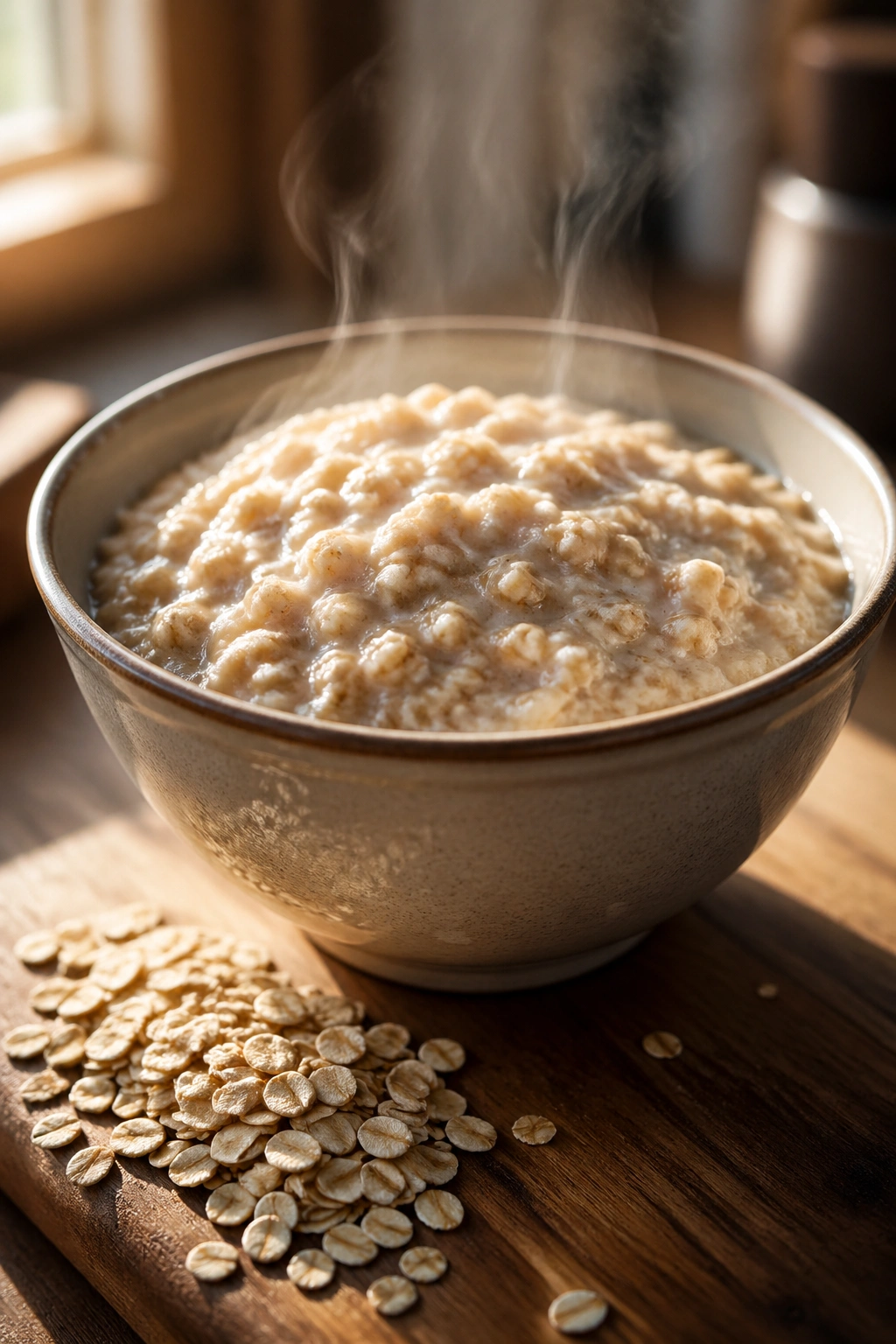
Oats have the kind of quiet staying power that gets ignored because they aren’t flashy. That is a mistake. A bowl of oats gives you soluble fiber, especially beta-glucan, which slows digestion and helps breakfast last longer than toast or a muffin ever will. A ½ cup dry oats cooked with water or milk usually turns into a filling bowl that settles the stomach instead of stirring it up.
I like oats best when they stay plain enough to do their job and then get dressed with fruit, seeds, or nuts. That means no giant sugar dump. A spoonful of chia, a handful of blueberries, and a little cinnamon go a long way. You get a warm, dense breakfast that keeps the “I need a snack” voice quieter for hours.
A lot of people think oats are only a winter food. Not really. Overnight oats work just as well when you want something cold and fast, and the texture is often better than people expect once they stop drowning it in sugar.
4. Blueberries
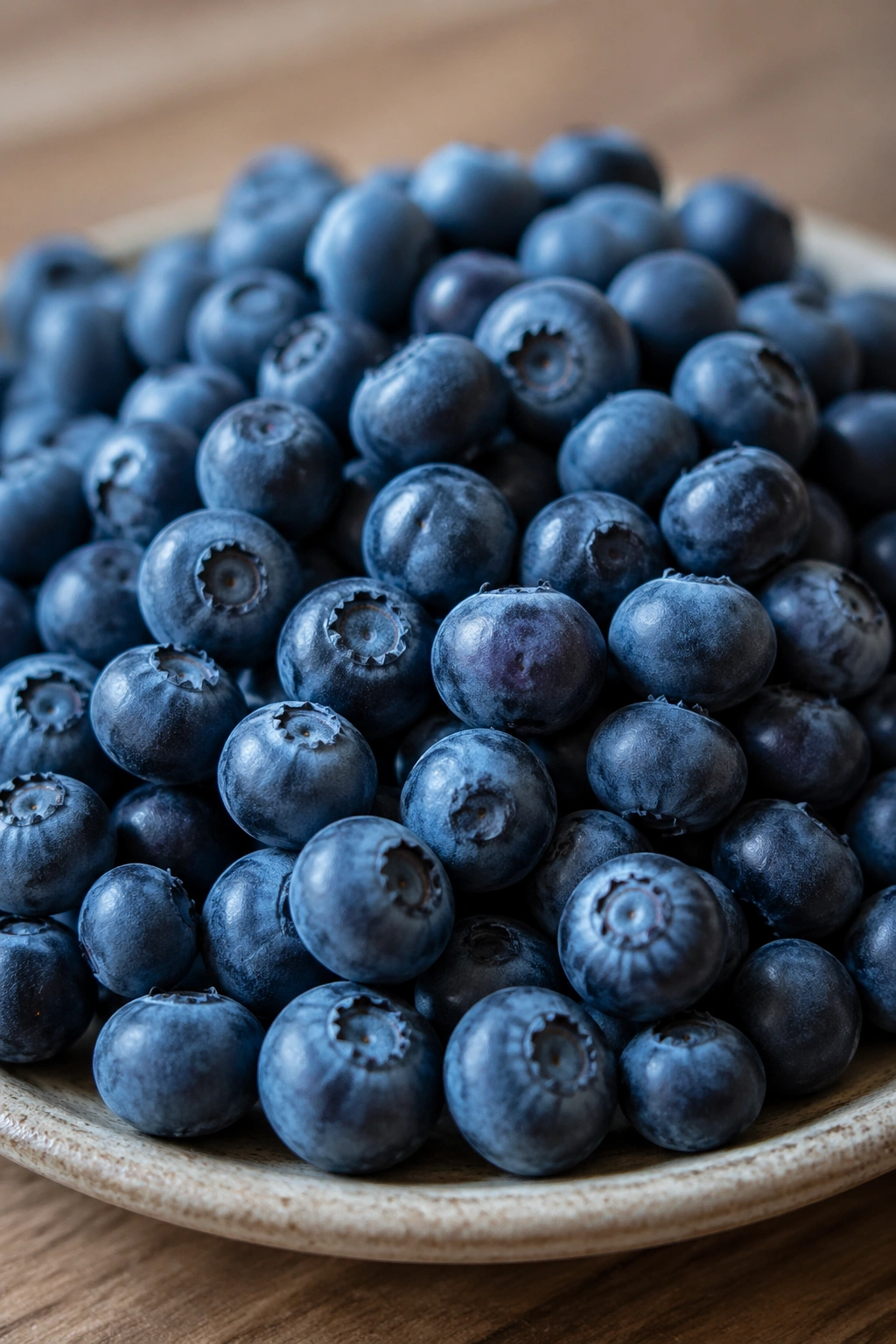
Why do blueberries show up on so many healthy eating lists? Because they are small, sweet, and easy to use as a substitute for things that do less for you. A cup of blueberries gives you fiber, water, and a dessert-like taste without much calorie load. That combination matters when you want your plate to feel satisfying without getting heavy.
What Makes Them Work
Blueberries are one of the easiest ways to make yogurt, oats, or cottage cheese feel finished. They bring enough sweetness to cut back on added sugar, and their skin adds a bit of chew, which sounds minor until you compare it with something soft and bland that disappears fast.
They also play nicely with almost any meal. Toss them into a breakfast bowl, freeze them for a colder snack, or eat them straight from a bowl while you’re packing lunch. The point is not that blueberries “burn fat.” The point is that they help you eat in a way that keeps you full and out of the snack drawer.
How to Use Them
- Keep a 1-cup portion in the fridge for easy snacking.
- Pair them with Greek yogurt or cottage cheese.
- Freeze them and use them like little sorbet bites.
- Mix them into chia pudding for extra texture.
Small advantage: blueberries are one of the few sweet foods that feel like dessert without turning into a sugar binge.
5. Avocado
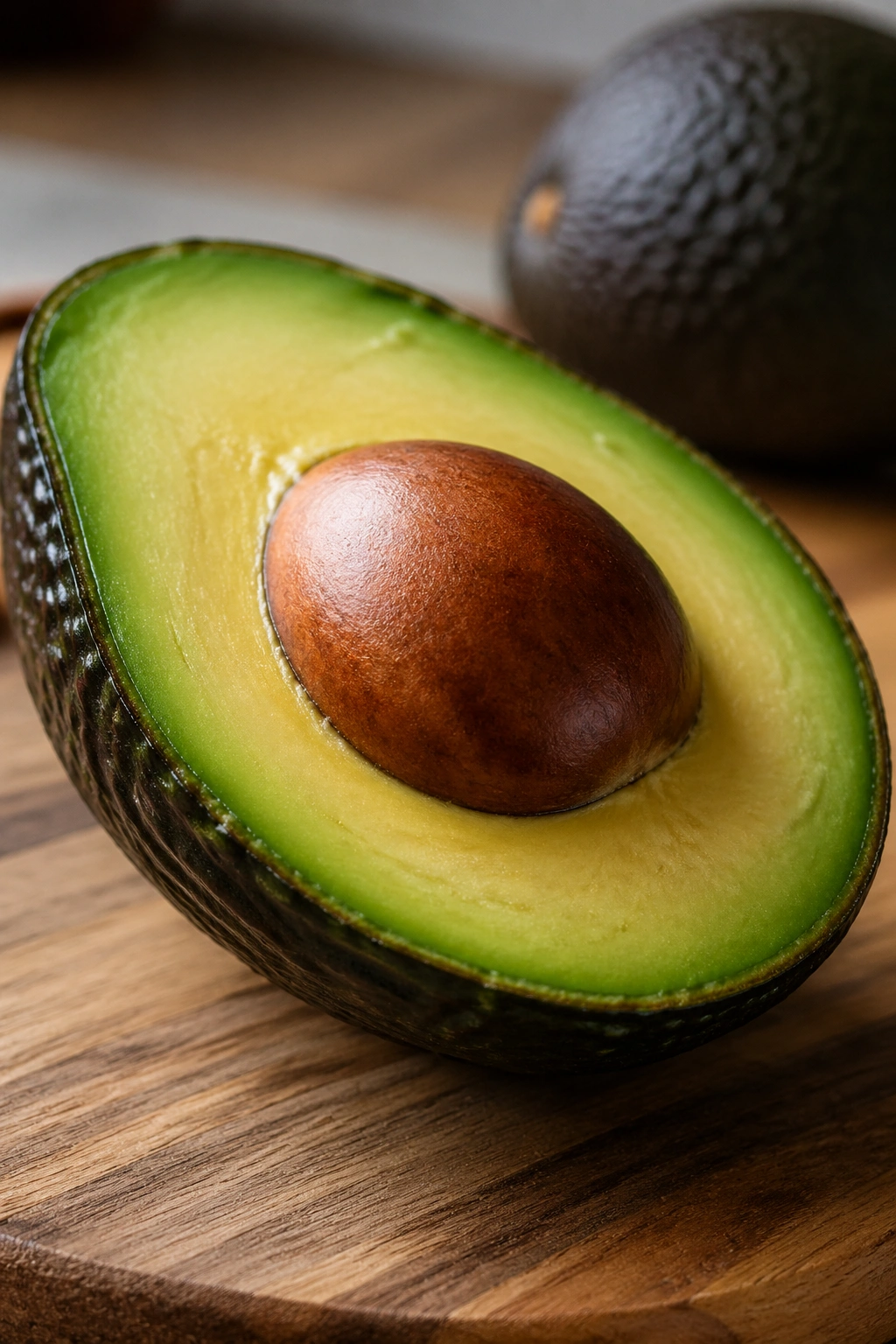
Avocado is what I reach for when a meal looks a little too lean and needs a slower kind of fuel. Half an avocado brings fiber and monounsaturated fat, and that combination helps a meal stick around longer in your stomach. A plain egg-and-toast breakfast feels different once you add avocado. More complete. Less hollow.
The calorie count is not tiny, so portion size matters. That is the part people skip when they talk about avocado like it is some sainted food. It isn’t. It is useful. Half is usually plenty, and it gives you enough creaminess to replace mayo, heavy cheese, or a pile of oily dressing.
Compared with a breakfast sandwich that leans on processed meats and melted cheese, avocado feels calmer in the body. It doesn’t spike hunger back up an hour later. If you want one reliable use, put it on eggs, beans, or whole-grain toast and stop there. No need to turn it into a tower.
6. Chia Seeds
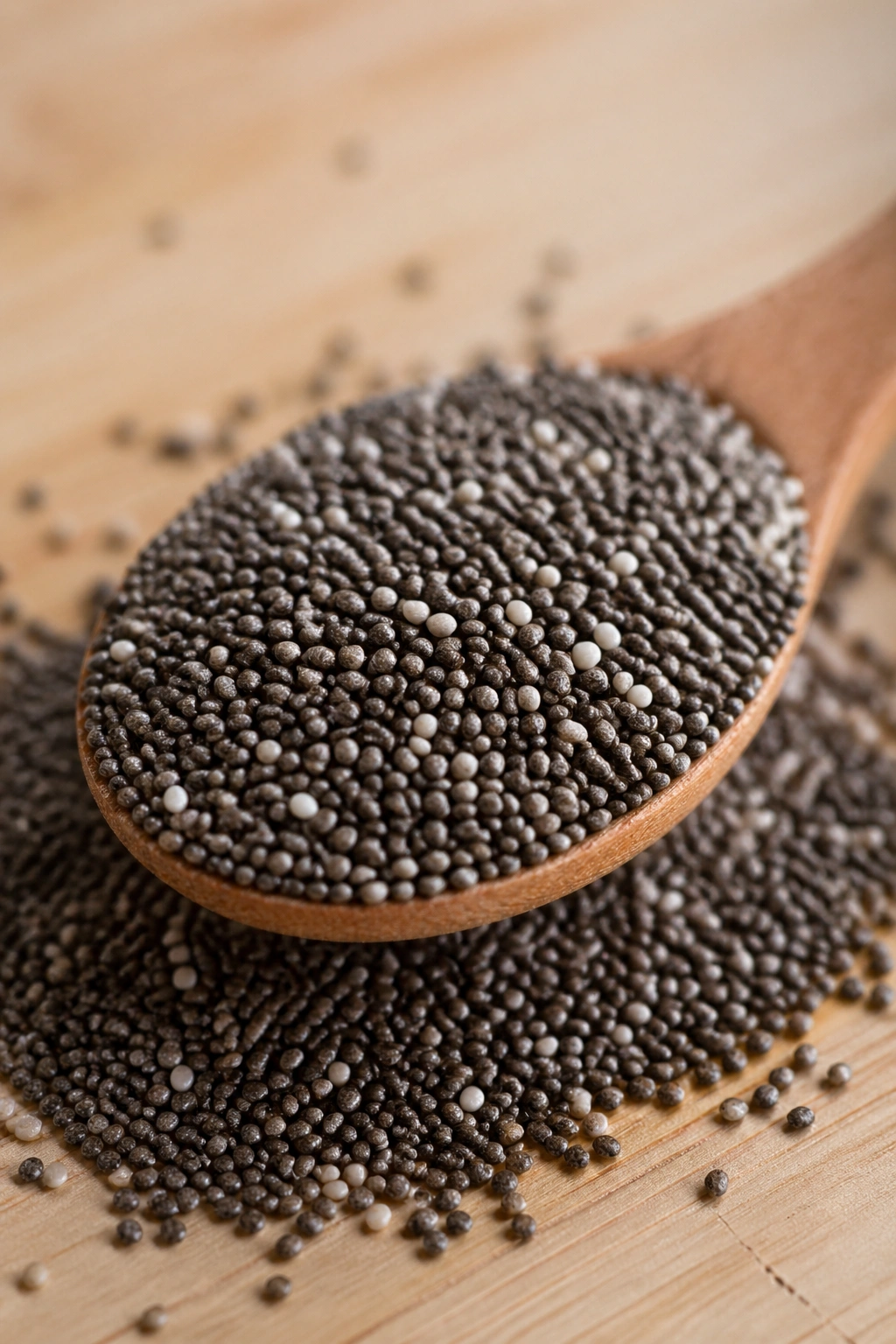
Ever notice how a tiny spoonful of chia seeds can turn into something that actually fills a bowl? That’s the trick. Chia absorbs liquid and forms a gel, which slows things down in your stomach and makes a snack feel a lot bigger than the ingredient list would suggest. One to two tablespoons is usually enough to make a real difference.
Why the Texture Matters
That gel-like texture is not just a party trick. It helps chia pudding, smoothie bowls, and yogurt bowls feel thick and slow to eat, and slower eating usually helps people notice fullness sooner. The fiber load is doing a lot of work here, so don’t rush it. Let the seeds sit in liquid for at least 15 minutes, and longer if you want a pudding-like texture.
Chia is also one of the easiest foods to keep on hand because it doesn’t spoil quickly. That means you can build a habit around it without much effort. Mix it with almond milk, top it with berries, and you’ve got a snack that behaves itself.
How to Eat It
- Stir 1 tablespoon into yogurt.
- Soak 2 tablespoons in ¾ cup milk or milk alternative.
- Add to overnight oats for more fiber.
- Sprinkle over salads if you want crunch, though the texture is different once wet.
Tip: drink enough water when you eat chia. Fiber needs liquid to do its job.
7. Salmon
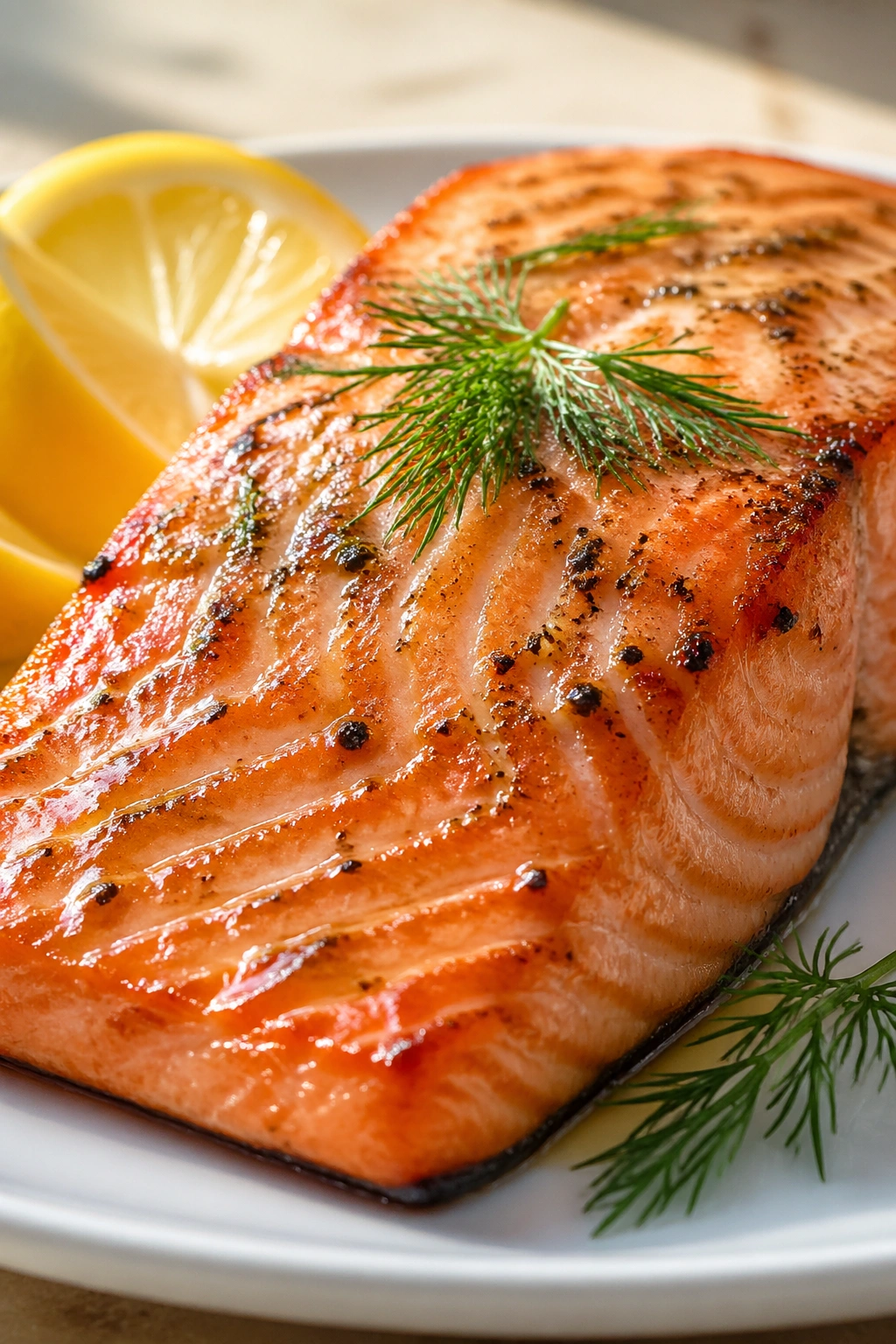
Salmon is one of the clearest examples of a food that earns its reputation by being useful, not trendy. A 4- to 6-ounce portion gives you a solid amount of protein plus omega-3 fats, which support heart health and can make a meal feel more satisfying than lean protein alone. That matters when you are trying to eat in a way that doesn’t leave you prowling the kitchen later.
Roasted salmon with lemon and herbs is hard to beat because it comes together fast and stays satisfying even with a simple plate of greens or roasted vegetables. The fat in salmon also gives it a richer mouthfeel, which is part of why people feel done after eating it. A dry chicken breast can be filling too, but salmon has a different kind of staying power.
If you buy canned salmon, keep an eye on bones and sodium. Bones are not a problem in soft canned fish; they’re edible and add calcium. Sodium, though, can be a little sneaky. That is the part worth checking.
8. Cottage Cheese
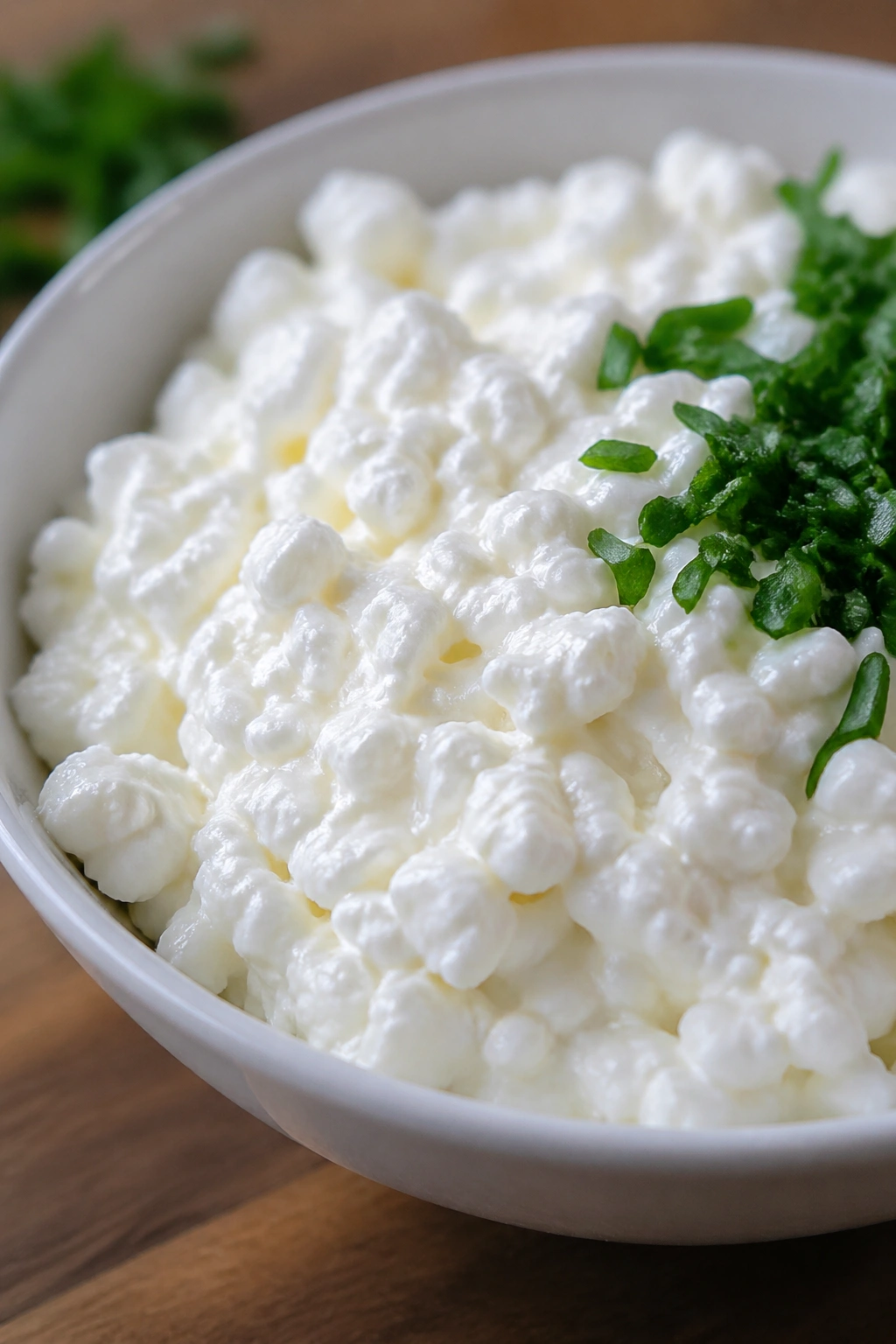
Cottage cheese is one of those old-school foods that keeps coming back because it still works. It’s high in protein, comes in easy portions, and can go sweet or savory without much fuss. A ¾-cup serving with cucumber, tomato, or berries makes a snack that feels larger than it is.
I’ve always thought cottage cheese gets judged too quickly. People remember the bland versions from childhood and forget how useful it is now. Pair it with fruit and cinnamon if you want something sweet, or go the savory route with black pepper and sliced radishes. The protein slows you down. The texture helps too; it’s more substantial than yogurt, which matters when your main problem is grazing.
- Choose plain cottage cheese if you want to control sugar.
- Check the sodium if you eat it often.
- Add chopped herbs for a salty-savory bowl.
- Use it in place of sour cream on baked potatoes.
Best use: a late-afternoon snack when you need something cold, filling, and fast.
9. Spinach
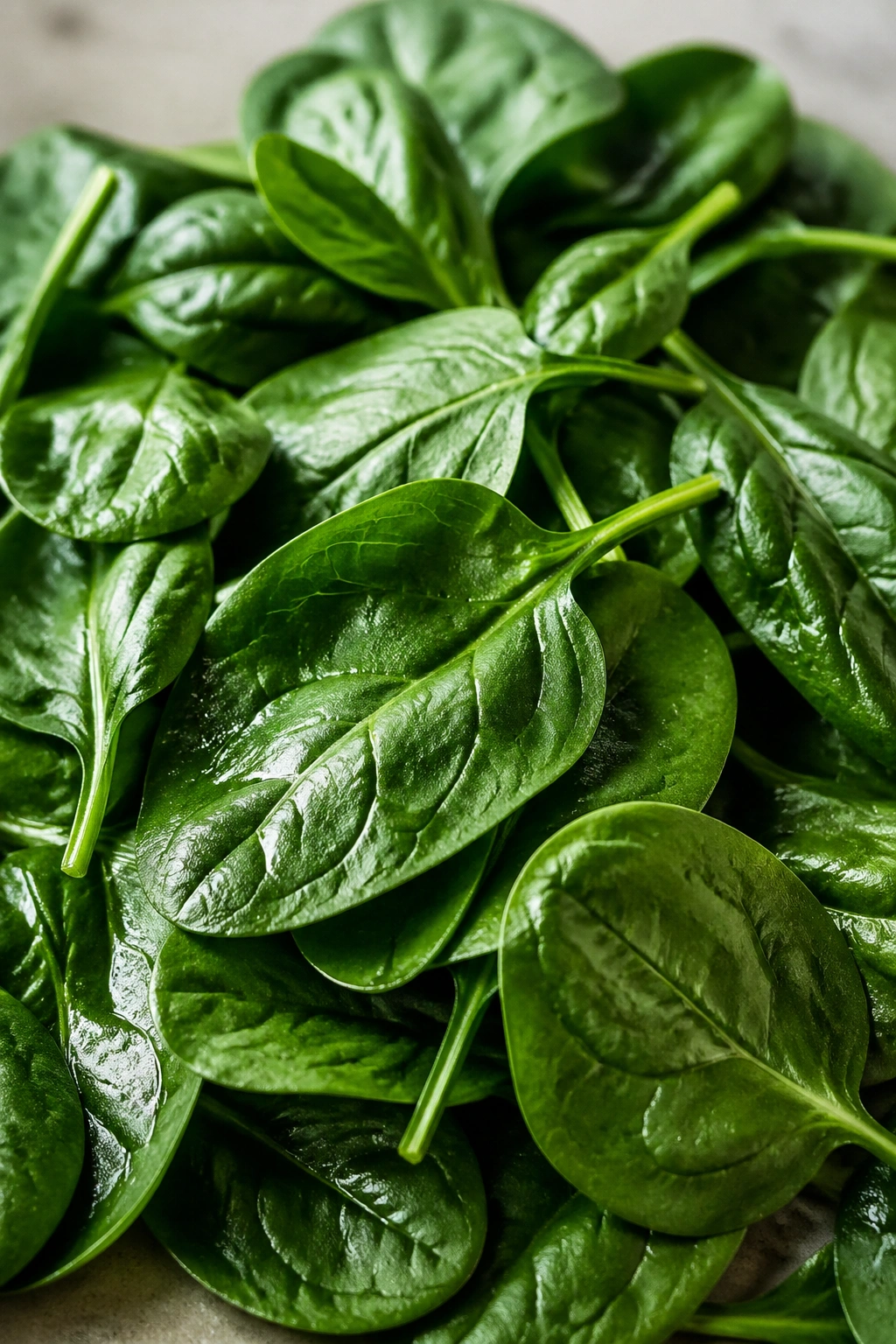
Spinach looks fragile, but it is one of the best low-calorie volume foods around. You can pile a couple of big handfuls onto a plate and barely dent your calorie budget. Raw spinach shrinks down fast when it’s cooked, which makes it easy to sneak into omelets, soups, pasta, and stir-fries without changing the flavor much.
The real advantage is how it stretches meals. A scramble with spinach feels more complete than a plain egg scramble. A sandwich with spinach gets more texture. A soup with spinach looks and eats like there is more going on. That psychological part counts. If your plate feels generous, you are usually less likely to go hunting for a second dinner later.
Cooked spinach is easier to eat in volume, while raw spinach gives you more crunch and freshness. I use both. Raw in salads, cooked in everything else. Not glamorous. Useful.
10. Lentils
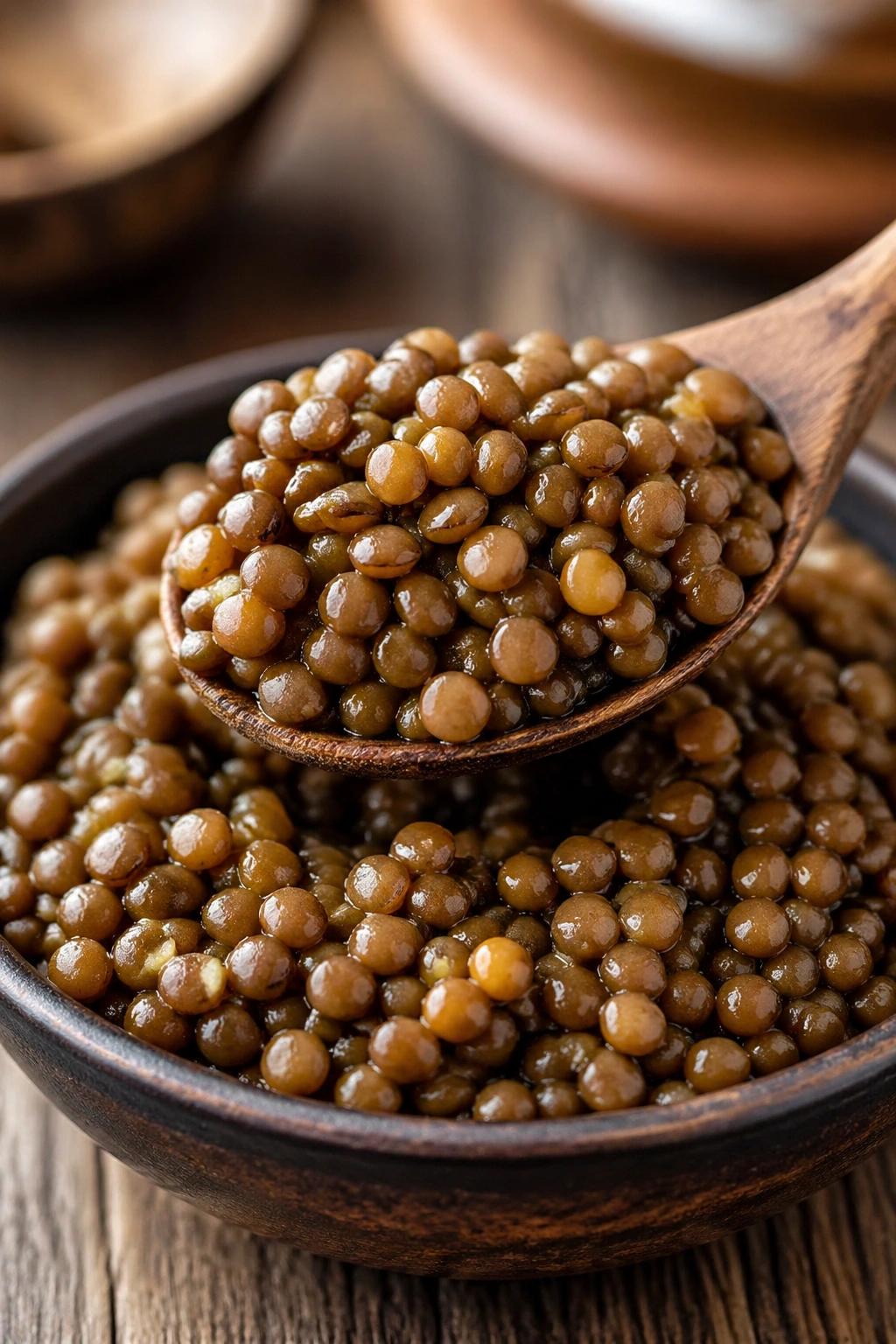
Lentils are one of the best foods for steady appetite control because they bring both fiber and protein without much drama. They also cook faster than most dried beans, which makes them more realistic on a weeknight. Half a cup of cooked lentils in soup or a full cup in a grain bowl can change how long that meal lasts in your body.
Why They Keep You Full
Lentils digest slowly. That is the whole point. They help you avoid the quick rise-and-crash feeling that comes from refined carbs, and they give meals a thicker, heavier texture that tends to satisfy people more than thin, watery food. A lentil salad with chopped herbs, lemon, cucumber, and olive oil feels like lunch. Not a side dish pretending to be lunch.
They also work in places where meat would usually carry the meal. Lentil tacos, lentil soup, lentil curry — all of those can be filling without being weighed down. If beans upset your stomach, start with a smaller portion and build up slowly.
Easy ways to use them
- Add ½ cup to vegetable soup.
- Toss 1 cup cooked lentils with feta and herbs.
- Use them in place of half the meat in tacos.
- Keep canned lentils in the pantry for faster meals.
11. Apples
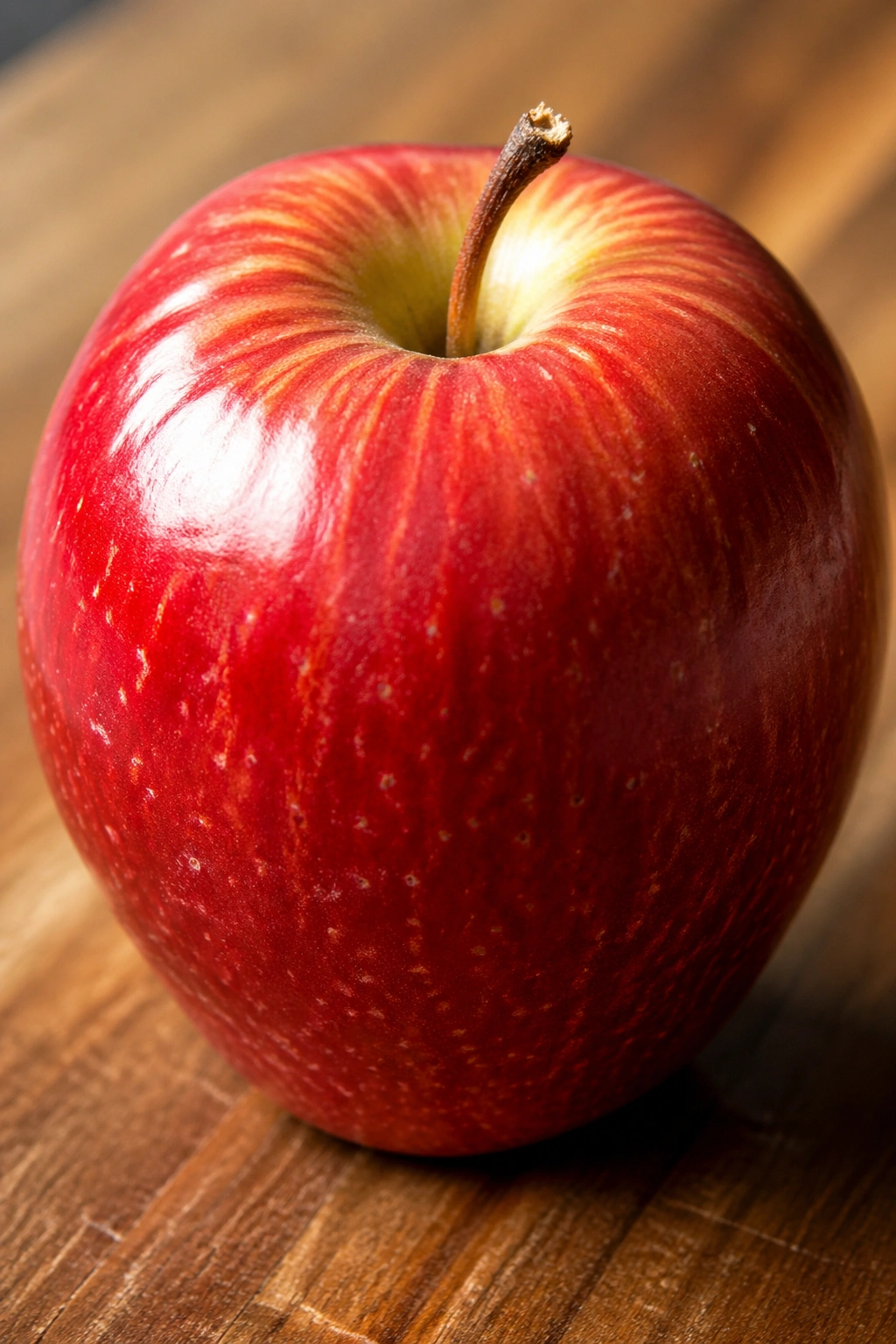
Apples are simple, portable, and a little underrated because they seem too ordinary to matter. They matter. The fiber, especially in the skin, adds chew and slows down how fast you eat them. A medium apple is a smart snack when you want something sweet that actually takes a few bites to finish.
Compared with a granola bar, an apple does more with less. It has water, fiber, and a crisp texture that forces you to slow down. That slowing down is half the battle. People often eat too fast, then wonder why the snack didn’t satisfy them. It didn’t give their brain enough time to catch up.
I like apples with a spoonful of peanut butter, though even plain works well if you need something very quick. If you want a snack that travels without turning into mush, apples are hard to beat. Choose firmer varieties if you like a crunchier bite. Softer ones can feel mealy and never win anyone over.
12. Broccoli
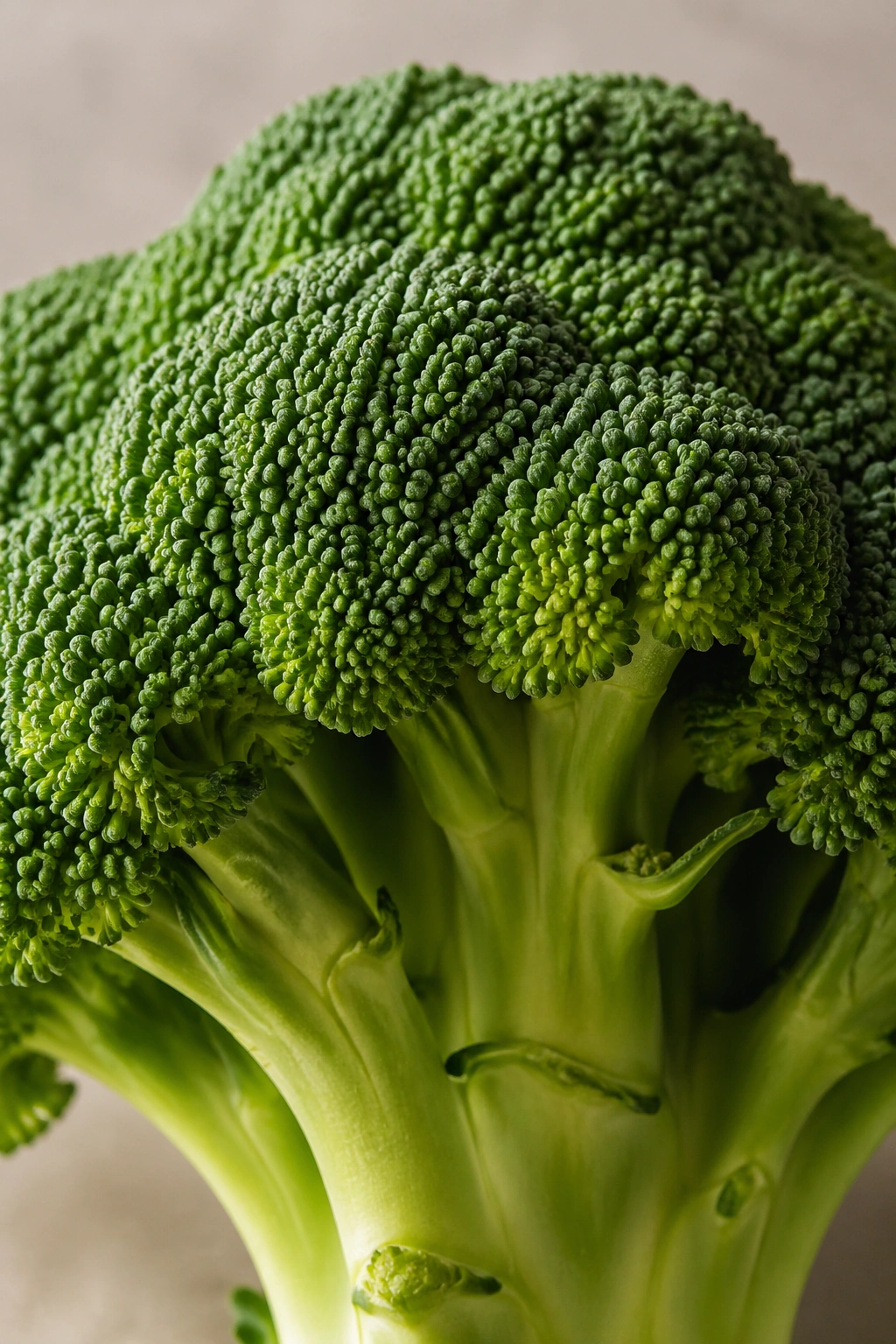
Broccoli is the kind of food that looks plain until you cook it the right way. Then it starts earning its keep. A cup or two gives you a lot of volume for very few calories, plus fiber that helps meals feel more anchored. It also has a sturdy texture, which is a bigger deal than it sounds when you’re trying to stop at one portion.
The Part People Miss
Overcooked broccoli is the enemy here. Boiled into gray softness, it becomes hard to love. Roasted at high heat, though, the edges brown and the florets pick up a nutty, almost sweet flavor. Steam it lightly if you want something softer, but don’t strip away all the texture. Texture is what makes it satisfying.
Broccoli also works well in mixed dishes. Stir-fries, grain bowls, sheet-pan dinners, pasta, omelets. It doesn’t need to be the star. It just needs to be there, adding volume and bite.
Best ways to eat it
- Roast at 425°F until the edges brown.
- Steam for 3 to 4 minutes if you want it tender-crisp.
- Chop it small and fold into egg dishes.
- Pair it with lemon, garlic, or chili flakes.
One caution: if raw cruciferous vegetables tend to make you gassy, cook broccoli more thoroughly.
13. Cucumber
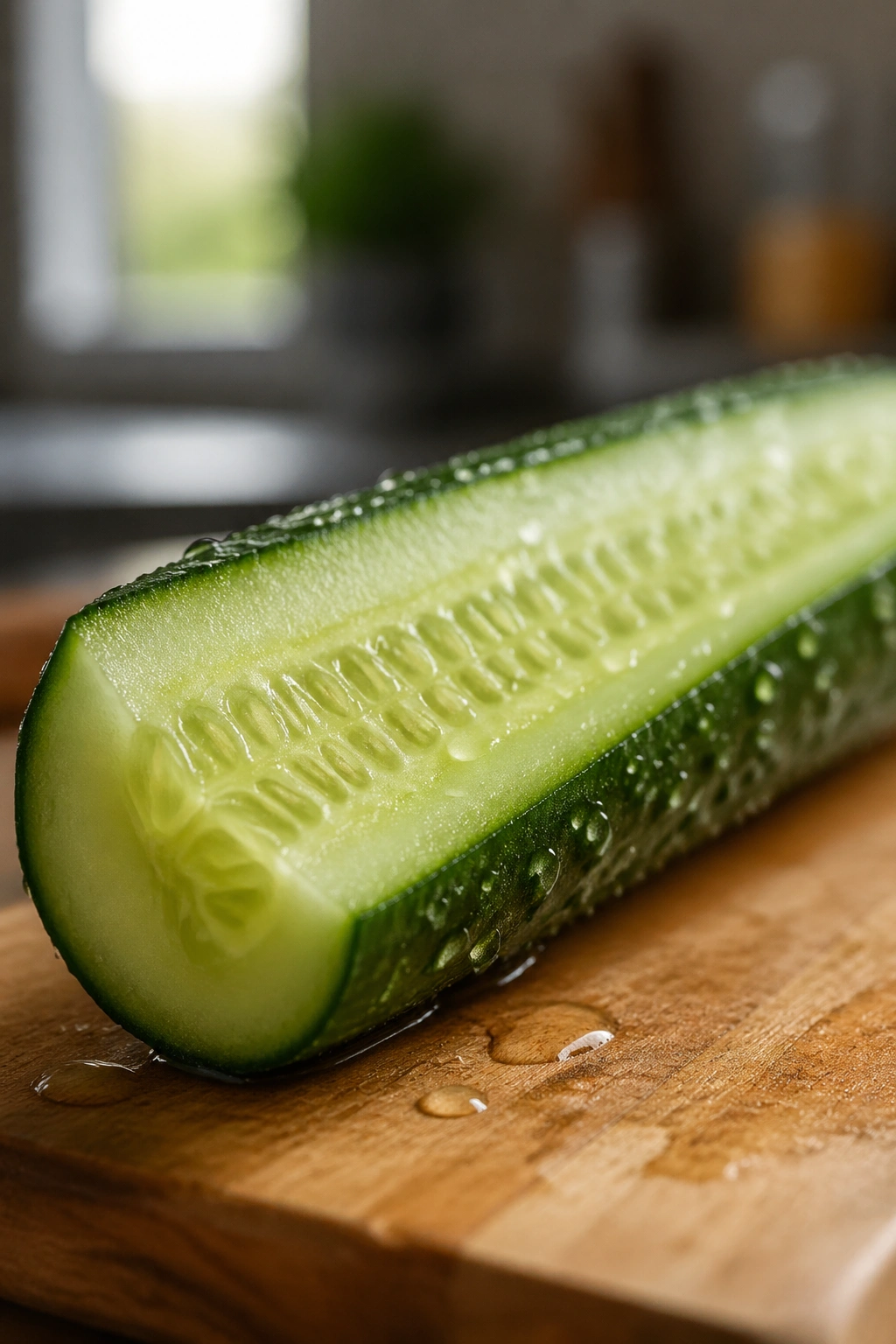
Cucumber is what I reach for when a meal needs crunch without much weight. It is mostly water, but that isn’t a flaw. Water-rich foods help you feel like you ate a proper amount, and cucumber is one of the easiest ways to add that sense of volume without piling on calories.
A sliced cucumber with salt, pepper, and vinegar can solve a snack craving that used to end with chips. It’s cold, crisp, and fast. Put it next to hummus, cottage cheese, or tuna salad and the whole plate feels fresher. The thing I like most is how little effort it takes. No cooking. No waiting.
- Slice it thick if you want more crunch.
- Peel it if the skin is tough or bitter.
- Serve it with yogurt dip or hummus.
- Add dill and lemon for a sharper taste.
Practical note: cucumber does not fill you up the way beans do. It helps with volume, not protein. Pair it with something more substantial.
14. Beans
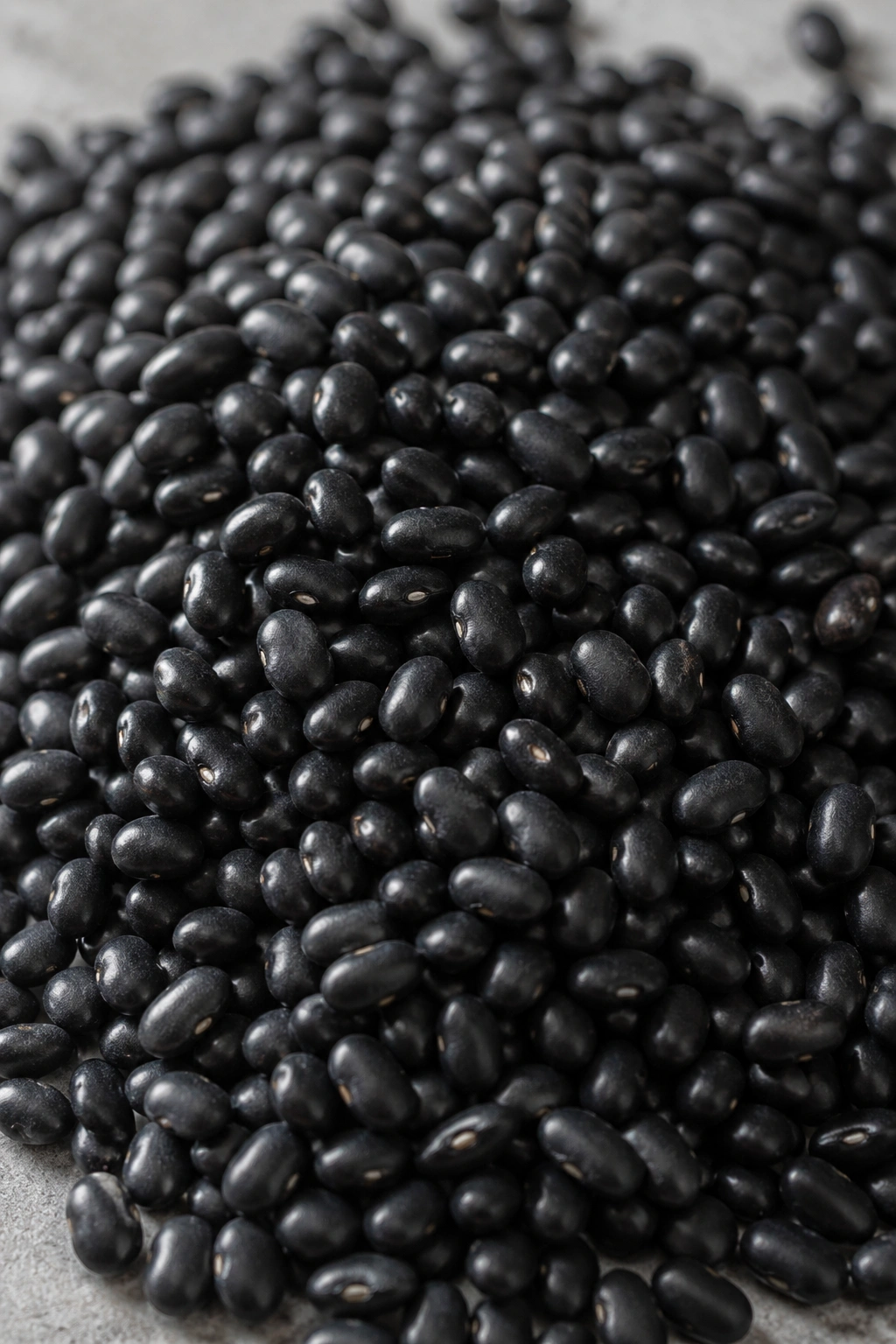
Beans are one of the best all-around foods for appetite control, and they deserve the attention they get. Black beans, chickpeas, kidney beans, navy beans — they all bring fiber, protein, and a texture that makes a meal feel serious. Half a cup can do more for fullness than a much bigger serving of refined starch.
The main reason beans help with a flatter-looking midsection is that they keep meals stable. They don’t vanish in a flash, and they help replace heavier foods without leaving you unsatisfied. A bean salad with chopped onion, tomatoes, herbs, and olive oil is a completely different kind of lunch than a sandwich with chips on the side. More filling. Less chaos.
If canned beans make your stomach grumble, rinse them well under cold water. That step matters. It removes some of the starchy liquid and can make them easier to tolerate. Start with smaller portions if you’re not used to them. Your gut usually adapts.
15. Walnuts
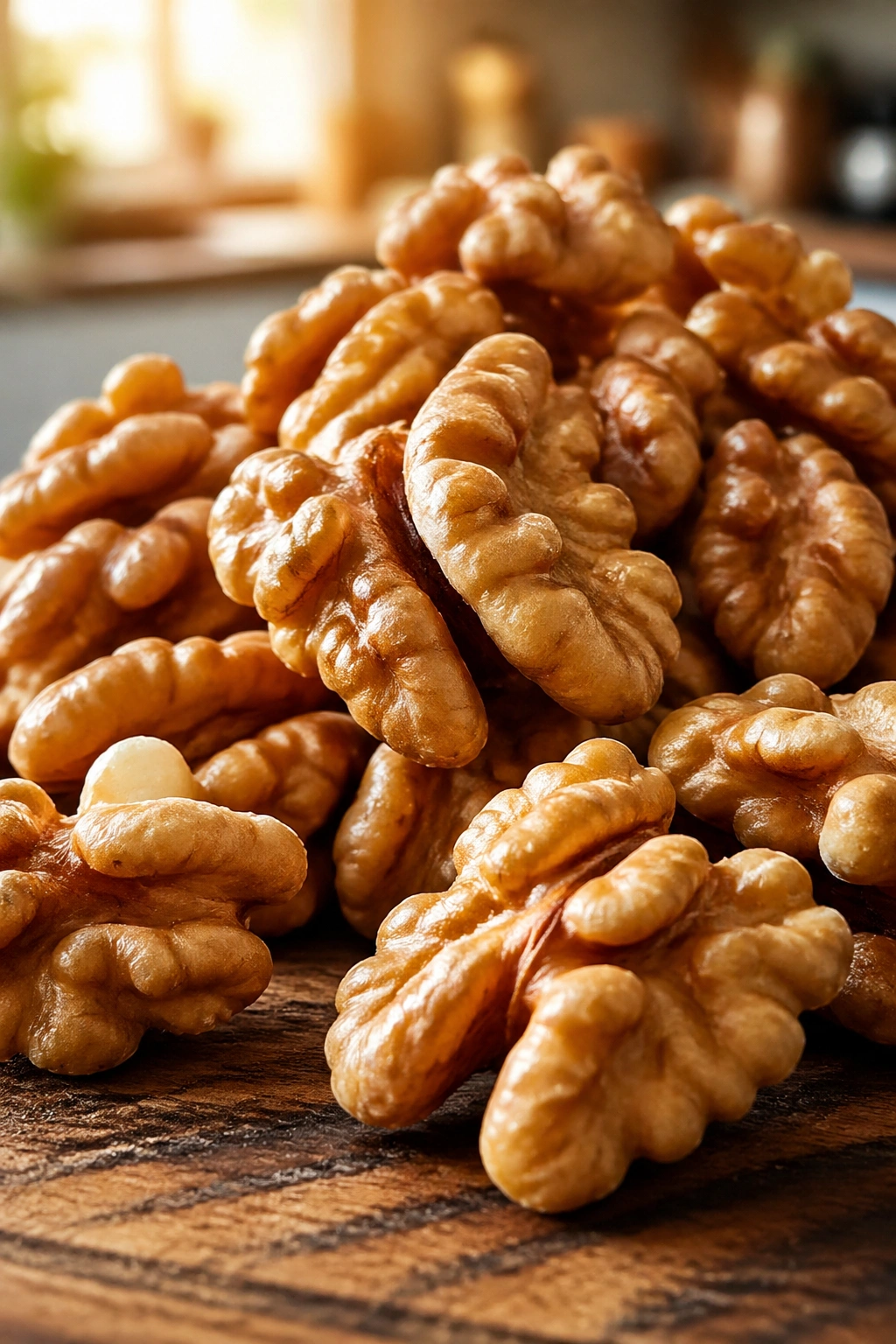
Walnuts are tiny, but they behave like a real snack because they have fat, some protein, and a crunch that slows you down. That matters. A 1-ounce portion — about a small handful — is enough to take the edge off hunger without turning into a full meal. The texture is part of the trick. People eat them more slowly than soft snack foods.
Why They Work Better Than Random Snacking
A bag of crackers can disappear before you notice. Walnuts ask for a little more attention. That alone changes the experience. They also pair well with fruit, yogurt, or oatmeal, which makes it easier to build a snack that is both satisfying and controlled.
I’m not pretending walnuts are low-calorie. They are not. But fat is not the enemy here. Portion size is the issue. Keep them measured, and they’re useful. Eat them from a bag while standing in the kitchen, and they turn into a calorie leak.
Good ways to use them
- Sprinkle 1 tablespoon chopped walnuts over oats.
- Mix with blueberries for a fast snack.
- Add to salads for crunch.
- Toast lightly in a dry pan to bring out flavor.
My preference: chopped walnuts work better than whole ones because they spread farther in a bowl.
16. Tofu
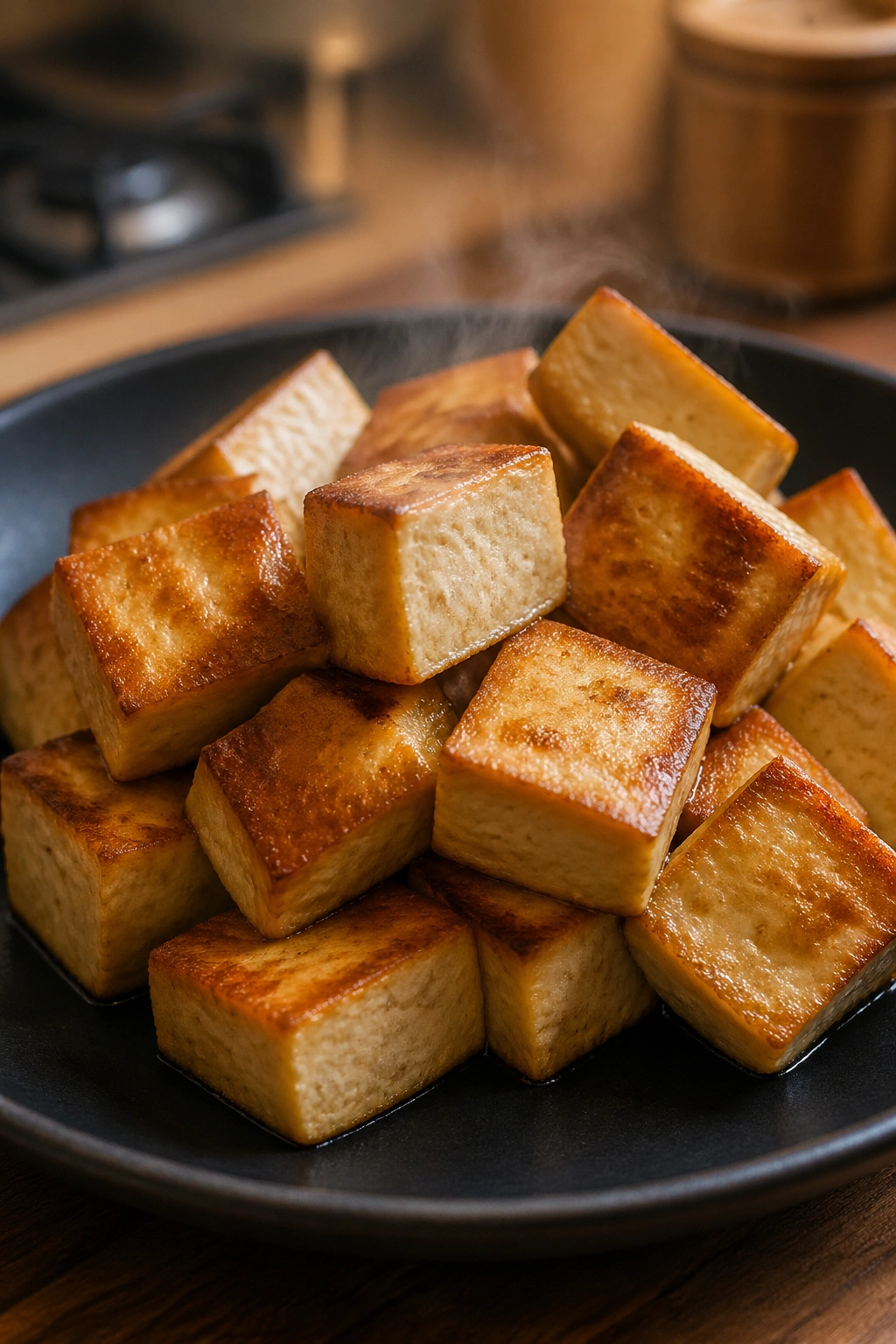
Tofu is one of the easiest high-protein foods to ignore if you only think of it as a meat substitute. That misses the point. Firm tofu gives you a mild base that picks up flavor fast, and a half-block can make a meal feel much more complete without much cooking time. It is especially useful if you want a lighter dinner that still keeps you full.
Pan-seared tofu gets a better texture than most people expect. Press it first, cut it into cubes, and cook it until the edges are browned. That crisp outside changes everything. Soft tofu has its place too, but firm tofu is the version I’d point to for everyday meals because it acts more like a real centerpiece.
It also works in breakfasts, which is where it surprises people. Tofu scramble with turmeric, onions, and spinach is filling in a way that feels calm rather than heavy. If meat leaves you feeling sluggish, tofu deserves a serious look.
17. Kefir
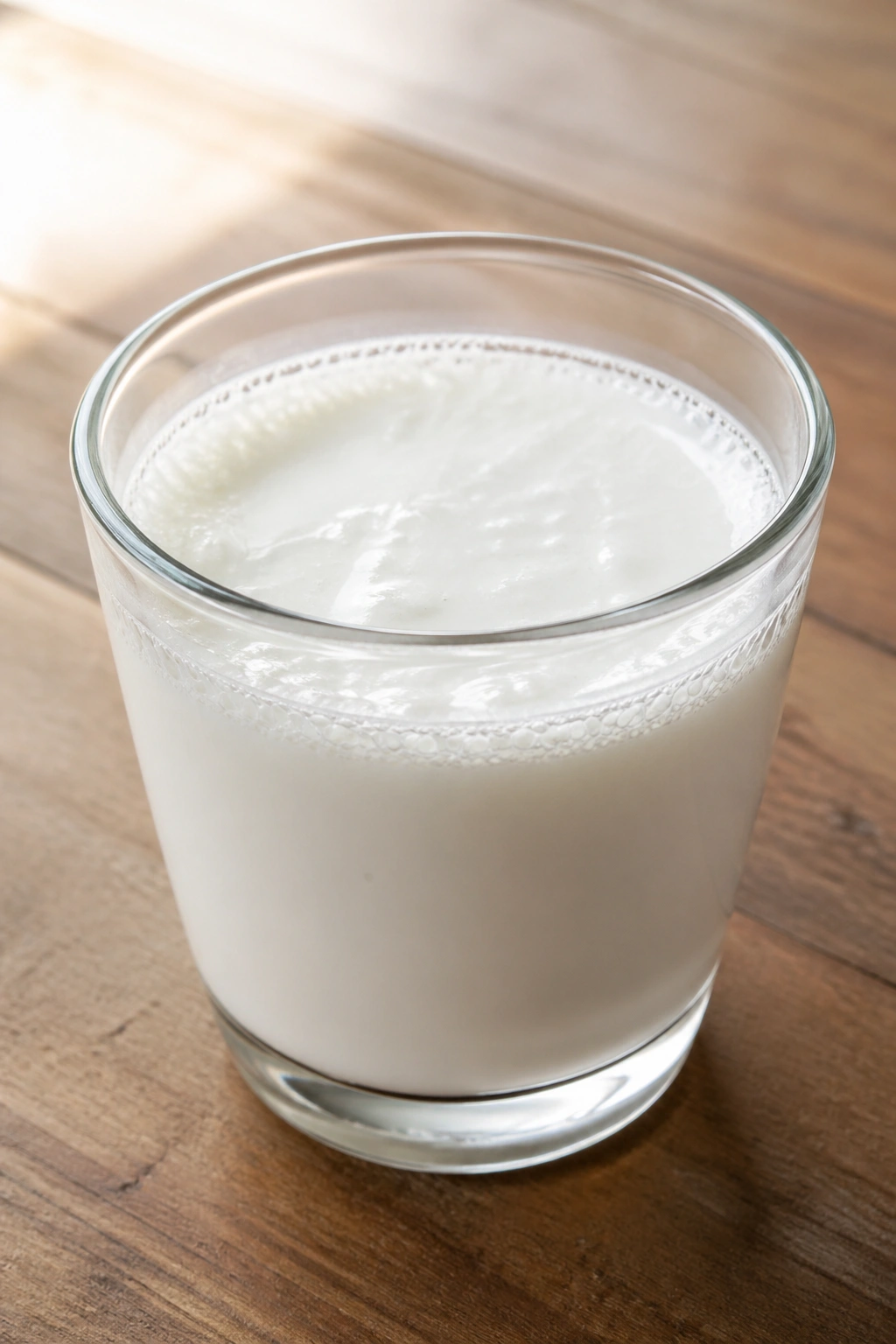
Kefir has a tang that makes it feel a little more serious than regular yogurt drinks. That sour edge is part of why it works. Unsweetened kefir gives you protein, probiotics, and a drinkable texture that is easy to fit into a busy day. A cup is often enough to tide you over between meals.
The thing I like about kefir is that it’s useful when you don’t want to chew. Some days, a snack like that matters more than a perfect bowl. A sweetened bottle sold as “healthy” can sneak in a lot of sugar and leave you just as hungry. Plain kefir is the better bet. Add berries or blend it with cinnamon if the taste needs softening.
- Buy plain kefir if possible.
- Check the sugar on flavored versions.
- Use it in smoothies instead of juice.
- Drink it cold; the flavor is sharper when it warms up.
Tiny detail: kefir can taste stronger after opening, so use it within a few days once the bottle is in your fridge.
18. Sweet Potatoes
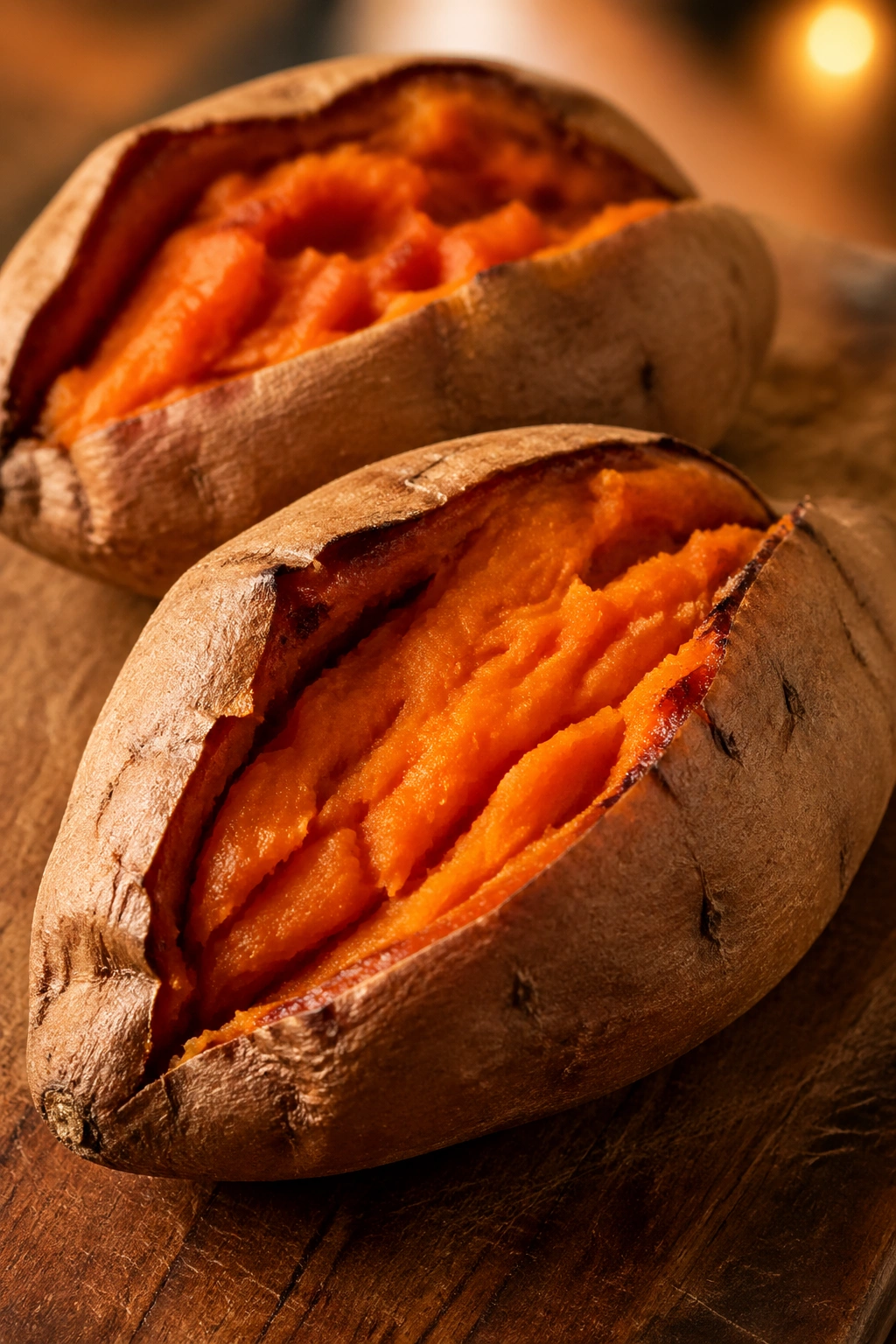
Sweet potatoes feel like comfort food, but they also happen to be a smart weight-loss staple when you keep the portion sensible. A medium one, baked with the skin on, gives you fiber and a starchy base that digests more slowly than white bread or chips. That makes it easier to feel satisfied without overeating.
Why They Beat Refined Sides
Mashed potatoes drenched in butter and gravy are a different story. A plain baked sweet potato acts more like a slow carb that supports the rest of the meal. Pair it with eggs at breakfast, beans at lunch, or salmon at dinner, and it gives the plate some staying power.
The skin matters. It adds extra fiber and a little chew. I also like sweet potatoes roasted in wedges because the edges caramelize and the center stays soft. That mix of textures is what keeps people coming back for more, not the orange color.
How to serve them
- Bake whole at 400°F until a knife slides in easily.
- Roast wedges with olive oil and paprika.
- Mash with a little cinnamon instead of lots of butter.
- Top with Greek yogurt and chives for a savory plate.
19. Quinoa
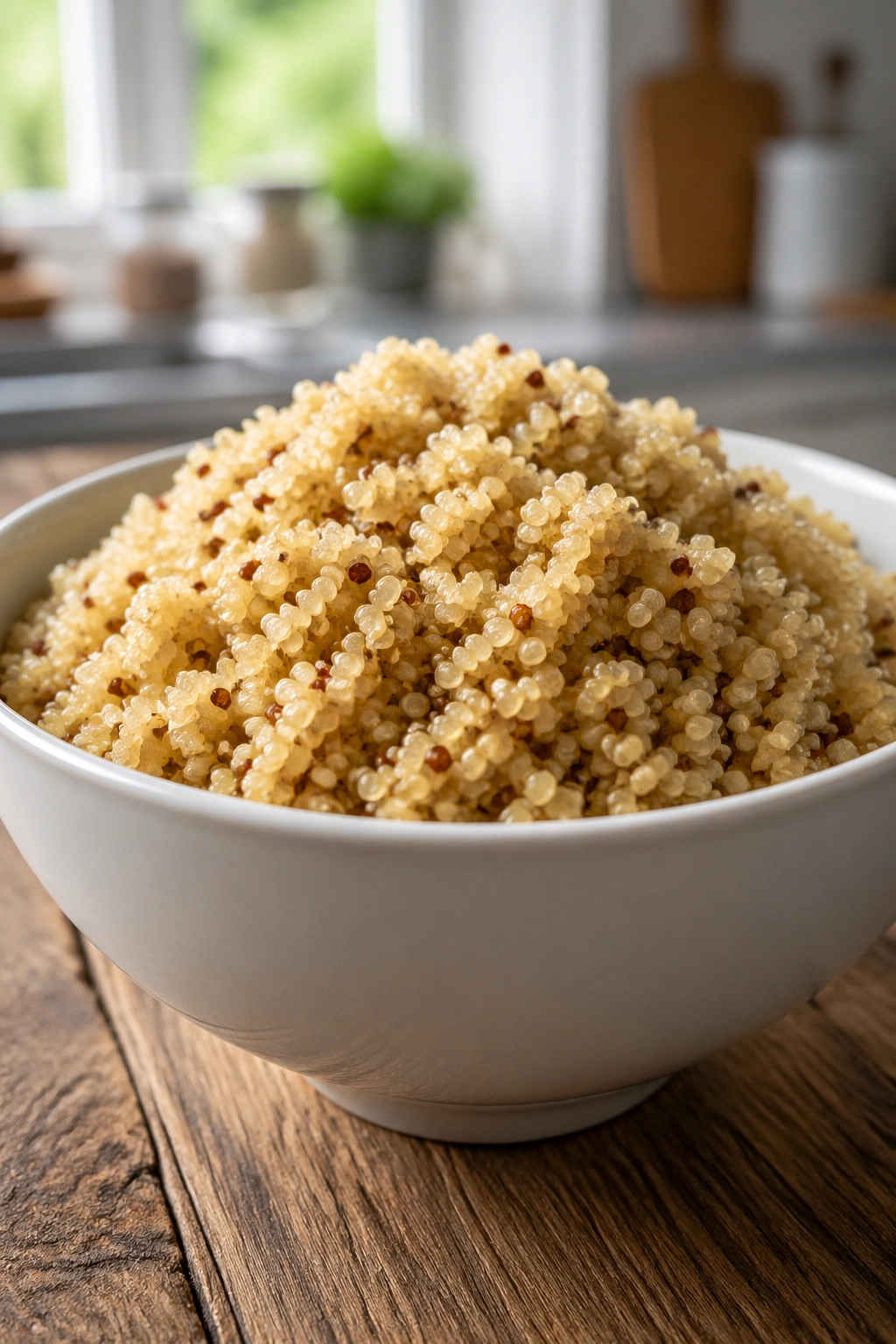
Quinoa is useful because it behaves like a grain but brings a bit more protein than rice does. That is not a reason to worship it. It is a reason to use it when you want a grain bowl that actually holds you. A half cup cooked is often enough as a side, and it takes on whatever flavors you add.
A lot of people overcook quinoa and end up with a mushy bowl. That ruins the texture. Rinse it first, cook it until the little tails appear, then let it sit covered for 5 minutes. You want fluff, not paste. Fluffy quinoa pairs well with roasted vegetables, beans, tuna, or chicken, and it keeps a meal from feeling too light.
- Use a 1:2 ratio of quinoa to water.
- Simmer until the liquid is absorbed.
- Fluff with a fork instead of stirring hard.
- Season it while it’s hot so the salt spreads evenly.
Best use: meal prep bowls that need a base sturdier than salad greens.
20. Tomatoes
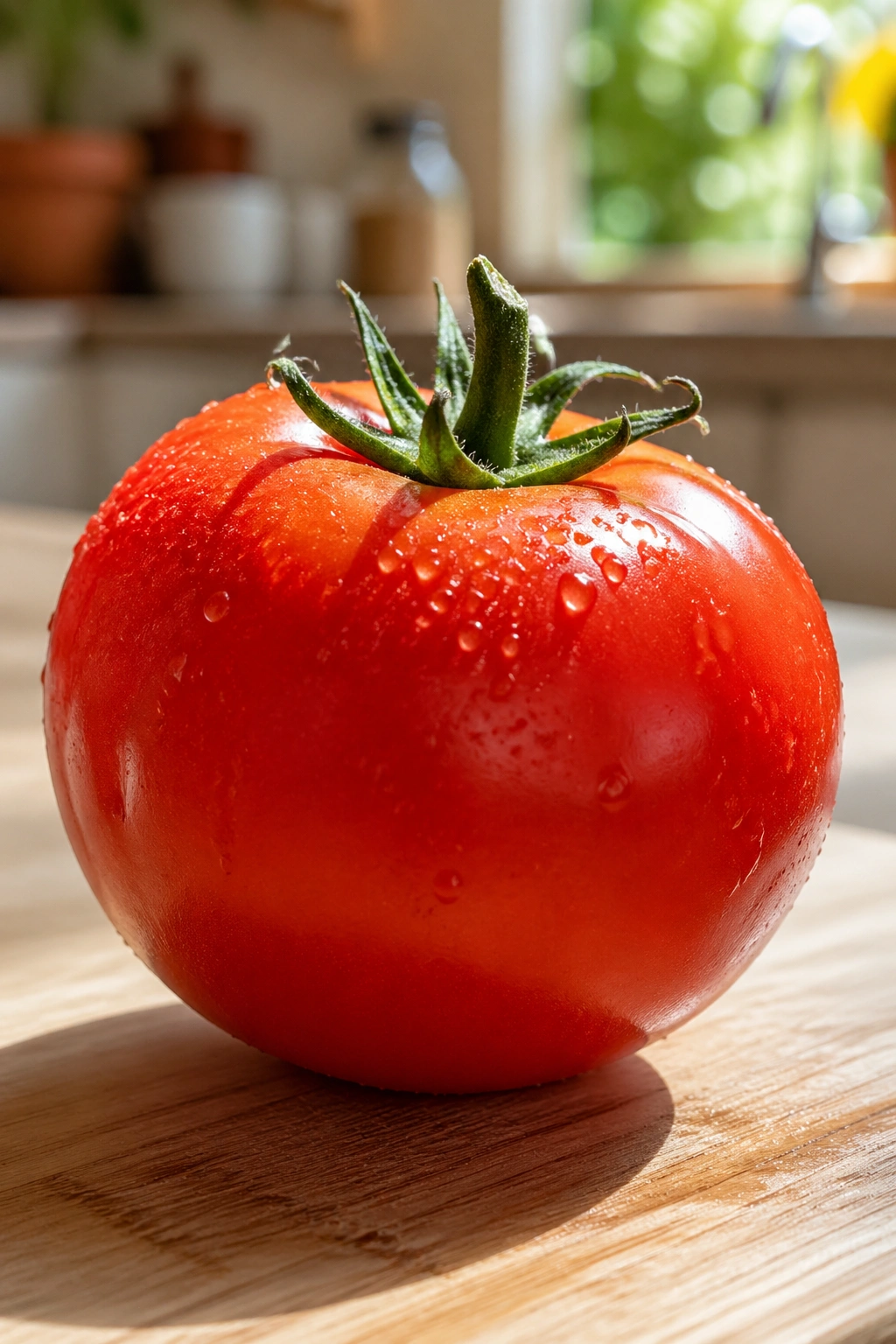
Tomatoes are one of those foods that make a plate feel more alive without adding much weight. They are juicy, bright, and easy to use raw or cooked. That matters because a tomato-heavy meal tends to feel more satisfying than the same meal without it. Water content helps. Flavor helps more than people think.
A sliced tomato with olive oil, salt, and basil can do a lot of work next to eggs, chicken, fish, or beans. Cooked tomatoes bring a deeper flavor and more body, especially in sauces and stews. They’re one of the few foods that can make a simple dish taste cooked longer than it really was.
I like them because they solve a common problem: plain protein can feel dry. Tomatoes add moisture and acid, which wake the rest of the plate up. If a meal tastes flat, tomatoes often fix it faster than another sauce.
21. Kimchi
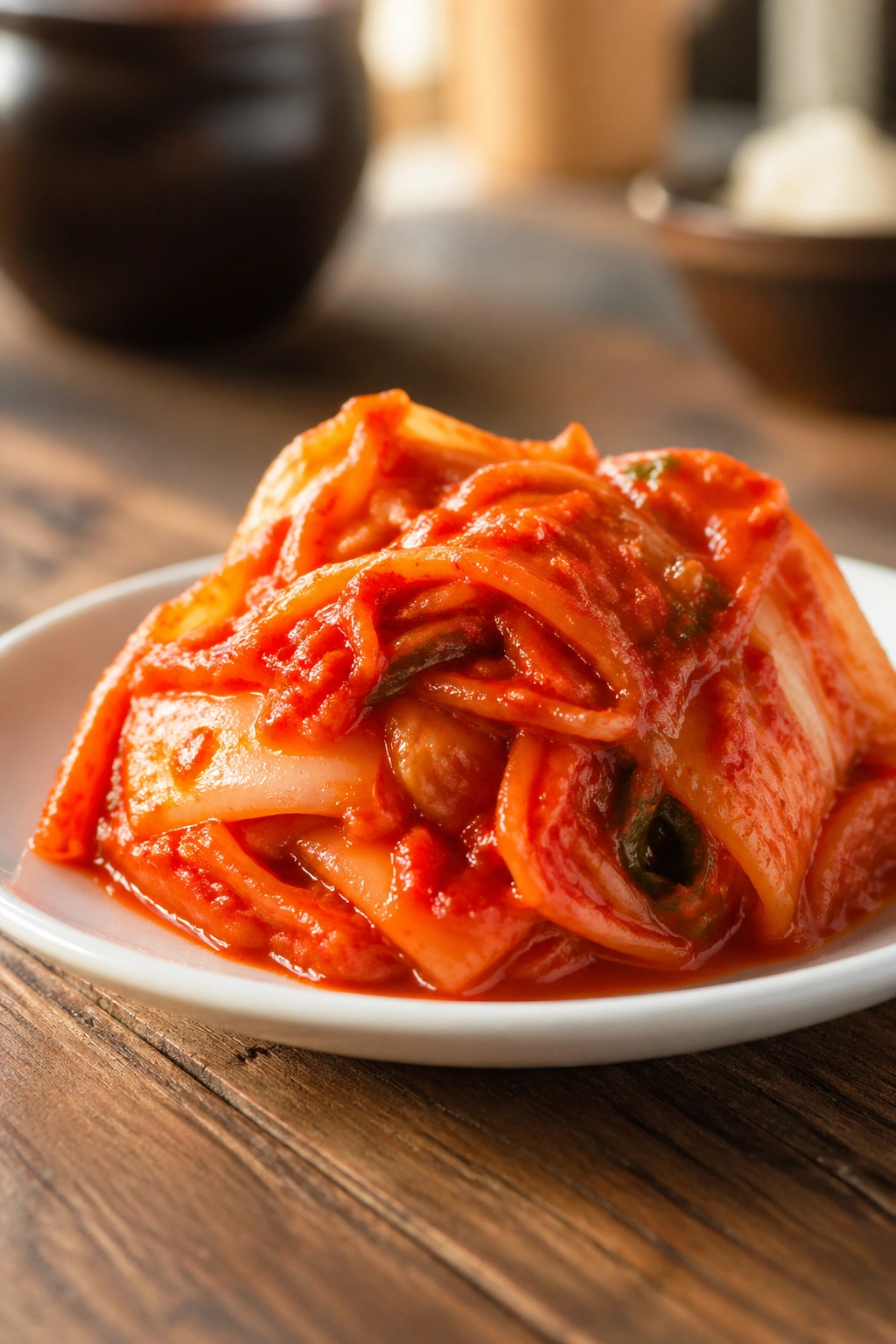
Kimchi is loud in the best way. It brings crunch, heat, and a sharp fermented flavor that can wake up a boring plate fast. That’s useful when you’re trying to eat a little less but still feel satisfied. A couple of tablespoons can change eggs, rice bowls, or tofu without adding much bulk.
Why a Small Serving Is Enough
You do not need a giant pile of kimchi. The flavor is strong, and the sodium can climb quickly if you get carried away. That said, a modest serving can make vegetables and protein more appealing, which is a sneaky advantage. If healthy food tastes better, you’re more likely to stick with it.
Kimchi also brings the fermented-food angle, which many people like for digestive routine. I wouldn’t oversell that part. Still, there’s no doubt that a meal feels different when a spoonful of kimchi is on the plate. More alive. Less bland.
How to use it
- Add 1 to 2 tablespoons to rice bowls.
- Chop it into scrambled eggs.
- Stir into soup just before serving.
- Keep it cold and sealed tightly; the smell is not subtle.
Caution: if very spicy or salty foods bother your stomach, use a small amount.
22. Almonds
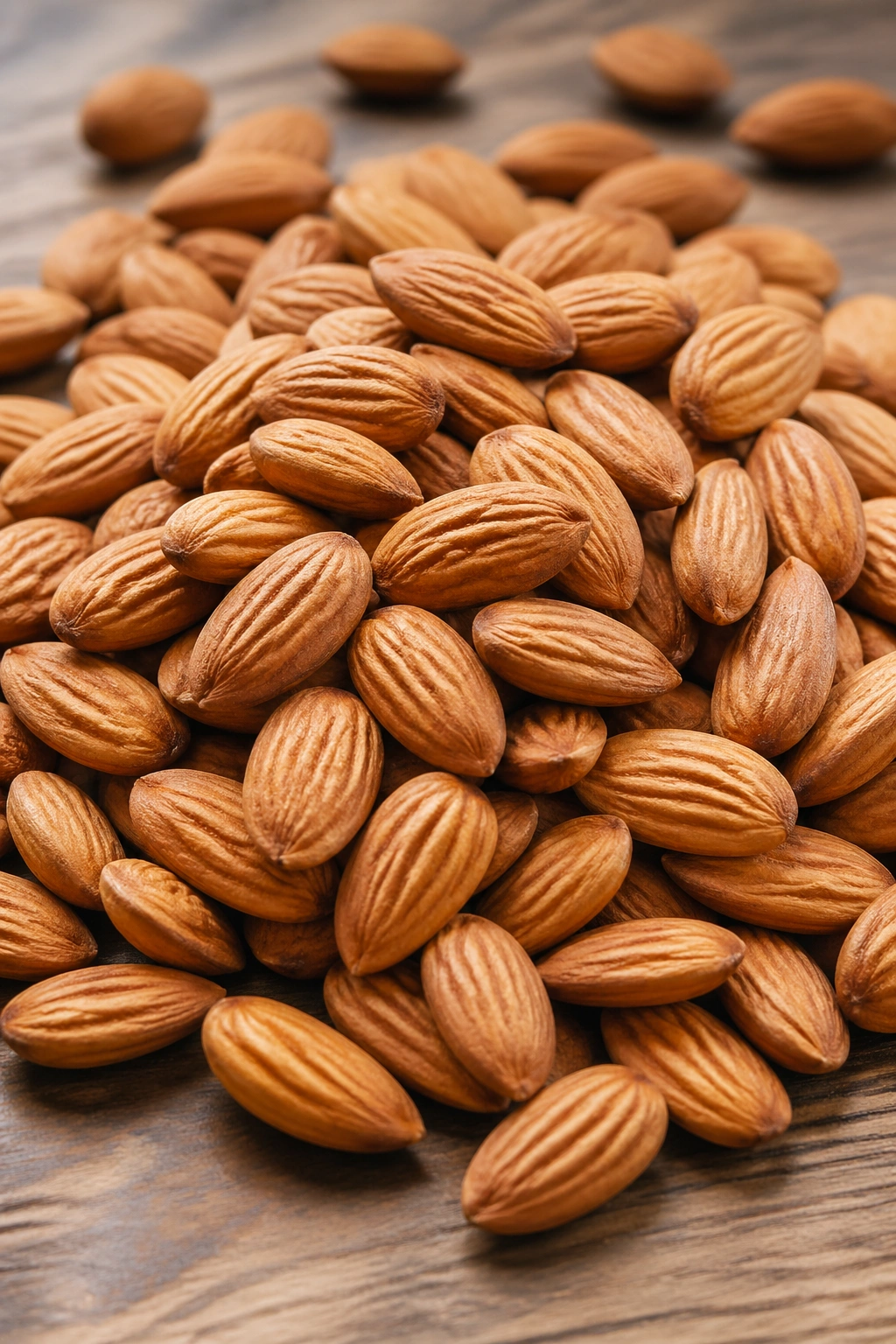
Almonds are one of the few snacks that can stop the “I need something” feeling without turning into a full meal. A measured 1-ounce serving, about 23 almonds, gives you crunch, fat, and a bit of protein. The important part is the measurement. Almonds are easy to overeat when you pour them straight from the bag.
The reason they help with a flatter-looking midsection is simple: they keep you busy eating a small amount of food that actually feels like food. A few almonds with an apple or a few almonds in yogurt can be more satisfying than a processed snack with the same calories and less staying power.
I prefer them raw or dry-roasted without much salt. Salted almonds are fine, but if you are already eating a lot of salty foods, the water retention can make you feel puffier than you want. That’s not fat gain. It just feels annoying.
23. Pears
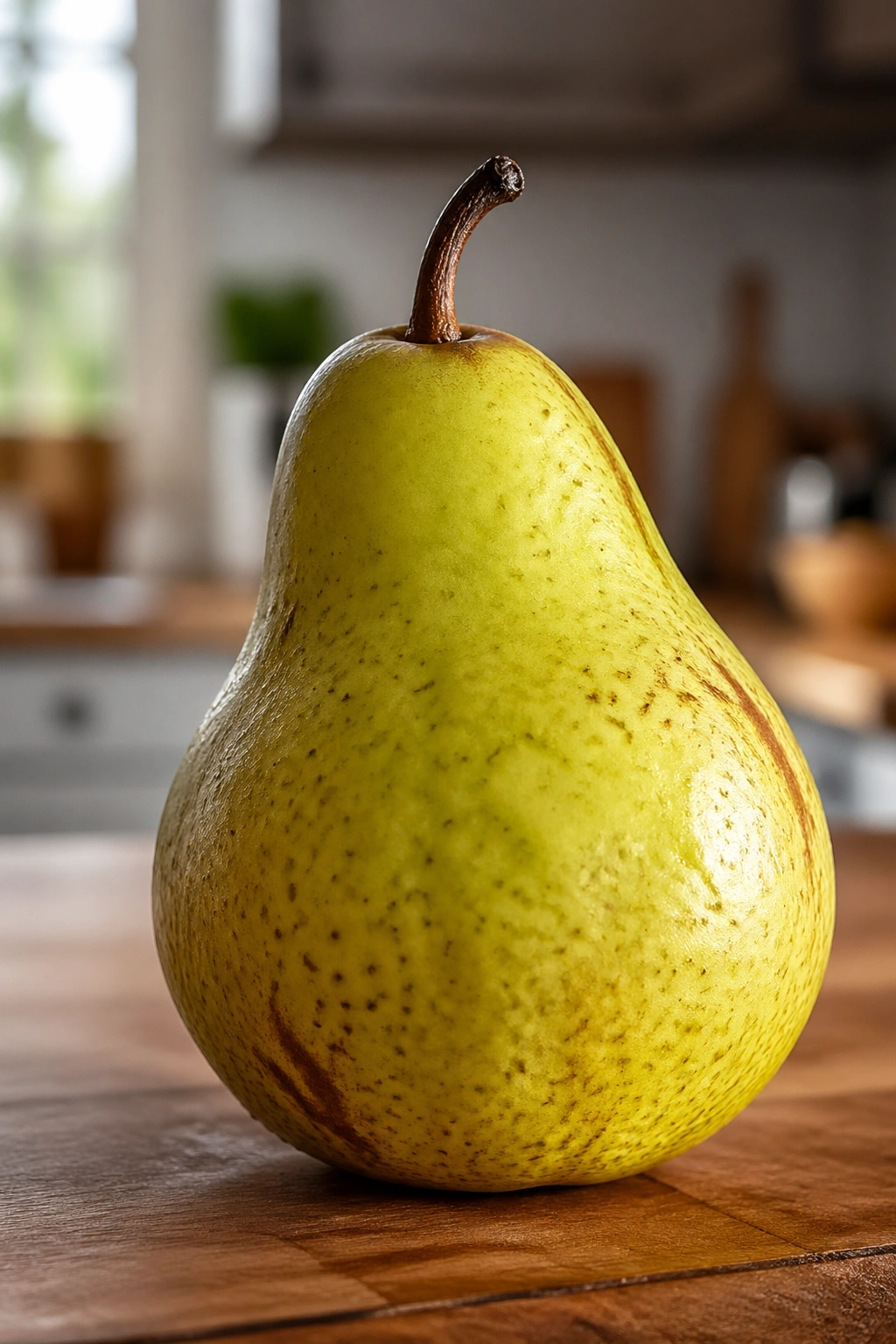
Pears deserve more credit than they get. They are juicy, soft, and high in fiber, which gives them real staying power for a piece of fruit. A medium pear is one of the better choices when you want something sweet that doesn’t vanish in two bites.
Compared with a cookie or a sweet bar, a pear has more volume and more chew. That matters. You eat more slowly, notice the texture, and often feel done before you’ve polished off much else. I like pears best when they’re ripe but still a little firm, because mushy pears can be a mess. The crisp-sweet middle is the sweet spot.
They also pair well with cheese, yogurt, or walnuts if you want to turn them into a more complete snack. That mix of fruit plus fat or protein is the version that lasts.
24. Sardines
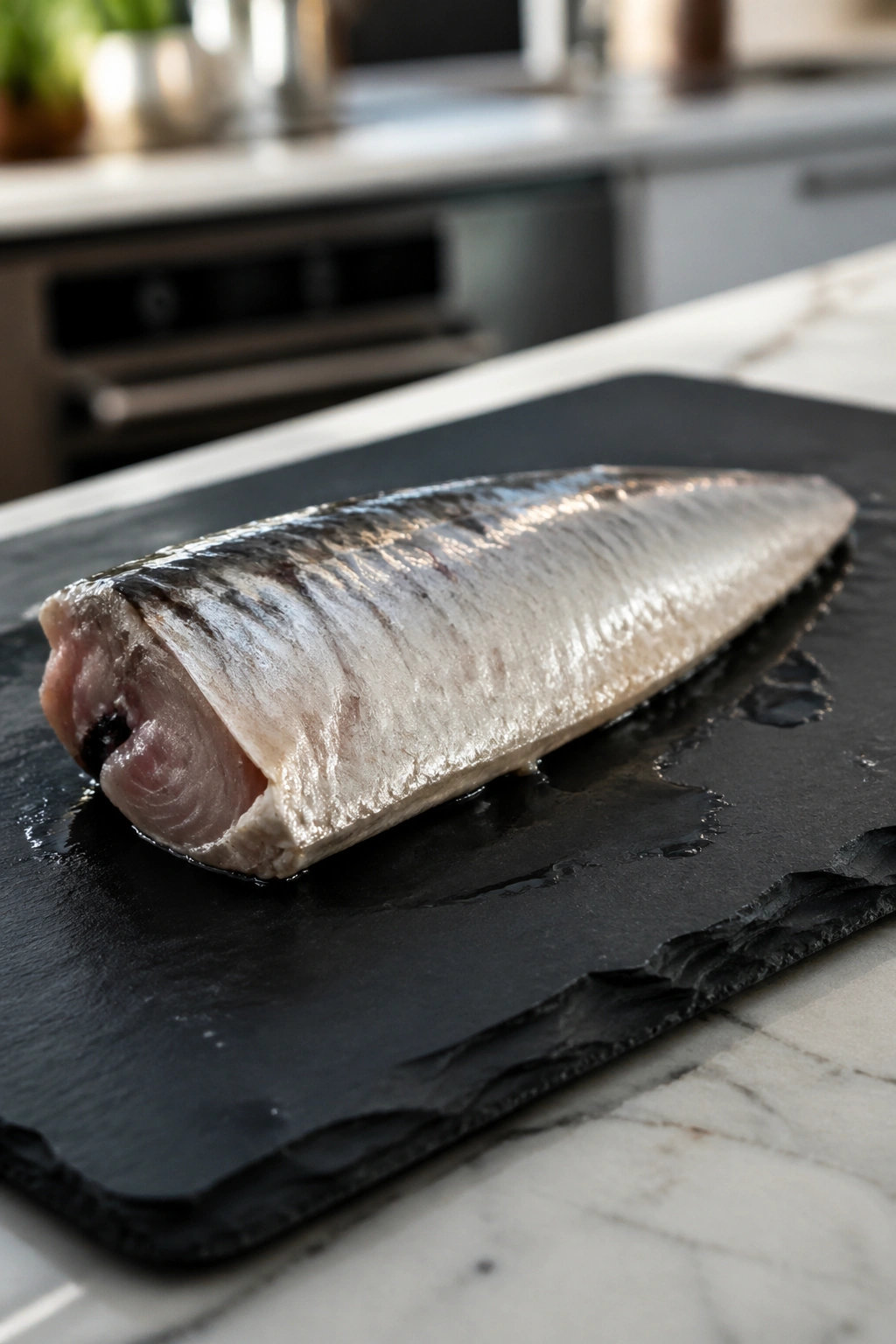
Sardines are not a glamour food. Good. They do not need to be. They are small, salty, rich in protein, and loaded with omega-3 fats. A single tin can give you a fast meal with more staying power than a lot of “healthy” snacks that cost more and do less.
What Makes Them Different
Sardines are especially useful when you need a shelf-stable protein. No thawing, no marinating, no waiting. Eat them on whole-grain toast, toss them into a salad, or mash them with lemon and pepper. They also bring calcium when the bones are included, which is a nice bonus. The flavor is stronger than salmon, so they are not for everyone, but they are practical.
People often think of them as a lunch food only. I use them that way too, but they can work in a late dinner when you want something fast and filling. If the taste bothers you, start with lemon, mustard, or chopped herbs.
Good ways to eat them
- Put them on toast with sliced tomato.
- Flake into a grain bowl.
- Mix with mustard and serve on cucumber rounds.
- Choose olive-oil-packed sardines if you want a richer texture.
25. Edamame
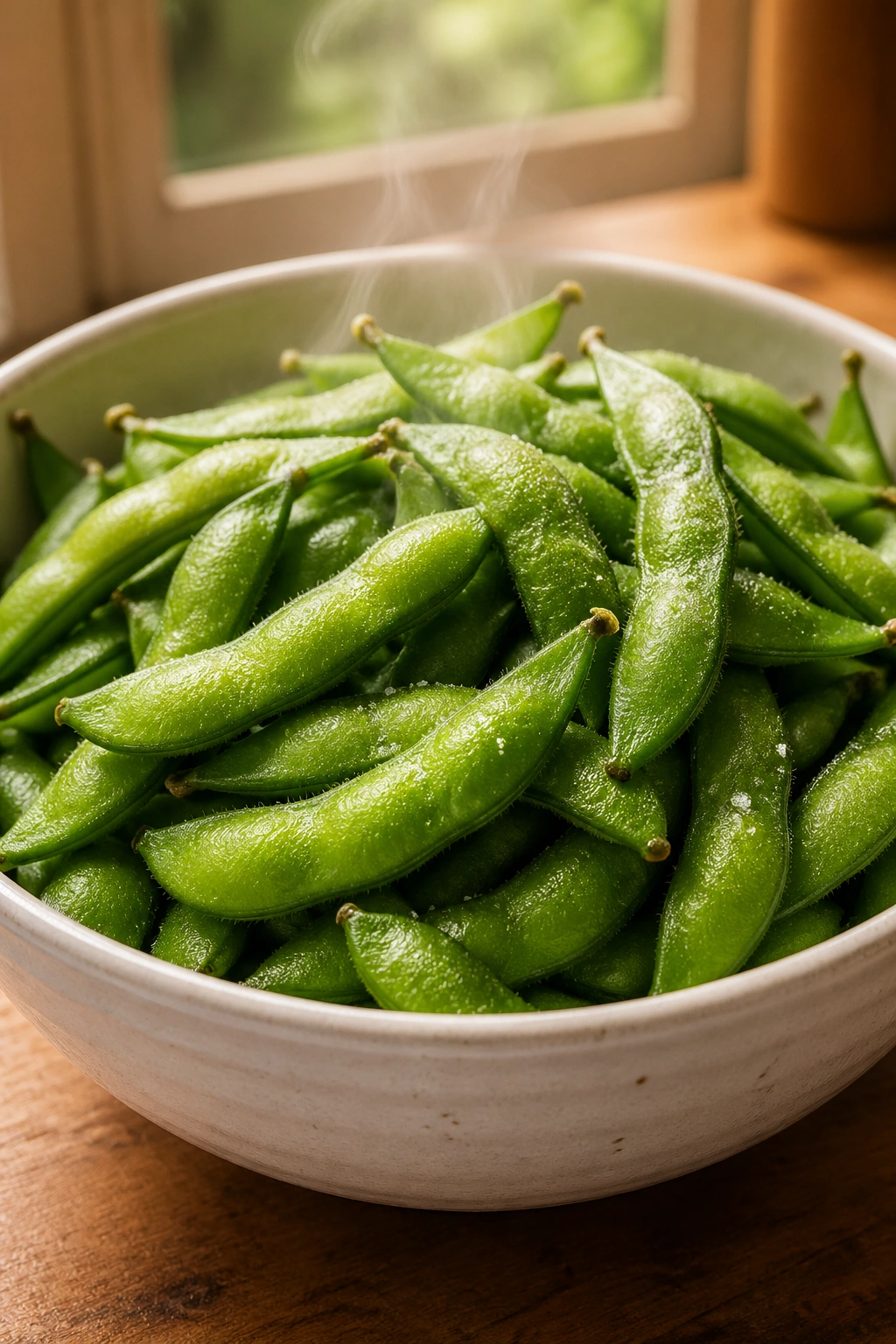
Edamame is the kind of snack that solves the “I want something salty” problem without sending you off the rails. Steamed soybeans bring protein, fiber, and enough chew to feel like a real snack. A cup in the pod, or about half to one cup shelled, is often plenty.
The appeal is partly practical. You can buy it frozen, steam it in minutes, and eat it plain with a pinch of salt. That means you are less likely to wander into the pantry looking for something random. It also works well in salads and grain bowls where you need a little more substance.
- Steam frozen edamame for 4 to 5 minutes.
- Sprinkle with flaky salt or chili flakes.
- Toss shelled edamame into pasta salad.
- Use it as a protein-rich appetizer instead of chips.
Small note: the pods are not meant to be eaten. The beans are the part you want.
26. Cauliflower
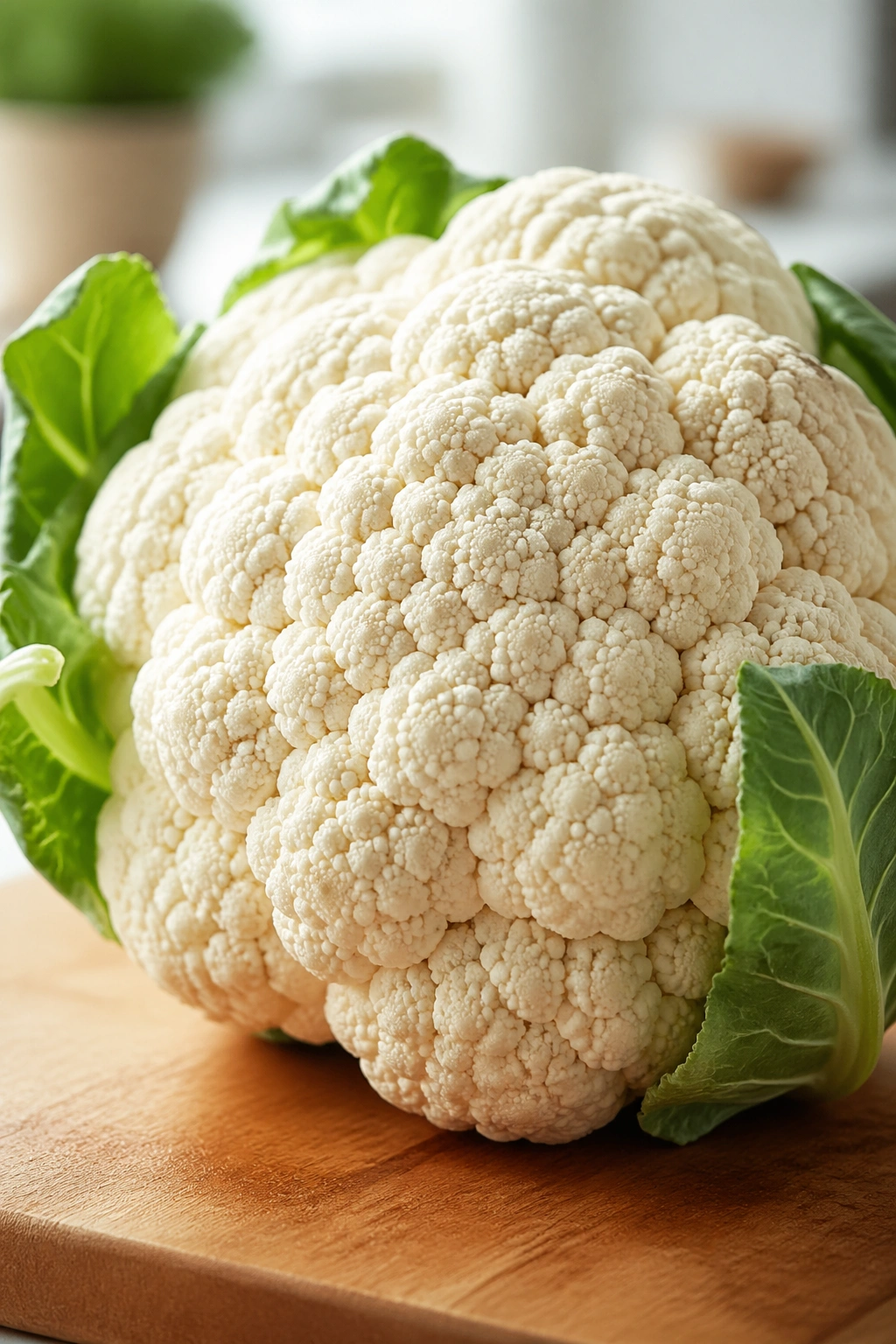
Cauliflower earns a spot here because it can replace a lot of heavier side dishes without leaving a meal feeling empty. Rice it, roast it, mash it, or turn it into florets with a little olive oil and salt. Its mild flavor is the whole point. It plays backup very well.
Why It Helps With Lighter Meals
When a plate is built around cauliflower, you usually get more volume for fewer calories. That helps if you like a full plate but don’t want it loaded with starch. Roasting is my favorite method because the edges brown and the flavor gets deeper. Cauliflower rice is fine too, though I think it works best as a base under something with real texture, like chicken, beans, or tofu.
It can be a little gassy for some people if eaten in huge amounts. That’s the catch. Start with a normal serving, not a mountain, and see how it sits.
How to use it
- Roast at 425°F until browned.
- Pulse into rice-sized bits in a food processor.
- Mash with garlic for a lower-carb side.
- Mix with herbs and lemon to brighten it up.
27. Green Tea
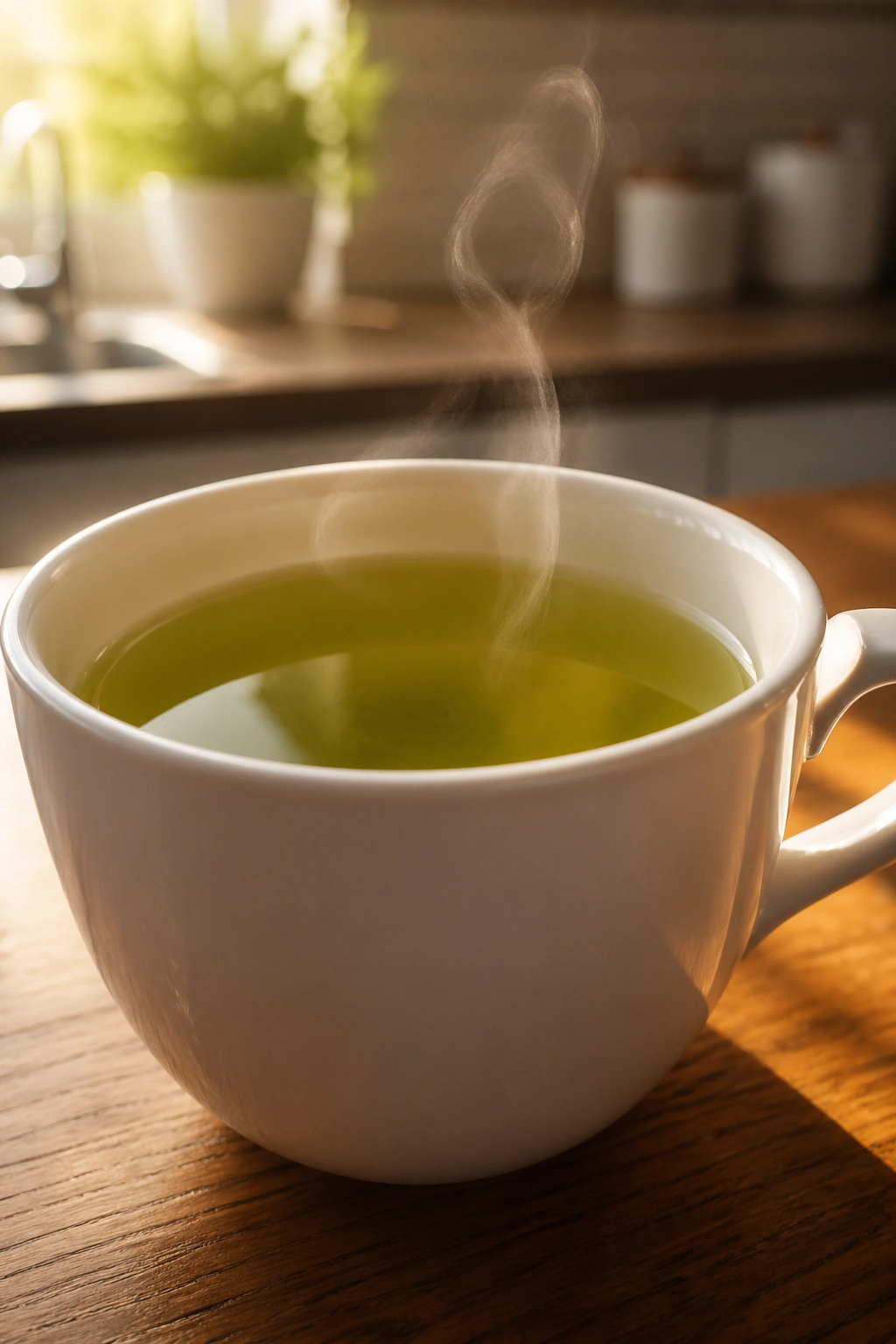
Green tea is not a food, strictly speaking, but it belongs on a flat belly foods list because drinks matter too. A cup of unsweetened green tea can help you sidestep sugary beverages that add calories without doing much for fullness. That alone makes it worth considering.
The caffeine gives a little lift, and the flavor is clean enough to replace soda or sweet tea for people who want a lighter routine. I’m careful not to oversell the weight-loss side of it. A mug of tea will not undo a day of overeating. It can, though, make the day easier to manage if you use it instead of a dessert drink.
Plain is the way to go. If you drown it in sugar or syrup, the point is gone. Lemon is fine. A splash of milk is fine. Keep it simple and it becomes a habit instead of a project.
28. Sauerkraut
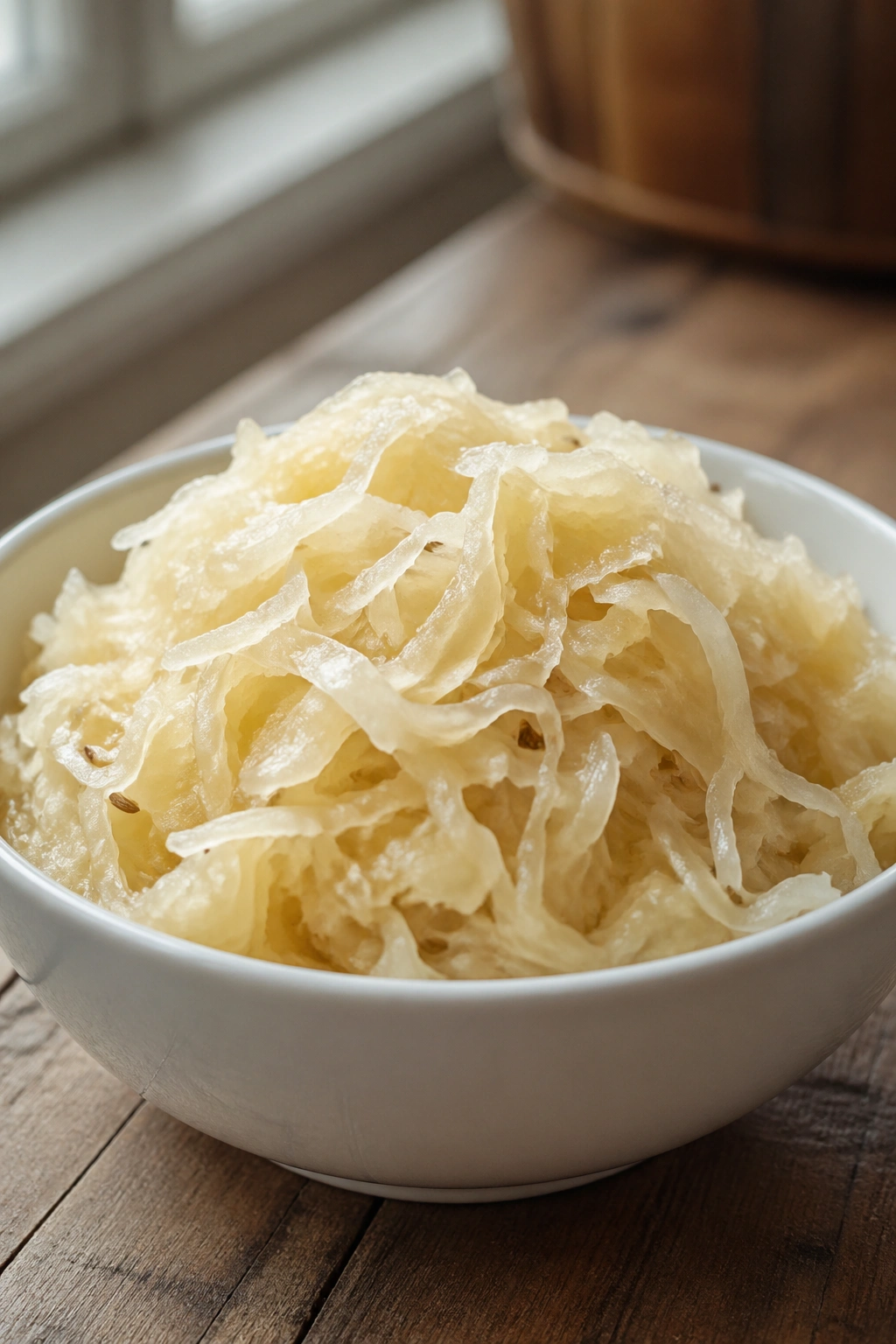
Sauerkraut has a sharp, salty bite that can wake up plain meals fast. A couple of spoonfuls over sausage, eggs, potatoes, or a bean bowl changes the whole plate. That’s useful when you want food that feels satisfying but not heavy.
Why It Belongs on a Daily Plate
Like kimchi, sauerkraut is fermented cabbage, so it gives you that tangy probiotic angle people like for digestion. The sodium is the catch, and it’s worth paying attention to if you eat it often. Rinsing it briefly under cold water can soften the salt if needed. You lose a little flavor, but sometimes that trade makes sense.
Sauerkraut also helps with texture. Soft meals can feel dull. The crisp-tart bite gives the brain something to notice, which can make a smaller meal feel more complete. That is a useful trick when you’re eating lighter but do not want to feel deprived.
How to use it
- Add 1 to 2 tablespoons to sandwiches or bowls.
- Serve it cold for the crunchiest texture.
- Mix with mustard and onions on a hot dog if that’s your thing.
- Store it tightly sealed in the fridge.
29. Raspberries
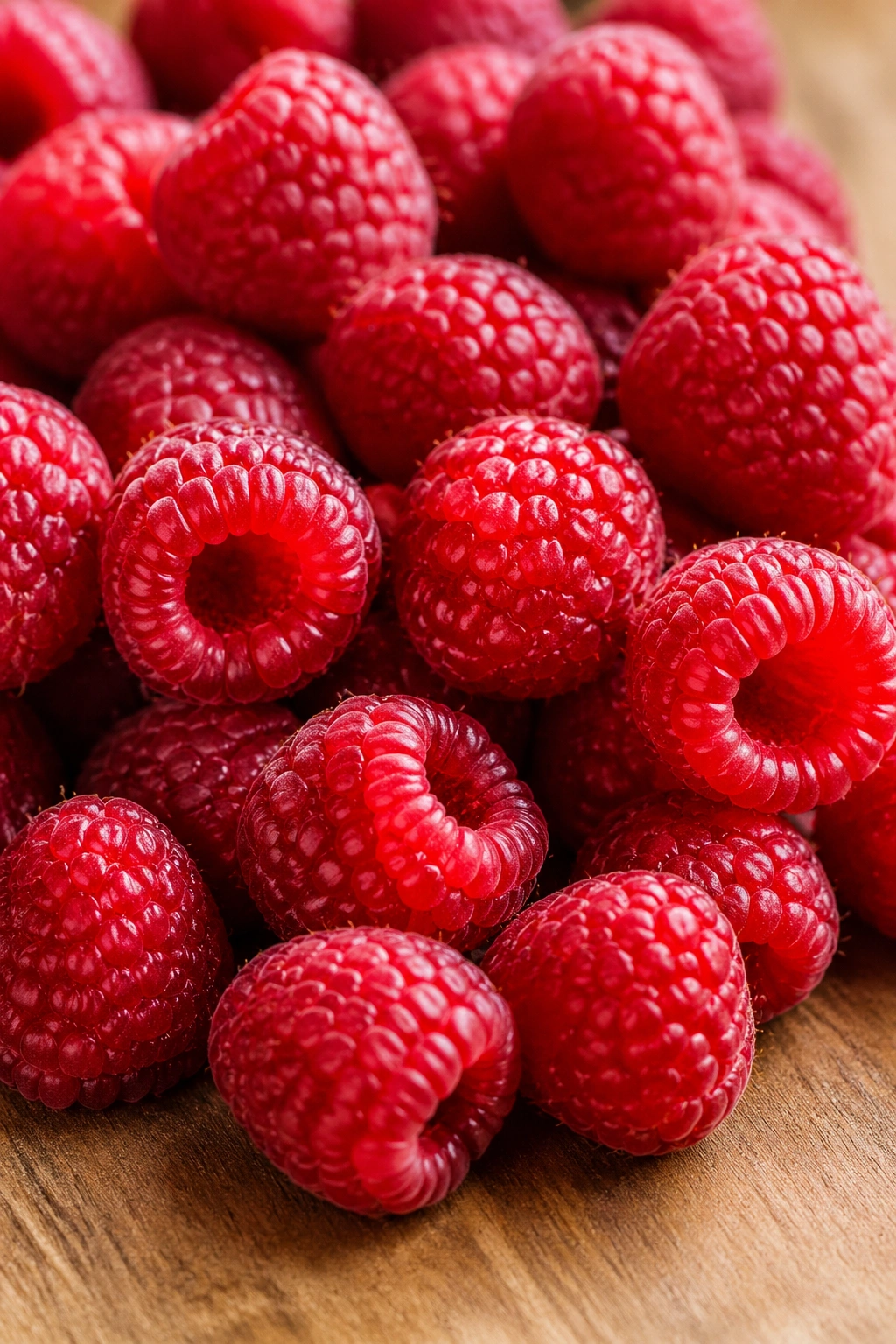
Raspberries are one of the strongest fruit choices if fiber is what you want most. They have a lot of tiny seeds, a tart taste, and enough structure to keep you from inhaling them mindlessly. A cup feels generous and takes longer to eat than softer fruit that disappears fast.
Compared with sweeter fruits, raspberries pull their weight better when you are watching portions. They’re excellent with yogurt, cottage cheese, or plain oats. I also like them frozen because the texture becomes almost candy-like if you let them thaw for a few minutes. That gives you a dessert feeling without the usual sugar load.
They’re messy, though. That is the honest part. If you pack them for work, use a sturdy container. A crushed raspberry leak is not fun. Still worth it.
30. Bell Peppers
Bell peppers are one of the easiest ways to add crunch, color, and water-rich volume to meals without making them heavier. Red, yellow, orange, or green — they all work, and each one brings a crisp bite that makes salads, eggs, wraps, and grain bowls feel less flat. That matters when you’re trying to eat in a way that stays satisfying.
Raw peppers are where they shine most. Slice them into strips and pair them with hummus, guacamole, or cottage cheese, and the snack suddenly has shape. Roasted peppers are good too, especially when you want softness and sweetness. They’re one of the few vegetables that can be eaten with almost no prep and still feel like you made an effort.
A cup of pepper strips can take the edge off hunger without turning into a calorie pile. Use them where you’d reach for chips or crackers, and the difference shows up fast. Keep a container of sliced peppers in the fridge, and the whole week gets easier.
