



A sleeve of crackers on the nightstand can feel more useful than a full breakfast when morning sickness hits. The best first trimester foods are rarely fancy; they’re usually bland, cool, lightly salted, and easy to swallow in two or three bites. That’s not glamorous, but pregnancy nausea doesn’t care about glamour.
Empty stomachs make the whole thing worse. A few bites before standing up, a little protein when your stomach allows it, and cold foods when smells turn your stomach can change the morning from miserable to merely annoying. Some days the winner is toast. Other days it’s frozen fruit, plain rice, or a chilled cup of applesauce.
Your nose gets opinionated fast.
If you’re vomiting often, losing weight, getting dizzy, or going half a day without keeping fluids down, that stops being a “food preference” problem and becomes a medical one. Call your midwife, OB, or clinician if the nausea is escalating instead of easing.
1. Saltine Crackers
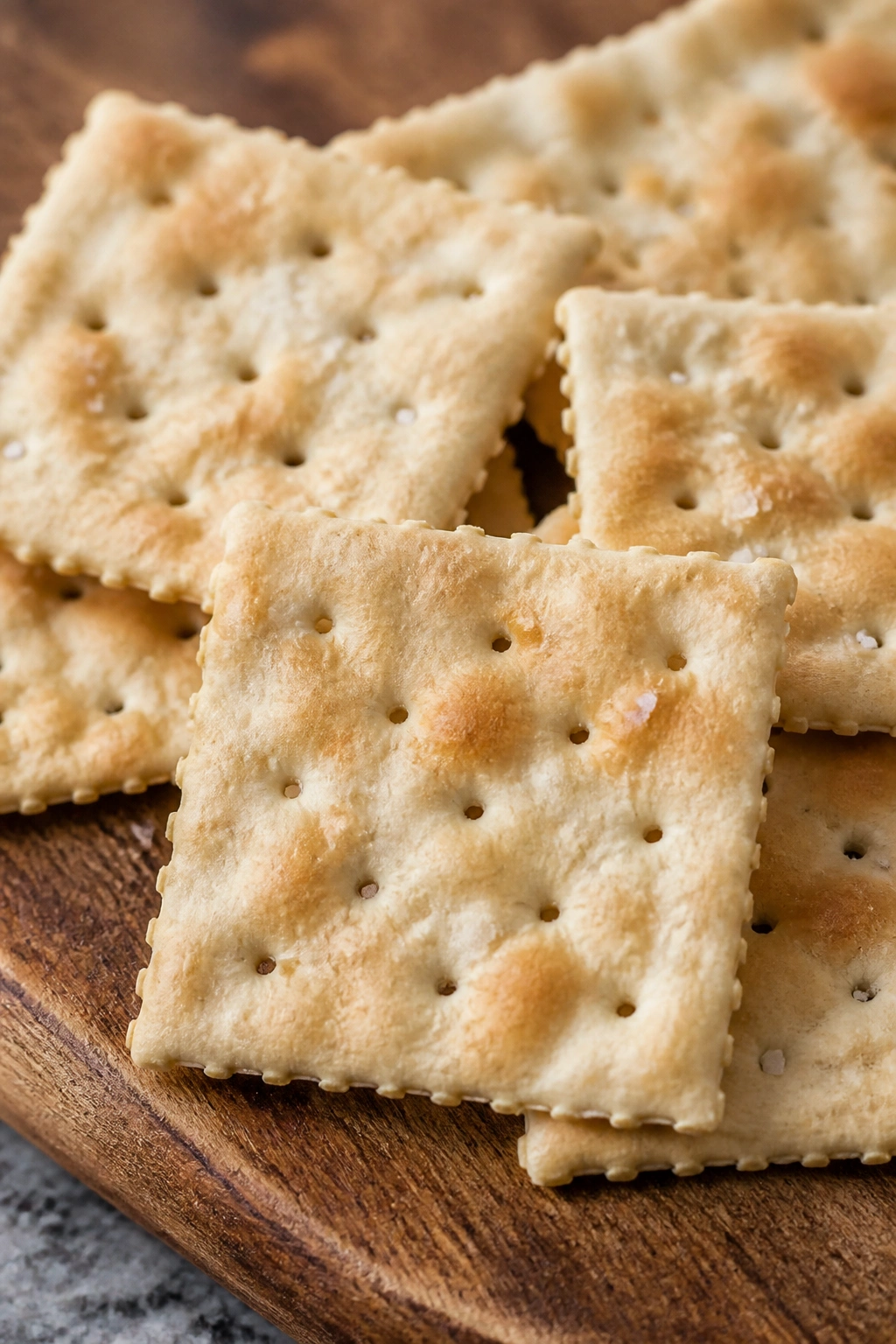
Saltines are the old standby for a reason. They’re dry, mild, and easy to nibble before your stomach has much of a chance to complain. A few plain crackers can take the sharp edge off nausea, especially when you wake up feeling hollow and shaky.
Why bland crackers work so often
The trick with saltines is not magic. It’s timing and texture. A small amount of dry starch gives your stomach something to work on without bringing in a lot of smell, fat, or spice. The salt helps too, especially if you’ve been nauseated enough to avoid eating for hours.
Keep a sleeve by the bed. Eat 2 or 3 crackers before you get up, then wait a few minutes before standing. Do not chug water on top of them right away if that makes you feel sloshy.
- Try plain saltines, oyster crackers, or rice crackers.
- Eat them in very small bites.
- Pair them with a few sips of water later, not all at once.
- If salt bothers you, choose a lower-sodium version.
Best move: eat a couple before the nausea fully wakes up.
2. Ginger Chews
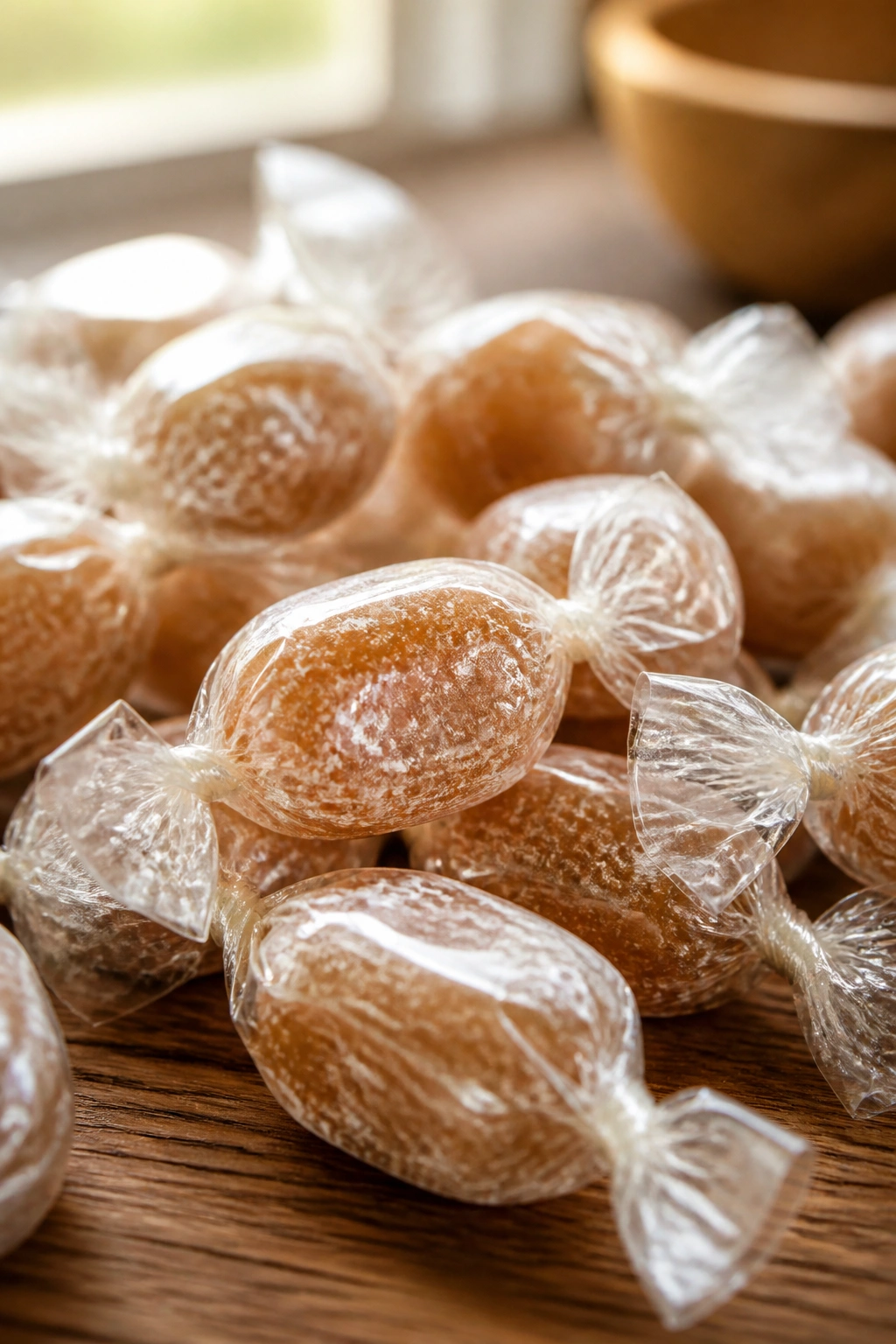
Ginger chews are one of those foods people either swear by or shrug at. I think they earn their place because they’re portable, easy to portion, and strong enough to matter without forcing you to sit down and “have a treatment.” They are food first, which helps when your stomach is touchy.
What to look for on the label
Not all ginger candy is equal. Some pieces taste like sugar with a rumor of ginger. Others pack a sharp, warm bite that can settle the stomach fast. If you can find chews with actual ginger listed near the top of the ingredient list, that’s the version worth buying.
Start small. Half a chew may be enough if the flavor is intense. Too much ginger at once can feel hot and scratchy, especially when your throat is already sensitive from vomiting.
- Choose chews with real ginger, not only ginger flavoring.
- Keep them in your bag or car.
- Let one soften slowly instead of chewing it hard right away.
- Try one after a light snack if ginger feels too strong on an empty stomach.
A little goes a long way here.
3. Plain Toast
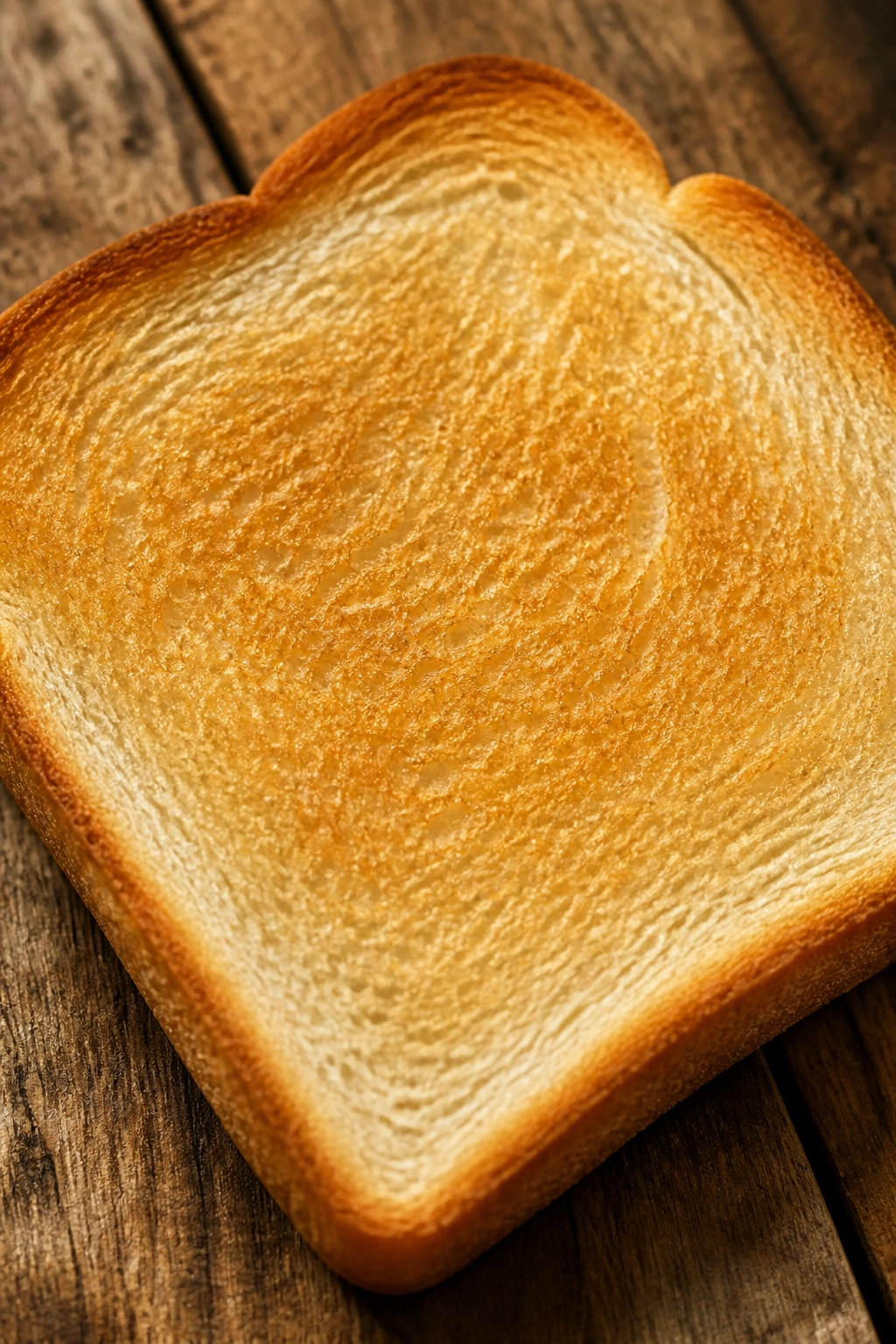
Toast is boring in the best possible way. The dry surface, the mild smell, the lack of grease — all of it works in its favor when morning sickness has made breakfast feel impossible. Bread that’s toasted until golden, not dark, usually sits better than soft bread with a strong yeasty smell.
A slice or two can be enough. White bread tends to be gentler than dense seeded loaves, though some people do fine with sourdough because it’s a little tangy and less sweet. If butter feels okay, use a thin scrape, not a heavy layer.
I like toast because it gives you an exit ramp. You can eat it plain, add a little peanut butter later, or leave it bare if that’s the only version your stomach accepts.
- Plain white toast
- Sourdough toast
- Gluten-free toast if that’s what your body needs
- A thin layer of butter or jam only if it feels safe
Warm? Fine. Room temperature? Also fine. The point is to keep it simple.
4. Bananas
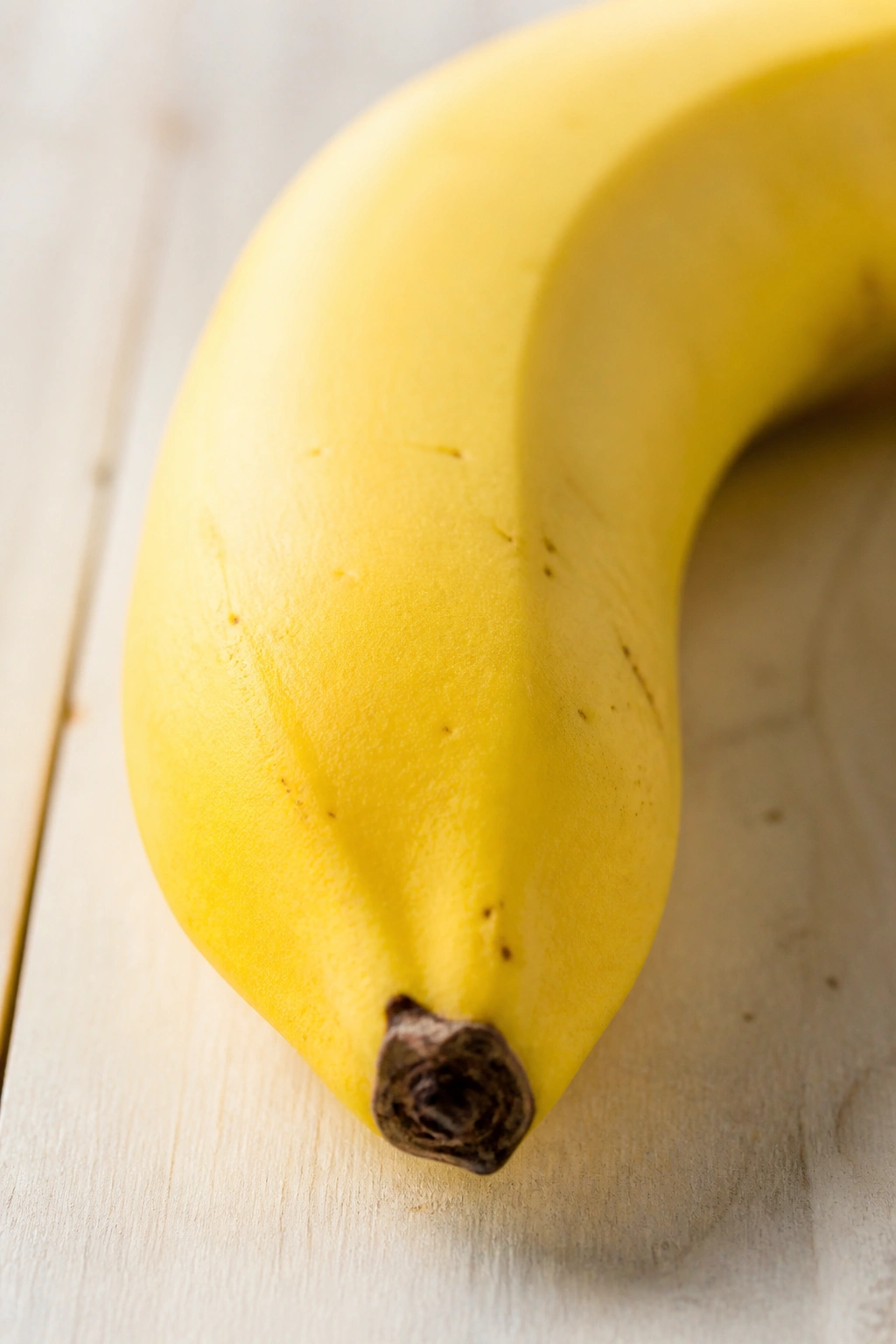
Why do bananas show up on so many nausea lists? Because they’re soft, low-smell, and easy to handle when chewing feels like work. They also have enough natural sweetness to feel like food, not punishment, which matters more than people admit.
A slightly underripe banana often works better than a super soft one. The texture is firmer, the smell is milder, and the sweetness is less aggressive. Slice it over plain cereal, eat half at a time, or chill it for 10 to 15 minutes if a cold bite sounds easier.
How to make a banana easier to keep down
- Choose one that’s yellow with only a few spots.
- Cut it into coins so you don’t have to deal with the whole thing at once.
- Pair it with a few crackers or a spoonful of yogurt if protein helps.
- Keep it cold if warm fruit smells off to you.
Bananas are not flashy. That’s why they work.
5. Applesauce
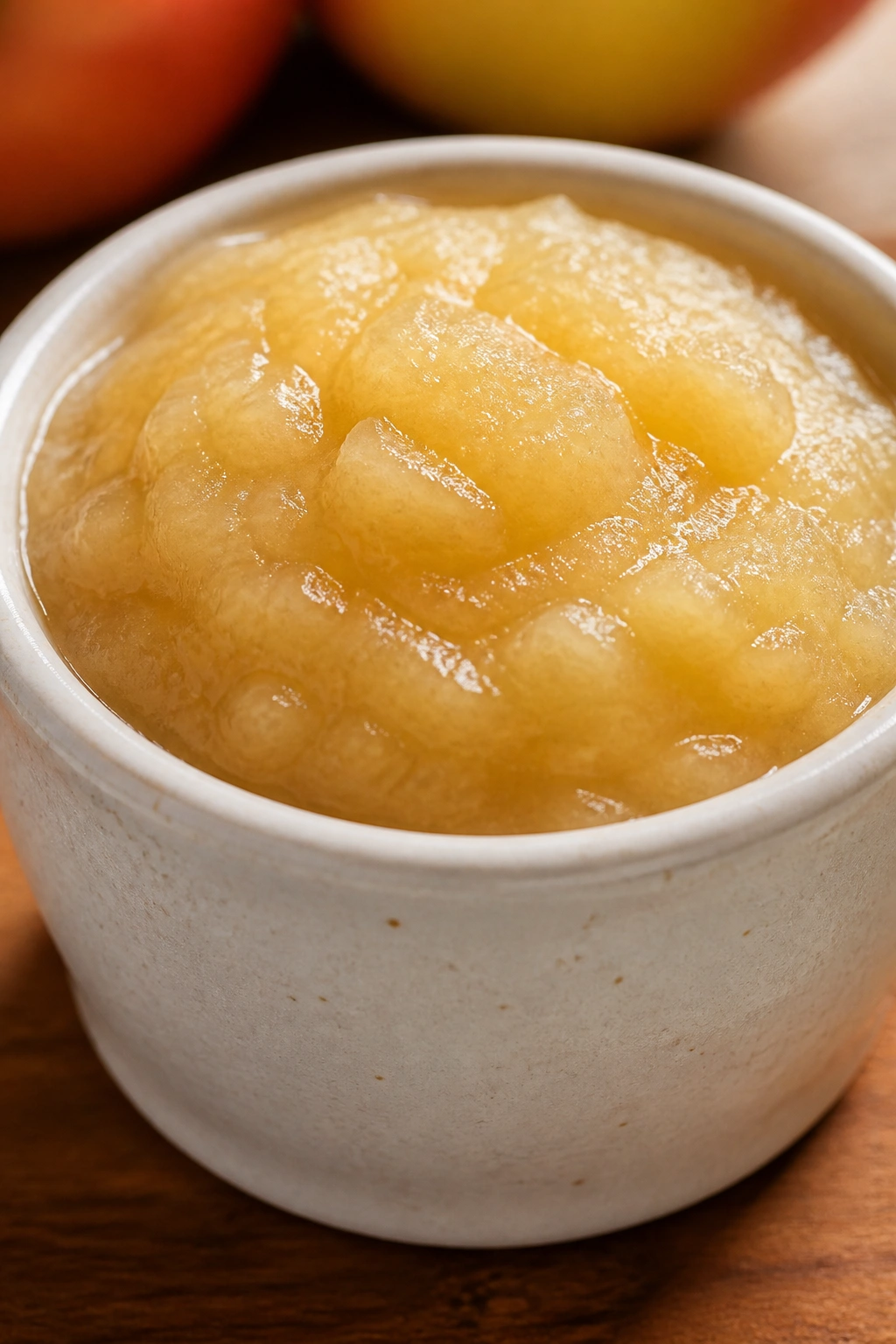
Cold applesauce has a quiet advantage: no chewing, no strong smell, no rough texture. If your gag reflex feels touchy, that smooth spoonful can be easier than almost any solid breakfast. Unsweetened applesauce is usually the cleanest version, though a little sweetness is fine if that’s all you can get down.
Room-temperature applesauce can be fine too, but chilled is often gentler. The cold mutes the sweetness and makes the flavor feel flatter, which is exactly what a nauseated stomach tends to want. Cinnamon sounds comforting on paper; in practice, it can be too much for some people. Plain is the safer bet.
A little cup can be enough. You do not need a bowl.
If applesauce stays down, it can become a small anchor food between crackers and more filling meals. That matters when every bite feels like a gamble.
6. Oatmeal
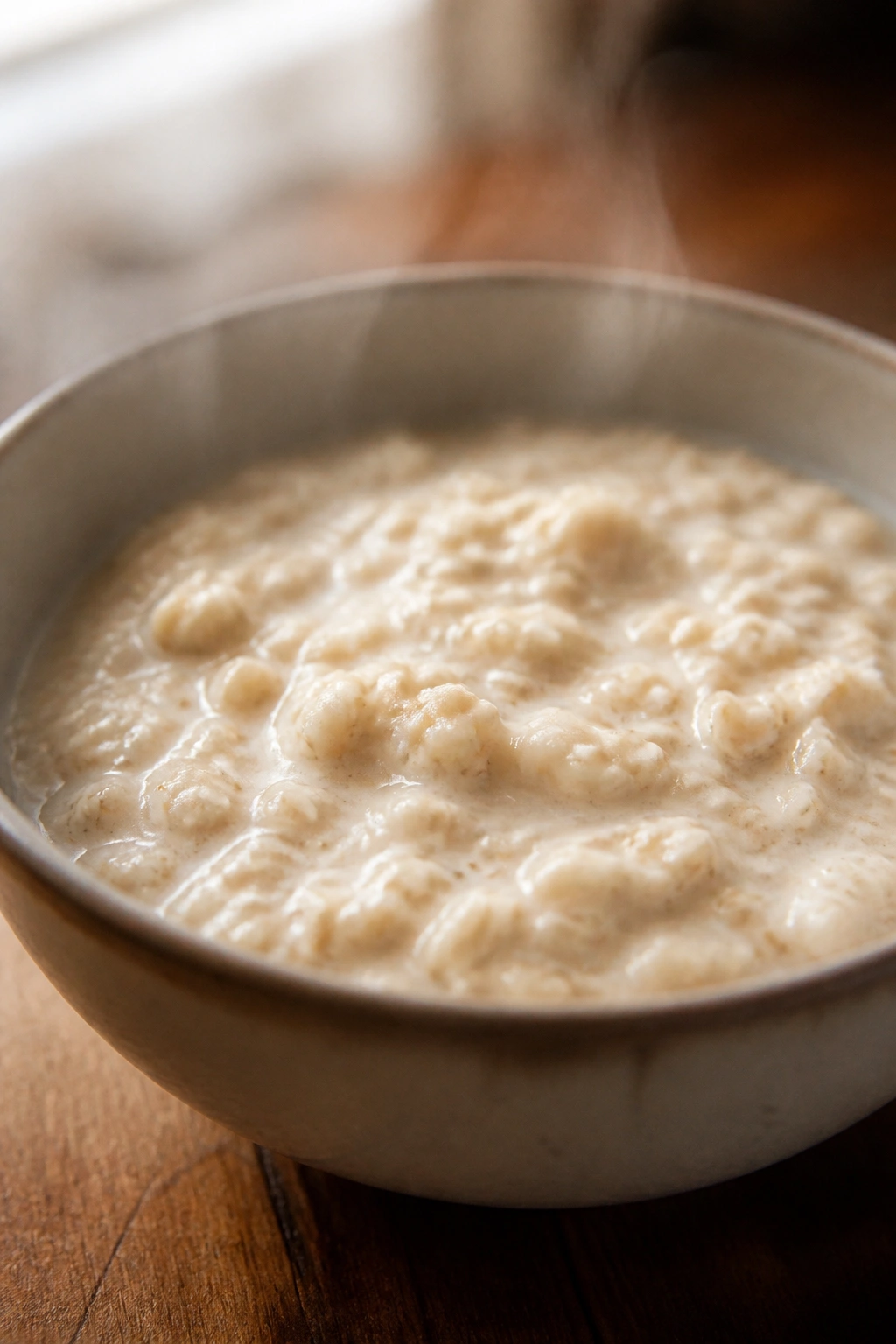
A small bowl of oatmeal can calm a queasy stomach because it gives you steady carbs without a lot of smell or grease. It’s soft, warm, and filling enough to keep you from getting that hollow, shaky feeling that often makes nausea louder. I’d reach for oatmeal before anything fancy.
How to make it easier to eat
Cook it looser than you normally would. Extra water or milk gives you a softer texture, and softer is the point here. Thick oatmeal can feel like paste, which is not the vibe when your stomach is sour.
- Use quick oats if that’s easier on bad mornings.
- Add banana slices or a spoonful of peanut butter if you want more staying power.
- Stir in a pinch of salt.
- Keep the portion small — about 1/2 cup cooked oatmeal is plenty at first.
Savory oatmeal works too. A little broth and salt can be easier than sweet toppings when sugar turns your stomach.
7. White Rice
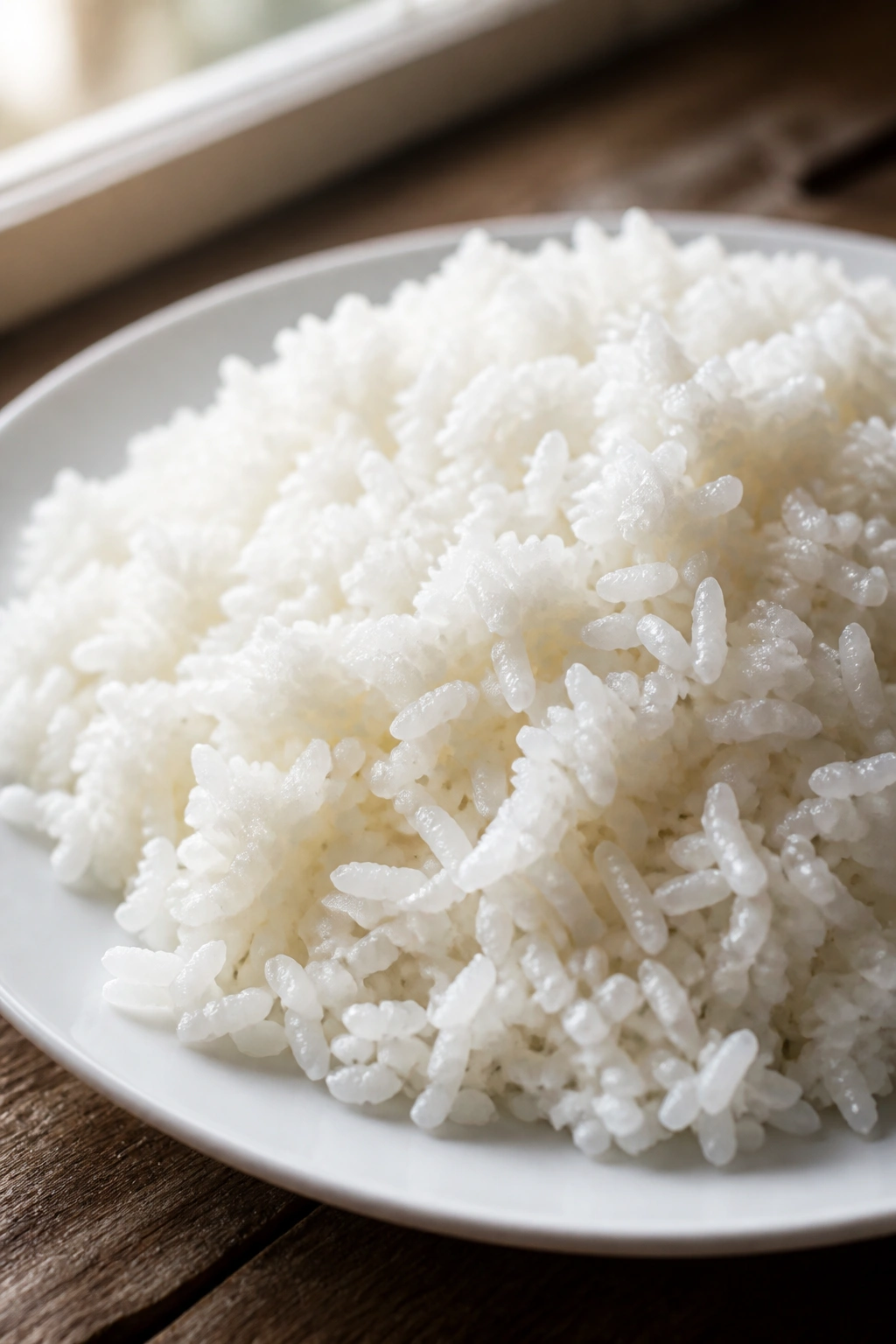
Plain white rice is not exciting. That’s exactly why it belongs here. It has a soft texture, very little smell, and enough starch to settle the stomach without making it work too hard. Leftover rice eaten at room temperature can be surprisingly easier to tolerate than a hot meal.
I prefer rice when nausea is coming in waves rather than all at once. It’s the kind of food you can keep in the fridge and scoop out in a few spoonfuls. Jasmine and basmati have a mild smell. Congee, which is rice cooked into a soft porridge, can be even gentler if you want something wetter.
Keep the seasoning light. Too much oil, garlic, or spice can undo the whole point.
Rice is also useful when protein sounds impossible but you need something in your stomach. It buys you time.
8. Yogurt
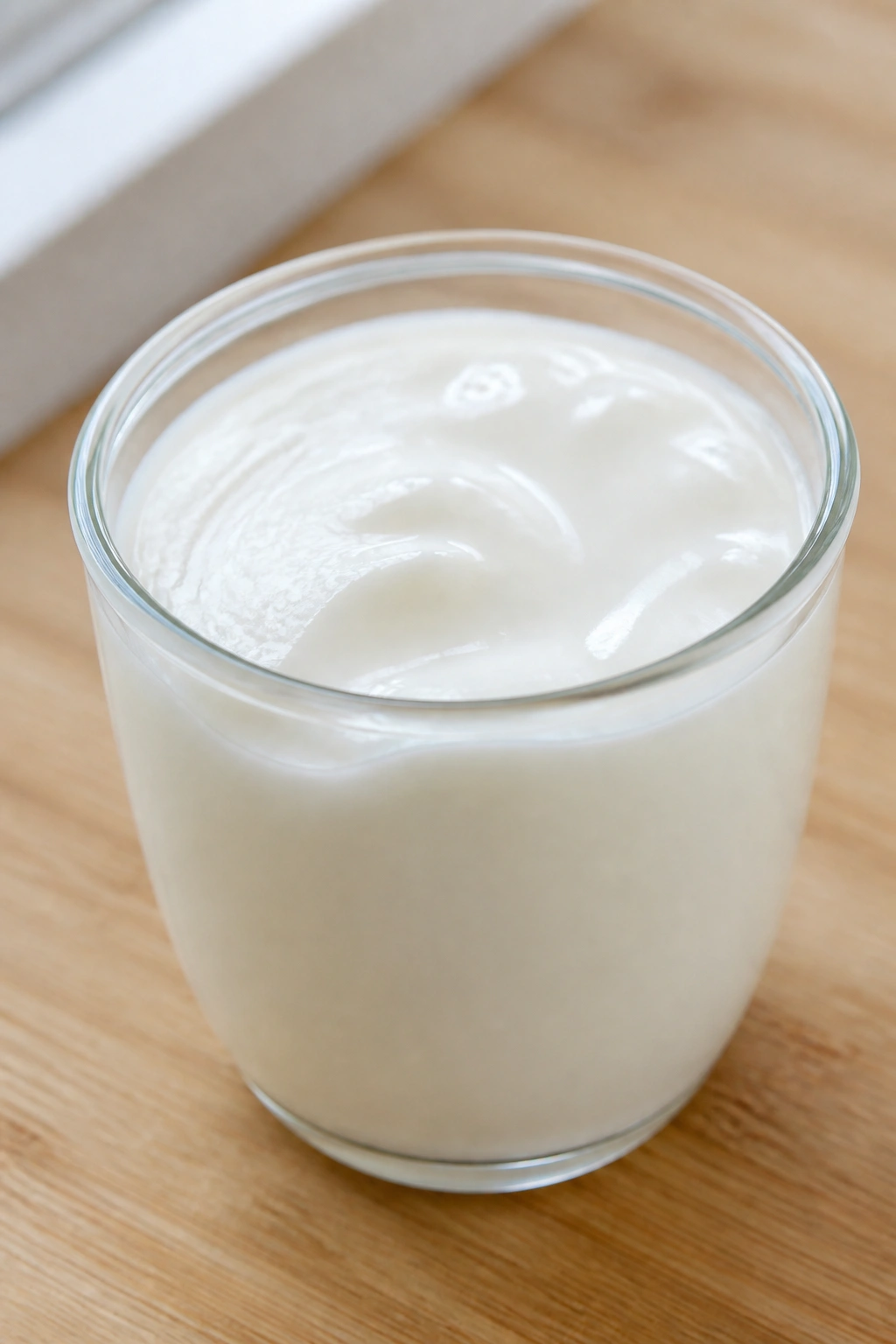
Can a cold cup of yogurt really help with pregnancy nausea? For a lot of people, yes. The texture is smooth, the temperature is soothing, and the protein can keep you from going from “slightly queasy” to “absolutely not” an hour later.
Plain Greek yogurt is the easiest place to start because it’s less sweet and a bit thicker. If dairy smells bother you, lactose-free yogurt or an unsweetened plant-based version may sit better. Keep it cold. Warm yogurt is a hard sell even on a good day.
Which kind tends to work best
- Plain, unsweetened yogurt
- Greek yogurt for more protein
- Lactose-free if dairy feels risky
- Small cups, around 4 to 6 ounces, rather than a big bowl
A spoonful of banana or oats can make it feel more like breakfast. Skip heavy granola if crunch seems sharp.
9. Smoothies
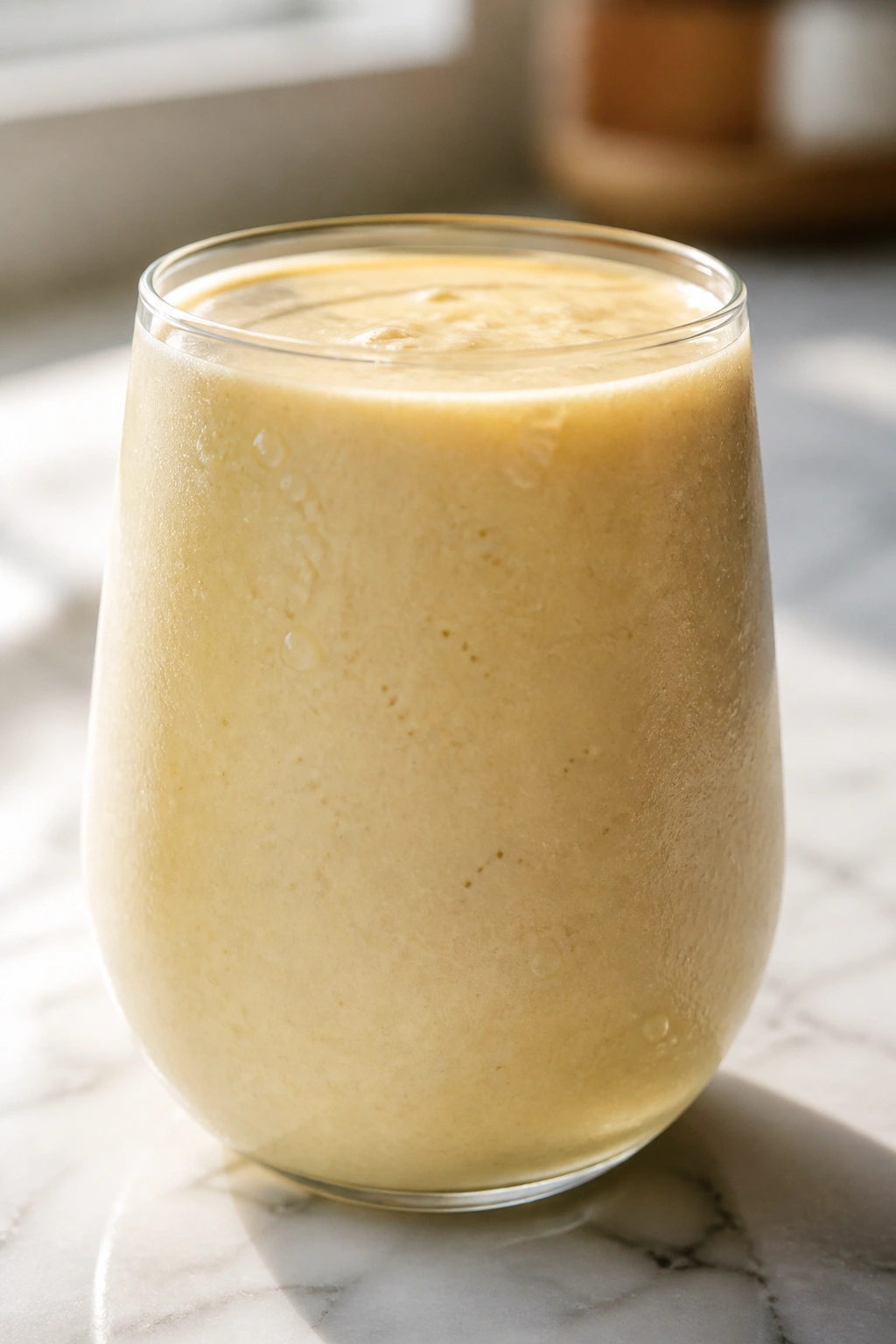
A smoothie can be a lifesaver when chewing feels like too much work or when solid food makes your stomach tense up. The cold temperature helps, and you can build one with ingredients your body already tolerates. That part matters. A smoothie should make life easier, not turn into a complicated kitchen project.
Use a small glass, not a giant tumbler. About 1 cup is enough to start. A simple blend of half a banana, 1/2 cup yogurt, a handful of ice, and 1/2 cup milk or a mild plant milk is plenty. Too much fruit can make the drink too sweet, and very sour blends can trigger nausea fast.
A few smart smoothie moves
- Keep the flavor mild.
- Add protein with yogurt or a spoonful of nut butter.
- Use ice to make it colder.
- Sip slowly instead of drinking the whole thing in one go.
If smells are your problem, make it fast and cover the cup right away. That little detail matters more than people think.
10. Chicken Broth
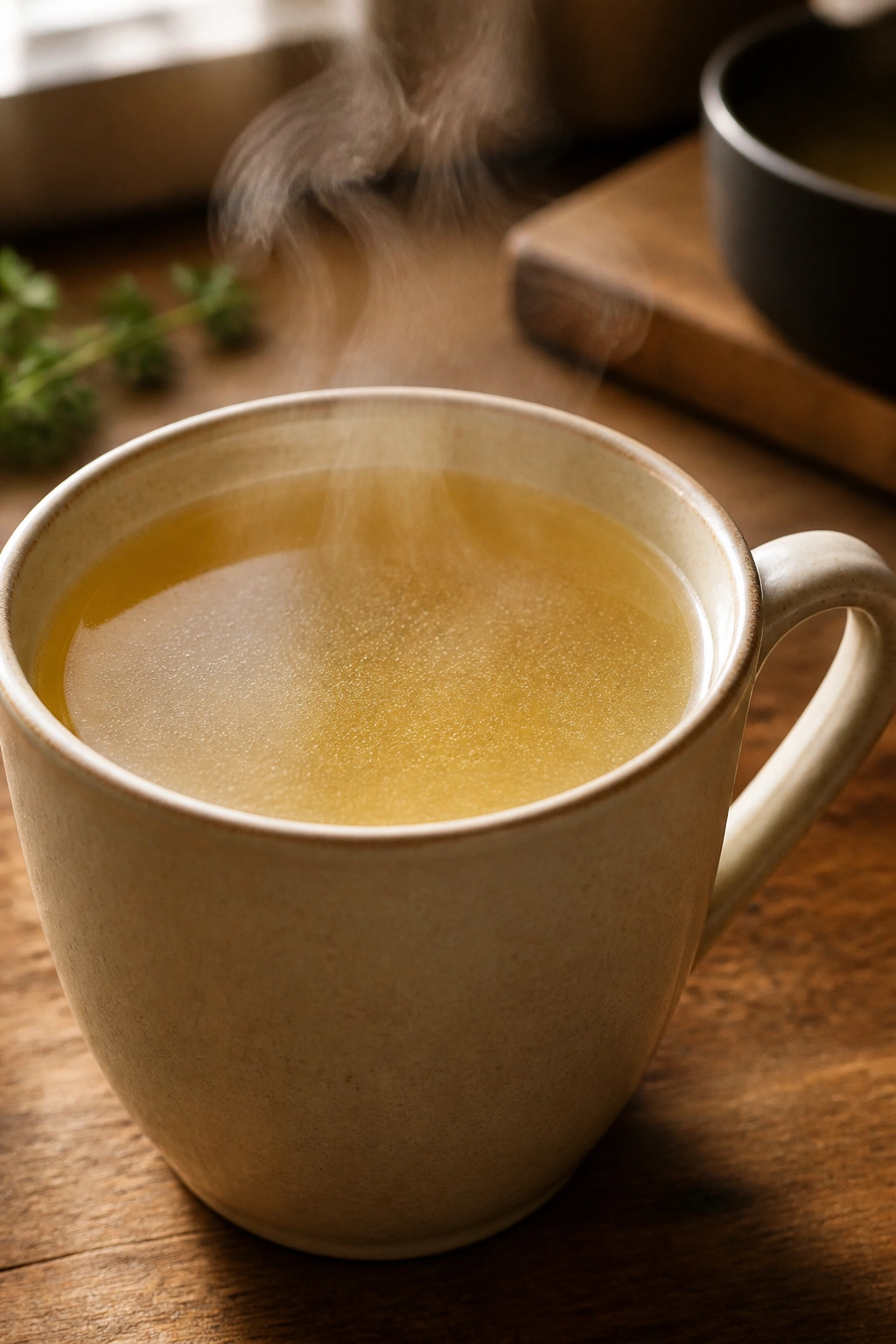
A warm mug of chicken broth can feel like a reset button after a rough morning. It’s salty, thin, and easy to sip, which makes it useful when solids are a hard no. Broth also gives you fluids, and fluids are half the battle when nausea keeps cycling back.
When broth earns its place
Broth tends to shine after you’ve already been sick or when your mouth feels dry and gross. A small mug — about 6 to 8 ounces — is enough. You do not need a full bowl of soup if all you can manage is a few swallows.
Use boxed broth or a homemade version that isn’t greasy. If the smell of simmering meat turns your stomach, heat it gently in the microwave and keep the lid on between sips. You can add a few noodles or a spoonful of rice later if your stomach wants more.
- Choose low-fat broth.
- Sip slowly.
- Keep seasoning mild.
- Stop if the smell makes things worse.
Simple, warm, salty. That’s the whole point.
11. Pretzels

Pretzels are the snack version of a seatbelt. They give your stomach a little something to hold on to, and the salt can be oddly settling when everything feels off. I like the small twisty kind, but sticks work too if you want easy nibbling.
Eat a few pieces before you get too hungry. Hunger and nausea often show up together, which is a cruel trick. Pretzels are handy because they keep in a purse, a desk drawer, or the car. No refrigeration. No fuss.
They do dry out your mouth, though, so keep water nearby and sip after a few bites instead of during every bite. A small handful is enough. You are not trying to win a snack contest.
If pretzels work, they make an excellent bridge food. Not a meal. A bridge.
12. Mashed Potatoes
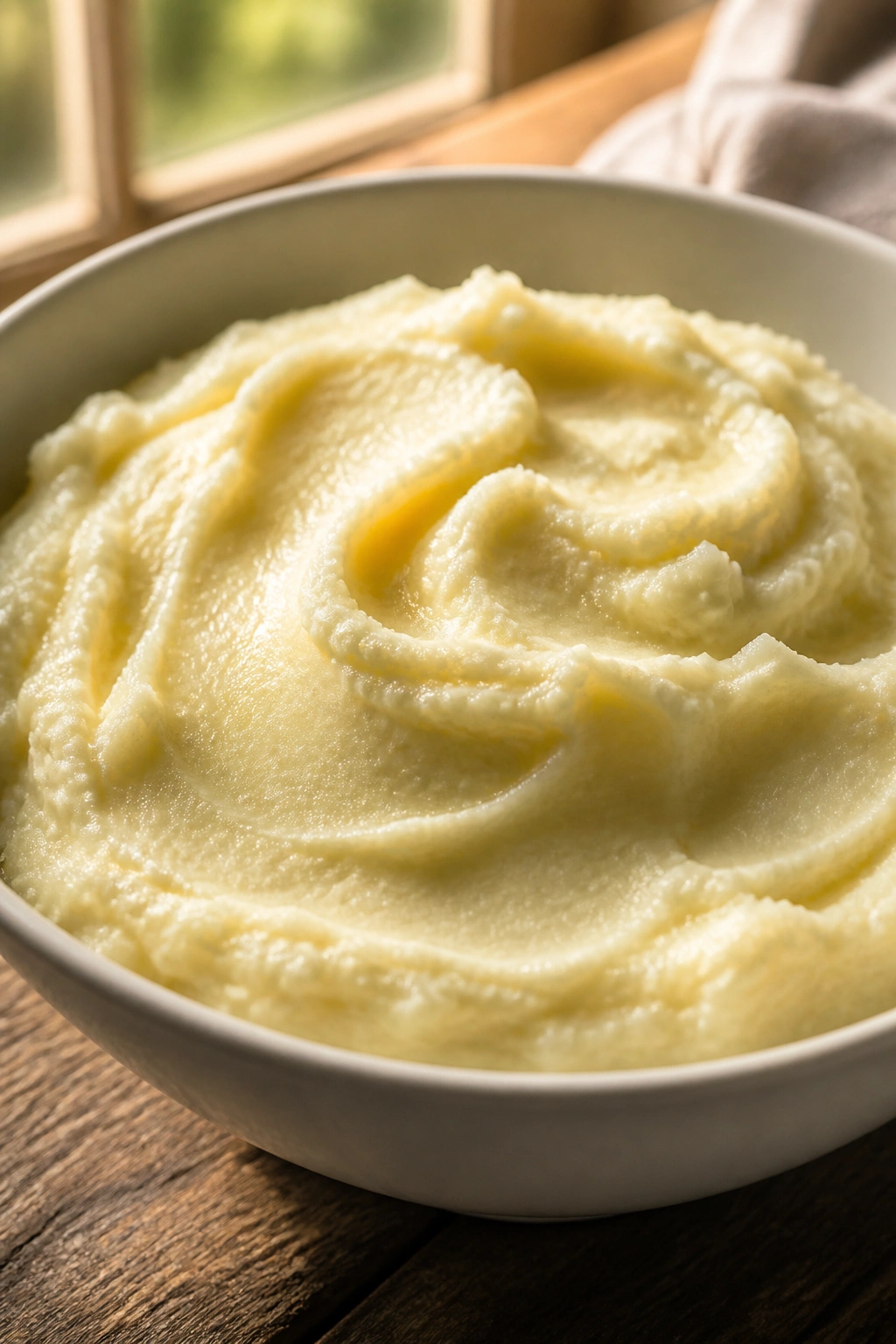
Mashed potatoes are soft, warm, and easy to swallow, which gives them a real edge when morning sickness makes you feel half interested in food and half offended by it. Plain mashed potatoes are better than heavily loaded ones on a rough stomach day. Butter and milk are fine if you tolerate them; if not, keep the texture loose with a little broth instead.
Temperature matters here. Piping hot mashed potatoes can smell stronger than you want. Let them cool for a minute or two so the steam dies down. That tiny pause can make the difference between “maybe” and “nope.”
A few spoonfuls may be all you need. Eat slowly. Stop before you feel full. Overfilling a nausea-prone stomach is a bad bargain.
Potatoes are starch, yes, but they’re also comfort in a bowl. There’s a reason they keep showing up.
13. Dry Cereal
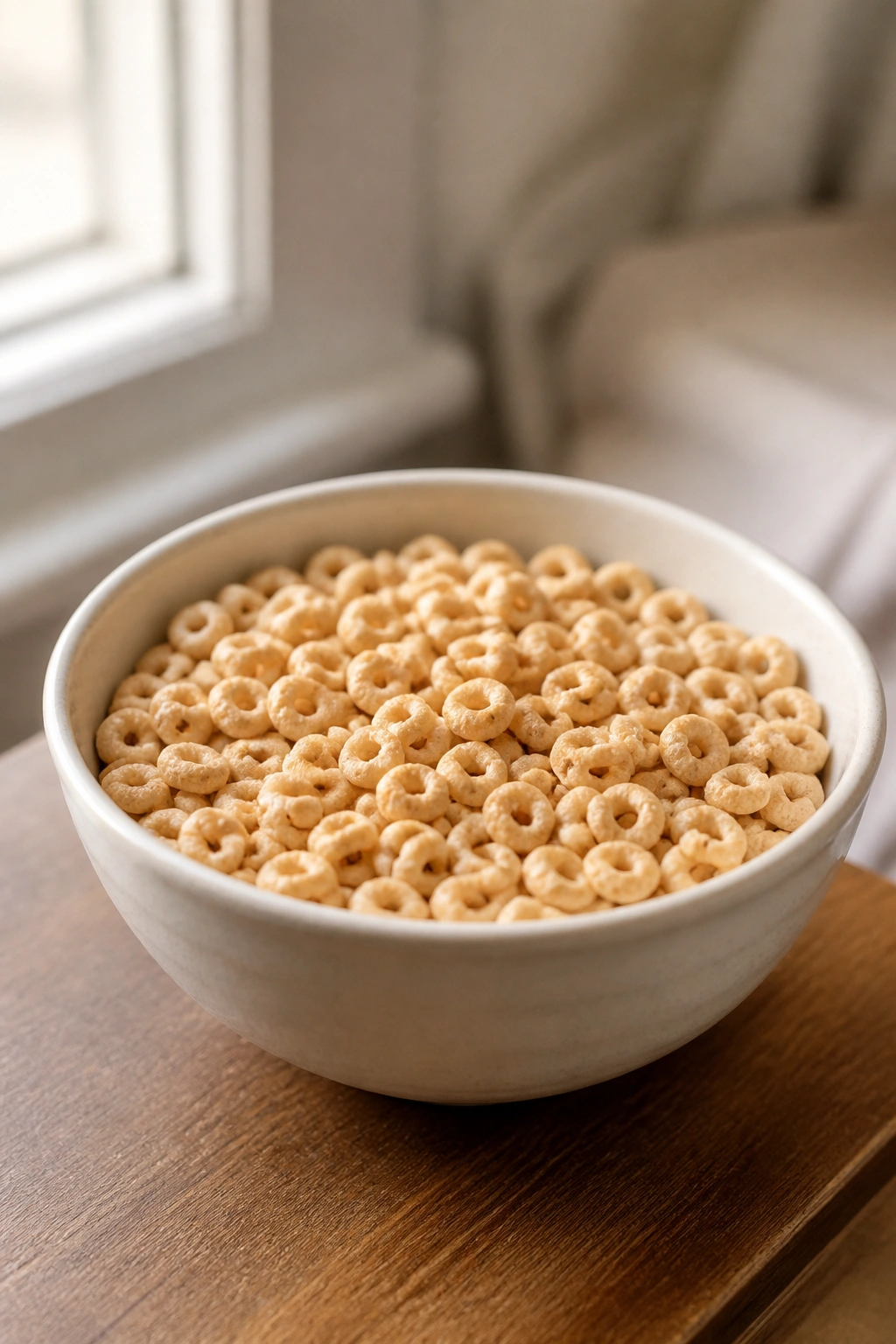
Dry cereal is boring on purpose, and I mean that as a compliment. Plain cereal gives you quick carbs without much smell, which is useful when you’re standing in the kitchen trying not to gag at the thought of cooking. It’s also easy to eat in tiny amounts, which matters more than people realize.
Good cereal choices
Go for the plain, lower-sugar stuff first. Rice cereal, corn flakes, plain O-shaped cereal, and simple wheat squares are all good bets. The sugary kinds can hit hard and then fade fast, which may leave you hungry again in an hour.
- Keep a small bowl by the bed.
- Eat it dry if milk seems like too much.
- Try cold milk only if dairy sits well.
- Pick a cereal with a short ingredient list.
Dry cereal is not glamorous breakfast content. It is practical. There’s a difference.
14. Apples
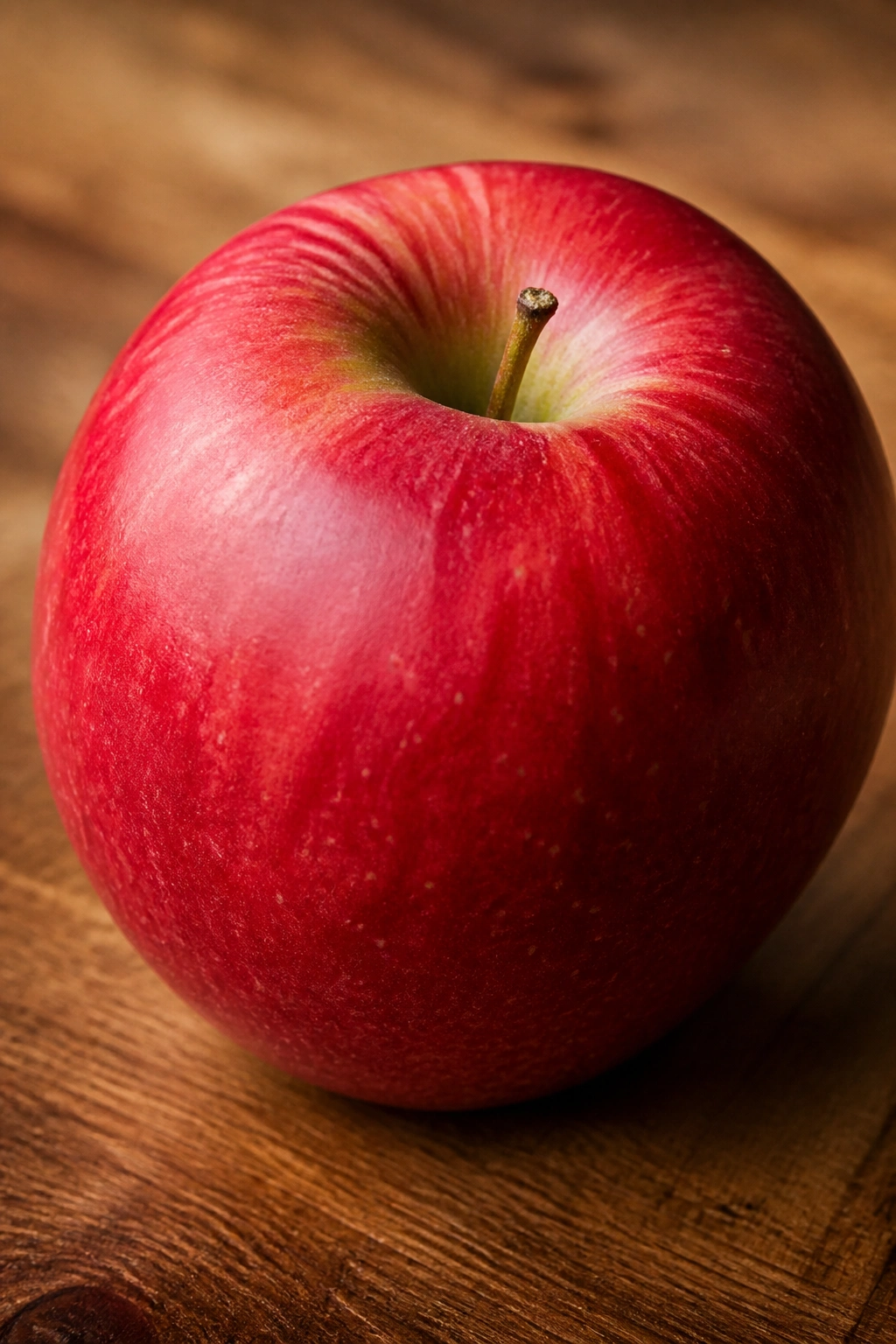
Why do apples work when other fruit feels too sharp? Usually because they’re crisp, fresh, and easy to portion. A few thin slices can wake up your mouth without flooding it with smell or sweetness. Tart apples often work better than very sweet ones because they taste cleaner and less cloying.
Peeling them can help if the skin feels too fibrous. Some people do better with cold apple slices from the fridge, which makes the fruit feel firmer and less fragrant. If chewing raw fruit is the problem, you can always switch back to applesauce and come at it from a softer angle.
A little peanut butter on the side can make apple slices more filling, but keep the amount small if fat feels heavy.
Apples are one of those foods that sounds ordinary until nausea makes ordinary feel luxurious.
15. Watermelon
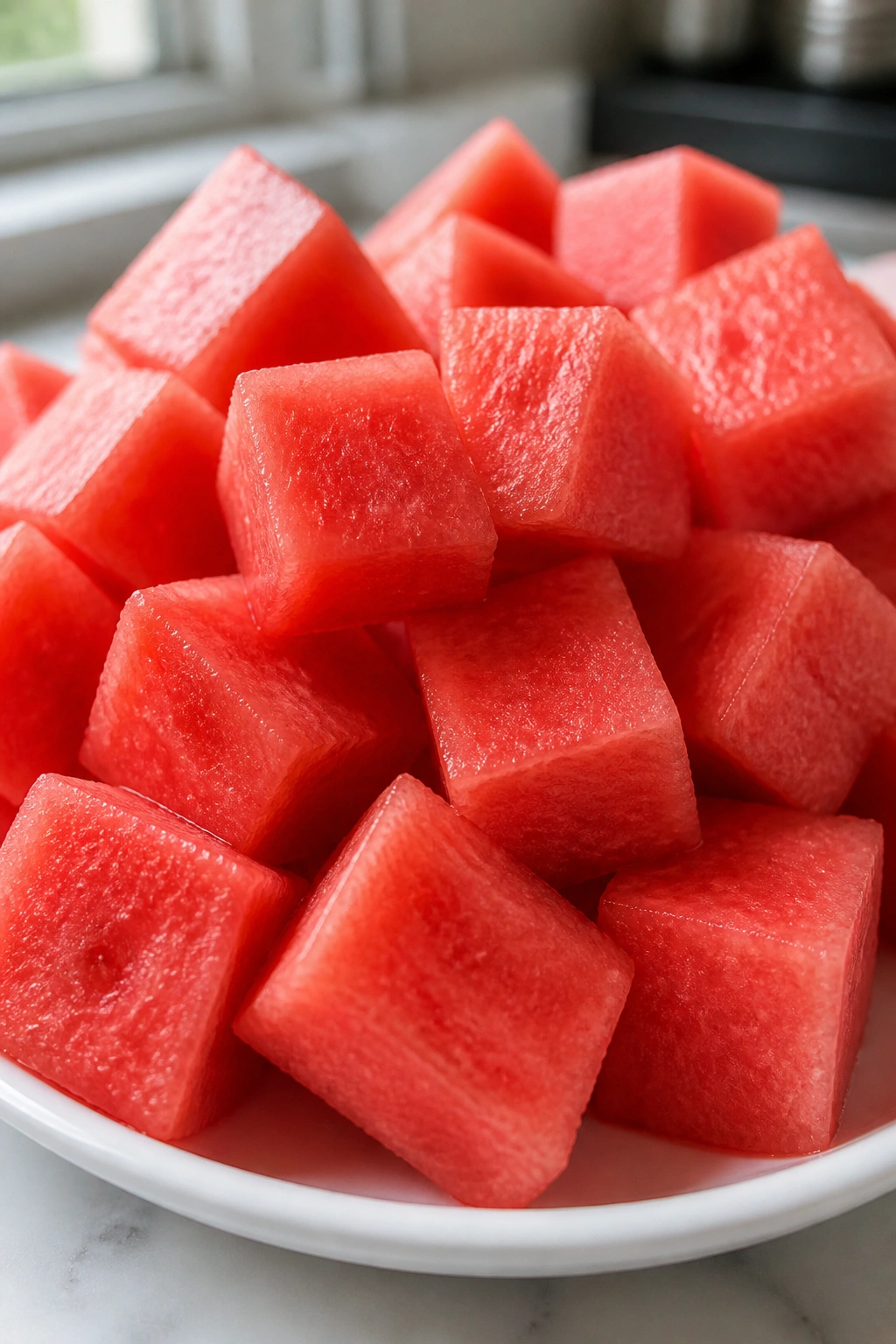
Cold watermelon is one of the nicest foods for a nauseated stomach because it brings water, sweetness, and a soft bite without much smell. When your mouth feels dry and your appetite feels tiny, a few chilled cubes can go down easier than a full plate of anything else.
Why it earns a spot when nothing else does
Watermelon is mostly water, so it doubles as food and fluid. That matters on days when even sipping feels like work. Keep it in the fridge, cut into bite-size pieces, and eat it slowly. The cold temperature is part of the appeal.
- Use seedless slices if seeds annoy you.
- Keep portions small.
- Stop before you feel overfull; too much liquid fruit can slosh around.
- A tiny pinch of salt can make the flavor calmer for some people.
If a full meal is impossible, watermelon can buy you time. That’s a useful thing.
16. Cucumbers
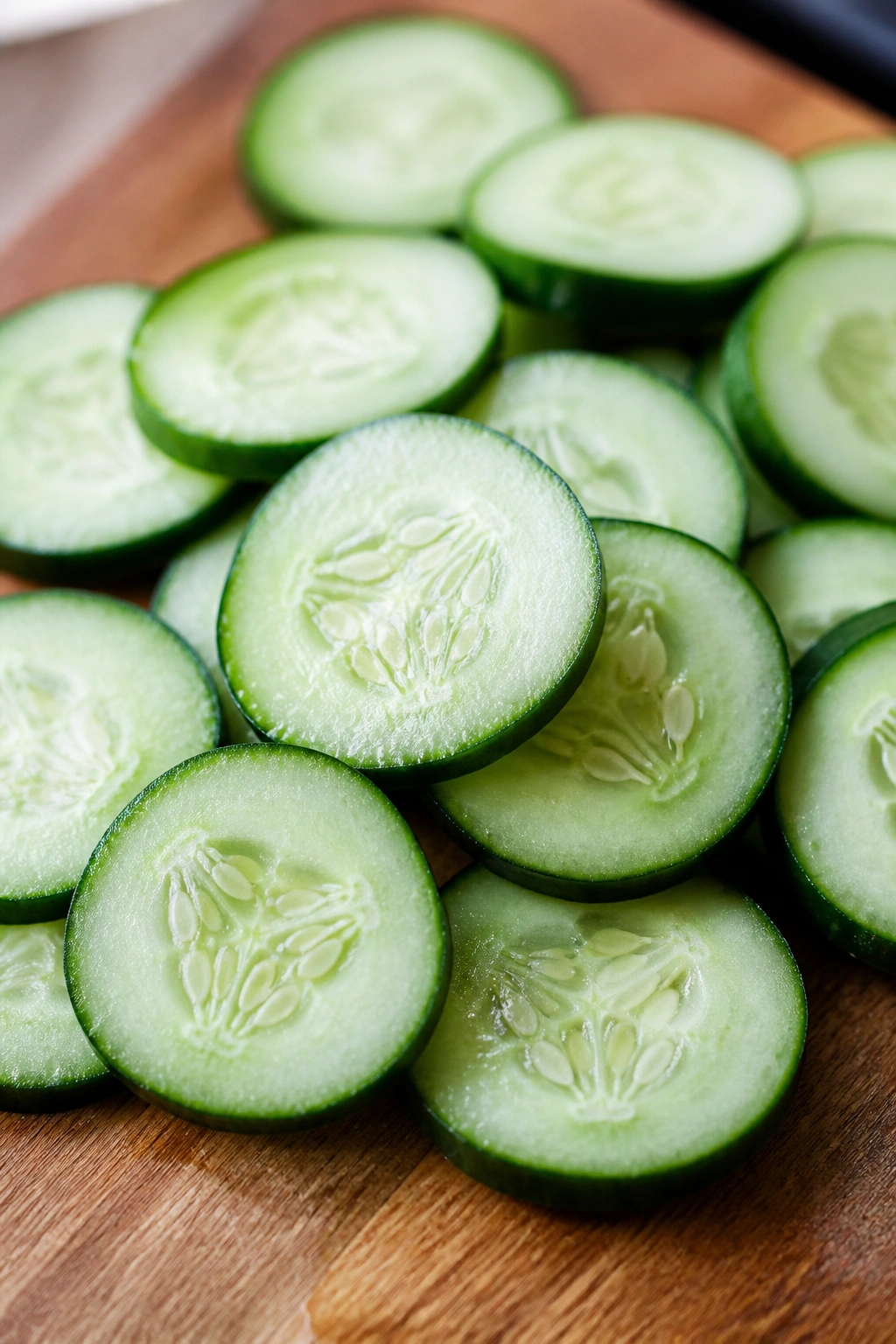
Cucumbers are one of the quietest foods in the fridge. They’re cool, watery, and mild, and they don’t bring a strong smell the way hot food can. That makes them a good choice when pregnancy nausea is tied to smells more than to true hunger.
Peel them if the skin feels too rough. Slice them thin. Eat them plain, with a pinch of salt, or alongside crackers if you need a little more substance. I would skip heavy vinegar or spicy seasoning on a rough day; sharp flavors can turn a calm snack into a regret.
Serve them cold
Cold cucumber slices straight from the fridge tend to sit best. If you want a dip, plain yogurt works better than a garlicky one when nausea is active. A few slices are enough. You don’t need a whole salad.
Cucumbers are simple. That’s the point.
17. Peanut Butter
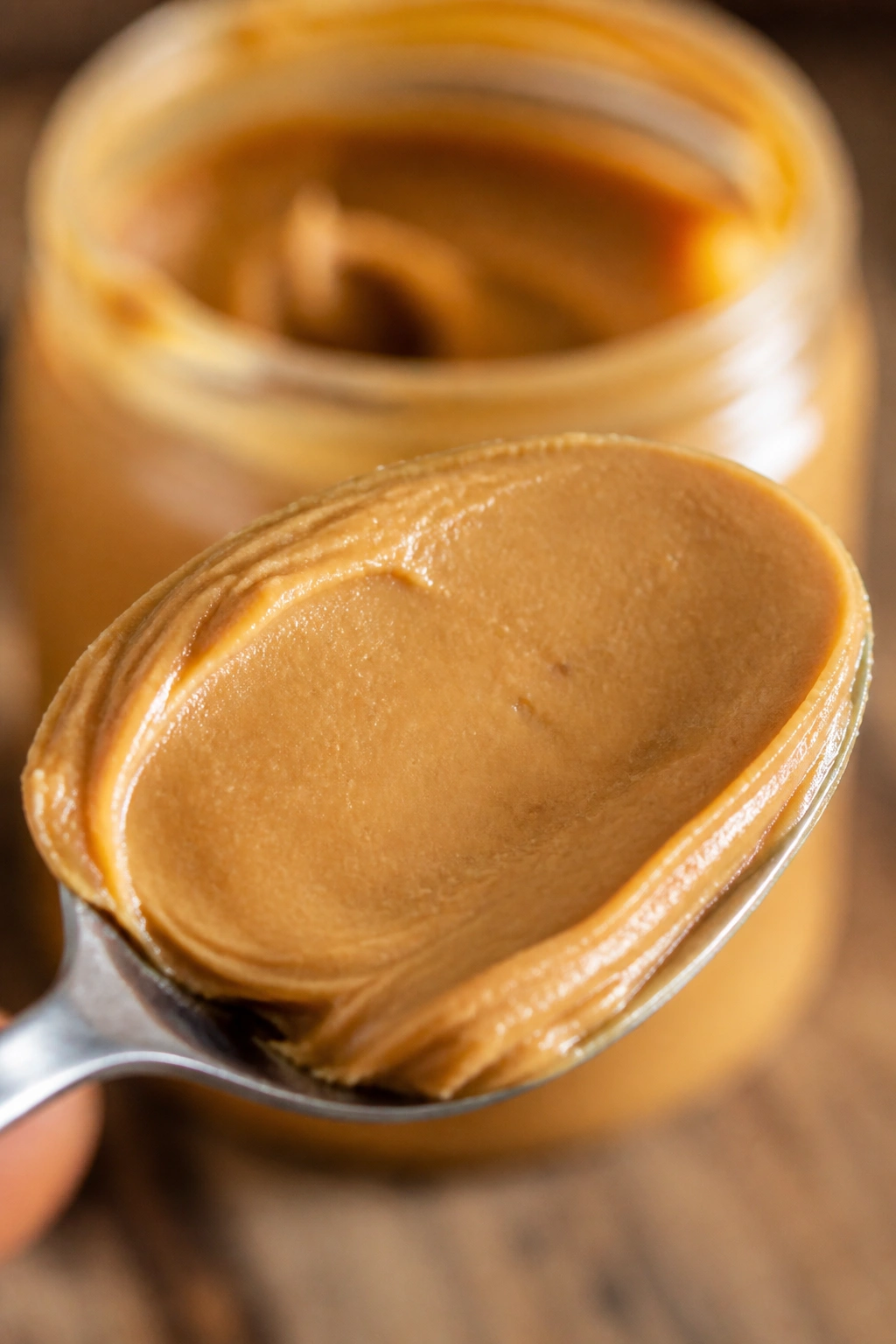
Peanut butter is a strong little food. Unlike plain carbs, it brings fat and protein, so a spoonful can keep you going longer. That matters when you’re nibbling every hour because an empty stomach makes nausea worse. A thin layer on toast or crackers is often easier than eating it by the spoonful.
Too much can feel heavy. Start with 1 tablespoon or less and see how your stomach reacts. Natural peanut butter tastes less sweet and sometimes less clingy in the throat, though the best version is the one you can actually keep down. If the smell is rough, keep the jar sealed until the last second.
Peanut butter with apple slices, toast, or a banana can hit a useful middle ground: not too bland, not too rich.
It’s a sturdy food. That’s the real reason it shows up so often.
18. Plain Noodles
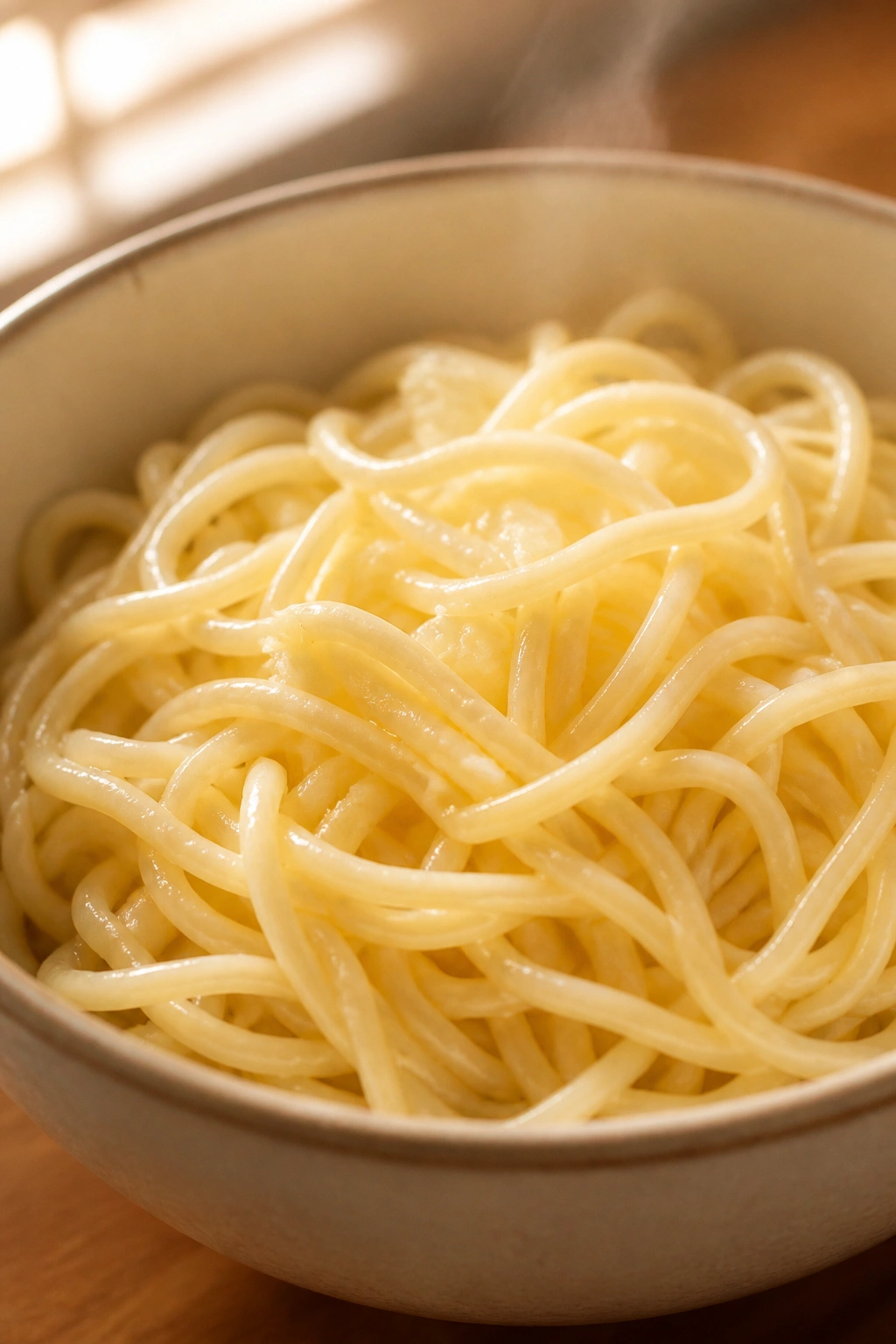
Plain noodles can be a relief when your stomach wants something warm but not aggressive. Soft pasta is easy to chew, easy to swallow, and usually mild enough to avoid setting off smell-related nausea. Buttered noodles are fine if butter works for you; if it doesn’t, a little broth and salt can do the job.
I’m fond of egg noodles or rice noodles on rough days because they cook fast and stay soft. Keep the sauce light. Heavy tomato sauce, garlic, and a lot of cheese can push this from comforting to risky in a hurry. That’s the sort of thing that sounds appealing in theory and then sits like a rock.
A small bowl is enough. You’re not trying to make dinner impressive. You’re trying to make it stay down.
19. Scrambled Eggs
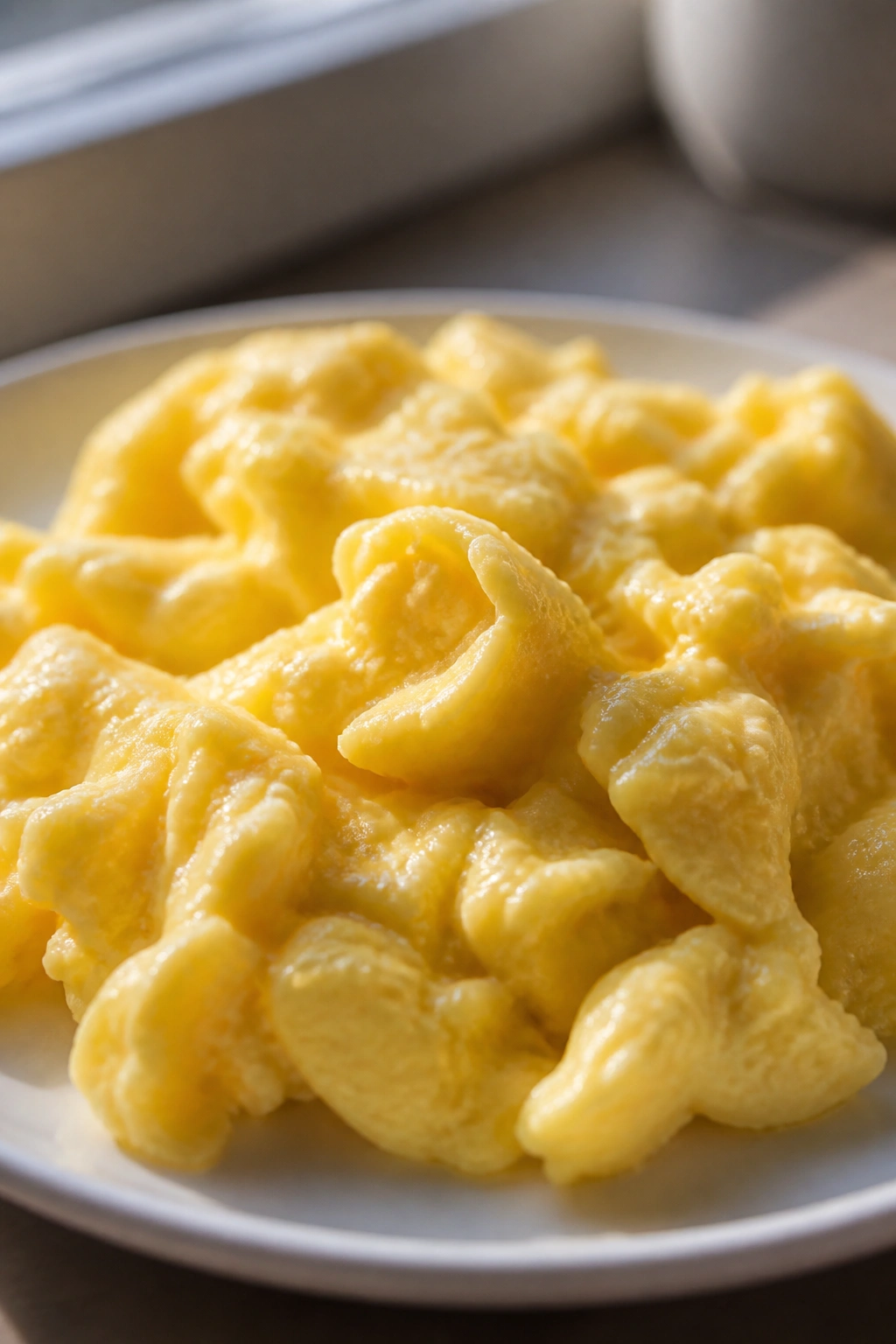
Eggs are a tricky one, and pretending otherwise helps nobody. The smell can be a dealbreaker. Still, when they work, scrambled eggs are a strong first trimester food because they’re soft, high in protein, and fast to cook.
The key is low heat. Cook them gently so they stay pale and soft, not browned and dry. Browning makes the smell sharper. That’s the part that tends to turn a queasy stomach. Eat them warm, not piping hot, and keep the portion small. A few bites with toast can be enough.
If eggs are a hard no, skip them without guilt. There are plenty of other foods on this list. Do not force the issue because someone said eggs are “good for pregnancy.” Your stomach gets the final vote.
20. Avocado
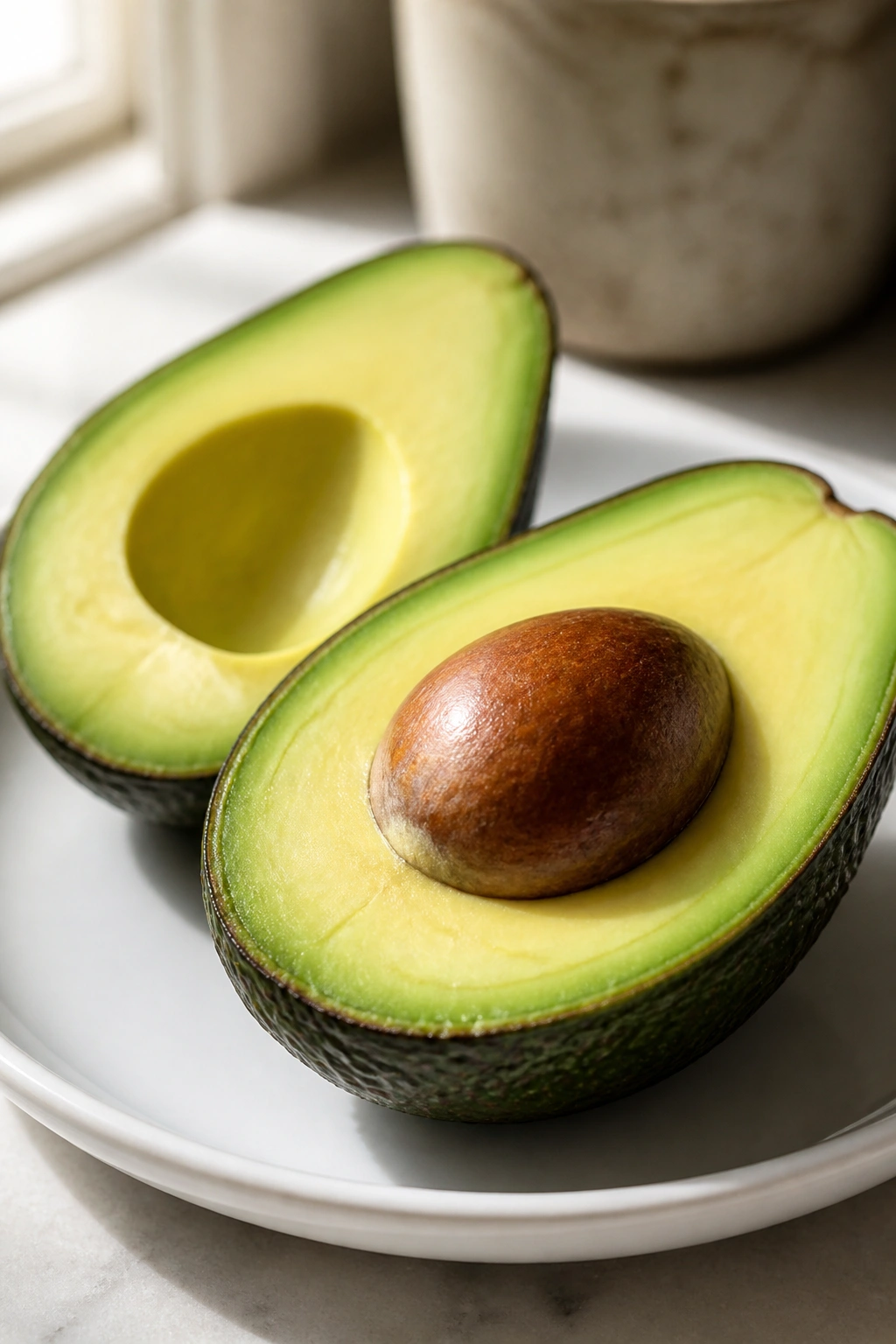
Avocado is one of the easiest higher-fat foods to tolerate when everything else feels greasy or too strong. It’s soft, mild, and low on smell, which makes it a quiet winner during morning sickness. A few slices on toast or crackers can add enough richness to keep hunger from coming back too fast.
Some people like it with salt only. That’s my preference on a rough stomach day. Lime, chili flakes, and big piles of seasoning can be too much when nausea is active. Keep it plain first, then build from there if your stomach surprises you.
If you need something creamy but don’t want dairy, avocado is a smart bridge food. It feels like substance without acting like a heavy meal.
21. Ice Pops
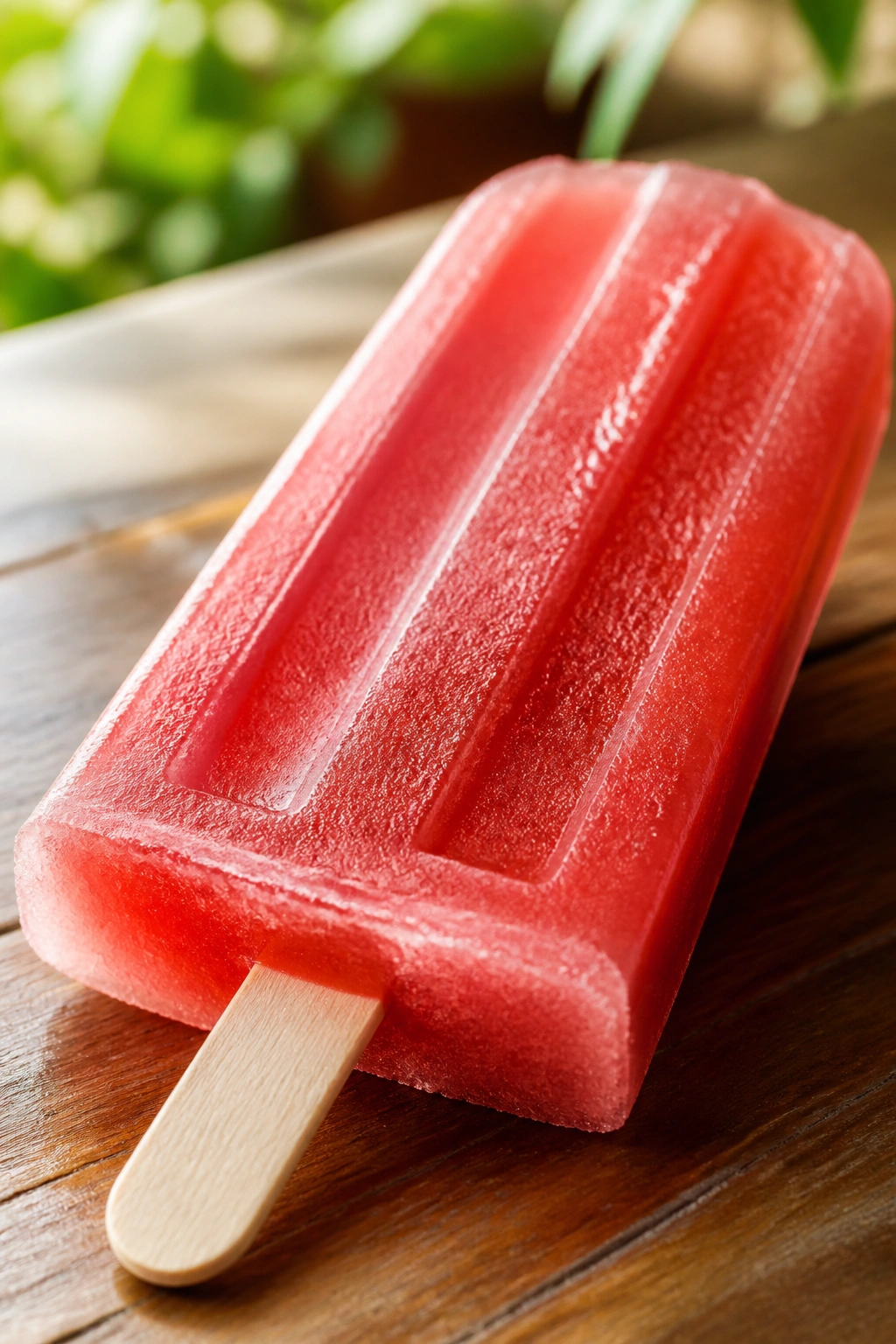
When swallowing feels hard and water tastes strange, ice pops can save the morning. They’re cold, hydrating, and slow enough that you don’t have to manage a full drink all at once. That makes them a good choice after vomiting or during the kind of nausea that leaves your mouth dry and your stomach empty.
What to choose and what to skip
Pick low-acid flavors first. Mild fruit, coconut, or electrolyte pops tend to sit better than sour citrus versions. Let them soften for a minute before eating if your teeth are sensitive, and keep the serving small — one pop is plenty to start.
- Choose pops with lower sugar when possible.
- Avoid very sour flavors if your stomach is already tight.
- Use them as a bridge to other foods, not as your only intake.
- Keep a few in the freezer for rough mornings.
A cold pop can feel like a tiny reset. Sometimes that’s enough to get to the next bite.
22. Coconut Water
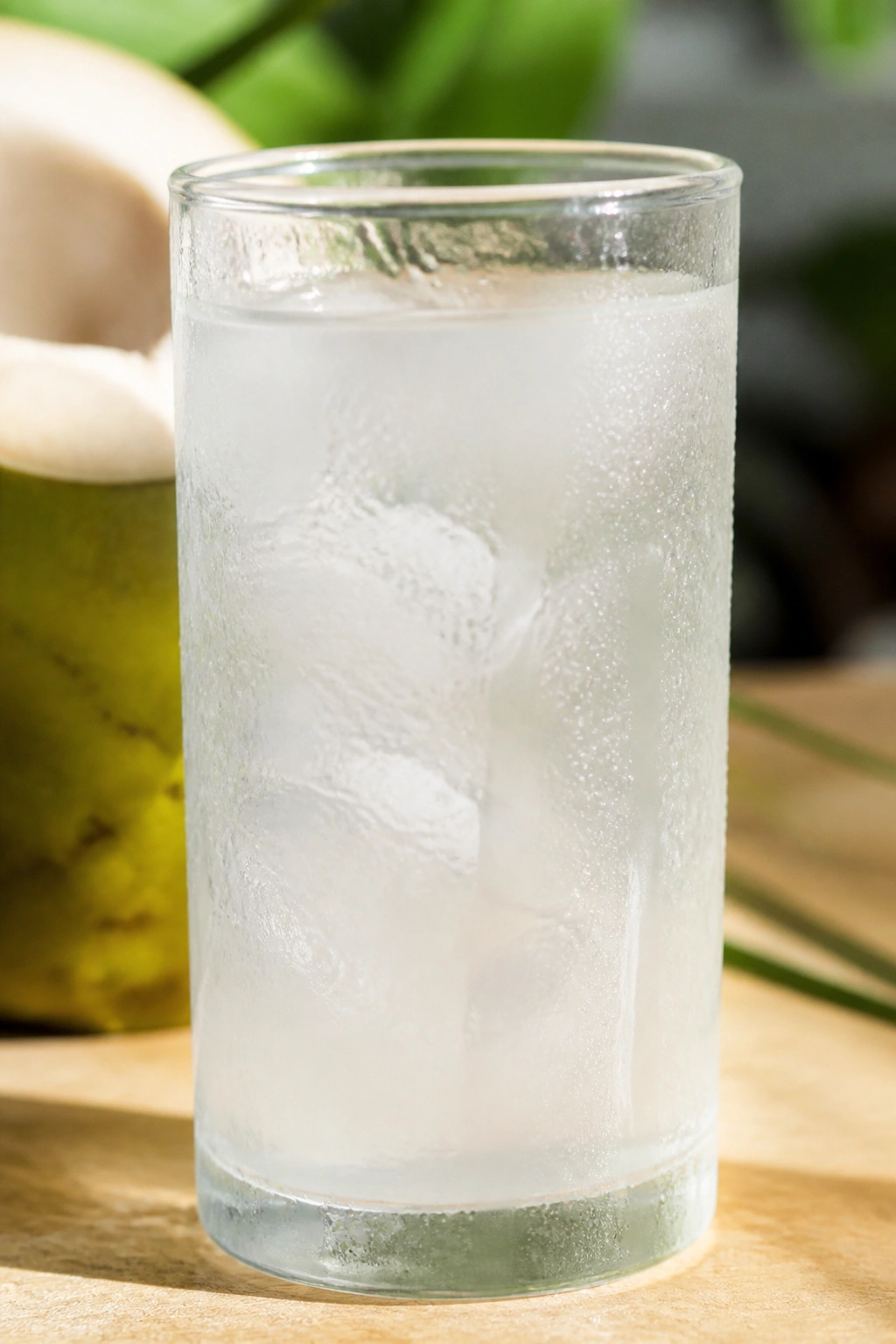
Coconut water can help when plain water tastes flat or makes you feel more queasy. It has a mild sweetness and a gentle flavor that’s easier for some people to sip during first trimester nausea. Chilled coconut water tends to work better than room temperature, and a small glass is plenty.
Check the label if you’re buying a bottled version. Some brands pack in extra sugar or fruit flavoring, which can make it taste louder than it needs to. You want the quiet version. About 4 to 8 ounces is a sensible starting point, especially if your stomach has been touchy all day.
It’s not a magic fix. It is, however, easier to drink than a lot of other things when your mouth feels wrong.
23. Mild Cheese
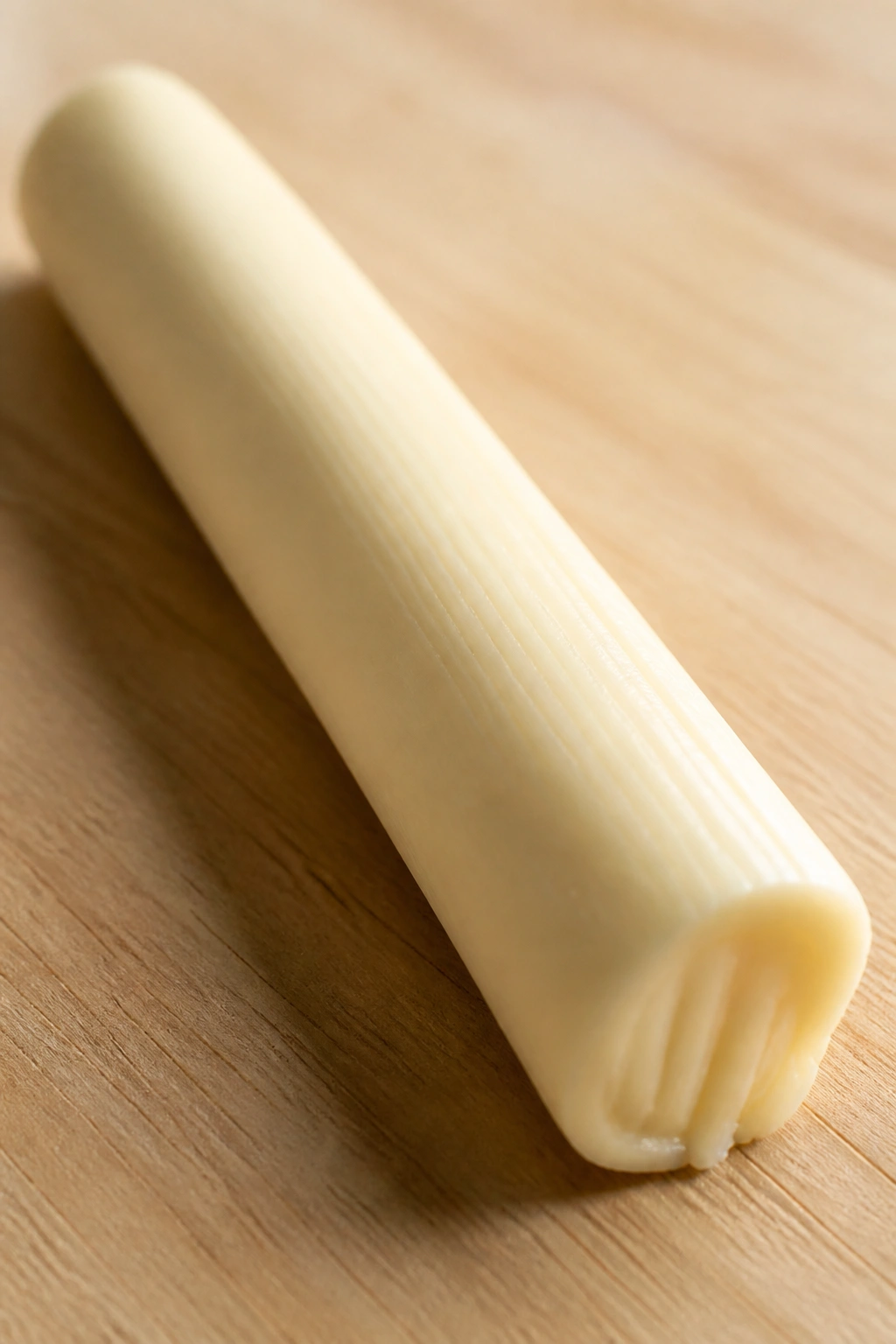
A stick of mild cheese can be a smart move when crackers by themselves do not hold you long enough. Cheese gives you salt and protein in a small package, which can keep hunger from coming back too fast. String cheese, mozzarella, and mild cheddar are the usual easy ones.
The trick is to keep it small. Half a stick may be enough. Too much fat at once can tip a delicate stomach the wrong way, so this is one of those foods that works best in little portions paired with plain carbs. Cheese with pretzels or toast can be a good middle ground.
If the smell of cheese turns you off, leave it for another day. Smell aversion is real, and forcing dairy on a bad morning is a waste of energy.
24. Baked Sweet Potato
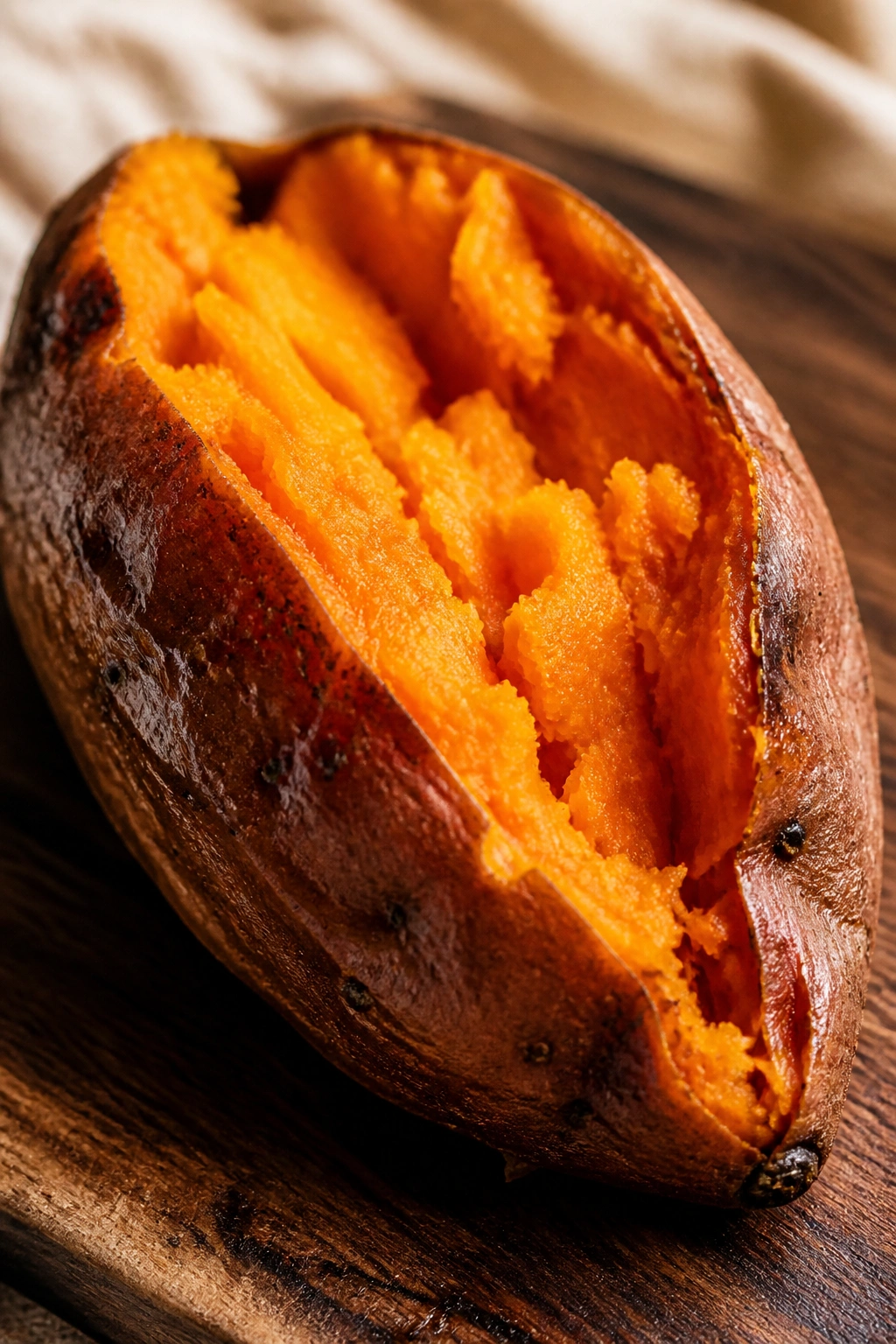
A baked sweet potato is warm, soft, and filling without being loud about it. It gives you slow carbs, a little natural sweetness, and enough texture to feel like a real meal. That matters when crackers and toast are no longer enough but richer foods still sound impossible.
Microwave or bake it until the inside is very soft. Split it open, add a tiny bit of butter or olive oil, and stop there unless your stomach asks for more. Heavy toppings can drown the thing. Plain salt often works better than cinnamon or spice when nausea is active.
If the skin feels too tough, scrape the flesh out and skip it. The soft orange center is the part that counts.
25. Frozen Grapes
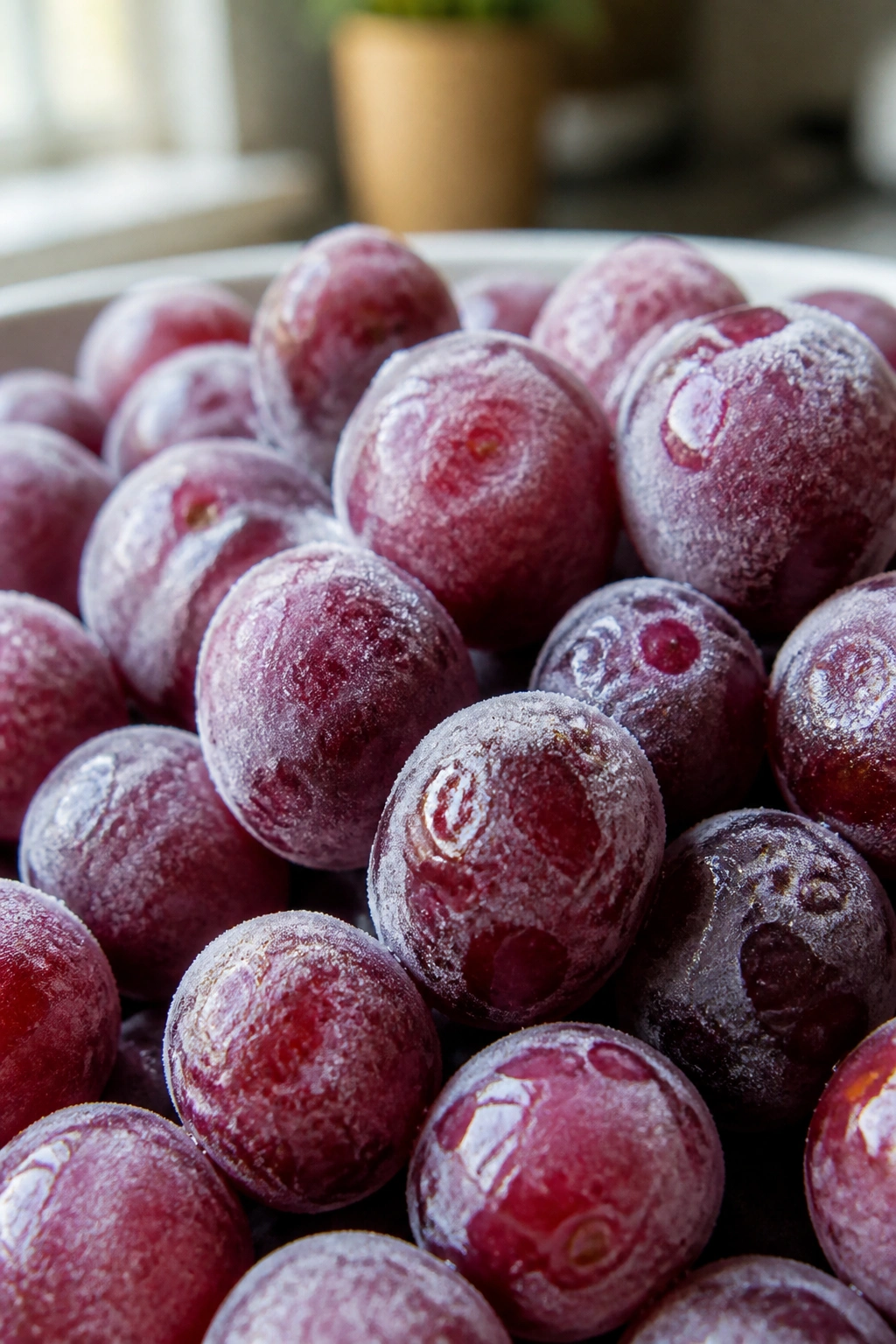
Frozen grapes are the sort of snack that feels almost silly until you need them. They’re cold, juicy, bite-size, and easy to pace one at a time, which is useful when your stomach wants something sweet but not too much. Let them sit for 2 minutes after freezing so they soften a little; rock-hard grapes can be unpleasant on sensitive teeth.
I like them because they’re quiet. No cooking smell. No grease. No big commitment. A few pieces can cool your mouth, settle the taste left behind by nausea, and give you something fresh when everything else feels too heavy.
If there’s a theme running through all 25 foods, it’s this: small, bland, cold, and easy usually beats ambitious. Some mornings you’ll need crackers. Other mornings it’ll be watermelon or broth or a spoonful of yogurt eaten in the doorway before the smell of breakfast gets a chance to take over. The best first trimester foods are the ones you can face again later, which is a much higher bar than they look on paper.
