



A flatter stomach rarely comes from more crunches. The flat stomach tips that actually work are less glamorous: walk more, lift with purpose, eat enough protein, sleep a little longer, and stop feeding your waistline with drinks and snacks that barely count as meals. The annoying part is that none of it feels dramatic on day one, which is exactly why it works.
Most people get stuck because they chase the wrong target. You cannot force fat off one spot with a few hundred ab reps, and you also cannot out-train a day full of liquid calories, low sleep, and constant nibbling. What you can do is stack habits that slowly shrink overall body fat, reduce bloating, and make your midsection look tighter even before the scale changes much.
There’s one more thing people skip over. A stomach that feels bigger at night is not always a fat problem. Food volume, salt, carbonated drinks, poor digestion, and posture all change how the abdomen looks and feels, sometimes by a lot.
If your belly is suddenly swollen, painful, hard, or changing in ways that do not match your eating and training, that’s a medical conversation, not a fitness trick. For everything else, the path is boring, repeatable, and surprisingly effective.
1. Stop Chasing Spot Reduction
Crunches do not melt belly fat. They can strengthen your abs, sure, but they do not tell your body where to pull fat from. That old idea survives because it sounds tidy. Real fat loss is messier.
Think of your stomach as the last place to lean out, not the first place you can attack. Many people lose from the face, arms, and legs before the midsection really changes. That is normal. It is also maddening.
What Actually Helps
- Create a small calorie deficit through food and movement.
- Lift weights or do resistance training 3 to 4 times a week.
- Walk more on purpose, not only when life forces it.
- Keep protein high enough that you stay full and protect muscle.
A lot of people waste weeks doing endless ab circuits, then wonder why their waistline looks the same. The answer is not “more burn.” It is better body composition. If you want one rule to tape on the fridge, use this: build muscle, move more, eat a little less.
2. Walk More Every Day
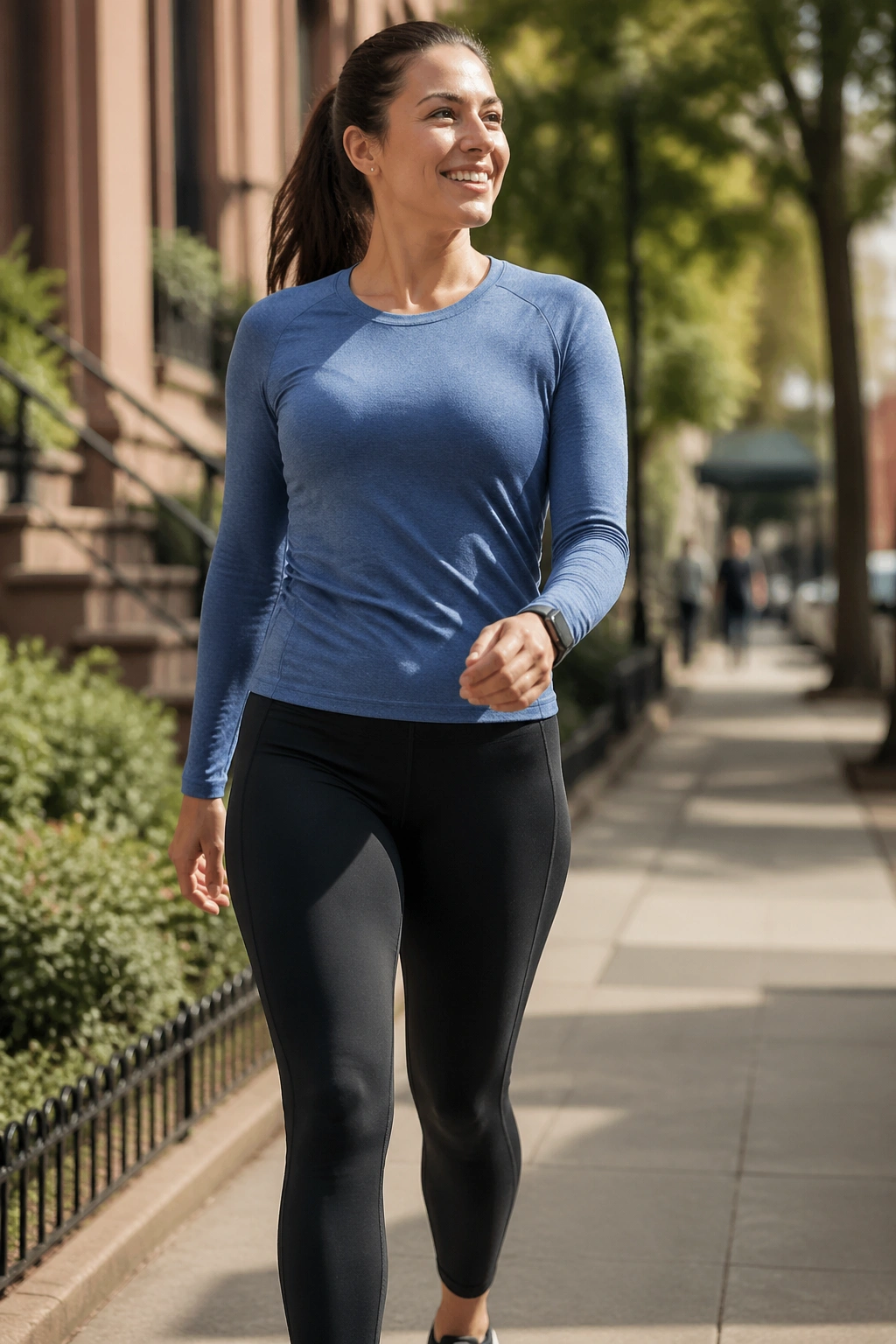
A 20-minute walk after lunch can do more for your waist than another random workout done in a rush. Walking raises daily calorie burn without making you ravenous, and that matters. A hard workout is useful. So is a boring walk.
The neat part is how unglamorous it is. Walking does not usually spike hunger the way a brutal interval session can, and it is easy to repeat five or six days a week. People who keep weight off well tend to move a lot outside the gym, even if they never call it “exercise.”
Try a step goal that is tied to reality, not perfection. For many people, 7,000 to 10,000 steps a day is a solid band to aim for, but the number matters less than the habit. If you sit for work, add two 10-minute walks, one in the morning and one after dinner. That alone changes the day.
A simple trick: walk while the coffee brews, while a call runs long, or right after meals. You do not need a special outfit. You need shoes that do not hurt your feet.
3. Build Stronger Total-Body Muscle

A stronger body tends to look leaner, even before you lose every last pound. That’s because muscle changes your shape. It also helps you keep more of the weight you lose in the form of muscle rather than dragging your metabolism down with crash dieting.
The best weight loss workouts are not endless circuits that leave you drenched and confused. They are basic, repeatable strength sessions built around big moves. Squats. Rows. Presses. Hinges. Lunges. Loaded carries. The boring stuff works because it asks a lot from the body.
The Lifts Worth Owning
- Goblet squats or back squats
- Romanian deadlifts or hip hinges
- Dumbbell rows or cable rows
- Push-ups or bench presses
- Split squats or lunges
- Farmer’s carries for core tension and posture
If you train 3 times a week, keep the sessions around 45 to 60 minutes. Use weights that make the last 2 reps honest, not sloppy. That is where the signal is. Not in chasing a burn for its own sake.
4. Train Your Core the Right Way

Do planks flatten stomachs? Not by themselves. But a well-trained core can make your waist look tighter because you stand taller, brace better, and control your rib cage and pelvis with less wobble. That changes your shape in a way people notice.
The trick is to stop treating the core like a six-pack-only zone. Your midsection works to resist movement, not just bend forward. That means anti-extension, anti-rotation, and carries belong in the mix more than endless sit-ups do.
What to Put in the Routine
- Dead bugs for control and low-back friendliness
- Planks for anti-extension strength
- Side planks for side-body stability
- Pallof presses for anti-rotation work
- Farmer’s carries for full-body tension
Use 2 to 4 sets of 20 to 45 seconds, or 6 to 10 controlled reps when the movement calls for it. If your lower back takes over, the movement is too hard or too sloppy. Dial it back. Clean reps beat dramatic ones every time.
5. Use Progressive Overload in Strength Workouts

If your workouts look the same every week, your body gets bored. Fast. That is why progressive overload matters so much. You need to ask for a little more over time, whether that means more weight, more reps, better form, or one extra set.
No one needs to chase maximal numbers. Small jumps work. Add 1 to 2 reps with the same weight. Or move up by 2.5 to 5 pounds when all sets feel clean. Or trim rest periods a little while keeping form solid. Those changes are enough.
This is where many people stall. They train hard for two weeks, then repeat the same 8 exercises forever. The body adapts, then stops changing. Boring, yes. Predictable, also yes.
Keep a simple log. Write down the weight, reps, and how hard the set felt. Then beat it next time by a tiny margin. A flatter stomach often follows a stronger body, not the other way around.
6. Eat Enough Protein at Each Meal

Protein is one of the most useful flat stomach tips because it helps in two ways at once. It keeps you full, and it helps preserve muscle while you lose fat. That combination matters more than the latest food trend ever will.
A decent target for many adults is 25 to 35 grams per meal, three or four times a day. That does not mean you need to eat like a bodybuilder. It means each meal should have a real anchor: eggs, Greek yogurt, chicken, turkey, fish, tofu, tempeh, cottage cheese, lean beef, or beans paired with another protein source.
Easy Protein Anchors
- 3 eggs plus Greek yogurt
- A palm-sized chicken breast
- Salmon with beans and vegetables
- Tofu stir-fry with edamame
- Cottage cheese with fruit and nuts
One thing people get wrong: they eat “healthy” meals that are mostly vegetables and a little dressing. Then they’re hungry an hour later. That is not a discipline problem. It is a meal design problem.
7. Keep Liquid Calories in Check
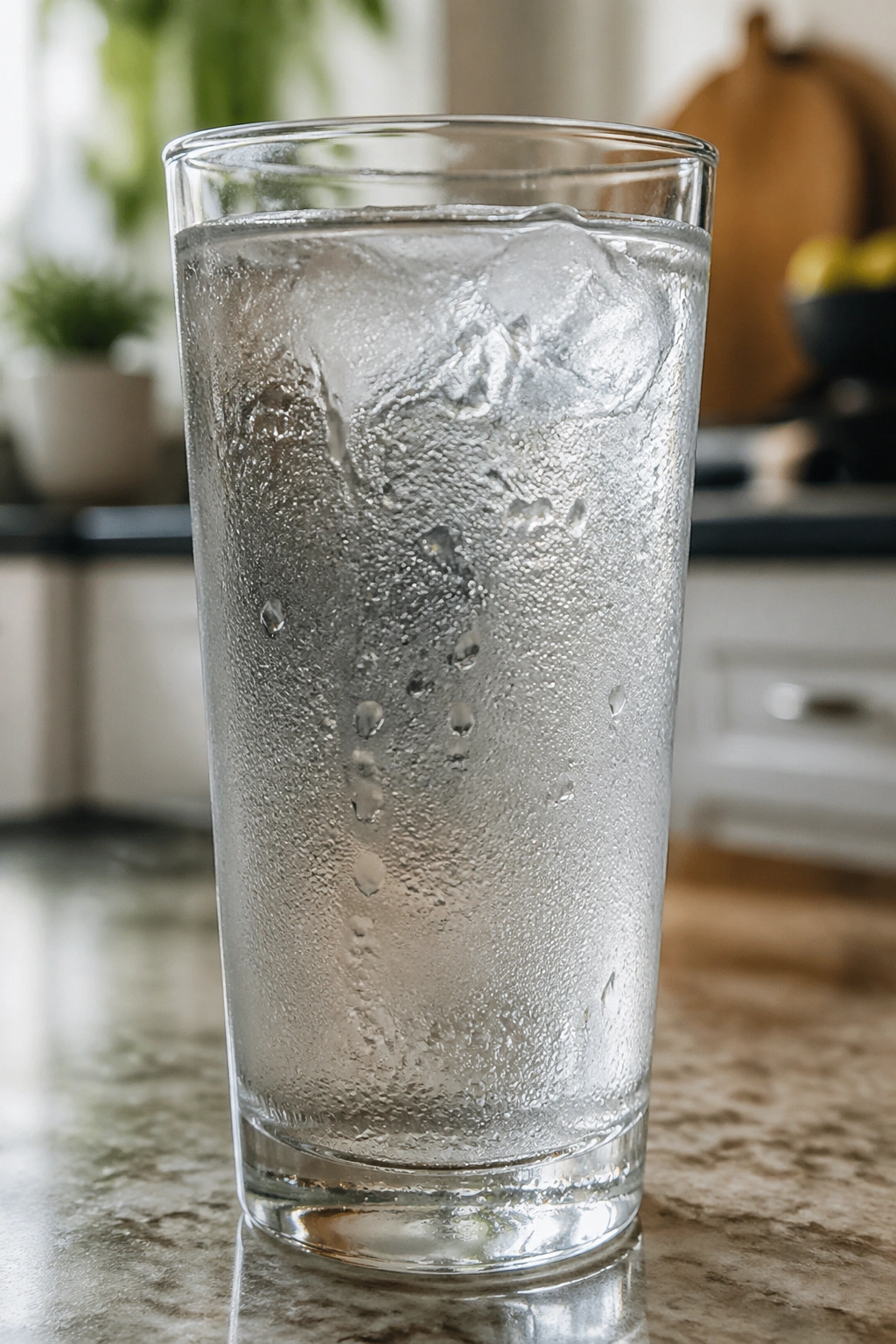
A drink can hide more calories than a full plate of food, and your stomach barely notices. That is the trap. Soda, sweet coffee drinks, juice, energy drinks with sugar, and cocktails can all stack up without making you feel fed.
The simplest fix is not dramatic. Drink water, plain coffee, unsweetened tea, or diet drinks if they suit you. Save the calorie-heavy drinks for when you actually want them, not because they have become part of your routine.
A flavored latte with syrup and whipped cream can quietly carry the calories of a meal. A couple of cocktails can do the same, plus they lower your guard around late-night snacks. That combination is brutal if your waistline is already stuck.
If you want a middle ground, use these swaps:
- Half-sweet coffee drinks
- Sparkling water with lime
- Zero-sugar mixers with spirits
- Water before and after meals
Small change. Big difference.
8. Watch Your Salt-Heavy Processed Foods
Ever wake up and feel thicker through the middle after a salty dinner? That is not in your head. High-sodium meals can make you hold more water, and that extra water often shows up around the belly, face, and hands.
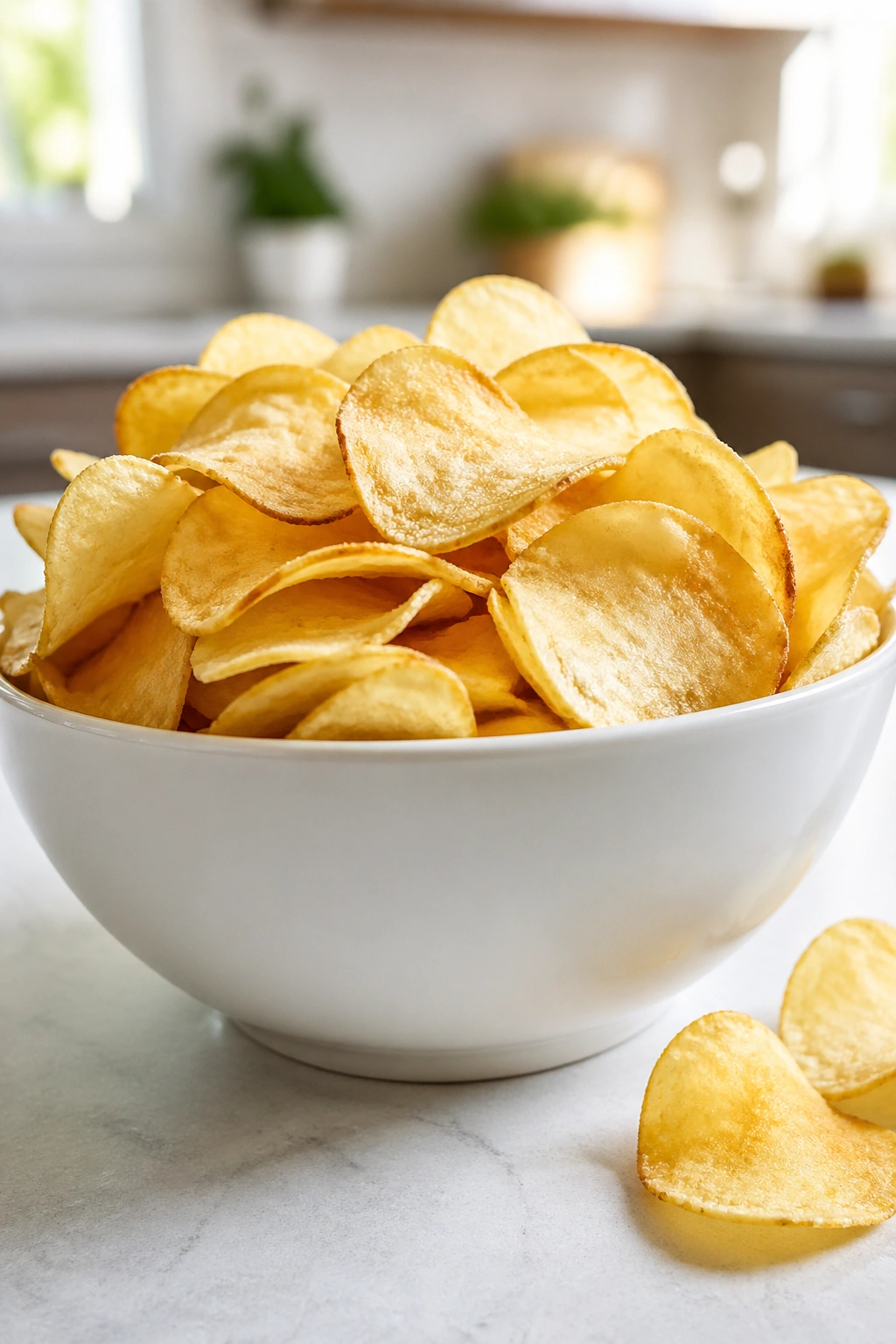
This does not mean salt is bad. It means a diet built on packaged foods, fast meals, and heavy sauces tends to make the body feel puffy. Deli meat, chips, frozen pizza, instant noodles, restaurant takeout, and bottled sauces are common culprits.
The Usual Suspects
- Deli turkey and ham
- Chips and crackers
- Frozen meals
- Takeout bowls with salty sauces
- Packaged soups and noodles
Balance helps. Eat more potassium-rich foods like potatoes, bananas, yogurt, beans, and leafy greens. Drink water through the day. And don’t panic over one salty meal. The real issue is repetition, not one dinner with a heavy hand on the soy sauce.
9. Get Serious About Fiber
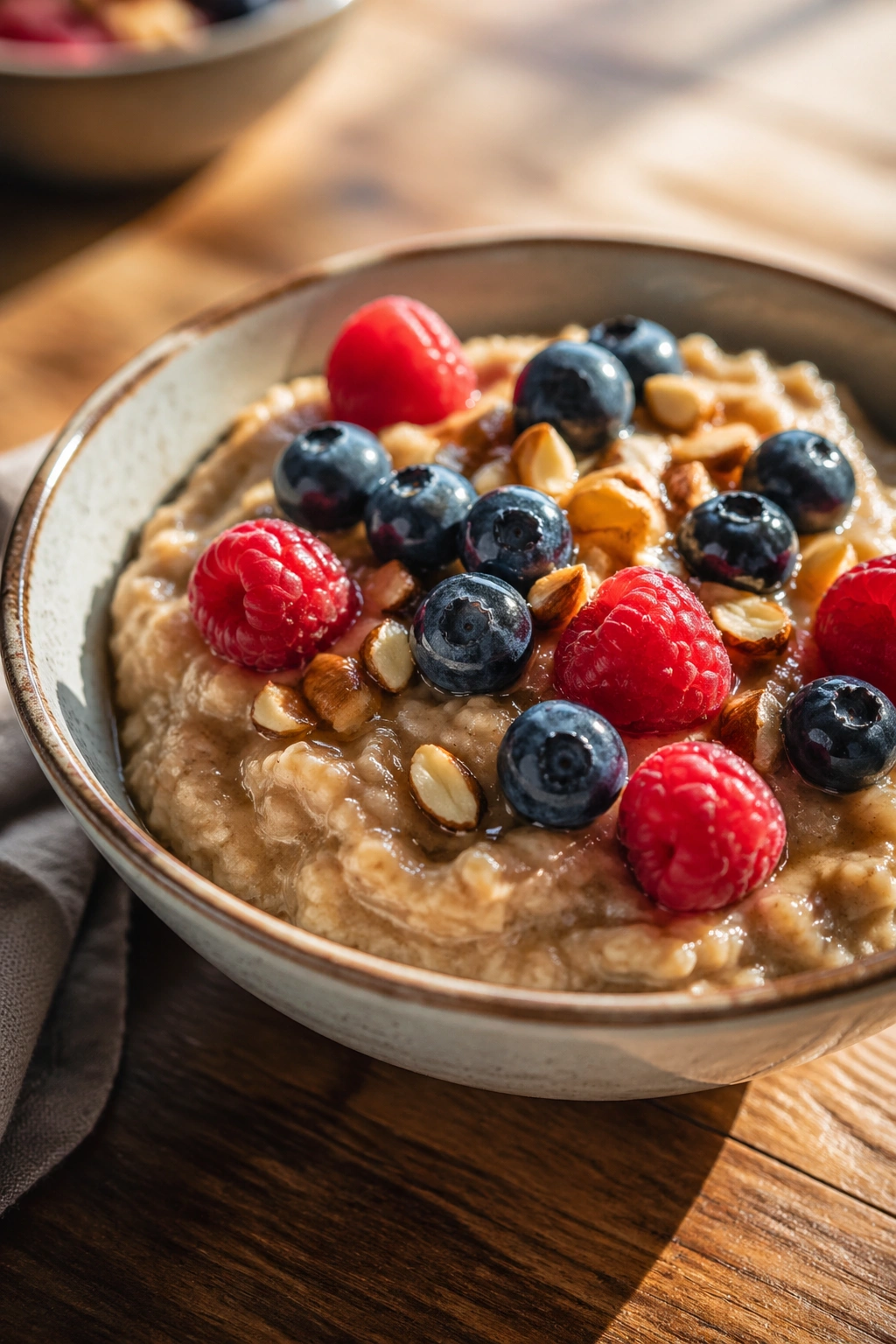
Fiber is the kind of thing people ignore until their hunger and digestion get weird. Then it becomes the hero. The right amount helps you feel full, steadies blood sugar swings, and makes it easier to stick to a calorie deficit without feeling miserable.
You do not need to live on salads. In fact, if you jump too fast into huge servings of fiber, you may end up bloated and miserable. Build up slowly. A lot of adults do well somewhere around 25 to 38 grams a day, spread across meals.
Good Places to Start
- Oats or high-fiber cereal
- Berries and apples
- Beans and lentils
- Chia seeds or ground flax
- Broccoli, carrots, and Brussels sprouts
The sneaky win is combining fiber with protein. Greek yogurt and berries. Chicken with roasted vegetables. Eggs with sautéed greens and whole-grain toast. That combo keeps hunger quieter for hours.
10. Eat Slower and Stop at Comfortable Fullness

A lot of overeating happens before your brain catches up. The stomach needs time to send the “enough” signal, and most people eat faster than that signal can travel. Ten minutes. Fifteen, maybe. Faster than that, and it is easy to overshoot.
Slow eating is not about acting precious with your fork. It is about giving your body a chance to notice the meal. Put the fork down between bites. Drink a little water. Sit at a table instead of standing in the kitchen. Those tiny pauses make a difference.
One practical move: serve your plate once, then wait 10 minutes before deciding on seconds. If you still want more, take more. If you feel fine, you just saved yourself from eating out of habit.
And no, you do not need to leave the table hungry. You need to leave it comfortably full, not stuffed to the point where your jeans complain.
11. Sleep Like It Matters

Bad sleep makes fat loss harder in ways people hate to admit. Hunger goes up. Cravings get louder. Decision-making gets sloppy. And the next day, the easiest thing in the world is a quick snack that snowballs into a bad eating pattern.
Seven to nine hours is a good target for many adults. The number matters less than the routine behind it. Go to bed around the same time. Keep the room dark. Cool the room a bit if it helps. Cut caffeine several hours before sleep if you know it keeps you wired.
A Simple Sleep Reset
- Stop caffeine well before bed
- Dim lights an hour before sleep
- Keep the room cool and dark
- Put the phone away or at least out of arm’s reach
- Wake up at the same time most days
Sleep does not burn belly fat by magic. It helps you make better choices when the day starts. That part is less exciting. It also matters more.
12. Manage Stress Before It Shows at the Waist

Stress does not magically create fat overnight. That’s the lazy story. What it does do is push a lot of people toward extra snacking, poor sleep, less movement, and that weird wired-tired state where you want sugar but also want to collapse.
Some people lose appetite when stressed. Many eat more. Either way, chronic stress can make fat loss feel harder because it changes your routine. You skip meals, then raid the pantry. You stay up late. You skip the walk. The waistline responds to patterns, not feelings.
What Helps More Than “Calming Down”
- A 10-minute walk without your phone
- Slow breathing: 4 seconds in, 6 seconds out
- Writing down the next day’s meals
- A hard workout if stress makes you restless
- Saying no to the third late-night snack
I’m not a fan of pretending stress is solved by one breathing app. Sometimes it helps. Sometimes you need to clean up your schedule, protect your bedtime, and stop overcommitting. That is less glamorous, but it works better.
13. Drink Water Consistently
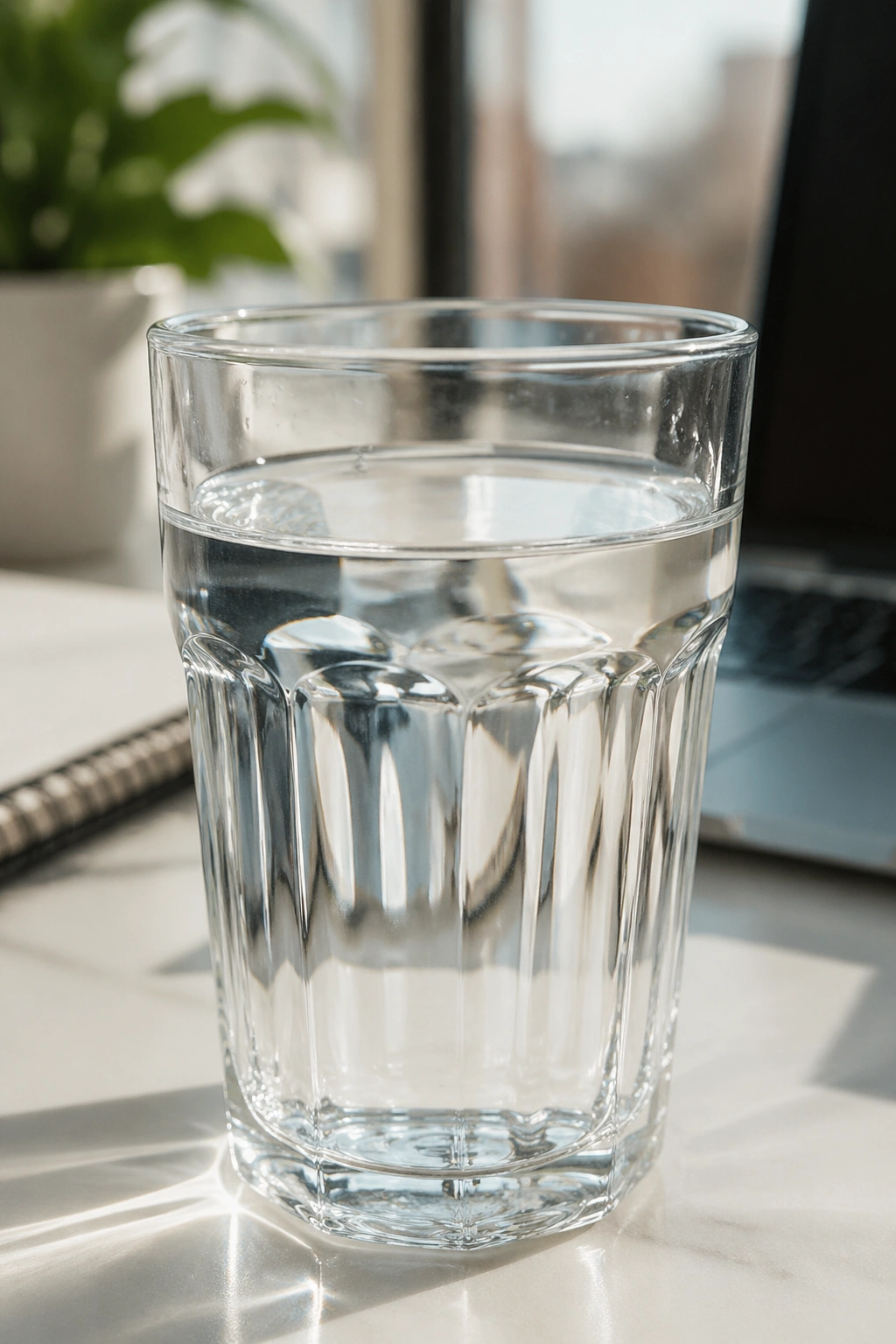
Dehydration and hunger feel a lot alike. That is part of why people snack when what they actually need is a glass of water and 10 minutes to see if the urge passes. Water won’t burn fat by itself, but it can make your eating pattern calmer and your workouts easier to handle.
A good habit is to drink a glass when you wake up, one before lunch, and one before dinner. You do not need to drown yourself in water. You need steady intake across the day so you are not showing up to meals half-parched and mistaking it for hunger.
If you train hard or sweat a lot, pay attention to fluids and electrolytes. Thirst, headache, and sluggishness during workouts often trace back to this simple problem. The fix is annoyingly basic.
A bottle on your desk helps. So does keeping water within reach in the car. If it’s hidden, you’ll forget it.
14. Time Carbs Around Workouts
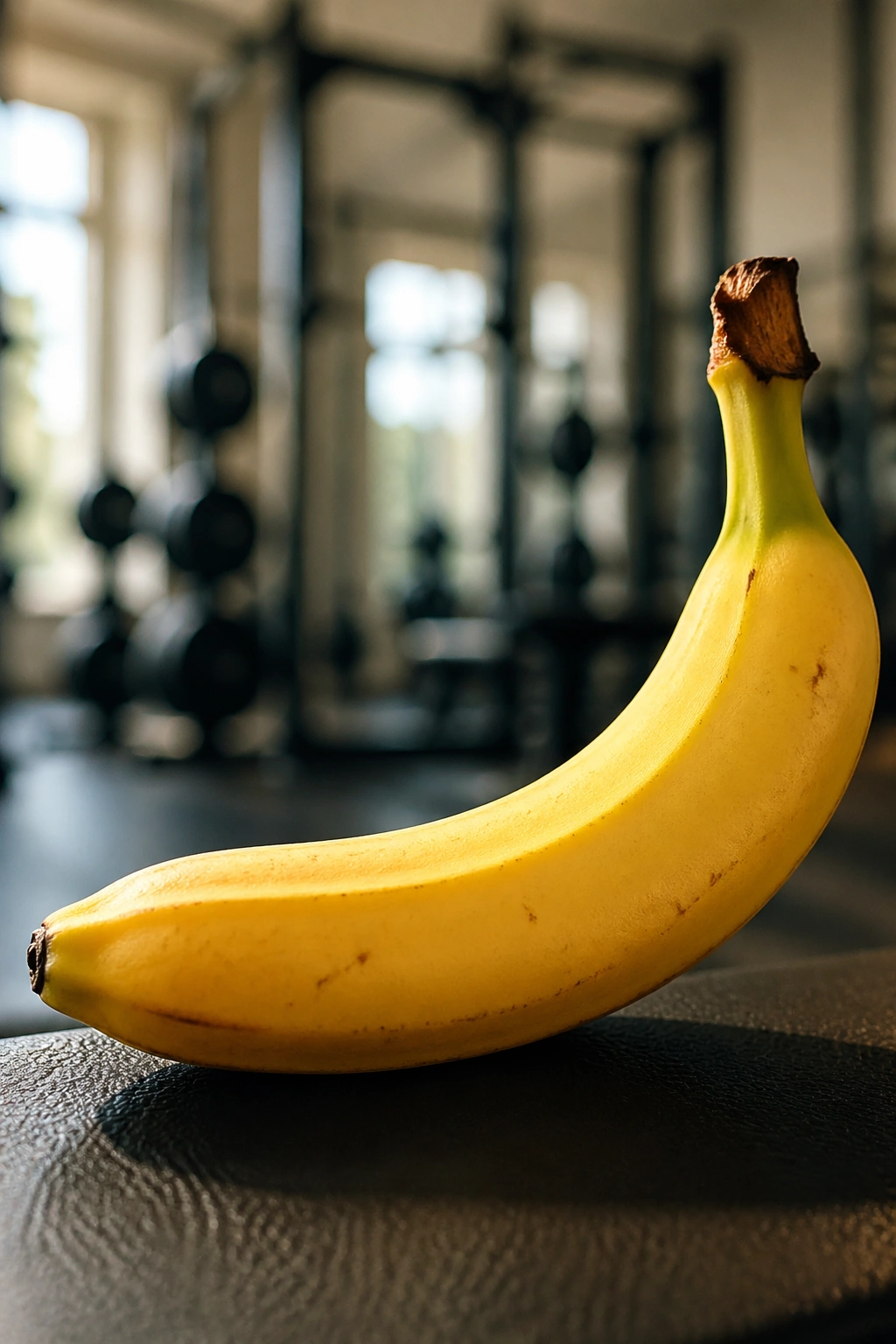
Carbs are not the enemy of a flatter stomach. In the right place, they help you train harder, recover better, and keep your body from feeling flat and drained. The problem is not carbs. It’s mindless carbs, eaten on top of everything else, with no plan.
Before a workout, a small carb snack can help. Think banana and yogurt, toast and eggs, oats with protein powder, or rice with chicken if you eat a bigger meal beforehand. After training, carbs help refill muscle fuel, especially if your sessions are intense or frequent.
Around Training, Use Carbs Like This
- Before lifting: a light carb + protein meal 1 to 3 hours before
- After lifting: carbs and protein within a normal meal window
- On rest days: keep portions a little smaller if fat loss is the goal
The point is not to cut carbs to zero. That gets old fast and usually backfires. The point is to put them where they help your workouts, not where they quietly pile up.
15. Include Interval Training, But Not Too Much

Short bursts of hard work can help trim body fat, improve conditioning, and save time. The catch is that too much interval training can leave you sore, hungry, and wiped out. Then the rest of your week falls apart.
I like intervals when they are short, controlled, and paired with walking and strength work. A bike, rower, hill sprint, sled push, or stair session all work. You do not need to collapse on the floor to count it.
A good starting point is 8 to 10 rounds of 30 seconds hard, 90 seconds easy. Or 10 to 15 minutes of mixed intervals. Twice a week is enough for many people. More can work, but only if recovery stays solid.
If your appetite spikes wildly after every hard session, or your legs feel dead for two days, you may be doing too much. That is not toughness. That is a schedule problem.
16. Fix Your Posture and Breathing

Stand slouched for an hour and your stomach looks different. Simple as that. Your ribs drop, your pelvis tilts, and your midsection folds in on itself a bit. Stand tall with better breathing, and the whole area changes shape.
Posture will not erase body fat. It will make your stomach look tighter and help your core work the way it should. Breathing into your belly and lower ribs, rather than living in shallow chest breaths, is a small thing that changes how you brace during lifts and how you carry yourself outside the gym.
Quick Posture Cues
- Stack ribs over pelvis
- Keep your chin level
- Breathe through the diaphragm, not just the chest
- Squeeze glutes lightly when standing for long periods
- Use carries and dead bugs to reinforce the position
I’m fond of farmer’s carries for this reason. They force you to stay tall under load. No drama. Just better body control.
17. Limit Alcohol if Your Midsection Stalls

Alcohol can be sneaky. The drink itself has calories, the food that follows often has more, and your sleep usually takes a hit. That combination is rough on a goal like a flatter stomach.
Even a couple of drinks can lower restraint enough that a planned dinner turns into chips, dessert, and a second round. Then the next morning brings puffiness, thirst, and a sluggish workout. It adds up fast.
If you drink, put a ceiling on it before you start. Pick one or two drinks, then stop. Alternate with water. Eat a real meal first so you are not drinking on an empty stomach. And if a certain drink always leads to a snack spiral, cut that one first.
A lot of people don’t need a perfect plan. They need one honest boundary. That’s enough to change the week.
18. Track Portions for Two Weeks
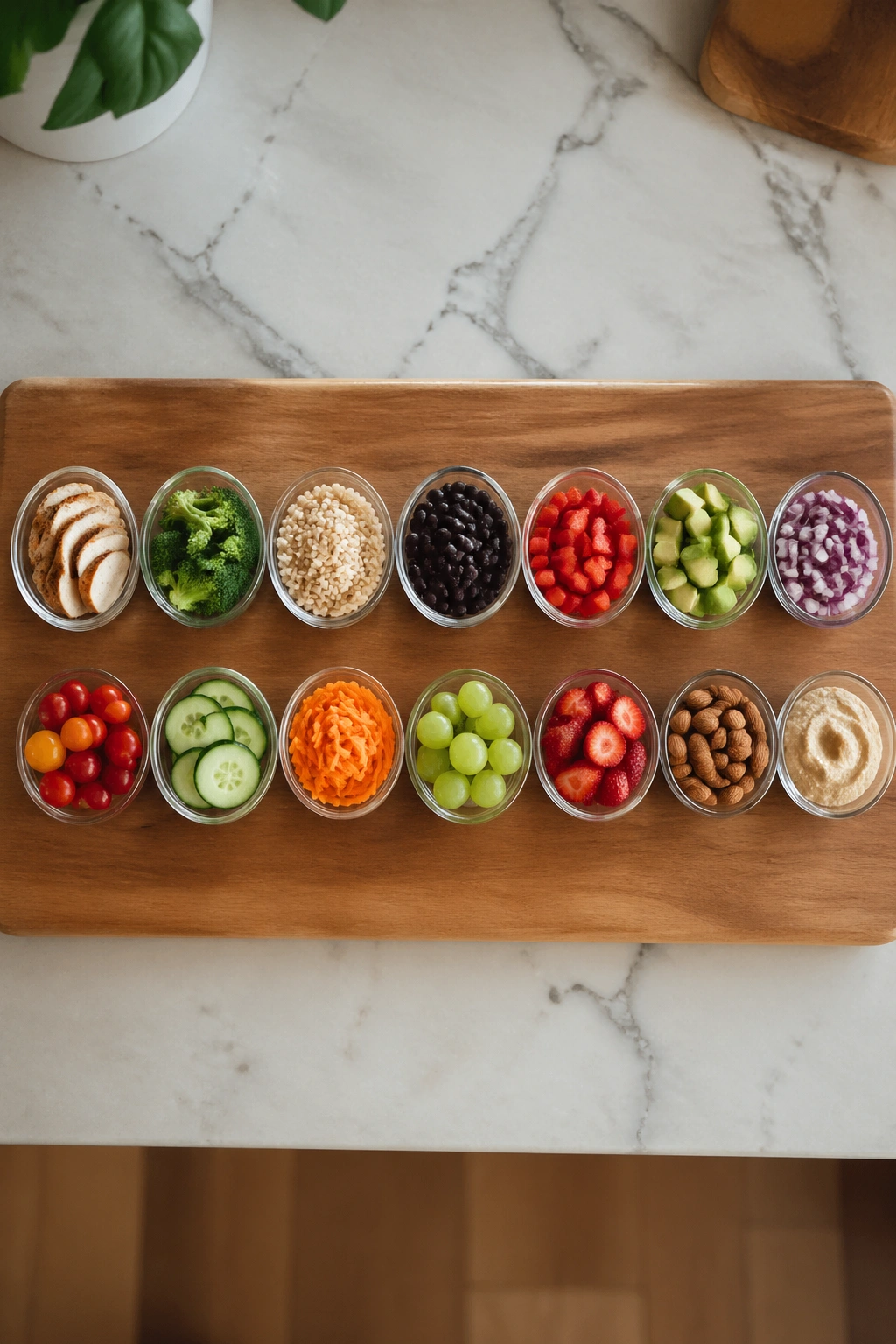
Most people are surprised the first time they weigh peanut butter, cereal, rice, pasta, or nuts. Eyeballing those foods is wildly optimistic. A spoonful can turn into three. A “small bowl” can hold a lot more than you think.
You do not need to track forever. Two weeks is often enough to see where calories are hiding. Use a kitchen scale for the denser foods and pay attention to cooking oil, dressings, snacks, and taste tests while cooking. Those little bites matter more than people want to admit.
The Foods Worth Measuring
- Rice, pasta, oats, cereal
- Nut butters and nuts
- Cooking oil and butter
- Cheese
- Granola
- Sauces and dressings
This is not about becoming obsessive. It’s about getting a clean read on your real intake. Once you know where the drift happens, you can relax a bit and still stay on course.
19. Plan a Realistic Deficit, Not a Crash Diet

Cutting calories too hard feels productive for about a week. Then training gets worse, hunger gets louder, and the whole thing starts to wobble. That is why crash diets are so often followed by rebound eating and a softer waist than before.
A smaller deficit is easier to live with. Many people do better shaving off roughly 300 to 500 calories a day than trying to slash everything at once. That pace is calmer, keeps workouts usable, and gives you a better shot at keeping the loss off.
Watch for signs that the cut is too aggressive:
- You’re obsessively hungry by midafternoon
- Gym performance drops hard
- Sleep gets worse
- You think about food all day
- Your mood tanks for no clear reason
If those show up, eat a little more or increase movement instead of cutting food again. A plan you can repeat beats a brutal plan you can quit.
20. Reduce Bloating Triggers You Personally Notice

Not every bigger-looking stomach is fat. Sometimes it is gas, water, digestion speed, or a food that your gut hates. That matters, because the fix is different. You don’t need a harder workout. You need less bloating.
Common triggers include carbonated drinks, huge portions of raw vegetables, lactose for people who struggle with dairy, sugar alcohols in some protein bars and gums, and very high-fiber meals when your gut is not used to them. Some people also bloat after certain beans, onions, or wheat-heavy meals. Not because those foods are bad. Because your system reacts to them.
A Good Way to Investigate
- Keep a basic food-and-bloat note for 7 to 10 days
- Look for repeat offenders, not random one-offs
- Change one thing at a time
- Give the new pattern a few days before judging it
If bloating comes with pain, constipation, diarrhea, or sudden changes that keep happening, that’s worth a doctor visit. Don’t talk yourself out of that.
21. Stay Consistent on Weekends

Two loose days can erase five careful ones. That’s the part people dislike hearing, because weekends feel earned. And they are. But a weekend that turns into all-day grazing, big meals, cocktails, and skipped workouts can quietly stall a whole month.
The fix is not becoming a robot. It’s having a weekend rule set. Keep your first meal protein-heavy. Pick one meal to enjoy more freely instead of treating every meal like a special event. If you plan to go out at night, move your workout earlier so the day starts with a win.
A few practical guardrails help:
- Eat before social plans so you don’t arrive starving
- Choose your indulgence on purpose
- Keep steps up, even if the day is messy
- Don’t turn one meal into a full weekend reset
That balance matters. The people who lean out without drama usually aren’t perfect Monday through Sunday. They’re just less chaotic on the days that used to wreck everything.
22. Measure Progress the Right Way

The mirror lies on bad lighting days. So does the scale when you ate salty food, slept poorly, or trained legs hard yesterday. If you want to know whether your flat stomach tips are working, you need better markers than a single morning mood.
Measure your waist at the navel once a week, in the same spot, after waking and before food. Take front, side, and back photos in the same lighting every few weeks. Notice how your clothes fit around the waistband. Keep an eye on strength, too, because getting weaker while dieting usually means the plan is too harsh.
The scale still matters, but use the weekly average, not one noisy day. Water swings can hide fat loss for days. That is normal. Annoying, yes. Normal.
If your waist is shrinking, your training is holding steady, and you’re not living in a hunger panic, you’re on the right track. Keep the boring parts going a little longer. That is usually where the change finally shows up, and it tends to last when it does.
