



A hard training session doesn’t build muscle by itself. The work starts when you eat, and the best post workout foods do two jobs at once: they help repair damaged muscle tissue and give you enough carbs to refill the tank without turning the meal into a greasy brick.
That balance matters when lean muscle gain is the goal. You want enough protein to support recovery, enough carbohydrate to bring back energy, and portions that fit into a normal day instead of a fantasy meal plan nobody follows past Tuesday.
Most people overcomplicate this part. They hunt for powders, bars, and strange combinations when the answer is often sitting in a regular fridge or pantry: yogurt, eggs, rice, chicken, tuna, oats. Plain food. Good food. Food that actually gets eaten.
Greek yogurt earns the first spot because it solves a common post-lift problem: you’re tired, hungry, and not in the mood to cook a whole dinner. A bowl of thick yogurt with fruit and oats can feel almost too simple, which is exactly why it works.
1. Greek Yogurt
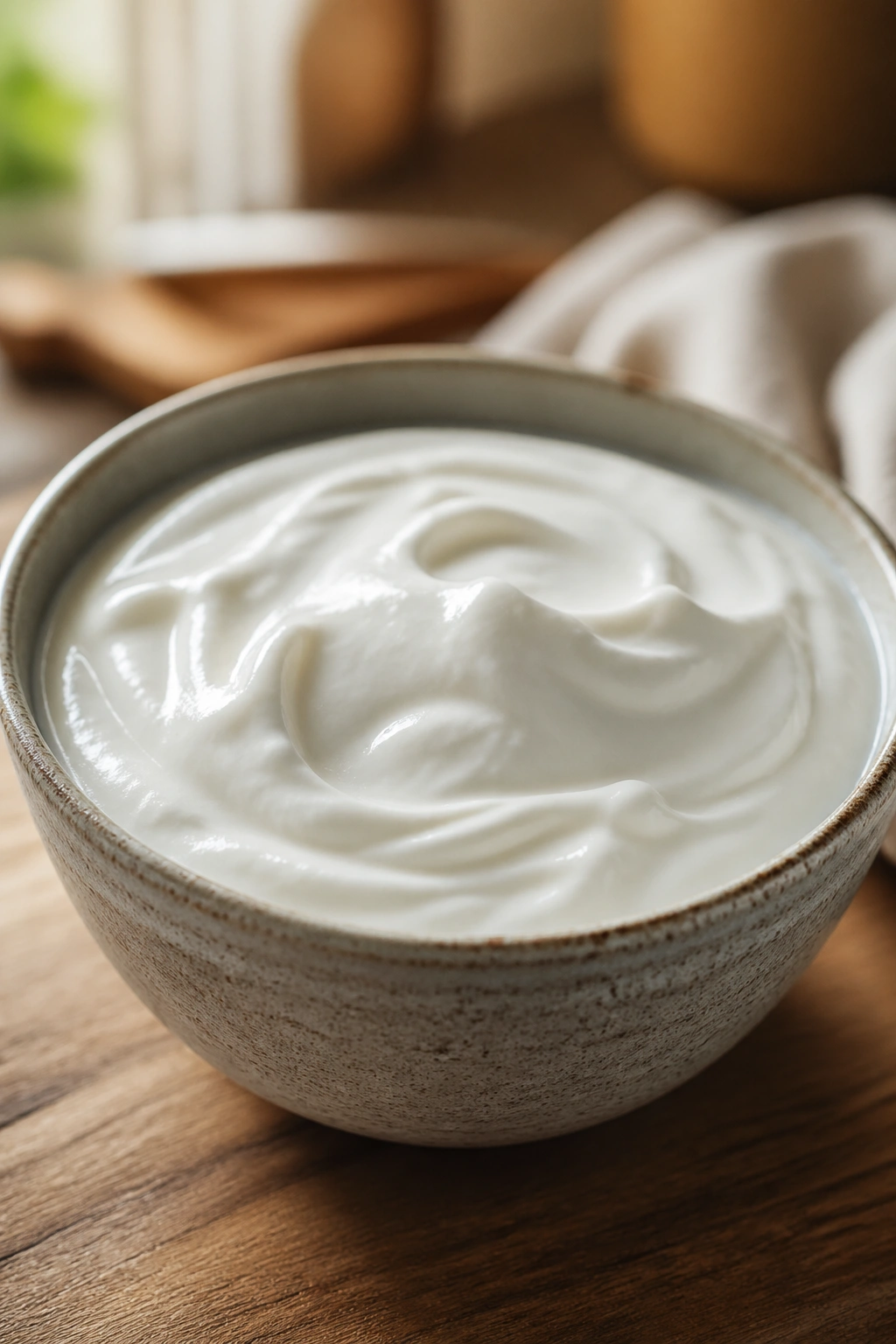
Cold, thick Greek yogurt is one of those foods that looks modest and then quietly does the job. A single cup of plain Greek yogurt often lands in the 15- to 20-gram protein range, which makes it a strong base for muscle recovery without a lot of fuss.
Why It Earns a Spot After Training
The texture matters more than people think. Thick yogurt sits well in the stomach, mixes easily with fruit, and takes almost no time to prepare. If you train hard and then have to go back to work, school, or a crowded house, that matters.
A spoonful of honey helps if you need quick carbs. Berries make it fresher. Oats make it more filling. The point is not to build a dessert tower. The point is to get protein in fast and keep the meal lean enough that you still feel good an hour later.
- Plain, unsweetened yogurt gives you control over sugar.
- Low-fat versions keep calories down while staying high in protein.
- Greek yogurt bowls work well with berries, banana slices, or a small handful of oats.
- Lactose-free versions are worth buying if dairy usually bothers you.
Tip: buy the plain tub, not the flavored cups. Flavored yogurts often sneak in more sugar than you need after training.
2. Whey Protein Shake
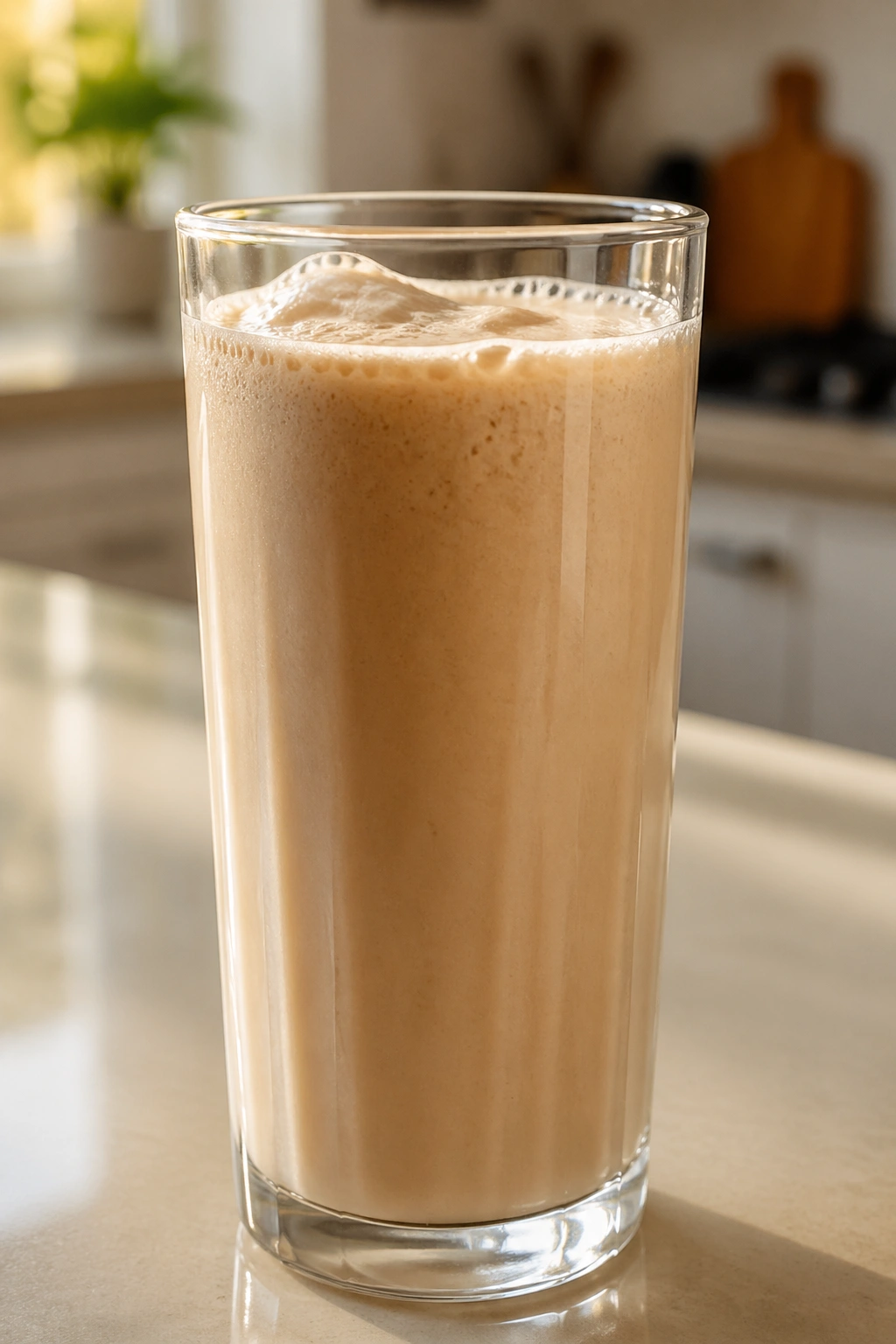
A shake is not lazy food. Sometimes it is the smartest food in the room. When appetite drops after a brutal session, whey protein gives you a fast, easy hit of amino acids without asking your stomach to do heavy lifting.
Most people use one scoop and get about 20 to 25 grams of protein, which is a very practical range for post-workout recovery. Mix it with water if you want speed and lightness. Mix it with milk if you want a little more body and extra protein. Either way, the point is convenience.
What I like about whey for lean muscle gain is how flexible it is. You can keep it plain, blend it with a banana, or stir in a handful of oats when you need more carbs. That makes it useful after lifting, after conditioning, or on days when you simply cannot face a full meal yet.
A shake also buys you time. Drink it on the drive home, then eat a real meal a bit later. That two-step approach works better than waiting too long and then inhaling whatever is nearby.
3. Eggs
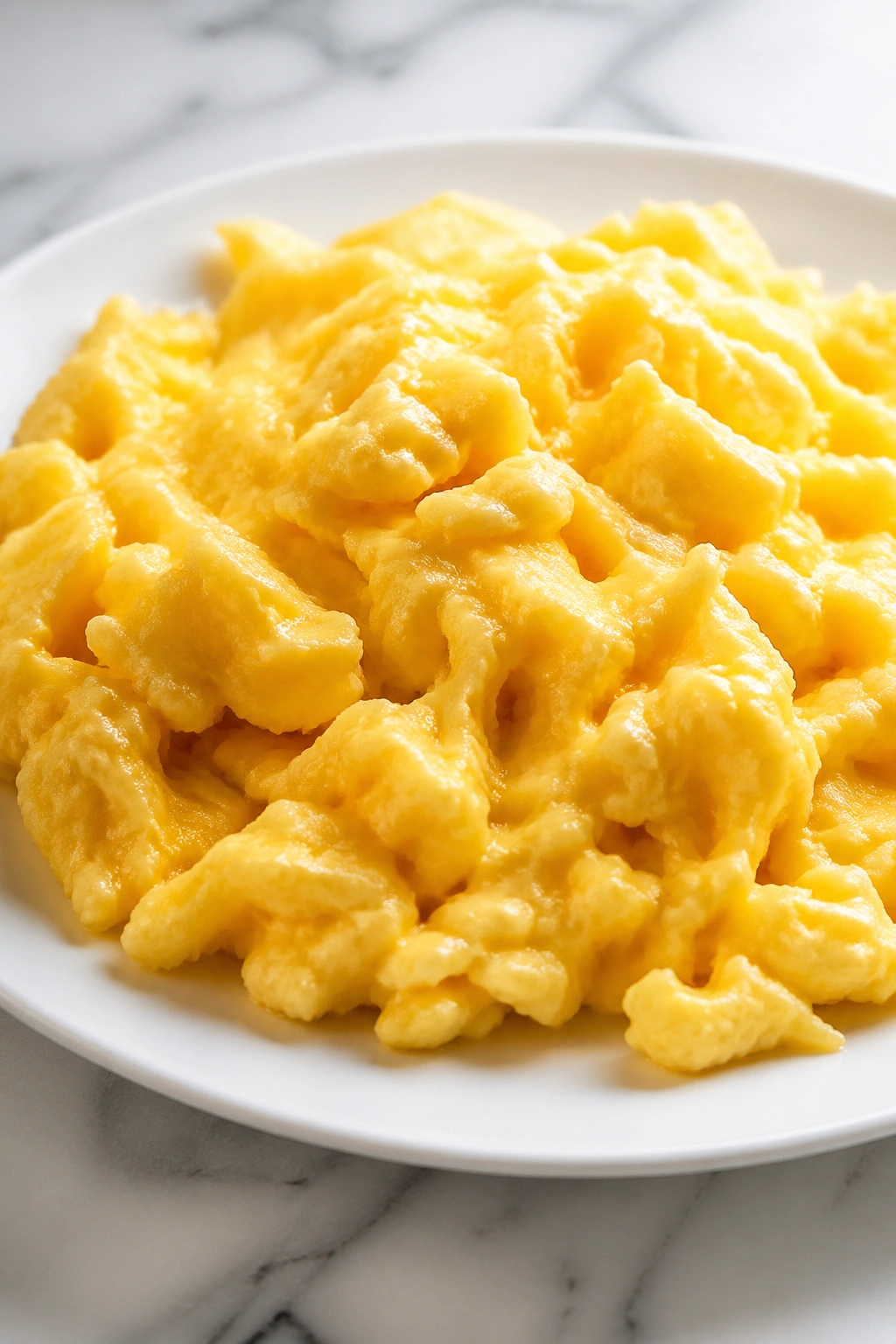
Can eggs do the job after lifting? Yes. They can, especially if you pair whole eggs with egg whites and give yourself a carb source on the side.
Eggs are useful because they give you high-quality protein in a form most people already know how to cook. Two whole eggs plus three egg whites is a common, practical combo when you want more protein without going heavy on fat. The yolks bring nutrients and flavor. The whites help push the protein count up.
How to Use Them
Scramble them with spinach and serve them on toast. Hard-boil a batch and keep them in the fridge. Make a quick omelet and eat it with potatoes if you train in the evening and want something more filling.
- Whole eggs taste richer and keep you satisfied longer.
- Egg whites are the easy way to raise protein without piling on calories.
- A carb side like toast, rice, or potatoes makes eggs work better as recovery food.
- Salt matters here because post-workout meals often need a little sodium back.
One thing people get wrong: they think eggs are either perfect or too fatty. Neither is true. They’re just a tool. Use them with a starch, and they become a solid recovery meal.
4. Chicken Breast
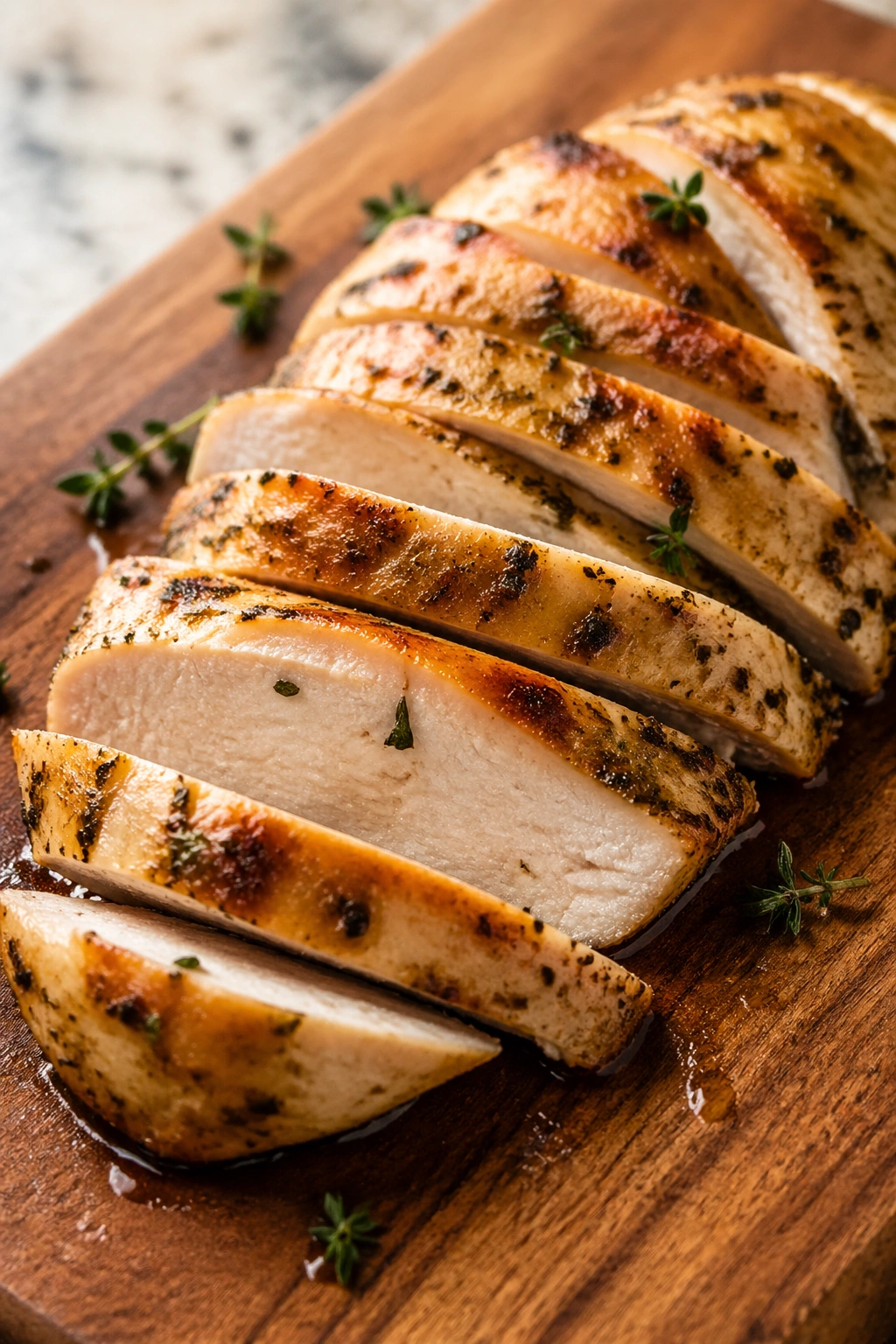
Chicken breast gets called boring because people overcook it. That’s the whole problem, really. When it’s cooked well, skinless chicken breast is one of the easiest ways to hit a high protein target without loading your plate with extra fat.
A 4- to 6-ounce serving can give you roughly 25 to 40 grams of protein, depending on the size and cut. That makes it a reliable anchor for a post-workout bowl. Rice, potatoes, quinoa, or even toast can handle the carb side while chicken handles the rebuilding side.
Dry chicken is a tragedy. Pull it at the right temperature, let it rest, and slice it across the grain so it stays tender instead of stringy. If you have ever chewed through a sad dry breast after a workout, you already know why this matters.
Chicken also plays well with almost anything. Salsa, hot sauce, yogurt-based sauces, roasted peppers, simple herbs. It is plain in the best sense: easy to season, easy to portion, easy to repeat three times a week without getting weird about it.
5. Salmon
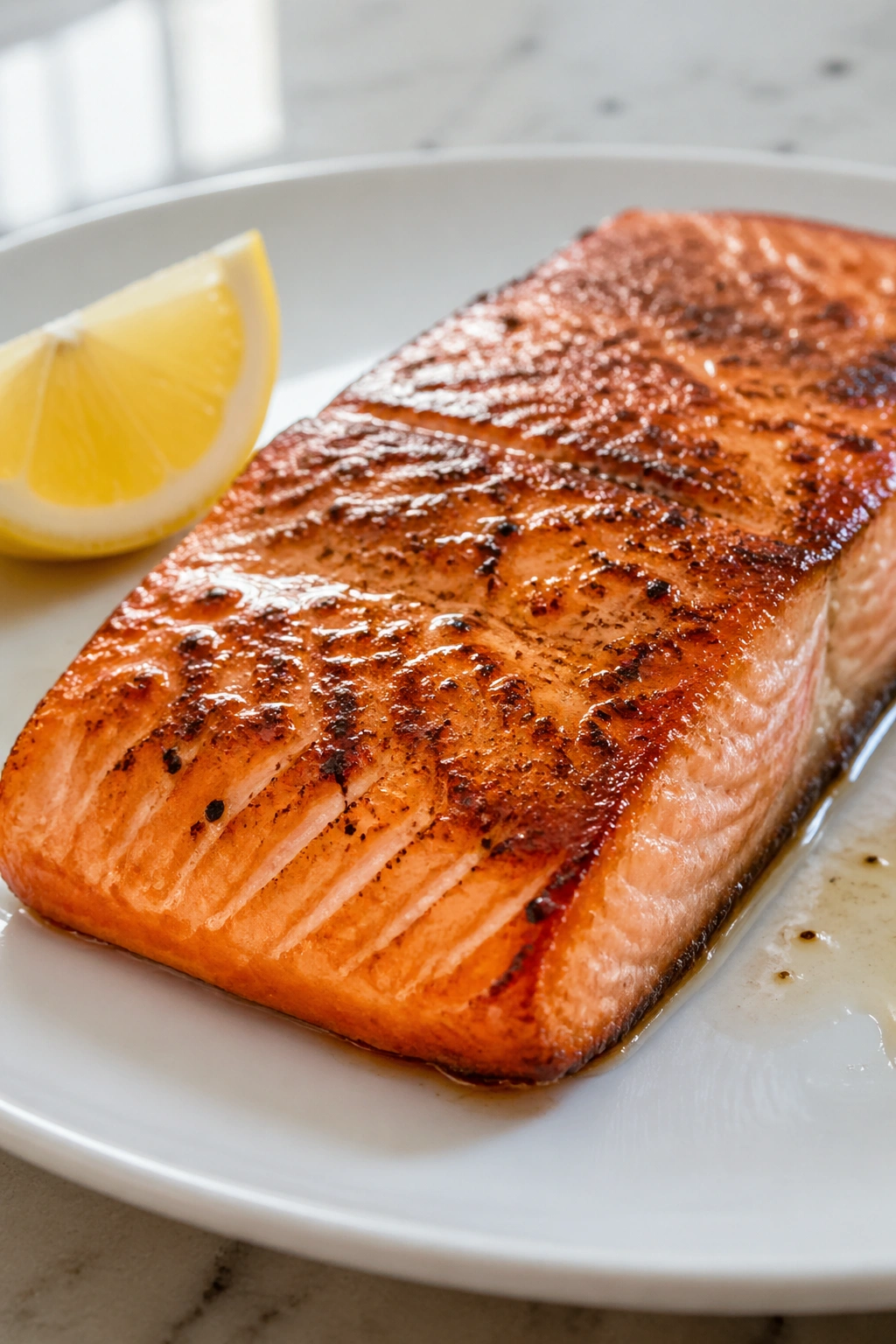
A good salmon fillet smells clean and a little rich before it even hits the pan. That fat is part of the reason salmon feels more substantial than chicken, and for many lifters that is a feature, not a flaw.
Salmon gives you high-quality protein plus omega-3 fats, which makes it a smart choice when you want a recovery meal that feels a bit more complete. The extra fat slows digestion some, so it is often better for a dinner meal than for the second you walk out of the gym. That is not a bad thing. Sometimes slower is fine.
What Makes It Different
Chicken is the lean workhorse. Salmon is the dinner you look forward to. Both can fit lean muscle gain, but salmon is usually the better pick when you need a meal that keeps you full and still gives your body what it needs.
Pair it with rice, roasted potatoes, or quinoa. Keep the vegetables simple. A squeeze of lemon, a little salt, and something starchy underneath is enough. If you cook salmon until it flakes cleanly and stays moist, you do not need much else.
If you train later in the day and want a real plate instead of a snack, salmon is hard to beat.
6. Cottage Cheese
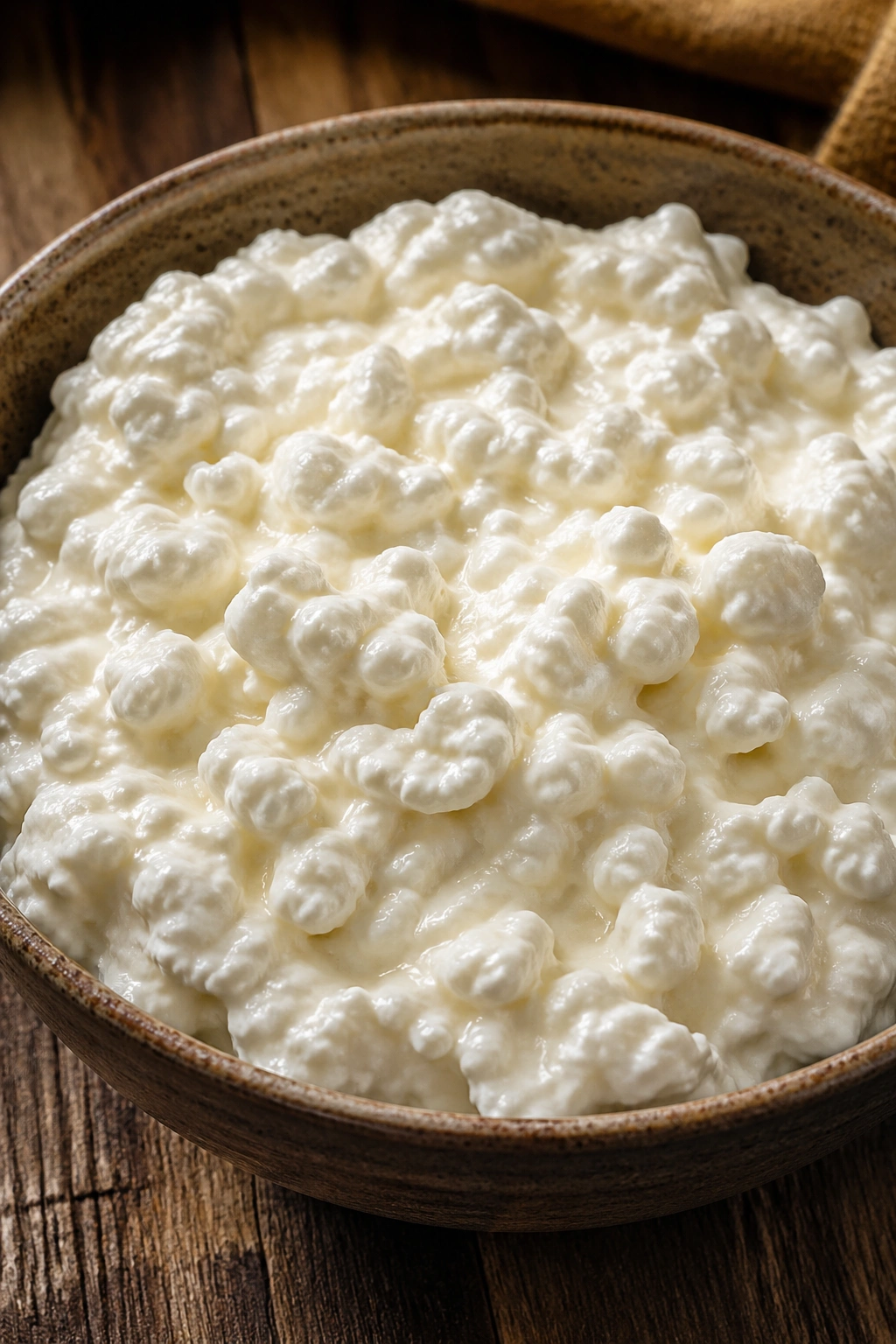
Cold cottage cheese after training is not glamorous. It works.
That’s the appeal. Cottage cheese gives you a big protein hit in a small bowl, and because it is naturally thick and spoonable, you can eat it fast without feeling like you swallowed a brick. A cup of low-fat cottage cheese often gives you around 24 to 28 grams of protein, which is a strong return for almost no prep.
Why People Keep Coming Back to It
Cottage cheese is high in casein, a slower-digesting milk protein. That makes it especially handy when you train late and do not want to eat again before bed. It is not a replacement for every meal. It is a smart tool for certain hours of the day.
- Sweet version: add pineapple, peaches, or berries.
- Savory version: use black pepper, sliced tomato, cucumber, or a little salt.
- Texture tip: small-curd cottage cheese feels lighter; large-curd feels chunkier and can be hit or miss.
A lot of people avoid cottage cheese because they remember bland cafeteria versions. Fair. Buy a good one, and the whole story changes. It is one of the easiest lean muscle gain foods to keep in rotation.
7. Oatmeal
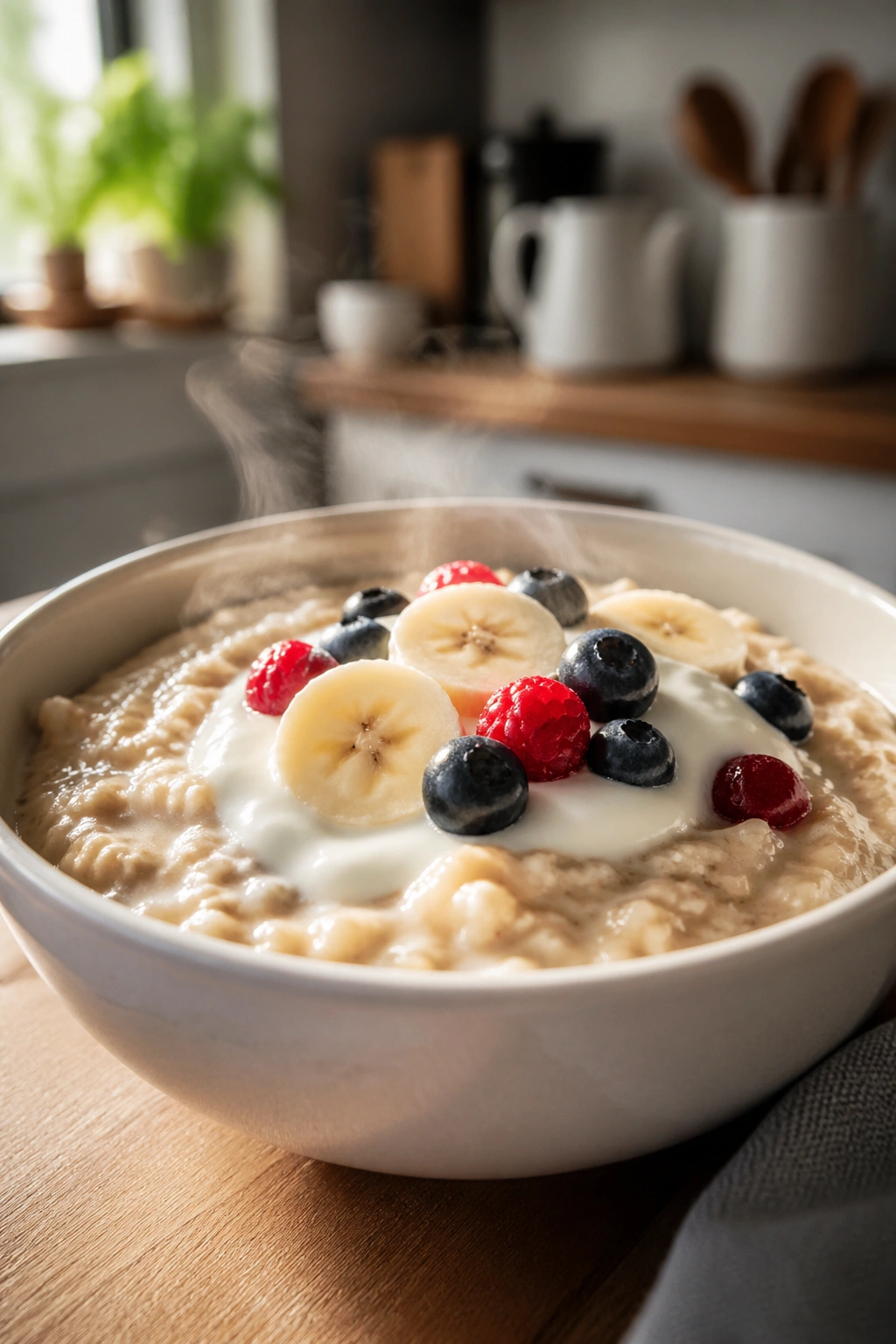
Can oatmeal count as post-workout food? Absolutely, if you treat it as a base rather than the whole meal.
Oats bring the carbohydrates your body wants after training, but they are not enough by themselves for muscle repair. That is the whole trick. Add whey, Greek yogurt, egg whites, or even a side of eggs, and the bowl turns into a recovery meal instead of a plain carb pile.
How to Turn It Into Recovery Food
Old-fashioned rolled oats usually strike the best balance between texture and speed. They cook quickly, hold up well under toppings, and do not turn to glue the way instant packets sometimes do. Steel-cut oats taste great, but they take longer and feel heavier.
- Stir in a scoop of whey after cooking.
- Add banana slices for faster carbs.
- Mix in Greek yogurt if you want more creaminess and protein.
- Use berries and cinnamon if you want a lighter bowl.
One small warning: oatmeal can get calorie-dense fast once you start pouring in nut butter, seeds, honey, and extras. That is fine on some days. For lean muscle gain, you still want some restraint. The bowl should help recovery, not become a dessert with a conscience.
8. Rice
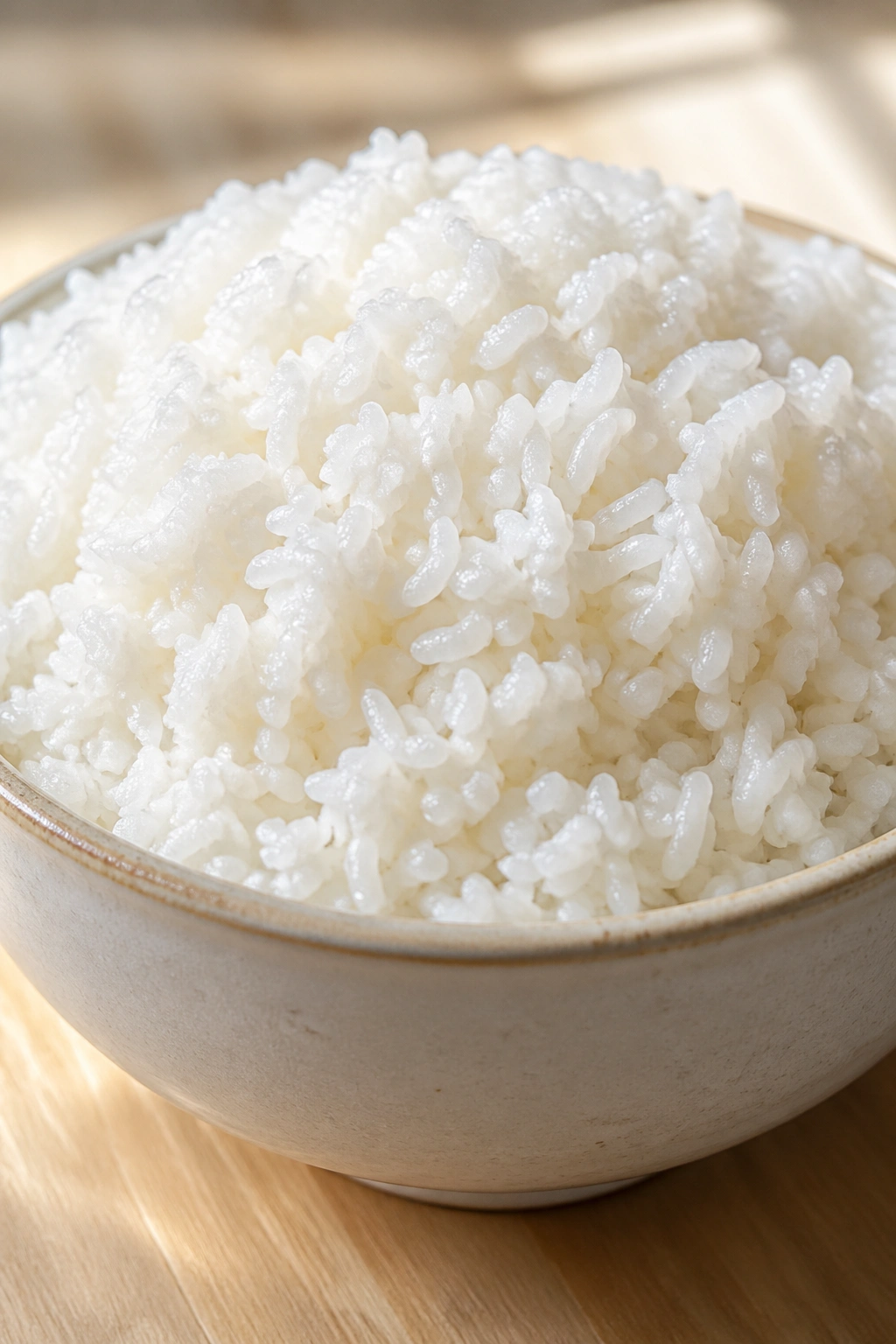
Rice is one of the least dramatic post workout foods on earth, and that is exactly why it belongs here. It is cheap, easy to portion, easy to digest, and happy to sit next to almost any protein you throw at it.
White rice tends to be the easier choice right after training because it digests faster and usually feels lighter than brown rice. Brown rice has more fiber, which is fine, but if your stomach is sensitive after a hard session, the simpler starch often wins.
A cup of cooked rice gives you a straightforward carb base for chicken, tuna, tofu, lean beef, or salmon. That means you can build a recovery bowl in five minutes and move on with your day. No drama. No nonsense.
The best part is how adaptable it is. Add soy sauce, salsa, herbs, or a little broth and the bowl changes without turning into a heavy meal. If you want a clean post-workout dinner that actually feels like dinner, rice does the heavy lifting without stealing the spotlight.
9. Sweet Potatoes
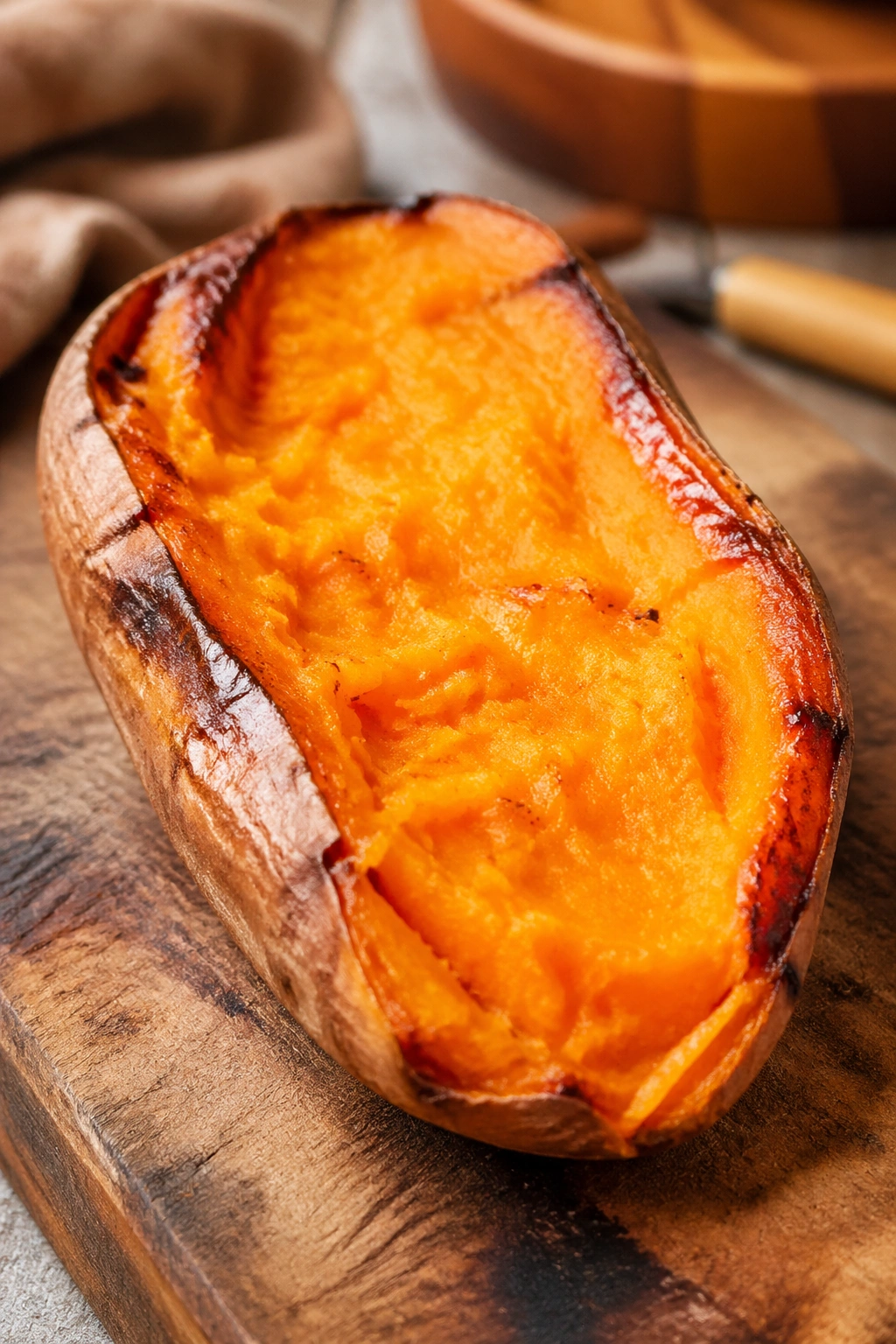
A split sweet potato steams like crazy when it comes out of the microwave. That smell alone tells you why people keep it in rotation after training.
Sweet potatoes bring carbs, a decent dose of potassium, and more fiber than white rice. That makes them a little slower and more filling, which is useful if you tend to get ravenous after leg day or long conditioning work. They are not the fastest fuel, but they are steady and satisfying.
I like them most when the rest of the plate is lean. Grilled chicken, baked salmon, scrambled eggs, or cottage cheese all play well with sweet potatoes. A medium potato gives you enough bulk to feel fed without turning the meal into a food coma.
Roasting brings out the sweetness. Microwaving wins on speed. If you want the skin crisp, finish it in a hot oven or air fryer for a few minutes. If you want the easiest recovery carb imaginable, stab it with a fork, microwave it, and call it done.
10. Bananas
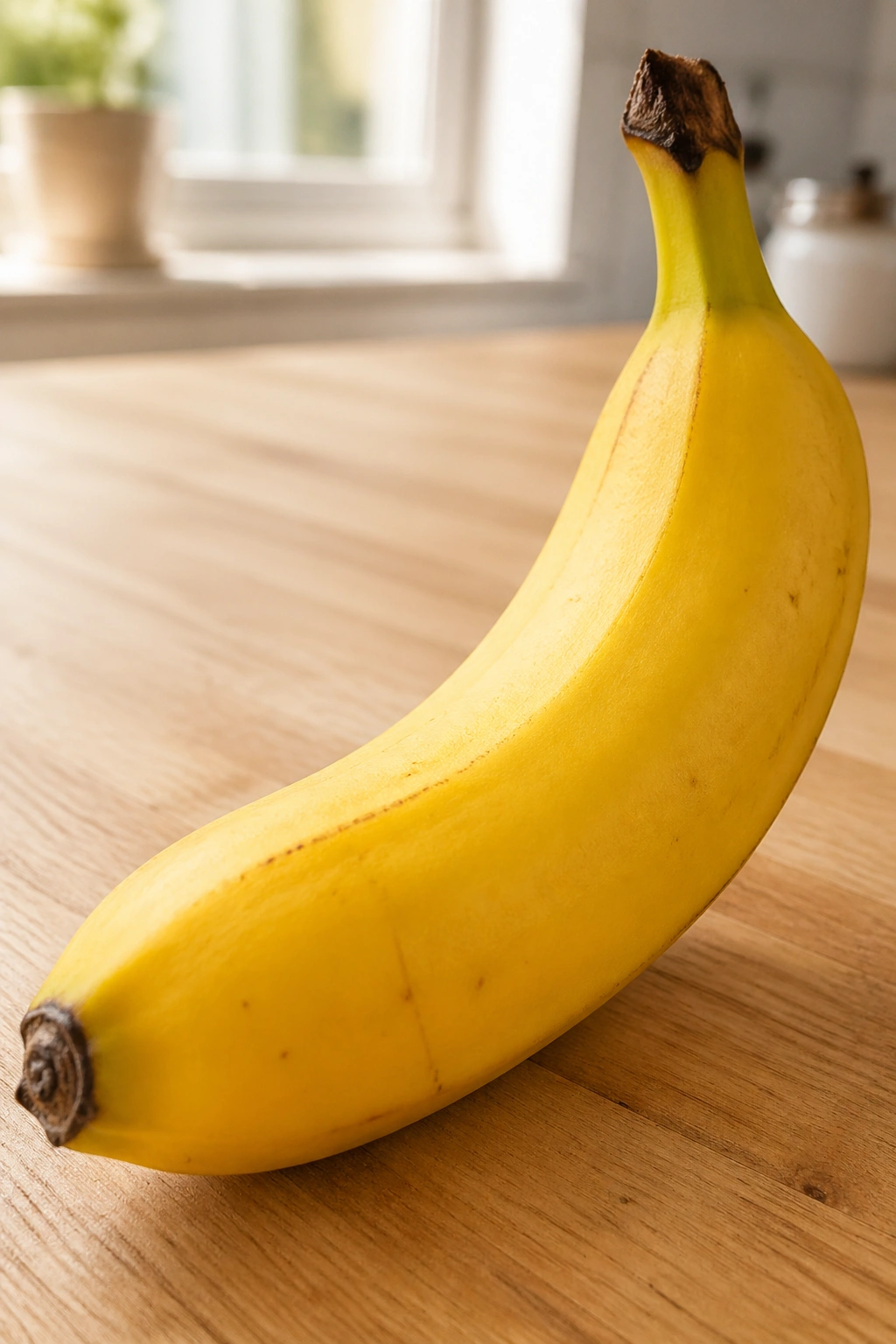
Bananas are the recovery food people mock right up until they need one. Then they remember how easy it is to peel, bite, and move on.
As a post-workout carb source, bananas are excellent for the same reason sports drinks and gels exist: they are quick. They do not ask for a fork, a knife, or a cooking plan. That makes them ideal when you need something right after training and your appetite is still half asleep.
What Makes Them Useful
A ripe banana is softer and easier to digest than a greener one. That matters if your stomach feels tight after lifting. Greenish bananas have more resistant starch, which can be useful in other situations, but post-workout is usually not the time to get clever.
- Great with whey in a shake.
- Good with Greek yogurt for a fast snack.
- Easy on the move if you are heading somewhere else after the gym.
- Naturally portioned so you do not accidentally eat half a bag of something else.
Bananas do not bring much protein, and that is fine. They are there to pair with protein, not replace it. That little job is enough.
11. Berries
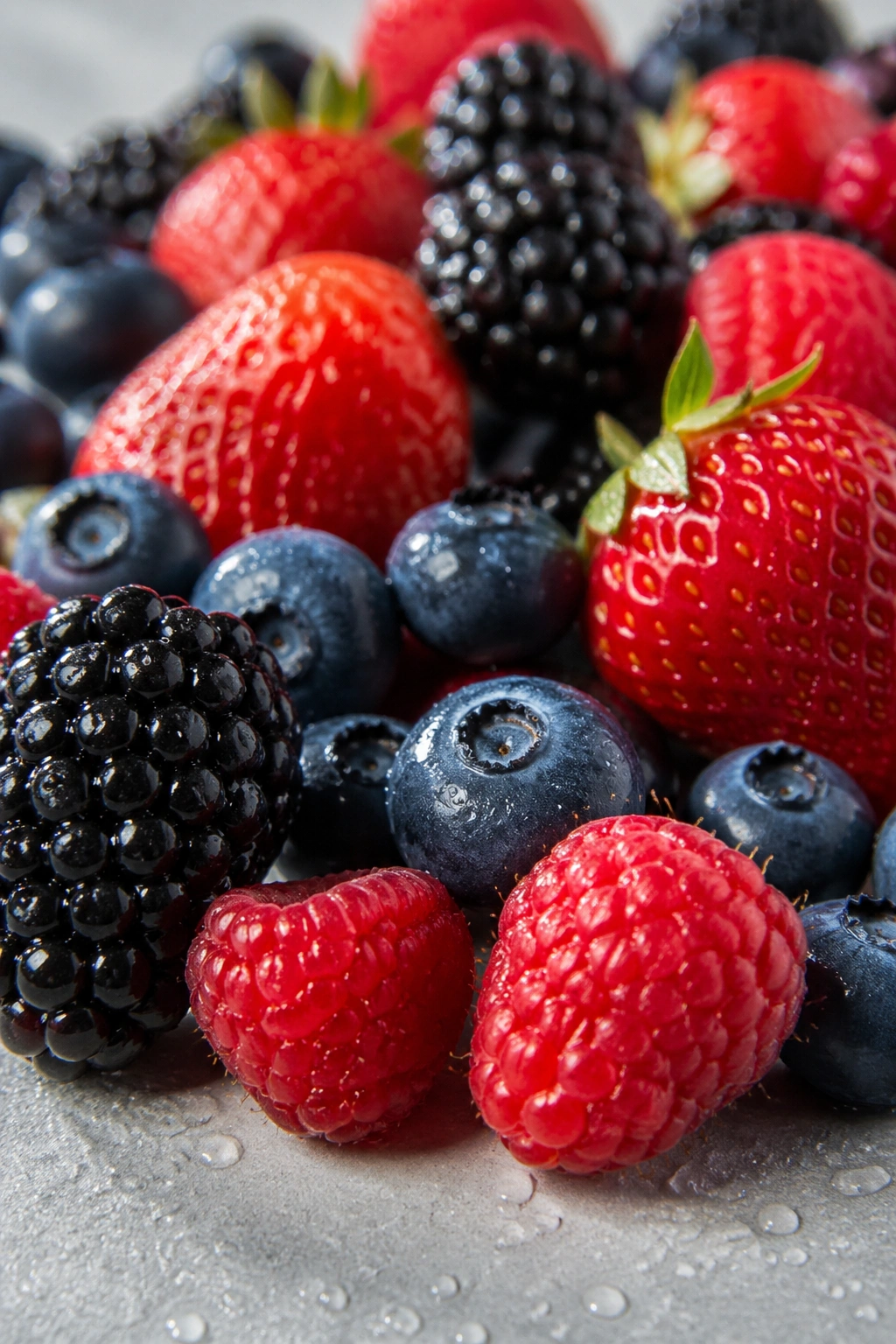
After a hard session, berries are not the main event. They are the part that makes the main event taste like something you actually want to eat again tomorrow.
Blueberries, strawberries, raspberries, and blackberries all bring a lot of color for a small calorie cost. That matters for lean muscle gain, because you want some carbs and micronutrients without filling the bowl with sugar or extra fat. Berries also bring fiber and a sharp, clean flavor that wakes up yogurt, oats, and cottage cheese.
Frozen berries work fine. Better, even, if you like them a little softer and juicier. Toss them into hot oatmeal and they thaw fast. Mix them with Greek yogurt and you get a cold, tart bowl that feels more like a meal than a supplement.
- One cup is usually enough to make a bowl feel complete.
- Frozen berries are easy to keep around and waste less.
- They work best with protein rather than on their own.
- Tart berries are nice when sweet foods feel too heavy after training.
Berries are not flashy. They are just useful, and useful wins.
12. Whole Grain Toast
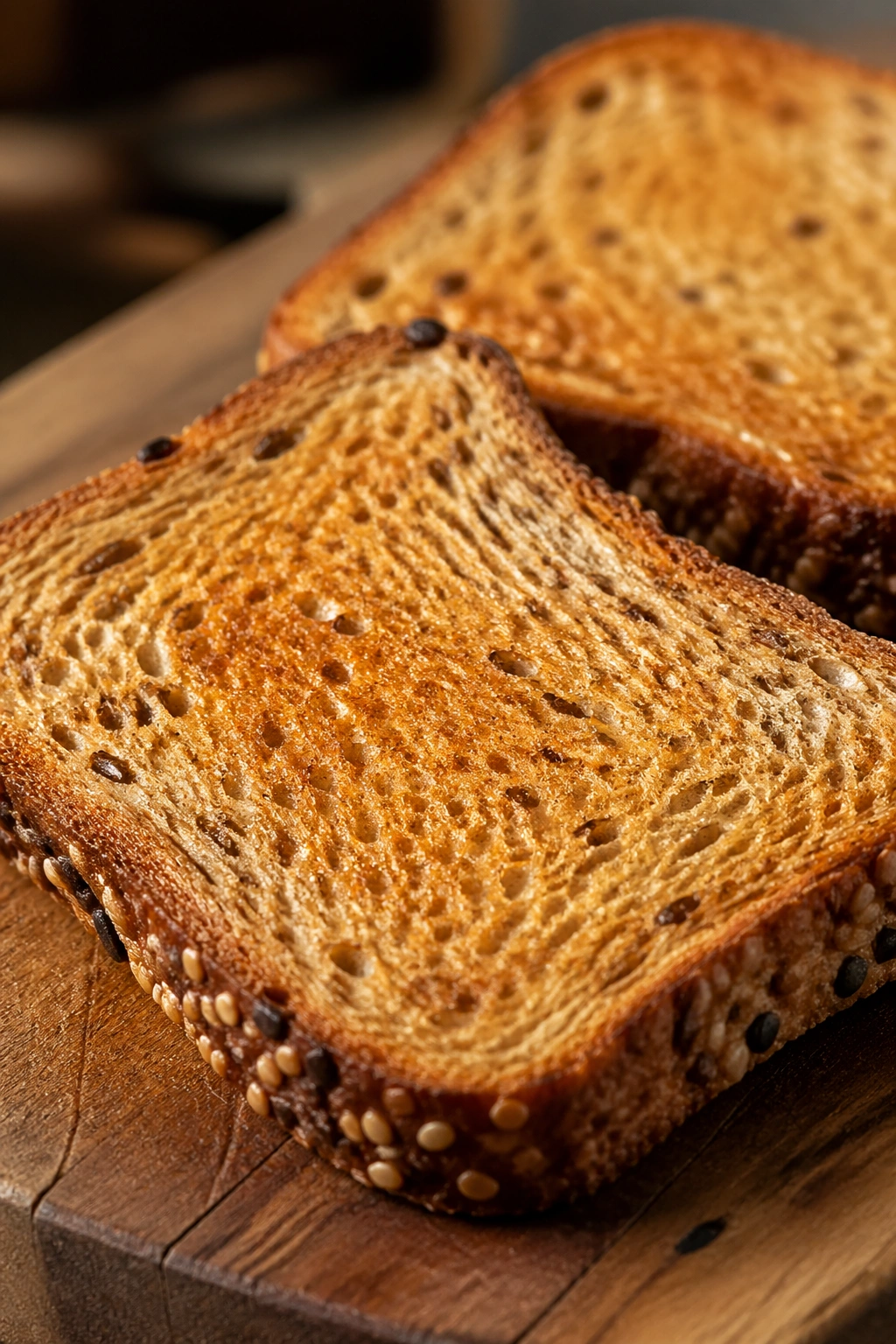
Can toast count as recovery food? Yes, if you stop treating it like an afterthought. Two slices of good whole grain toast can give you a clean carb base, a little fiber, and a handy way to get protein into your mouth without standing at the counter for half an hour.
The trick is what goes on top. Toast with eggs, tuna, cottage cheese, turkey, or even a thin layer of avocado and scrambled eggs can turn into a real post-workout meal. Without a protein source, toast is just bread. With one, it starts pulling its weight.
How to Use It
If your stomach feels a bit tender after training, softer bread may be easier than a very dense seed loaf. If you want more staying power, go with a sturdier whole grain slice that gives you more chew and a little more fiber.
- Egg toast works for mornings after lifting.
- Tuna toast is fast and salty in a good way.
- Cottage cheese toast is underrated, especially with sliced tomato.
- Turkey toast feels plain on paper and works well in practice.
Toast is not the star. It is the frame around the star. That role suits it just fine.
13. Quinoa
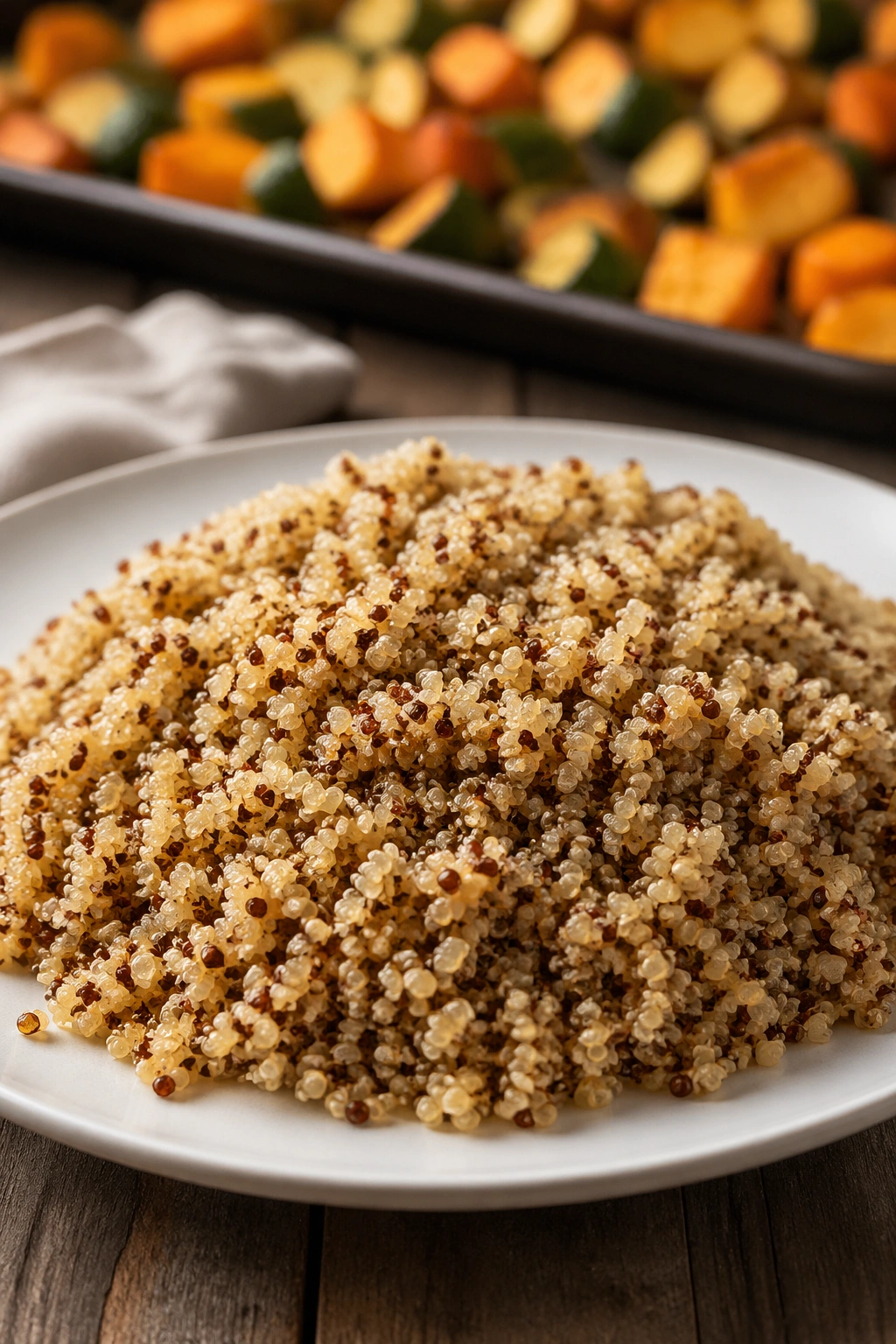
Quinoa is not magic, but it is one of the few carb foods that brings a decent amount of protein along for the ride. That is why it keeps showing up in serious post-workout bowls.
A cup of cooked quinoa gives you roughly 8 grams of protein plus a solid carbohydrate base. That does not replace chicken, salmon, tofu, or beef. It does make the meal feel more complete, especially if you want something that sits between rice and oatmeal in texture. Quinoa has a light, slightly nutty bite that keeps it from feeling bland.
Rinsing it first helps strip away bitterness. Skip that step and you may wonder why the bowl tastes faintly soapy. Worth the extra minute. Always.
Quinoa works especially well with roasted vegetables and a lean protein on top. It also suits gluten-free eaters who want something more structured than potatoes or rice. If you are tired of the same white rice bowl, quinoa is an easy switch that still respects the recovery job.
14. Tofu
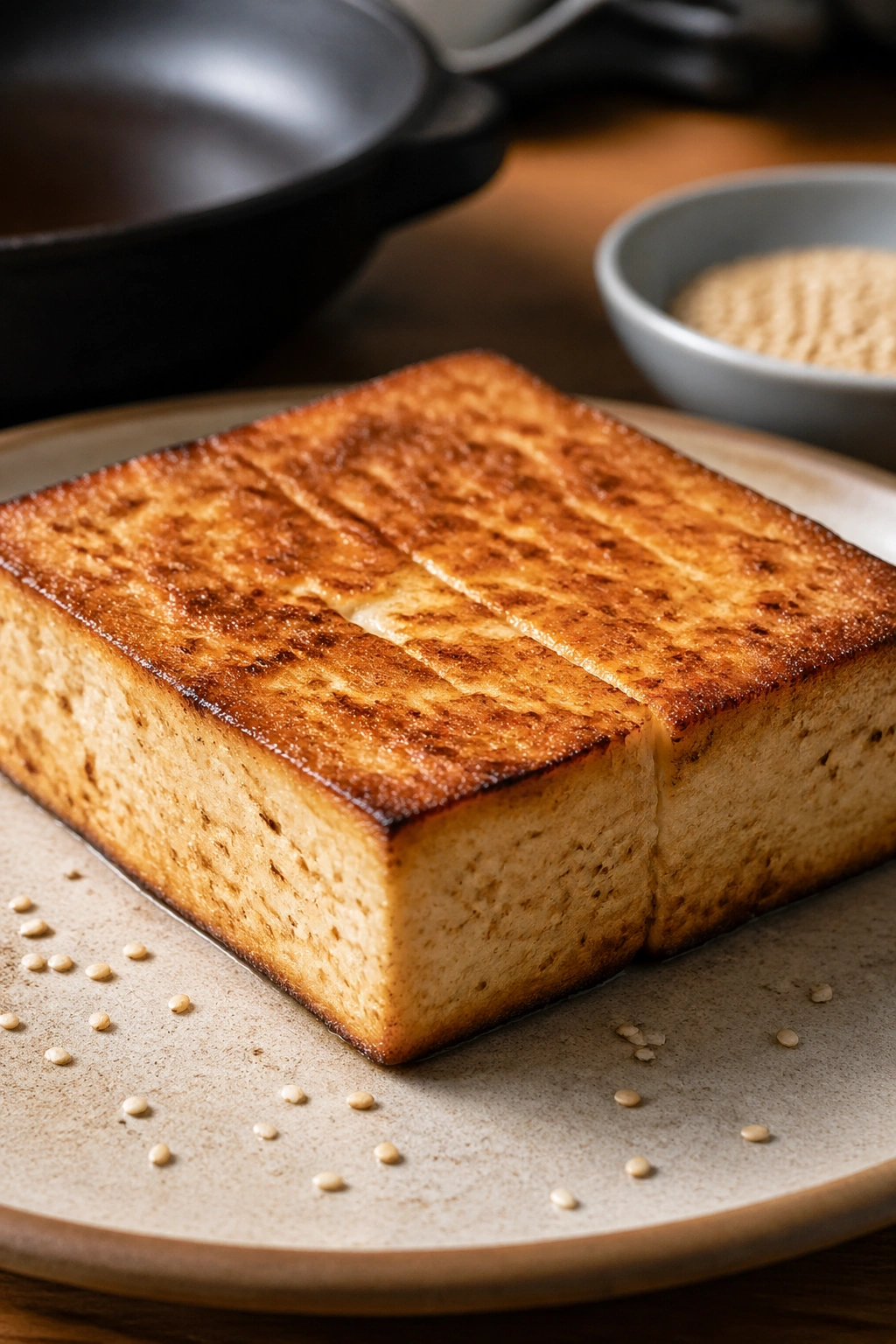
Tofu is the food people think about too late. Once it is pressed, browned, and seasoned properly, it becomes a serious post-workout protein for anyone who eats plant-based meals or just wants a break from meat.
Firm or extra-firm tofu is the version you want here. It holds its shape better, takes on flavor, and can be crisped in a skillet or air fryer. A half block can land around the 18- to 20-gram protein range depending on brand and size, which puts it squarely in the recovery conversation.
What to Look For
Pressing matters. Even 15 minutes under a towel and a cutting board can change the texture a lot, because the tofu sheds water and browns better. That browning is what gives it personality.
- Firm tofu is better for bowls and stir-fries.
- Extra-firm tofu works if you want a chewier bite.
- Soy sauce, garlic, and ginger give it a fast flavor base.
- Rice or noodles make it feel like a full recovery meal.
Tofu is also easy on the wallet, which is not a small thing if you train often. You can eat it three times a week and not get bored if you season it differently.
15. Lentils
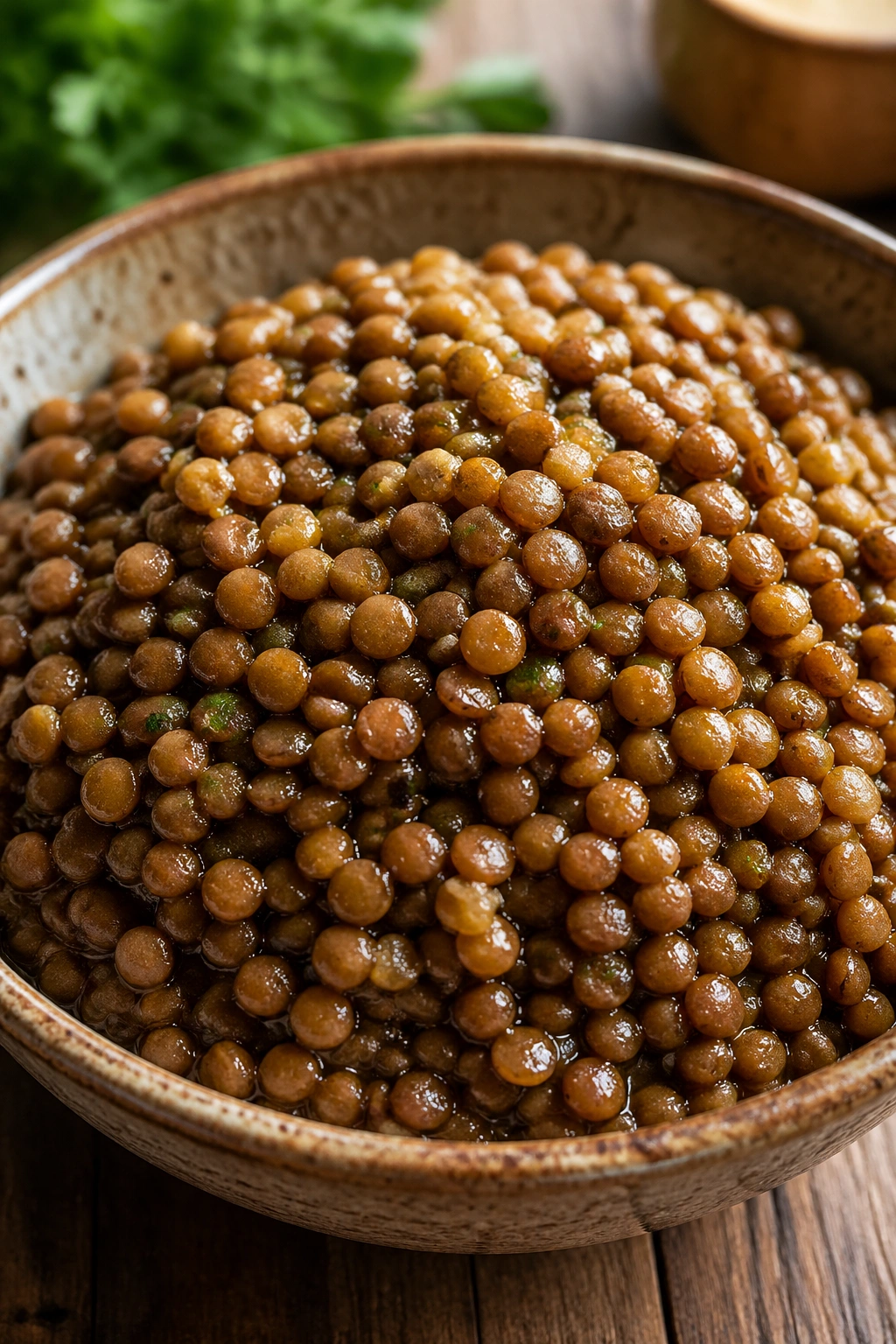
Lentils are one of the best post workout foods if you like savory meals and do not want to spend much money doing it.
They cook faster than most beans, especially red lentils, and they bring protein, carbs, iron, and fiber in one pot. A cup of cooked lentils can give you about 18 grams of protein, which is a serious number for a plant food. That makes them a strong support player for lean muscle gain.
The catch is fiber. That same fiber that helps them feel hearty can be a little rough right after a brutally hard session if your stomach is sensitive. Start with a moderate bowl and see how you feel. If you usually digest legumes without issue, great. If not, keep the portion sane and pair them with rice or toast instead of stacking them into a giant fiber mountain.
Lentils shine in soups, stews, and warm bowls with spices. They also play well with chicken or eggs if you are not plant-based. Cheap, filling, and easy to batch-cook. That is a hard combo to beat.
16. Lean Beef
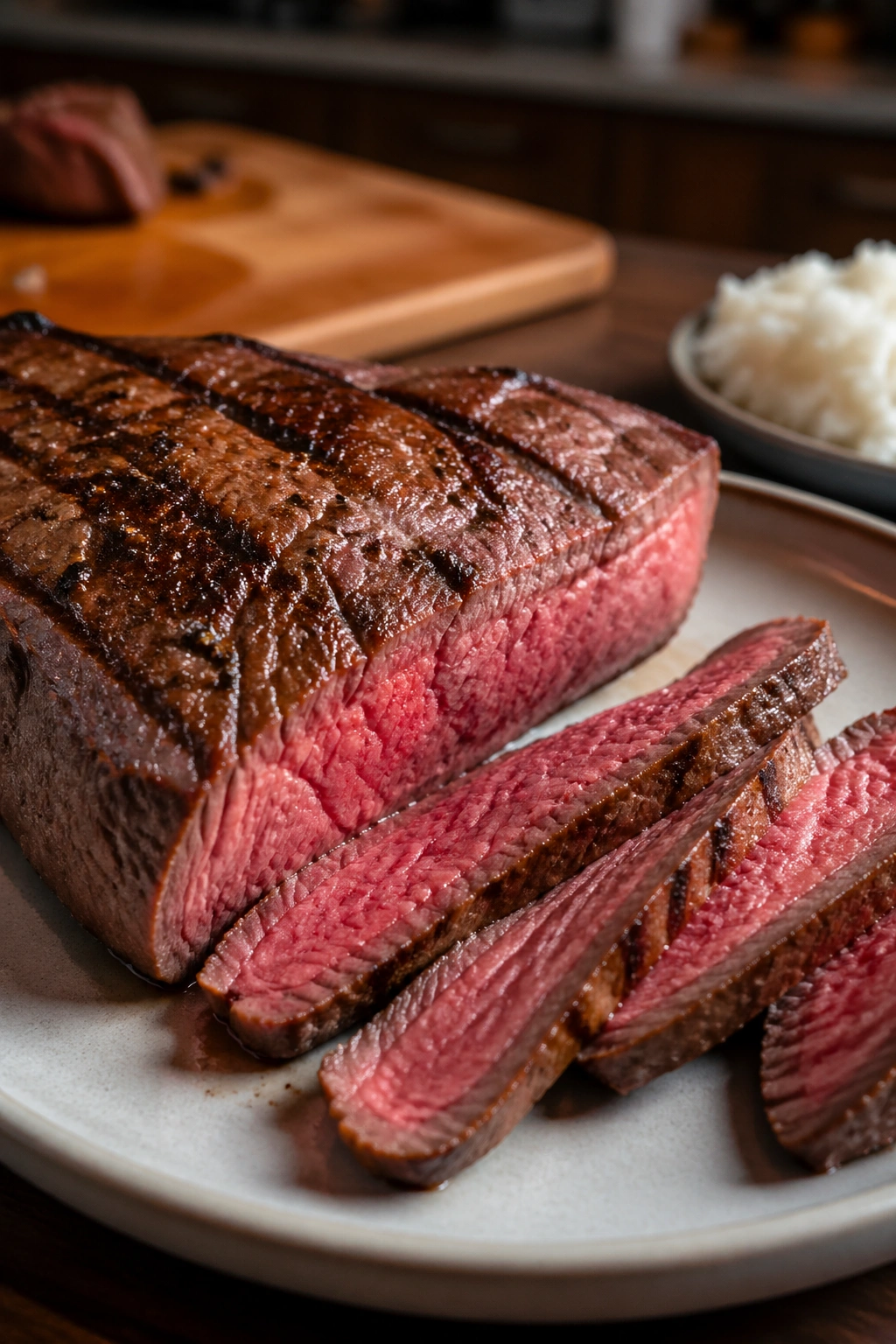
A sliced sirloin after training feels like a real meal. That is part of the appeal. Lean beef gives you a dense hit of protein, plus iron, vitamin B12, and creatine, all of which are useful when you lift hard and want your recovery food to feel substantial.
Choose lean cuts if you want to keep calories under control: sirloin, top round, eye of round, or 90% lean ground beef. Those choices give you the protein without turning the plate into a fat bomb. A 4-ounce serving is often enough to sit comfortably in the 20- to 30-gram protein range, depending on the cut.
Beef works best when you want something more satisfying than chicken but still want to stay on the lean side. Pair it with rice, potatoes, or even a simple roll if you need carbs fast. A lot of people make the mistake of turning post-workout beef into a giant burger with cheese, bacon, and fried extras. That’s fine as a meal sometimes. It is not the cleanest lean muscle gain move.
17. Tuna
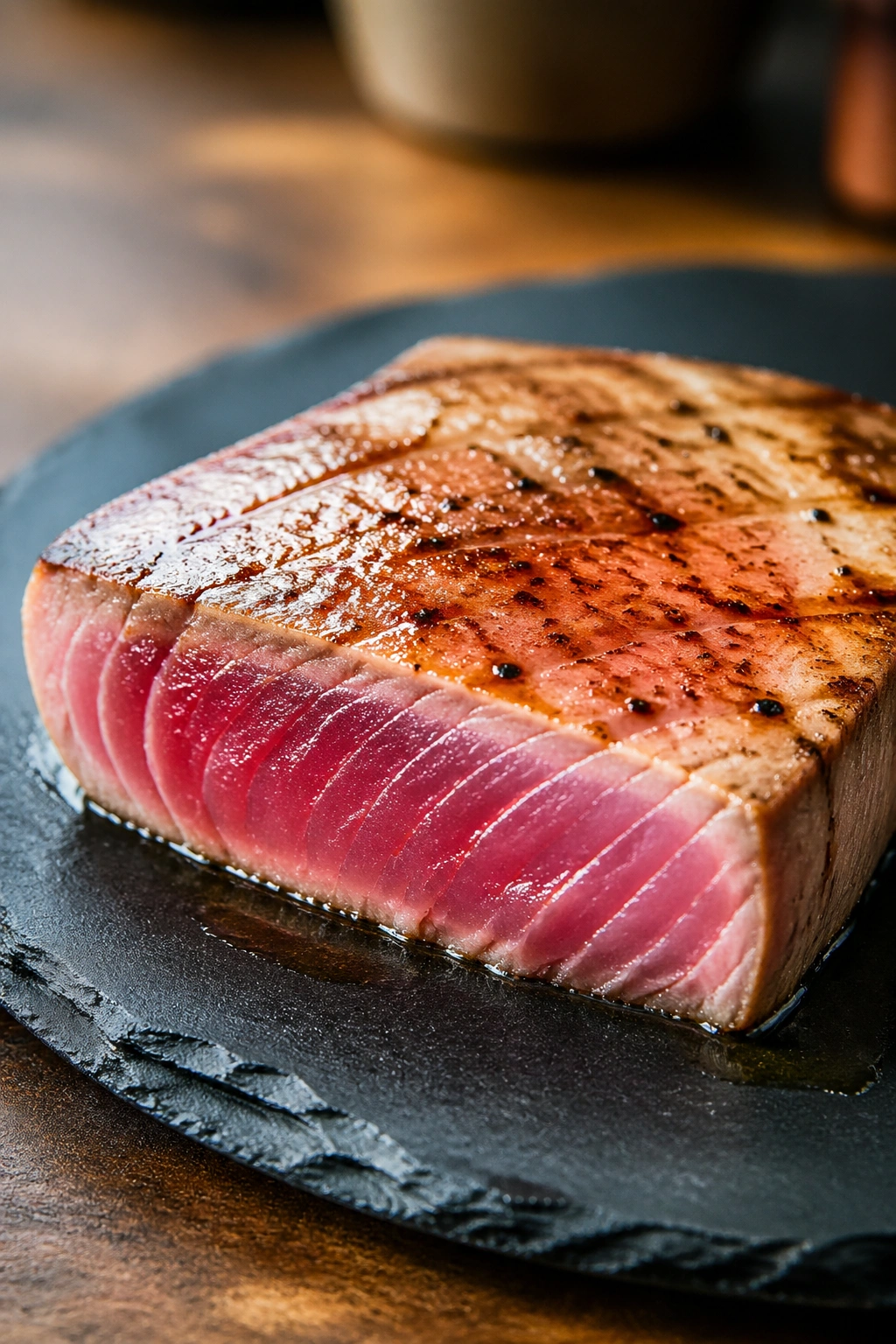
Tuna in a can has a better job than most people give it credit for. It sits on the shelf, waits patiently, and then turns into a high-protein meal in about three minutes.
Canned tuna is one of the easiest ways to get a big serving of protein after training without cooking. Depending on the can size and type, you can usually expect around 20 to 25 grams of protein. That makes it a strong choice for fast lunches, late dinners, or the “I forgot to eat until now” situation.
What Makes It Useful
Light tuna is often the everyday pick because it tends to be milder and easier to keep in rotation. Albacore has a firmer texture and a stronger flavor, which some people love and some people tolerate only in small amounts. I’m in the second camp if I have to eat it too often.
- Mix it with Greek yogurt for a lighter tuna salad.
- Put it on toast with pepper and sliced tomato.
- Stir it into rice with a little lemon and herbs.
- Keep it in the pantry for days when cooking feels impossible.
Tuna is not glamorous. It is dependable. That matters more than people admit.
18. Chocolate Milk
Chocolate milk still earns a place because it does two jobs at once. You get carbs for glycogen refill and protein for muscle repair, all in a cold drink that goes down fast when you are not up for chewing.
For some lifters, that convenience matters more than perfect macros. A glass or two after training can be a simple recovery step, especially if you come out of the gym sweaty, drained, and not interested in standing over a stove. Low-fat versions keep the calorie count more manageable, which helps if lean muscle gain is the target rather than a full bulk.
It is not the cleanest option for every person. Some people want less sugar, some do not tolerate dairy well, and some simply do not enjoy sweet drinks after exercise. Fair. But as an easy recovery choice, chocolate milk is still one of the more practical things you can reach for.
Pair it with a solid meal later if needed. Or drink it first, then eat when your appetite comes back. That small bit of flexibility is part of why it has stuck around so long.
The best post-workout meal is not the one that looks perfect on a plate. It is the one you can repeat without thinking too hard, and that is the real trick with lean muscle gain: enough protein, enough carbs, and food you will actually eat after the gym.
If you build a rotation from these 18 options, you stop guessing. Some days call for yogurt and berries. Other days call for chicken and rice, or a tuna sandwich, or a shake on the drive home. Boring? Maybe. Effective? Absolutely.
