



Belly fat does not care how clean your grocery list looks. It changes when your meals make it easier to stay in a calorie deficit, keep hunger in check, and stop grazing between meals.
If you searched for vegetables that burn belly fat for women, the honest answer is that no carrot or broccoli floret targets fat on the waist by itself. What vegetables can do is make the whole process less miserable: more volume, fewer calories, better fiber, and fewer blood-sugar swings that send you hunting for snacks an hour later.
That matters more than people think, especially for women who are juggling lower calorie needs on average, hormonal shifts, and the usual problem of meals that are either too tiny to satisfy or too heavy to repeat. A big bowl of greens or cruciferous vegetables can change the whole shape of a plate without asking much from the stomach.
So instead of chasing miracle foods, I’d pay attention to the vegetables that actually help you eat well enough to keep going. Start there, and the waistline part gets a lot less dramatic.
1. Spinach
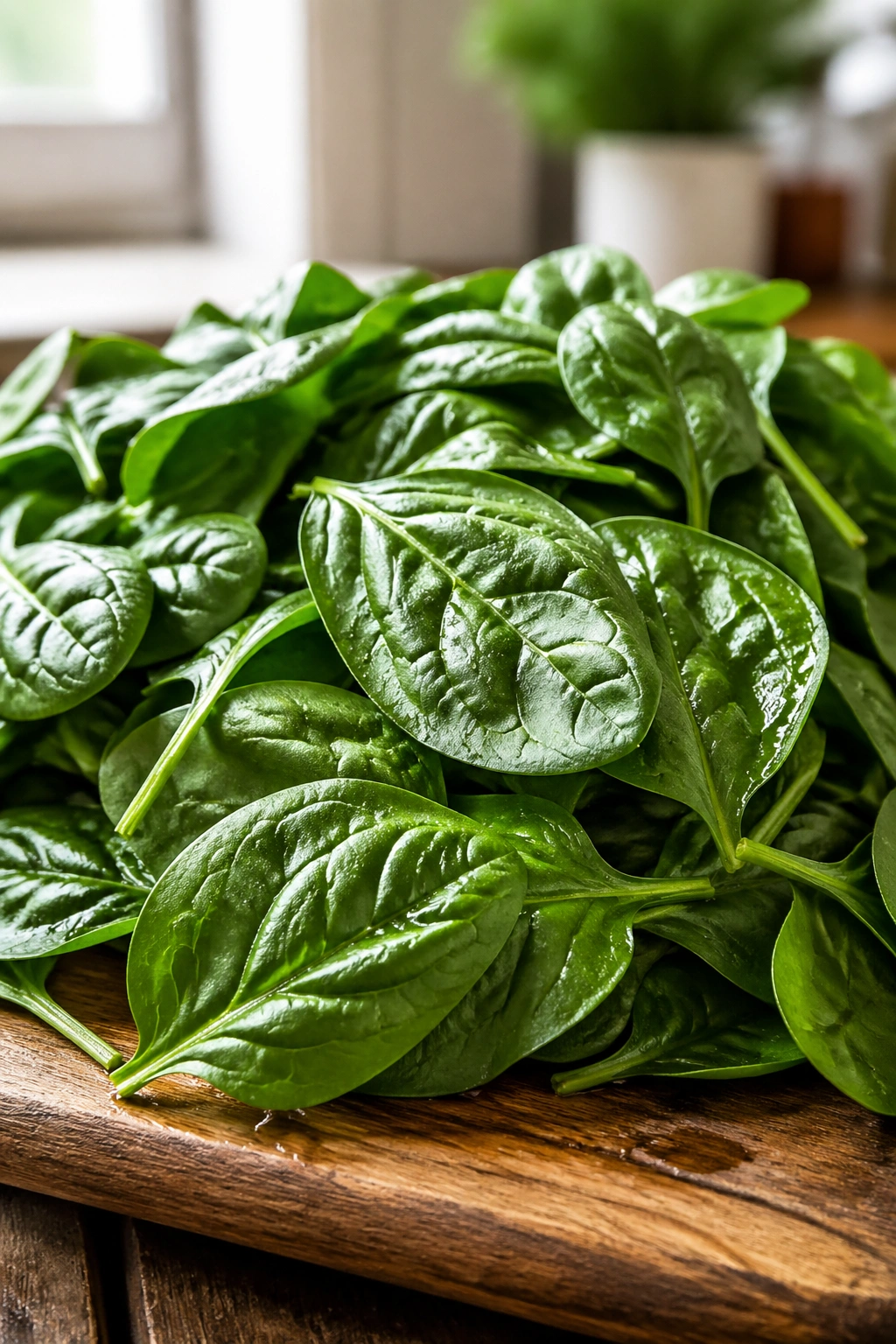
Spinach is one of those foods that looks humble and behaves like it knows a secret. A big handful disappears into a pan, but it adds volume, color, and a little mineral support for almost no calories at all. A cup of raw spinach is around 7 calories, which is wild when you think about how much space it can take up in a bowl.
Why It Helps
Spinach works because it lets you build a meal that feels full before you’ve packed in much energy. That matters when your goal is trimming belly fat, since the real battle is usually appetite, not willpower. Stir it into eggs, fold it into soups, or pile it under grilled chicken and beans. The plate looks bigger, and the calorie count barely moves.
It also brings folate, magnesium, and iron, which are worth caring about if you’re eating lighter and want food to still feel supportive. Women who skimp on food often end up low on the very nutrients that help them feel steady. Spinach is not a cure for that, but it’s an easy nudge in the right direction.
Quick Ways to Use It
- Toss 2 cups of raw spinach into a skillet at the very end of cooking.
- Blend a handful into a smoothie with Greek yogurt and frozen berries.
- Wilt it under eggs, then finish with black pepper and a little feta.
- Add it to soup right before serving so it stays tender and green.
Best tip: buy spinach with crisp, dry leaves. Slimy bags are a waste of money and a fast route to bitter, muddy-tasting food.
2. Broccoli
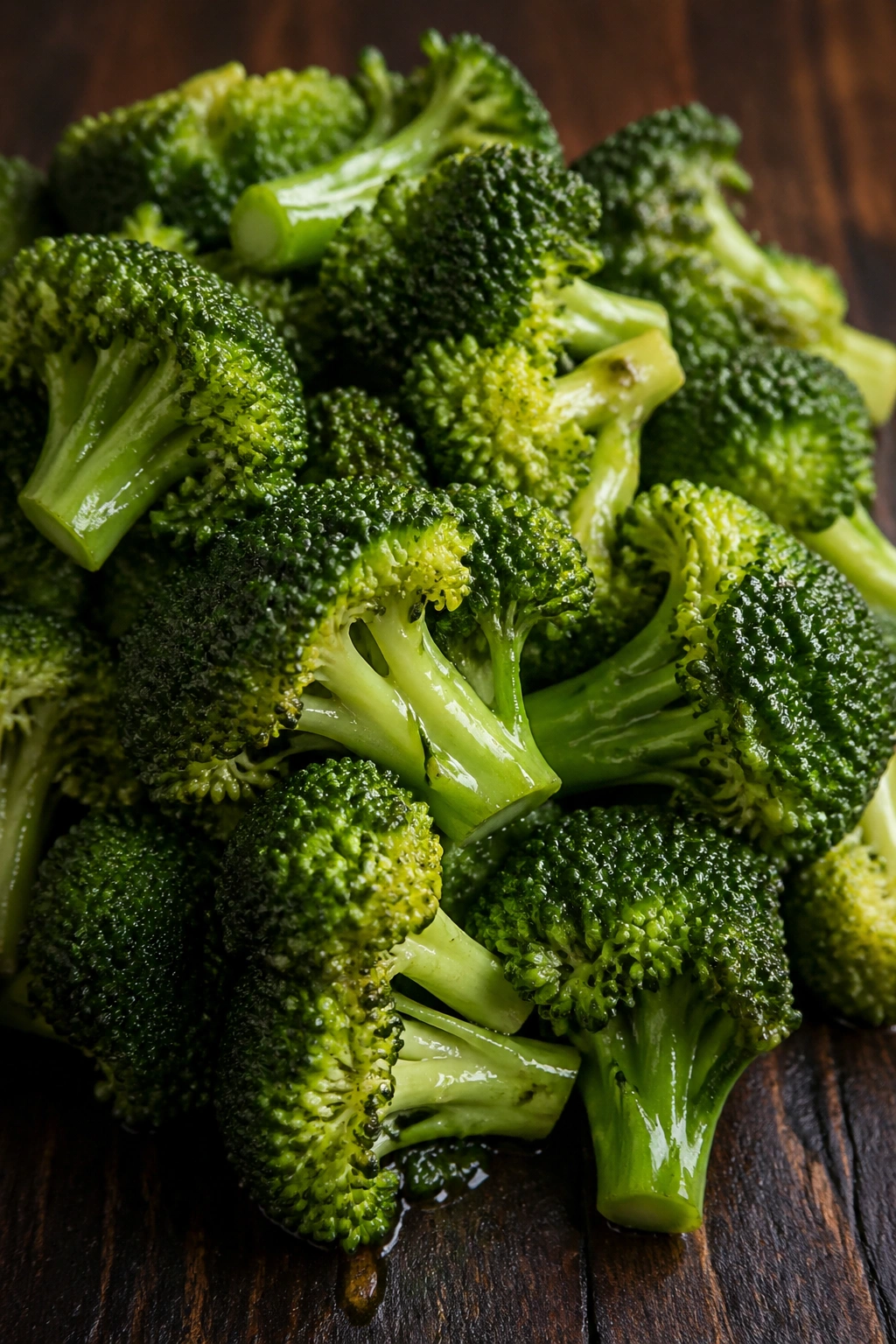
Broccoli earns its place because it slows you down. That sounds small, but it matters. Crunching through a few florets takes more time than eating soft carbs, and that extra chewing time gives your brain a chance to catch up before you’ve eaten half the pan.
Broccoli also brings a solid mix of fiber and water, which is why it fills the plate so well. One cup cooked has around 5 grams of fiber, give or take depending on how it’s cut and cooked. If you roast it until the edges are dark and a little crisp, the flavor gets nutty instead of sad and steamed.
What Makes It Work So Well
The real trick is texture. Broccoli has bite. It holds sauce. It stays satisfying when other lighter vegetables wilt and vanish. That makes it much easier to eat a smaller serving of rice, pasta, or bread without feeling deprived.
There’s also the sulfur family of compounds that gives broccoli its sharp smell when cooked. Some people find that off-putting. I don’t. I think it smells like a vegetable that means business. Keep the cooking time tight, and it stays bright instead of mushy.
How I’d Cook It
Roast florets at 425°F for 18 to 22 minutes with olive oil, salt, and garlic powder. The stems should still have a little snap when you bite them.
Skip the long boil. It drains the flavor and leaves you with a tray of olive-green regret.
3. Cauliflower
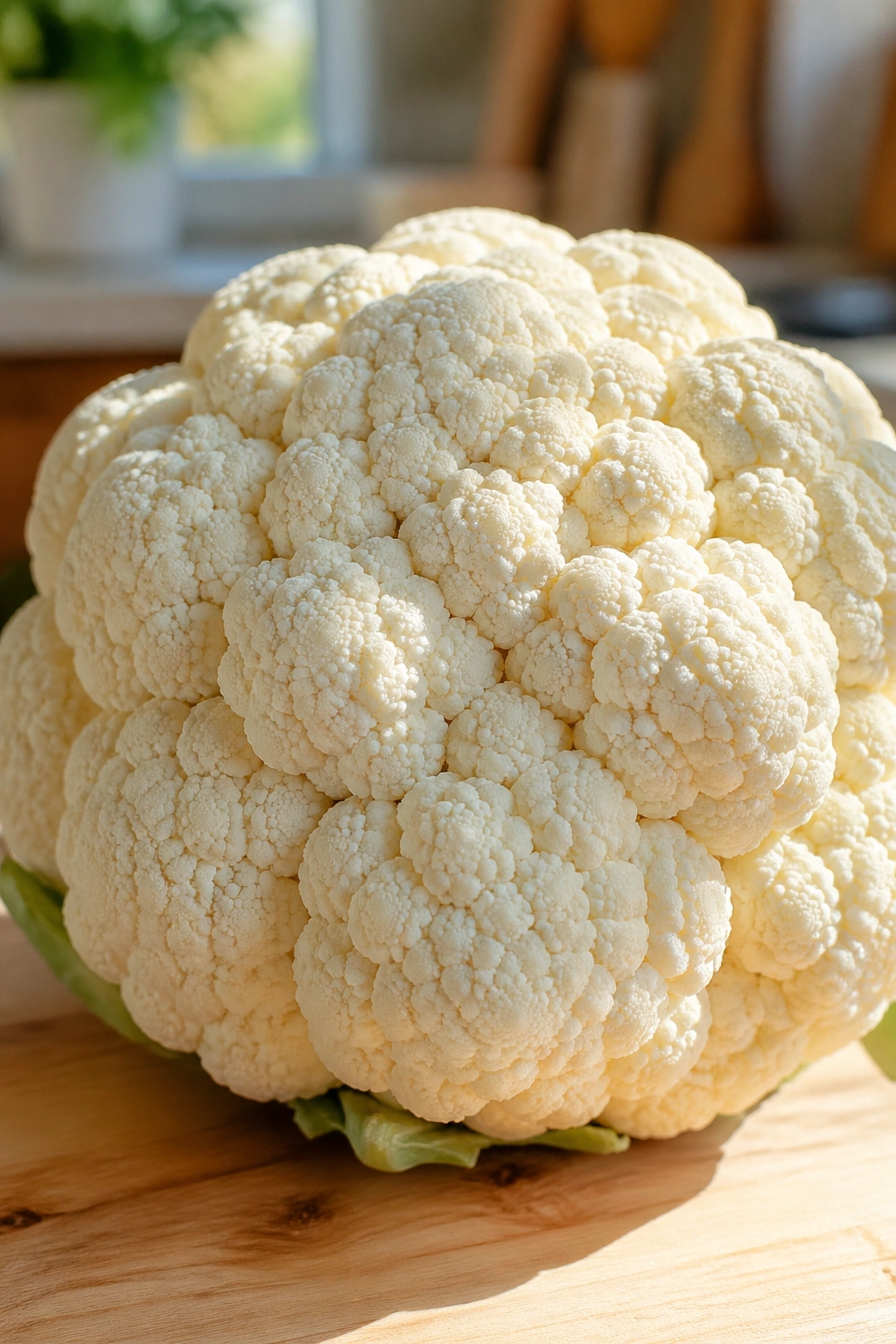
Cauliflower gets dragged around as a fake version of other foods, and that’s a shame. On its own, it’s one of the best vegetables for a lighter plate because it brings volume without a lot of calories. A cup of raw cauliflower is around 25 calories, which gives you plenty of room to build a meal around it.
The best thing about cauliflower is that it changes shape without becoming heavy. Rice it, mash it, roast it in thick slabs, or chop it into tiny florets for soups. It can take the role of a starch when you want dinner to feel generous but not dense.
How to Use It Without Making It Sad
The mistake most people make: steaming it until it smells like a damp basement. That’s not cauliflower’s fault. It just needs heat and seasoning.
- Roast florets at 425°F until browned at the edges.
- Mash it with a spoonful of cream cheese or Greek yogurt.
- Pulse it into rice, then sauté it hard so the moisture cooks off.
- Blend it into soup for body without adding a lot of calories.
Cauliflower also pairs well with bold flavors. Curry, cumin, parmesan, paprika, lemon, tahini — it can take all of them. If you need a vegetable that helps you eat a bigger looking meal while keeping calories in check, this one belongs near the top of the list.
4. Cucumber
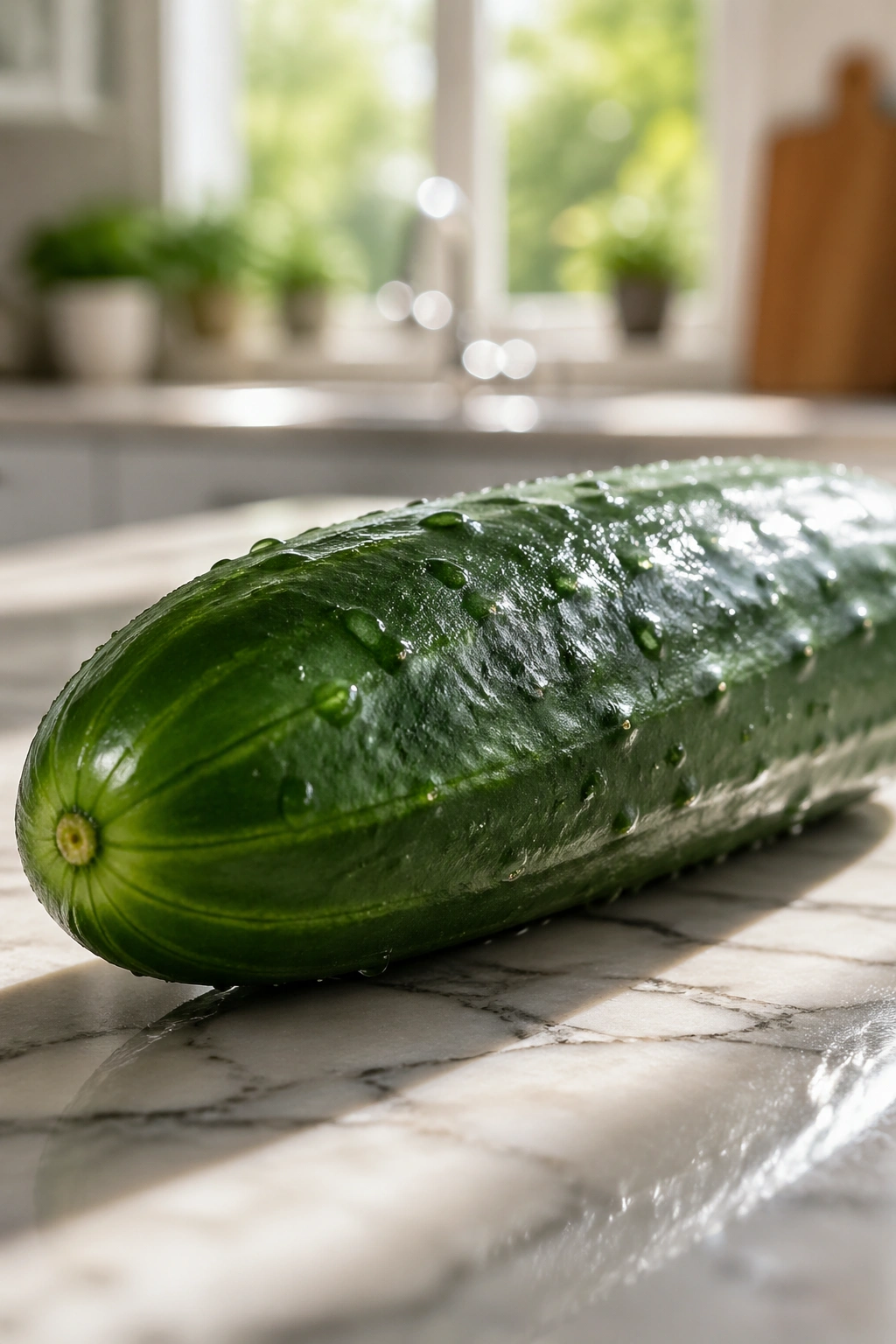
Cucumber is the food you reach for when you want something cool, crisp, and almost obnoxiously light. That sounds unexciting until you remember how often the body confuses volume with satisfaction. Cucumber gives you both water and crunch, which makes it a useful sidekick when a meal needs more bulk but not more heaviness.
A whole cucumber is mostly water, and that’s the point. Sliced thin and tossed with vinegar, dill, and a little salt, it can take the edge off a meal that would otherwise feel too rich. It’s also a solid snack when you want to keep your hands busy between meals without reaching for crackers.
Why It’s More Useful Than People Think
Cucumber shines in hot weather, after workouts, or alongside heavier foods like burgers, roasted meat, or creamy dips. It gives you something cool to bite into. That tiny sensory shift matters when you’re trying to stay on plan.
I like cucumber in a bowl with yogurt, lemon, garlic, and chopped mint. It turns into a fast tzatziki-style side that feels more substantial than plain slices. A cucumber salad with red onion and a splash of vinegar also works well with grilled protein.
Don’t peel it unless the skin tastes waxy or bitter. The skin brings a little extra fiber, and that little extra adds up over time.
5. Zucchini
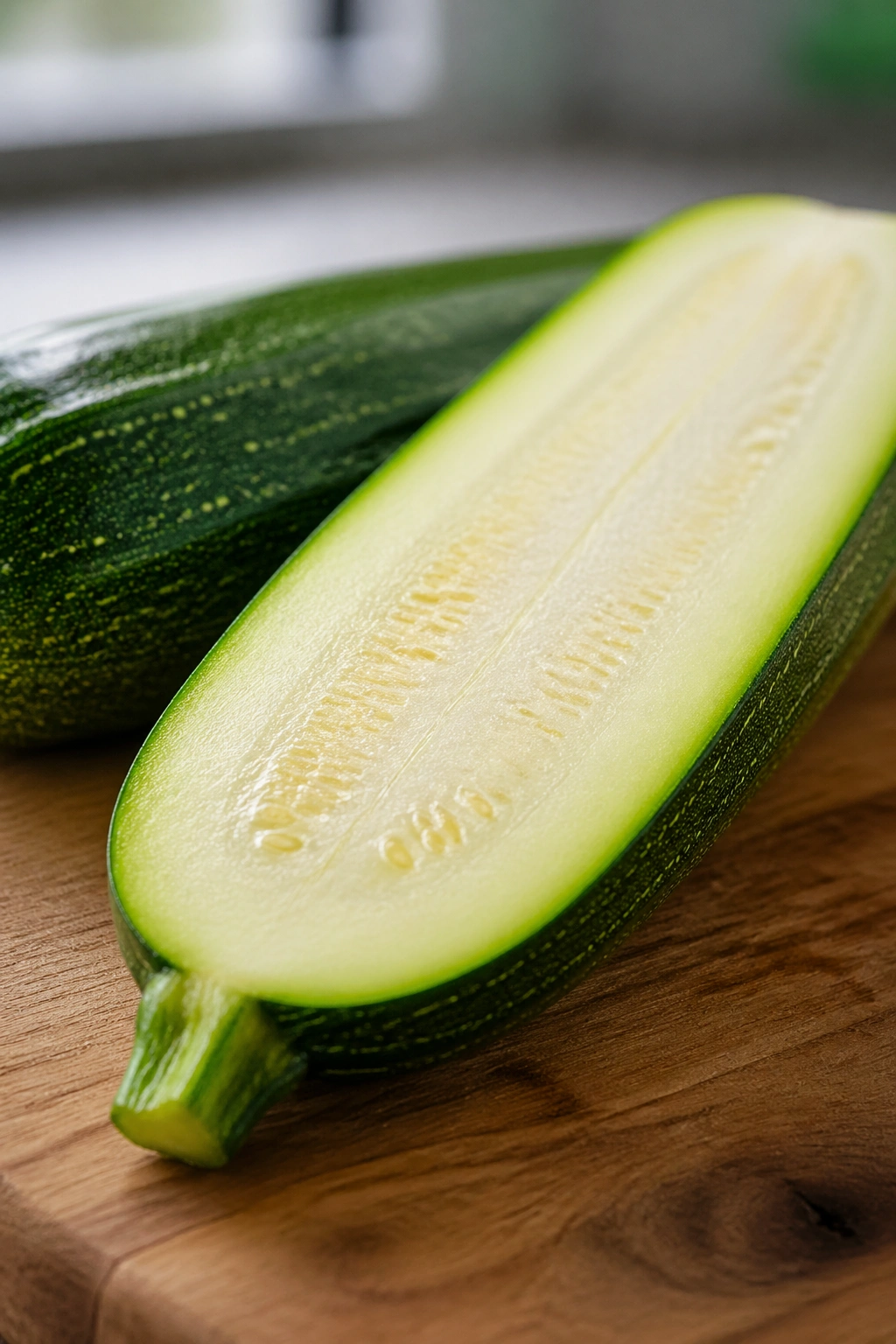
Zucchini is what happens when a vegetable understands the assignment. It’s mild, cheap, and easy to throw into almost anything. One medium zucchini has only about 30 calories, which is why it shows up so often in lighter dinners that still feel like actual dinners.
The best part is how it behaves in the pan. Slice it into half-moons, grill it, roast it, spiralize it, or shred it into meatballs and quick breads. It takes on other flavors fast, which makes it useful when you’re trying to shrink the calorie load of a meal without eating bland food.
Where Zucchini Beats Pasta
Zucchini noodles are not pasta. Let’s get that out of the way. They’re softer, wetter, and more fragile. But they still solve a problem if you want a saucy dish with fewer calories and more vegetables on the plate.
Use them with confidence when you want:
- a lighter dinner under tomato sauce,
- a quick sauté with garlic and shrimp,
- a roasted side with parmesan,
- or shredded zucchini baked into muffins and fritters.
The key is not overcooking it. Zucchini goes from tender to watery in a hurry. Salt it lightly, cook it fast, and stop when it’s just soft at the center. That keeps the texture clean and avoids the mushy, tired version that gives this vegetable a bad name.
6. Brussels Sprouts
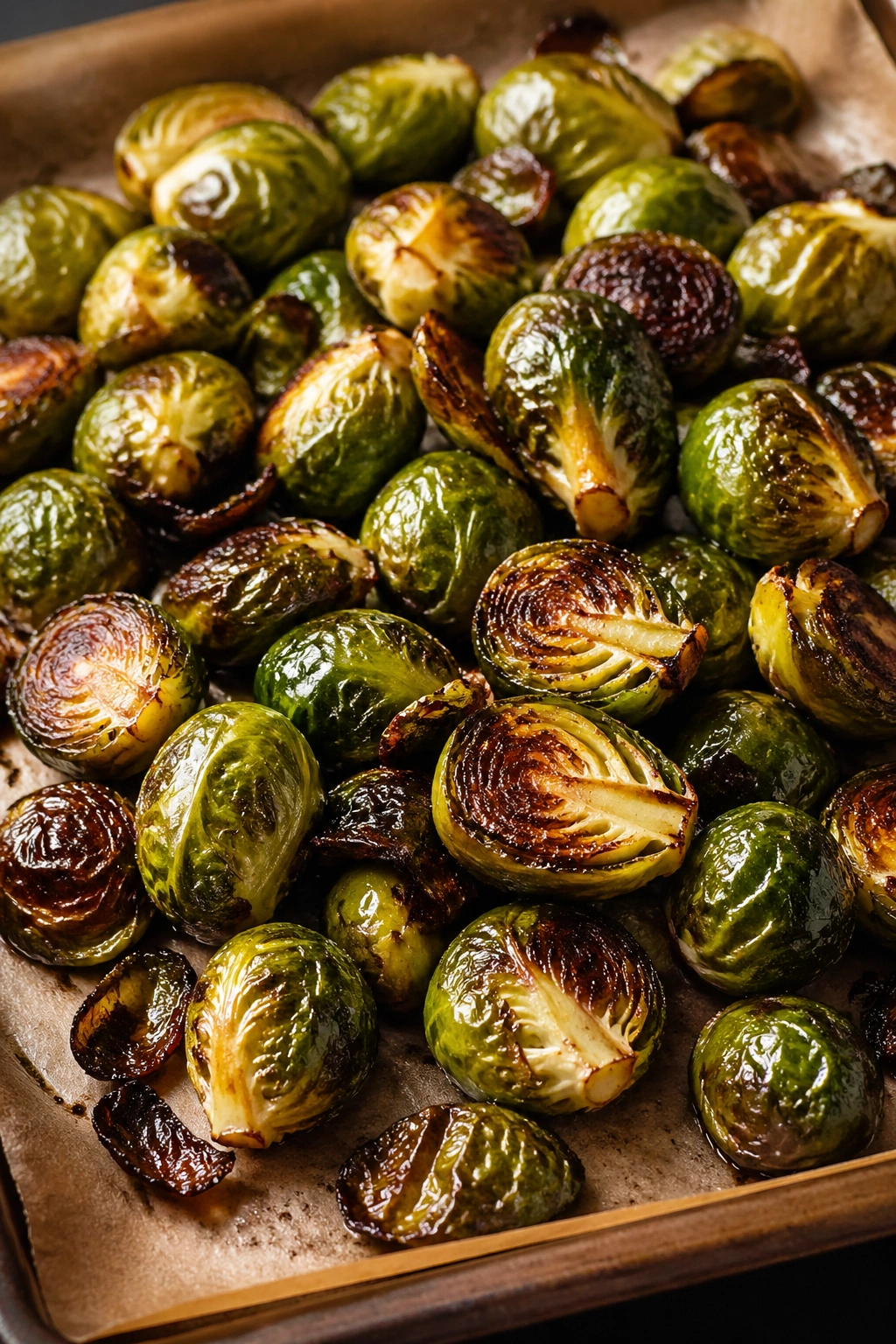
Brussels sprouts are the vegetable people pretend to dislike until they taste them roasted the right way. Then the edges go crisp, the centers stay tender, and the whole tray smells caramelized and a little nutty. That texture is one reason they help with belly-fat-friendly eating: they feel like food, not punishment.
A cup of cooked Brussels sprouts gives you a lot of chew for a moderate calorie count. They’re also rich in fiber, which slows down how fast you tear through dinner. If you’re the kind of person who eats because the meal disappears too quickly, Brussels sprouts are worth paying attention to.
The Part Most Recipes Get Right
Cut them in half. Toss with olive oil, salt, and pepper. Roast at 400°F to 425°F until the cut sides are deep brown and the outer leaves are a little crisp. That browned surface is where the flavor lives.
You can add balsamic vinegar, garlic, or shaved parmesan, but don’t drown them. They’re sturdy enough to stand on their own. And if you buy them on the stalk, trim them the same day you bring them home. Whole sprouts keep longer, but once you slice the stems, use them within a few days.
Brussels sprouts are not subtle. That’s exactly why they work.
7. Bell Peppers
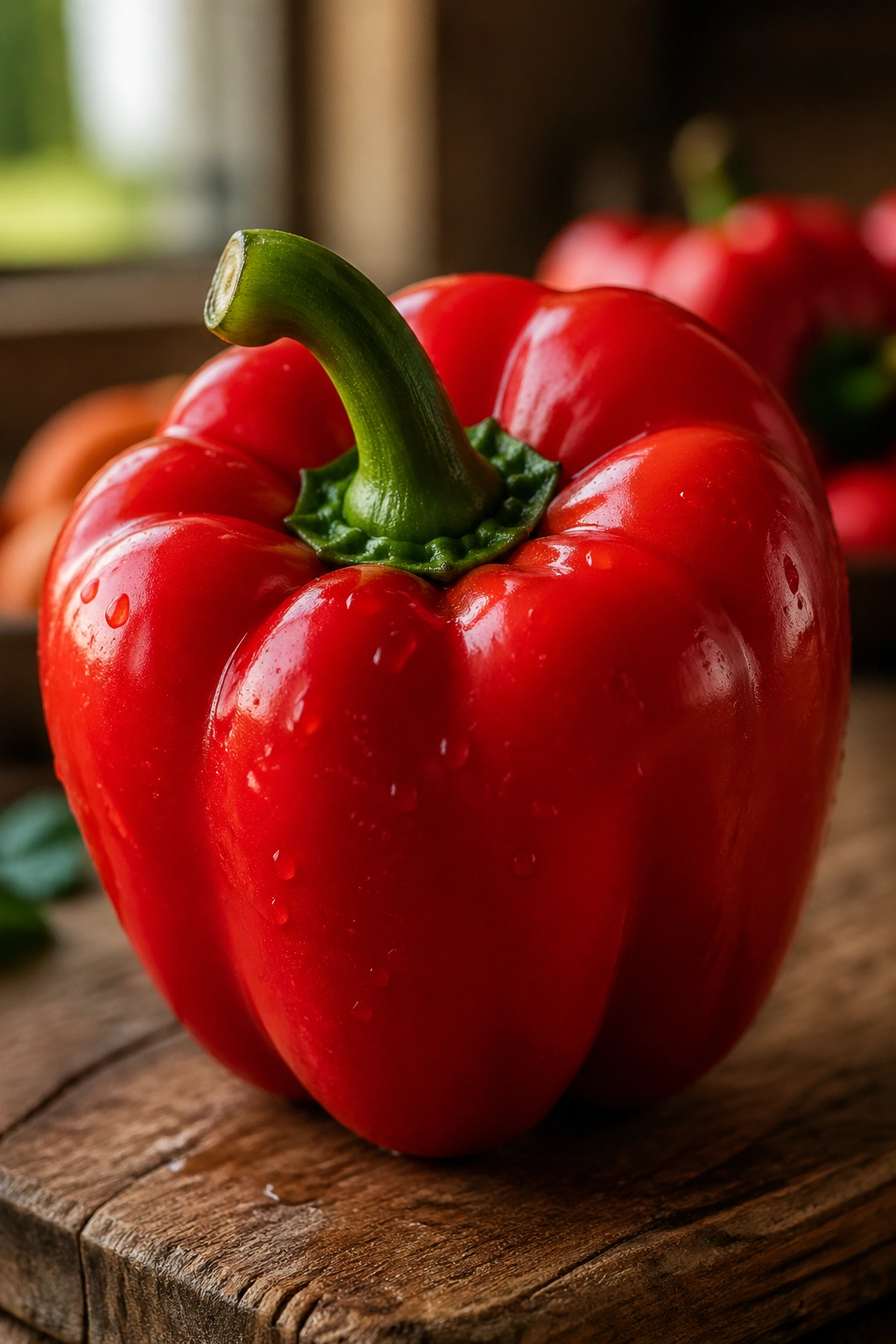
Bell peppers bring sweetness, crunch, and a lot of color for a low calorie price. A medium pepper has only around 30 to 40 calories, depending on size, which means you can pile them into salads, omelets, and stir-fries without turning the meal heavy.
What Makes Them Different
Red, yellow, and orange peppers taste sweeter than green ones, and that helps more than people think. When food tastes bright and fresh, you’re less tempted to chase the meal with bread or dessert. That’s not magic. It’s appetite management in a red jacket.
Bell peppers also bring a strong dose of vitamin C, which matters because people often think lighter eating means thinner nutrition. Not true. A good plate still needs real nutrients, and peppers help with that.
They’re one of the best vegetables for raw snacking. Slice them into strips and eat them with hummus, guacamole, or cottage cheese. Or sauté them with onions and mushrooms for fajitas that lean more on vegetables than tortillas.
A practical rule: use peppers when you want color on the plate and a little sweetness without sugar. They make plain meals feel less stripped down, which is half the battle when you’re trying to keep belly fat loss sustainable.
8. Asparagus
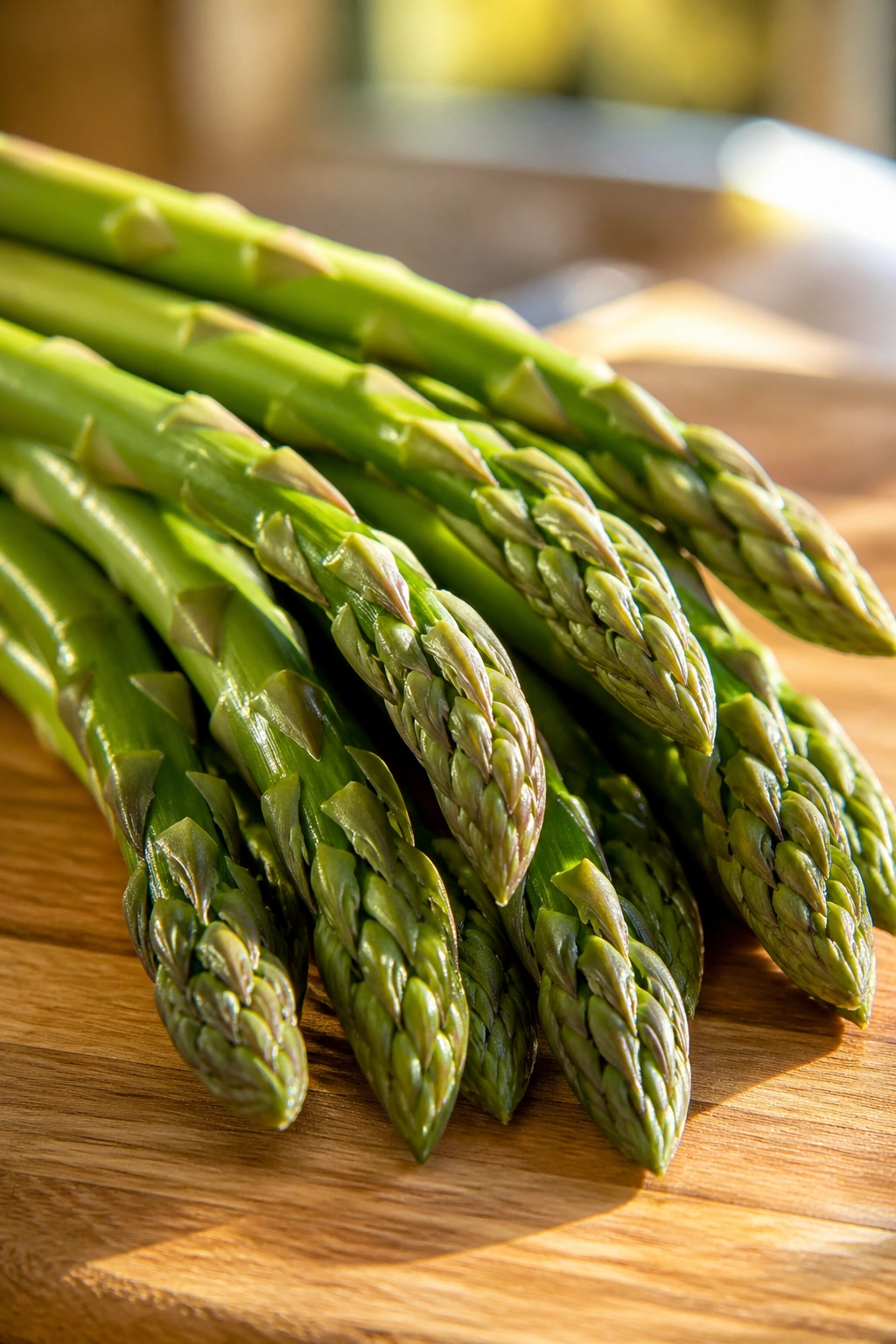
Asparagus is one of the easiest vegetables to cook well, and that alone gives it an edge. The spears are lean, fast, and neat on the plate. A bunch roasted with olive oil and lemon looks like you put in more effort than you did.
Its main strength is balance. Asparagus has enough fiber to matter, enough water to keep it light, and enough structure to make a plate feel composed. It’s especially useful when a meal has protein and needs one clean, green side to stop everything from feeling flat.
The Best Way to Cook It
Trim the woody ends. That part is non-negotiable. Then roast the spears at 425°F for 10 to 12 minutes, or until the tips are browned and the stalks bend easily without collapsing.
Thicker spears hold up better than pencil-thin ones. Thin spears are fine, but they can overcook fast and get stringy. If you’re serving asparagus with eggs, salmon, or chicken, keep the seasoning simple: olive oil, salt, black pepper, and lemon zest.
I like asparagus most in meals that need a sharp green note. It cuts through richer foods in a way that makes the whole plate feel more controlled. That matters when you’re trying to avoid the “I ate healthy, so why am I still hungry?” problem.
9. Kale
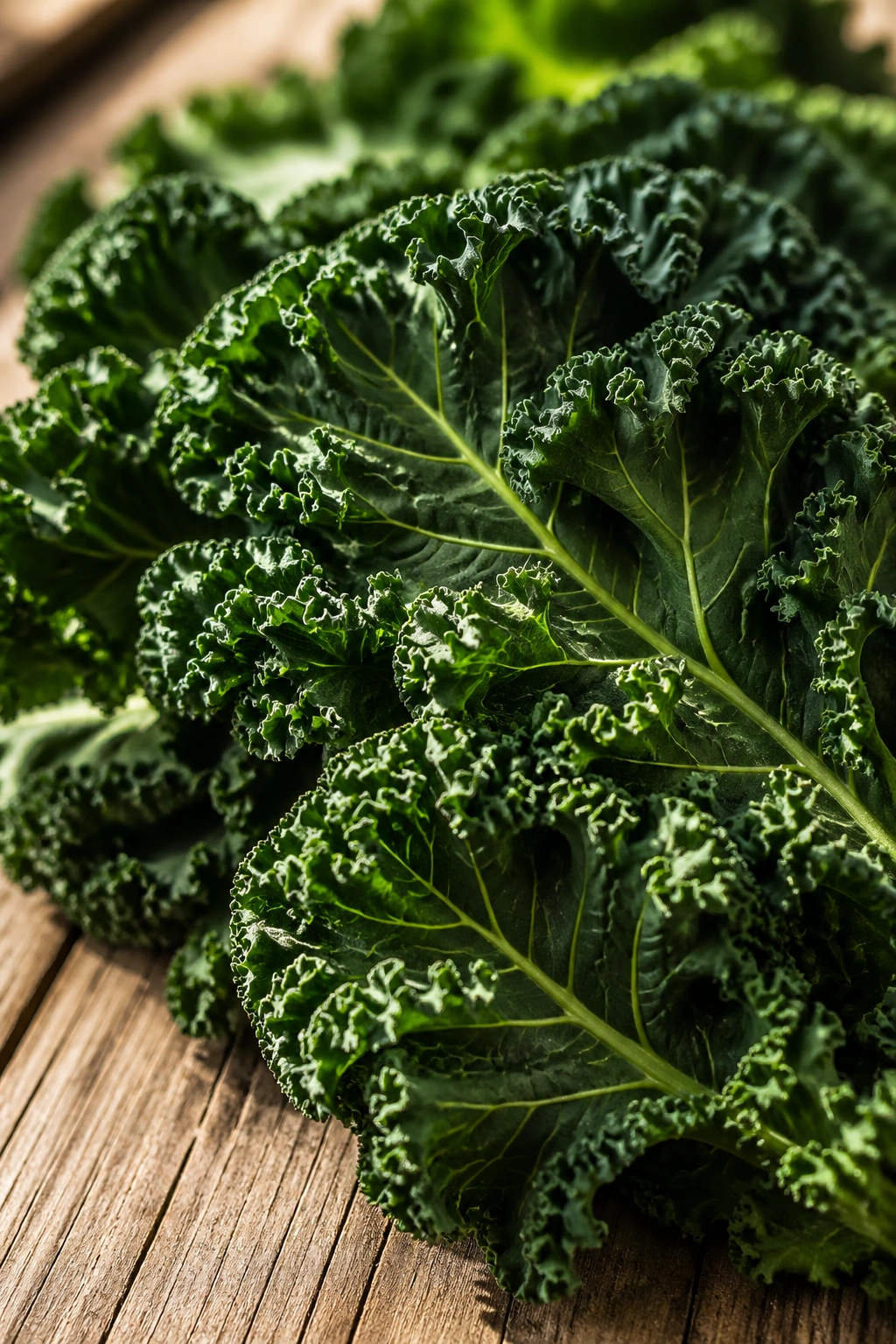
Kale is the kind of vegetable that either wins you over or annoys you, sometimes in the same bowl. Raw, it can be tough and bitter if you treat it like lettuce. Cooked, it softens into something earthy and sturdy, which is why it deserves a spot on a waistline-friendly list.
It holds up to heat better than spinach, and that changes everything. Toss it into soups, sauté it with garlic, or massage it with lemon juice and olive oil until the leaves go dark and silky. That massage step is worth doing. It breaks down the fibers and makes the leaves easier to chew, which makes the whole salad feel less like a chore.
Why I Keep Coming Back to It
Kale gives you more than bulk. It brings vitamin K, vitamin C, and folate, and it stays useful even after a hot pan or a long simmer. That makes it better than delicate greens when you need a vegetable that can survive meal prep.
A simple lunch trick: chop kale finely, toss it with lemon and salt, then let it sit for 10 minutes before adding tuna, white beans, or chicken. The leaves soften a bit on their own and stop tasting like lawn clippings.
Don’t skip the stems blindly. Strip them, chop them small, and cook them a little longer than the leaves. They’re not glamorous, but they’re edible and worth the effort.
10. Celery
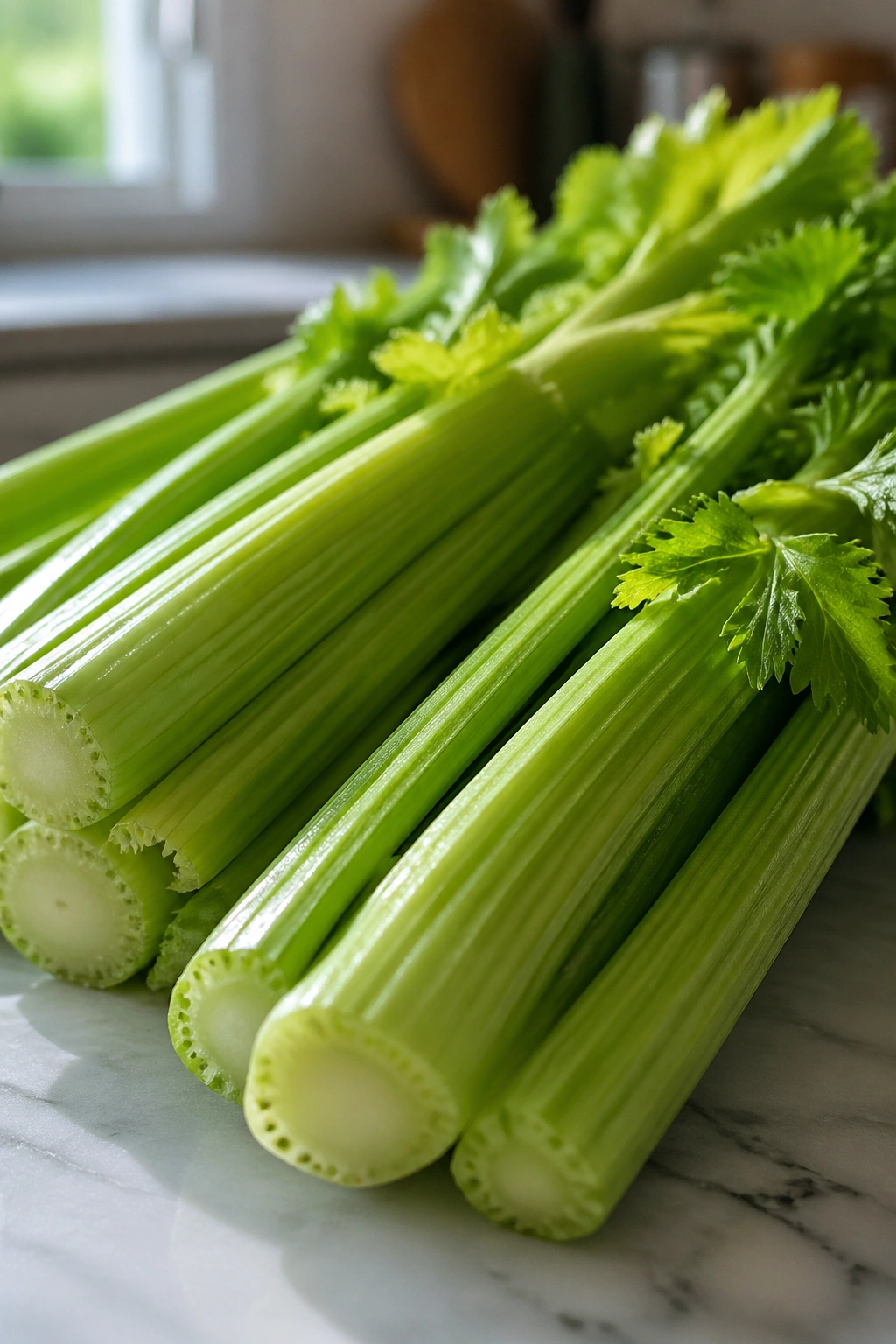
Celery has a reputation for being boring, which is unfair and also partly true. It’s not the vegetable you daydream about. It is the vegetable you reach for when you want crunch, water, and almost no calories at all.
That matters because crunch is satisfying. A lot of overeating happens when meals are too soft, too fast, or too sweet. Celery slows things down. It gives your mouth something to do. Pair it with tuna salad, hummus, or a little peanut butter, and it becomes a snack that can hold you until the next meal.
Keep It Honest
Celery is not a fat burner in some magical sense. It just makes it easier to stay light on calories without feeling deprived. That distinction matters. If you expect celery to work like a miracle, you’ll be disappointed. If you use it to replace a handful of chips or crackers, it starts pulling its weight.
Try chopping it into soups and chicken salads, or slicing it thin for a crunchy side with a sandwich. The leaves are useful too. They taste more intense than the stalks and make a nice herb-like garnish.
A clean, crisp stalk should snap when you bend it. If it bends like rubber, skip it.
11. Cabbage
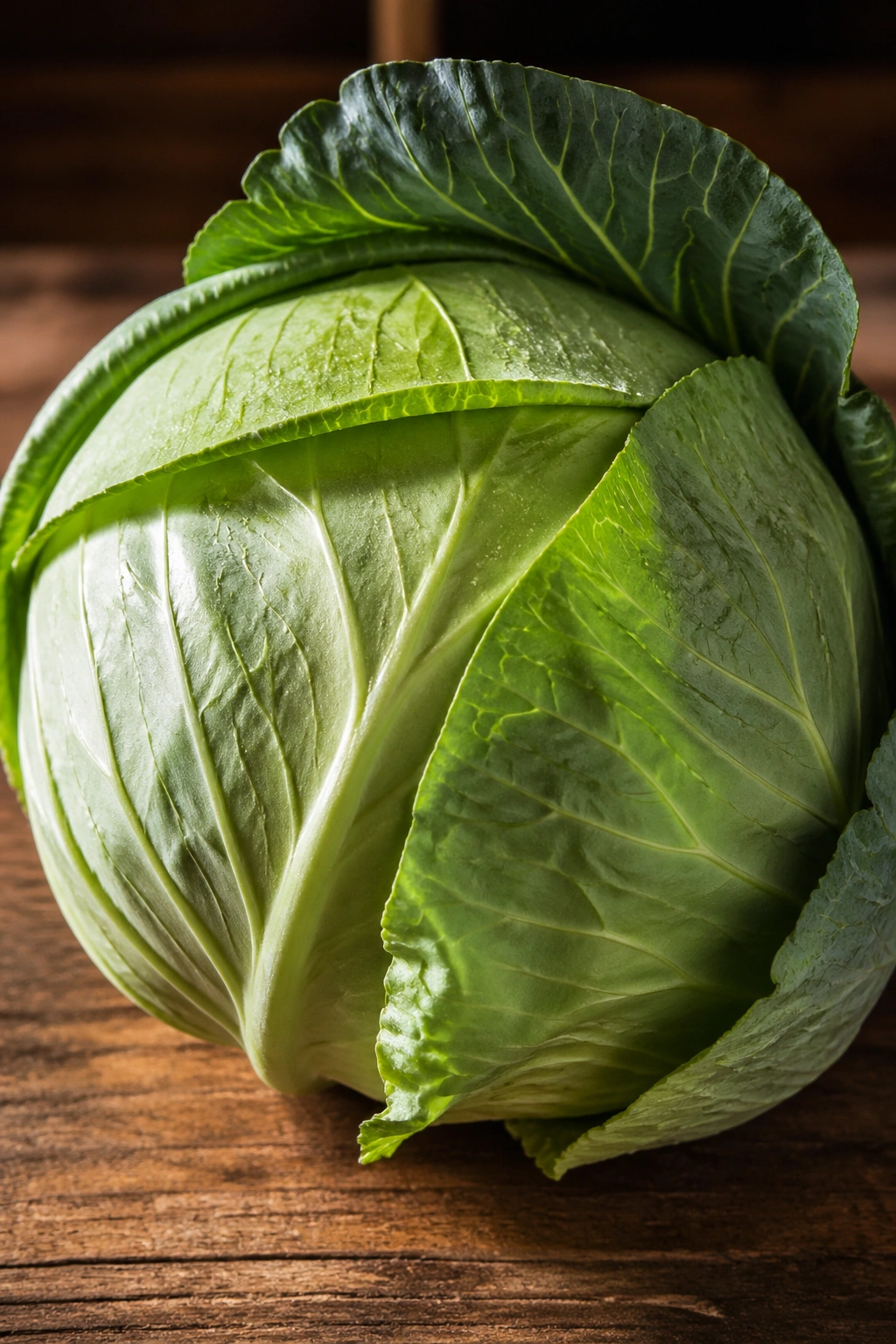
Cabbage is one of the cheapest ways to make a plate look bigger without making it heavier. Shred it raw, braise it, roast it, stuff it into soup, or cook it down with onions. Either way, it gives you serious volume for very few calories.
That’s why cabbage shows up so often in practical weight-loss cooking. It keeps its structure when other vegetables turn soft. A big pile of cabbage slaw can sit next to grilled meat or beans and make the meal feel complete. A pot of cabbage soup can stretch into several servings without tasting thin if you season it well.
Why It Works So Well in Real Life
Cabbage is sturdy. That’s the whole story, and it’s a good one. It does not collapse in the fridge after six hours. It does not wilt into a sad puddle by the next day. It stays useful.
Green cabbage is the most flexible, but red cabbage brings sharper color and a slightly peppery taste. Slice it thin for slaw, or cook it longer if you want sweetness to come out. If you’re trying to support belly fat loss, cabbage is a great place to get more food on the plate without much calorie debt.
A simple cabbage pan with garlic, a splash of vinegar, and black pepper can rescue a dull dinner. It’s one of those vegetables that makes sensible eating feel less like a compromise.
12. Mushrooms
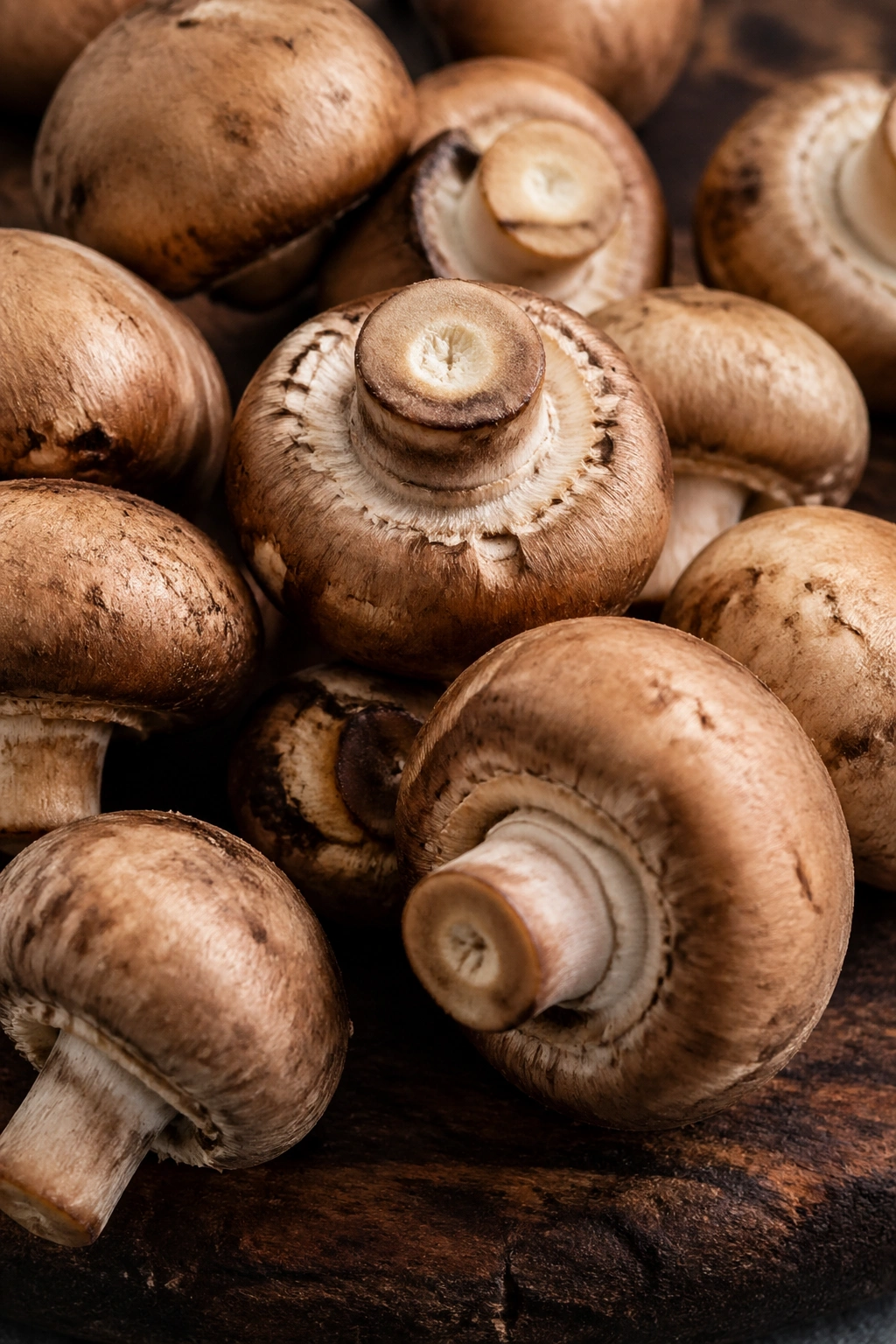
Mushrooms are not technically a vegetable, and I’m still including them because they behave like one in the kitchen and do the job beautifully. They bring savory depth that makes lighter meals feel full enough to matter. That is a big deal when you’re trying to cut calories without feeling like your dinner was designed by a nutrition label.
They’re also one of the best ways to stretch meat. Chop mushrooms fine and cook them with ground turkey or beef, and the mixture tastes richer while using less meat per serving. That trick alone can shave calories without making dinner feel smaller.
What They Add That Other Vegetables Don’t
Mushrooms bring umami, which is the savory flavor that makes food taste round and satisfying. That’s why they work in stir-fries, omelets, soups, and pasta sauces. A pan of mushrooms cooked until the moisture cooks off turns brown and meaty instead of gray and spongy.
- Use cremini mushrooms for everyday cooking.
- Use portobellos when you want a large, grilled texture.
- Use button mushrooms when you need something cheap and fast.
- Cook them in a hot pan so they brown instead of steam.
A lot of people underseason mushrooms and then blame the mushrooms. Don’t. Give them salt, garlic, thyme, or soy sauce, and let them cook long enough to lose their raw smell. The payoff is worth it.
13. Green Beans
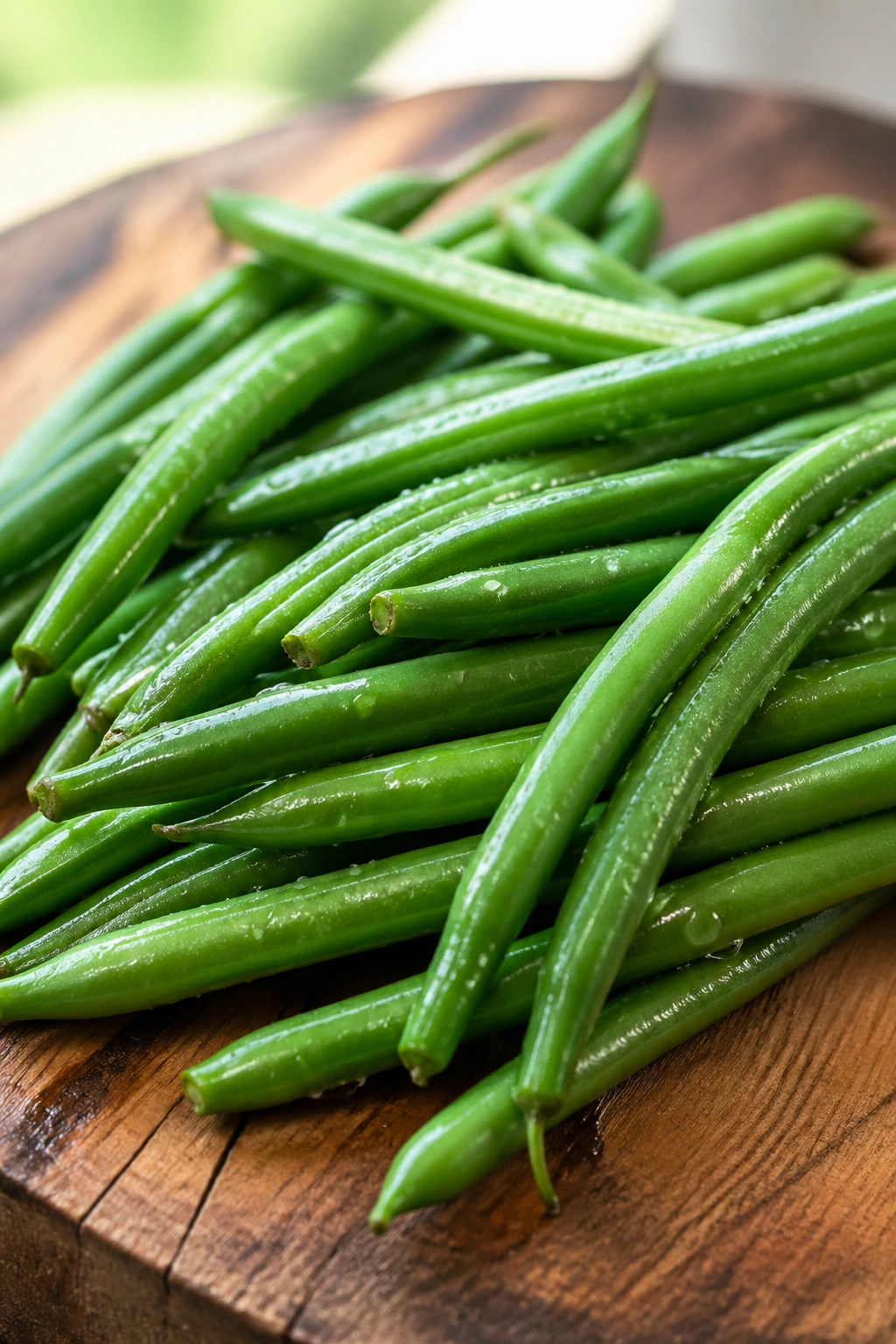
Green beans sit in that sweet spot between crisp and tender. They’re easy to cook, easy to chew, and easy to eat in a normal portion without drifting into snack mode. A cup has roughly 30 to 40 calories, which keeps them squarely in the helpful-vegetable category for waistline-friendly meals.
What Makes Them Different
Unlike leafy greens that wilt quickly, green beans have a shape that stays recognizable on the plate. That sounds minor, but it matters. Foods with structure tend to feel more satisfying. You can pile them next to chicken, salmon, tofu, or eggs and still feel like you ate a full meal.
Green beans also take flavor well. Garlic, lemon, toasted almonds, dill, and a little butter all work. If you want them crisp-tender, blanch them for a minute or two, then finish them in a hot pan. If you want them softer, simmer them a little longer with onion and broth.
A few things I like them for:
- quick side dishes,
- cold lunch salads,
- sheet-pan dinners with fish,
- and a snack-style veggie bowl with hard-boiled eggs.
Don’t overcook them. The bright green color is your cue. Once they turn drab, the texture goes with it.
14. Romaine Lettuce
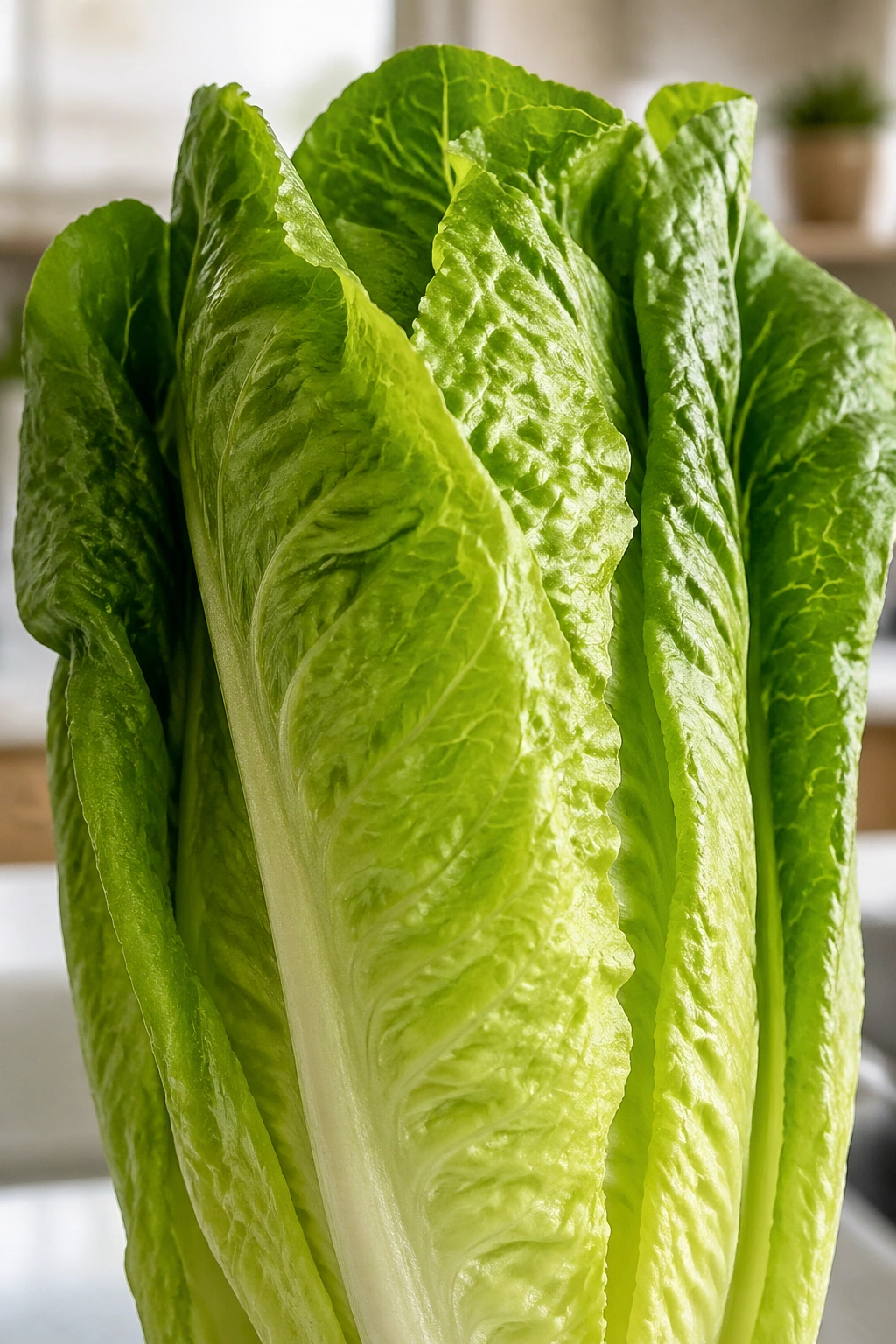
Romaine lettuce gets overlooked because it sits in the shadow of fancier greens. That’s a mistake. Romaine has crunch, water, and enough structure to make salads feel like something you planned instead of something you tolerated.
A chopped romaine salad can get surprisingly filling when you build it right. Add sliced cucumber, peppers, a measured portion of avocado, grilled chicken, chickpeas, or tuna, and the bowl becomes a real meal. The lettuce itself doesn’t do all the work, but it gives you volume fast.
Why I Prefer It Over Soft Greens
Romaine holds dressing better than delicate leaves. It stays crisp after washing. It can survive under hot chicken or shrimp for a minute without collapsing. That makes it a practical choice for women who want easy lunch prep and don’t want their greens to turn to mush by noon.
It also works in ways people forget. Use the leaves as wraps for taco fillings. Chop the hearts into a Caesar-style salad with a lighter dressing. Toss it with tomatoes and red onion for a fast side that feels fresher than plain iceberg.
The main thing to avoid is drowning it in heavy toppings. A salad can turn into a calorie bomb fast if every add-on is creamier than the last. Romaine is best when the rest of the bowl stays honest.
15. Tomatoes
Tomatoes are one of the easiest vegetables to keep eating well, because they bring acidity and juiciness to food that might otherwise feel flat. That acidity matters. A plate with tomatoes tastes brighter, which often means you need less oil, less cheese, and less sauce to make it interesting.
Raw tomatoes work in salads, chopped with cucumber, tucked into omelets, or layered on toast with a pinch of salt. Cooked tomatoes go even further. They break down into sauces and soups that make vegetables, beans, and lean proteins taste fuller without piling on calories.
Raw or Cooked?
Raw tomatoes are fresh and juicy. Cooked tomatoes are deeper and sweeter. Both are useful. If you want a fast lunch, slice them with basil and a little olive oil. If you want dinner to feel comforting without getting heavy, simmer them with garlic and onions until they become sauce.
Tomatoes also play well with the rest of this list. Put them with spinach in eggs, with cabbage in soup, or with zucchini in a skillet. The combination gives you color, fiber, and enough flavor that you do not start looking for bread halfway through the meal.
A lot of people treat tomatoes like garnish. I think that undersells them. Used well, they’re one of the easiest ways to make lower-calorie food taste finished.
Keeping belly fat in check is never about one vegetable, and anyone selling that story is overselling. The practical win is much simpler: build meals around a few of these vegetables, keep the portions honest, and make the food taste good enough that you can repeat it tomorrow.
That’s the part people miss. Not the fancy part. The repeatable part.
