



Fruit does not burn belly fat on command. Anyone promising that is overselling a bowl of produce.
What fruit can do is make it easier to eat fewer calories without feeling like you’re being punished for it. A medium apple has about 95 calories and around 4 grams of fiber; a cup of raspberries gives you roughly 8 grams of fiber for about 64 calories. Those numbers matter because fullness is what keeps people from circling back to the snack drawer an hour later.
The other thing people miss is this: whole fruit and fruit juice are not the same food. Juice strips out the peel, pulp, and chewing work that slow you down, which is why a glass can disappear long before your brain gets the message that you’ve had enough.
The stomach is stubborn. It often leans out last.
1. Grapefruit
Why does grapefruit show up in so many conversations about belly fat loss? Because it gives you a lot of volume for very few calories, and it’s one of the few fruits that naturally nudges people to slow down.
Half a medium grapefruit has about 52 calories and around 2 grams of fiber. That may not sound dramatic, but it’s enough to take the edge off hunger when you eat it before a meal or as a breakfast starter. The bitterness matters, too. People tend to eat grapefruit a little more deliberately than they eat sweeter fruit, and that slower pace is part of the appeal.
What makes it useful
- Low calorie density: you get a large, juicy portion without a big calorie load.
- Fiber + water: both help with fullness, especially if you eat it with the membranes instead of turning it into juice.
- Sharp flavor: bitterness can make small portions feel satisfying fast.
- Easy breakfast swap: it fits where pastries usually show up.
One important warning: grapefruit can interact with several medicines, including some statins and blood pressure drugs. If you take prescriptions, check with a pharmacist before making grapefruit a daily habit.
Use it with a spoon, not a juicer. That’s the whole trick.
2. Apples
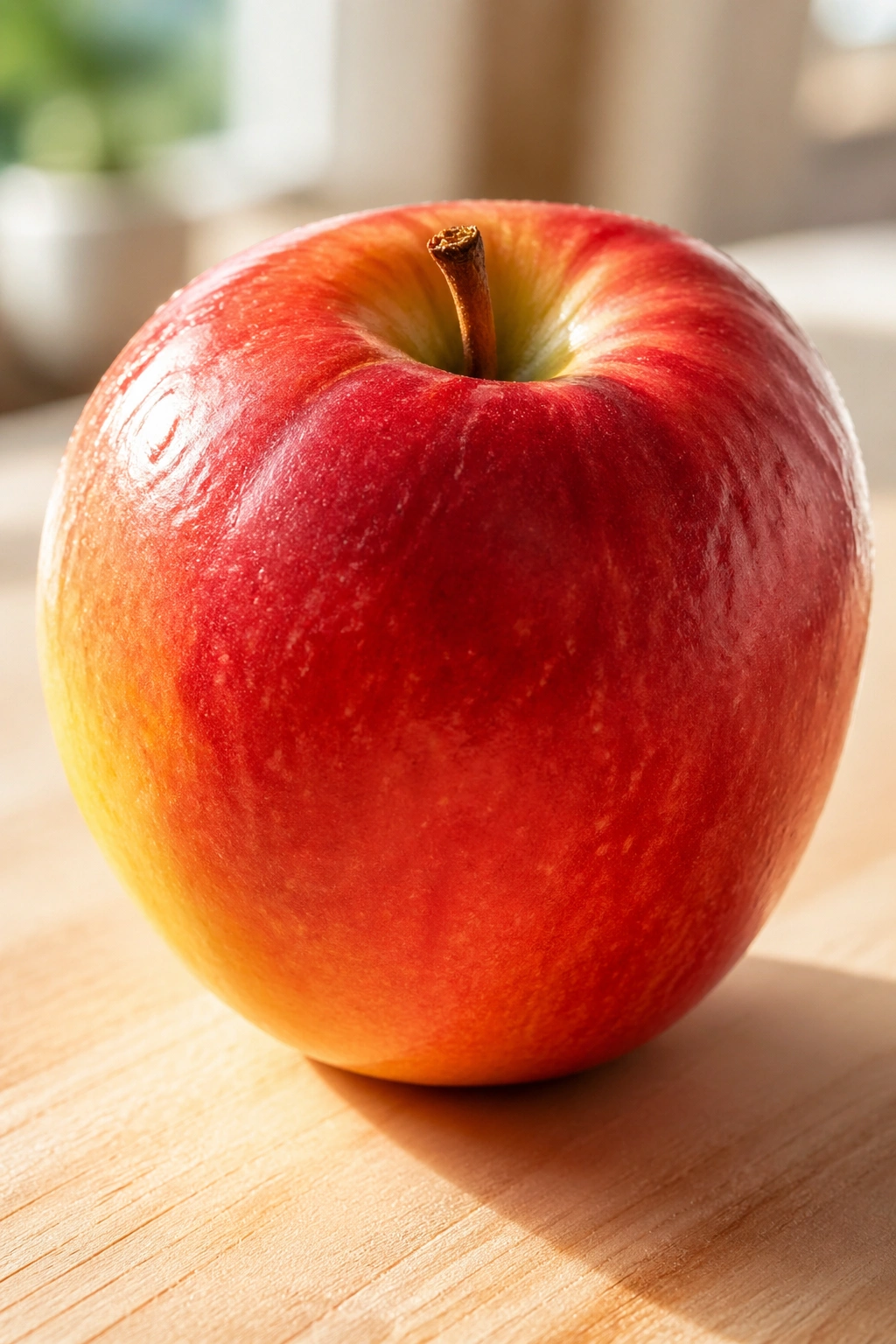
If you want one fruit that behaves like a real snack instead of a sugary detour, apples are hard to beat. They’re portable, cheap, and they take long enough to chew that your appetite has time to catch up with your hands.
A medium apple lands at about 95 calories with around 4 grams of fiber, much of it sitting in the skin. That peel is not decoration. Leave it on. The extra chew time matters more than people think, and it’s one reason apples tend to work better than soft, easy-to-eat snacks that vanish in three bites.
Chewing matters.
That sounds almost too simple, but it’s a big deal. Crunchy fruit slows eating, and slower eating usually means you stop at one apple instead of sliding into a second snack before your brain registers the first one.
Apples also pair well with protein and fat. A sliced apple with 1 tablespoon of peanut butter is a very different snack from an apple turned into pie filling or cider. One keeps you steady. The other can leave you hunting for more food 30 minutes later.
3. Blueberries
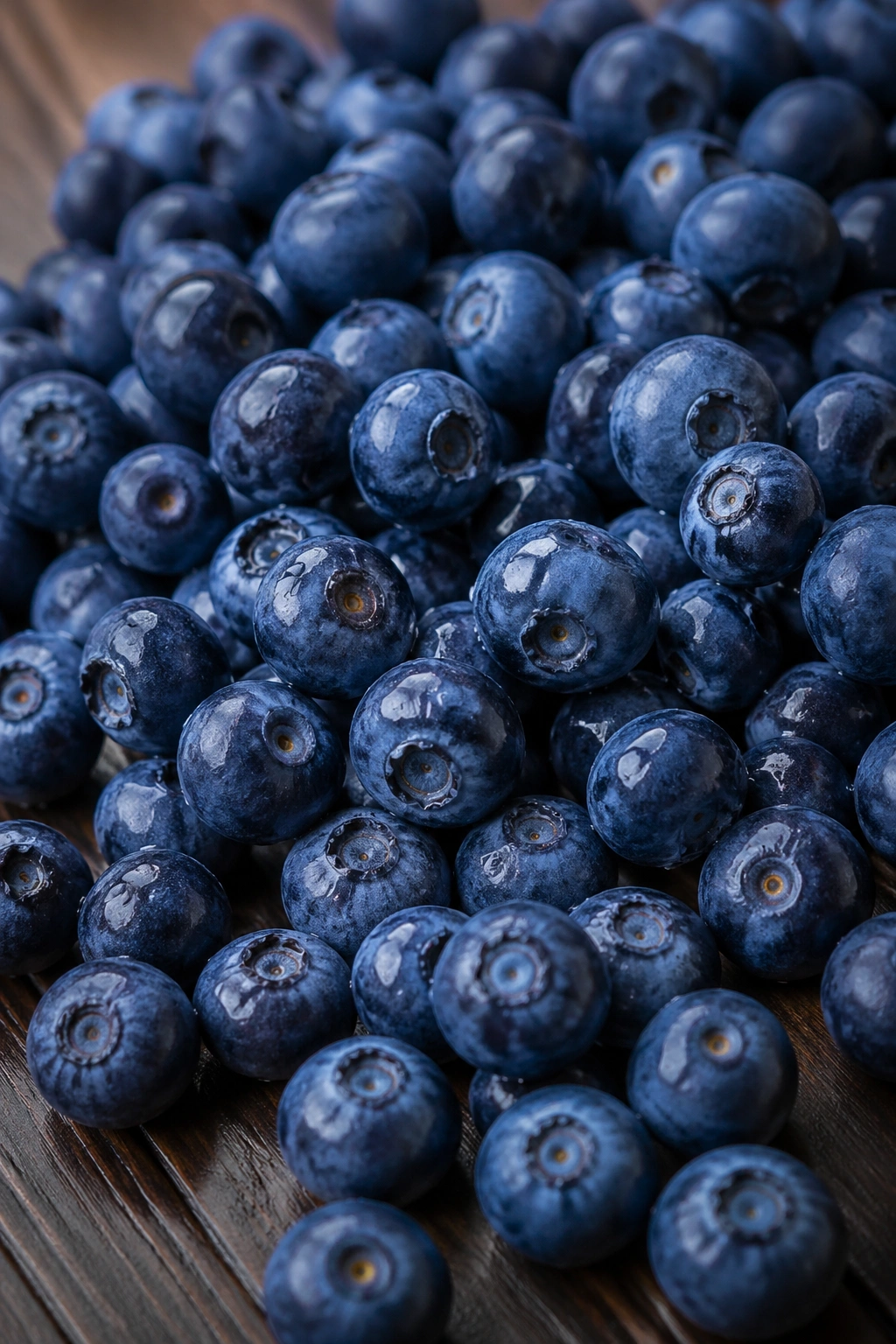
A cup of blueberries looks small in a bowl and somehow ends up feeling like a proper treat. That’s a good sign when you’re trying to trim waistline weight without living on rabbit food.
One cup gives you about 84 calories and roughly 3.5 grams of fiber. The real benefit is that blueberries taste sweet enough to satisfy dessert cravings, but they don’t come with the calorie load of cookies, muffins, or sugary cereal. If you’re trying to cut back on snacking after dinner, this matters more than any flashy claim about fat burning.
Why they work so well
- Easy to portion: 1 cup is a clean serving.
- Frozen works fine: frozen blueberries hold up well in oats, yogurt, or smoothies.
- Strong flavor for the size: a small amount goes a long way.
- Good swap for sweets: useful when you want something cold and sweet but not heavy.
Blueberries are also one of the easiest fruits to keep around year-round in frozen form. I like that because frozen berries make the calorie count obvious. You measure a cup, you’re done, and there’s no drift into mindless handfuls.
That simplicity is underrated.
4. Pears
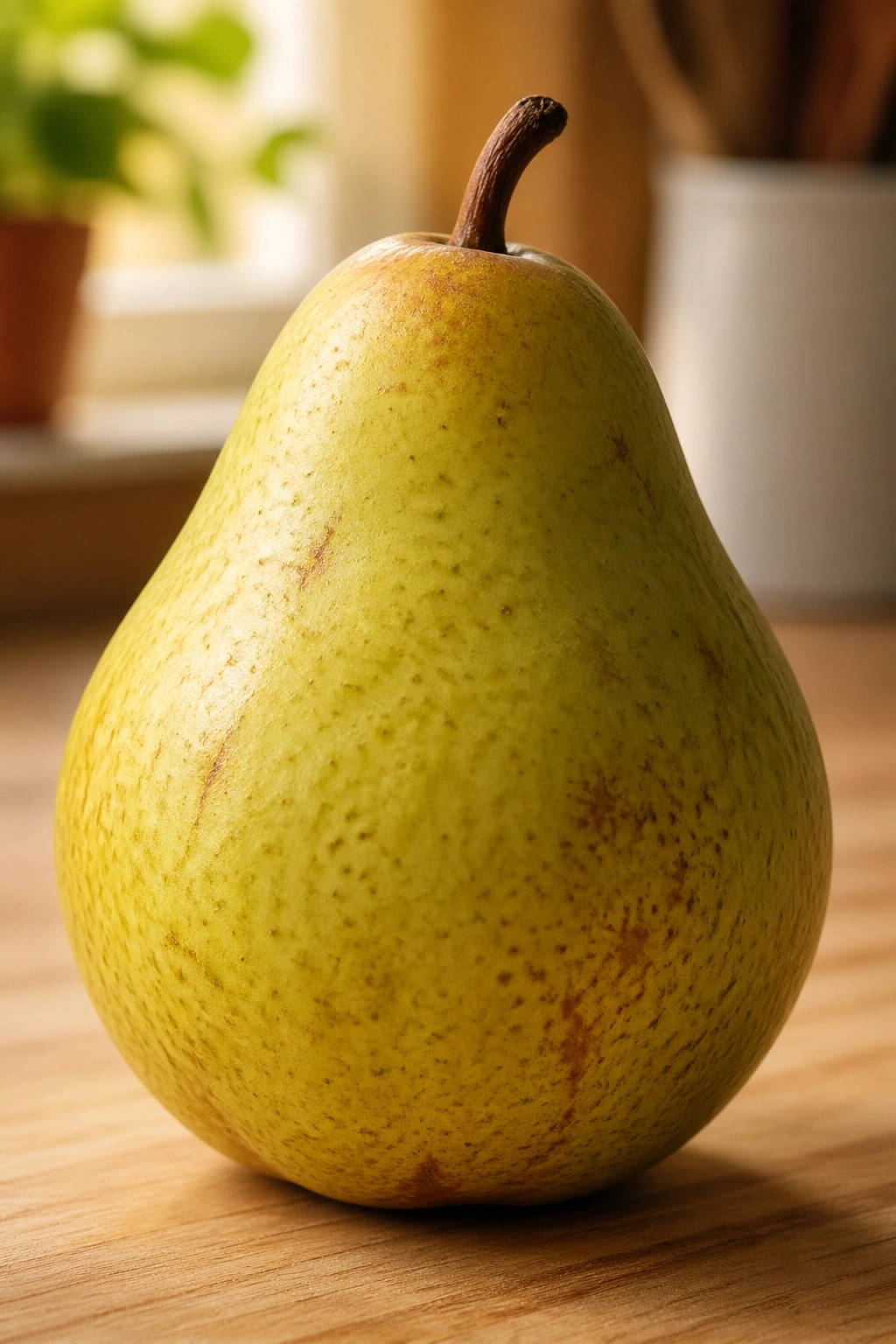
Pears are one of the least flashy tools for fat loss, which is part of why they work. They feel ordinary. They’re also sneaky filling.
A medium pear usually brings around 100 calories and about 6 grams of fiber, which is a solid number for a single fruit. The skin carries a lot of that fiber, and the flesh has enough water to make the fruit feel juicy without turning into a sugar bomb. Ripe pears are especially good if you want something soft and satisfying, but they should still have a little give near the stem. If the whole fruit feels mushy, you’ve waited too long.
The other thing pears do well is slow eating. A good pear takes time to chew, and time is useful when you’re trying to get through the afternoon without grazing. Some people also find pears easier to use as a dessert replacement than apples because they taste softer and a little sweeter. That can be handy if you’re trying to quit the habit of ending dinner with something rich.
One caution: pears can be rough on sensitive stomachs if you eat a big one too fast. The natural sugar alcohols and fiber can create bloating in some people. Start with one, not three. That’s enough fruit to matter.
5. Kiwi
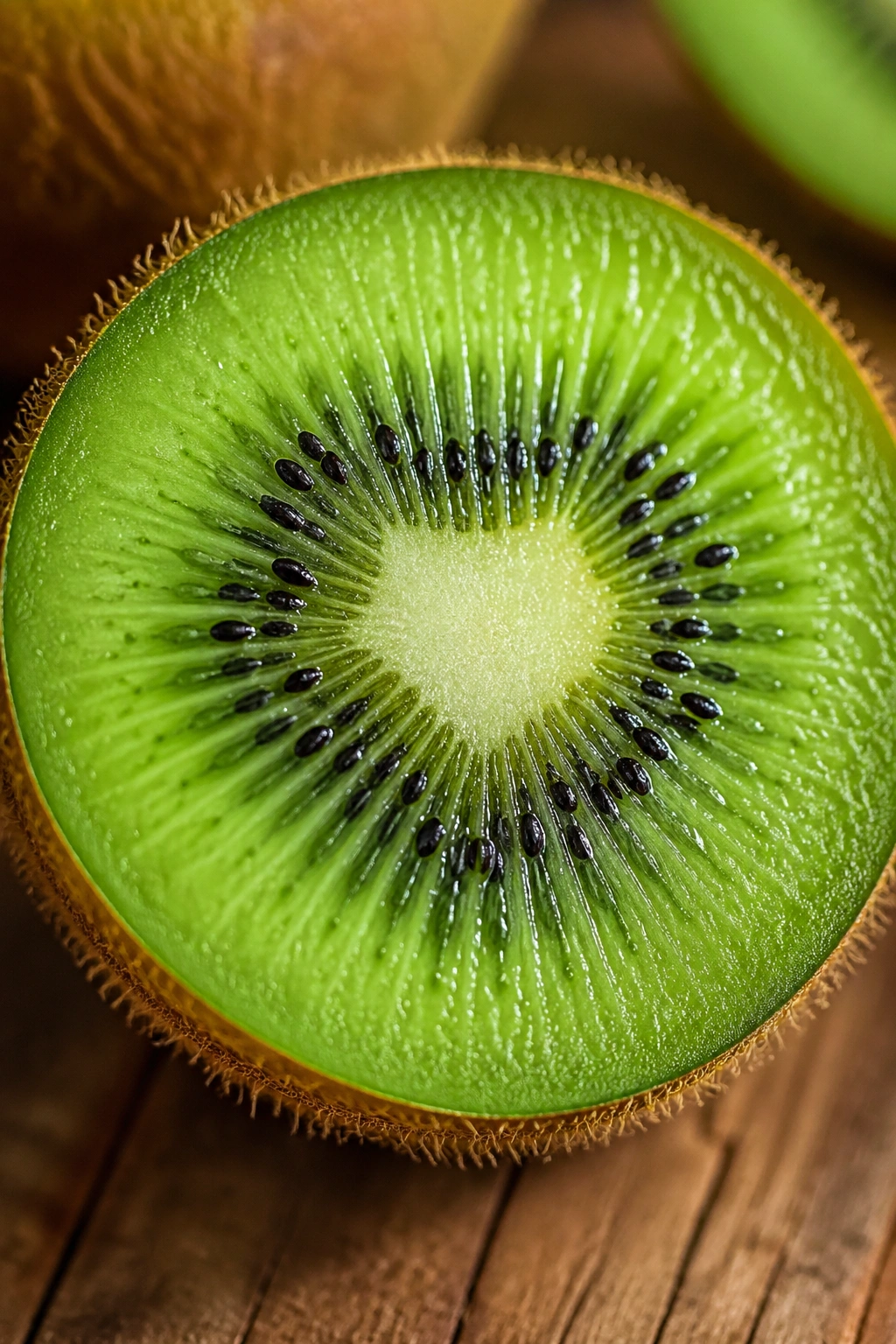
Can a fruit that weighs almost nothing do much for belly fat loss? Oddly, yes — if it replaces the pastry or candy you were planning to eat.
Two medium kiwis give you around 84 calories and about 4 grams of fiber. They also have a bright, tart flavor that feels more alive than a lot of other fruit. That matters because people often quit on weight loss plans when the food feels dull. Kiwi doesn’t have that problem. It tastes clean, sharp, and a little playful.
How to use kiwi without overthinking it
- Eat it fresh and chilled: the cold makes it feel more filling.
- Leave the skin on if you can handle it: it adds fiber and cuts waste, though you should wash it well.
- Use 2 kiwis as a snack: that’s enough for most people.
- Pair it with cottage cheese or plain yogurt: that mix keeps hunger down longer than fruit alone.
Kiwis also have a texture that makes them feel more substantial than their size suggests. They’re small, but they don’t disappear. If you want a sweet snack that doesn’t drift into overeating, that’s a useful trait.
Small fruit, big payoff.
6. Oranges
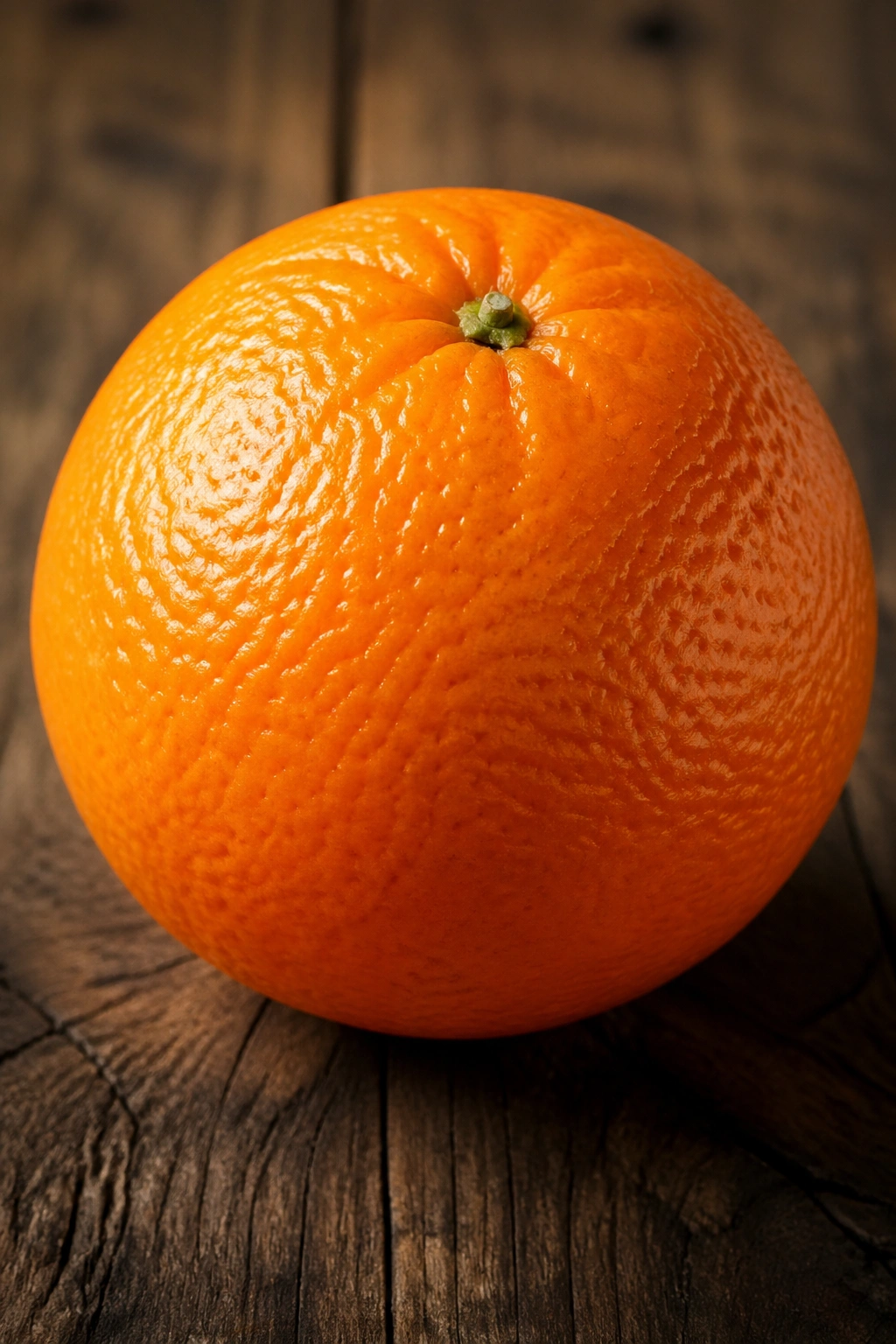
Whole oranges help. Orange juice mostly doesn’t.
That’s the difference most people skip, and it matters a lot when you’re trying to lose fat around the middle. A medium orange has about 62 calories and around 3 grams of fiber. The membrane around each segment slows you down, the peel smells bright and fresh, and the whole fruit takes real chewing. Juice strips all of that away and leaves you with sugar that goes down fast.
A whole orange also works well when you want something sweet in the middle of the day but don’t want a snack that turns into a second lunch. The segments are messy enough to slow you down. That sounds minor. It isn’t. Slower eating often means less total intake, which is exactly what you want if belly fat loss is the goal.
Blood sugar control matters here, too. A glass of orange juice can feel harmless because it’s “fruit,” but it behaves more like a sweet drink than a full snack. A peeled orange behaves like food.
Choose the fruit. Skip the squeeze bottle unless you have a very specific reason to use it.
7. Avocado
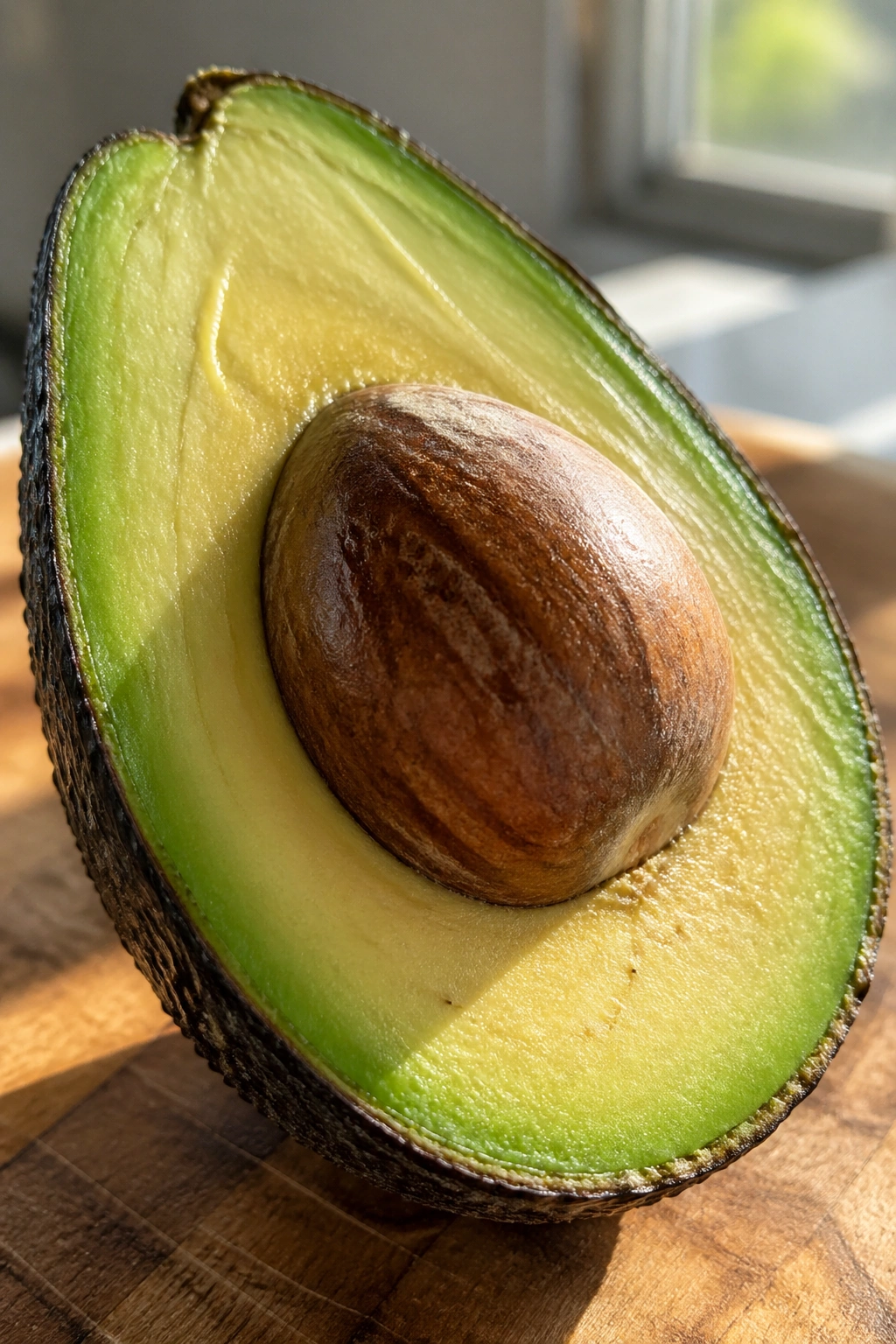
Avocado is the odd one here: it helps with fat loss by being filling, not by being low in calories.
Half a medium avocado has about 120 calories, around 5 grams of fiber, and a good dose of monounsaturated fat. That fat isn’t the enemy. It slows digestion and makes a meal feel finished. If you’re the sort of person who gets hungry an hour after eating a salad, avocado can fix that problem fast.
Why it earns a place on this list
- Fiber + fat: the combo is more satisfying than fruit sugar alone.
- Helps meals stick: a few slices on eggs or salad can keep you from snacking later.
- Easy to overdo: that’s the catch, because a whole avocado can double the calories without looking huge.
- Best used as a meal add-on: not something you eat by the spoonful while pretending it’s a free food.
I’m a fan of avocado, but I’m not a fan of calling it “light” when it clearly isn’t. If you scoop an entire avocado onto toast, then add cheese and oil, you’ve built a rich meal. Fine. Just don’t act surprised when the calorie count climbs.
Used with restraint, avocado is one of the best hunger-control fruits around.
8. Watermelon
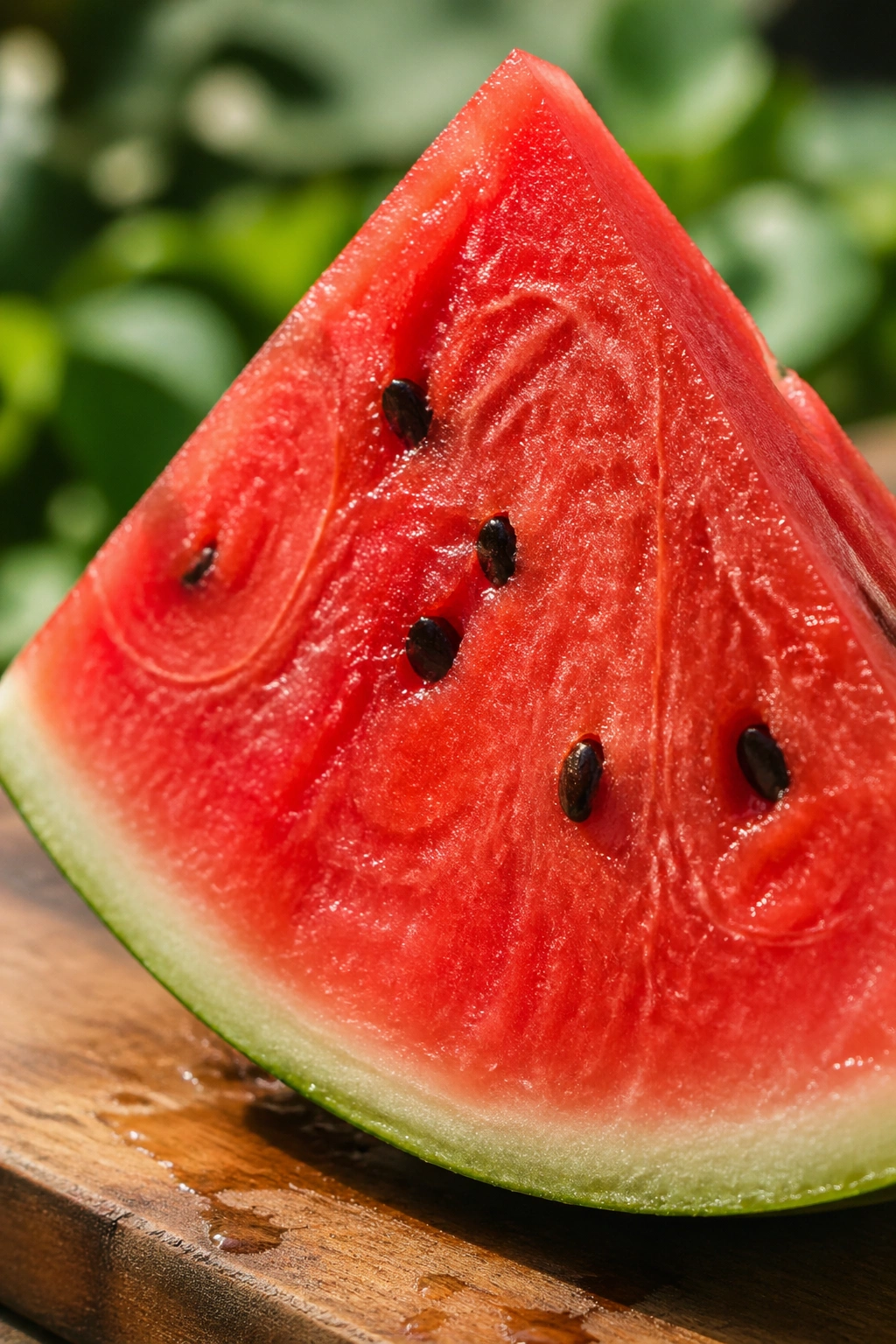
After a long walk or a sweaty workout, cold watermelon can calm hunger in a way that feels almost unfair. It’s mostly water, it’s sweet, and a big bowl looks like a lot of food for not many calories.
One cup of diced watermelon has about 46 calories. That low calorie density is the reason it shows up on weight-loss lists. You can eat a decent amount, feel like you had a snack, and still keep your intake modest. The catch is fiber. Watermelon is light on fiber, so it doesn’t hold hunger the way berries or apples do.
That means watermelon is best as a volume snack, not your only plan for the afternoon. It works when you want something cool and refreshing. It’s less useful when you’re trying to stay full for three hours.
Best ways to eat it
- Chill it well: cold watermelon feels more satisfying than room-temperature fruit.
- Cut it into cubes: portion control is easier when the serving is visible.
- Eat it slowly: a giant bowl in front of the TV can disappear fast.
- Pair it with protein if you need staying power: a little cottage cheese on the side works better than pretending watermelon alone will carry you to dinner.
Watermelon is a simple fruit. That’s the appeal. No drama, no heavy prep, no need to turn it into a smoothie you can drink in under a minute.
9. Raspberries
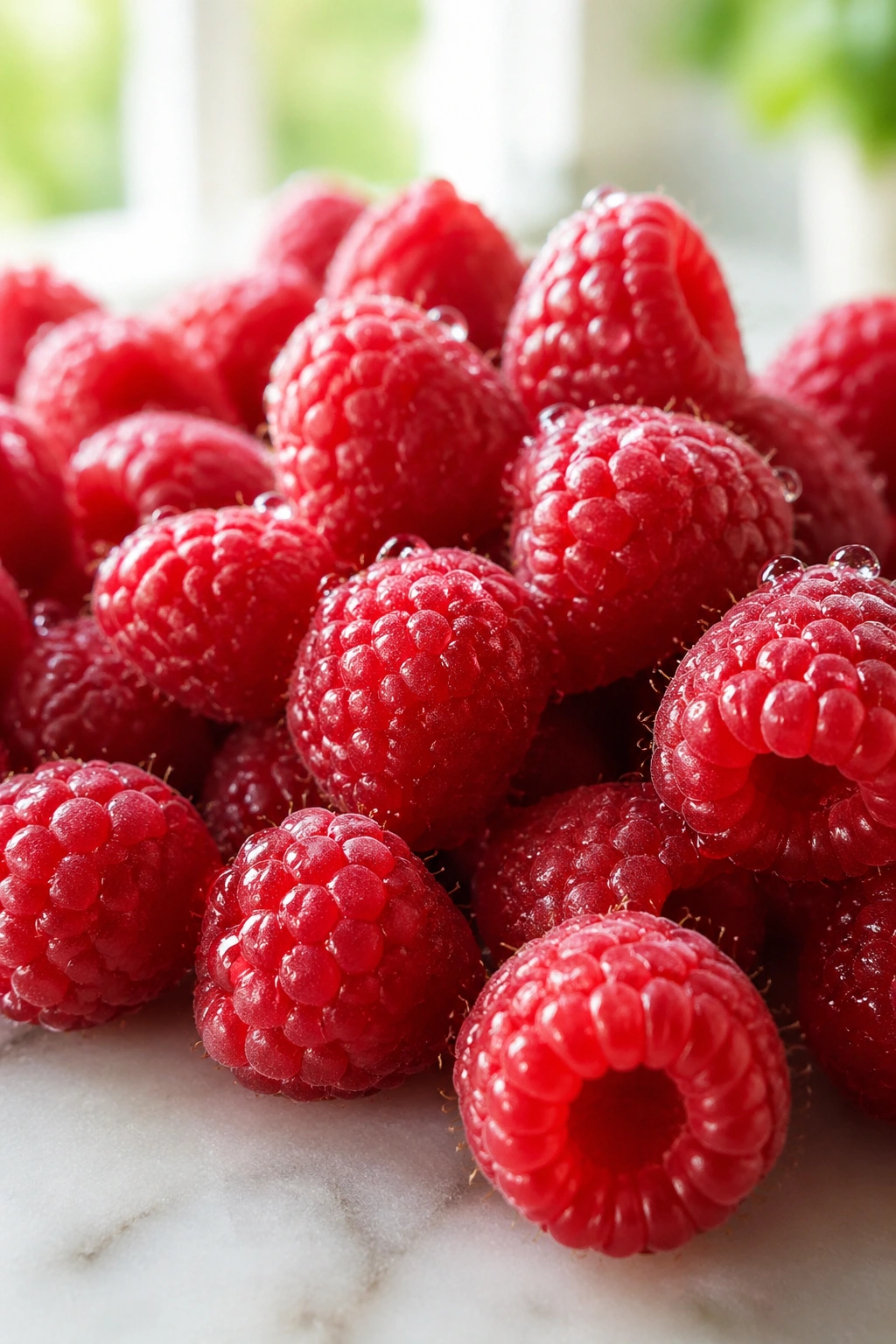
Why do raspberries keep showing up in fat-loss menus? Because they pack a lot of fiber into a small, sweet package.
A cup of raspberries has about 64 calories and roughly 8 grams of fiber. That’s huge for a fruit serving. It also means raspberries can make a bowl of yogurt, oats, or cottage cheese feel fuller without pushing calories up much. If you want one fruit that behaves almost like a built-in portion control tool, this is one of the best bets.
How to get the most from them
- Use frozen raspberries in smoothies: they thicken the drink and keep it cold.
- Mix them into plain Greek yogurt: the tartness cuts through blandness fast.
- Eat them slowly: the seeds and texture naturally slow you down.
- Keep the portion at 1 cup: that’s enough to matter.
Raspberries are also one of the easiest fruits to use as a dessert replacement because they’re tart, not cloying. That matters. Foods that scratch the sweet itch without turning into a sugar binge are worth keeping around.
Tiny berries. Big fiber. That combination is useful.
10. Blackberries
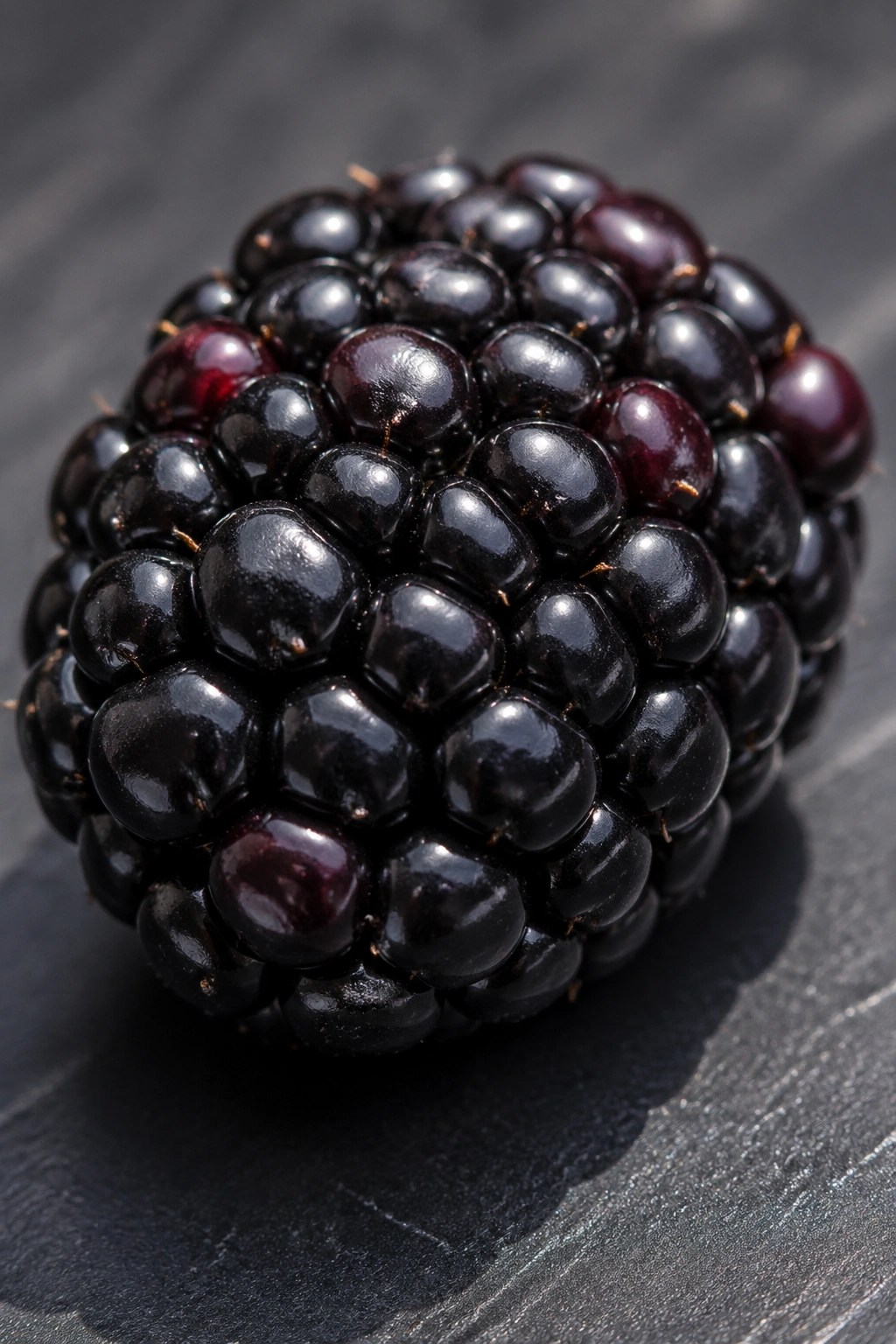
Blackberries are raspberries’ darker, juicier cousin, and they deserve the same respect. They’re tart, sweet, and loaded with enough seeds to make you slow down without even trying.
A cup of blackberries has about 62 calories and around 8 grams of fiber. That’s an excellent trade for anyone trying to lose weight around the waist. The fruit feels rich in the mouth, but the calorie count stays low, which is the sort of balance that helps a diet feel livable.
They also have a funny little practical advantage: blackberries are not a mindless snack. You notice them. They stain your fingers, they leak a little juice, and they make you pause between bites. That pause helps.
Buy them carefully, though. The bottom of the container tells the truth. If there are squished berries hiding underneath, move on. Mold spreads fast in soft fruit, and one bad carton can ruin the whole bunch.
Blackberries work well in yogurt, on oatmeal, or eaten cold straight from the fridge. I’d pick them over a pastry almost every time.
11. Bananas
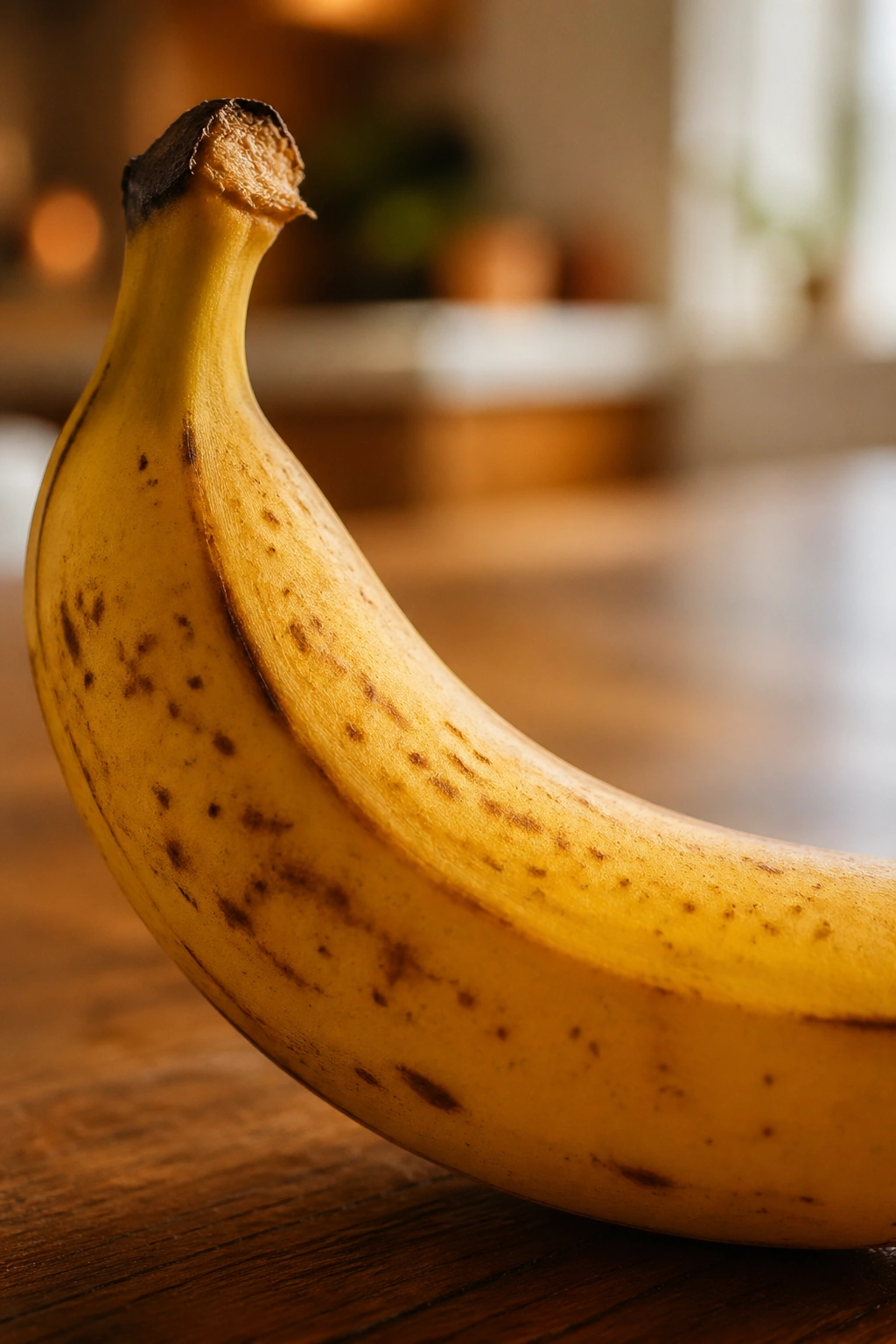
A ripe banana and a slightly green banana are not the same snack.
That’s worth saying out loud because people lump them together too easily. A medium banana has about 105 calories and around 3 grams of fiber, but the starch structure changes as it ripens. Slightly green bananas contain more resistant starch, which behaves more like fiber than sugar in the gut and may help you feel full longer. Fully ripe bananas are softer and sweeter, which is fine, but they’re easier to eat fast and easier to overdo.
Bananas are useful when you need a portable fruit that holds up in a bag and doesn’t drip all over the place. They’re also solid before a workout because they give you quick energy without needing a fork or spoon. If you’re trying to lose belly fat, that convenience can work for you or against you. It depends on whether the banana replaces a pastry or rides along with it.
Don’t force yourself to eat green bananas if you hate the texture. Life is too short for that. But if you like them firmer, keep that one in the rotation. It’s a smarter snack than most packaged bars sitting beside it.
12. Pomegranate
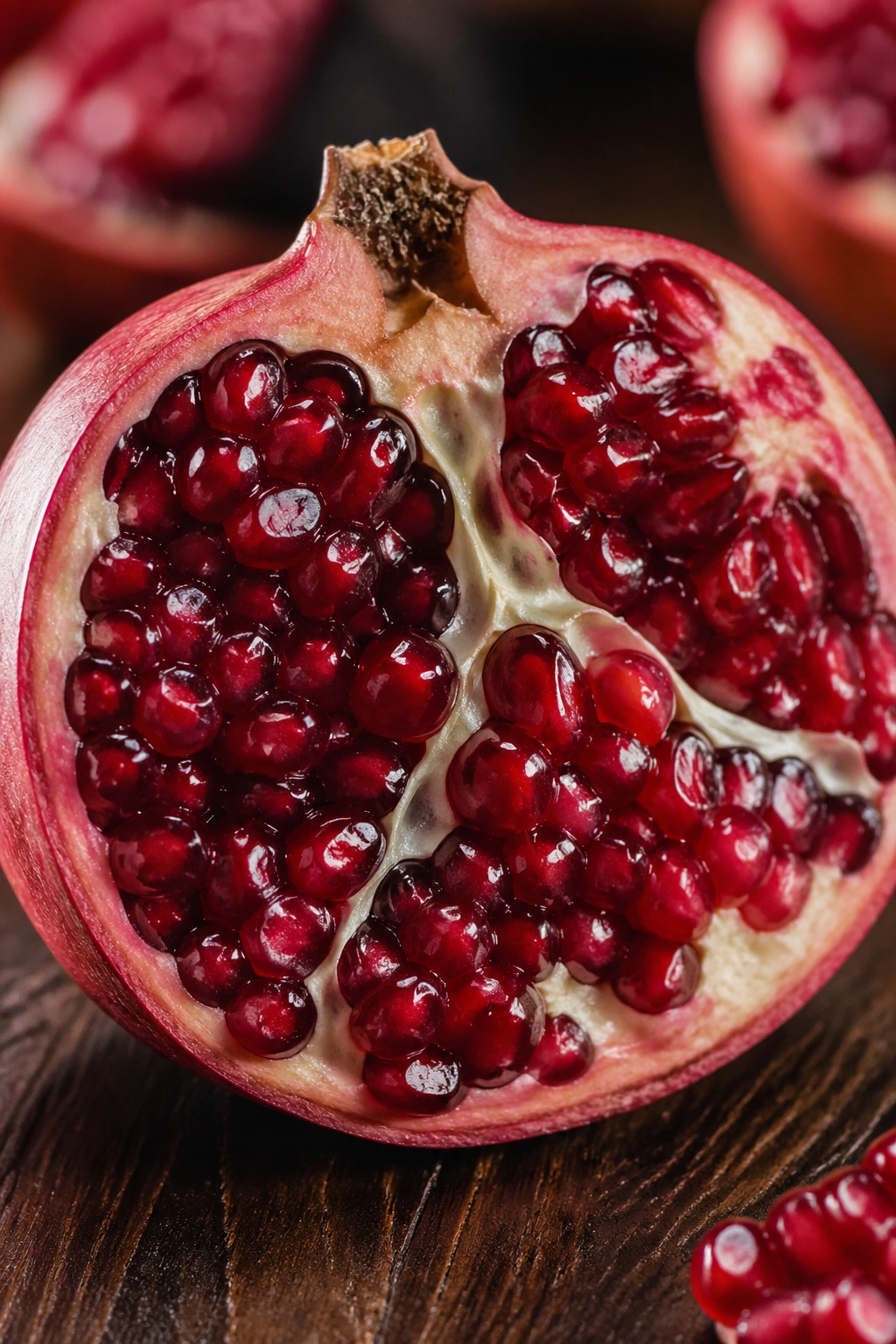
Pomegranate is messy, and that’s part of the benefit.
Those little arils take time to eat, which slows you down before you realize it. A cup of arils has about 144 calories and around 7 grams of fiber, so the portion matters. Still, the combination of juice, crunch, and tart sweetness makes pomegranate feel far more indulgent than the numbers suggest.
This is one of those fruits where the eating ritual helps. You either scoop the seeds out of the shell, or you buy the arils ready to go and portion them into a small bowl. Either way, you’re not inhaling the fruit in two bites. That slower pace can work in your favor if you’re trying to keep evening snacking under control.
Do not treat pomegranate juice like the same thing. It isn’t. Juice is easier to overconsume and much less filling. A few spoonfuls of arils over plain yogurt or a salad gives you flavor, fiber, and a bit of crunch without turning into a sugar drink.
If you like a snack that feels fancy but still makes sense nutritionally, pomegranate is a good pick.
13. Guava
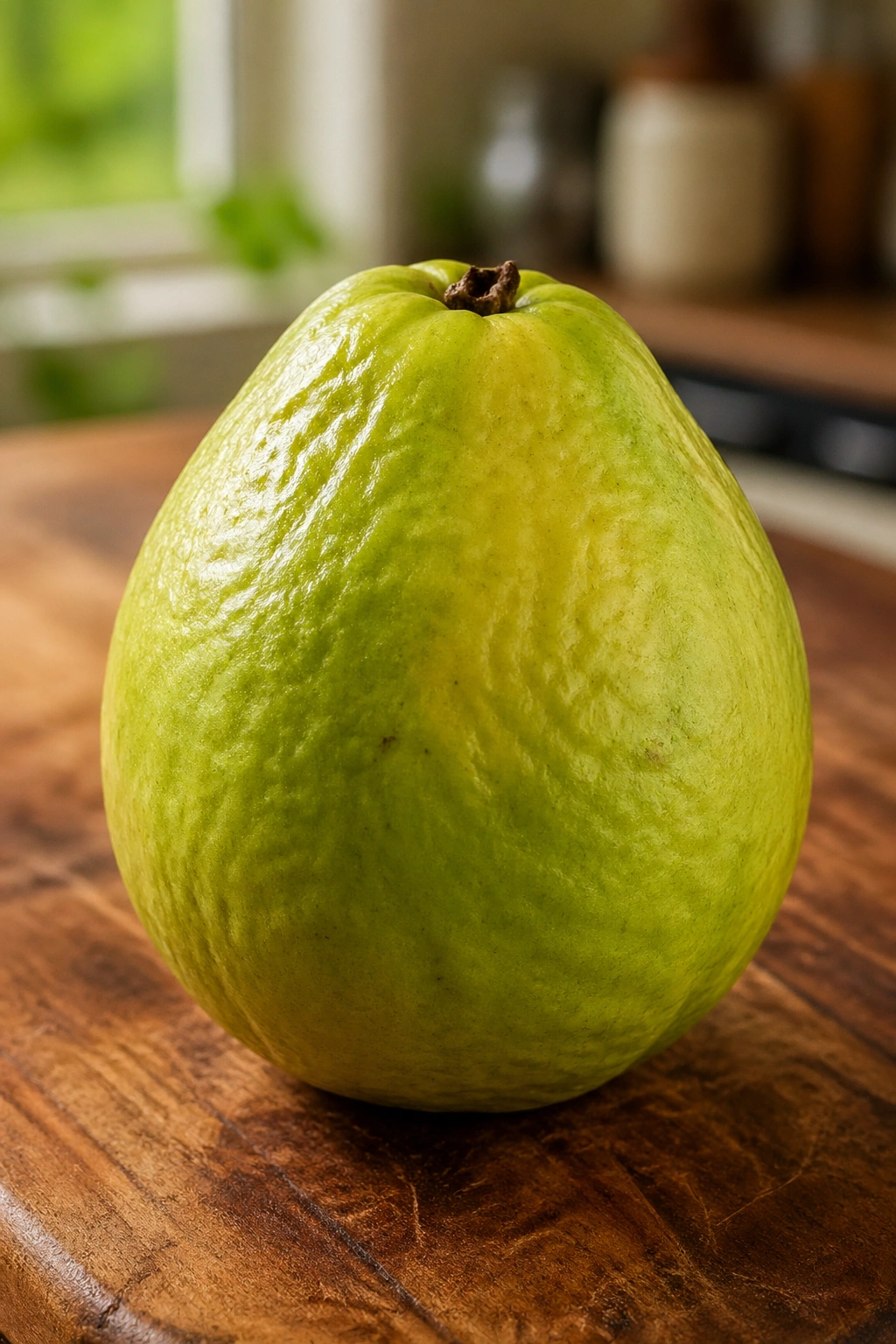
Walk past a bowl of guava and you’ll usually have one of two reactions: interest or confusion. I’m firmly in the interest camp.
Guava is one of the most fiber-rich fruits you can buy. A cup has around 112 calories and close to 9 grams of fiber, which is excellent for satiety. The flesh is fragrant, the seeds are edible, and the whole fruit has a texture that feels hearty without being heavy. That makes it a smart choice when you want fruit to do some real work, not just fill space on a plate.
Why guava stands out
- Very high fiber for the calories: that combination is rare.
- Skin is edible: wash it well and keep the peel on for extra roughage.
- Good in small portions: one fruit or one cup of slices is plenty.
- Pairs well with tart flavors: a squeeze of lime can sharpen it up.
Guava can be a little firm when underripe, so check for a slight give before buying. If it feels rock hard, leave it alone for a day or two. Ripeness matters here more than people expect, because guava that’s too firm can feel woody instead of juicy.
For belly fat loss, guava earns its place by making a small serving feel substantial. That’s the kind of fruit I trust.
14. Cherries
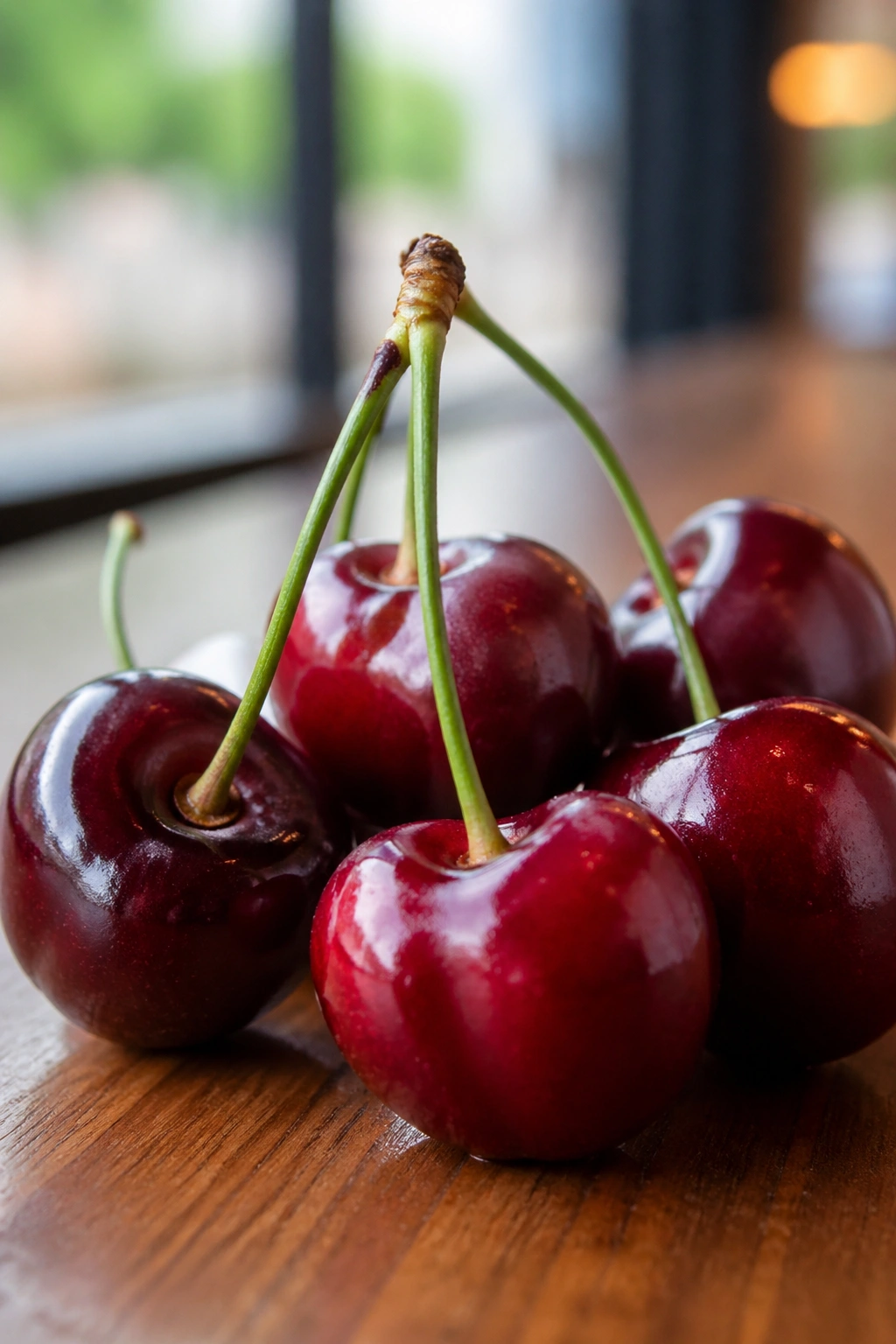
Sweet cherries can rescue an evening snack habit if you keep the bowl to one cup.
A cup of cherries has about 97 calories and around 3 grams of fiber, which is a decent balance for something that tastes like dessert. Tart cherries are a little sharper and often work even better if you’re trying to replace cookies or candy after dinner. They feel like a treat without sliding into a full sugar spiral.
The best thing about cherries is pace. They take a little work. You eat one, spit or manage the pit, then eat another. That rhythm slows you down in a way that a cookie tray never will. If you buy pitted cherries, they’re more convenient, but they also disappear faster. I like them pitted for salads and unpitted when I want a snack that lasts.
One caution: dried cherries and cherry juice are different animals. Dried fruit concentrates the sugar, and juice strips away the chewing. Fresh cherries are the version that helps with weight control. The others are fine in some settings, but they’re easier to overdo.
Keep the bowl modest. That’s the whole game.
15. Apricots
Apricots don’t get the attention they deserve, and I think that’s mostly because people don’t plan around them. They’re small, soft, and easy to ignore at the store. That’s a mistake.
Three fresh apricots come in at about 50 calories and around 2 grams of fiber. Fresh ones are the key word there. They’re a nice bridge between juicy fruit and a lower-calorie snack, especially when you want something sweet that doesn’t feel huge. The skin is thin, the flesh is bright, and the flavor has just enough tartness to keep you from wolfing down five at once.
How to make apricots work
- Eat them fresh and ripe: they should have a little give when you press near the stem.
- Keep the skin on: that’s where some of the fiber sits.
- Slice them into plain yogurt or cottage cheese: they play well with protein.
- Use dried apricots carefully: they’re handy, but the sugar is concentrated and the portions creep up fast.
Apricots are one of those fruits that make healthy eating feel less like a project. You don’t need special prep, and you don’t need to build a bowl the size of your head to feel satisfied. A few fresh apricots, eaten whole, can do the job.
If you keep fruit whole, respect portions, and stop treating juice like the same thing, the belly-fat angle gets a lot simpler. Fruits won’t do the work for you, but they can make the right choices easier to repeat.
And that is the part that actually matters.
