



Halfway through a high-rep squat day, your pre-lift snack tells on you.
If you walked into the gym with nothing but caffeine in your system, the first few sets might feel sharp and the last ones flat, shaky, and weirdly unproductive. The best pre workout fruit snack ideas fix that problem with plain old food: quick carbs, some fluid, a little sodium when you need it, and none of the heavy, greasy drag that comes from eating the wrong thing too close to training.
Fruit gets dismissed in lifting circles more often than it should. A lot of lifters treat it like garnish—nice next to breakfast, not useful before deadlifts. I think that’s backwards. A ripe banana, cold grapes, or an applesauce pouch can do more for a 60-minute training session than a dense “protein” bar loaded with chicory root and 9 grams of fat.
Timing changes everything, though. Bananas, grapes, melon, and applesauce work when the clock is tight. Pears, dried fruit, and dairy pairings usually need a little more runway. Once you understand that difference, fruit stops being an afterthought and starts acting like training fuel.
Why Pre Workout Fruit Snacks Work for Lifters
Fruit gives lifters what most pre-lift snacks should give them: carbohydrate first, digestion second, drama never.
That first part matters. Resistance training runs on stored carbohydrate, especially when your workout includes a lot of volume, shorter rest periods, supersets, sled work, or any kind of session that leaves your shirt damp and your patience thin. You do not need a candy-like pre-workout drink for every lift, but you usually train better when some carbs are already in the tank.
Fruit also has a digestion advantage over heavier snack foods. Most fruit is low in fat, and low-fat foods tend to clear your stomach faster than nut-butter-heavy bars, pastries, or fast-food breakfast sandwiches. Some fruits also bring enough water to help with hydration—melon, oranges, grapes, and pineapple pull their weight here.
There’s another useful detail that gets missed: fruit sugars are not all the same. Many fruits give you a mix of glucose, fructose, and sucrose, and that mix can be easier to tolerate than smashing one huge dose of table sugar. You feel it less in your gut and more in your sets.
Potassium helps, too, though I would not oversell it as magic. Bananas, dried apricots, melon, oranges, and raisins all bring some potassium to the table, which is handy if you sweat hard or train in a warm gym. Sodium still matters more for hydration during heavy sweating, so a small pinch of salt or a salty side like pretzels can make a fruit snack hit harder.
One catch: not every lifter handles every fruit well. If apples, pears, or dried fruit make your stomach noisy, do not test them right before heavy squats. Use the lower-fiber, easier options first, then branch out on calmer training days.
How to Time Pre Workout Fruit Snack Ideas Before Heavy Sets
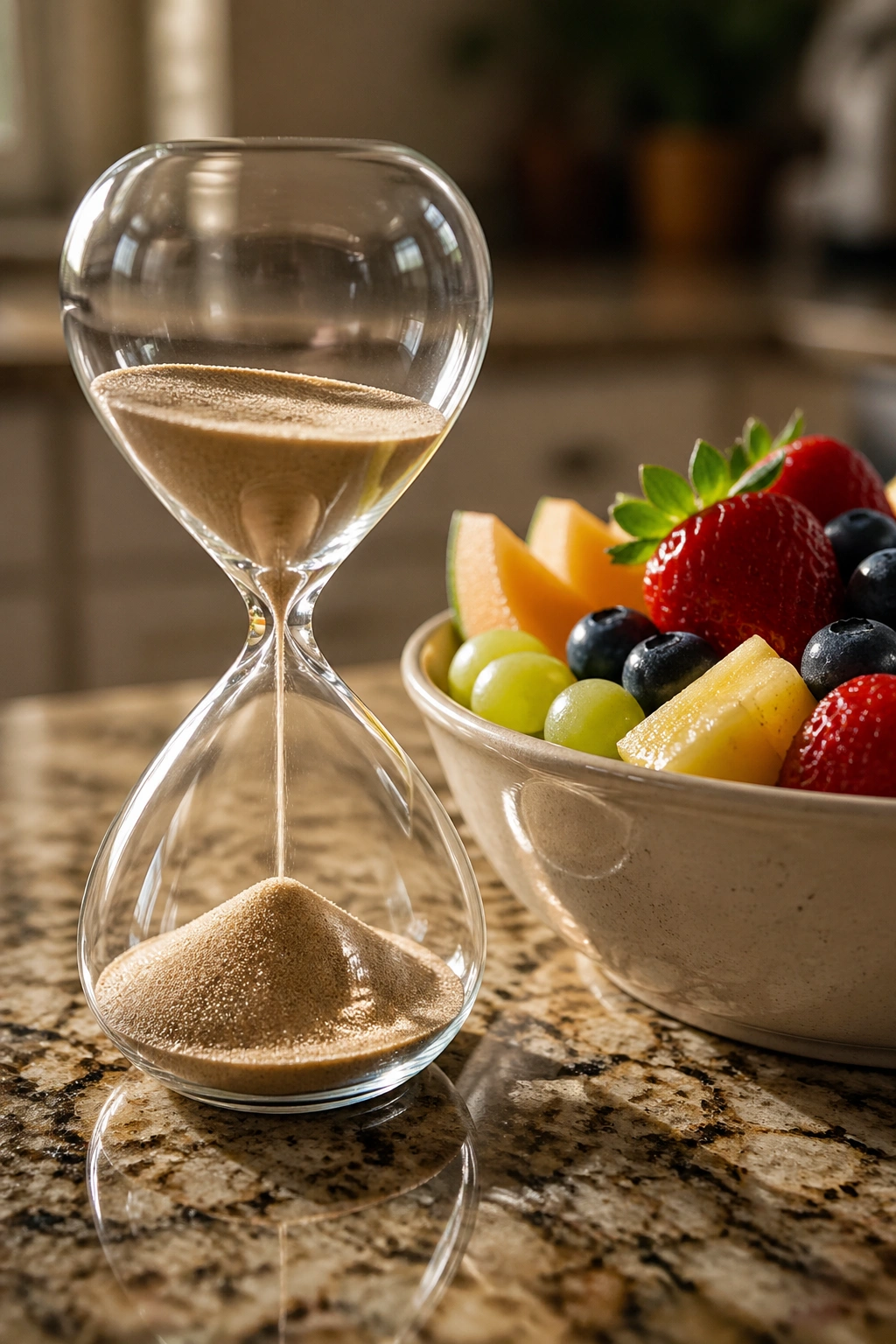
How close to training can you eat fruit? Closer than many lifters think—if you match the snack to the clock.
If you have 15 to 30 minutes
Keep it light, low in fat, and low in fiber.
- Aim for 15 to 30 grams of carbs.
- Use fruit that needs little chewing: banana, applesauce, watermelon, grapes.
- Skip heavy dairy, nut butters, and fibrous fruit skins.
- Drink 8 to 16 ounces of water with the snack, especially if you train early.
This is the parking-lot window. You are not building a meal here. You are trying to avoid that hollow, underfed feeling during your first work set.
If you have 45 to 75 minutes
This is the sweet spot for most lifters.
- Aim for 25 to 45 grams of carbs.
- Add 10 to 20 grams of protein if your last full meal was more than 2 hours ago.
- Use pairings like fruit plus Greek yogurt, fruit plus cottage cheese, dates plus whey, mango plus pretzels.
You have enough time for a snack that feels more stable but still won’t sit like a brick.
If you have 90 minutes or a little more
You can go bigger.
- Aim for 40 to 60 grams of carbs.
- Add 15 to 25 grams of protein.
- Slightly higher fiber can work here: pears, dried apricots, raisins, mini bagel pairings, cream of rice bowls with fruit.
I keep coming back to timing because it matters more than the fruit itself. A banana can feel flawless at 20 minutes. The same banana plus peanut butter 15 minutes before front squats? That can turn into burps and regret.
Fast-Digesting Fruit vs Higher-Fiber Fruit Before Training
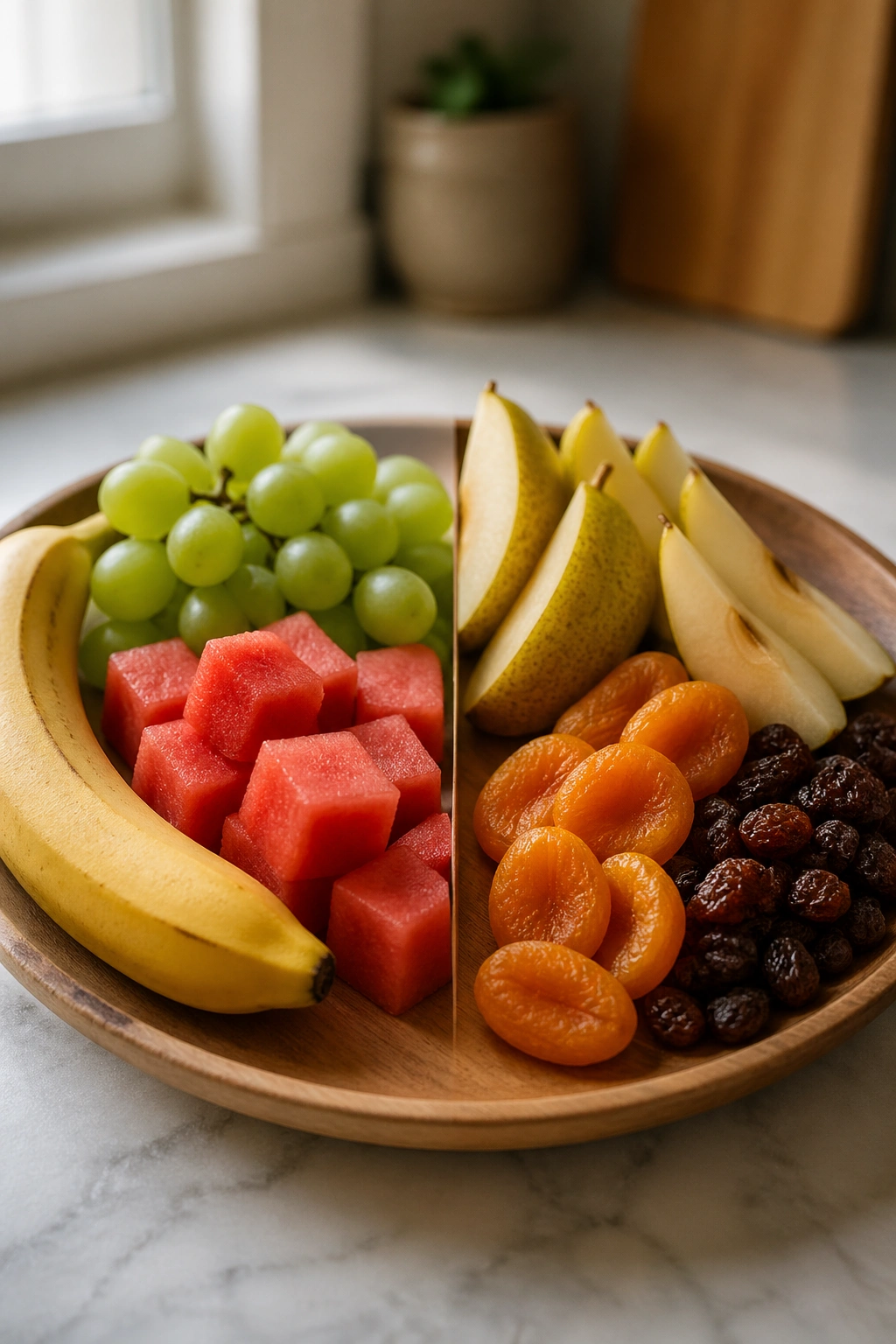
Not all fruit lands the same.
When you need speed, reach for fruit that is softer, juicier, lower in fiber, or already pureed. When you have more time, you can branch into the chewier, denser stuff. That single change fixes a lot of “fruit doesn’t work for me” complaints.
Quicker options before lifting:
- Ripe bananas
- Applesauce
- Grapes
- Watermelon
- Cantaloupe
- Orange segments
- Ripe mango
- Papaya
Better with more runway:
- Pears
- Dried apricots
- Raisins
- Dates
- Apples with skin
- Big fruit-and-dairy bowls
Protein bars often get marketed as pre-workout food, but many are lousy at that job. A bar with 8 to 12 grams of fat, a pile of added fiber, and a gummy texture is often harder to train on than a banana and whey. Cheap food wins this round.
1. Banana Slices with Honey and Sea Salt
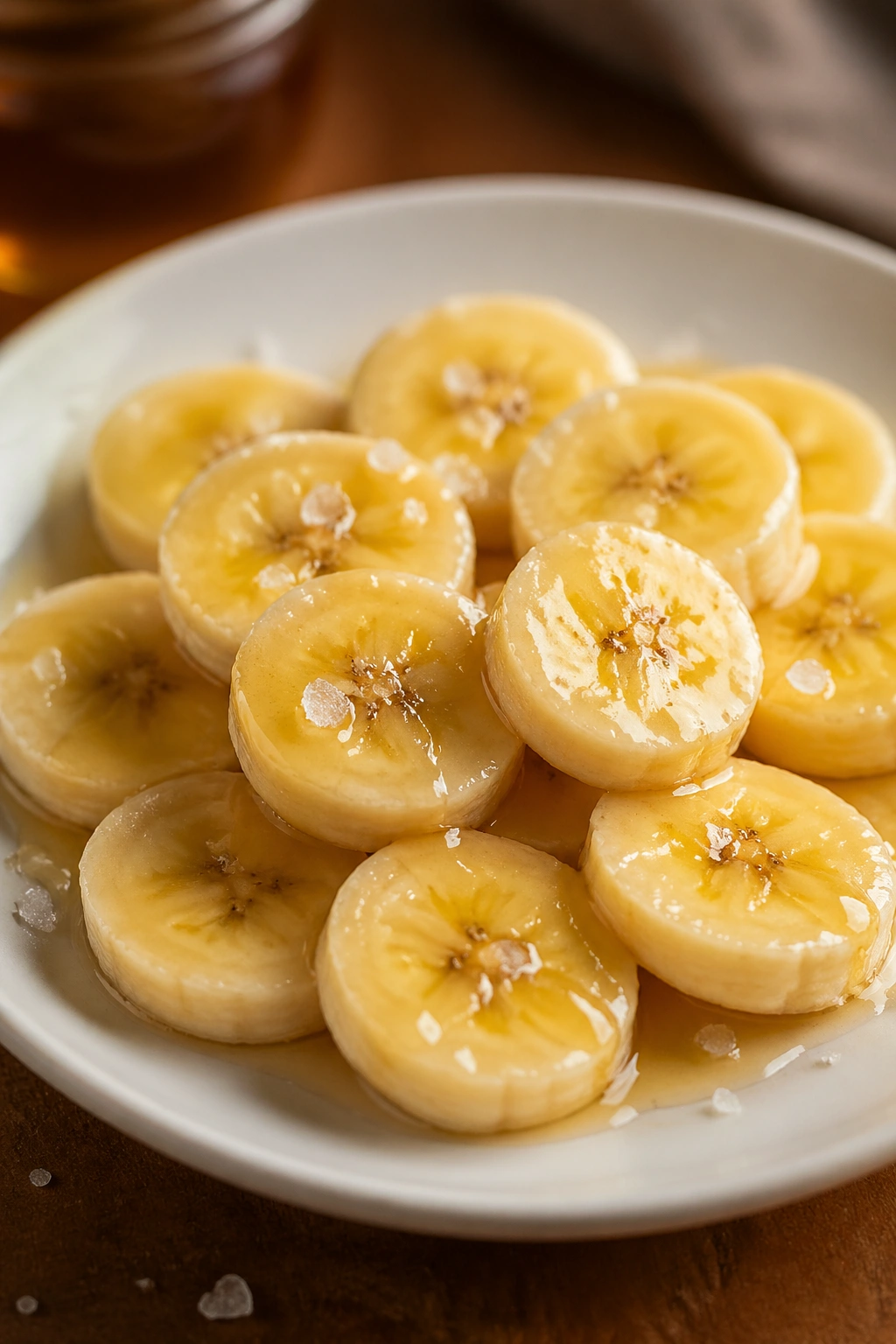
Start with the classic.
A medium ripe banana gives you about 27 grams of carbs, enough to make a clear difference before an upper-body session or a shorter lift. Add 1 teaspoon to 1 tablespoon of honey, and you push the carb total into leg-day territory without adding bulk. The tiny pinch of sea salt sounds fussy, but it helps if you sweat hard or train first thing after waking up.
Why it lands well before lower-body work
Ripe bananas are soft, easy to chew, and usually easy on the stomach. The darker spots on the peel are a clue: a more ripe banana tastes sweeter and often feels easier to digest than a firm, pale-yellow one.
Honey gives you fast carbohydrate with almost no chewing. That matters more than people admit. If you are rushing out the door or sitting in the gym parking lot trying to eat something before walking in, this combo is hard to beat.
Quick setup
- 1 medium ripe banana gives roughly 27 grams of carbs.
- 1 teaspoon honey adds about 6 grams of carbs.
- 1 tablespoon honey adds about 17 grams of carbs.
- A small pinch of sea salt, around 1/16 teaspoon, works best on sweaty sessions or warm gyms.
- Eat it 20 to 45 minutes before lifting.
Best use: lower-body days, early sessions, or any workout where you want energy without feeling full.
2. Cold Red Grapes and a Mozzarella Stick
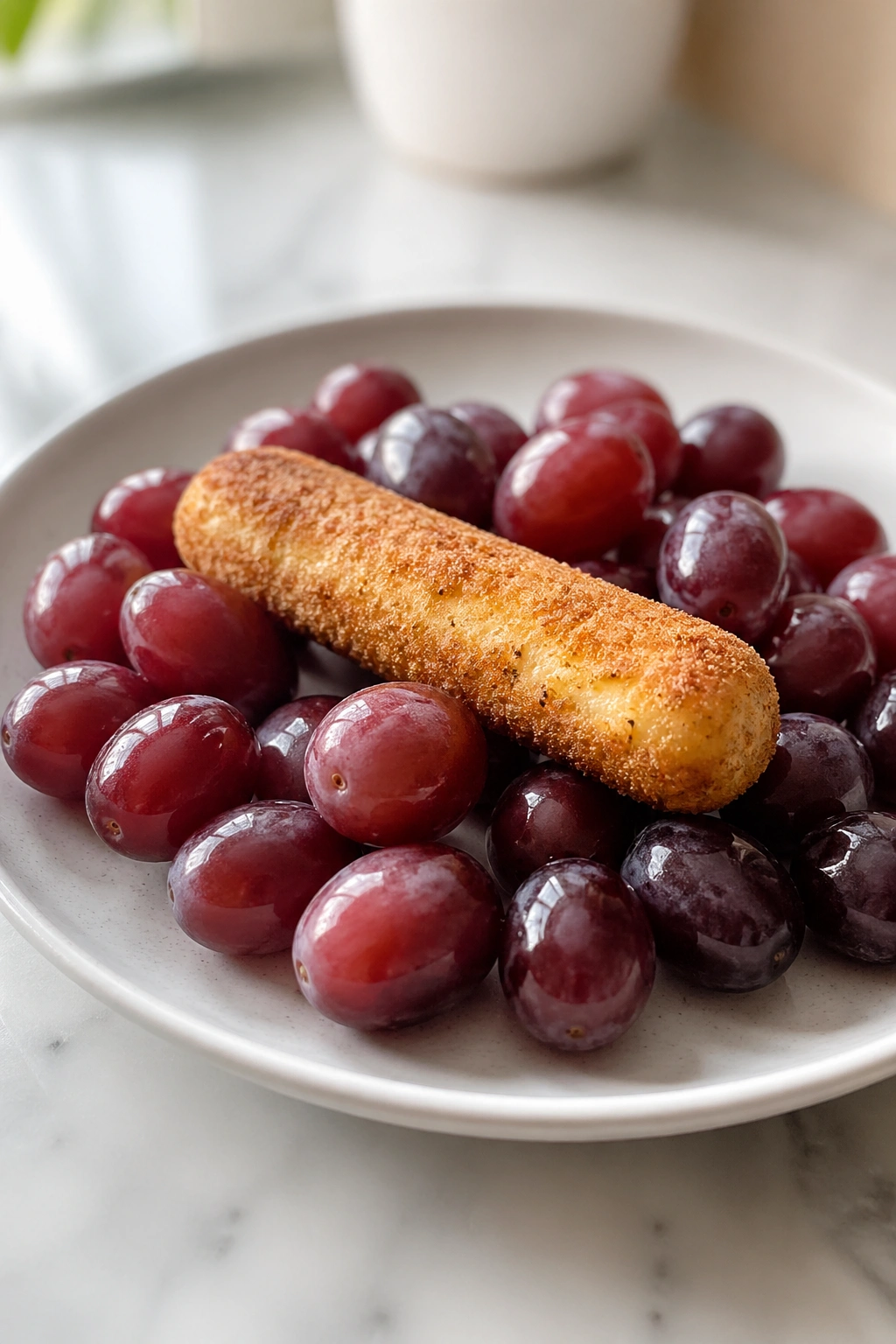
Cold grapes are one of the most overlooked pre-lift carbs.
A cup of grapes gives you around 27 grams of carbs, a lot of fluid, and almost no prep if you washed them the night before. They feel lighter than a sandwich, cleaner than a pastry, and far less annoying than a dry protein bar that sticks to your teeth before bench day.
The mozzarella stick is there for a reason. One part-skim stick adds 6 to 7 grams of protein and a little staying power, which helps if your last meal was a while ago. Keep it to one. Two starts pushing fat higher than many people handle well before training.
There is also something useful about grapes that has nothing to do with science and everything to do with real life: you can eat them one by one. That slows you down enough to notice when you have had enough, which is handy if you are one of those lifters who swings between “I forgot to eat” and “I ate too much.”
This combo shines 45 to 60 minutes before training. If you are closer than that, skip the cheese and use the grapes alone.
3. Applesauce Pouch with Two Rice Cakes
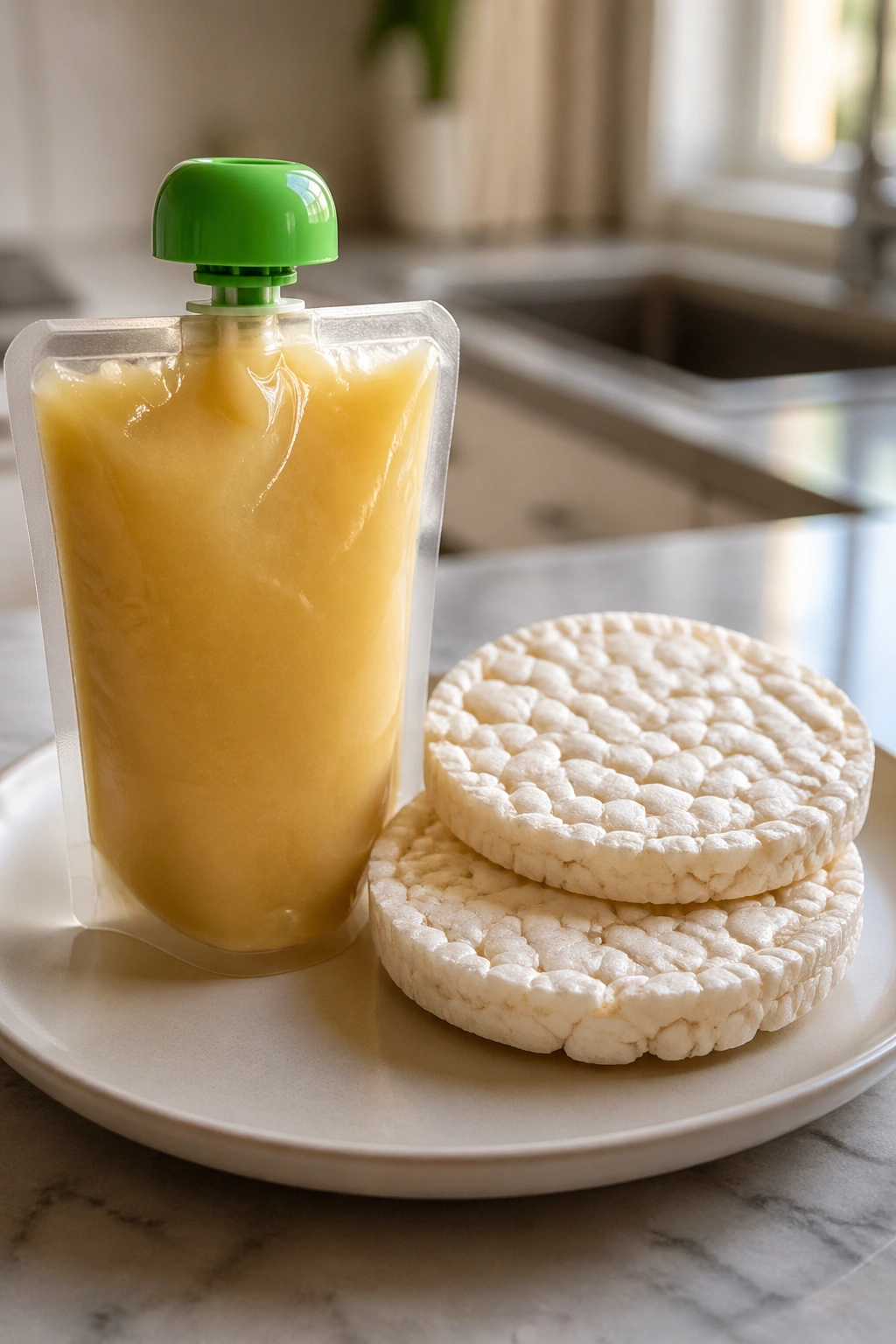
Need something you can eat in the car, in the locker room, or while you’re changing shoes? This is the move.
An unsweetened applesauce pouch usually lands around 20 to 25 grams of carbs, and two plain rice cakes add another 14 grams or so. That puts you near 35 to 40 grams of carbs with almost no fat and very little fiber. For a lot of lifters, that is the cleanest answer to the “I have 15 minutes and zero appetite” problem.
Apples in whole form can be rough on some stomachs before training. Applesauce is a different story. You have less chewing, less bulk, and less fiber slowing things down.
How to use it without overthinking it
If your warm-ups start in 10 to 20 minutes, use one pouch and one or two rice cakes with water. If you have half an hour, add a drizzle of honey or a pinch of salt on the rice cakes. No blender. No cooler. No mess.
I like this one for lifters who train after work, because evening sessions are where meal timing tends to get wrecked. Traffic happens. Meetings drag. Suddenly your planned meal never happened. An applesauce pouch in your bag solves more bad gym starts than most fancy supplements.
4. Orange Segments with Low-Fat Greek Yogurt
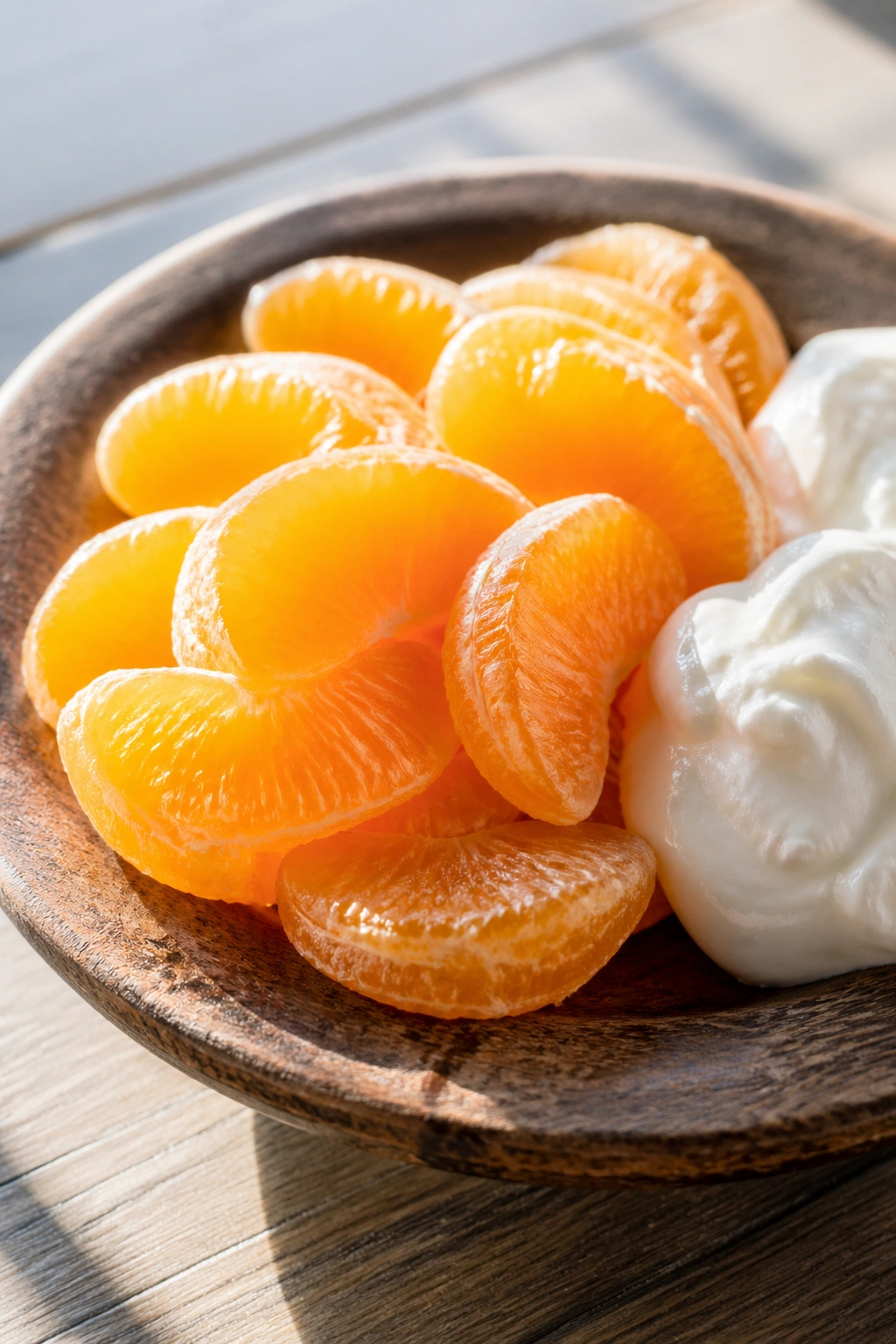
Plenty of lifters avoid citrus before training because they assume it will feel harsh. Sometimes it does. More often, the problem is the rest of the snack, not the orange.
A large orange gives you about 17 to 20 grams of carbs plus a lot of fluid. Pair it with 3/4 cup of 0% or 2% Greek yogurt, and you add 15 to 17 grams of protein without much fat. The result is fresh, cold, and a lot easier to eat than chicken and rice when your stomach is half awake.
I like this combo when the session is 45 to 75 minutes away. It is enough food to steady you, but it still feels light.
The details that matter
- Use peeled orange segments, not a whole orange you have to wrestle with.
- Keep yogurt to 0% or 2% fat if you’re training inside the hour.
- Add 1 teaspoon honey if you want another 6 grams of carbs.
- Drink 8 to 12 ounces of water with it.
The smell alone can wake you up a little. That sounds small. It isn’t.
5. Two Medjool Dates and a Whey Shake
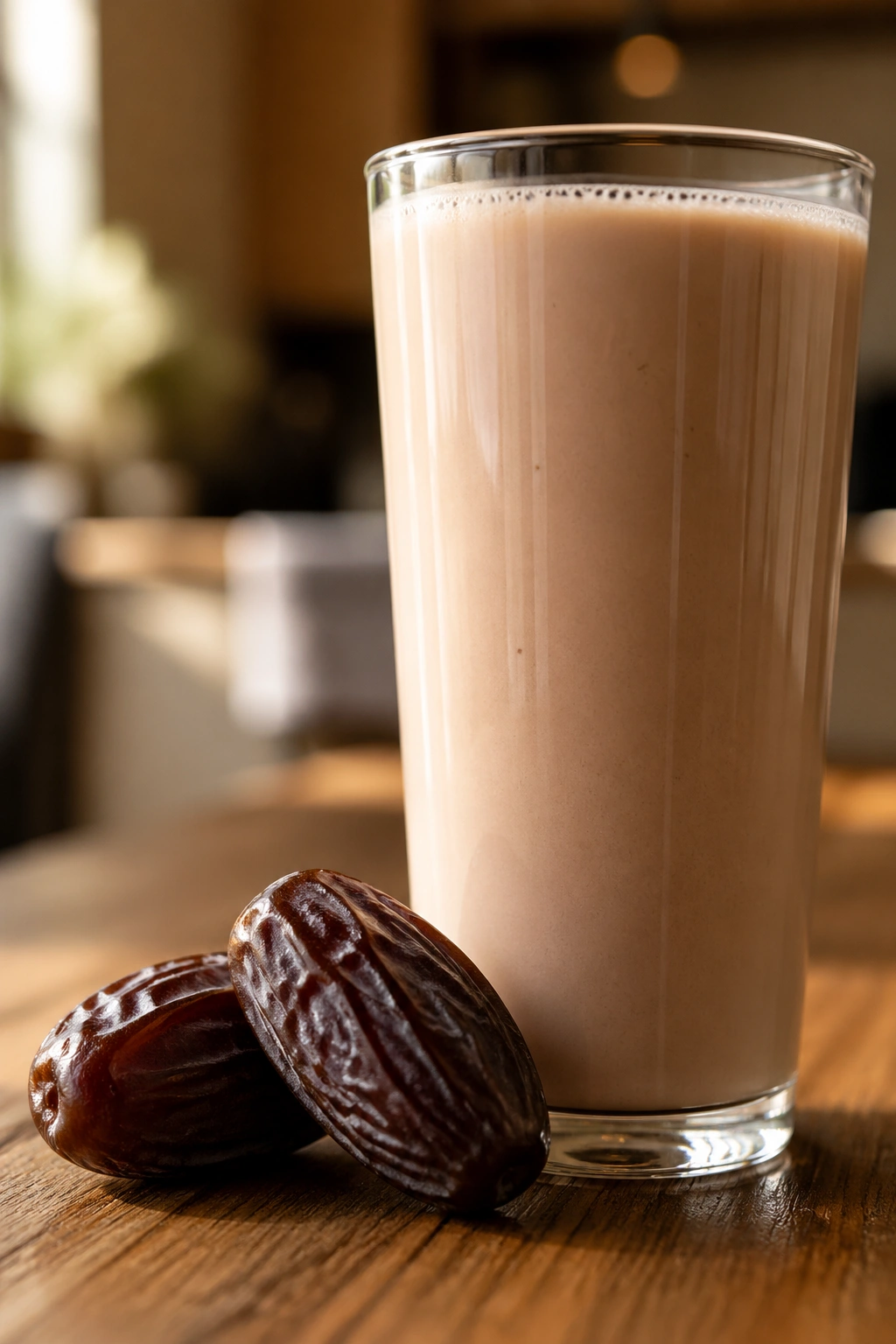
Two Medjool dates can change the feel of a workout fast.
Each one packs roughly 18 grams of carbs, so a pair gives you 36 grams in a tiny amount of food. That is the appeal. If you hate eating before training—or your stomach shuts down early in the morning—dates let you get useful carbs down without much volume. A whey shake in water adds 20 to 25 grams of protein and keeps the snack from feeling like straight sugar.
Few pre-lift snacks hit this hard gram for gram. You can chew it in under a minute, wash it down, and get moving. On paper that sounds trivial. In practice, it means you actually do it instead of promising yourself you’ll eat something “later.”
Dates do bring some fiber, which is the only reason I do not put them first for everyone. If you are lifting in 15 minutes and your stomach is touchy, use one date instead of two. If you have 30 to 60 minutes, the full pair usually works well.
I would use this on heavy bench, deadlift, or bodybuilding sessions where you want a noticeable bump in energy without a full meal. If you train with high volume and short rests, this one earns its keep.
6. Watermelon Cubes with Lime and a Pinch of Salt
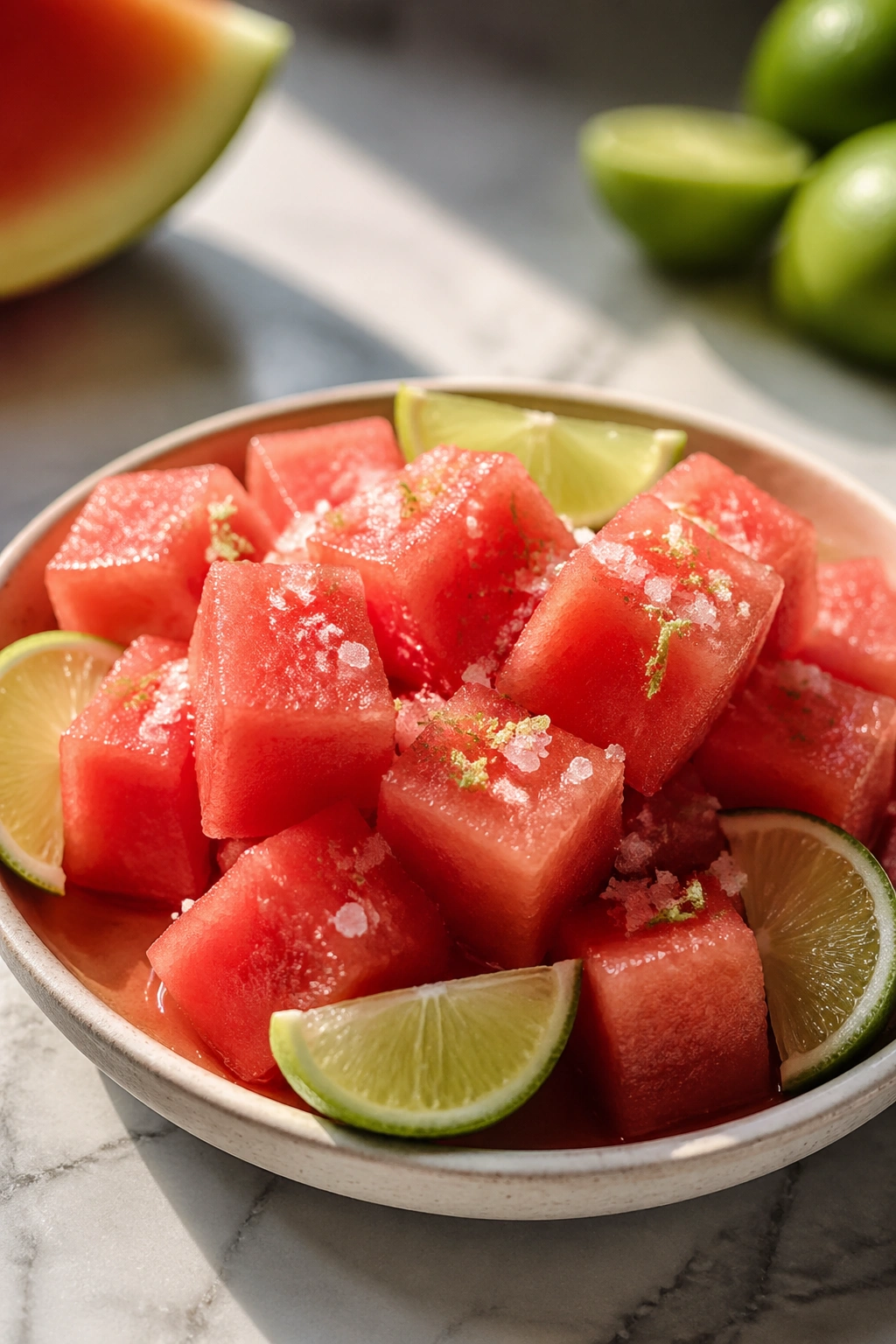
Heavy sessions in a warm gym hit differently.
Unlike bananas or dried fruit, watermelon gives you more water than carbohydrate per bite, which makes it a smart choice when appetite is low, your mouth feels dry, or you trained hard the day before and still feel a little behind on fluids. Two cups of diced watermelon give you around 22 grams of carbs along with a lot of water, and a pinch of salt helps hold onto that fluid a bit better.
Lime does not change the nutrition much. It changes the snack from bland to sharp and cold, which matters when food sounds boring.
This is not the snack for a long powerlifting meet warm-up or a giant leg day if it is your only fuel. The carb density is too low for that. Use it when you need something light, refreshing, and easy to get down 20 to 40 minutes before lifting.
If you want a little more bite without making it heavy, pair the melon with a few salted pretzels on the side. Keep it modest. Watermelon works because it feels easy.
7. Pineapple Chunks with Cottage Cheese
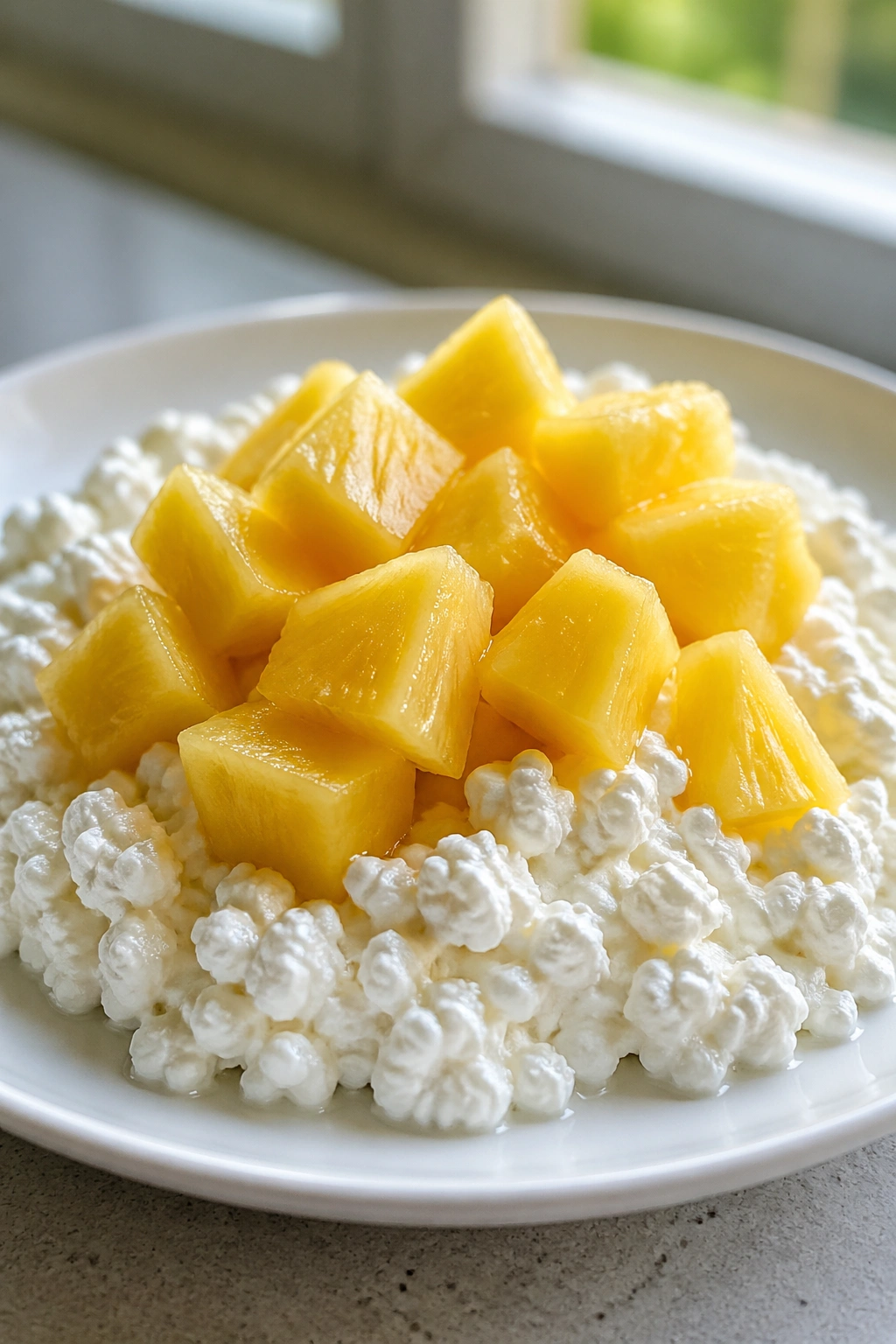
If you have 60 to 90 minutes before lifting, pineapple earns a spot in the rotation.
A cup of pineapple gives you about 22 grams of carbs. Half a cup of low-fat cottage cheese adds 12 to 14 grams of protein and a slower, steadier feel than fruit alone. The texture matters here: the juicy pineapple breaks up the curds and keeps the whole thing from feeling like diet food from the back of a refrigerator.
People love talking about pineapple’s bromelain as if it is some pre-workout trick. I would not buy it for that. Buy it because it tastes good, it hydrates decently, and it pairs well with protein.
Why this one works for lifters who need a little more staying power
Fruit alone is fine before a shorter session. For a 75-minute workout with rows, presses, curls, and enough accessories to question your life choices, adding protein can make the snack hold up better. Cottage cheese does that without turning the whole thing greasy.
A few ways to keep it training-friendly
- Use low-fat cottage cheese, not full-fat.
- Keep the serving to 1 cup pineapple + 1/2 cup cottage cheese.
- Add 1 teaspoon honey if the workout will run long.
- Eat it with at least 45 minutes before your first work set.
The sweet-salty combo is better than it has any right to be.
8. Ripe Mango with Pretzel Twists
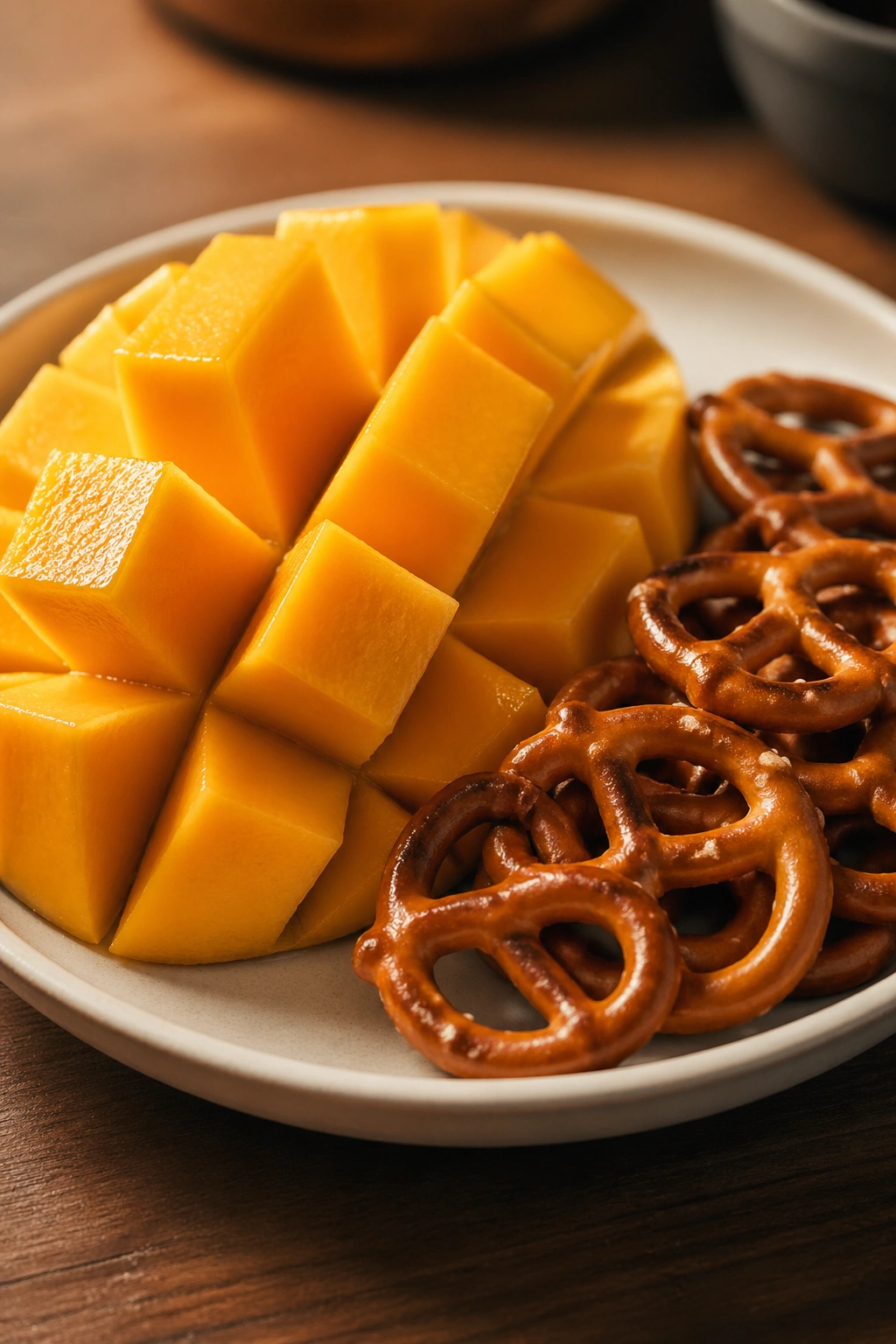
Unlike apples or pears, ripe mango gives you sweetness without much crunch, skin, or rough fiber getting in the way.
A cup of mango lands around 25 grams of carbs. Add 1 ounce of pretzel twists, and you tack on another 22 grams or so plus a useful hit of sodium. That makes this one a strong choice before a longer hypertrophy session, especially if you’re the kind of lifter who likes a pump and notices when carbs are too low.
Mango also solves a boring problem: palate fatigue. Chicken, oats, yogurt, rice cakes—gym food gets repetitive. Cold mango cuts through that in a way few pre-workout snacks do, and when a snack tastes good, you stop skipping it.
There is one annoying part. Fresh mango can be messy to cut. If that is enough to make you avoid it, buy pre-cut mango or use thawed frozen chunks. No gold star for struggling with a knife before the gym.
This works best 45 to 75 minutes before lifting. Any closer than that, and I’d shrink the pretzel portion or use the mango on its own.
9. Berry-Kefir Smoothie
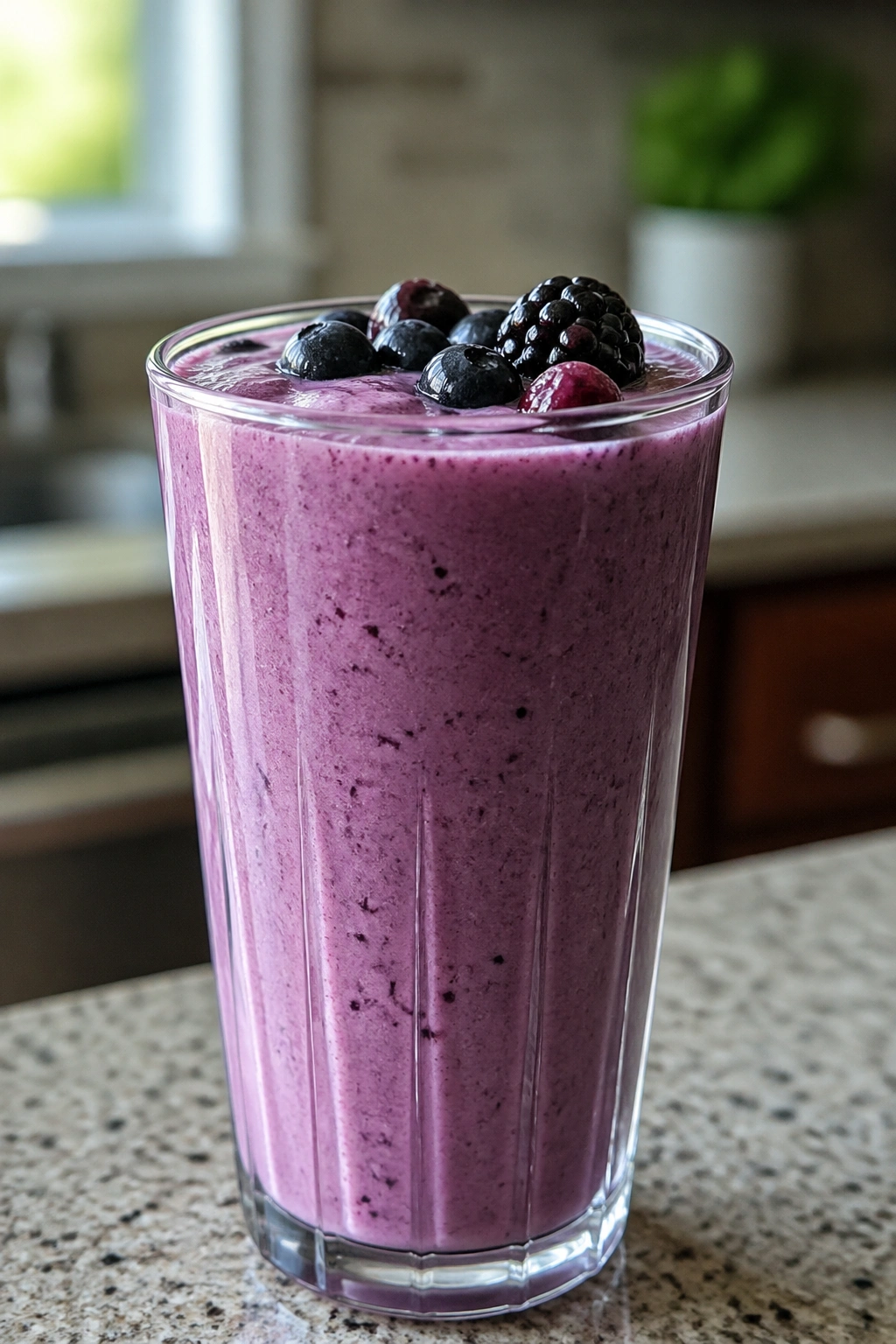
Some mornings, chewing feels like work.
That is where a small berry-kefir smoothie earns its spot. One cup of low-fat kefir gives you around 10 to 12 grams of protein and some carbohydrate, while 1/2 cup berries plus 1/2 banana add another 18 to 22 grams of carbs. Blend that with a little water and a pinch of salt, and you have a snack you can drink on the way to the gym.
The berry part matters less for “superfood” reasons and more for taste. Berries cut the tang of kefir, and that makes the drink easier to finish fast. A snack you actually finish beats a more “ideal” snack left half full in the cup holder.
Keep it light, not milkshake-thick
Use 1 cup kefir, 1/2 cup berries, 1/2 banana, and enough water to thin it out. If you need more carbohydrate, add 1 teaspoon to 1 tablespoon honey. Skip peanut butter, flax, oats, and giant scoops of nutty add-ins before lifting. Those are the things that turn a useful pre-workout drink into a slow, bloated mess.
This one shines for early training, upper-body days, or any session where your appetite is lagging behind your schedule.
10. Dried Apricots and a Mini Plain Bagel
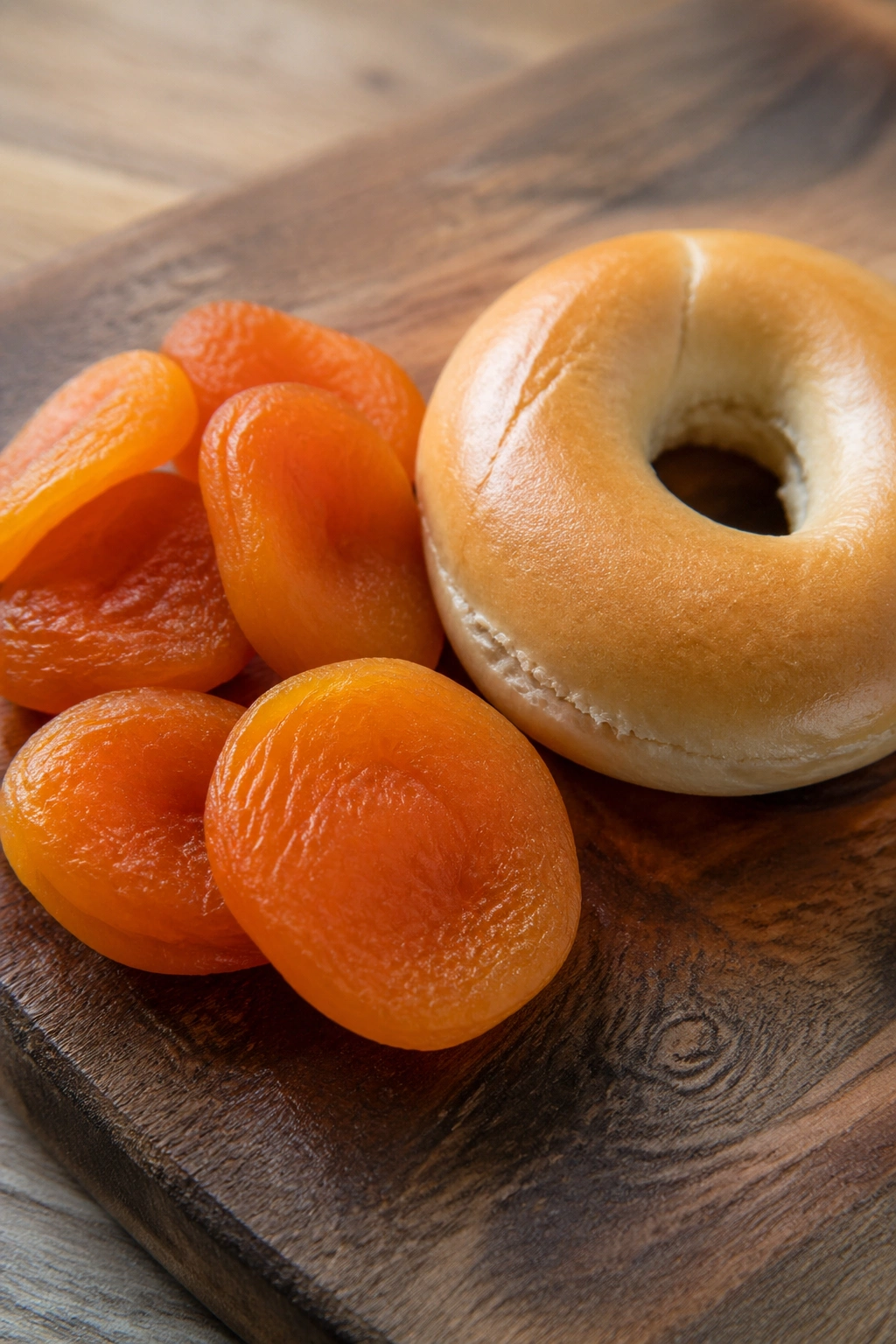
A bagel and dried fruit sounds old-school because it is.
It is also effective. Five dried apricot halves give you about 17 grams of carbs plus a useful amount of potassium. A mini plain bagel adds roughly 25 to 30 grams of carbs, depending on size. Together, you get enough fuel for a serious session without needing refrigeration.
This is one of those snacks that does not look flashy on paper but works in the wild. It travels well. It survives a gym bag. It does not depend on a blender, a microwave, or a cooler that you forgot in the garage.
Who gets the most from it
- Lifters training 60 to 90 minutes after the snack
- People who do not want dairy before training
- Anyone who needs 40 grams or more of carbs in a compact snack
- Early lifters who want dry, easy food with coffee
Drink water with this one. Dried fruit pulls moisture from the experience in a hurry, and a dry bagel without enough fluid can feel heavier than the carb count suggests.
11. Papaya Cubes and Turkey Roll-Ups
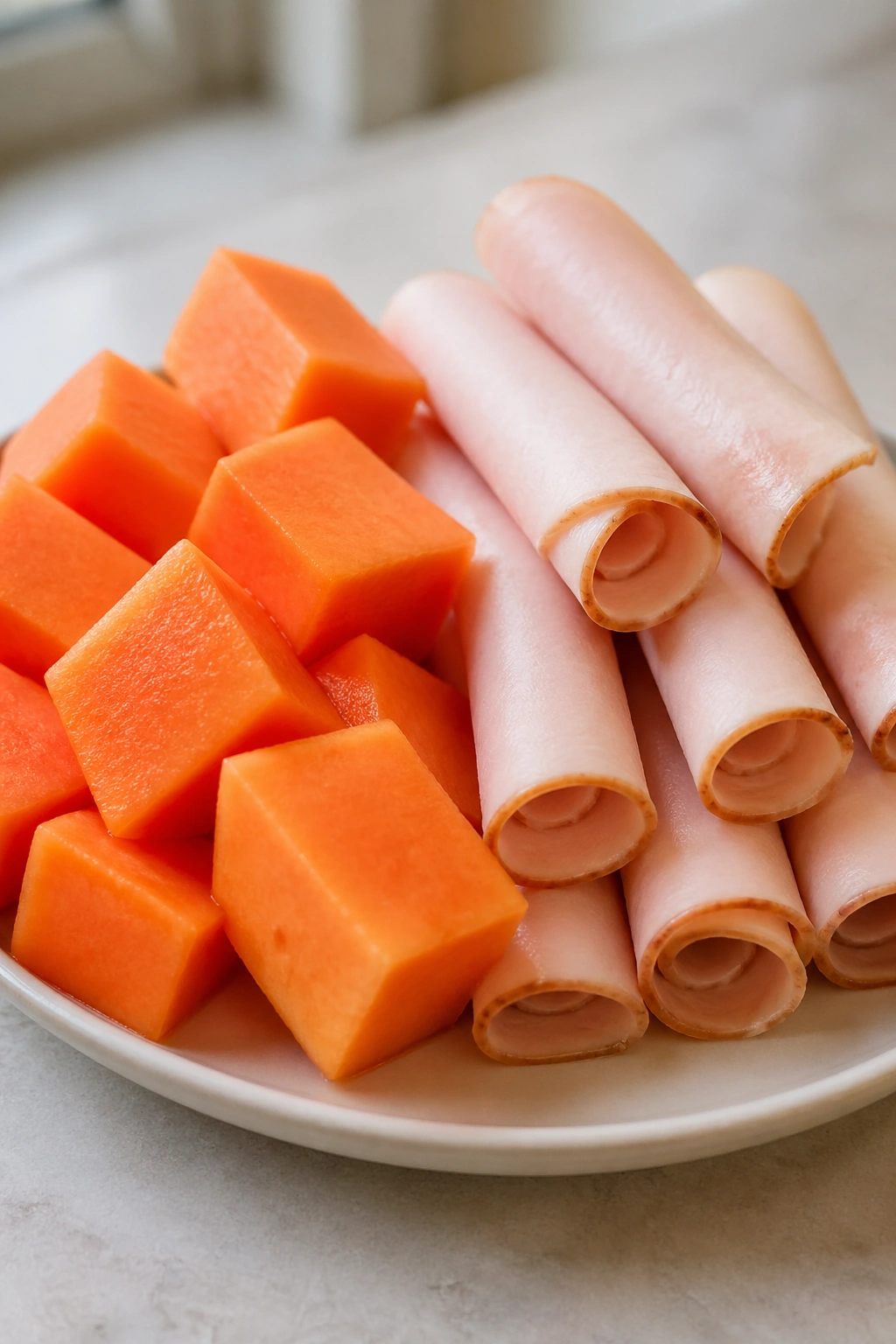
Papaya does not show up in gym talk enough.
That’s a miss, because papaya is soft, easy to chew, and usually gentler than acidic fruit like pineapple or orange. One cup gives you around 16 grams of carbs, which is modest, so the trick is pairing it well. A few lean turkey roll-ups add 15 to 20 grams of protein without much fat, and the sweet-savory combo sits lighter than many bigger pre-workout meals.
If citrus gives you reflux before training, papaya is worth a look. If dairy feels risky before squats, same answer. It is a quieter snack—less dramatic flavor, less bulk, less chance of regretting it.
I’d use 1 to 1 1/2 cups papaya with 2 to 3 ounces of turkey about 45 to 75 minutes before lifting. If you need more carbs, add a rice cake or two on the side. Papaya alone is often a little low for hard training unless the rest of your day’s meals are already on point.
This one is not common in every grocery store. When you see ripe pre-cut papaya, buy it and use it. It does the job.
12. Pear Slices with Skyr and Cinnamon
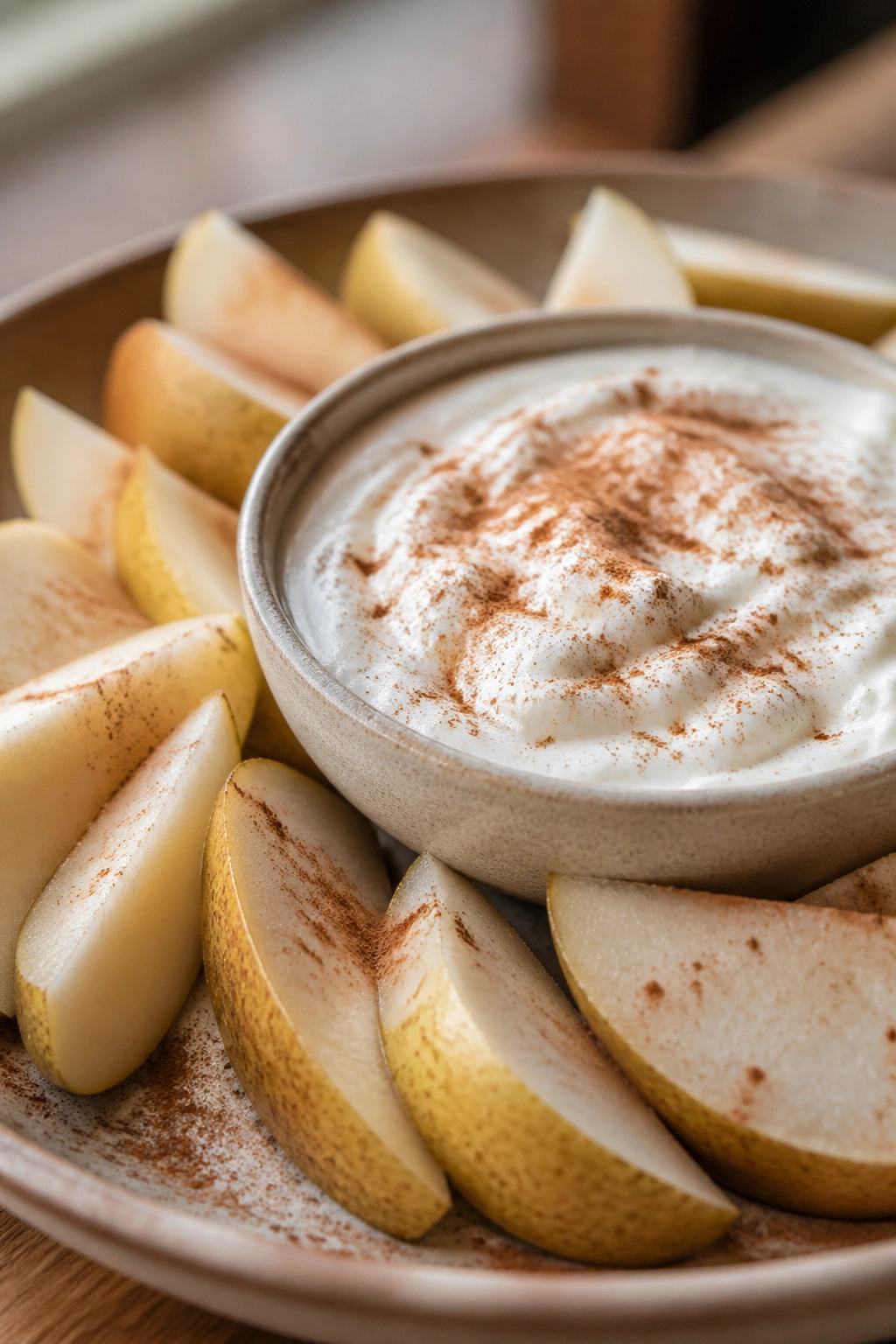
This one is for lifters who train later—not 20 minutes after they close the fridge.
A medium pear gives you about 27 grams of carbs, but it also brings 5 to 6 grams of fiber, which is why timing matters. Pair it with a single-serve skyr cup and you add 15 to 17 grams of protein. The result is a more filling snack that works well when you need enough fuel to carry you through a long gap between meals.
Pears have a slower feel than bananas or melon. That can be useful. If you train after work and lunch is a fading memory, a pear plus skyr can bridge the gap without pushing you into full-meal territory.
The cinnamon is optional from a nutrition standpoint. From a “will I enjoy eating this twice a week” standpoint, it helps.
One warning: pears can be rough on sensitive stomachs. If you already know that high-fiber fruit makes you gassy or crampy before training, do not force this one because it sounds healthy. Use banana, grapes, or applesauce instead. Gym performance is not the place to prove a point to your digestive system.
Best window: 75 to 90 minutes before lifting, sometimes a little more if you eat fast and train hard.
13. Raisins and Crispy Rice Cereal in a Zip Bag
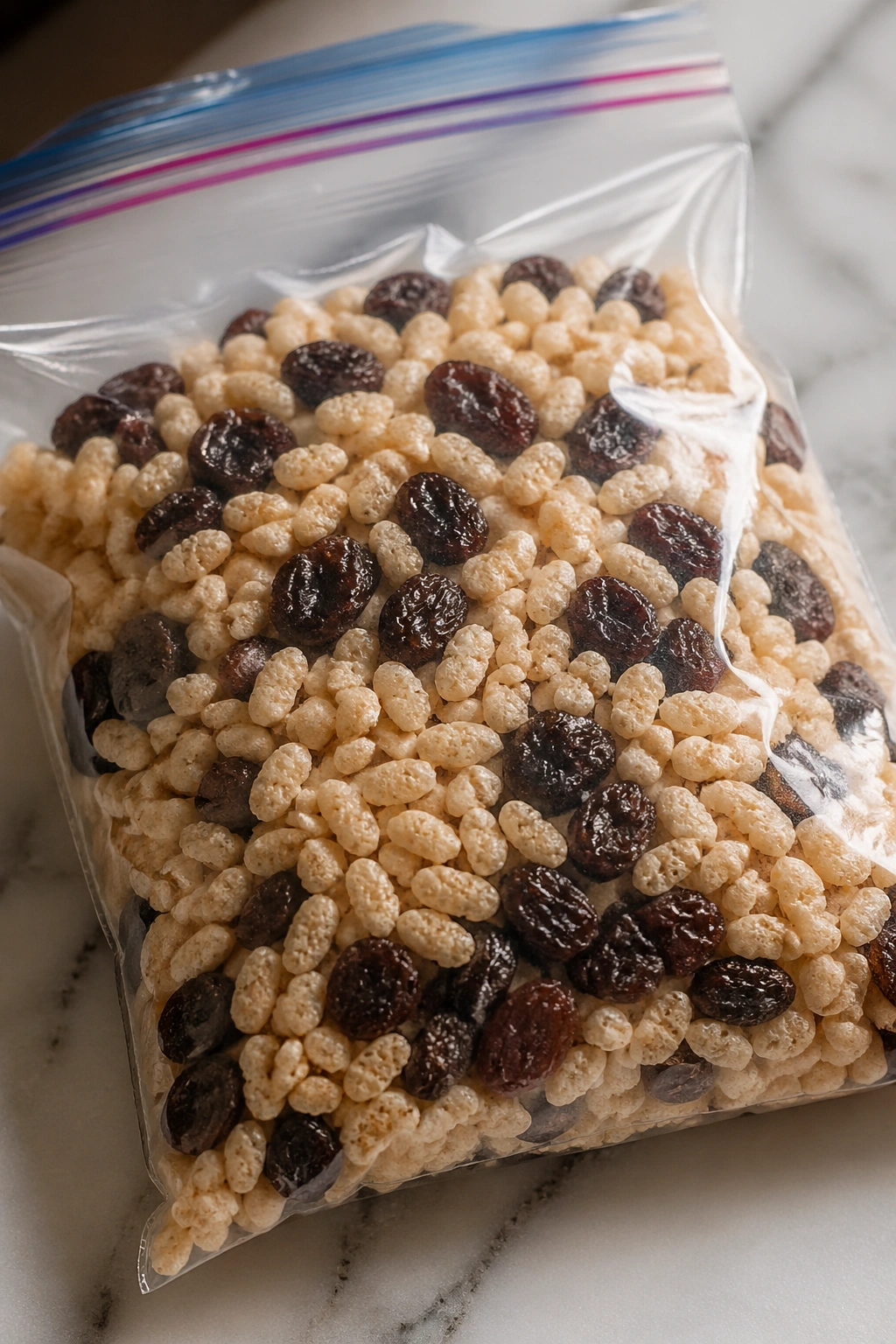
You do not need refrigeration for a smart pre-lift snack.
A zip bag filled with 1/4 cup raisins and 1 to 1 1/2 cups crispy rice or corn cereal can give you anywhere from 35 to 55 grams of carbs, depending on how big you make it. That is a serious amount of fuel in a snack that costs little, weighs almost nothing, and lives in your gym bag without complaint.
This is the stash snack. The backup. The one that saves the workout you nearly ruined by running out the door.
Why it works
- Raisins bring dense carbohydrate in a tiny serving.
- Low-fat cereal adds quick starch without much fiber.
- The combo is dry, portable, and easy to portion.
- You can eat half now and half during the drive if needed.
Skip granola here. Too much fat. Skip fancy high-fiber cereal too. The whole point is quick carbohydrate with low digestive drama.
I like this for lifters who miss meals, train straight from work, or keep getting trapped by bad scheduling. Leave one bag in your locker or car and stop pretending you will always be perfectly organized.
14. Cantaloupe with Thin-Sliced Ham
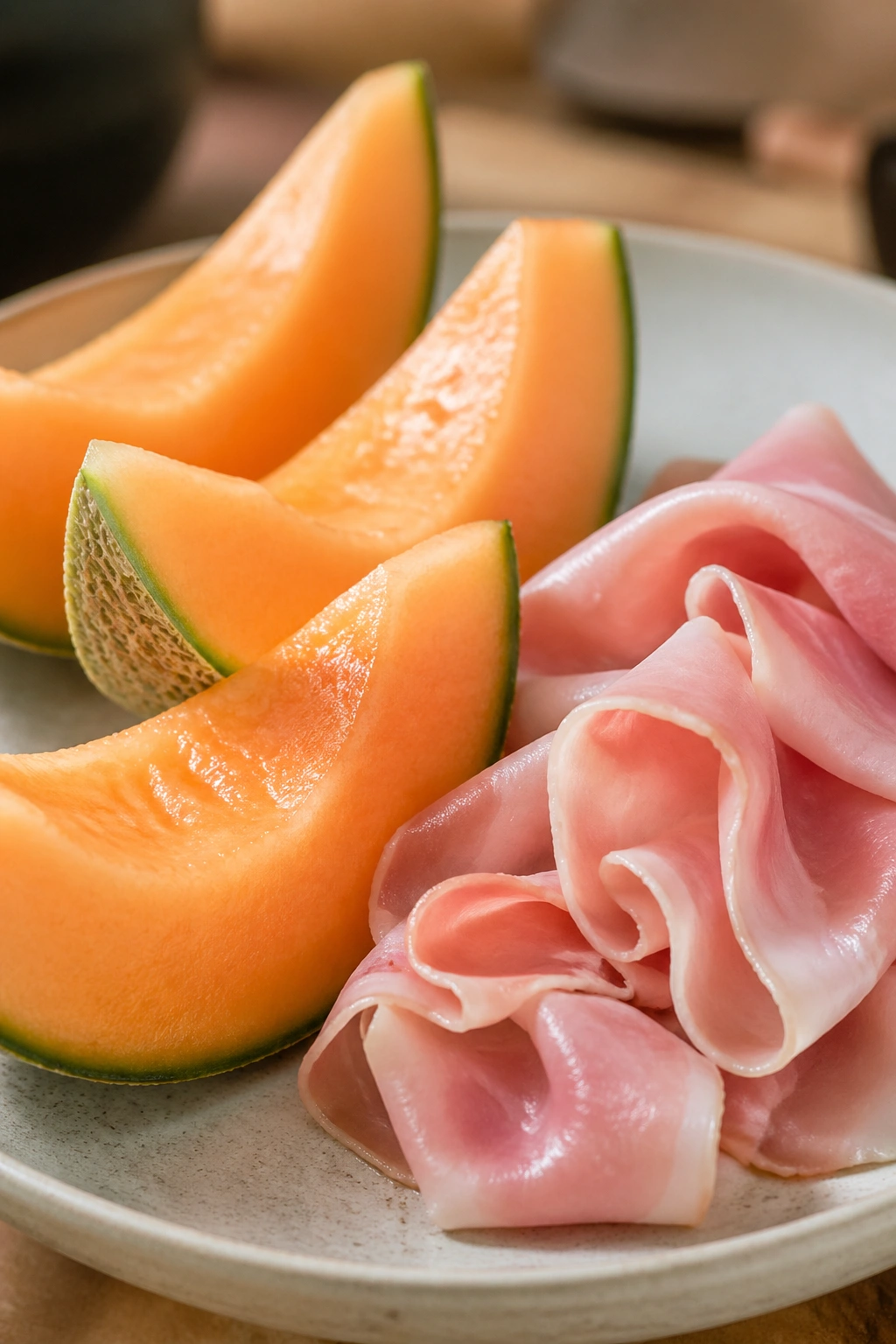
Salty ham and cold melon sounds like something from a brunch plate, and that is part of the appeal.
Cantaloupe gives you about 13 grams of carbs per cup, plus a lot of water and some potassium. Two thin slices of lean ham add 10 to 12 grams of protein and a good dose of sodium. That sodium is useful if you arrive at the gym underhydrated, which happens more than most lifters admit.
When this one shines
Use it 45 to 60 minutes before training on hot days, after a long workday, or when your appetite is shaky. The fruit is soft, the ham is salty, and the whole thing tastes more refreshing than another yogurt cup.
What to watch for
Do not turn this into a giant charcuterie board. Keep it small—1 1/2 to 2 cups cantaloupe and 2 ounces of ham is enough. Ham also is not the protein source I’d build every day around. For a once-in-a-while pre-workout snack, though, it does something useful that bland “fitness foods” often do not: it makes you want to eat.
That matters more than nutrition culture likes to admit.
15. Cherry-Banana Cream of Rice Cup
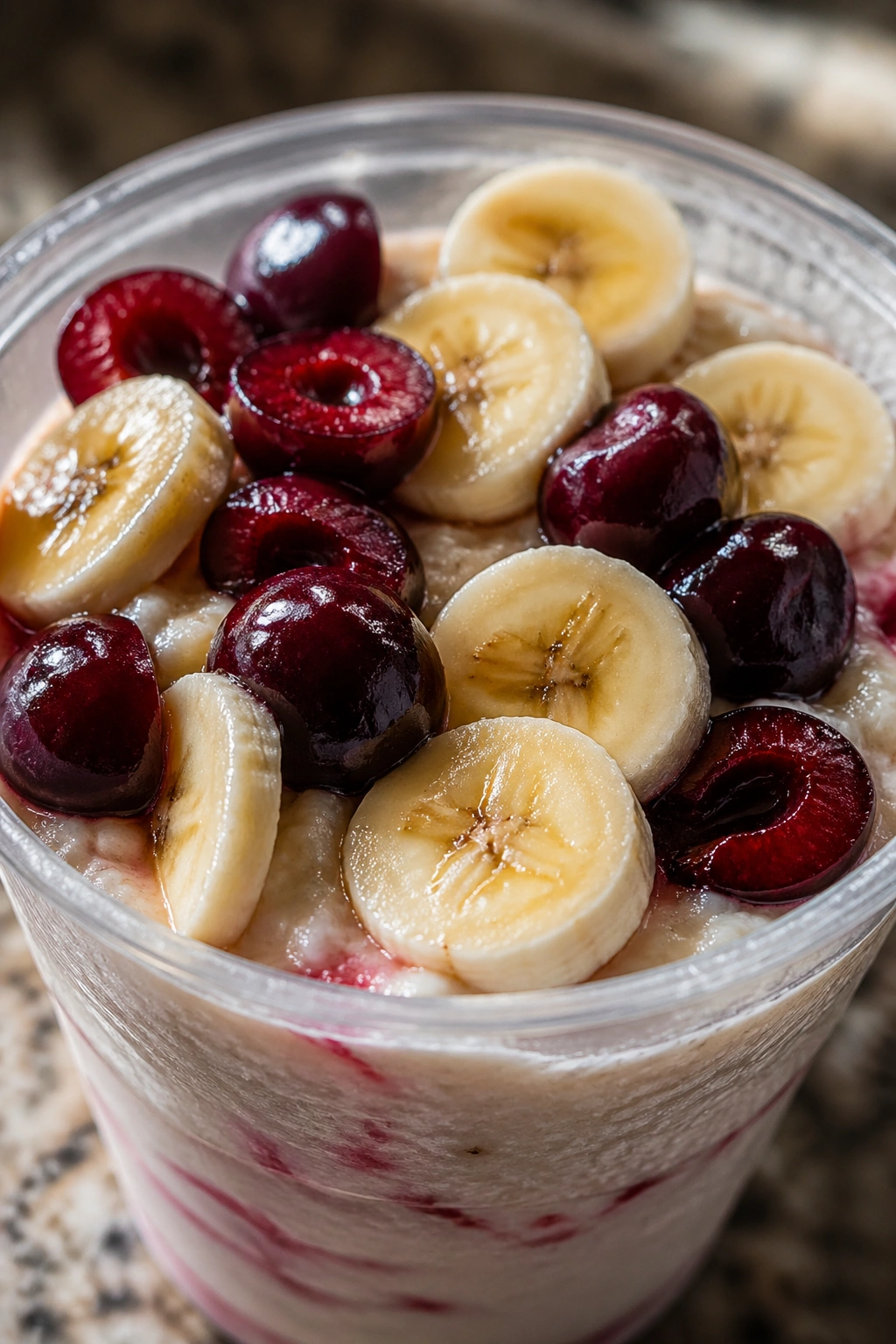
When you want a pre-lift snack that feels like a meal without eating a full meal, cream of rice is hard to beat.
Add fruit to it, and it gets even better. 1/3 cup dry cream of rice cooked with water gives you around 25 grams of carbs. Mix in 1/2 banana and 1/2 cup cherries, and you climb into the 40-gram range with a texture that is warm, soft, and easy to eat. If your last meal was a while ago, a half scoop of whey stirred in after cooking gives you another 10 to 12 grams of protein.
This is one of my favorite pre-leg-day snacks because it feels steady. Not heavy. Not flimsy. Steady. That is a useful distinction when you know the session will be long.
Tart cherry gets hyped for recovery more than I think it deserves in everyday gym talk, but cherries do bring sharp flavor that cuts through the blandness of plain cream of rice. Banana adds sweetness and extra carbs without extra work.
A quick way to make it
- Cook 1/3 cup dry cream of rice with water according to the package until soft and smooth.
- Stir in 1/2 sliced banana, 1/2 cup pitted cherries or a small splash of tart cherry juice, and a pinch of salt.
- Let it cool for 3 to 5 minutes before eating. If using whey, mix it in after cooking so it stays smooth.
Eat it 60 to 90 minutes before training. If you are closer than that, shrink the portion. Warm food can feel comforting before a lift, but too much volume too close to your first heavy set is still too much volume.
Final Thoughts
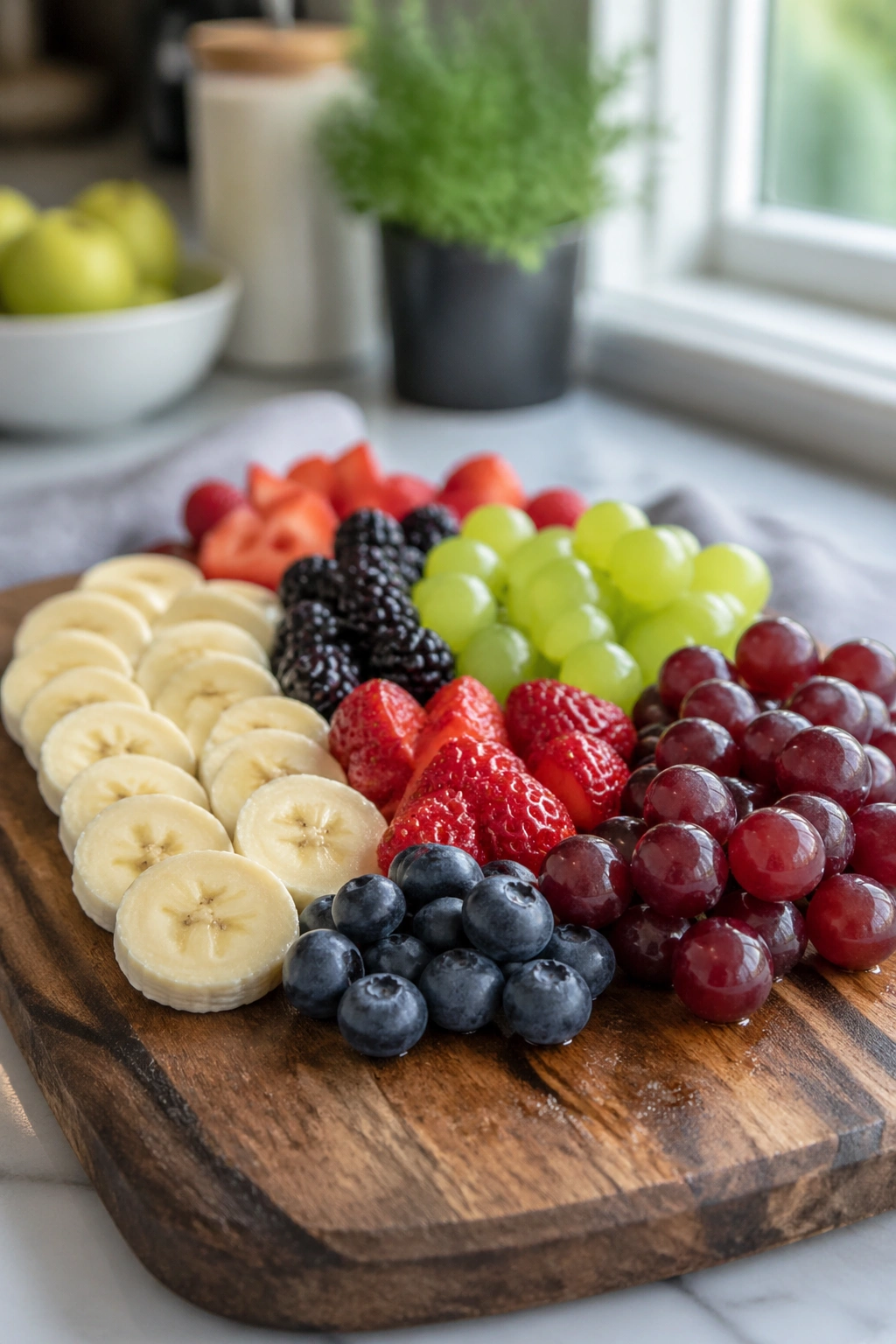
The best fruit snack before lifting is not the one with the cleanest marketing story. It is the one that matches your training time, your stomach, and the amount of work you are about to do.
If the clock is tight, go with softer, lower-fiber options—banana, grapes, melon, applesauce. If you have more time, pair fruit with protein and a little extra starch so the snack holds up through the whole session. That is the pattern underneath all 15 ideas.
Keep three options on hand: one at home, one in your gym bag, and one shelf-stable backup. Do that, and you stop losing good training days to bad timing.
