



Most bad pre-workout meals fail in one of two ways: they sit in your stomach like a brick, or they hit fast and disappear before the hard part of training starts. The right paleo pre workout foods do neither. They give you usable carbohydrate, a bit of mineral support, and enough staying power to get you through the session without turning your warm-up into a digestion problem.
That matters more on paleo than people expect. Once you cut out toast, oats, cereal bars, sports chews, flavored yogurt, and the standard gym snacks, your easy carbohydrate options get narrower. A lot of active people respond by leaning on coffee and willpower, which works right up until it does not—usually in the middle of a long lift, a hard run, or the last round of intervals when your legs start to feel strangely empty.
I’ve seen this pattern over and over: someone eats clean, keeps protein high, loads their plate with greens, and still wonders why training feels flat. Then they add one roasted sweet potato, two dates, or a banana at the right time and the difference is immediate. Not magic. Fuel.
Paleo pre workout foods are at their best when they match the clock and the workout. A heavy lower-body session two hours after lunch needs one kind of meal. A fasted sunrise run, where you barely want to chew, needs another. Get that part right and the rest starts to feel easier.
What Paleo Pre Workout Foods Need to Do
A pre-workout food has one main job: give your body energy you can actually use during training. For most people, that means carbohydrate first. Your muscles store carbohydrate as glycogen, and hard training burns through it faster than low-key daily activity. Fruit, tubers, squash, and a small amount of dried fruit can fill that role inside a paleo template without pushing you toward processed snack food.
Protein still matters, though not in huge amounts right before exercise. A small serving—say 10 to 25 grams—can help take the edge off hunger and may support muscle protein turnover around training. Eggs, chicken, jerky, and salmon fit well here. What usually does not help right before a session is a giant fatty meal with bacon, avocado, nuts, and coconut cream piled together. That kind of plate can be fine at dinner. Before deadlifts, it is asking for trouble.
Fiber is the other piece people miss. Paleo eating can get fiber-heavy fast, especially if your default snack is raw vegetables or big fruit portions with nut butter. Fiber is useful at breakfast or lunch. Twenty minutes before hill sprints? Different story. Closer to training, lower-fiber options tend to win.
Salt deserves a quick mention too. If you train in the heat, sweat hard, or tend to get light-headed during longer sessions, sodium can matter almost as much as the food itself. A pinch of sea salt on fruit, salted sweet potato, or a cup of broth before training can make a bigger difference than one more spoonful of almond butter.
And here’s the part supplement marketing skips: you do not need a fluorescent powder for “real energy.” You need enough carbohydrate, enough fluid, and a food choice that your stomach can clear without a fight.
Timing Paleo Pre Workout Foods Around Your Session
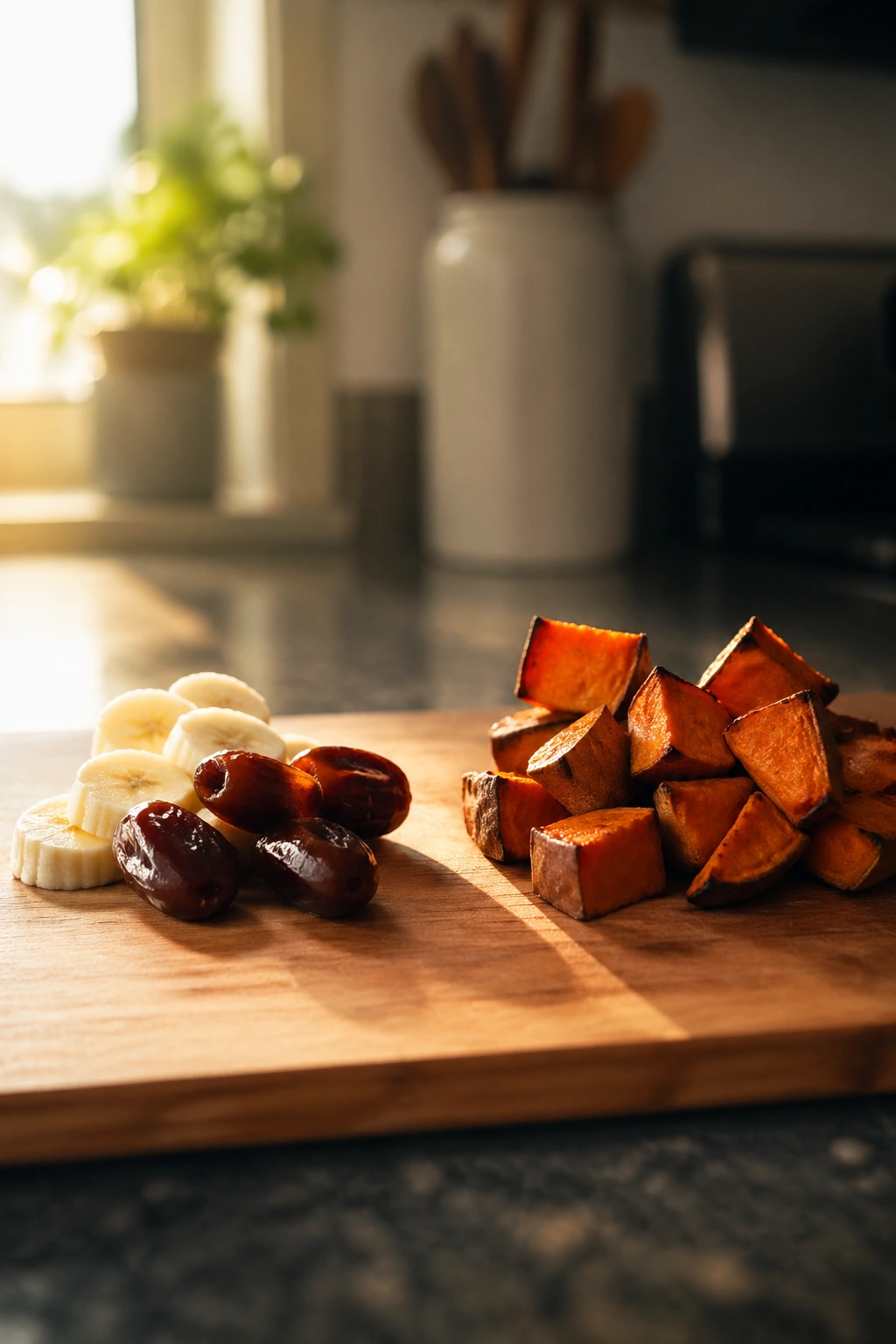
What you eat 30 minutes before training should not look like what you eat 2 hours before training.
The old sports-nutrition benchmark still holds up well: carbohydrate before exercise works best when the amount matches the time available for digestion. Closer sessions call for smaller, easier portions. Longer lead time lets you handle a more mixed meal with protein and a little fat. Paleo eaters can apply that rule with whole foods just fine.
Here’s the timing pattern I keep coming back to:
- 15 to 30 minutes before: aim for 15 to 25 grams of quick carbs and keep fat low. Think banana, dates, applesauce, ripe mango.
- 45 to 90 minutes before: aim for 20 to 40 grams of carbs, with a small amount of protein if you want staying power. Fruit with eggs or jerky fits here.
- 2 to 3 hours before: you can handle 40 to 75 grams of carbs, 20 to 30 grams of protein, and a modest amount of fat. This is where sweet potatoes, squash, chicken, salmon, or a fuller meal work well.
Workout type matters too. A twenty-minute easy spin does not need the same fuel as a ninety-minute trail run. Neither does upper-body strength work compared with repeated sprint intervals. The harder and longer the session, the more useful pre-workout carbs become.
One more thing. If a food is “healthy” but keeps coming back on you during burpees, it is the wrong pre-workout food for that session. Save it for later.
1. Bananas
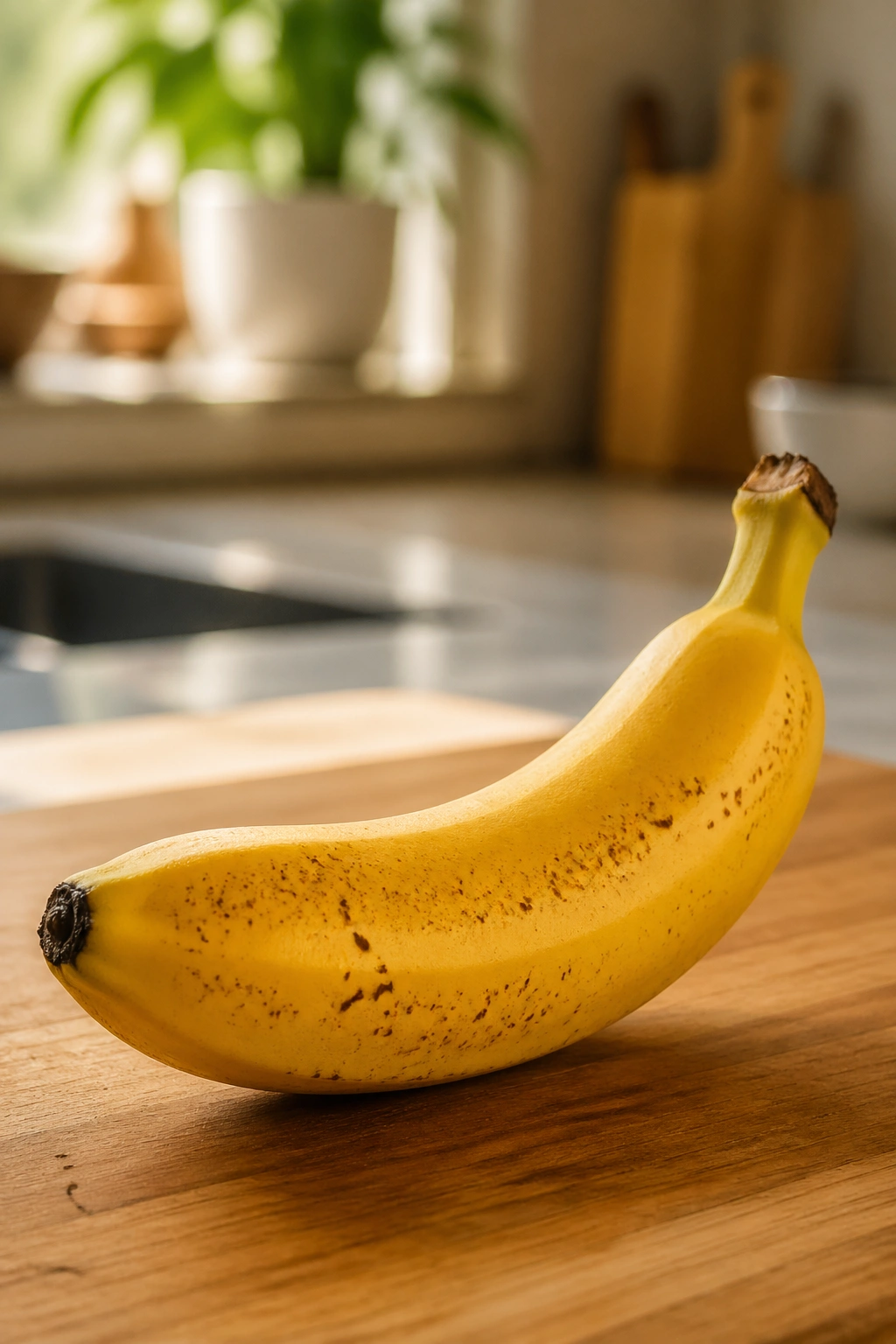
Picture the classic rushed gym arrival: shoes half-tied, water bottle in one hand, no time for a pan or plate. A banana is still one of the smartest paleo pre workout foods for that moment. It is portable, soft, easy to digest, and gives you fast carbohydrate without much prep.
One medium banana brings about 27 grams of carbs, with a small amount of fiber and a useful hit of potassium. That matters because potassium helps with muscle contraction and fluid balance, and bananas are easier on the stomach than a lot of high-fiber fruit. If you are training within half an hour, a banana is often enough by itself.
Ripeness changes how it behaves. A greener banana has more resistant starch and tends to digest more slowly. A yellow banana with a few brown speckles is the sweet spot for pre-workout use—softer texture, quicker energy, less chew.
Best way to use it
If your session starts in 15 to 45 minutes, eat one banana with water and go. If you have 60 to 90 minutes, you can pair it with 1 tablespoon almond butter or 2 hard-boiled egg whites if you want a little protein without turning it into a heavy snack.
- Fast lift or short run: 1 banana, 20 to 30 minutes before
- Longer weights session: 1 banana plus a little protein, 60 minutes before
- Hot-weather training: add a pinch of salt to your water
Bananas are not glamorous. They work.
2. Medjool Dates
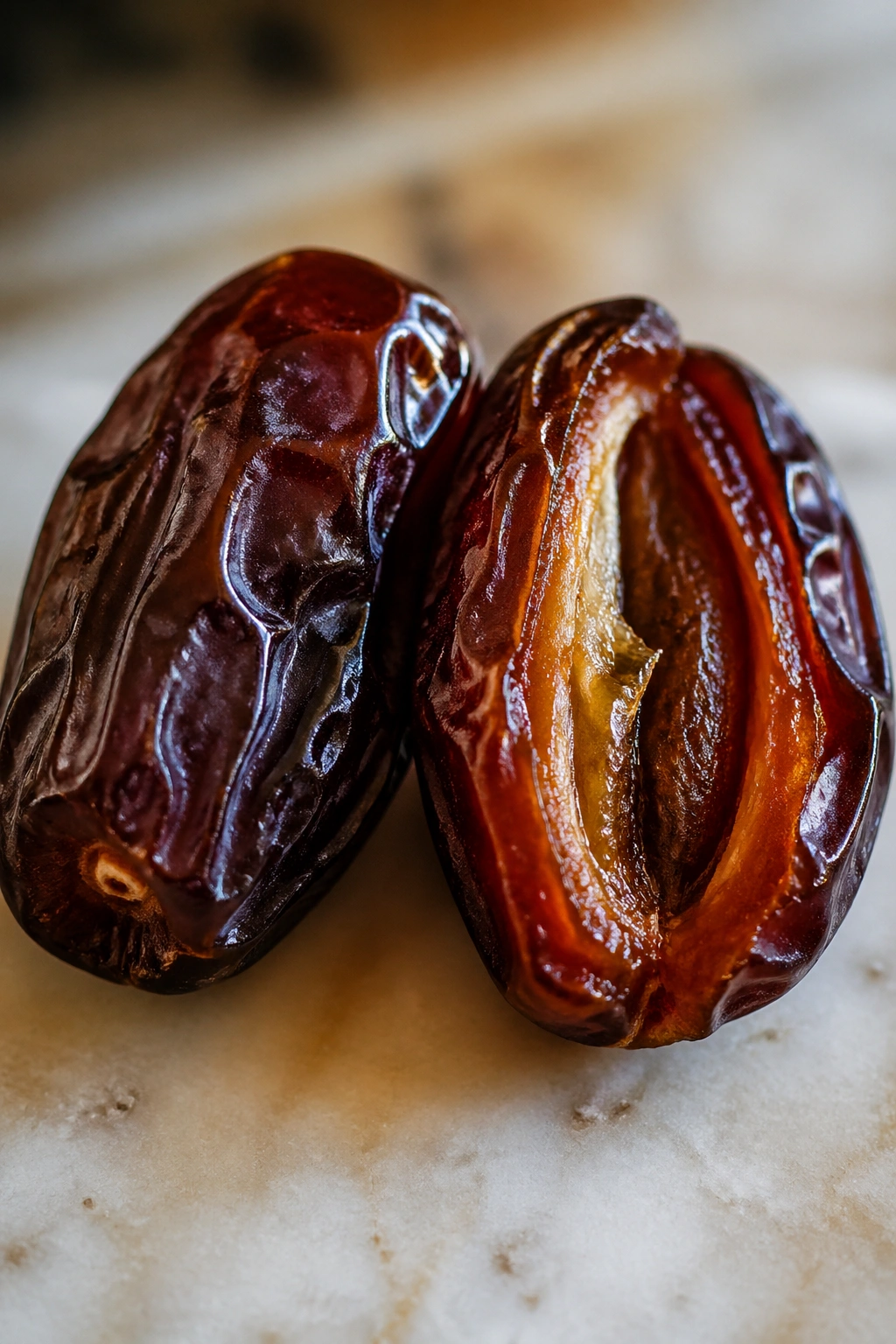
Two Medjool dates can do more for a rushed workout than half the pre-workout products on a supplement shelf. That sounds blunt because it is blunt. Dates are concentrated carbohydrate in a tiny package, which makes them useful when you need energy but do not want food bouncing around in your stomach.
One Medjool date has about 18 grams of carbs, so two of them land near 36 grams. That is enough to top off a short session or rescue a hard workout that is starting too soon for a full meal. They are especially handy before conditioning circuits, track work, and fast strength sessions where you need fuel quickly and can’t spare an hour for digestion.
There is a catch. Dates are sticky, sweet, and easy to overdo. Four or five dates eaten in a rush can feel fine for one person and awful for another, especially if the workout includes jumping or running. Start with 2 dates, drink a little water, and pay attention to how your gut responds.
I like them even more paired with a tiny bit of fat when there’s extra time—one date split open with 1 teaspoon almond butter is enough. More than that, and the point starts to get lost. Dates are there for speed, not for building a picnic.
3. Roasted Sweet Potatoes
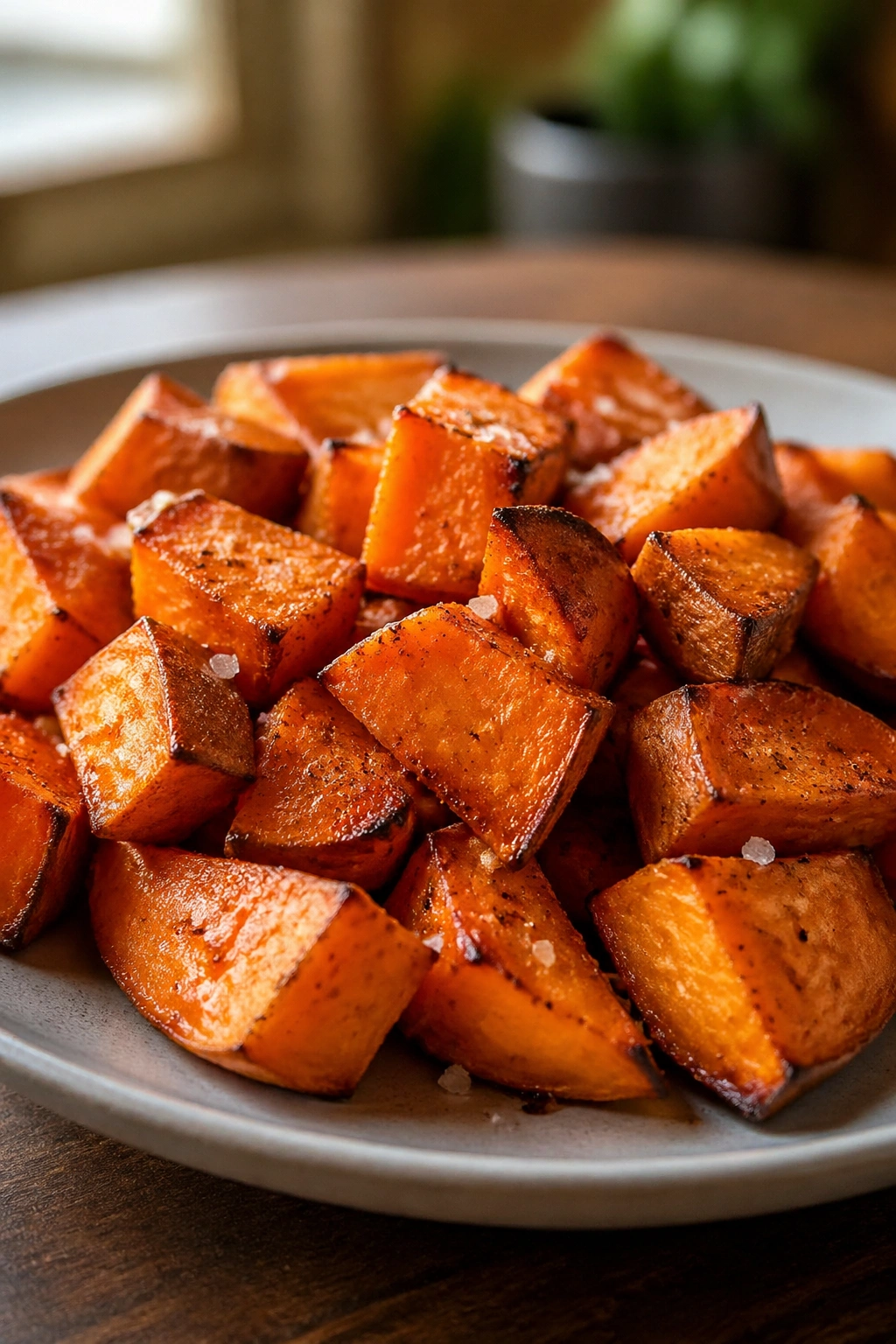
Need fuel that lasts through a full lifting session instead of peaking and fading? Roasted sweet potatoes are one of the strongest choices on the list. They sit in the sweet spot between whole-food nutrition and usable training carbohydrate, which is why they keep showing up in serious athletes’ meal prep containers.
A medium sweet potato or 200 grams of roasted cubes gives you roughly 35 to 40 grams of carbs, along with potassium and a texture that is easy to batch-cook. Sweet potatoes shine when you have 90 minutes to 3 hours before training. That window gives the starch time to digest, which means steadier energy and less chance of stomach trouble once the work gets hard.
Salt changes the game here. A plain sweet potato is fine. A roasted sweet potato with sea salt and a little olive oil is better before training, especially if you sweat heavily. You are not trying to make it gourmet. You are trying to make it useful.
How to eat them before a workout
- Two hours before lifting: 1 medium sweet potato with 4 ounces chicken
- Ninety minutes before training: 200 grams roasted sweet potato cubes, lightly salted
- Long session ahead: pair sweet potato with lean protein and keep added fat modest
Cold leftovers work too, though I prefer them warm because they go down easier. One thing I would skip: loading them up with nut butter or a pile of shredded coconut right before training. That turns a clean carb source into a slower, heavier meal.
4. Baked Plantains
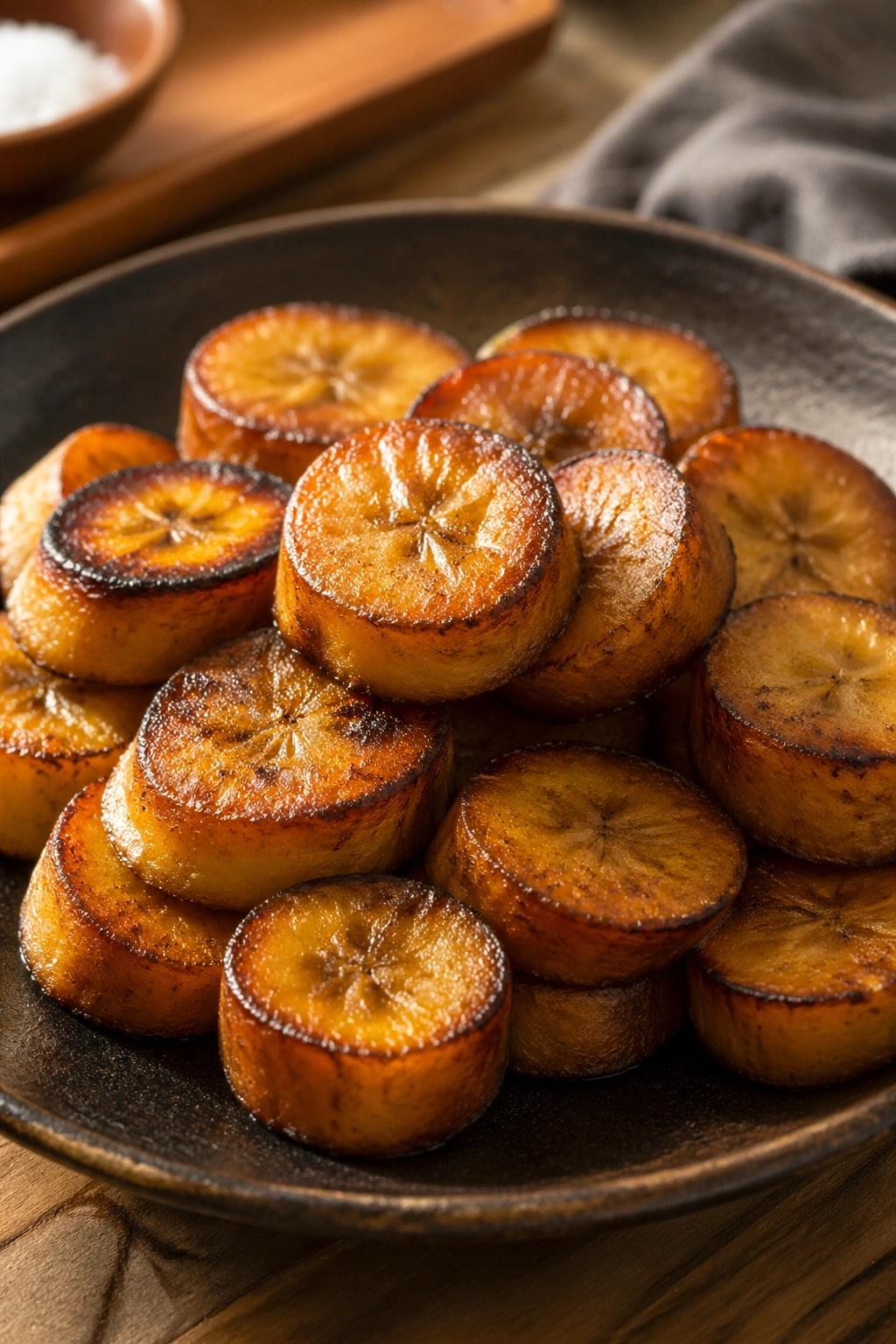
Plantains are what I reach for when bananas feel too light but I still want a fruit-based carb source. They have more starch, more chew, and a broader range depending on ripeness. Green plantains act almost like a starchy side dish. Ripe plantains lean sweeter and faster.
That gives you options. A ripe plantain baked in slices works well before a hard gym session or a long ride when you have 60 to 120 minutes to digest. One medium plantain can bring 50 grams or more of carbohydrate, which is enough to matter. It is not a nibble. It is fuel.
The trick is cooking them right. Thick plantain chunks can feel dense and heavy. Thin slices—about ¼ inch thick—bake more evenly and are easier to portion. Add salt. Skip the heavy oil.
A few details that matter
- Yellow with black spots: sweeter, quicker energy
- More green than yellow: more starch, better with a longer digestion window
- Portion to start with: half a medium plantain before moderate training
- Best timing: 1 to 2 hours before the session
Plantains are messy in the kitchen and worth it anyway. If you train hard and miss the staying power of rice or oats, they scratch part of that itch without leaving the paleo lane.
5. Apples With Almond Butter
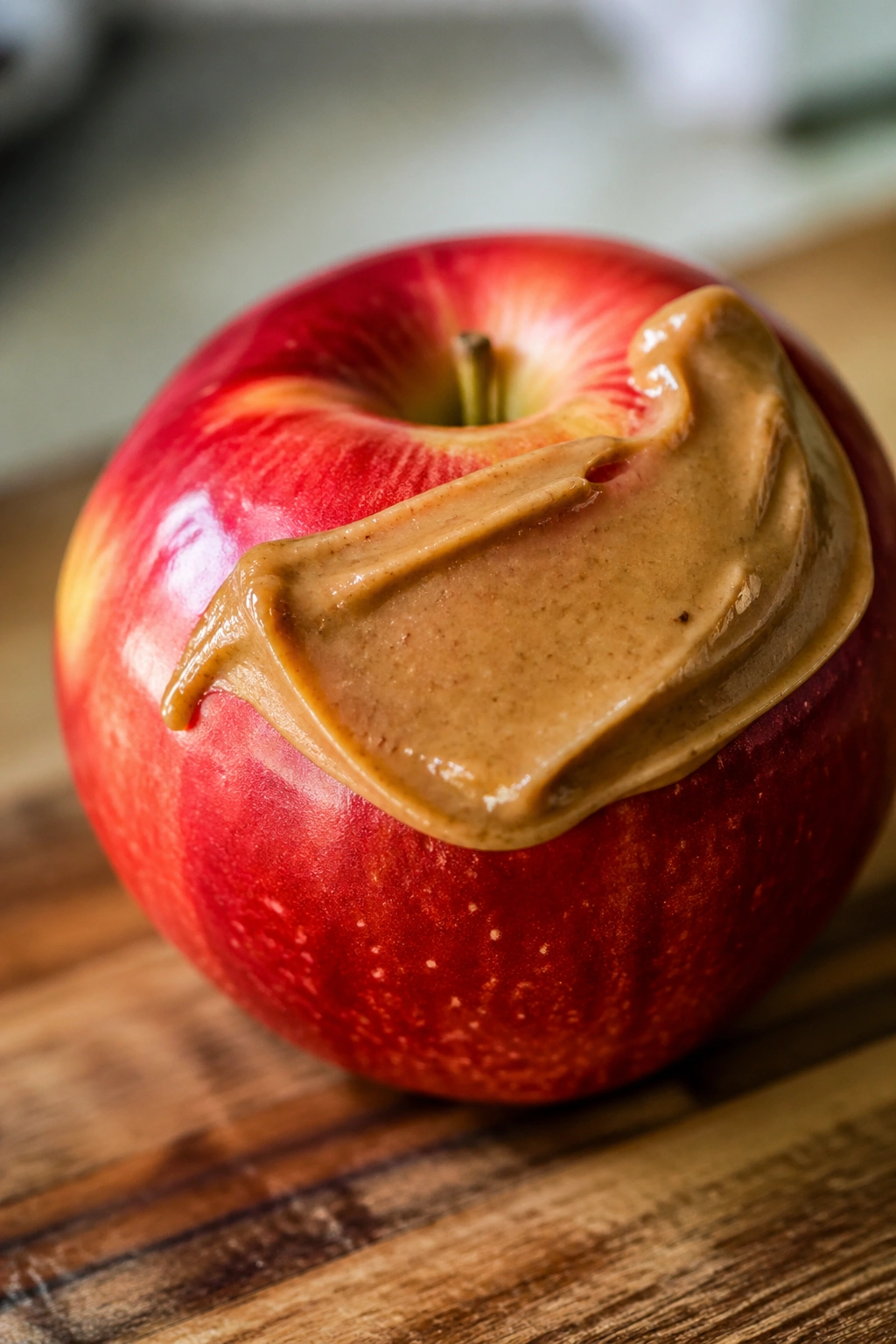
This one gets suggested a lot, and for once the common advice is not bad. An apple with a measured amount of almond butter can work well as a paleo pre-workout snack—if you respect the portion. The apple gives you around 25 grams of carbs and fluid. The almond butter takes the edge off hunger.
Measured amount. That part matters.
A tablespoon of almond butter is useful. Three heaping spoonfuls are a different snack, and not in a good way if training starts soon. Nuts digest slowly because they bring fat and fiber, which means too much nut butter can leave you feeling sluggish or slightly queasy during anything bouncy, fast, or high effort.
This snack fits best in the 60 to 90 minute range before exercise. It is a nice choice before moderate lifting, a steady bike ride, or a circuit session that is hard but not stomach-punishing. I would not make it my first choice fifteen minutes before sprints. Apples have more fiber than bananas or dates, and the crunch that feels satisfying at your desk can feel like a mistake under a barbell.
Still, when the timing is right, it works. Go with one medium apple and 1 tablespoon almond butter. Keep the nut butter honest. Your workout will tell you whether that ratio is right.
6. Mango With Unsweetened Coconut
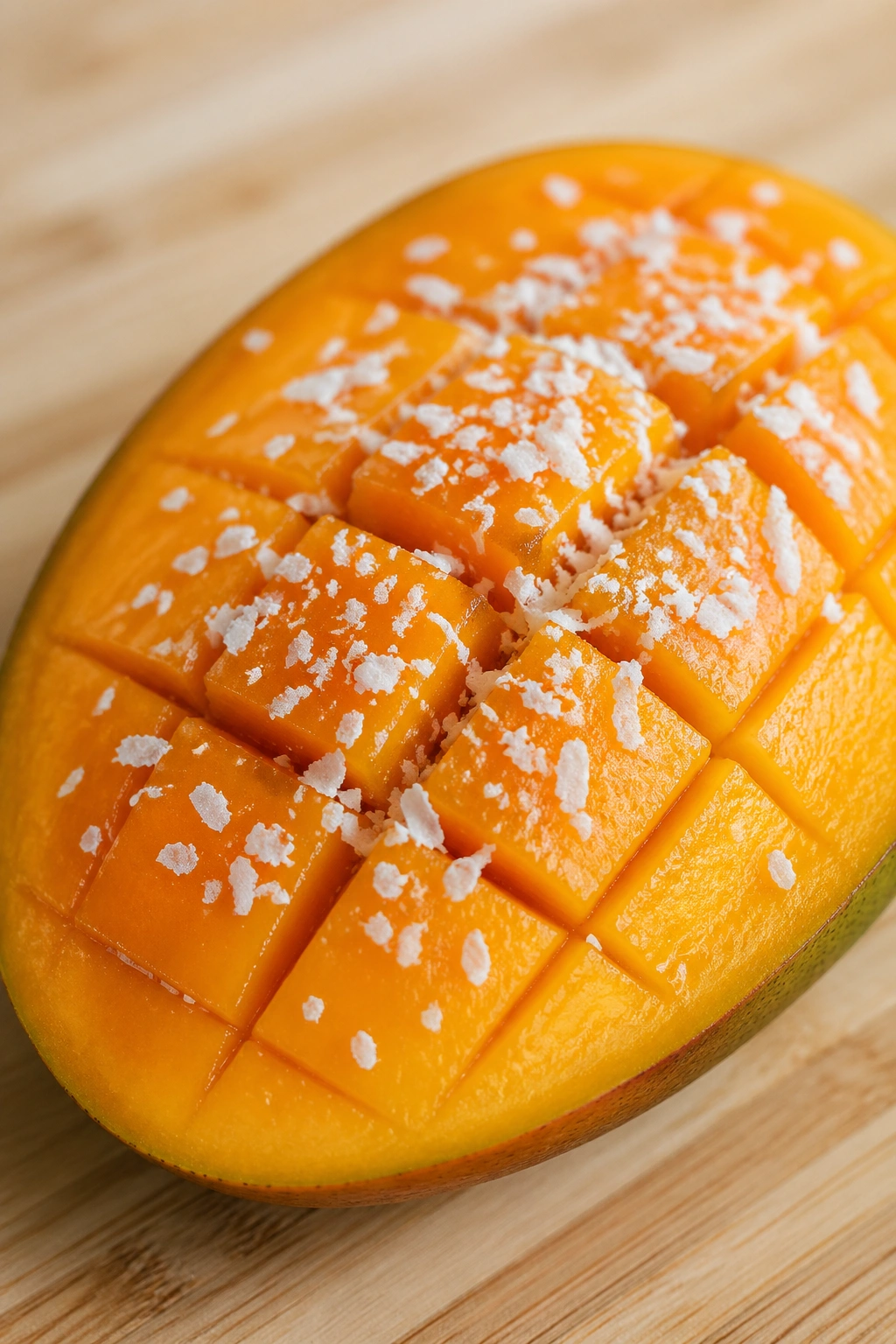
Unlike apples, ripe mango is soft, juicy, and easier to get down when your appetite is low. That alone makes it one of the more overlooked paleo pre workout foods. A cup of chopped mango gives you about 25 grams of carbs, and the texture makes it a strong option before warm-weather training, outdoor conditioning, or any session where dry foods feel like work.
I like mango most when the workout is going to be hard and sweaty. It hydrates better than dried fruit, it is lower effort than chewing jerky or trail mix, and it does not carry the bulk of a full meal. A small sprinkle of unsweetened coconut—1 tablespoon is enough—can add flavor and a little satiety without turning the snack heavy.
Who it suits best
Mango works well for:
- conditioning circuits
- tempo runs
- long warm-ups before team sports
- early sessions when you can stomach fruit but not eggs
Where it loses ground is cold-weather training with a longer gap before exercise. In that case, mango may feel too light on its own. Pair it with a hard-boiled egg or eat a larger carb source instead.
The big win here is comfort. If your stomach is touchy before training, soft fruit has an edge that drier, fattier snacks often do not.
7. Hard-Boiled Eggs With Fruit
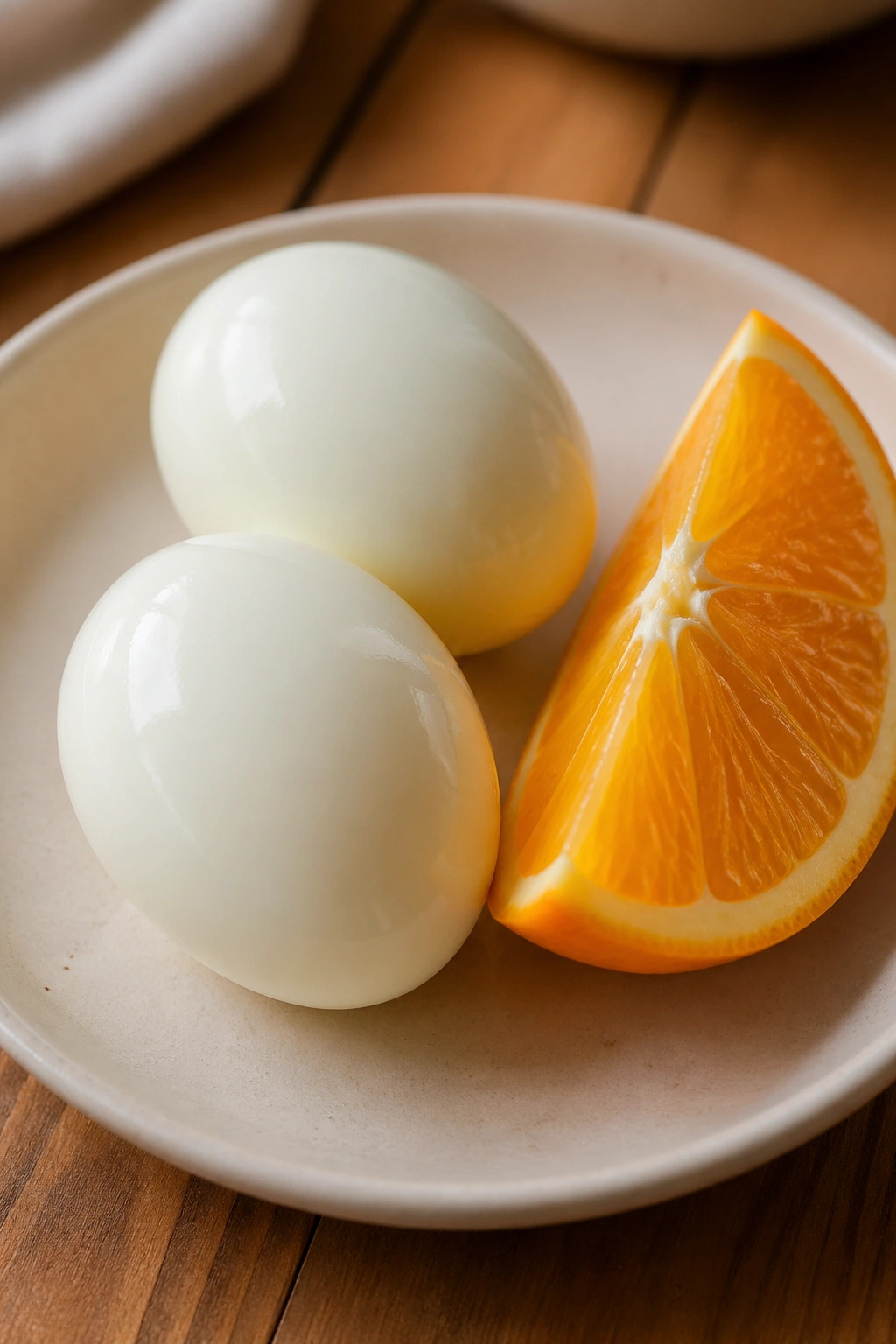
Plenty of paleo eaters make the opposite mistake from under-eating carbs: they load up on protein and forget that protein is not the same thing as workout fuel. Eggs fix hunger well. Fruit fixes training energy well. Put them together and you get a more balanced pre-workout option.
Two hard-boiled eggs give you about 12 grams of protein plus fat and a small amount of leucine, which is one of the amino acids tied to muscle protein synthesis. Add a piece of fruit—a banana, orange, or apple—and you cover the carbohydrate side without having to cook a full meal. This pairing is useful when your workout is 60 to 120 minutes away.
Why the combo works
The fruit raises available carbohydrate. The eggs slow the snack down enough that you do not feel hungry halfway through the session. That mix works well for strength training, mixed gym sessions, and sport practice where you need some staying power but do not want a bowl of food sitting in your gut.
Easy pairings
- 2 eggs + 1 banana for a balanced pre-lift snack
- 2 eggs + 1 orange when you want something lighter
- 1 whole egg + 2 egg whites + berries if high fat slows you down
One note from experience: eggs are fine before lifting for most people. Before hard running, repeated jumps, or anything done in heat, they can feel heavier than expected. If that sounds familiar, keep the eggs for after training and use fruit alone before.
8. Beef Jerky With Orange Slices
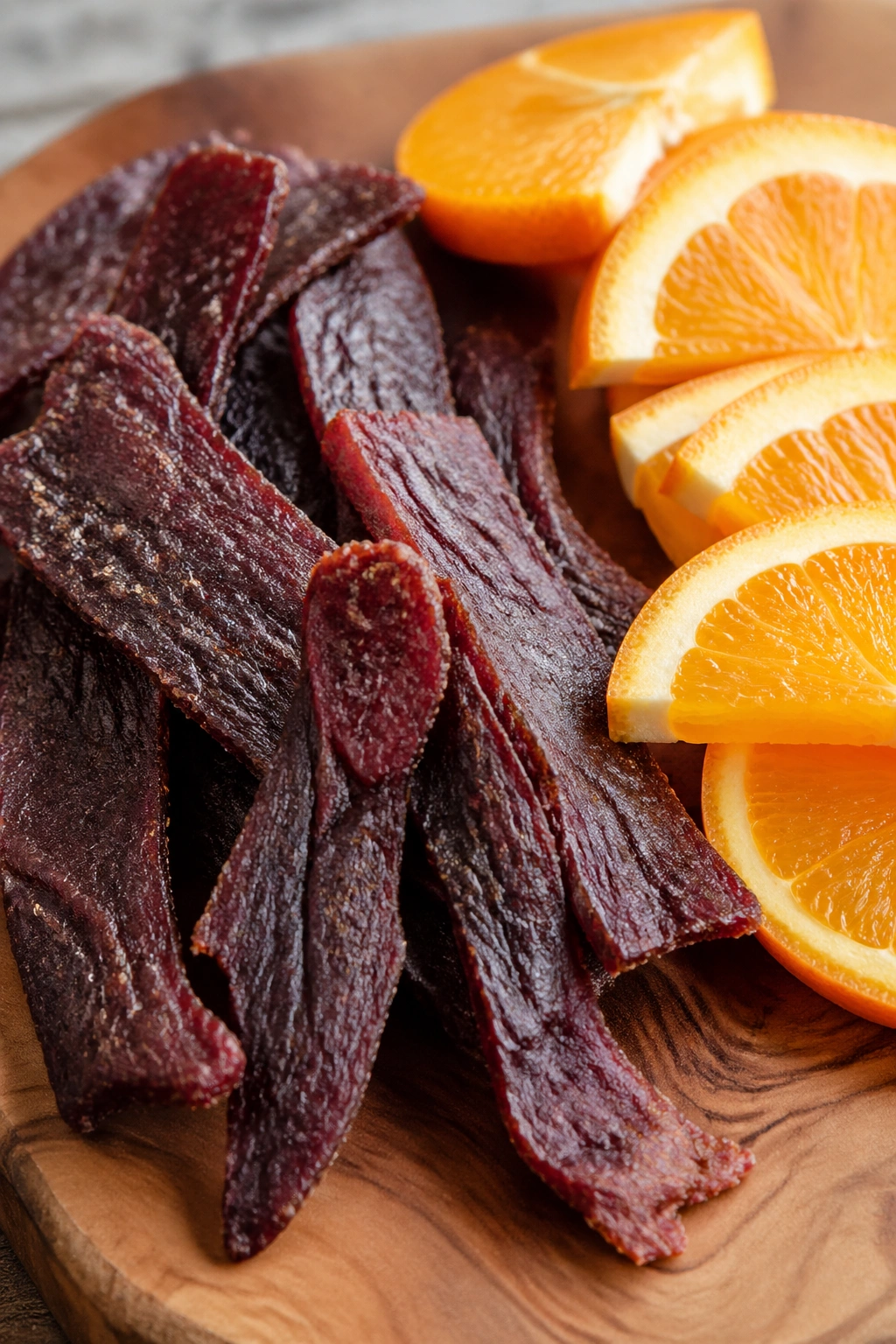
Jerky gets treated like a road-trip food, which is a little unfair. A clean jerky and fruit combo can be a sharp pre-workout option when you need shelf-stable fuel and do not have access to a fridge. That matters on workdays, travel days, and long afternoons when your session lands between errands.
Start with the jerky itself. Look for one with no added sugar, modest ingredients, and a texture you can chew without needing ten minutes and a jaw workout. One ounce usually gives 9 to 12 grams of protein and a useful amount of sodium. Pair it with one orange or two mandarins for quick carbs and fluid.
This is not the snack I’d pick for a max-effort track workout fifteen minutes away. The chewing alone makes it a slower choice. But at 45 to 75 minutes pre-workout, it can be handy, especially if you tend to cramp or train in humid conditions where a little extra sodium helps.
Orange slices do more work here than people think. They bring carbohydrate, water, and a refreshing bite that cuts through the saltiness of jerky. That combo feels far better before training than dry meat by itself. Jerky alone is survival food. Jerky plus fruit starts to act like workout fuel.
9. Homemade Trail Mix With Nuts and Dried Fruit
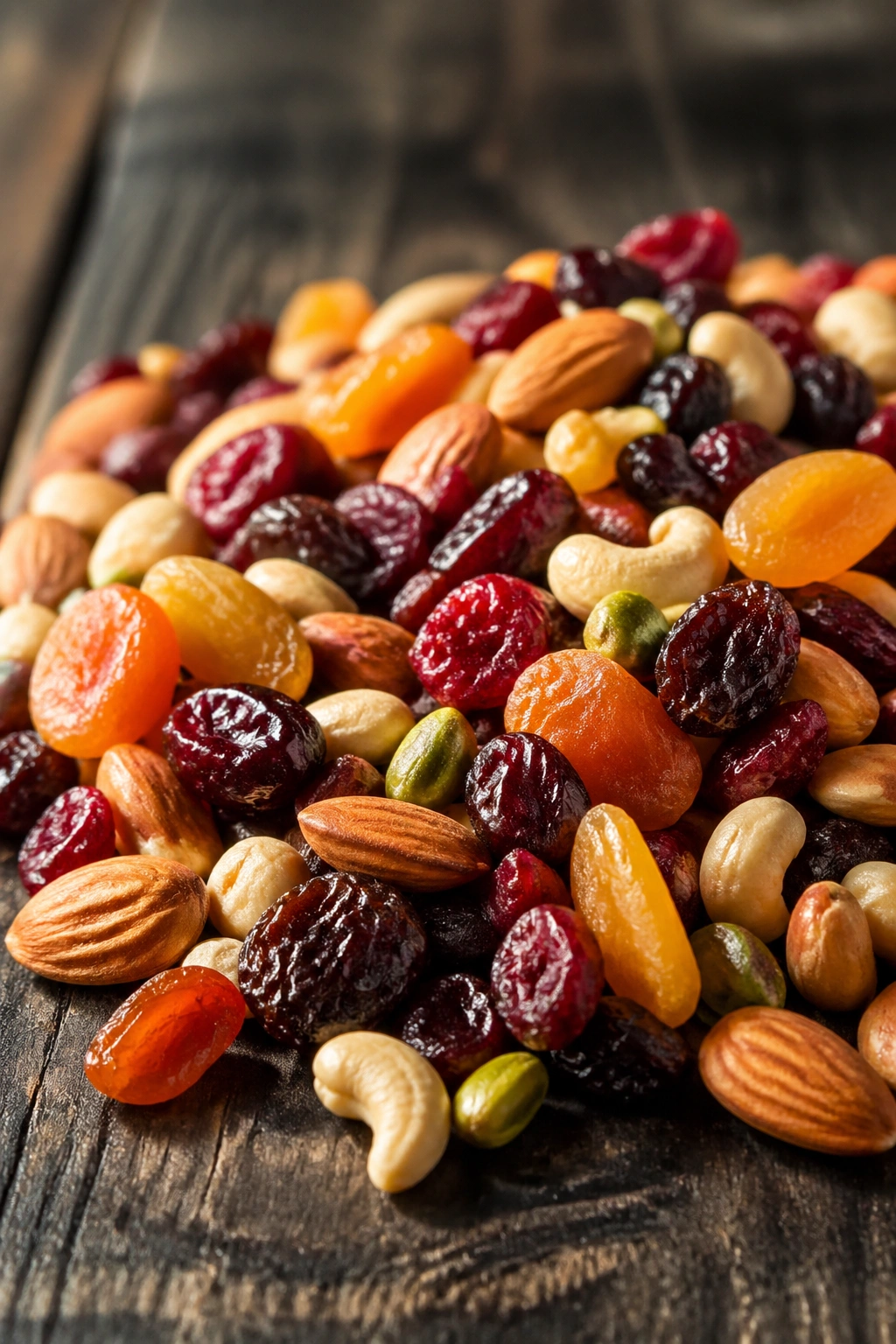
Trail mix is one of those foods that can be either smart or a trap. For pre-workout use, the ratio decides everything. A handful that is mostly almonds and cashews may leave you heavy and under-fueled. A mix weighted toward dried fruit gives you quicker energy with enough fat and crunch to make it satisfying.
My rule is plain: build it with about twice as much dried fruit as nuts if you plan to eat it before training. Dates, raisins, unsweetened dried mango, and dried tart cherries all work. Then add a smaller amount of almonds, walnuts, pecans, pumpkin seeds, or coconut chips.
A better pre-workout mix
Try this ratio for one batch:
- 1 cup chopped dates
- 1 cup raisins or dried mango
- ½ cup almonds
- ¼ cup pumpkin seeds
- ¼ cup unsweetened coconut flakes
- pinch of sea salt
A serving should stay around ¼ cup, maybe ⅓ cup if your session is long and you have at least 90 minutes before it starts. More than that, and the fat creeps up fast.
This is a strong hiking snack, a useful pre-lift option when you’re away from home, and a bad choice for close-to-start sprint work. Trail mix rewards planning. It punishes mindless handfuls.
10. Roasted Beets
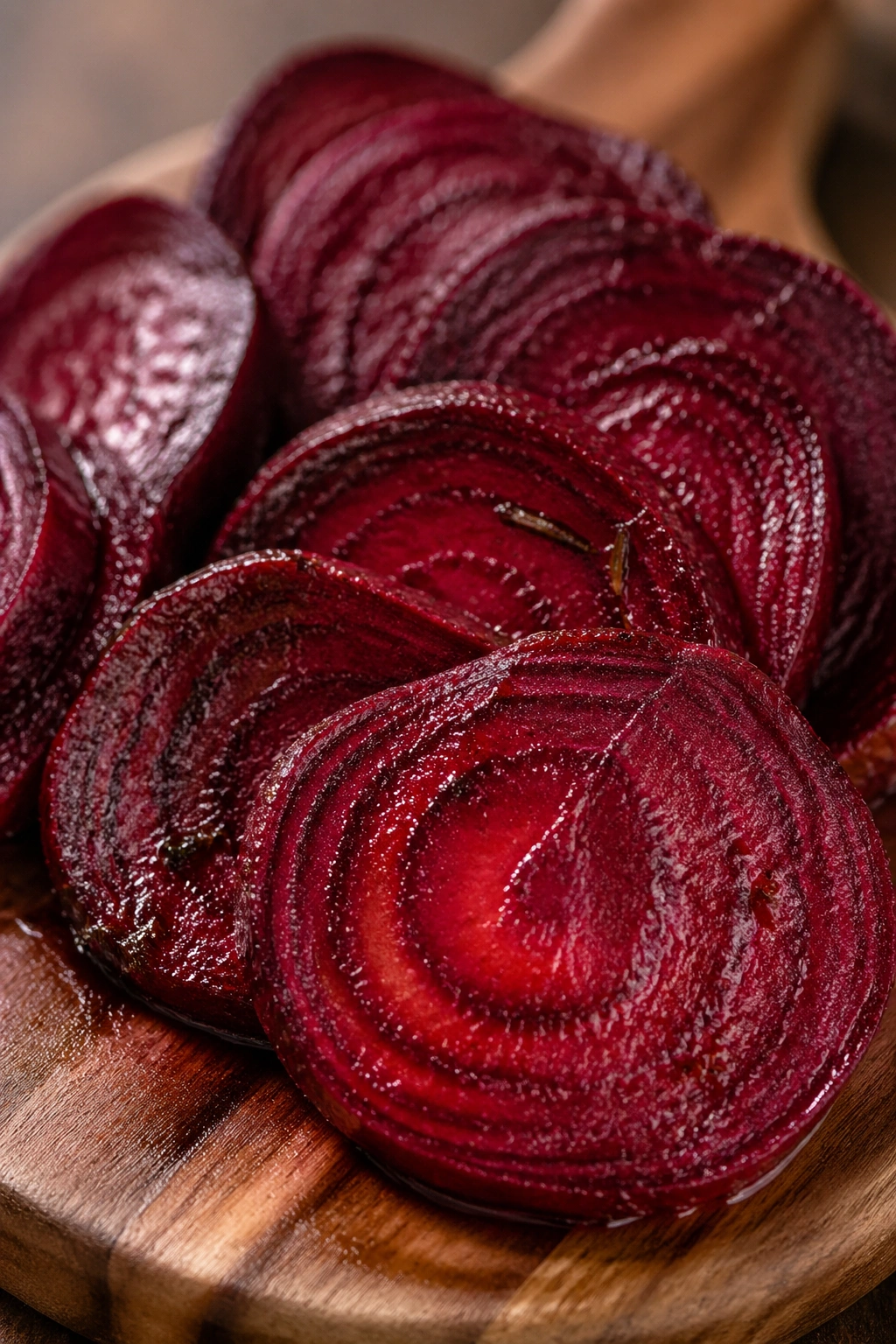
Beets are not on this list because they are trendy. They are here because dietary nitrate has a real performance story behind it, especially for endurance work. The body can convert nitrate into nitric oxide, which plays a role in blood flow and the oxygen cost of exercise. Meta-analyses on beetroot juice and nitrate-rich beet intake have repeatedly found small endurance gains—nothing mythical, but enough to matter if you train hard and pay attention.
Food form works fine. You do not need a shot bottle unless you like one. One cup of roasted beets gives you carbohydrate plus nitrate, and it fits well 2 to 3 hours before a run, ride, row, or long conditioning session.
When beets make the most sense
If you are heading into:
- a steady endurance workout
- repeated moderate-to-hard intervals
- longer sessions where pacing matters
…beets are worth trying.
If you are doing a short bench session and heading home in 40 minutes, skip the fuss. Beets are better when the session gives their nitrate angle some room to matter. And yes, your urine may turn pink later. First time that happens, it can be alarming. It is a beet thing, not a medical mystery.
11. Bone Broth With Sea Salt

Food can be liquid.
That matters on early mornings when chewing feels like work, when nerves kill your appetite before competition, or when heat makes solid food hard to stomach. Bone broth with sea salt is not a full pre-workout meal, but it can be a useful part of one. Think of it as hydration and sodium support with a small protein bump.
An 8- to 12-ounce cup of broth can give you 300 to 600 milligrams of sodium, sometimes more depending on how it is made and salted. That can help if you sweat heavily, train for longer than an hour, or tend to feel flat when you arrive under-hydrated. Broth is also gentle, warm, and easy to drink, which is not nothing before an early session.
Best way to use broth before training
- Drink 1 cup 20 to 45 minutes before training
- Pair it with a banana, dates, or mango for carbohydrate
- Use it on days when solid food feels hard to handle
Broth by itself will not carry a demanding workout. It does not bring enough carbohydrate. Add fruit and it starts to make sense. Skip the idea that one cup of collagen-rich liquid is somehow complete sports nutrition. It is useful. It is not enough.
12. Leftover Chicken With Roasted Squash
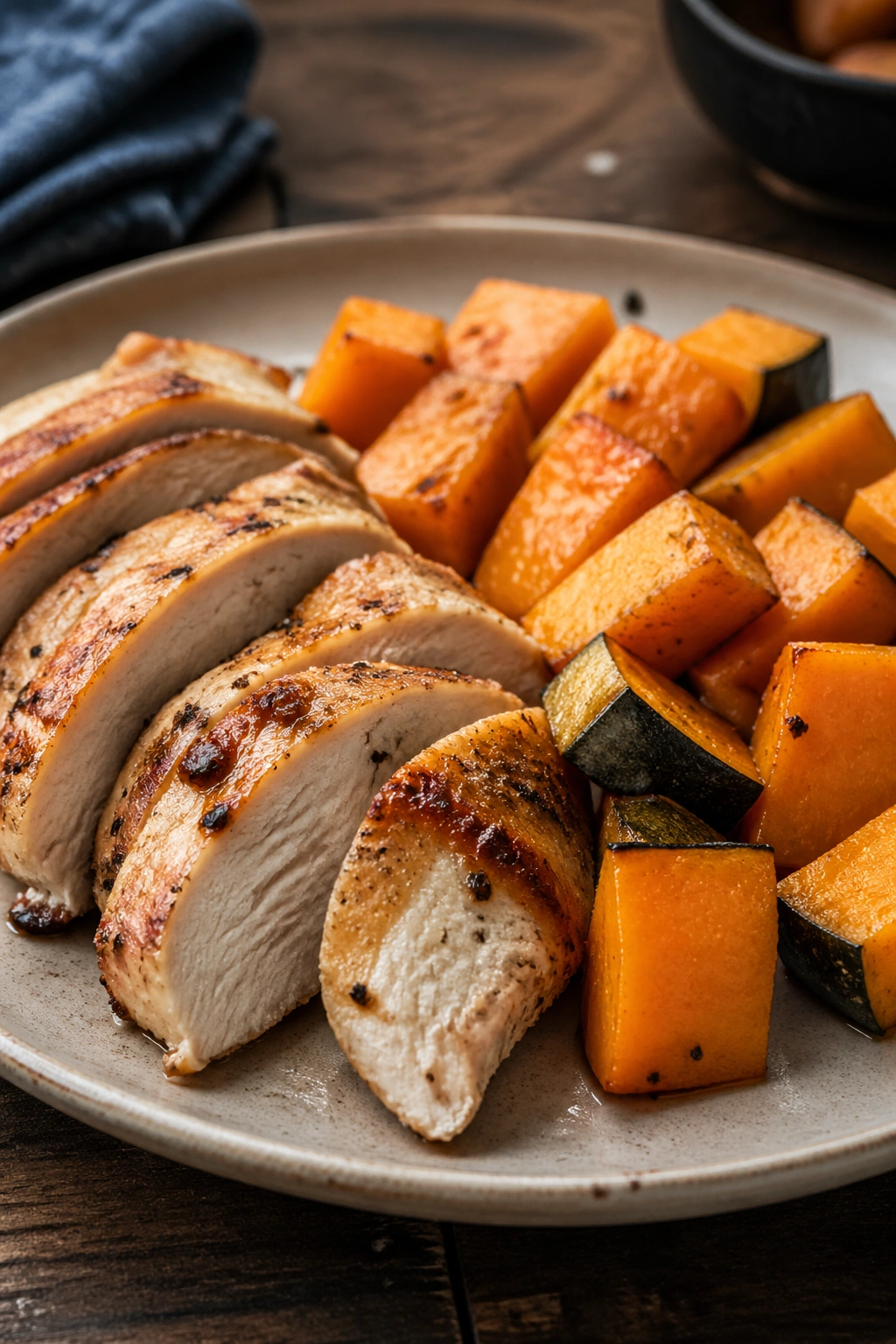
If your workout starts a couple of hours after lunch, leftovers are often better than a dedicated “snack.” This is where a small plate of chicken and roasted squash earns its place. It feels like normal food because it is normal food, and that can be an advantage when you want steady energy rather than a quick sugar hit.
Use 4 to 5 ounces of chicken and 1 to 1½ cups of roasted butternut squash, delicata squash, or sweet potato. That gives you roughly 25 to 35 grams of protein and 20 to 35 grams of carbohydrate, depending on the squash and the portion. Add salt. Keep fat modest—1 teaspoon olive oil is enough. A huge serving of avocado or a greasy pan sauce will slow the meal down more than you want.
How to build it
- lean protein: chicken breast, thigh with trimmed skin, or turkey
- carb source: roasted squash, sweet potato, or plantain
- extras: sea salt, herbs, squeeze of lemon
- keep raw vegetables small if training starts within two hours
This kind of meal works well before long lifts, sport practice, and any training block that lasts more than an hour. It also solves a practical problem: you do not need “special” pre-workout food every day. Sometimes the best move is yesterday’s dinner, portioned with a little more thought.
Final Thoughts
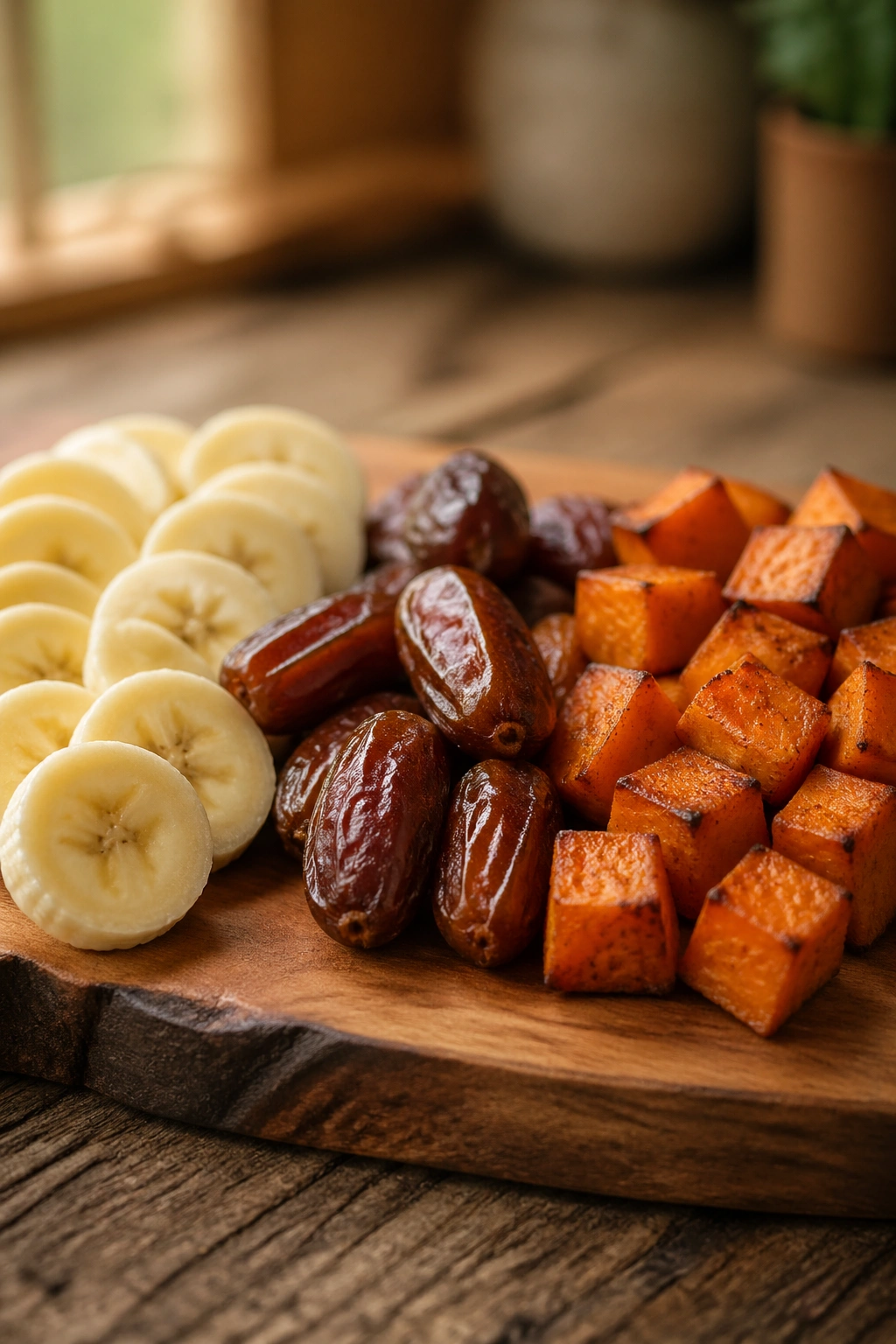
The best paleo pre workout foods are not the flashiest ones. They are the foods you digest well, the ones that match the workout in front of you, and the ones you will actually keep around when life gets messy and training does not happen on a perfect schedule.
If your sessions have felt flat, start with the obvious fix before blaming motivation, programming, or caffeine. Add 20 to 40 grams of carbohydrate before harder work and see what changes. A banana, two dates, salted sweet potato, or fruit with eggs can tell you a lot within one week of training.
Keep two fast options and two slower options in the house. That small bit of planning—nothing fancy—usually does more for workout energy than another tub on the supplement shelf.
