



No drink melts belly fat while you sleep. That part of the promise is cleaner than real life, and real life is messier than a headline.
What a bedtime drink can do is more practical: calm a busy mind, keep the kitchen closed, replace a late-night snack, and make it easier to stay in a calorie deficit without feeling deprived. That matters more than any flashy claim about “overnight fat burn.” Belly fat comes off when your overall habits line up — sleep, food intake, stress, movement, and consistency — not because a mug of something magical hits your nightstand.
That doesn’t make bedtime drinks pointless. Far from it. Some are nearly calorie-free and help with cravings. Some add a little protein or fiber so you’re less tempted to raid the pantry. A few are useful because they support sleep, and poor sleep has a nasty way of pushing appetite in the wrong direction the next day.
The trick is choosing drinks that work with your evenings instead of against them. Skip the sugar-heavy “sleep” drinks and the giant calorie bombs that pretend to be healthy. A small, sensible drink before bed can be part of a weight-loss routine that actually survives contact with real habits and real hunger.
1. Warm Water
Boring wins here. A mug of warm water does not sound like a fat-loss hack, and that’s exactly why it works so well for so many people.
Warm water gives you the ritual of having “something” at night without adding calories, sugar, or caffeine. If your late-night snacking is partly about comfort and partly about habit, that plain mug can take the edge off. It also slows you down a little, which is useful when your hand keeps drifting toward the snack drawer.
Why it helps
A lot of nighttime eating is boredom wearing a hunger costume. Warm water gives your mouth something to do, and that small pause can be enough to stop a spiral into cereal, cookies, or chips.
- Calories: 0.
- Best use: 15 to 30 minutes before bed.
- Tip: Sip, don’t chug. Too much water right before sleep can mean a bathroom trip at midnight.
If you want a tiny flavor change, add a slice of lemon or a thin piece of ginger. Keep it light. The point is not to turn it into dessert.
2. Chamomile Tea
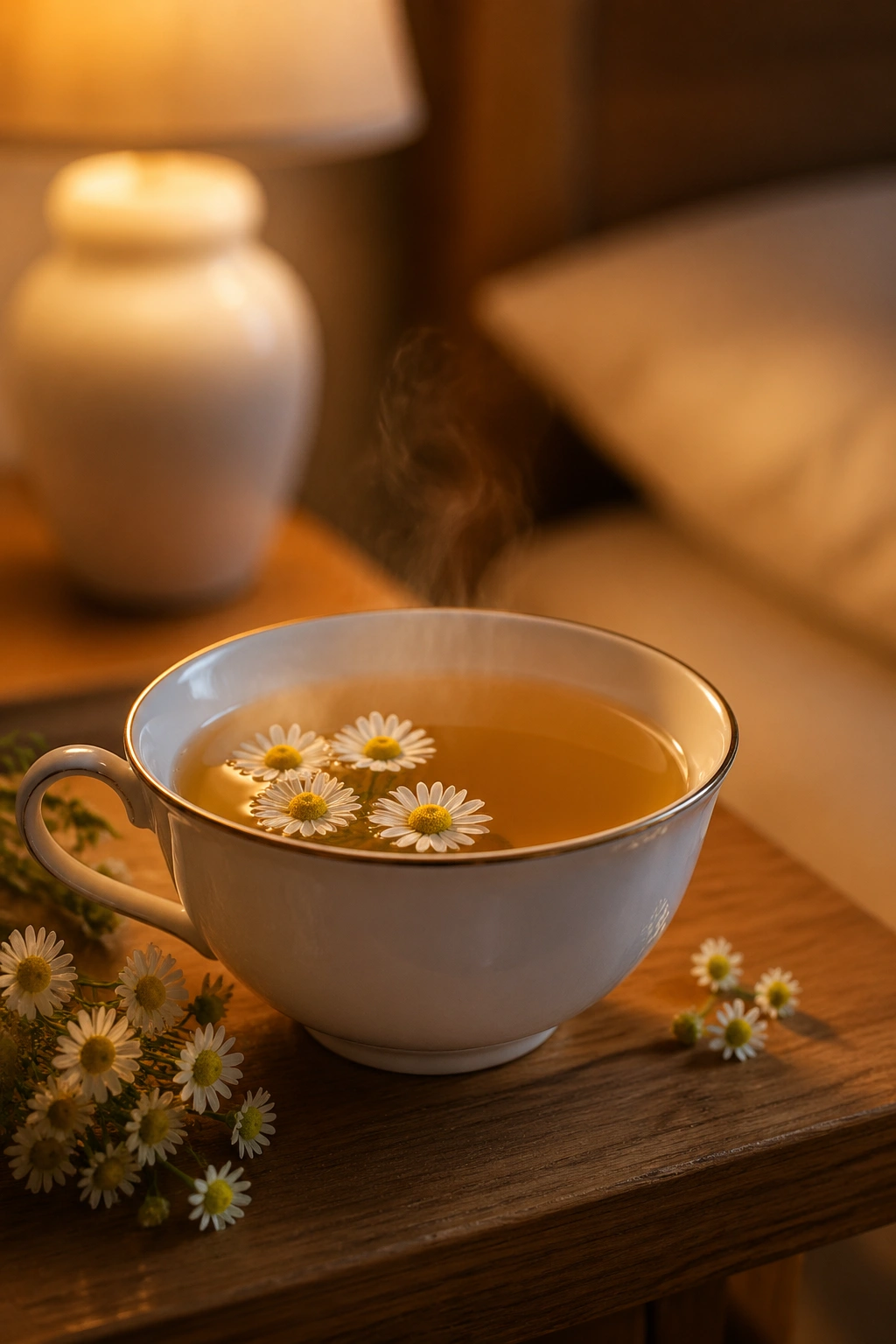
Why is chamomile on almost every bedtime list? Because it earns the spot. No drama. No caffeine. Just a gentle herb that makes the evening feel less sharp around the edges.
Chamomile tea works best when stress eating is the problem. If you come home wired, scroll too long, and then start hunting for snacks you do not even want, a warm cup can interrupt that pattern. It will not burn belly fat overnight, but it may help you sleep better, and better sleep is useful for appetite control.
How to use it
Steep 1 tea bag or 1 tablespoon dried chamomile in hot water for 5 to 7 minutes. The flavor should taste soft and slightly apple-like, not bitter. If it smells dusty, the tea is old.
- Calories: basically zero when unsweetened.
- Best pairings: a short walk, then tea, then lights down.
- Watch-out: if you have a ragweed allergy, be careful.
I like chamomile best plain. Sweetening it defeats the point fast.
3. Peppermint Tea
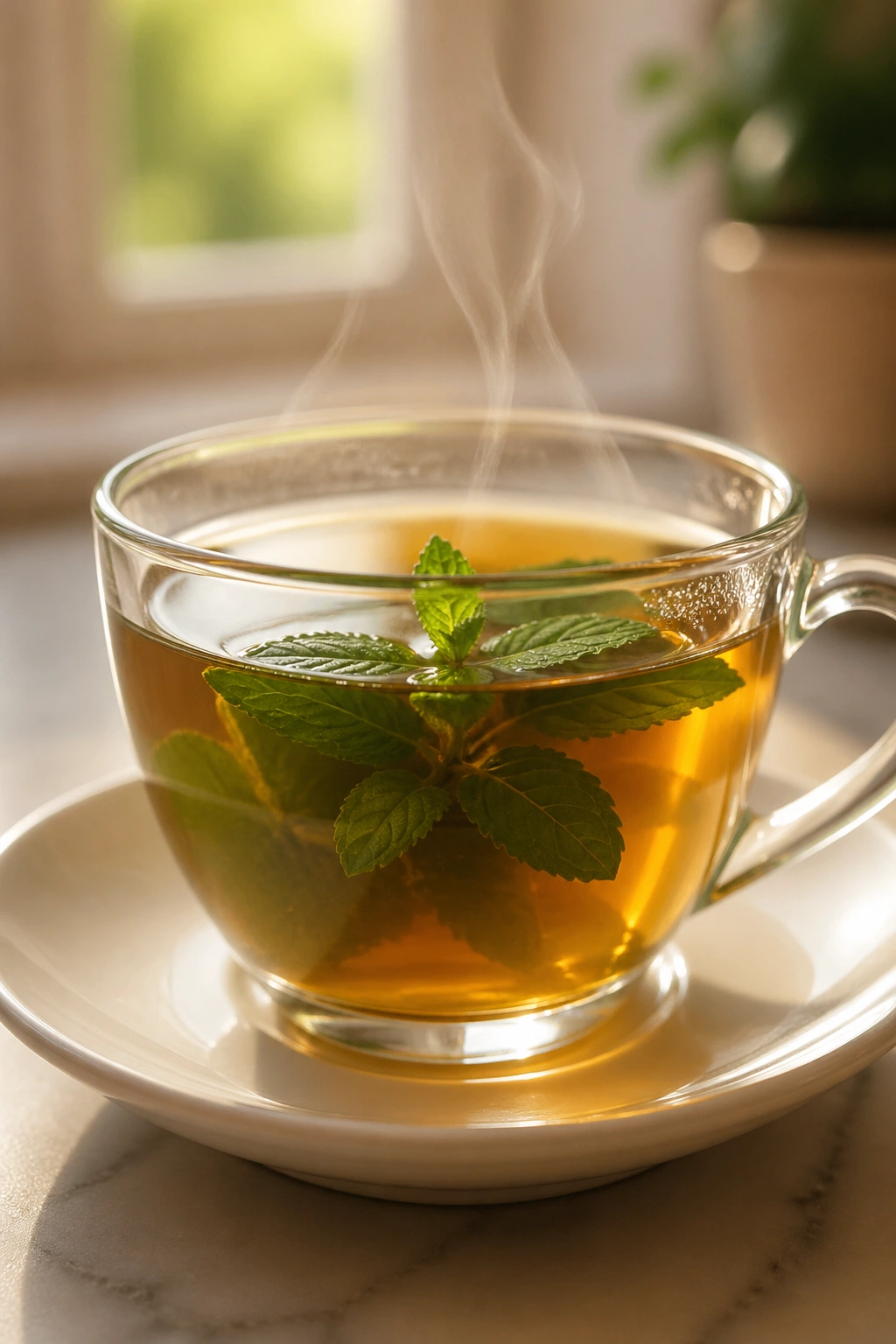
Peppermint tea is the one I’d reach for after a heavy dinner, not because it torches fat, but because it can make you feel less stuffed and less snacky.
The minty smell matters. It cuts through the “I need something sweet” feeling in a way plain water sometimes can’t. And if your late-night habit is more about grazing than hunger, the clean, cool flavor can shut that loop down. The catch is reflux. Peppermint can relax the valve between your stomach and esophagus, which is the opposite of what you want if heartburn keeps you up.
- Calories: 0.
- Best use: after dinner, before the kitchen closes.
- Skip it if: peppermint tends to trigger reflux for you.
One strong cup is enough. Don’t load it up with honey unless you want a dessert in disguise.
4. Ginger Tea
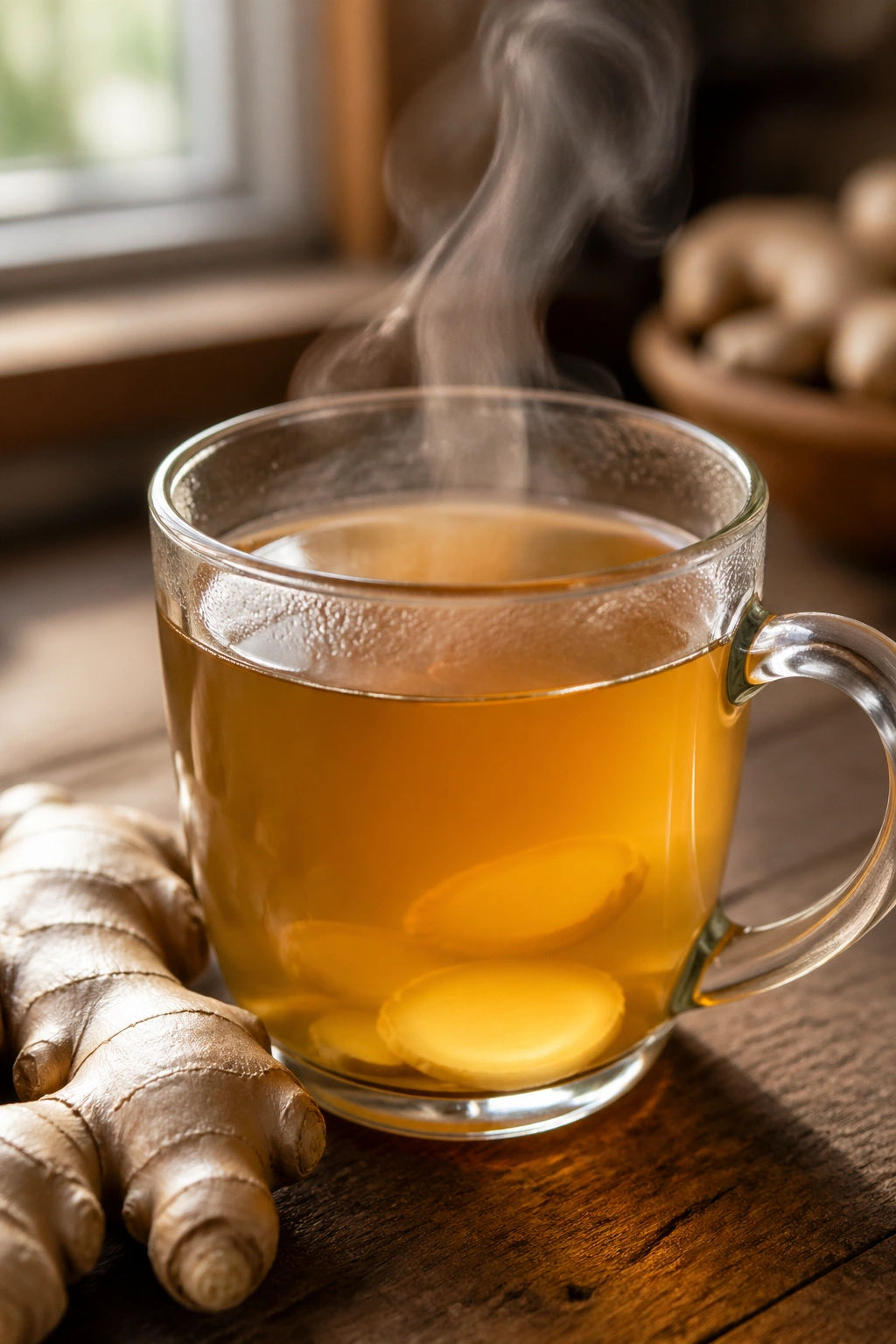
Ginger tea is the drink I’d pick when dinner sat like a brick and your stomach feels a little loud. It is not subtle, and that’s part of the charm.
Fresh ginger has a sharp, warm bite that can knock down the urge to keep eating. It also tends to feel soothing when digestion is off. If you ever find yourself wanting a second snack because your stomach feels unsettled rather than truly hungry, ginger tea can be the better move.
What makes it useful
Simmer 1 to 2 inches of sliced fresh ginger in 2 cups of water for 10 minutes, then strain. The tea should taste spicy and bright, not like hot bath water with a slice of root floating in it.
A little lemon works well here. So does a tiny pinch of cinnamon. I would skip sugar. Ginger’s whole job is to keep the drink lively enough that you do not go looking for cookies.
5. Cinnamon Tea
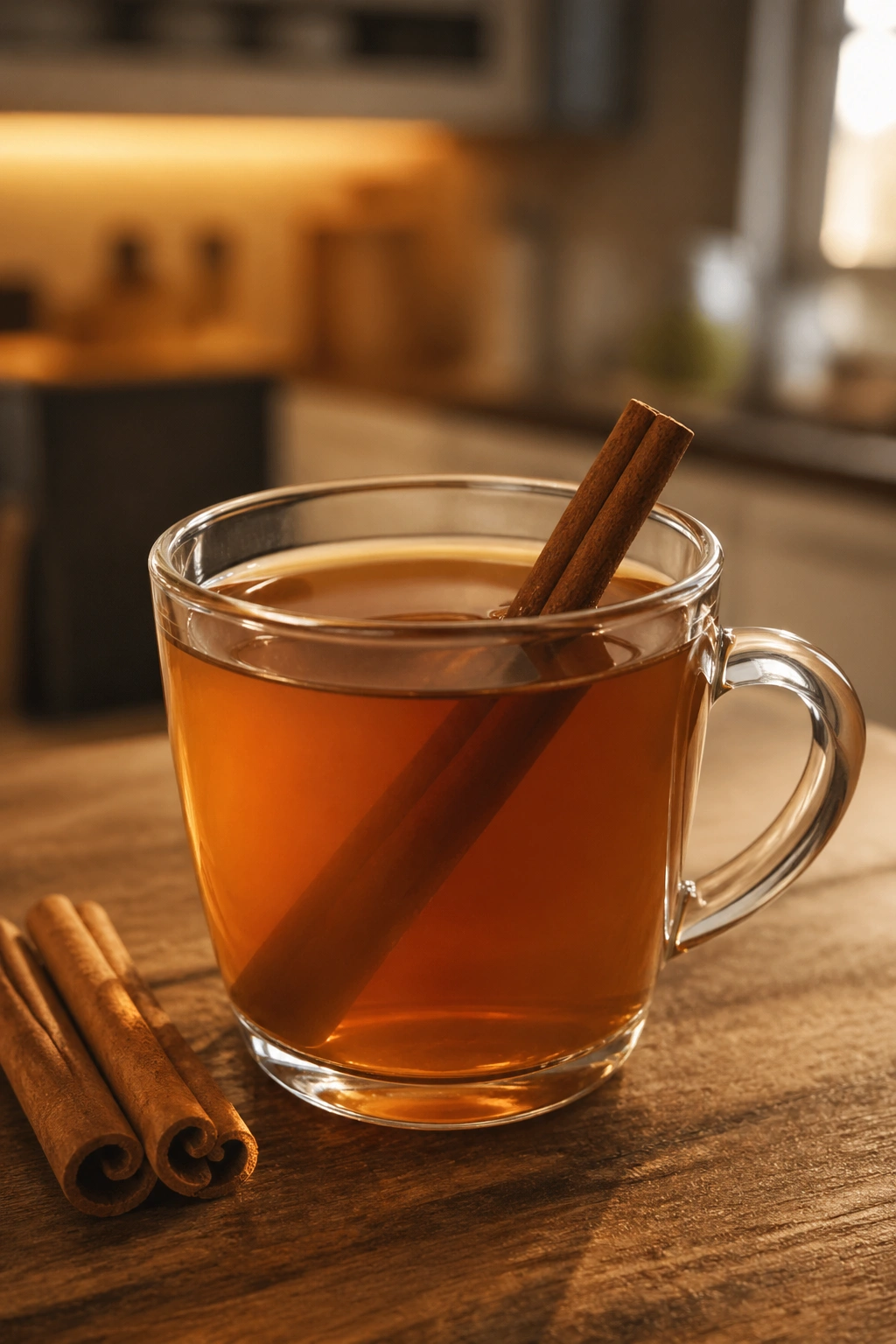
Cinnamon tea smells like a bakery, which is either a blessing or a trap, depending on how you use it. The good version gives you that cozy dessert feeling without the dessert.
Use 1 cinnamon stick in a mug of hot water, or simmer it gently for a few minutes if you want a stronger brew. The taste should be warm and sweet-spiced, not harsh. If it turns bitter, the cinnamon sat too long in boiling water.
A better way to think about it
Cinnamon tea helps most when your problem is craving flavor, not actual hunger. It gives you something with presence. That matters at night, when plain drinks feel dull and dull drinks do not stand a chance against the pantry.
A small caution: if you drink cinnamon tea every night, choose Ceylon cinnamon when you can. Cassia cinnamon is common and fine in moderate amounts, but it contains more coumarin. That is one of those small details people skip, and then pretend all cinnamon is identical. It isn’t.
6. Fennel Tea
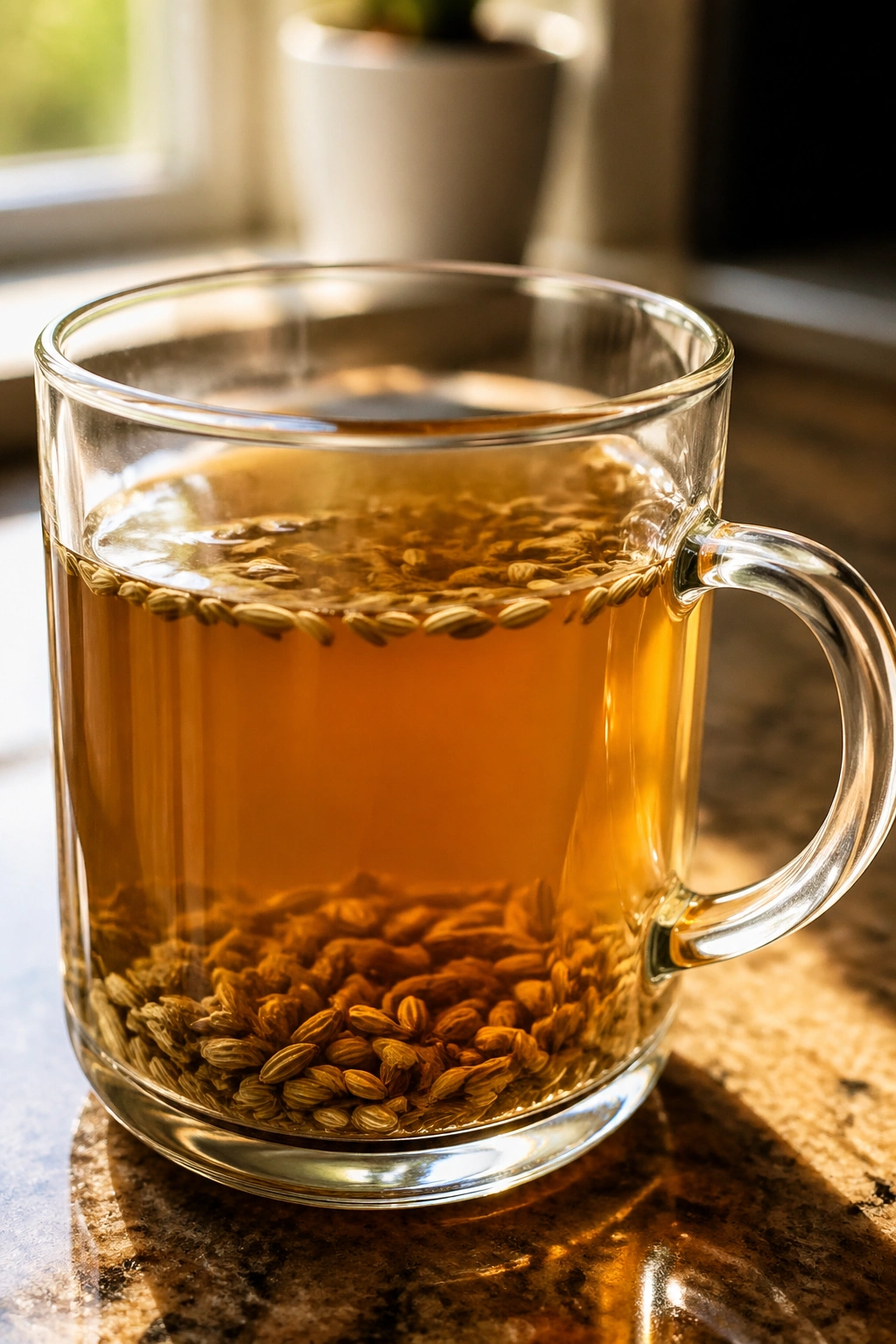
Fennel tea is for the bloated, overfull, “I should have stopped at dinner” kind of evening. It tastes faintly like licorice, though softer and less aggressive than that sounds.
Crush 1 teaspoon of fennel seeds, steep them in hot water for 10 minutes, and strain. The result is light and aromatic. It can feel helpful when gas or bloating is making you mistake discomfort for hunger. That’s a common trick the body plays.
Quick facts
- Calories: zero when unsweetened.
- Best use: after a rich dinner.
- Texture: thin, herbal, and a little sweet on its own.
If licorice-style flavors are not your thing, this one may not be your bedtime favorite. Fine. Not every helpful drink has to be loved. Some are just useful.
7. Hibiscus Tea
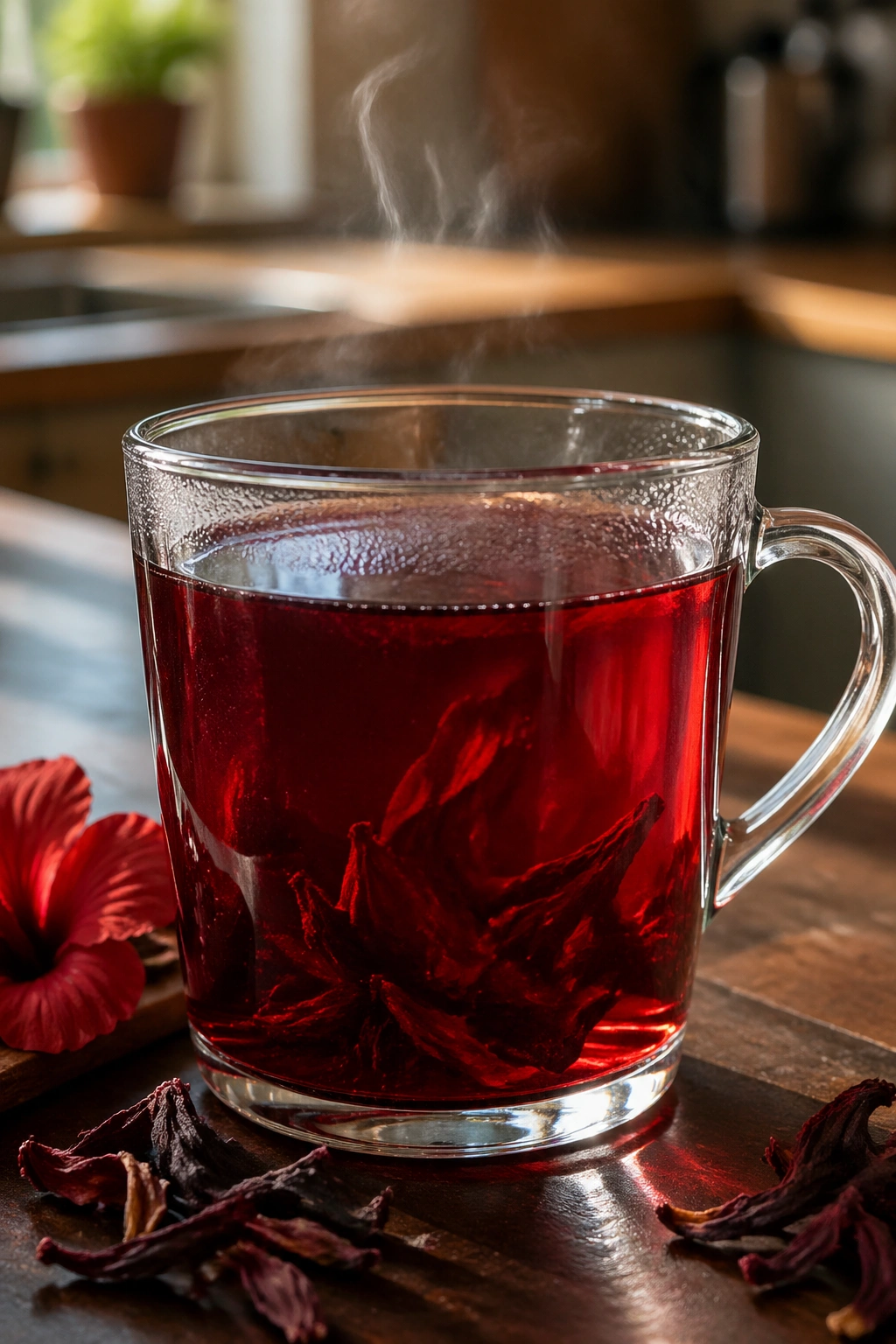
Hibiscus tea is for people who want something tart instead of sweet. It has a ruby-red color and a sharp, cranberry-like flavor that feels more like a treat than a diet drink.
That tartness can be useful. When your brain wants soda, juice, or dessert, hibiscus gives you a strong flavor hit without the sugar. It can make the end of dinner feel finished. And that matters more than people admit. A clean stop is half the battle.
Be careful if you take blood pressure medicine, since hibiscus can interact with it. It may not be the right bedtime drink if you already run low on blood pressure.
8. Rooibos Tea
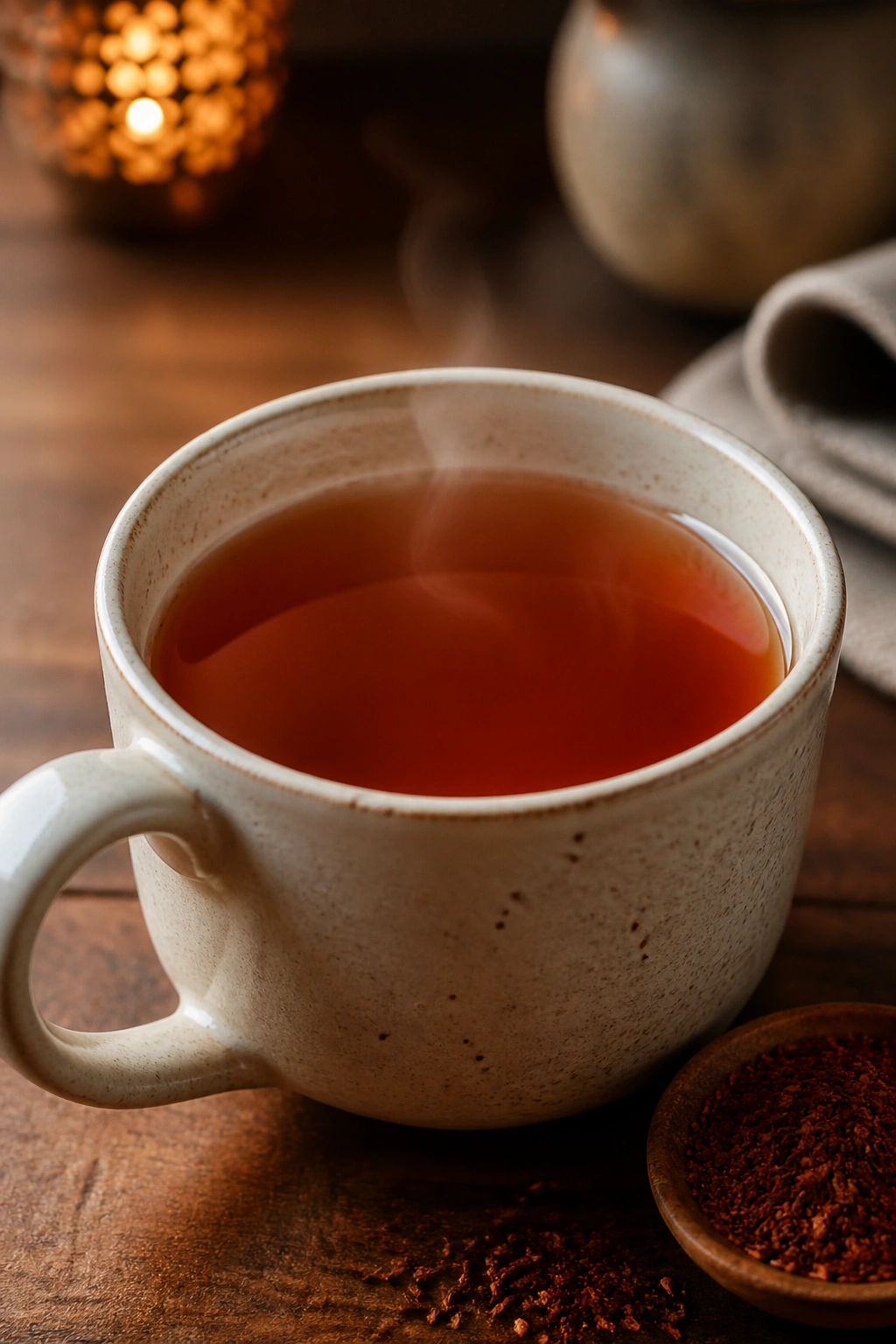
Rooibos is one of those teas people overlook because it is not flashy. It should not be overlooked. It is naturally caffeine-free, has a gentle earthy-sweet taste, and works well when you want the ritual of tea without the stimulation.
Unlike black tea, rooibos is low in tannins, so it does not get harsh or mouth-drying as fast. That makes it an easy nighttime drink. Add a splash of vanilla extract or a cinnamon stick if you want warmth without sugar. The result feels cozy enough to keep you out of the snack cabinet.
I like rooibos for the same reason I like warm socks: it is not dramatic, but it changes the whole mood.
9. Passionflower Tea
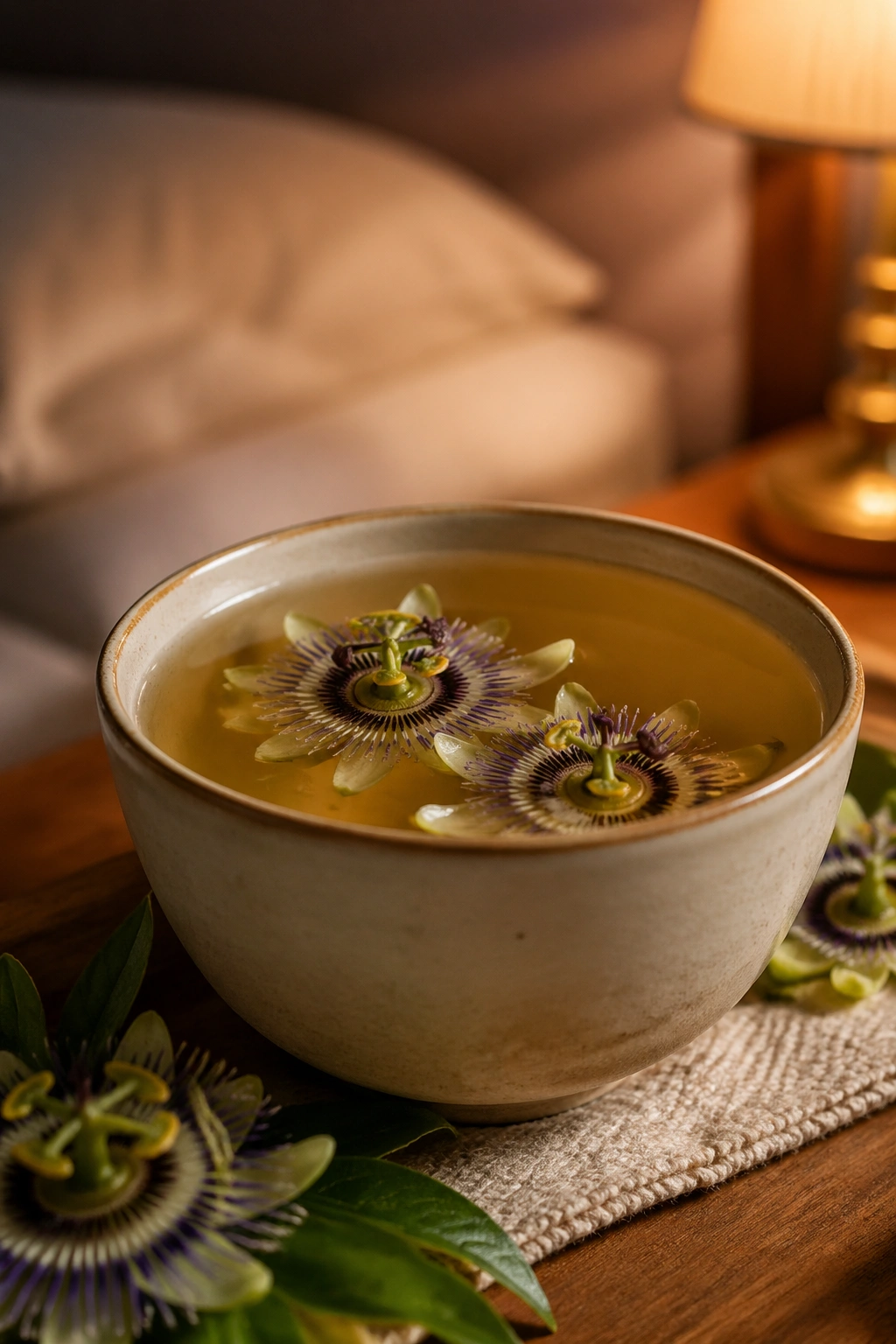
Passionflower tea is quieter than chamomile, and that is part of its appeal. It is the drink I think about when the real issue is an overactive mind, not an empty stomach.
Some people like it on its own. Others blend it with chamomile or lemon balm for a softer cup. The taste is mild and grassy, so it does not fight with bedtime. If your evenings are wired, then tired, a calming tea like this can help you settle faster and stop “reward eating” after a stressful day.
What to remember
- Best for: restless evenings.
- Flavor: mild, green, slightly floral.
- Use: 1 cup about 30 to 60 minutes before bed.
It is not a knockout drink. Good. You want calm, not grogginess.
10. Lavender Tea
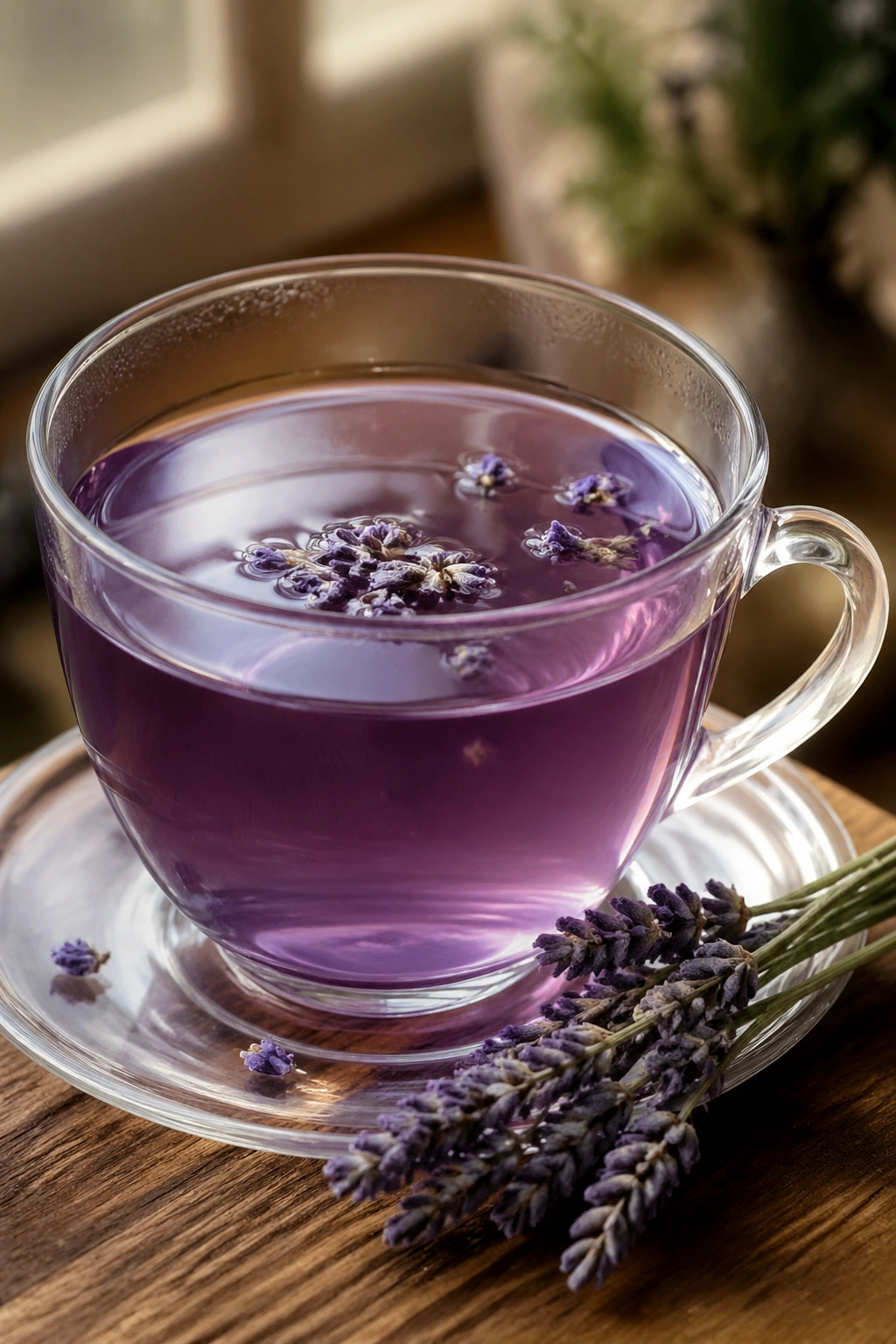
Lavender tea should be used with a light hand. Too much lavender, and the cup starts tasting like soap. Too little, and you barely notice it.
That said, when it’s balanced, lavender has a soft floral note that can make your evening feel more settled. The drink works best as a cue, not a calorie-burning agent. You’re teaching your brain that eating is done for the night. That sounds small. It isn’t.
A blend of lavender with chamomile or mint usually tastes better than lavender alone. If you try it straight, use a small amount — about 1 teaspoon dried lavender per cup is plenty. More is not better here.
11. Lemon Water
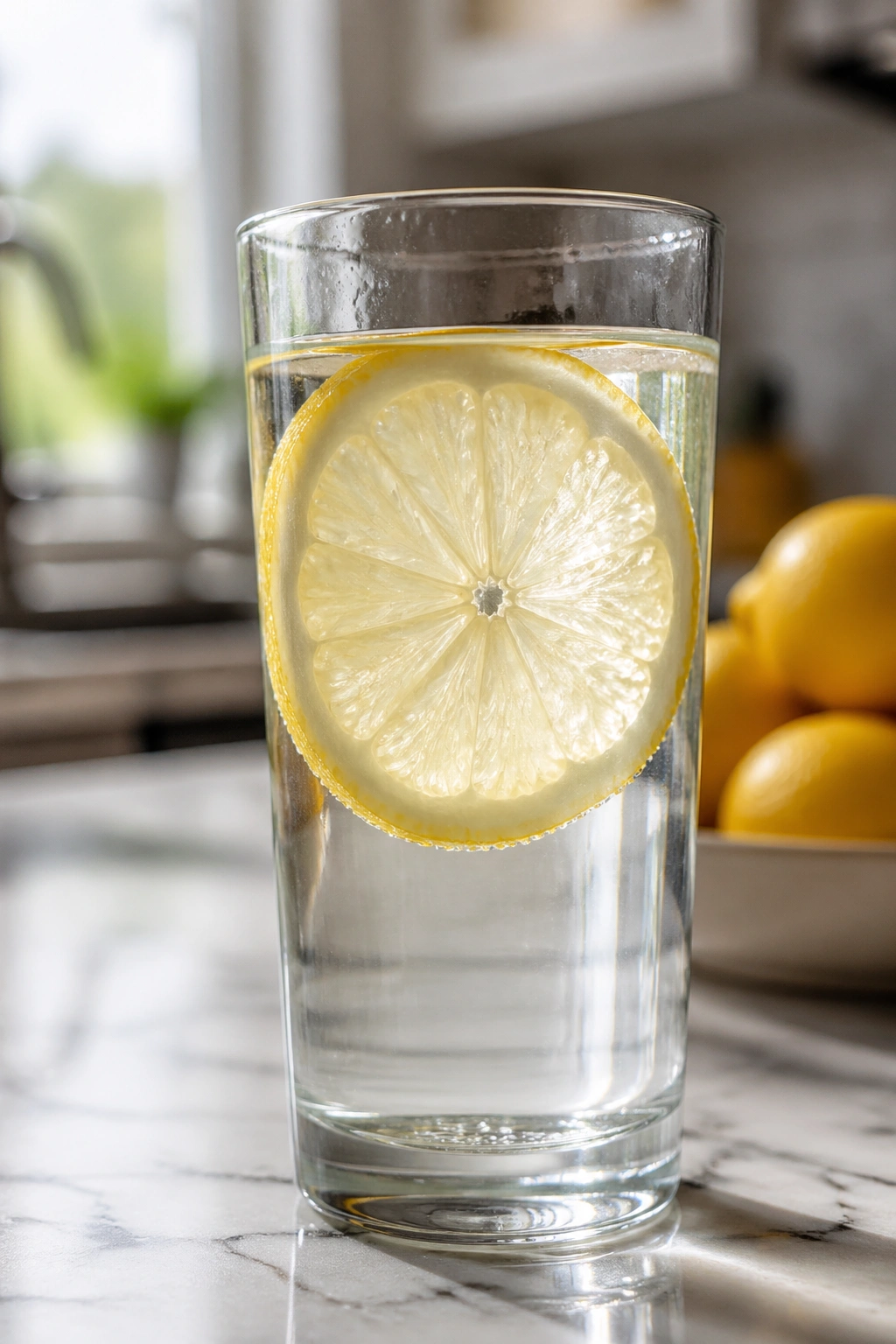
Lemon water is the classic “I want something that feels healthy” drink, and I do think it has a place at night. Just not because it melts fat.
Its main job is replacing sugary beverages and giving plain water a little brightness. That can be enough to help you stop looking for soda, juice, or dessert. If the kitchen feels too tempting after dinner, a glass of cold lemon water gives you a clean reset.
One small caution: the acid can bother sensitive teeth. Rinse your mouth with plain water afterward if you drink it often. Or use a straw. Little habits like that matter more than people think.
12. Cucumber Mint Water
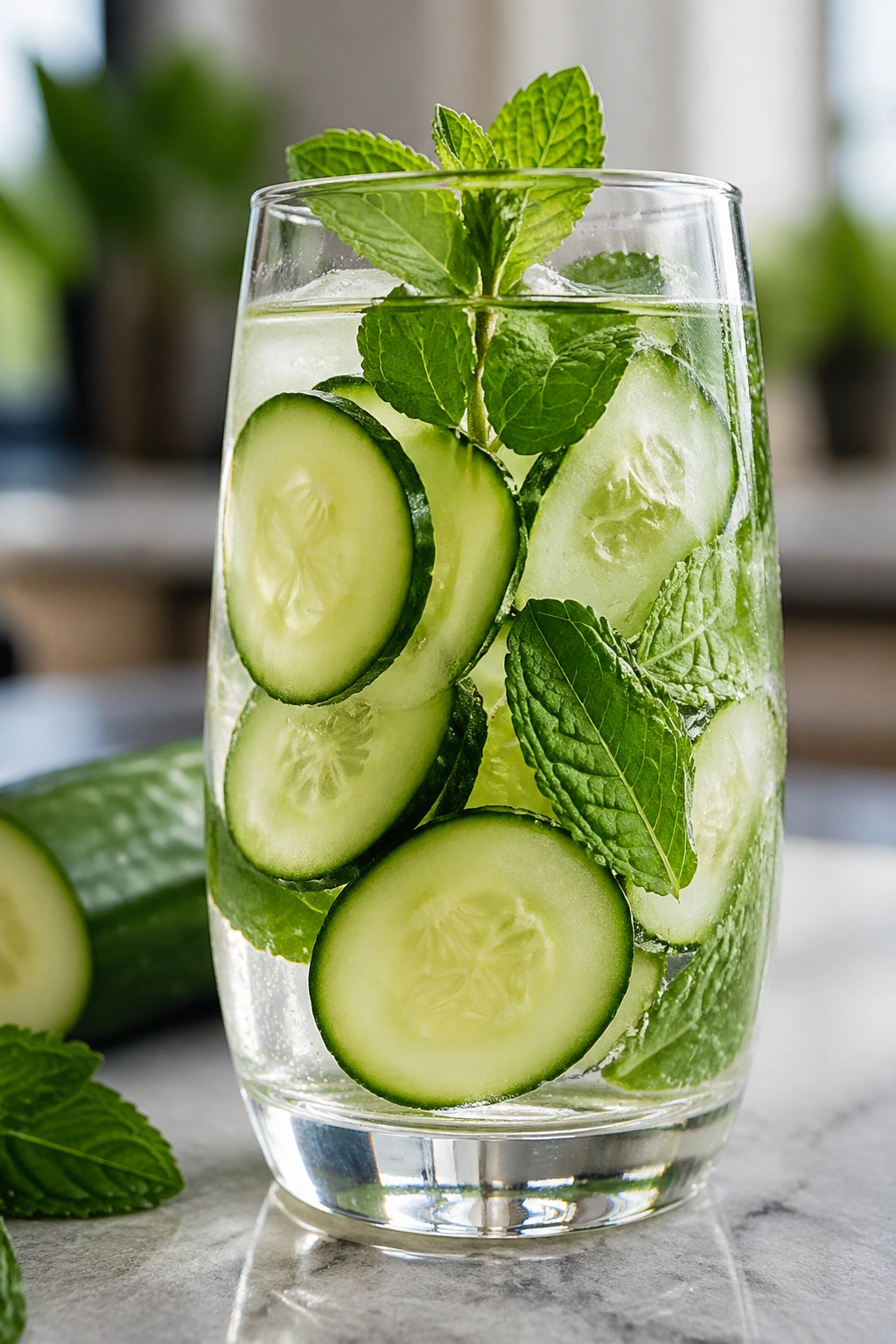
If you want something to sip while you’re on the couch, cucumber mint water is a strong choice. It tastes crisp, cold, and expensive in a very low-effort way.
Slice half a cucumber and bruise a few mint leaves between your fingers before dropping them into a pitcher or glass. Let it sit for 10 to 20 minutes so the flavor spreads a little. You do not need much. The whole point is that it feels like a drink, not a snack.
Why it helps with weight loss
The drink itself does almost nothing metabolically. That is not a flaw. It is the point. It replaces mindless snacking with a big glass of water that has enough flavor to feel like a decision.
- Calories: near zero.
- Best use: when you want to keep your hands busy.
- Good match: late-night TV, reading, or scrolling less than you planned.
13. Apple Cider Vinegar Drink
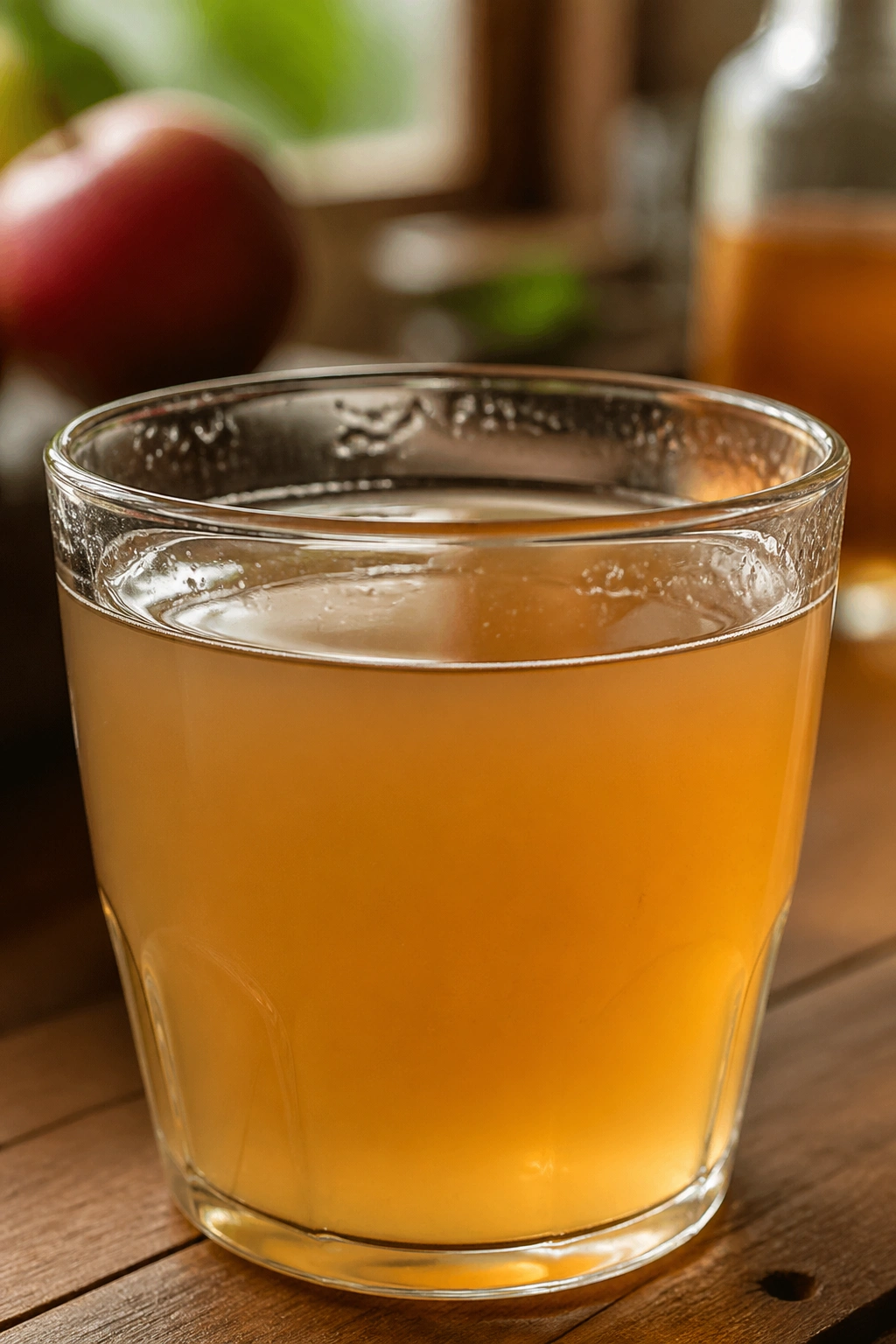
This one has a reputation, and some of it is deserved. Apple cider vinegar can be useful before bed for some people, but only if you dilute it and only if your stomach tolerates it.
A sensible mix is 1 teaspoon to 1 tablespoon of apple cider vinegar in 8 to 12 ounces of water. That’s it. No heavy dose, no “more is better” nonsense. The taste is sharp and sour, which may help some people feel less interested in dessert. There is also some evidence that vinegar can modestly blunt post-meal blood sugar spikes.
Do not drink it straight. That is a bad idea for enamel, the throat, and anyone who already gets reflux.
14. Decaf Green Tea
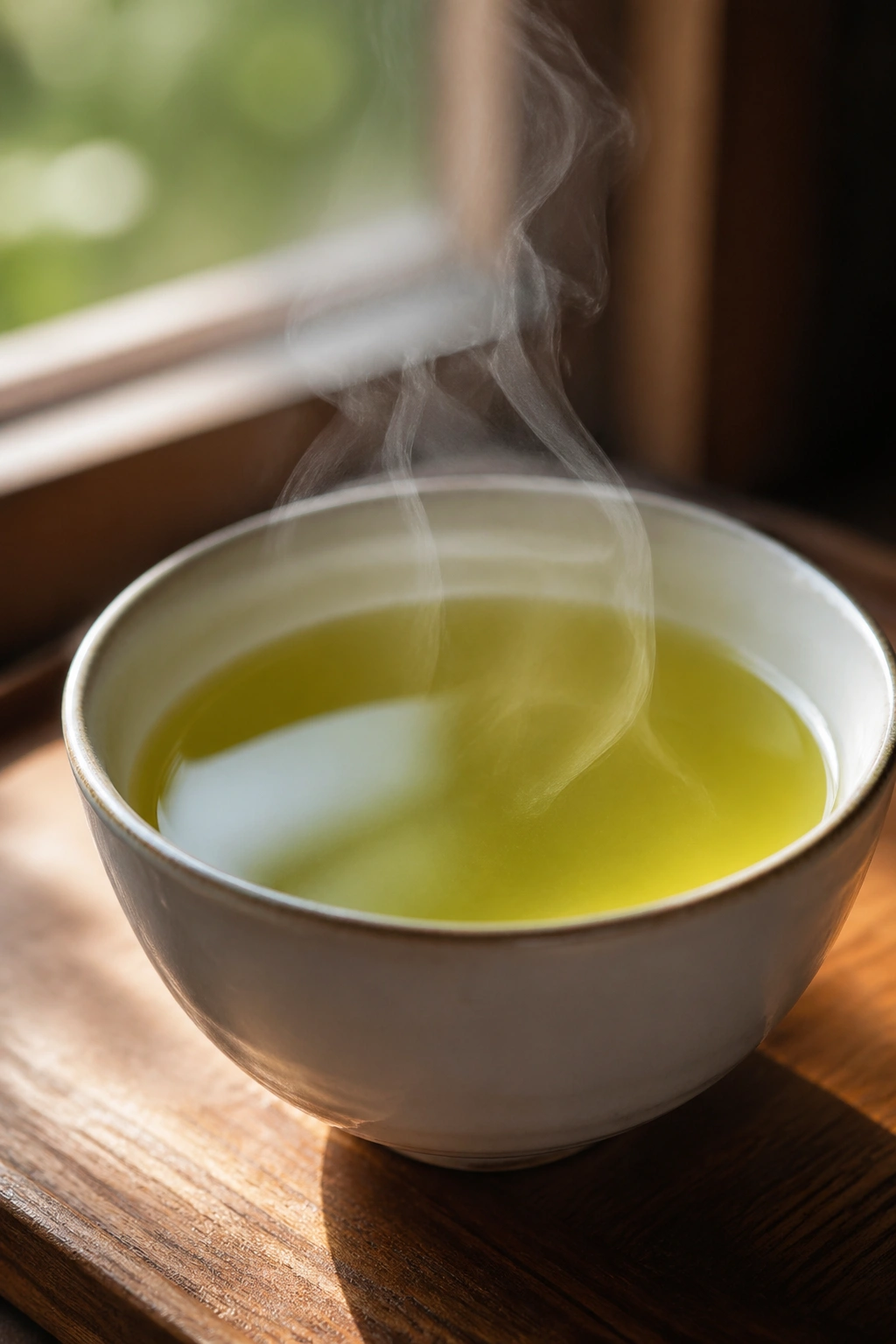
Decaf green tea is one of the sneaky good options because it keeps the green-tea ritual without the caffeine that can keep sensitive people awake.
A lot of people assume decaf means empty. Not really. You still get the flavor and some of the plant compounds people like in green tea, just without the same stimulant kick. That makes it useful when you want a warm cup after dinner and you do not want to lie in bed staring at the ceiling.
Best way to drink it
Brew it a little cooler than boiling water, around 175°F / 80°C, for 2 to 3 minutes. If you oversteep it, it gets grassy and bitter fast.
Keep it plain, or add a squeeze of lemon. Skip honey if your goal is keeping bedtime calories low.
15. Tart Cherry Juice
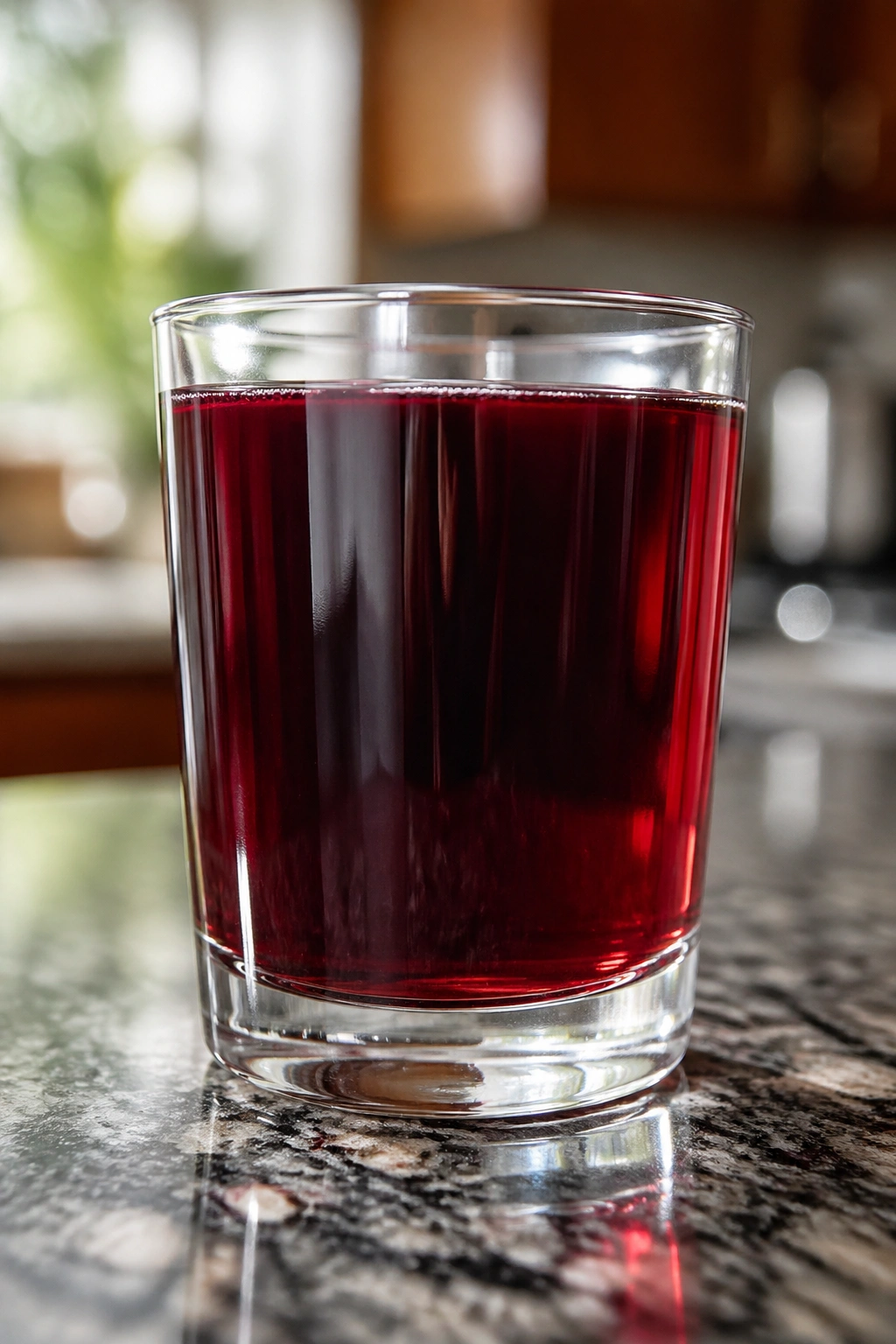
Tart cherry juice has earned its place because it brings more than flavor. It contains natural melatonin compounds, and people often use it as part of a sleep routine.
The key is portion size. A full glass can pack in a lot of sugar, which is the opposite of what you want late at night. Use 2 to 4 ounces and dilute it with water if needed. That gives you the tart flavor without turning it into a dessert drink.
It tastes sharp, almost wine-like, and that can be a plus. You feel like you had something special, which can be enough to stop the search for ice cream.
16. Kefir
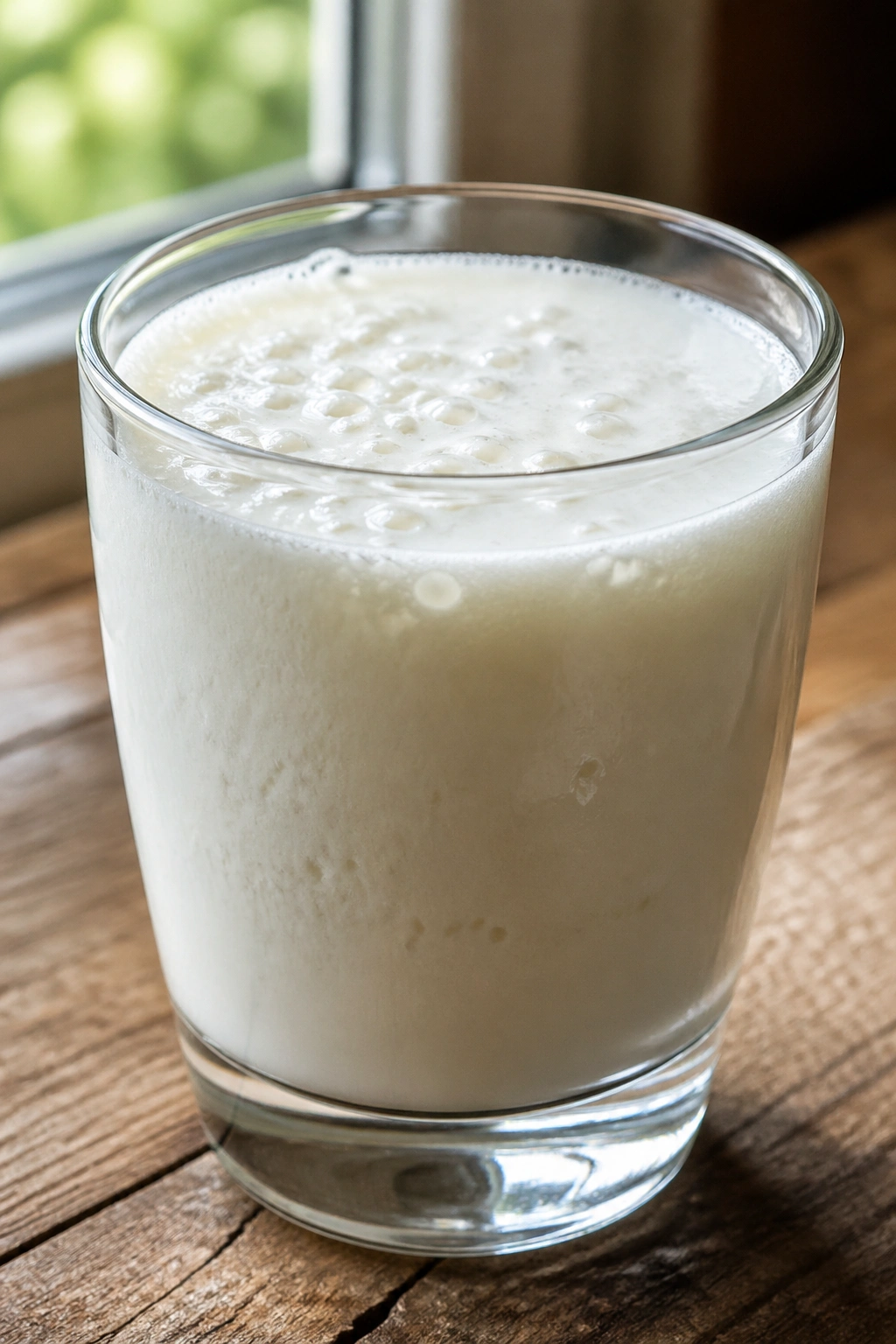
Kefir is one of the most practical bedtime drinks on this list if you want something filling. It is tangy, drinkable, and higher in protein than most sweet bedtime beverages.
Choose plain, unsweetened kefir if you can find it. A 1-cup serving often gives you around 8 to 11 grams of protein, depending on the brand, plus probiotics. That does not “burn fat” on command, but it can help you feel fed enough to stop grazing. For many people, that is the win.
If you are dairy-sensitive, start small. Kefir is easier for some people than milk because it is fermented, but not everyone tolerates it well. Add cinnamon if you want a softer flavor.
17. Casein Protein Shake
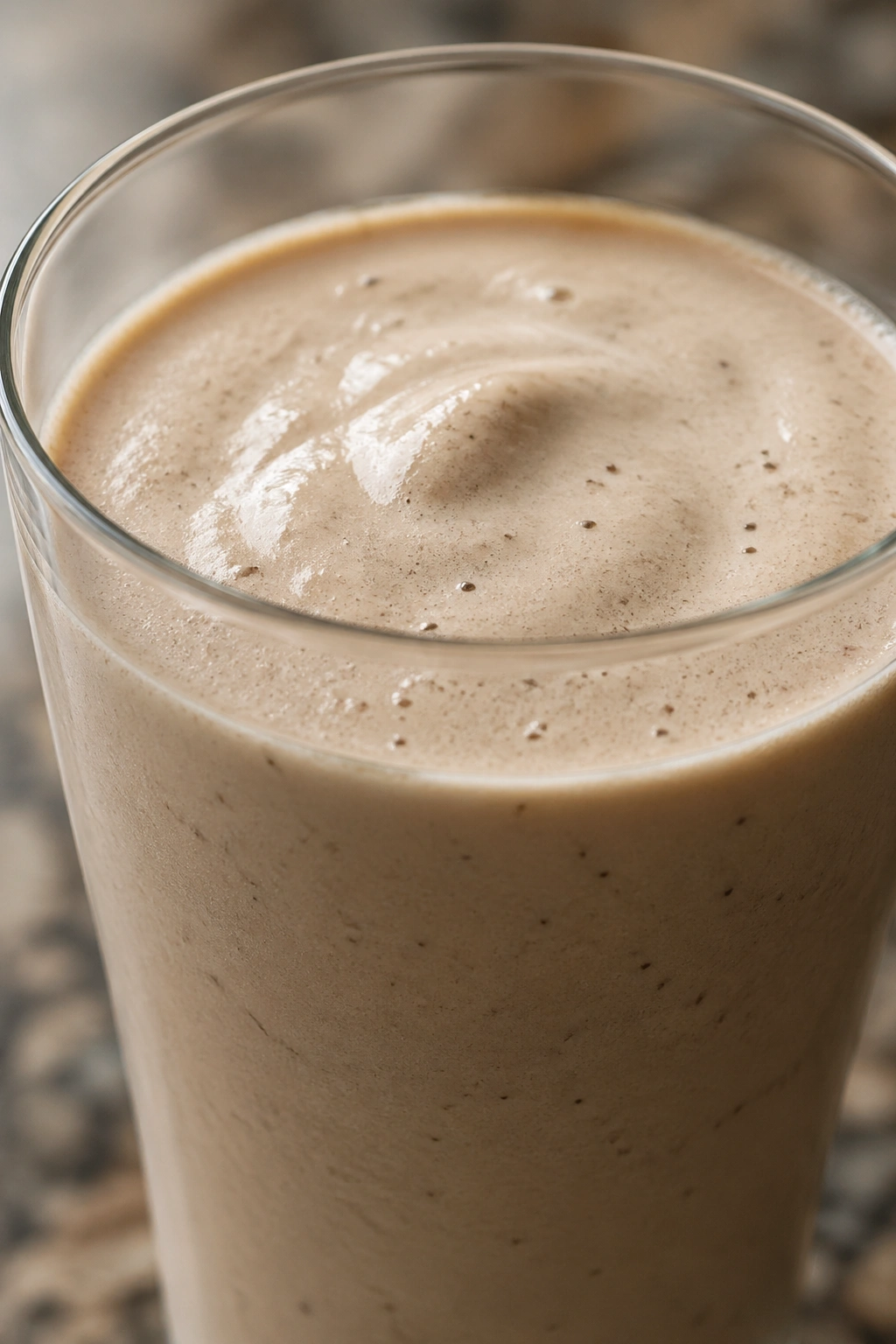
If you train hard or get hungry at night, casein is one of the few bedtime drinks that has a real reason to be there. It digests slowly, which can support satiety better than a sugary shake.
How to use it
Blend 20 to 30 grams of casein protein with 8 to 12 ounces of water or unsweetened milk. You want a smooth, thick drink, not a milkshake masquerading as health food. If you add banana, peanut butter, and syrup, you’ve left the lane.
- Best for: people who go to bed hungry.
- Texture: thick and creamy.
- Watch-out: too much can feel heavy if you’re already full.
This is not a cozy tea replacement. It is a tool. Use it when hunger is the real problem.
18. Unsweetened Almond Milk
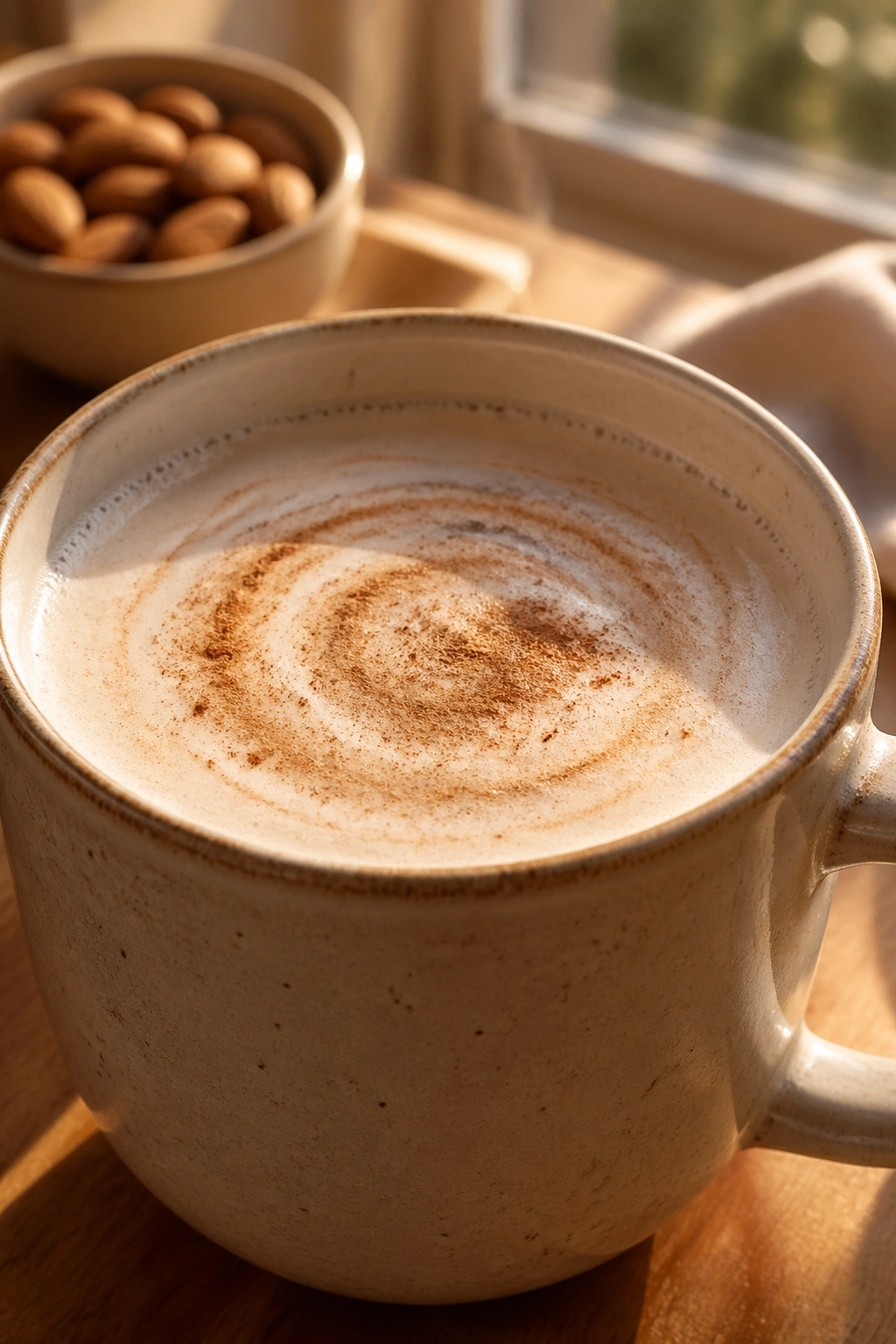
Unsweetened almond milk is not filling in the way kefir or casein is, but it can replace a richer bedtime drink with almost no calories.
Warm it gently and add cinnamon or vanilla. That’s the version worth making. A mug of warm almond milk can scratch the “I want something creamy” itch without turning into a late-night sugar bomb. One cup usually lands around 30 to 40 calories, depending on the brand.
It is a good choice if your real habit is dessert-by-default. The flavor is mild, so you get more from the temperature and the spices than from the milk itself.
19. Golden Milk
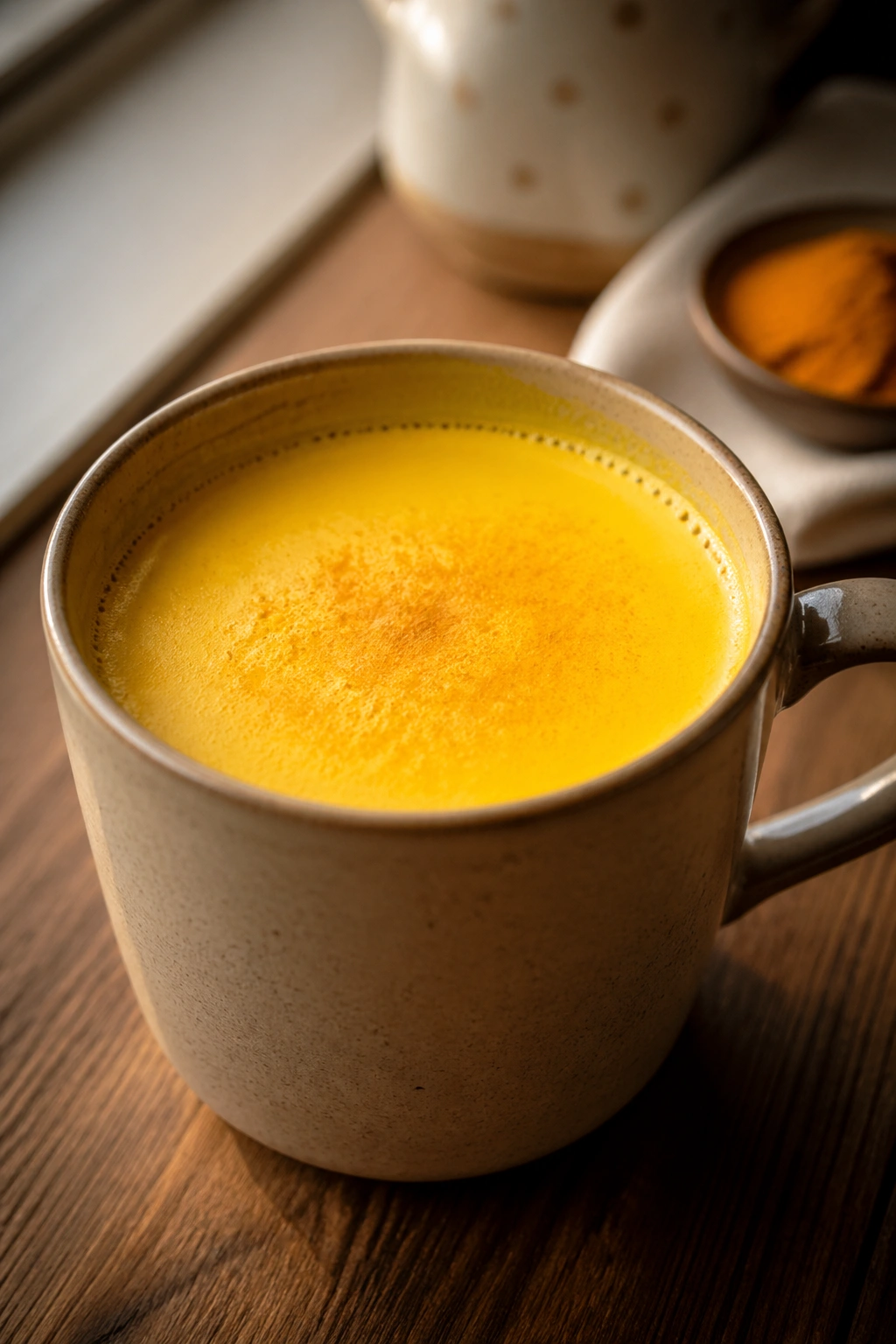
Golden milk sounds like a wellness cliché until you make a version that isn’t drowned in sugar. Then it becomes a genuinely decent bedtime drink.
Use unsweetened milk or milk alternative, 1/2 teaspoon turmeric, a tiny pinch of black pepper, and a little cinnamon. Heat it gently; do not boil it into something chalky. The drink should taste warm, earthy, and slightly sweet-spiced, not like a potion.
Turmeric gets all the attention, but the real value here is that golden milk feels like a dessert replacement. That is a useful job. If you make it with sugar and a heavy pour of sweetened condensed milk, though, you’ve missed the point by a mile.
20. Chia Water
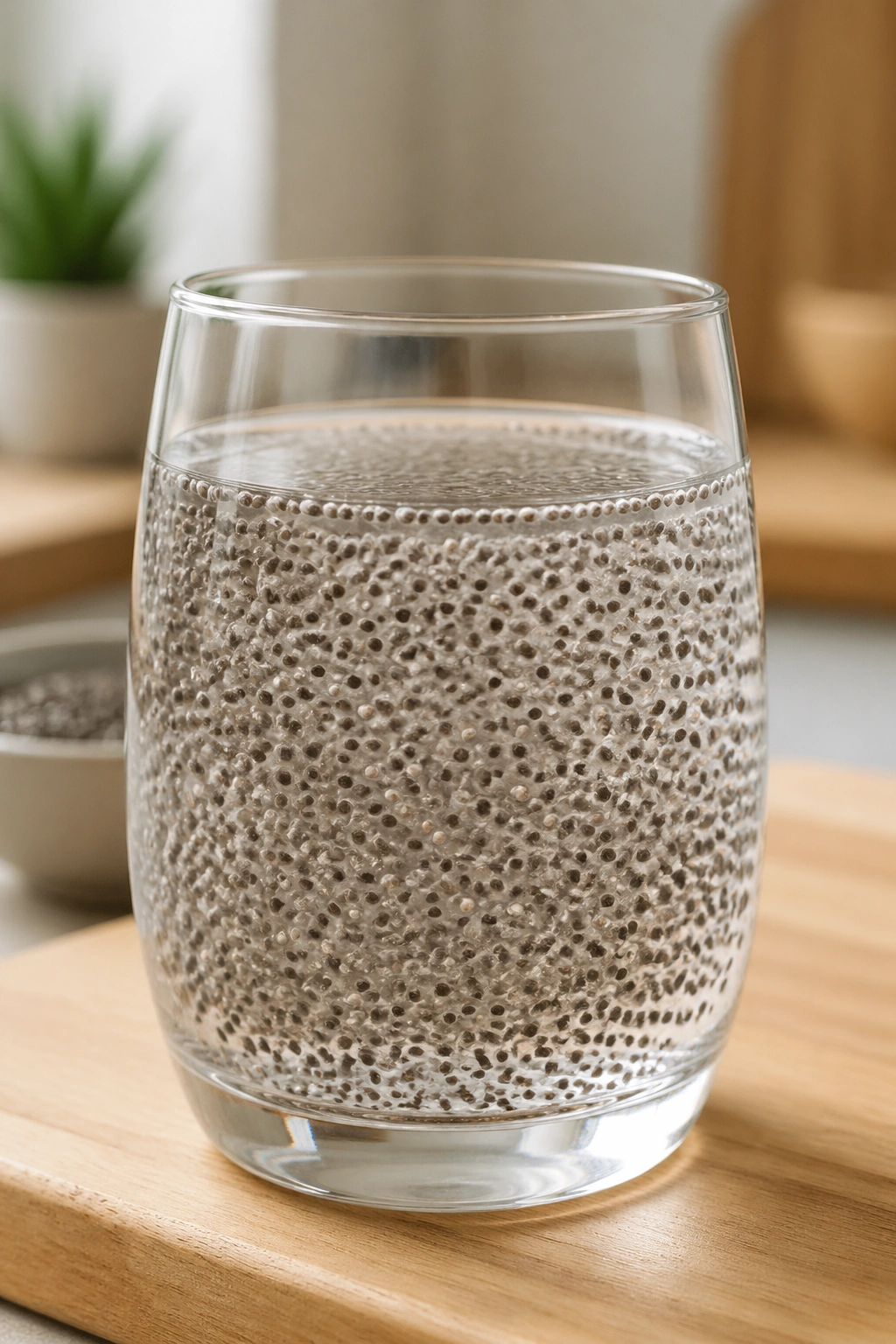
Chia water is the one I recommend only if you like texture. If you do not, skip it and save yourself the weirdness.
Stir 1 tablespoon of chia seeds into 8 to 12 ounces of water and let it sit for 15 to 20 minutes until the seeds swell. The result is slightly thick, almost gel-like. Some people love that. Others take one sip and never look back. Both reactions are fair.
The fiber can help you feel fuller, which is the whole reason to drink it at night. But it only works well if you drink enough water with it. Chia without enough liquid is not the move.
21. Psyllium Drink
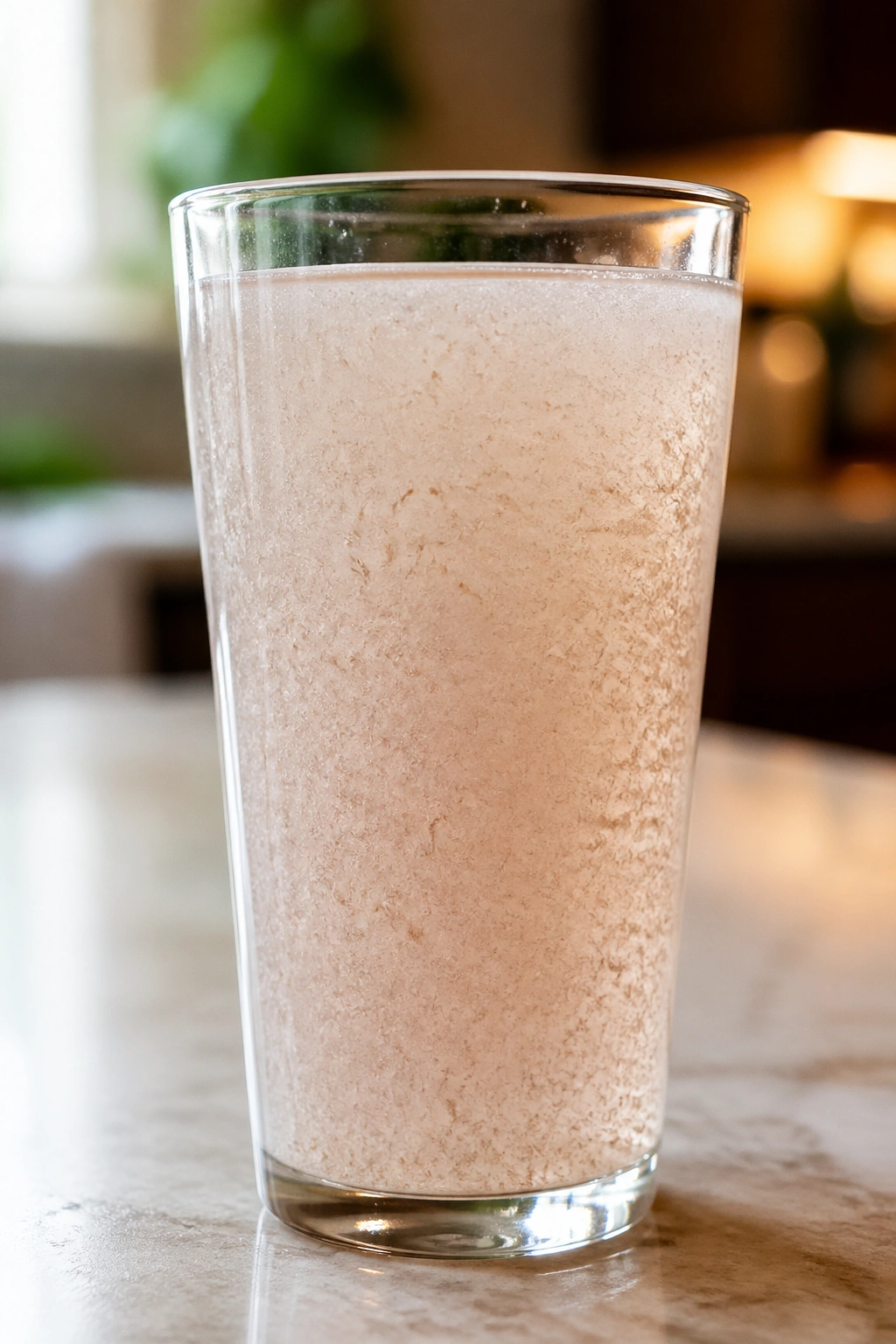
Psyllium is less of a cozy bedtime drink and more of a blunt tool. It can help with fullness, but it is not glamorous, and the texture is the reason.
Mix 1 teaspoon to 1 tablespoon of psyllium husk into a full glass of water and drink it right away before it thickens too much. Follow it with another sip or two of water. The goal is to get the fiber where it needs to go, not to make a science experiment in a cup.
Quick caution list
- Take it at least 2 hours away from medications.
- Do not use it with too little water.
- Start with a small dose if fiber usually bloats you.
This is useful for appetite control, but it is not a bedtime treat.
22. Coconut Water
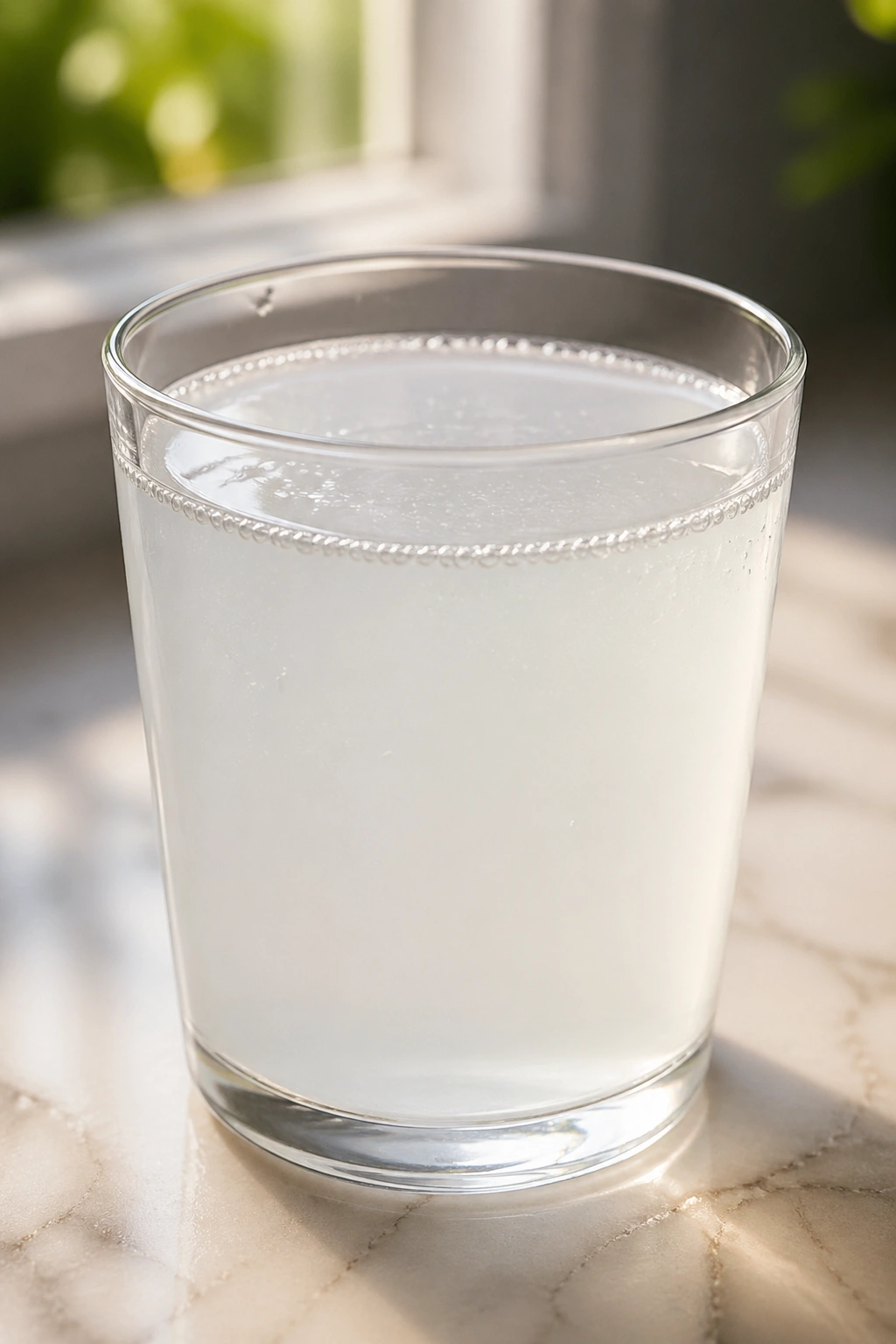
Coconut water is a mixed bag at night. It hydrates well, tastes mild and slightly sweet, and can be useful after a salty dinner or a sweaty workout.
The catch is calories. It is still a drink with natural sugar, so it is not the same as plain water or herbal tea. If you want it before bed, keep the portion small — 4 to 6 ounces is often enough. That gives you the flavor and electrolytes without turning bedtime into juice time.
I like it most when someone is genuinely thirsty, not snacky. Those are different problems. Mixing them up is how people end up drinking calories they never meant to have.
23. Dandelion Tea
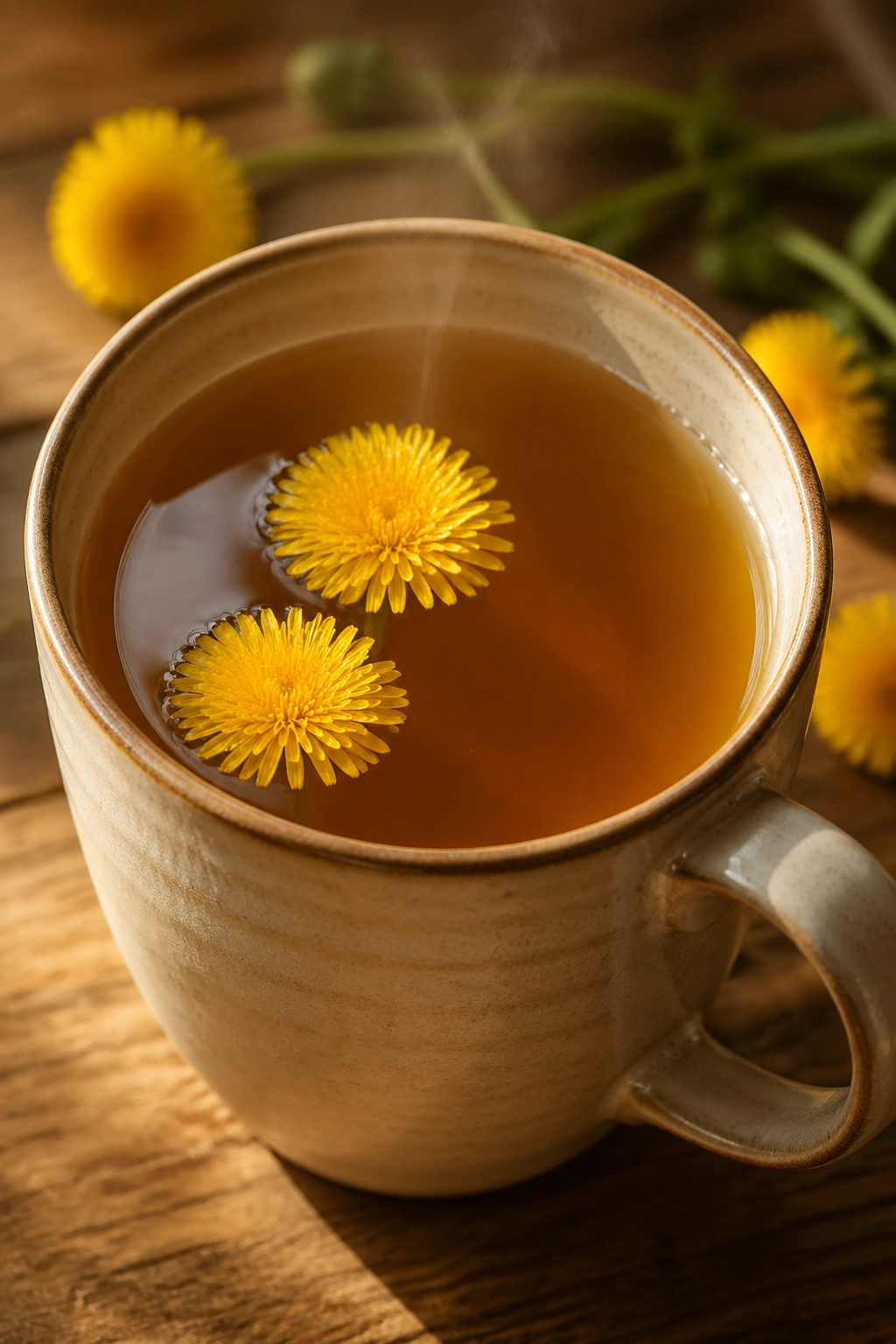
Dandelion tea has a sturdy, earthy taste that feels a little old-school, which I respect. It is not trying to charm you. It is just there.
People often use it for digestion and fluid balance, but the mild diuretic effect can be a double-edged sword at night. If you already wake up to pee, this may not be your best choice right before bed. Early evening is smarter. It can also interact with some medications, so anyone on diuretics or with kidney issues should be careful.
The flavor is better than it sounds if you like dark, rooty teas. If you want candy-flavored sleep drinks, this is not your lane.
24. Bone Broth
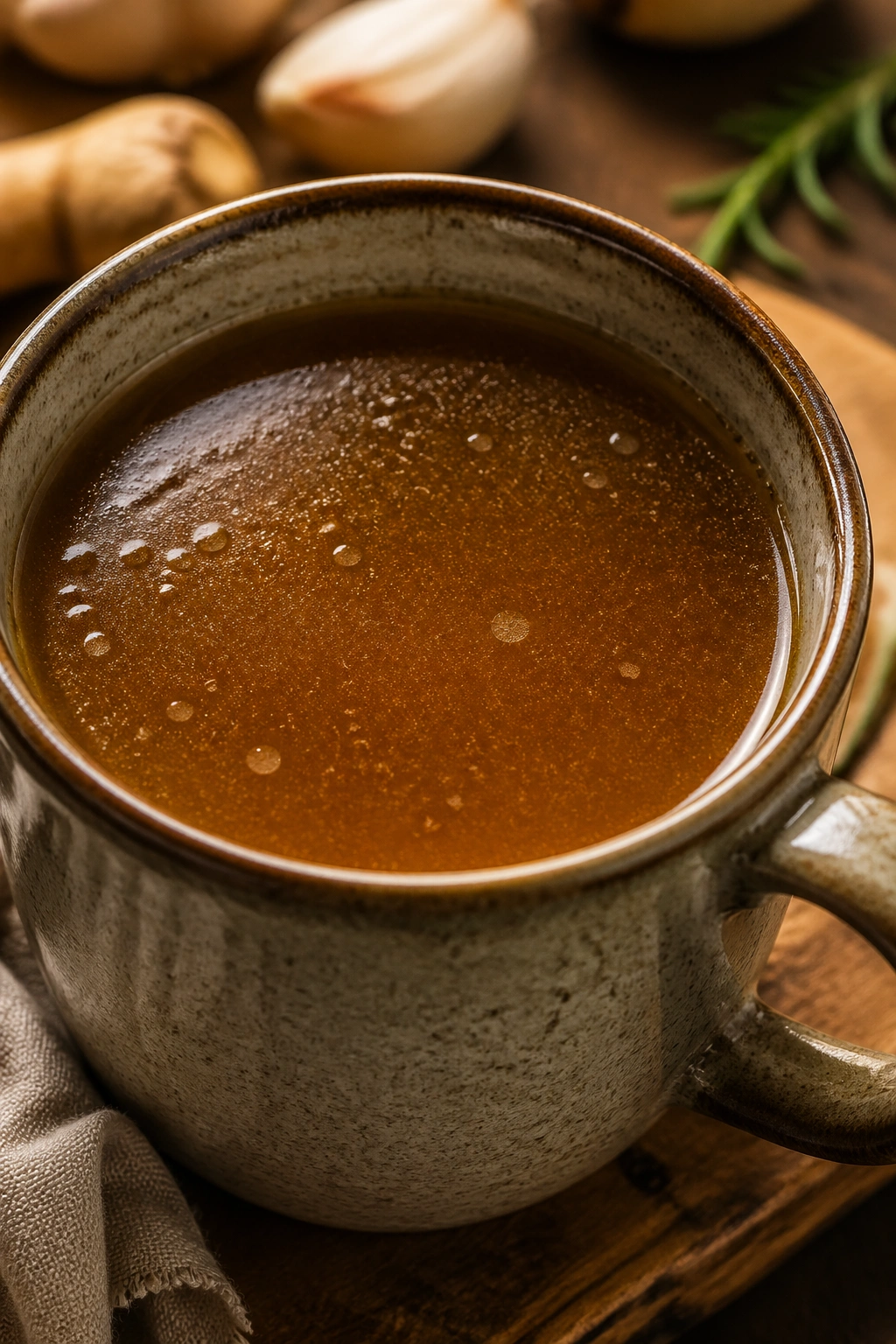
Bone broth is the savory curveball on this list, and I think that is exactly why it works for some people. When your body wants a snack but your brain knows better, a warm mug of broth can be the bridge.
Choose a low-sodium version if you can. A 1-cup serving may give you a little protein, some minerals, and a lot of comfort for not many calories. It tastes like a real food, which can be enough to stop the “maybe I need chips” loop.
Good uses for bone broth
- After a light dinner when you are still hungry.
- On nights when sweet drinks make cravings worse.
- When you want something warm and filling, but not heavy.
This is one of the few bedtime drinks that can feel like a real snack without spiraling into a snack.
25. Warm Unsweetened Soy Milk
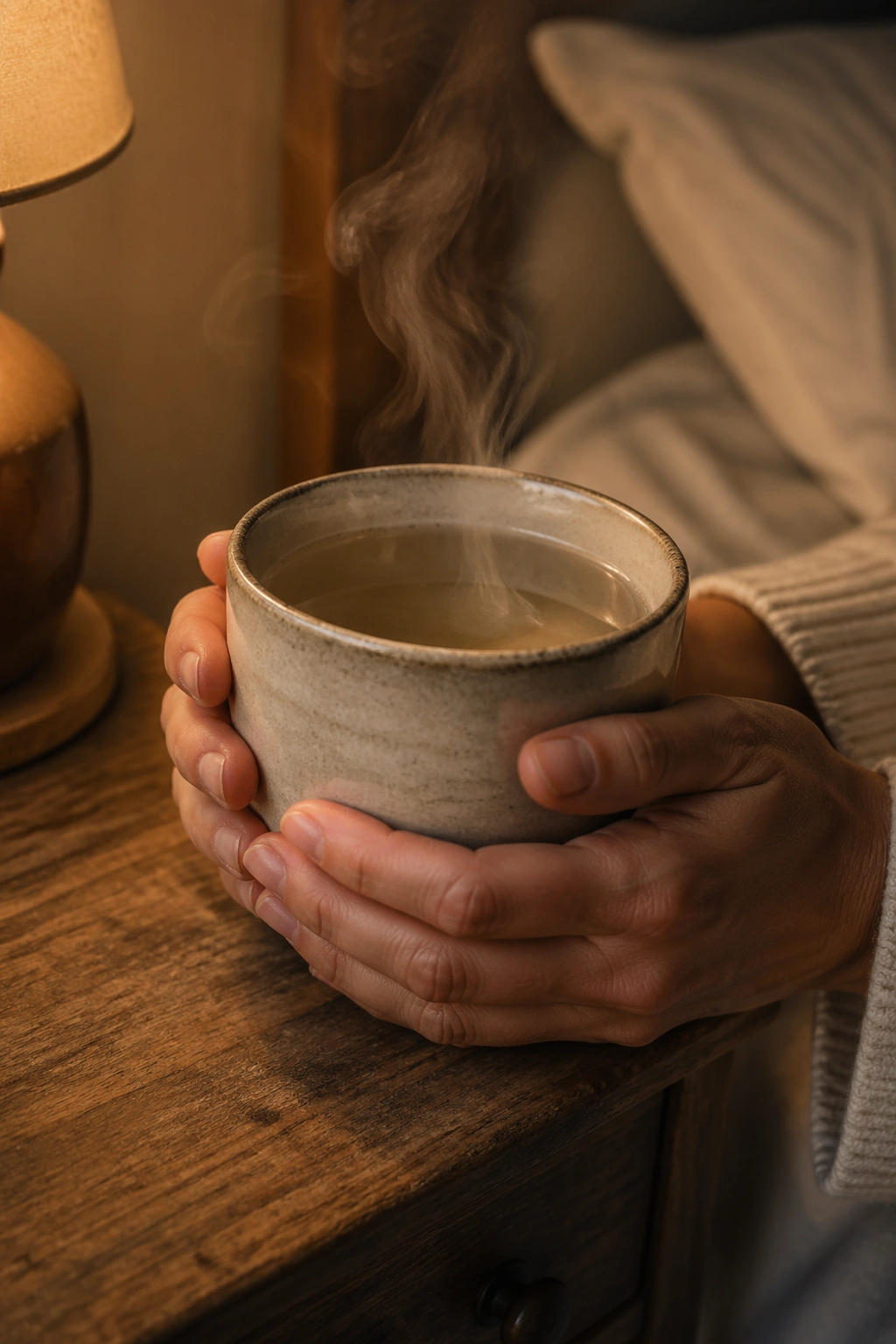
Warm soy milk is the sleeper hit if you want something creamy, comforting, and more filling than almond milk. It has more protein, which matters when late-night hunger keeps showing up like an uninvited guest.
Heat 1 cup of unsweetened soy milk gently on the stove or in the microwave. Do not boil it. Add cinnamon, nutmeg, or a drop of vanilla if you want a soft flavor. It should feel cozy and substantial, not sugary.
If I had to pick one bedtime drink for someone who wants comfort and some satiety without a lot of calories, this would be near the top. It is simple, cheap, and easy to repeat. That’s usually the real test.
A bedtime drink will not burn belly fat overnight. What it can do is make the night easier to handle, and that is often where weight loss either holds together or falls apart. If you choose one drink that keeps you calm, hydrated, and out of the snack cabinet, that is a much better result than any miracle claim.
