



A hard workout before breakfast can feel sharp and clean, but only if your stomach isn’t staging a protest halfway through the warm-up. That’s where the best pre workout foods for fat burning mornings come in: not giant plates, not sugar bombs, not a brunch situation you need a nap to recover from. Just the right amount of fuel to wake up your legs, steady your focus, and keep hunger from ambushing you later.
And no, there isn’t a magic food that melts fat off by itself. I wish there were. The real trick is using morning fuel that helps you train with purpose while keeping calories, digestion, and energy crashes under control. That usually means fast carbs in small portions, enough protein to keep you full, and sometimes a little caffeine if your body handles it well.
The morning is weird in a useful way. You’ve usually gone hours without eating, so your body is primed to use food quickly. Too much fat or fiber can sit heavy. Too little food, though, and your workout turns into a survival exercise. The sweet spot is small, specific, and a little more thoughtful than people make it sound.
1. Banana
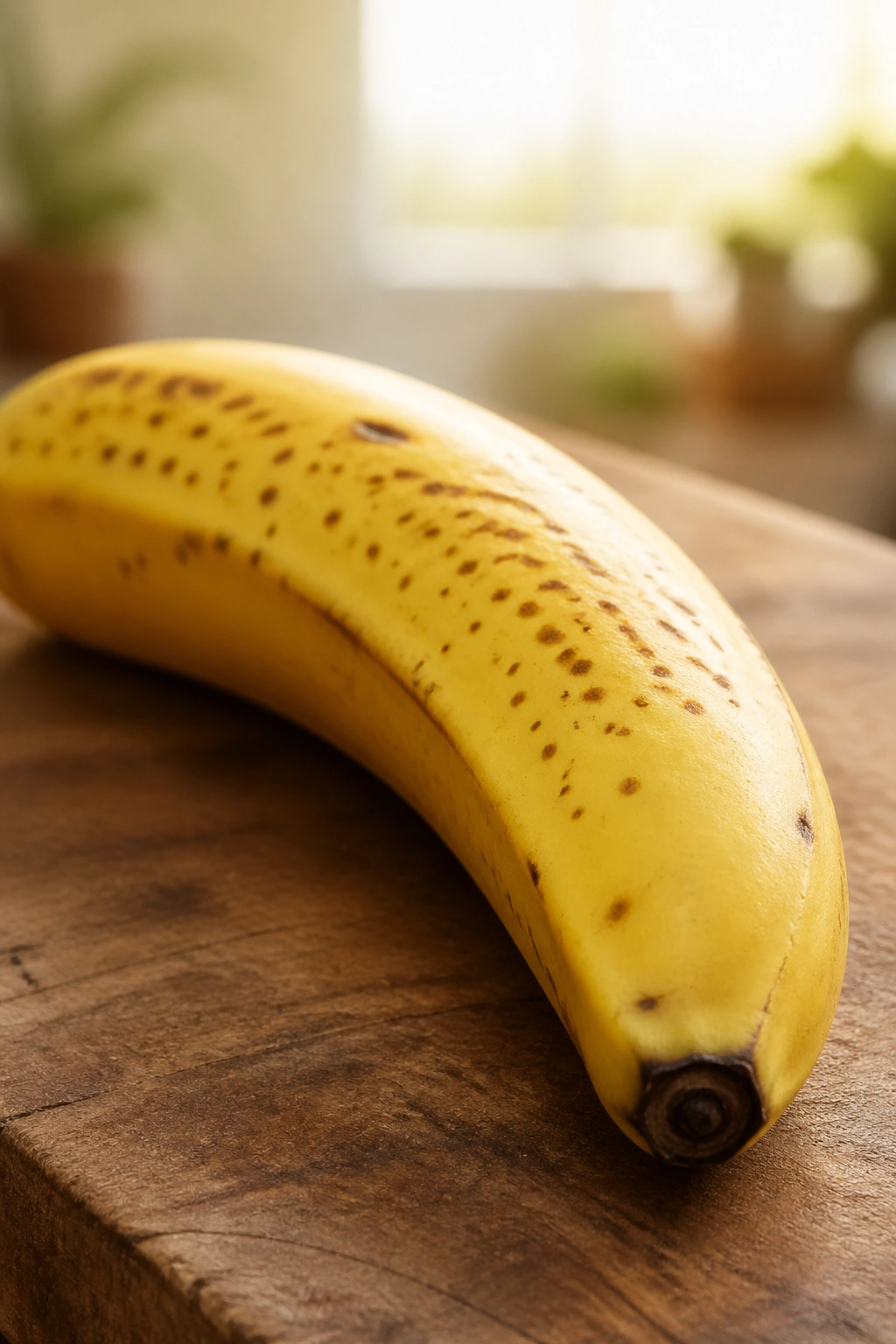
A banana is the simplest answer for a reason. It’s soft, fast to digest, and easy to eat half an hour before you train, which makes it one of the most practical pre workout foods for fat burning mornings. You get quick carbs without a lot of chewing, and that matters when your alarm went off early and your brain is still half asleep.
Why it works so well
A medium banana gives you roughly 25 to 27 grams of carbohydrate, which is enough to top off morning energy without turning breakfast into a meal. The potassium gets all the attention, but the bigger win is the way a banana sits in the stomach. It usually feels light, especially when it’s ripe.
A banana is also flexible. Eat one whole banana before a longer session. Eat half a banana if you’re just doing 20 to 30 minutes of cardio or a short lifting circuit. That kind of control is helpful when you want fuel, not fullness.
Quick way to use it
- 30 to 45 minutes before training: one medium banana
- 15 to 20 minutes before training: half a banana if you need something tiny
- With extra protein: pair it with plain Greek yogurt or a whey shake
- For better digestion: choose a ripe banana with yellow skin and brown specks
Best use: fasted cardio, short runs, and early weight training when you need energy fast.
2. Plain Greek Yogurt
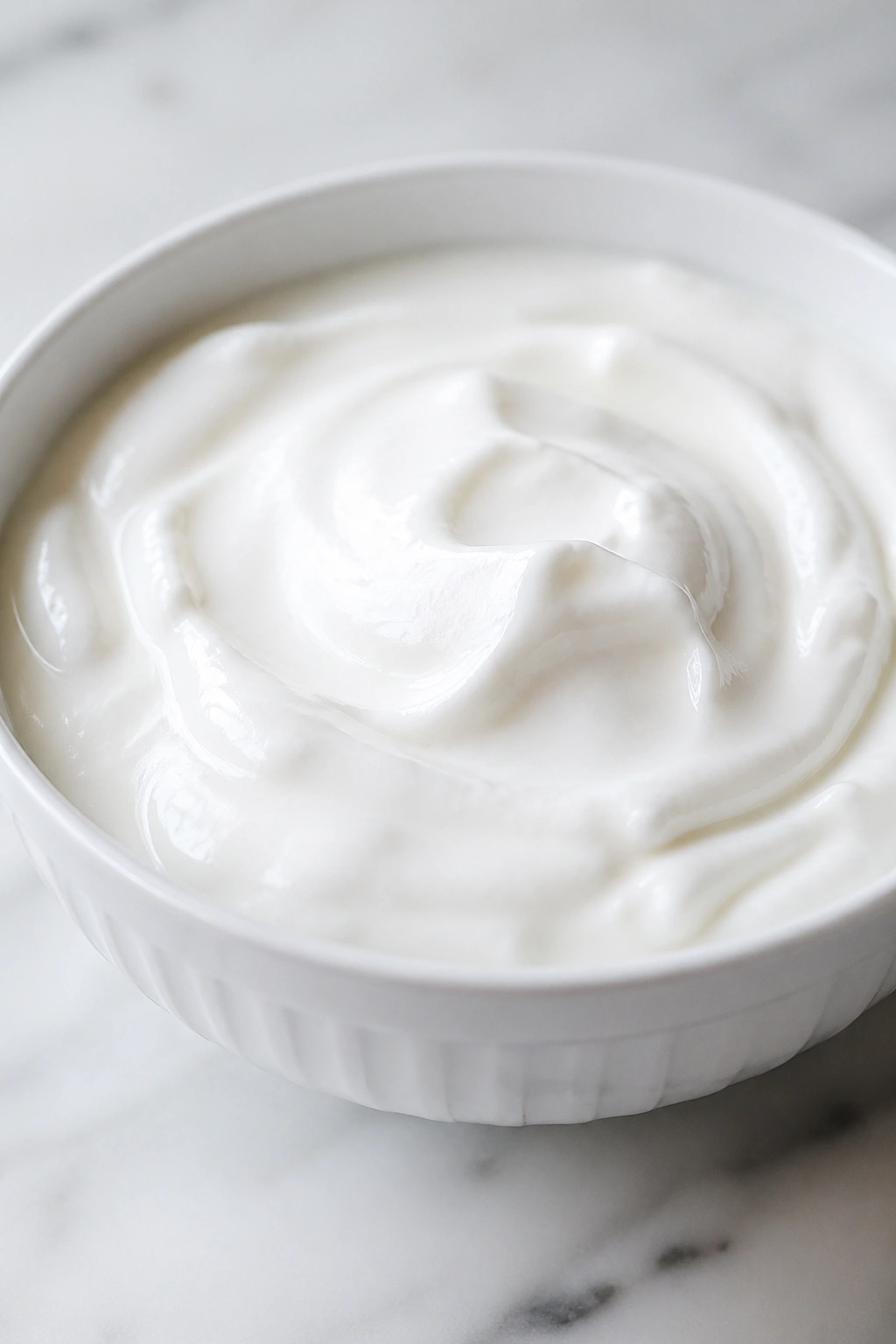
Plain Greek yogurt is one of the smartest breakfast choices if you want protein without a heavy breakfast hanging around in your stomach. It’s thick, cold, and filling in a way that feels calm rather than sluggish. That matters on mornings when you want to train hard and still keep your eating tight.
The protein is the point here. A single cup can deliver 15 to 20 grams of protein, depending on the brand and fat level. That helps keep hunger in check after your workout, which is often half the battle with fat loss. If you’re the kind of person who gets shaky or distracted when you train completely empty, this is a better move than raw cardio stubbornness.
Keep it plain. Flavored yogurt often brings a lot of added sugar, and that defeats the point if your goal is a lean, controlled breakfast. Add berries, cinnamon, or a few spoonfuls of oats if you need more staying power. A drizzle of honey is fine too, but don’t turn it into dessert.
Greek yogurt works especially well when you have 30 to 60 minutes before training. If your workout starts in 10 minutes, it may feel too dense. If you have an hour, it’s near perfect.
3. Oatmeal
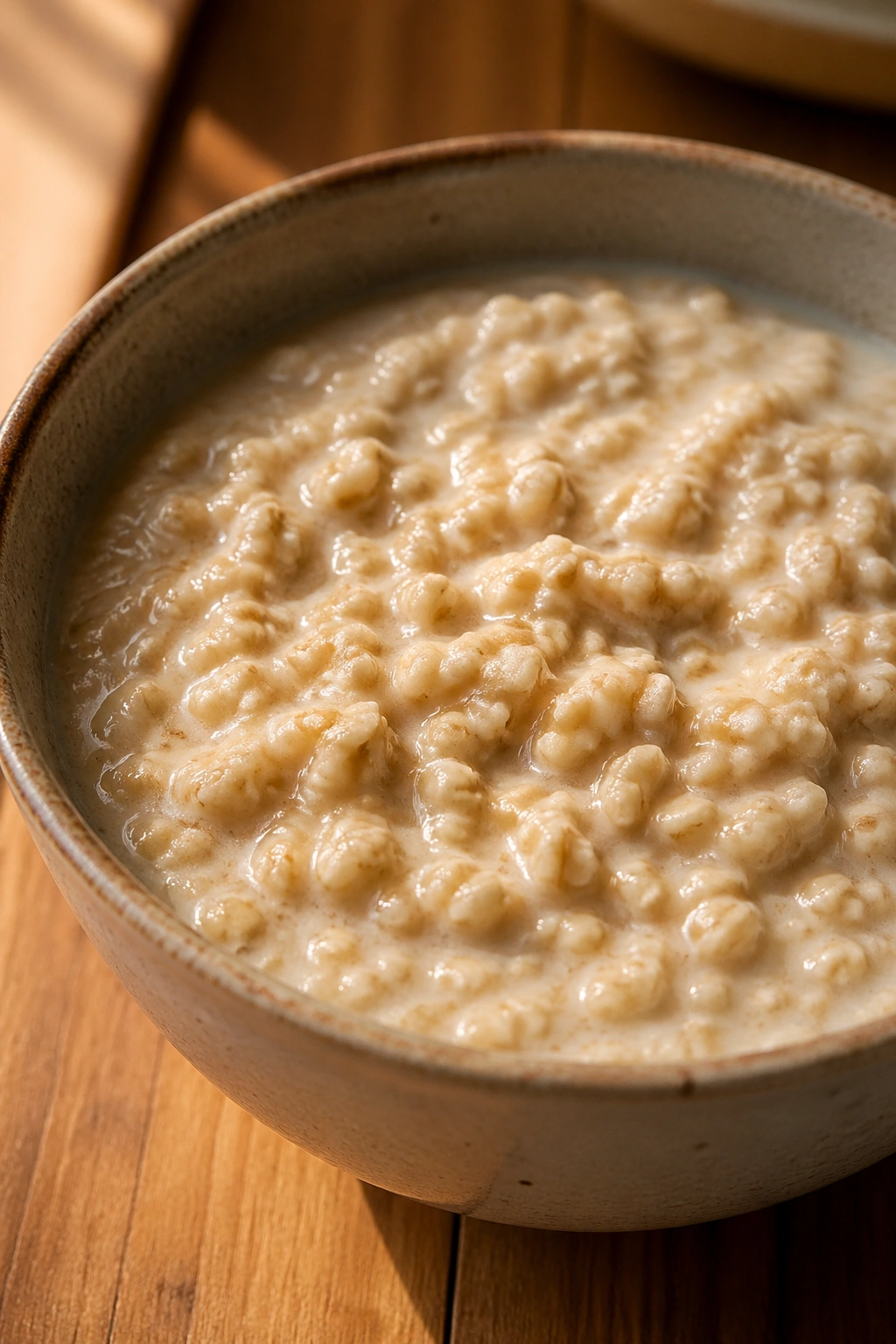
Why do so many people swear by oatmeal before a morning workout? Because it does a lot of quiet work at once. It gives you steady carbs, it sticks to your ribs, and it doesn’t hit like a sugar rush. That makes it a nice fit for mornings when your training lasts longer than a quick sprint and you want fuel that keeps pace.
How to keep it light
A ½ cup dry oats portion is usually enough before exercise. Cook it with water or milk, then stop there unless you’ve got a longer window before training. Piling on nut butter, coconut flakes, and three kinds of seeds turns a useful breakfast into a brick.
Oatmeal also behaves better when it’s plain and simple. A little banana sliced on top works. A handful of berries works. Even a pinch of salt helps if you sweat a lot during training, and that tiny detail gets overlooked constantly. The goal is comfort and steady energy, not a bowl that makes you sleepy.
If you’re doing an intense lifting session or a longer cardio block, oatmeal is one of the better pre workout foods for fat burning mornings because it gives you enough fuel to work, but not so much that you feel stuffed.
Skip the giant bowl. Seriously. Small portion, better workout.
4. Eggs
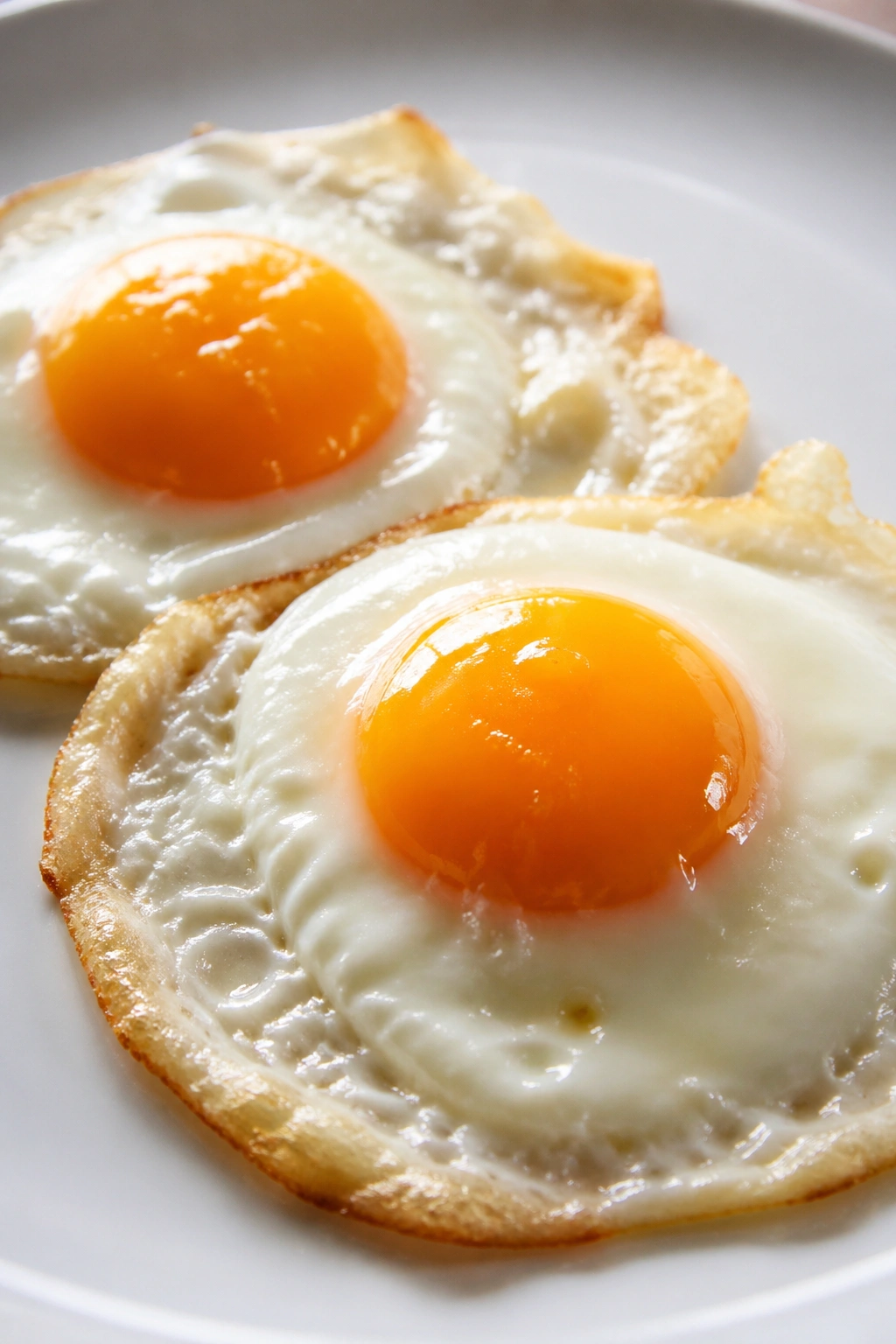
Eggs are the breakfast classic that people either overdo or ignore. Used well, they’re excellent. Used badly, they can sit in your stomach like a complaint. The difference is timing and portion size.
A better egg setup
Two whole eggs plus two egg whites is a very practical pre-workout combo. You get protein, a little fat, and a meal that feels more like breakfast than a snack. If your training starts in 60 to 90 minutes, eggs are a strong choice because they keep you full without flooding you with carbs you may not need yet.
The mistake is loading up on bacon, cheese, and oil-heavy sides. That slows digestion a lot more than people expect. If fat loss is the goal, the lighter version works better. A soft scramble with spinach, a pinch of salt, and one slice of toast is a good example. It’s enough. No need to decorate it.
What to watch for
- Best for: strength training, mixed training, longer morning sessions
- Less ideal for: a workout in the next 10 to 15 minutes
- Good add-on: one slice of toast or half a banana
- Avoid: greasy restaurant-style omelets before exercise
Eggs are satisfying, but they are not fast fuel. That’s the whole point.
5. Black Coffee
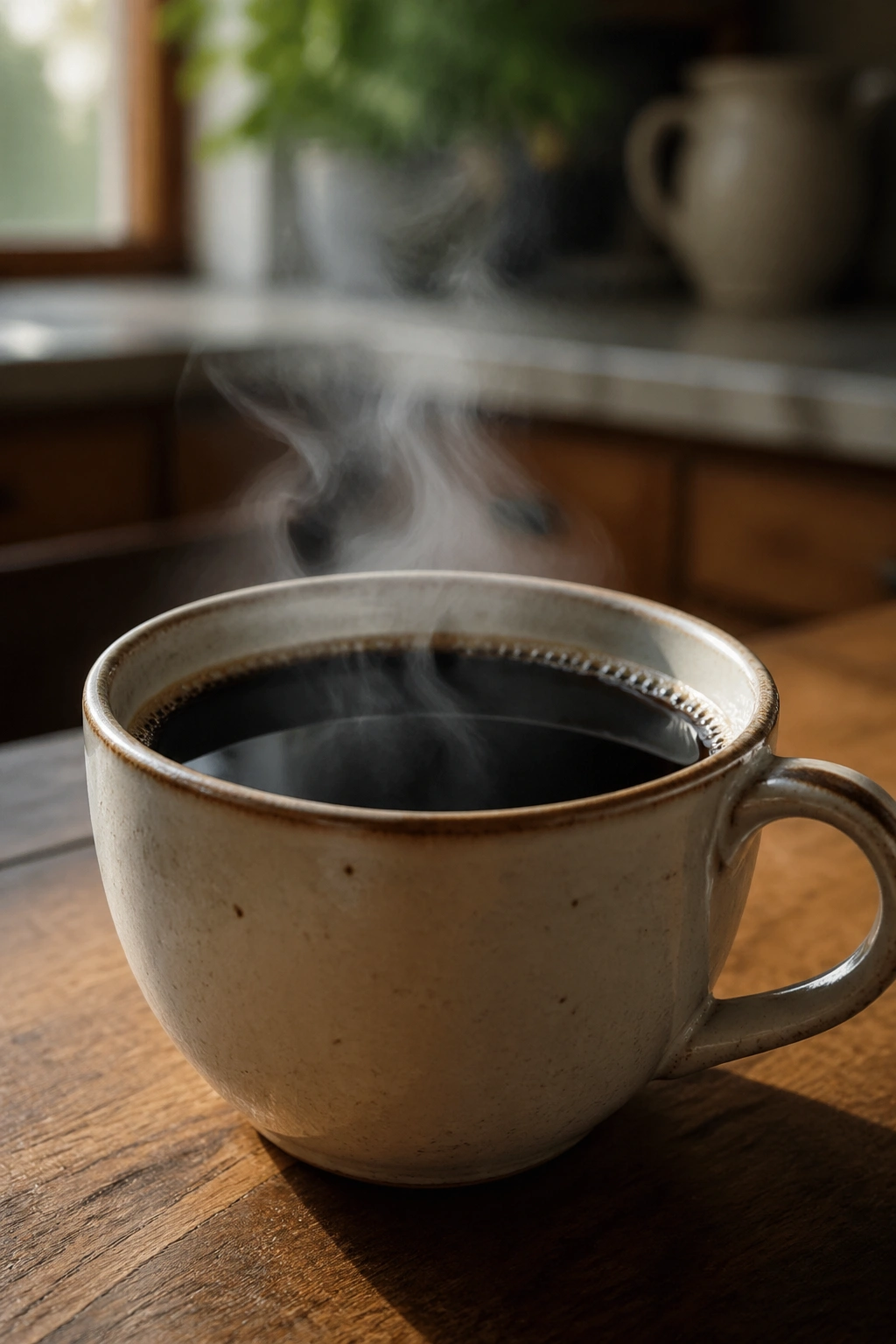
Black coffee is not a food, but morning workouts make a strong case for letting it into the room. Compared with eating more food, coffee gives you alertness without many calories, and that can be useful when you want a clean start and a little extra drive.
The caffeine can make the first part of a workout feel easier. Not magic. Just easier. It can sharpen focus, lift mood, and help some people push through the awkward first ten minutes when the body is still warming up. A standard 8- to 12-ounce cup about 30 to 45 minutes before training is usually enough for most people.
But coffee is personal. If it makes your stomach feel hollow and edgy, don’t force it. Add a splash of milk, or pair it with a banana. If it makes your heart race, skip it. There’s no medal for suffering through jitters.
Black coffee also belongs in this list because it plays nicely with fat-loss goals: almost no calories, no chewing, and no cleanup. That’s a useful combination on mornings when you’re trying to be efficient rather than fancy.
6. Berries
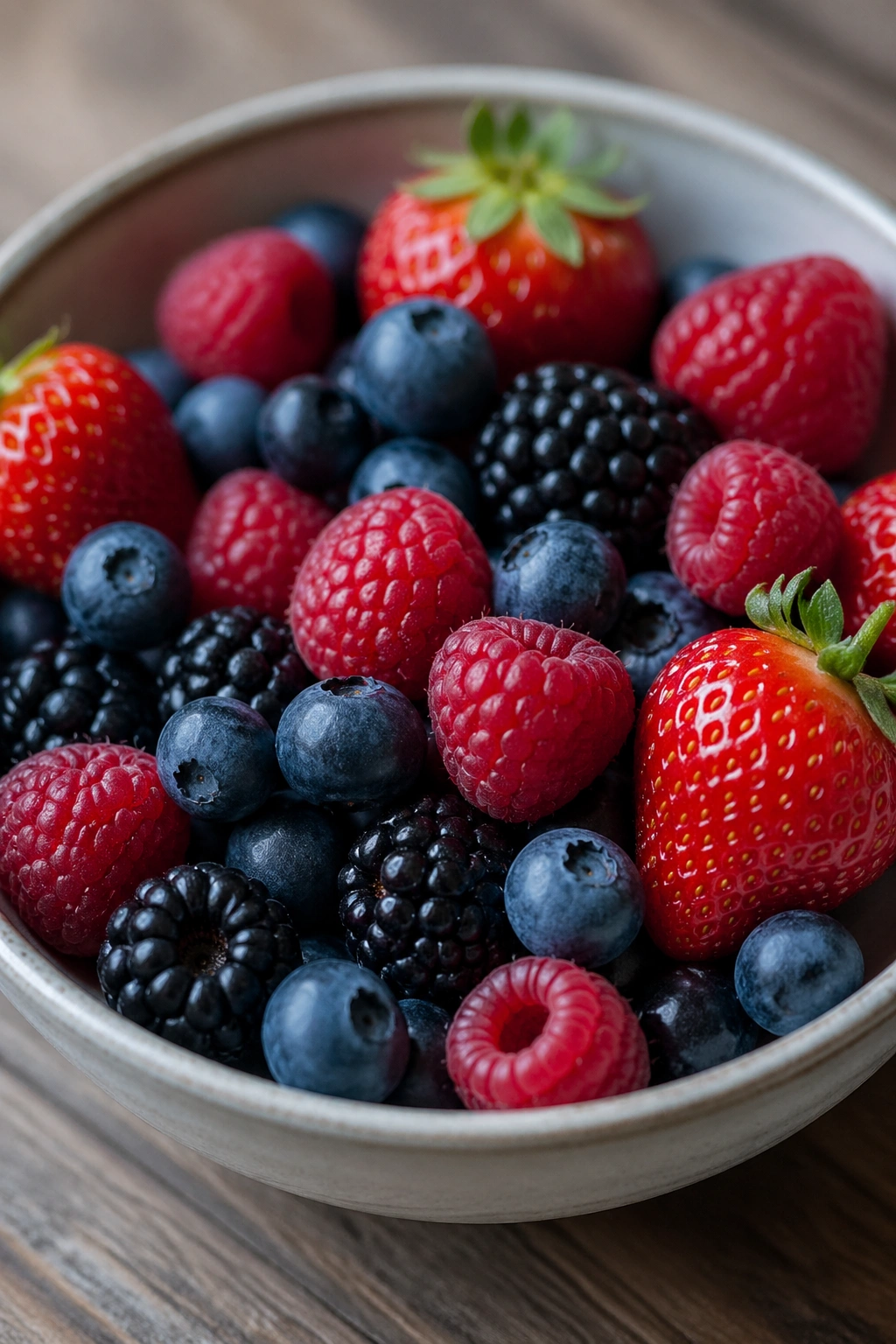
Berries are small, cold, and a little underrated. They don’t scream “pre-workout fuel,” but they fit the job beautifully when you want something light that won’t drag your stomach down. Blueberries, raspberries, and strawberries all bring water, fiber, and a bit of sweetness without the calorie load of heavier breakfast choices.
A cup of berries is usually enough. That gives you flavor and a little carbohydrate without making the meal feel serious. Put them over Greek yogurt, stir them into oats, or eat them on the side if you just want a quick bite before training. They work especially well for people who don’t like a big breakfast before movement.
Berries also help if your mornings tend to feel dry and flat. Their water content makes them feel refreshing, not dense. That sounds small, but small things matter when you’re trying to keep a routine going four or five mornings a week.
If you want a pre-workout food that supports fat loss without tasting like punishment, berries are a strong pick. They are not enough on their own for a tough lifting session, though. Pair them with protein or another carb source, and they become much more useful.
7. Cottage Cheese
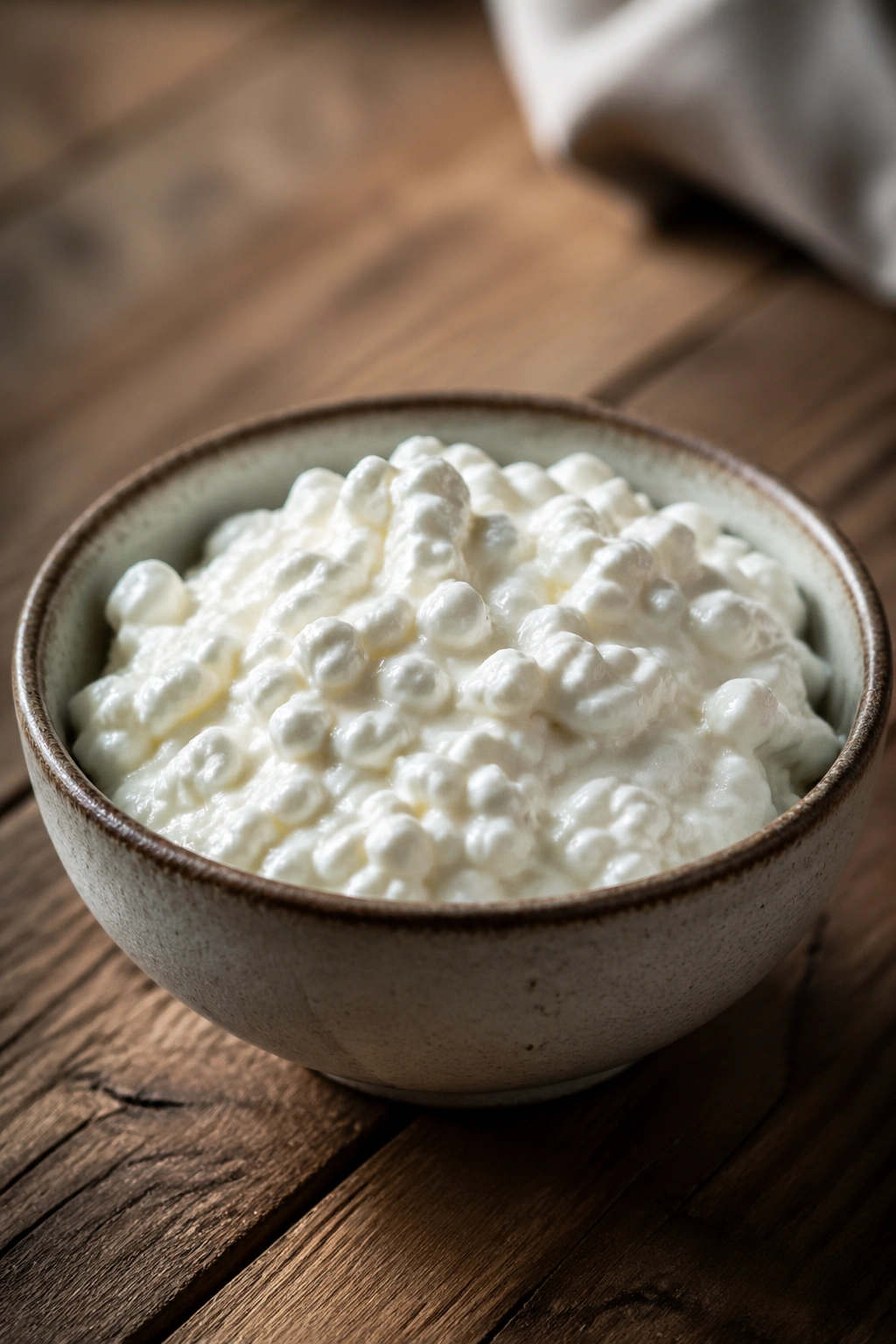
Cottage cheese is one of those foods people forget until they need something filling that doesn’t require cooking. It’s mild, high in protein, and easy to spoon into a bowl at dawn when you would rather not think too hard.
The reason it works before training is the casein protein. Casein digests more slowly than whey, so cottage cheese keeps you full for longer. That’s useful if you have a long gap between breakfast and your workout, or if your mornings usually end with a big appetite spike and a raid on the snack cabinet later.
A ½ cup to 1 cup portion is plenty for most people. Add cinnamon, berries, or a few slices of banana if you need a little carb support. If the texture bothers you, blend it until smooth. That sounds odd the first time, but it works. You get the same protein with a softer feel.
Watch the salt if you’re using packaged cottage cheese. Some brands lean heavy there. That isn’t a disaster, but it can make the food taste sharper than you want before exercise.
For people who train best on a small, protein-heavy breakfast, cottage cheese earns its place fast.
8. Rice Cakes
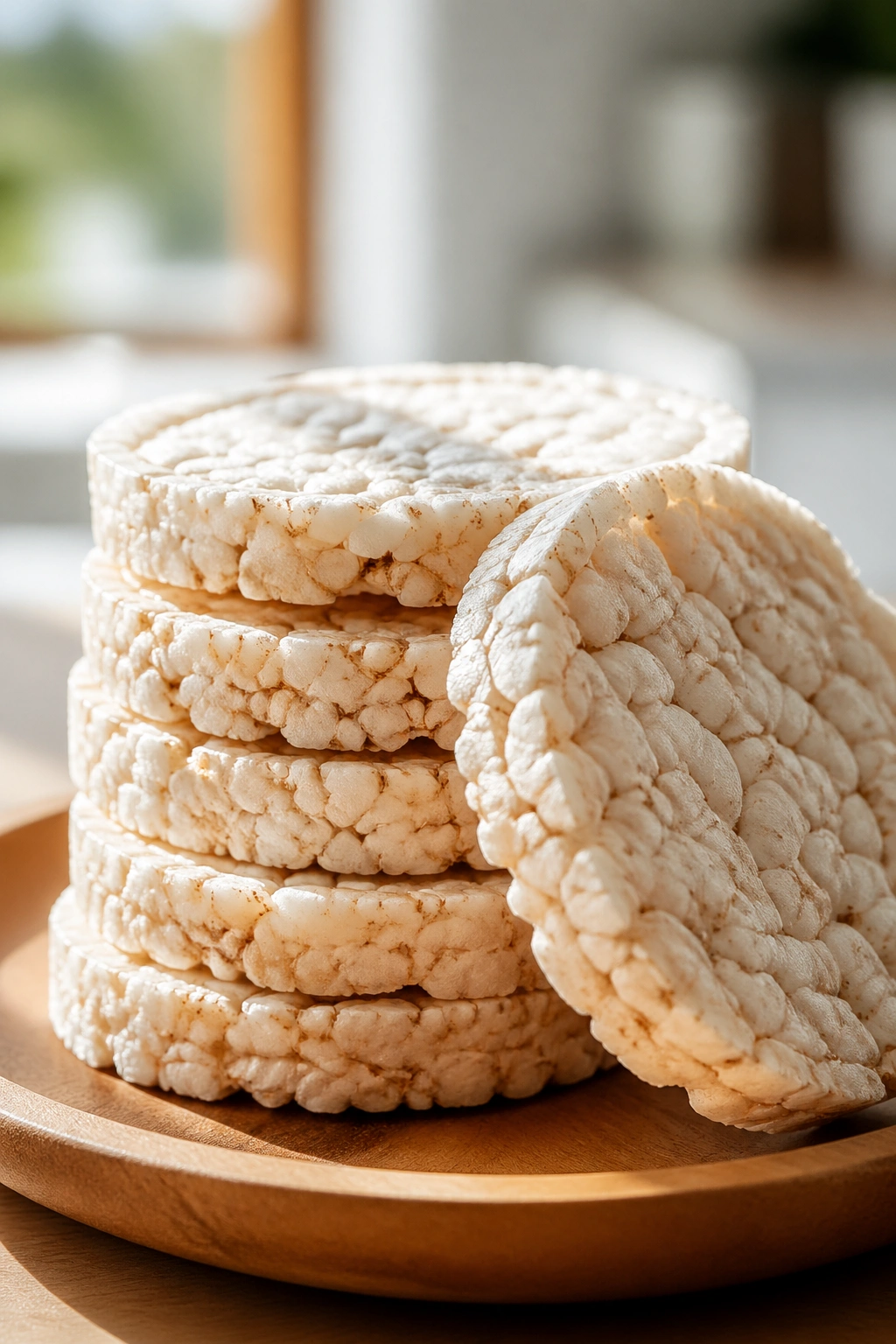
Rice cakes are plain. That’s also why they work. When you want a small, low-fiber carb source before a morning workout, they’re hard to beat for convenience. They don’t sit heavy, they don’t need cooking, and they give you a quick dose of energy without much drama.
Best way to use them
- 1 to 2 rice cakes: for a light warm-up or brisk walk
- 2 to 4 rice cakes: for lifting, intervals, or a longer session
- With jam or honey: for faster carbs
- With thin nut butter: if you have more time to digest
Rice cakes are useful because they’re easy to adjust. One cake is barely anything. Four cakes start to feel like a real snack. That makes them useful for people who need control more than they need excitement.
They do not bring much protein, so don’t rely on them alone if you’re training hard. Pair them with yogurt, a shake, or even a couple of eggs if your stomach tolerates that mix. The point is quick fuel, not a complete meal.
Boring food is sometimes the right food. This is one of those times.
9. Apple
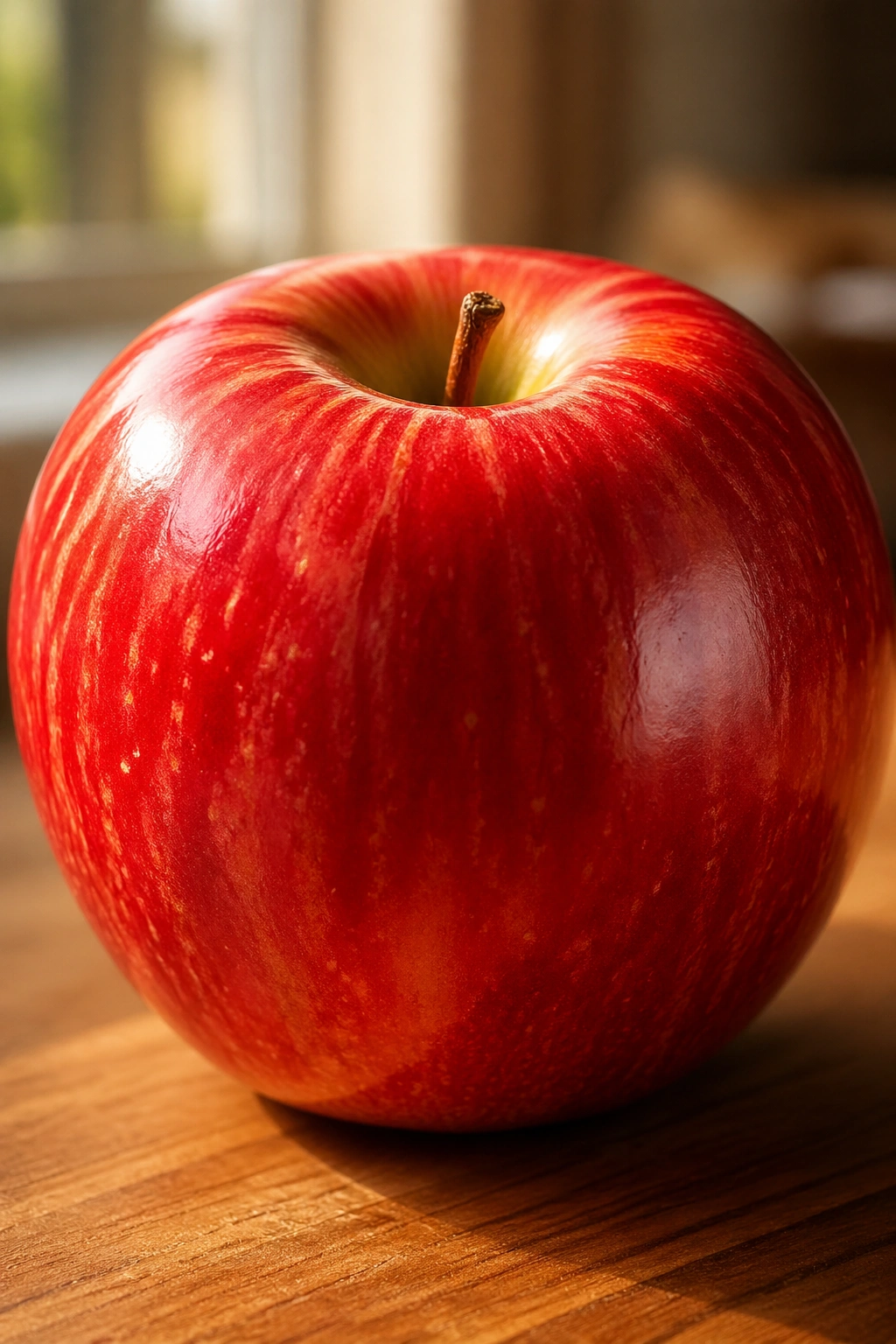
An apple is the kind of pre-workout snack that sounds almost too simple, but it has a place. It’s portable, crisp, and filling in a way that can tame morning hunger without making you feel like you ate a whole breakfast. One medium apple gives you roughly 20 to 25 grams of carbohydrate along with fiber and water.
Why choose it over a banana? Sometimes because you want a firmer texture. Sometimes because apples feel a little more satisfying. Sometimes because that’s what’s sitting on the counter, and honestly, that’s reason enough. The best pre-workout food is often the one you will actually eat.
If your stomach gets fussy during exercise, peel the apple. The skin is where a lot of the fiber lives, and less fiber can mean less gut chatter. That matters if you’re heading into sprints, a spin class, or anything that bounces around more than a steady walk.
Best timing
Eat an apple 30 to 45 minutes before lighter training, or pair it with a protein source if you’ve got a more intense session. On its own, it’s good. With protein, it’s better.
10. Whey Protein Shake
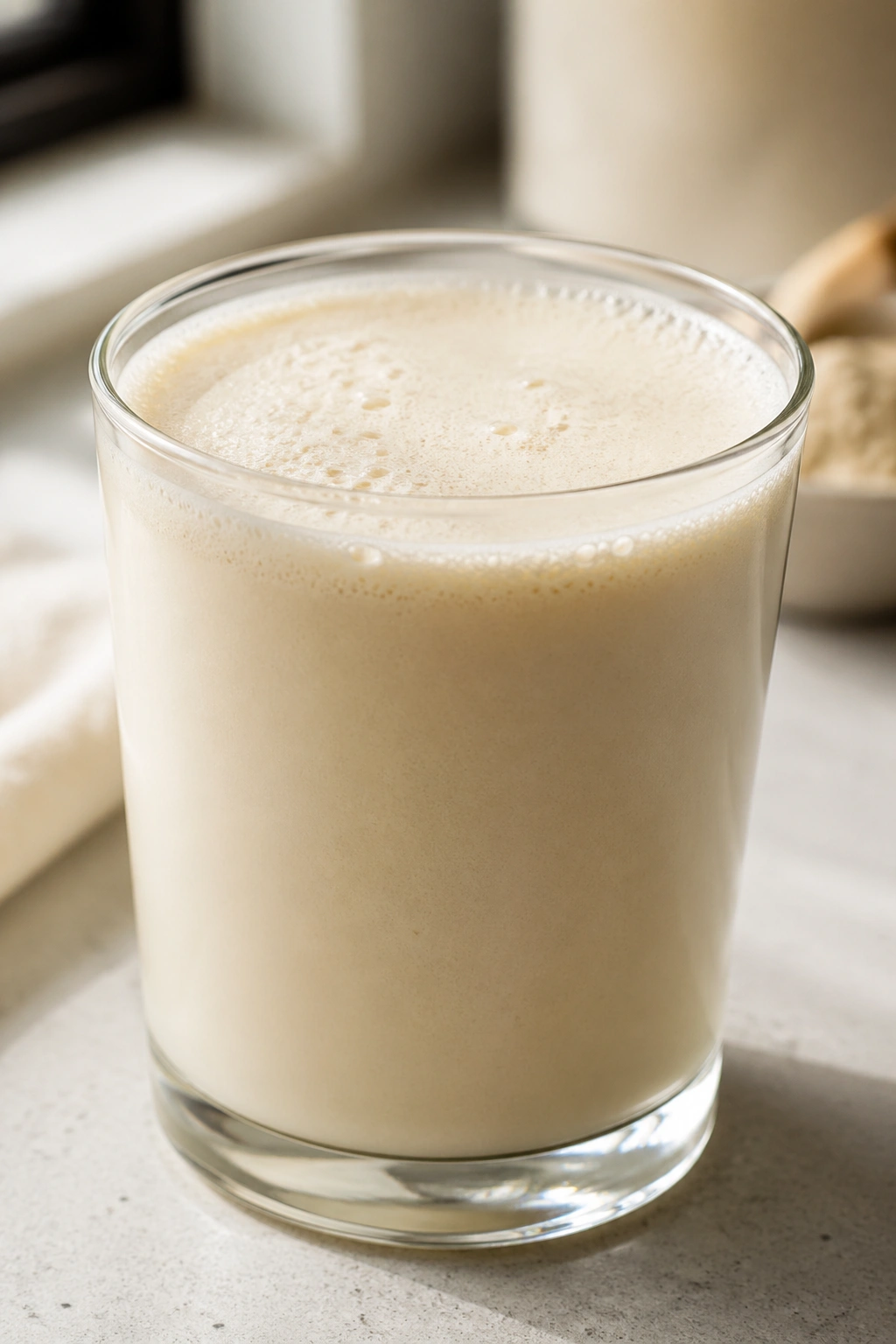
A whey protein shake is the fastest way to get protein into your system without making breakfast feel like a project. If you wake up hungry but not hungry enough for a plate of eggs, this is the clean middle ground. It’s quick, light, and easy to tailor.
How to mix it fast
- 20 to 30 grams of whey protein
- Mix with 8 to 12 ounces of water for the lightest option
- Use milk if you want more calories and a smoother texture
- Add half a banana if you need more workout fuel
Whey is useful before training because it’s easy on the clock. Shake, drink, go. No pans. No waiting. No excuse to skip food and then fall apart halfway through the session. That alone makes it one of the better morning tools for fat loss, since it keeps you from arriving at lunch so hungry that you overeat.
It also works well for people who hate chewing early in the day. Some mornings, that’s most of us.
If you’re lifting weights, a whey shake can pair nicely with a carb source like toast or a banana. If your workout is light, the shake alone may be enough. Keep the add-ins modest, though. A “protein shake” can turn into a dessert if you start throwing in everything from peanut butter to oats to half the pantry.
11. Chia Seeds
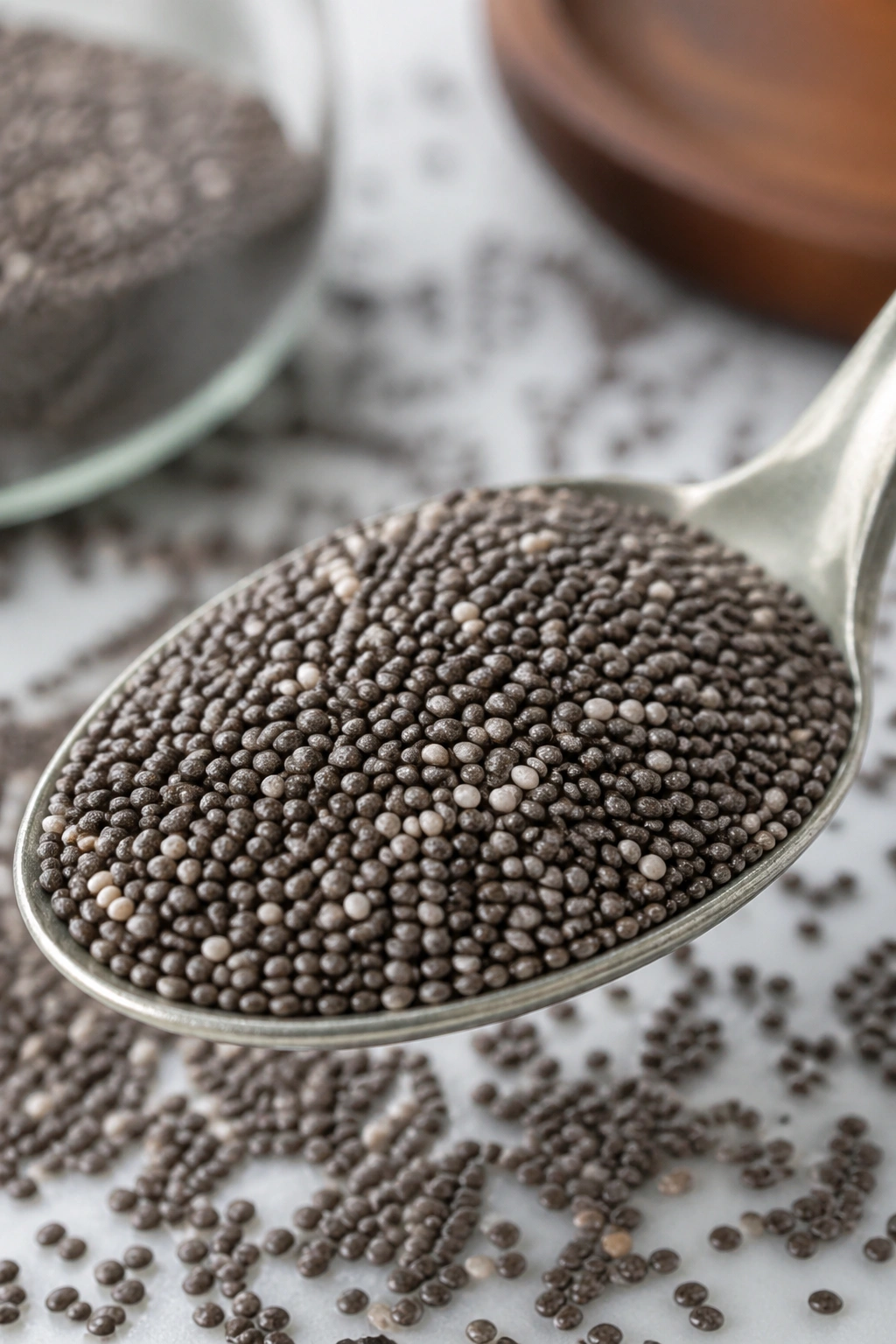
Chia seeds are a weird little food with a useful job. They swell in liquid, turn soft and gel-like, and slow things down in a way that helps if you like a steadier breakfast before training. That makes them different from rice cakes or bananas, which are built for quick fuel.
This is where timing matters. Chia works best when you have 60 to 90 minutes before exercise, because the fiber and gel texture need a little time to settle. A tablespoon or two stirred into yogurt, milk, or a smoothie is plenty. More than that, and some people start feeling too full.
Best use cases
- With yogurt: for a thicker, more filling bowl
- In a smoothie: for a slower, steadier breakfast
- Soaked overnight: if you want a ready-to-go option
- Not ideal: right before a hard run or HIIT session
Chia is especially useful on mornings when you know hunger will hit hard later. It slows the meal down a bit, which can be a good thing for fat loss because it helps you stay calm instead of chasing snacks an hour later.
Too much chia before exercise is a mistake. A small amount is a helper. A giant spoonful is a gut-bomb. Tiny difference. Huge payoff.
12. Whole-Grain Toast
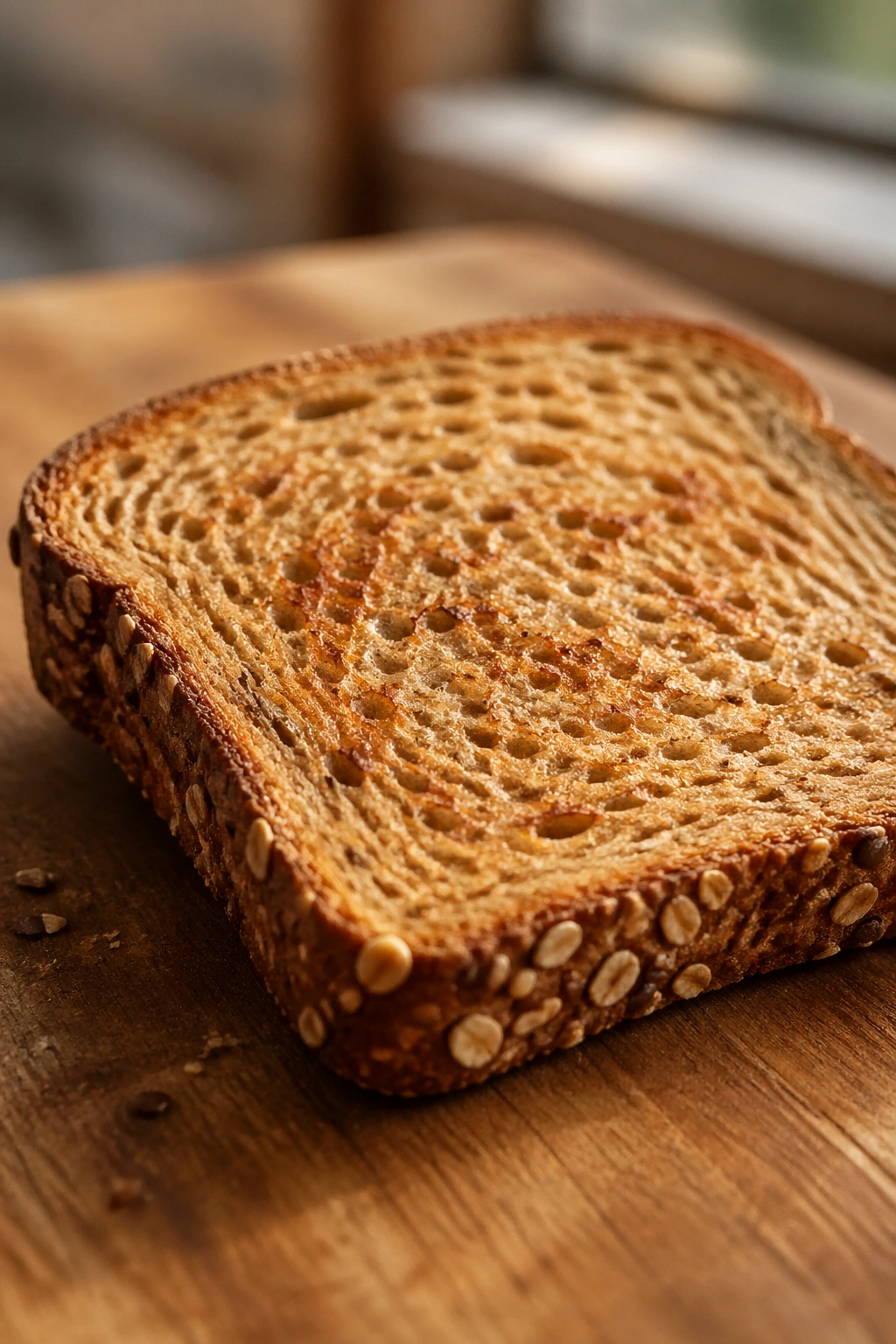
Whole-grain toast is one of the most practical pre workout foods for fat burning mornings because it lets you control the amount almost perfectly. One slice is light. Two slices is more serious. Add toppings and you can fine-tune it based on how long you plan to train.
A slice of sturdy whole-grain bread gives you carbs plus a bit of fiber, which is useful if your workout starts in 30 to 60 minutes. If you’re heading into a longer lifting session, top it with a thin layer of jam, honey, or even a smear of nut butter. If you want faster digestion, keep the toppings light and skip the heavy spreads.
The texture matters more than people admit. Toast feels satisfying. It’s warm, crisp, and familiar. That makes it easier to eat consistently, which is half the battle with morning routines. A meal plan you hate will not last long.
Watch the bread label if you care about the details. Choose bread where whole grains are listed early and the fiber lands around 3 grams per slice if you want a solid middle ground. Too much fiber can slow things down. Too little, and the toast is basically white bread in a costume.
13. Skyr
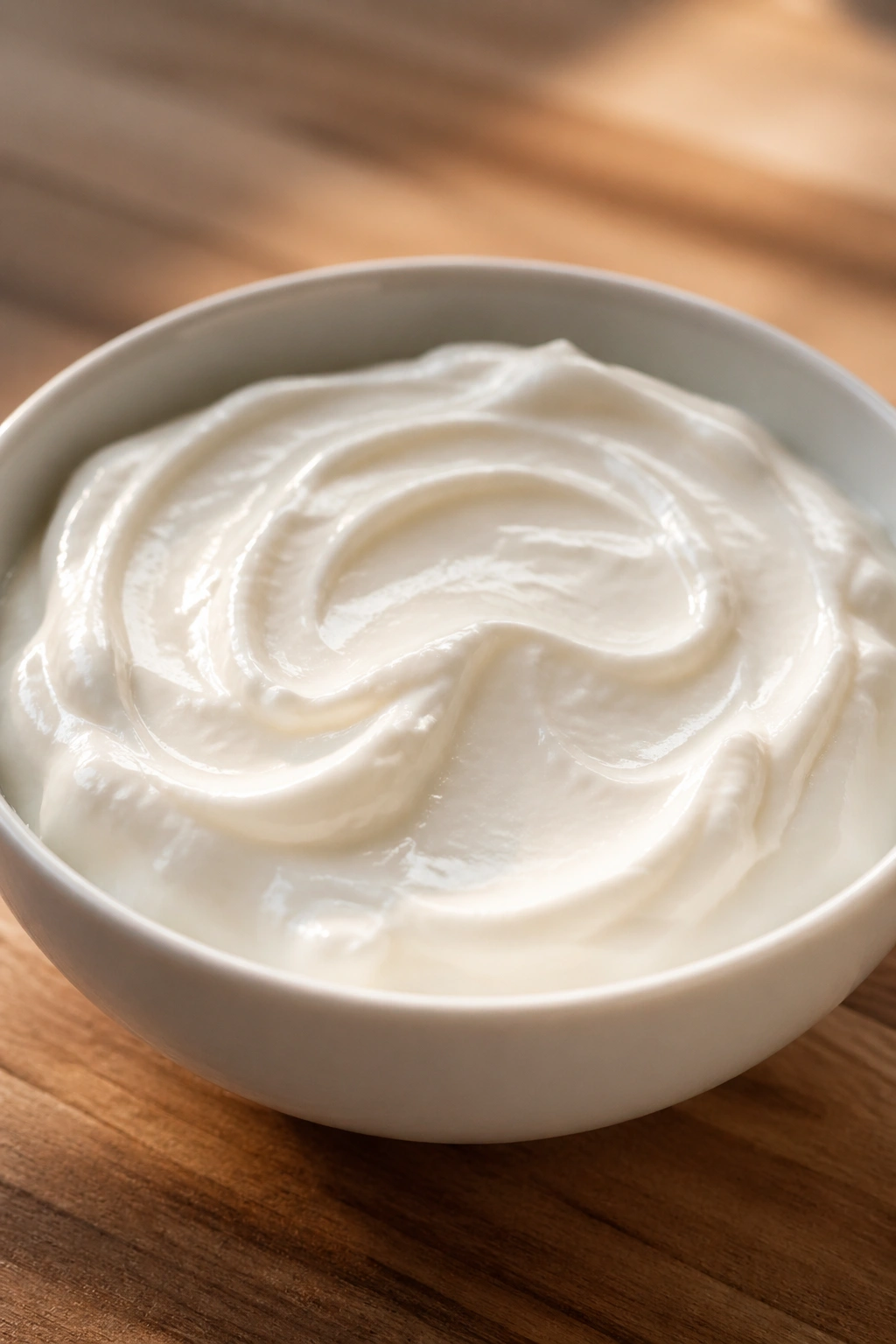
Skyr is the thick cousin of Greek yogurt, and it’s excellent when you want a high-protein breakfast that doesn’t feel loose or runny. It tends to be dense, mild, and filling, which is a nice combination before a workout because it settles the appetite without making you feel sluggish.
What makes skyr useful is the protein-to-volume ratio. A single cup can pack a lot of protein for a pretty modest calorie count. That matters when you’re trying to lose fat, since a breakfast that keeps you full without eating into your calorie budget is doing real work for you.
Plain skyr is the version to buy. Flavored cups often sneak in sugar fast, and once you start adding granola, the whole thing can shift from lean breakfast to dessert. A handful of berries or a few spoonfuls of oats is enough if you want more texture.
Skyr fits best when you have about 45 minutes before training, though it can work earlier too. It’s especially useful for people who like a spoonable breakfast but don’t want eggs every morning. Fair enough. Eggs get old.
14. Sweet Potato
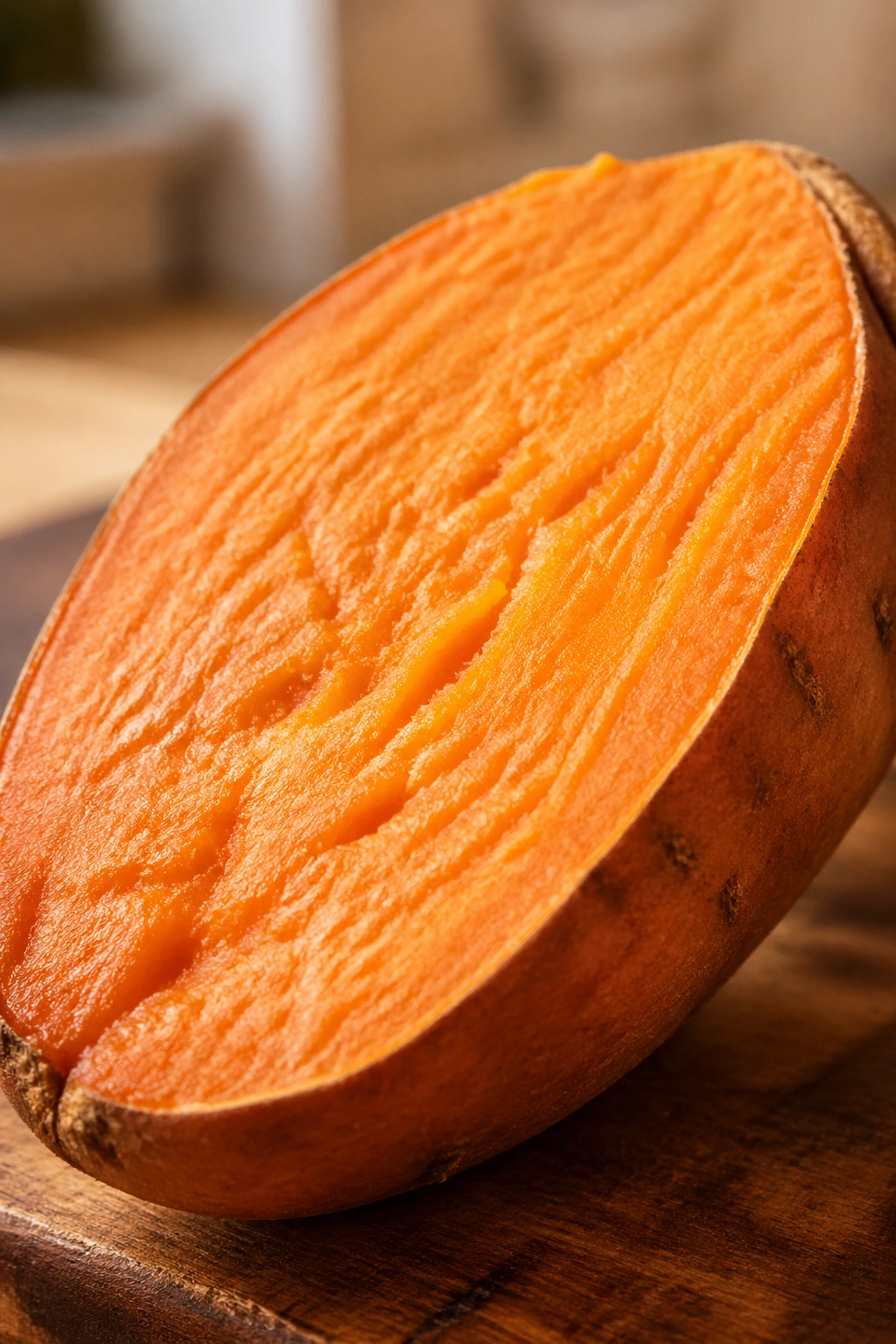
Sweet potato is more of a small meal than a snack, and that is exactly why it belongs here. If your morning workout is long, intense, or both, a half sweet potato can give you steady carbs that don’t feel as sharp as a banana or toast. It’s a good pick when you want fuel that lasts a little longer.
The trick is portion size. A ½ medium sweet potato is enough for many people before training. Roast it, microwave it, or bake several at once and keep them ready in the fridge. A pinch of salt is usually enough. Cinnamon is fine too, if you like that direction.
Sweet potato works best when you have 60 to 120 minutes before exercise. It is not the food you eat ten minutes before deadlifts. Too dense for that. But for a morning lift, a brisk bike ride, or a longer cardio session, it can be excellent.
If you’re trying to keep your breakfast calm and predictable, sweet potato helps. It’s simple, cheap, and easy to digest for most people when the portion stays reasonable. That last part matters more than the food itself. Small potato. Better session.
15. Kefir
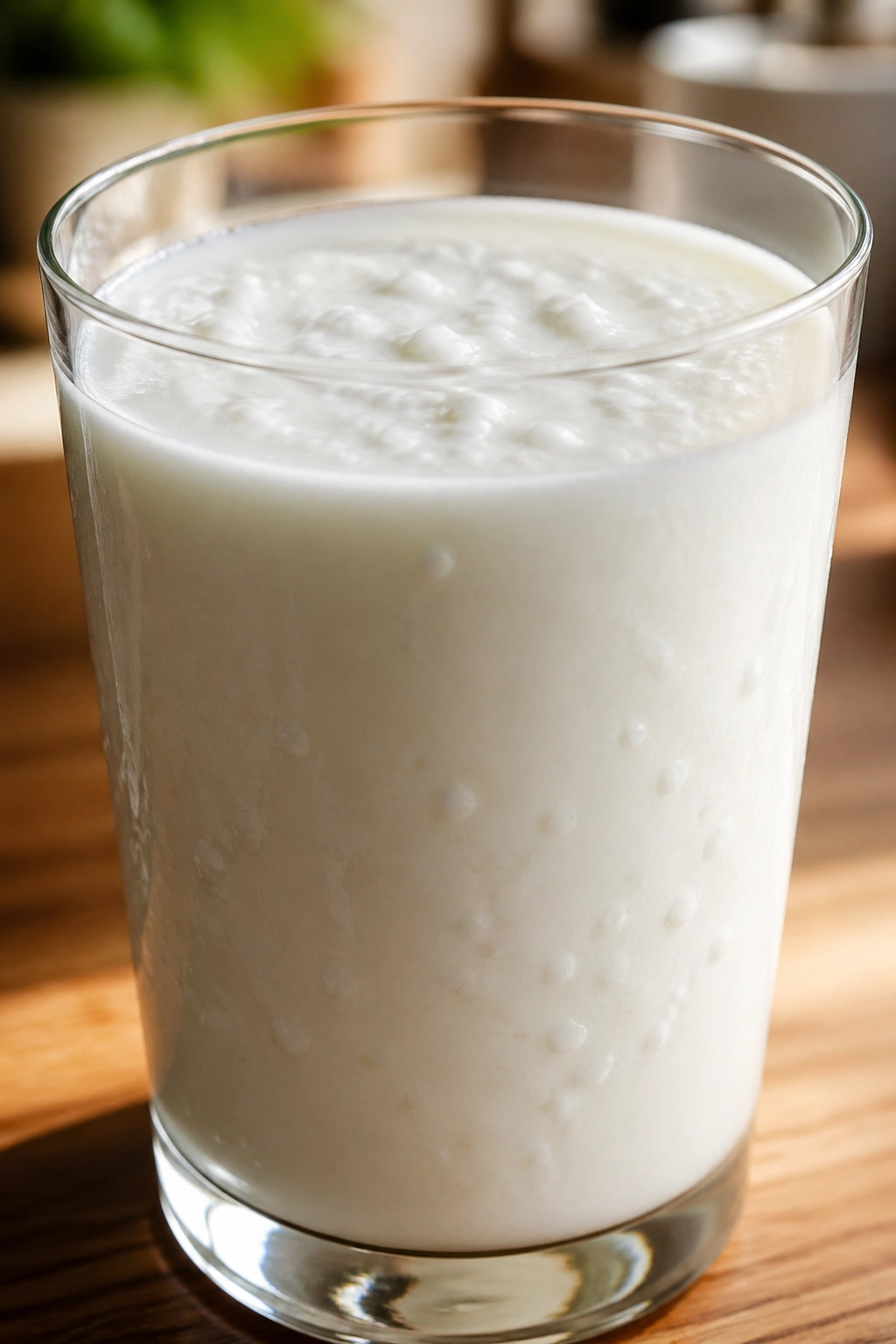
Kefir is one of the easiest morning drinks for people who want something nourishing but do not want to sit down with a fork. It’s tangy, drinkable, and usually gentler than a heavy breakfast when your stomach is still waking up. That makes it a smart option if solid food feels like too much before exercise.
Plain kefir gives you a mix of protein and carbohydrates, which helps if you want a little more staying power than coffee alone. It also brings a fermented quality that some people find easier to handle than milk. If you’re lactose sensitive, look for low-lactose or plain versions and see how your body reacts.
A few good ways to use it
- Drink 1 cup on its own before light training
- Blend it with ½ banana for a quicker carb boost
- Pour it over oats if you want a softer breakfast
- Pair it with toast if your workout will be longer
Kefir is not flashy. That’s part of the appeal. It slides into a routine without much fuss, which is what most morning eating should do. If you want a pre-workout option that feels calm and gets the job done, kefir is worth keeping in the fridge.
Final Thoughts
The best pre-workout breakfast for fat loss is usually the one that helps you train hard without turning breakfast into a calorie trap. Small portions, good timing, and foods your stomach can handle easily matter more than any “fat-burning” label stuck on the package.
Some mornings call for a banana and coffee. Others call for Greek yogurt, toast, or a quick protein shake. The pattern is simple enough: use carbs when you need energy, use protein when hunger tends to backfire, and keep the heavy stuff for later if your workout is close.
A little trial and error helps here. Pay attention to what leaves you steady, what makes you sluggish, and what keeps you from raiding the kitchen an hour later. That feedback is worth more than a random list of breakfast rules.
