



The best fat burning foods are usually the ones that keep breakfast from collapsing by 10:30, make lunch feel calm instead of chaotic, and stop that ugly late-afternoon snack spiral before it starts.
No food torches body fat on command. But protein, fiber, and a few smart sources of fat change the math in your favor because they keep you fuller, longer, and less likely to chase quick sugar when your energy dips. That is the whole game for steady daily energy: fewer spikes, fewer crashes, fewer “I need something right now” moments.
A high-protein meal tends to feel different in your body for a reason. Protein takes more energy to break down than carbs or fat, and foods with soluble fiber slow the whole process down even more. So when people ask for fat burning foods, what they usually mean is this: foods that make it easier to eat less without feeling wrecked.
That’s the lens here. Real food, normal portions, and the kind of meals you can repeat without getting bored or miserable.
1. Eggs for a Fat-Burning Breakfast
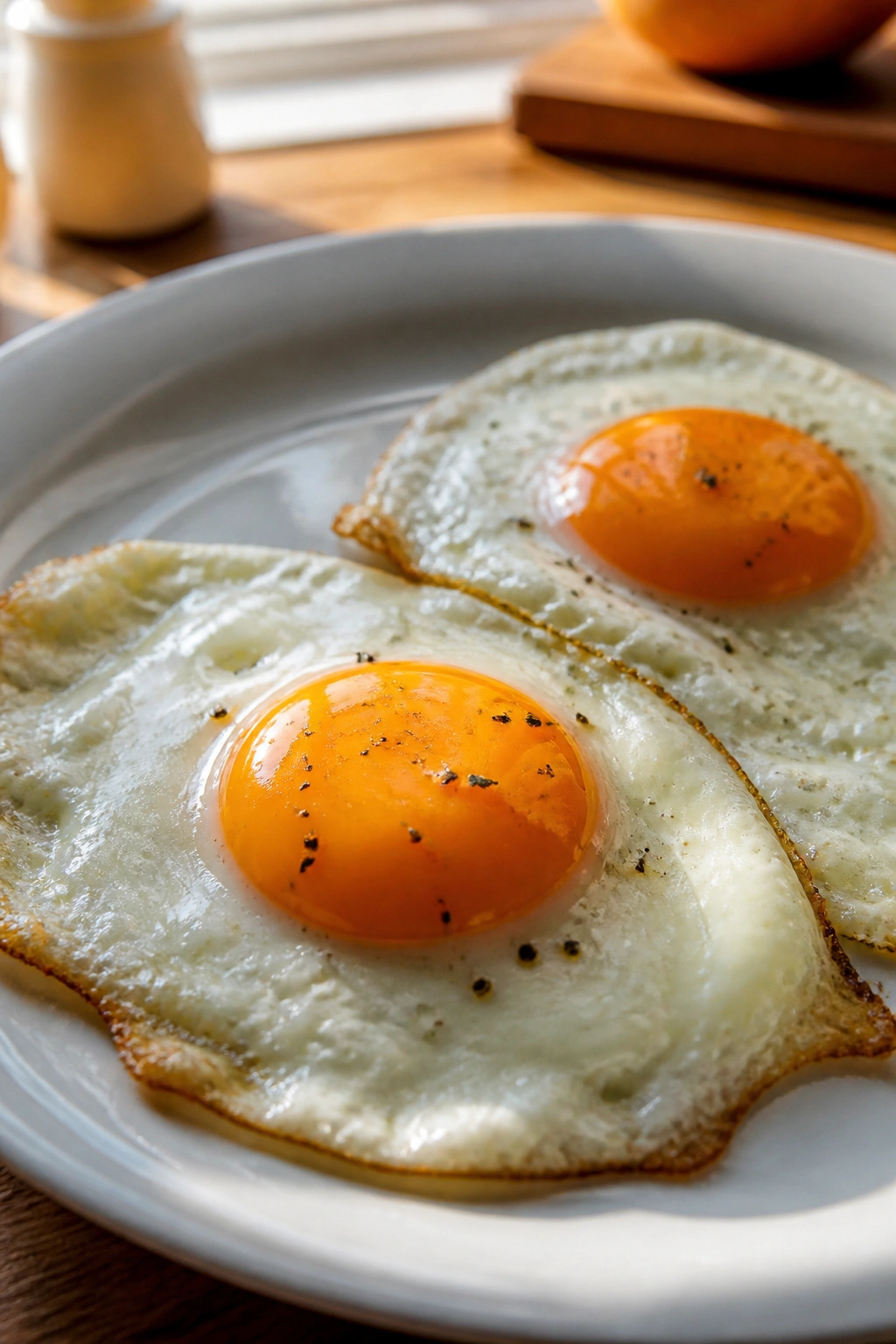
Two eggs can do more for your morning than a pastry ever will. Cheap, fast, and easy to cook, they give you about 12 grams of protein in a standard two-egg breakfast, plus fat that keeps you from burning through the meal in an hour.
Eggs also bring choline, which matters more than most people realize, and the yolk is where a lot of the useful stuff lives. People love to toss the yolks and call it discipline. I think that’s usually a mistake unless you have a specific reason to skip them.
Why Eggs Stick Around
Protein is the big reason eggs earn a spot in a fat-loss meal plan. They are filling in a way cereal rarely is, and that difference shows up fast when you sit down for lunch without feeling feral.
A smart egg breakfast does not need to be fancy. Scrambled eggs with spinach, boiled eggs with fruit, or an omelet with mushrooms all work because they give you a clean protein anchor before the day starts asking things from you.
- 1 large egg has about 6 grams of protein
- 2 eggs cook in 3 to 5 minutes in a skillet
- 1 teaspoon butter or olive oil is usually enough for the pan
- Add 1 cup spinach, mushrooms, or peppers for more volume without many calories
Keep the yolk. That’s where the fat, flavor, and a lot of the staying power live.
2. Greek Yogurt When Midmorning Hunger Hits
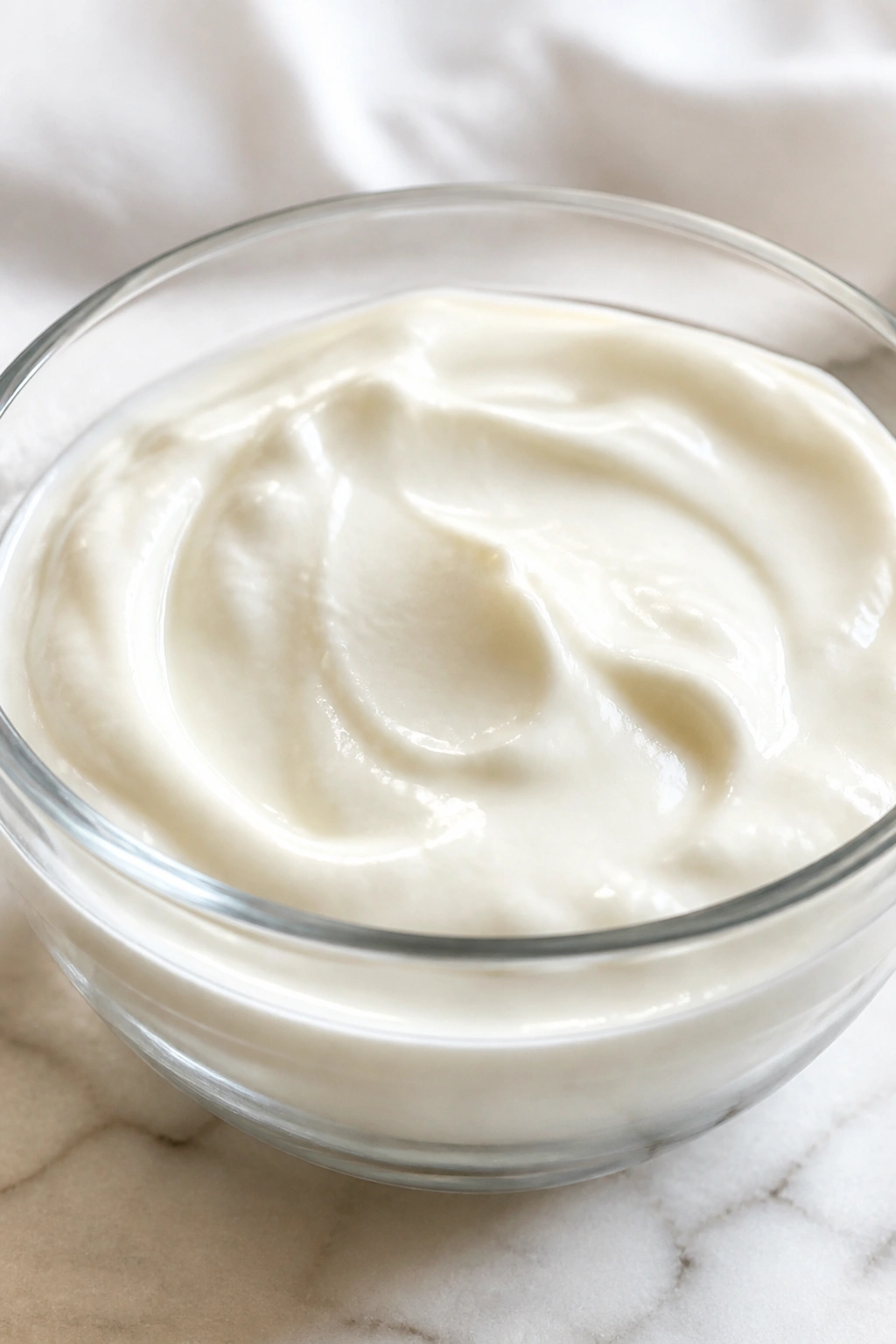
Plain Greek yogurt is the snack that most flavored cups try to imitate and fail. The plain version gives you a lot of protein for the calorie count, and that matters when you want steady energy without a sugar crash hiding in the fine print.
A single serving of plain Greek yogurt often lands around 15 to 20 grams of protein in a 170-gram cup, depending on the brand and fat level. That’s enough to change how full you feel, especially if the alternative is a handful of crackers that disappear in four bites and leave you hunting again ten minutes later.
Sweetened yogurt is dessert wearing a nutrition label.
If you want this to work for fat loss, buy plain yogurt and build your own flavor. A handful of berries, a sprinkle of cinnamon, or even a spoonful of chia seeds turns it into something you’ll actually want to eat again tomorrow. And if you hate tart dairy, go with a 2% version instead of nonfat. The little bit of fat helps the texture feel less sharp.
3. Oats That Keep Breakfast Quiet for Hours
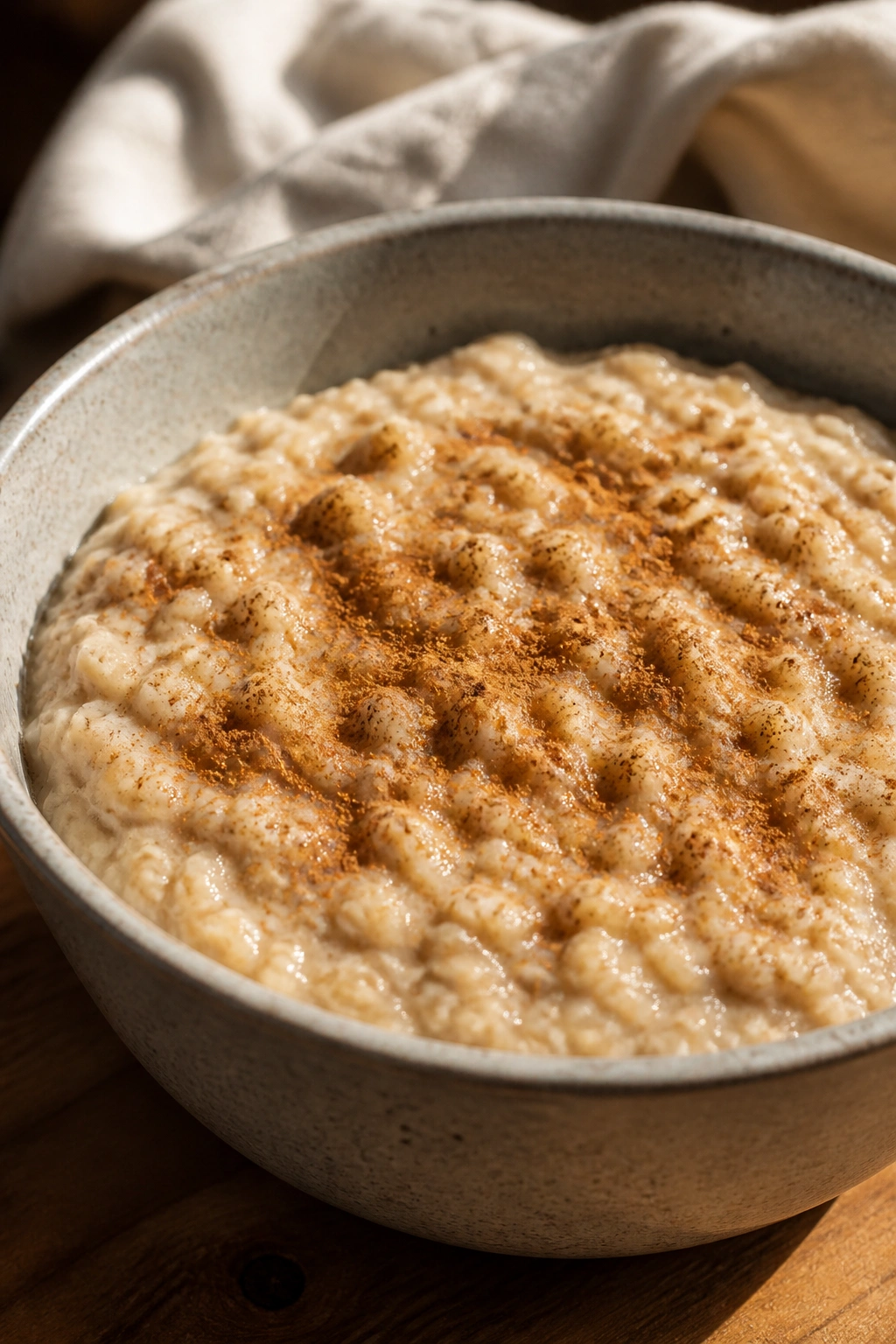
Why do oats feel so different from toast?
Because they slow things down. Oats contain beta-glucan, a soluble fiber that forms a thicker, more gel-like texture in the gut. That slower digestion is a big reason a bowl of oats can carry you through a morning in a way that a plain bagel rarely does.
Steel-Cut, Rolled, or Instant
Steel-cut oats are the chewiest and usually the slowest to cook. Rolled oats are the sweet spot for most people because they cook in about 5 minutes on the stove or overnight in the fridge. Instant oats are fine in a pinch, but they can get mushy fast and feel less satisfying.
A good serving is usually 1/2 cup dry oats, cooked with water or milk. Add a pinch of salt, because bland oats are a crime, and then top them with fruit or yogurt if you want more staying power. If you need a breakfast that doesn’t leave you thinking about snacks by midmorning, oats are hard to beat.
How to Use Them
- Cook 1/2 cup dry oats with 1 cup water or milk
- Stir in cinnamon while cooking, not after
- Use frozen berries if fresh ones are expensive or sad
- Try overnight oats if you hate porridge texture
I like oats best when they’re thick, not soupy. Thin oats feel like baby food. Thick oats feel like breakfast.
4. Salmon for a Satisfying Lunch or Dinner
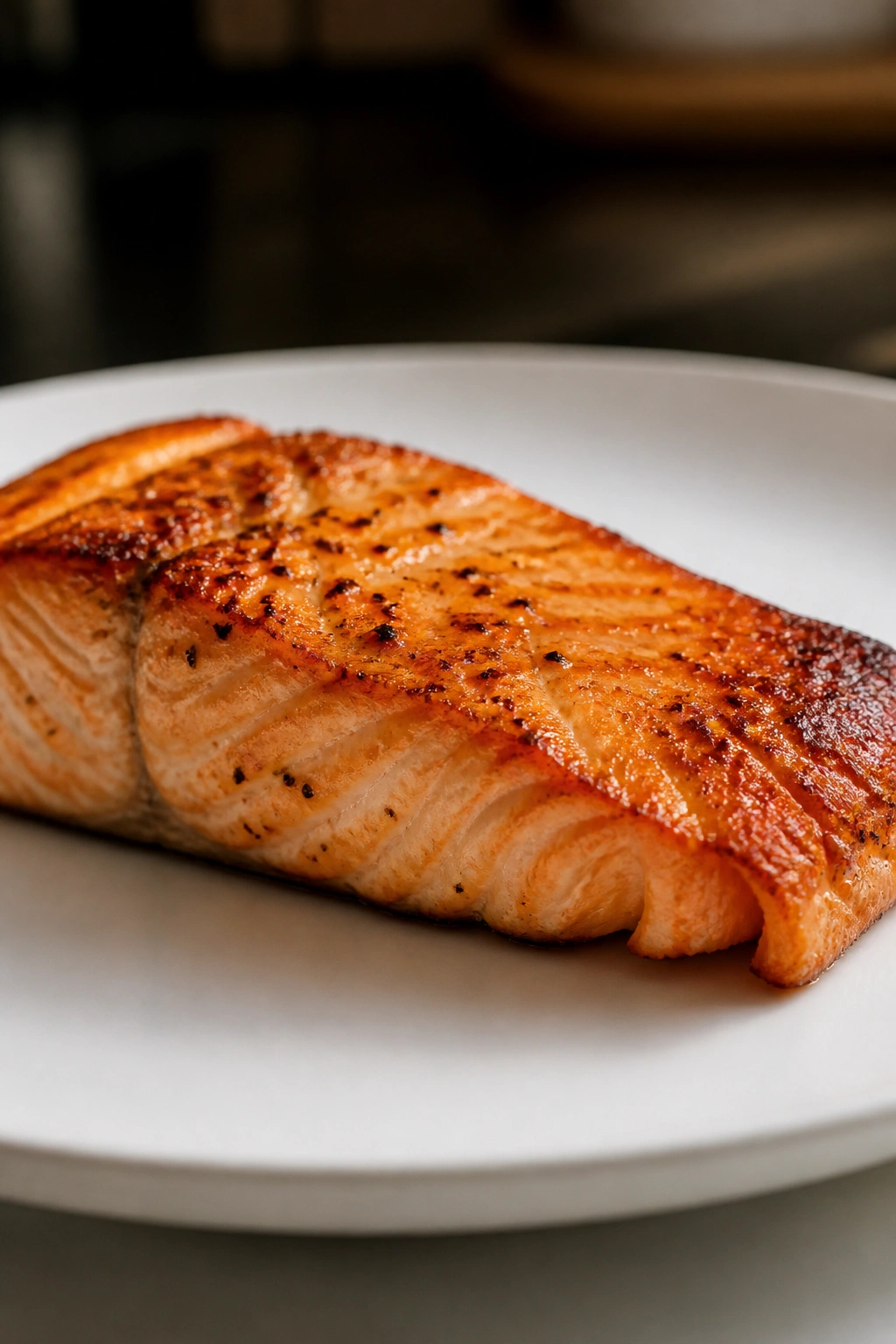
A 4-ounce salmon fillet gives you protein and fat in the same bite, and that combination tends to keep hunger quieter than a lean piece of fish alone. That’s one reason salmon shows up so often in meals built for steady energy.
The fat in salmon is not there to scare anyone. It slows digestion a bit, gives the fish a rich mouthfeel, and makes the meal feel finished instead of skimpy. You also get omega-3 fats, which are worth caring about for overall health even if the main reason you eat salmon is simple: it keeps you full and tastes like an actual dinner.
Frozen salmon works fine. So does canned salmon if you’re trying to get lunch on the table with almost no effort.
A straightforward way to cook it is 400°F for 12 to 14 minutes, depending on thickness, until the flesh flakes and the center is just opaque. Squeeze lemon over the top, add a pile of vegetables, and you’ve got a meal that usually stays satisfying for hours. No drama. No weird ingredients.
5. Lentils: Cheap Protein With Real Staying Power
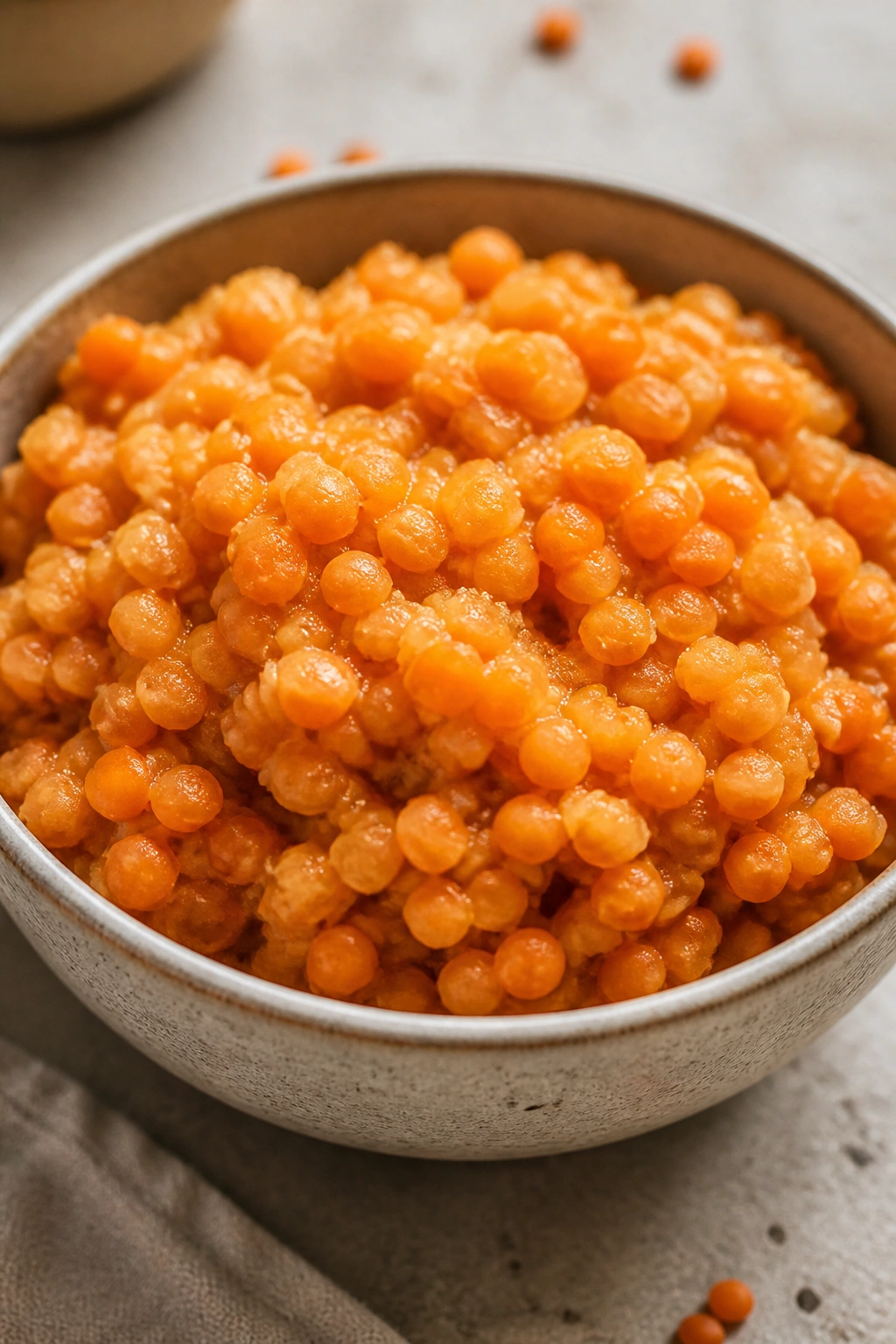
If your afternoon usually ends with crackers, lentils are the fix people ignore. They’re plain-looking, sure, but they bring the kind of protein and fiber combination that makes a bowl of food feel like a real meal instead of a pause between snacks.
A cup of cooked lentils gives you roughly 18 grams of protein and 15 grams of fiber, which is a lot of satiety for one inexpensive food. That fiber matters. It slows digestion, helps the meal sit well, and keeps your blood sugar from jumping around like it got coffee of its own.
What Makes Lentils Different
Red lentils cook fast and break down into a soft, almost stew-like texture. Green and brown lentils stay firmer, which makes them better for salads and side dishes. I reach for red lentils when I want comfort; I use green lentils when I want a bowl that still has shape.
A little acid helps them wake up. Try lemon juice, vinegar, or tomatoes after cooking. Without that, lentils can taste flat in a way that feels more like punishment than food.
- Red lentils cook in about 15 to 20 minutes
- Green or brown lentils usually take 20 to 25 minutes
- 1 cup cooked is a strong serving for one meal
- They batch-cook well and hold in the fridge for 4 to 5 days
They are not glamorous. They are useful. That counts more.
6. Spinach and Other Leafy Greens That Bulk Up Meals
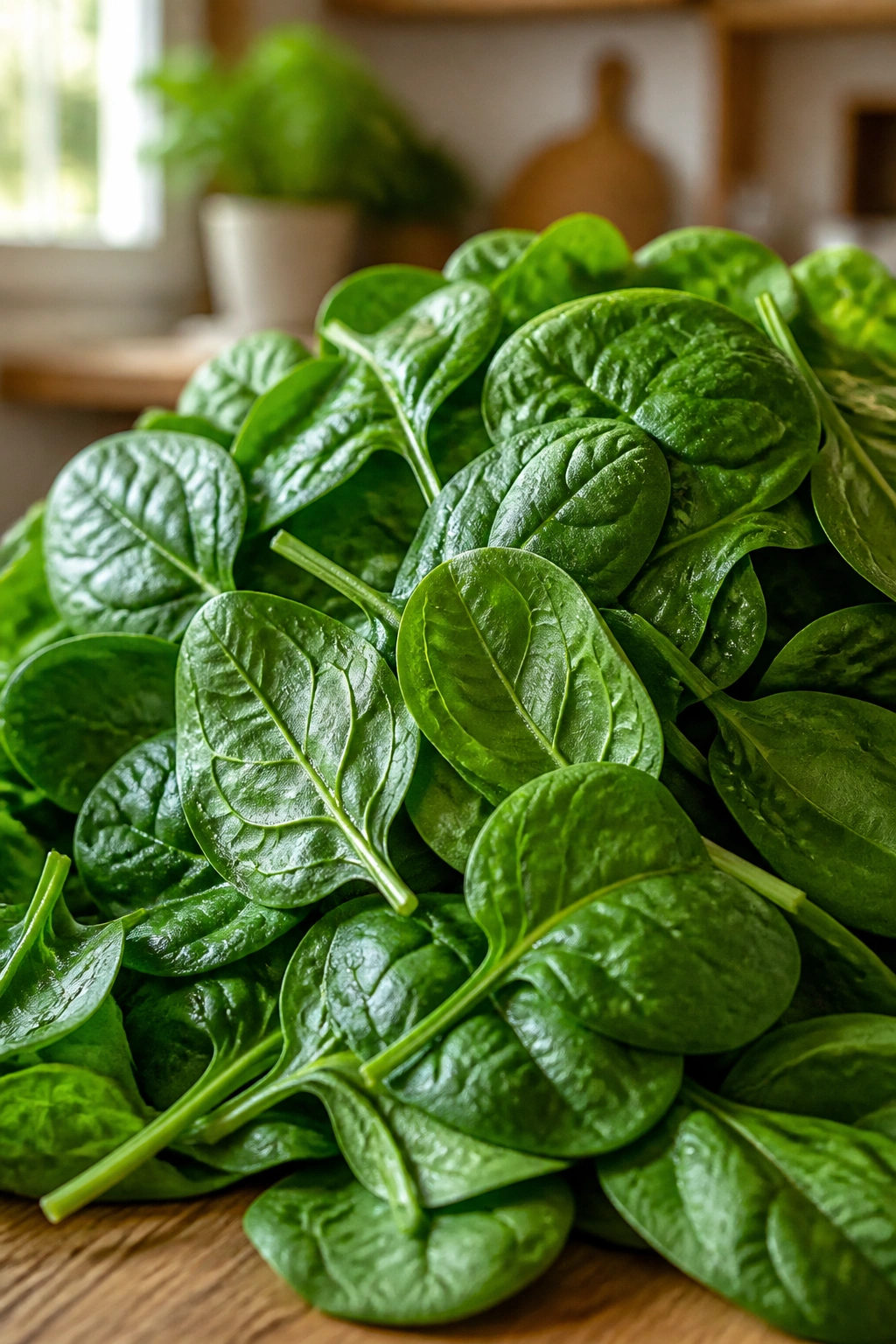
Leafy greens are not exciting. That is precisely why they work.
Spinach, kale, romaine, arugula, and Swiss chard add volume without loading a plate with calories, which makes them a sneaky good tool for fat loss. Two loose handfuls of spinach wilt down to almost nothing in a skillet, and that shrinking act is exactly the point. You can pile greens onto eggs, soups, bowls, and wraps without making the meal feel huge in calories.
They also bring a lot of micronutrients for the space they take up. Iron, folate, vitamin K, magnesium — not the stuff that makes headlines, but the stuff your body quietly uses all day long. And if a lunch feels bigger because the plate is full, people usually stop sooner. That sounds too simple. It is not.
Best Ways to Eat Them
Cook spinach with garlic and olive oil for 2 minutes, then salt it at the end. Toss arugula into a warm grain bowl so it softens just a little. Use romaine when you want crunch that survives dressing for a while. Kale needs a longer massage or a quick sauté, or it can feel like chewing a tough grocery bag.
The trick is to make greens the base, not the garnish. Once you stop treating them like decoration, they become one of the easiest fat burning foods to keep around.
7. Apples When You Want Crunch Without a Sugar Crash
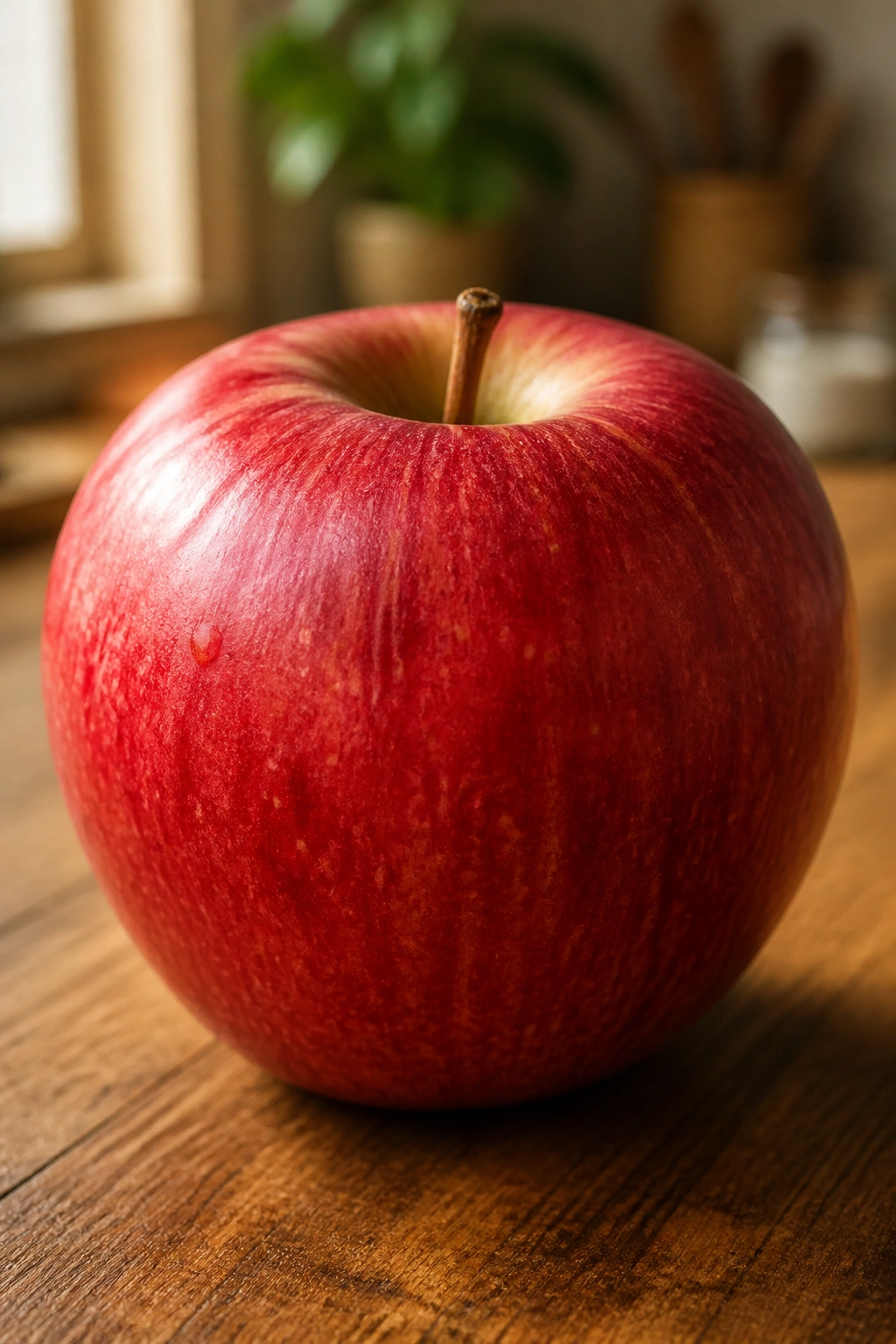
An apple is not flashy, but it is a good way to shut down snack chaos.
A medium apple brings fiber, water, and enough chew to make your brain register that you actually ate something. Whole apples are a different animal from apple juice or dried apple rings. The skin matters, too. That’s where a lot of the fiber lives, and fiber is doing most of the useful work here.
What the Skin Does
If you peel the apple, you lose some of the part that helps slow digestion. Keep the skin on, wash it, slice it, and eat it slowly enough that the crunch has time to register. That chewing time helps more than people want to admit.
Apples work best when you need a portable snack that does not feel messy. They travel well, they do not need refrigeration for a few hours, and they pair nicely with foods that make them last longer. A few bites with cheese, a few with nuts, or just one whole apple in the car can keep you from heading into lunch already half-starved.
- 1 medium apple has about 4 to 5 grams of fiber
- The skin carries much of that fiber
- Crisp varieties tend to feel more satisfying than mealy ones
- A sliced apple keeps better with a little lemon juice
The big win here is not magic. It is control.
8. Avocado for Creamy Fat and Slower Digestion
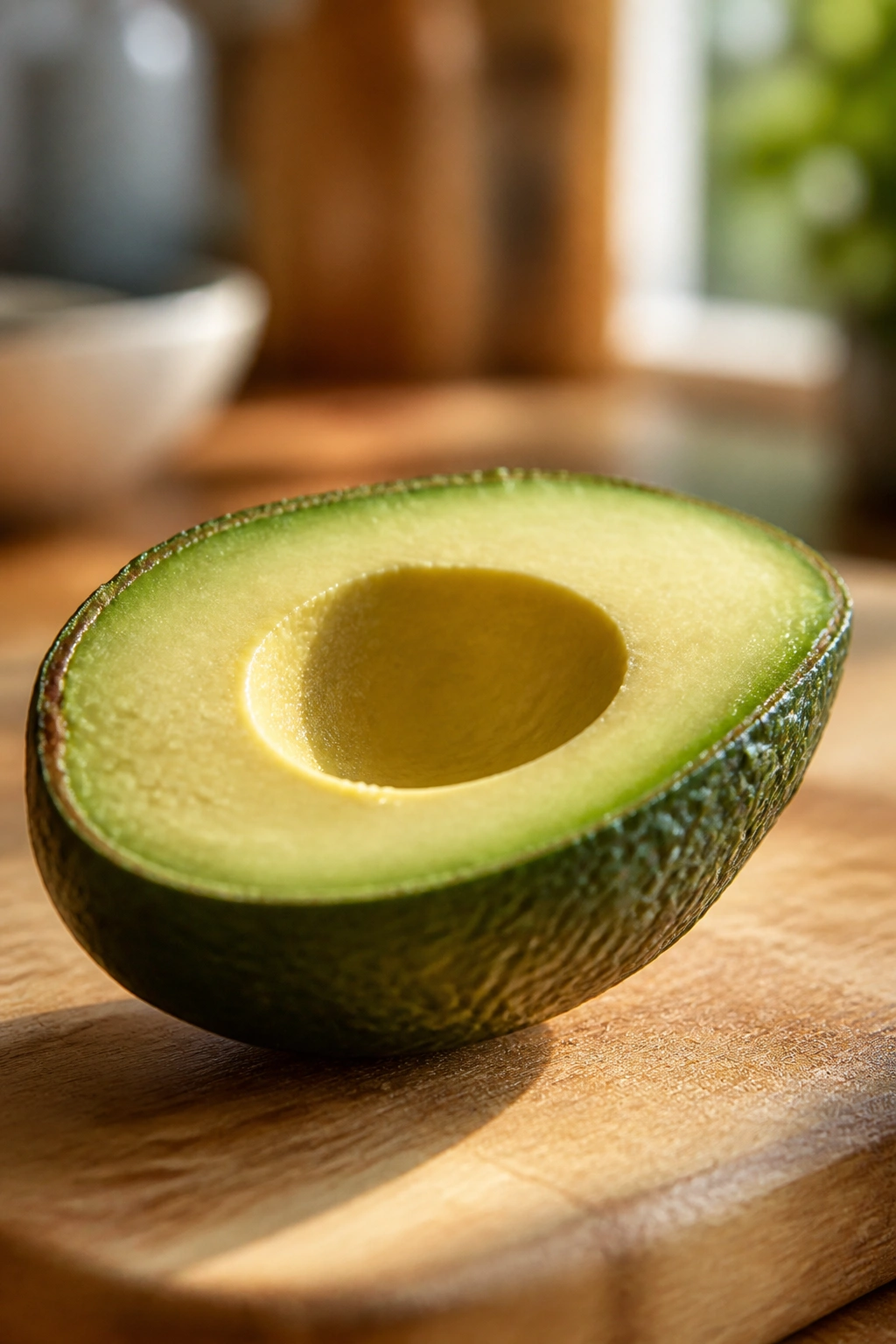
Avocado gets blamed for being too rich, which is exactly why it earns a place here.
The fat in avocado is mostly monounsaturated fat, the kind that makes a meal feel smooth and slows digestion enough to help with fullness. That creamy texture also matters more than people expect. A dry salad becomes a real lunch when you add avocado. A bland rice bowl feels finished with half a sliced avocado on top.
Portion Matters
Avocado is calorie-dense, so the serving size matters. A quarter to half of a medium avocado is plenty for most meals. You do not need a whole one unless the rest of the plate is lean and light.
Use it where it can actually do something. Mash it on whole-grain toast with salt and chili flakes. Slice it into a chicken bowl. Add it to eggs when you want breakfast to stay put in your stomach a bit longer. A little lemon juice keeps it from browning fast, and a pinch of salt makes the flavor wake up.
- 1/2 avocado is a sensible serving for most meals
- It works well with eggs, beans, chicken, or tomatoes
- Use a sharp knife and scoop with a spoon for clean slices
- Store leftover avocado with the pit and lemon juice pressed on the surface
Fat loss does not mean avoiding fat. It means using it on purpose.
9. Berries That Make Snacks Feel Less Like Diet Food
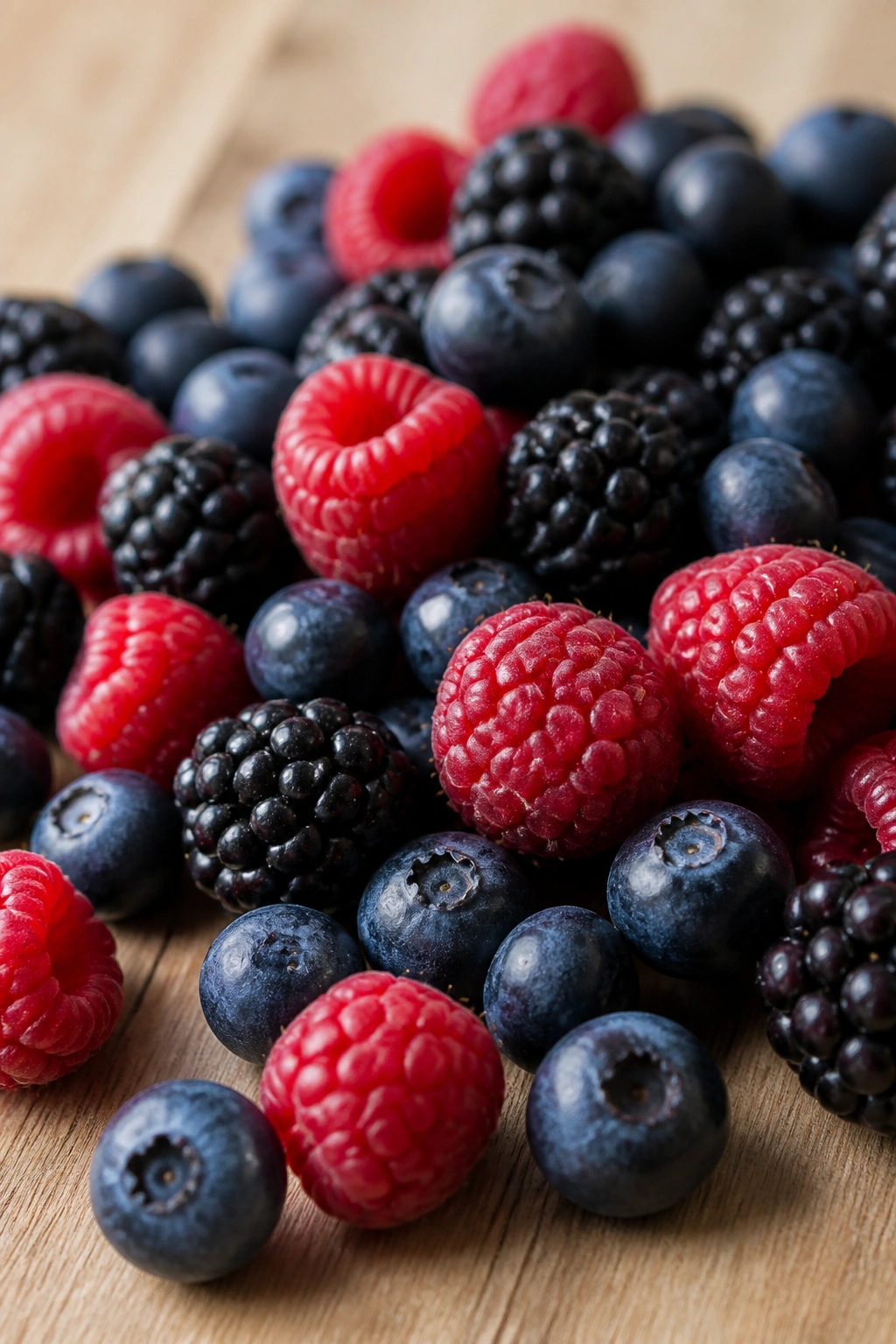
Need something sweet that doesn’t wreck the rest of the afternoon?
Berries solve that problem better than most fruit. Strawberries, blueberries, raspberries, and blackberries give you flavor, color, and fiber in a small calorie package. They scratch the sweet itch without behaving like candy, which is the whole point when you’re trying to keep energy steady.
Raspberries are the fiber monster here, but any berry is useful. A cup of berries can make plain yogurt taste like a dessert, and frozen berries are often fine once they thaw a little. In some homes, they’re better than fresh because they don’t spoil in two days and turn into expensive guilt.
How to Use Them
Eat them cold from the fridge if you want a snack that feels refreshing. Stir them into oats near the end of cooking so they keep some shape. Blend them into a smoothie with Greek yogurt, but don’t drown them in juice or honey, which defeats the point fast.
If your usual sweet snack leaves you hungry again an hour later, berries are a smarter play. They deliver flavor without a heavy calorie load, and that combination makes them one of the easiest foods to repeat without feeling boxed in.
10. Chicken Breast for Lean Protein That Stays Useful
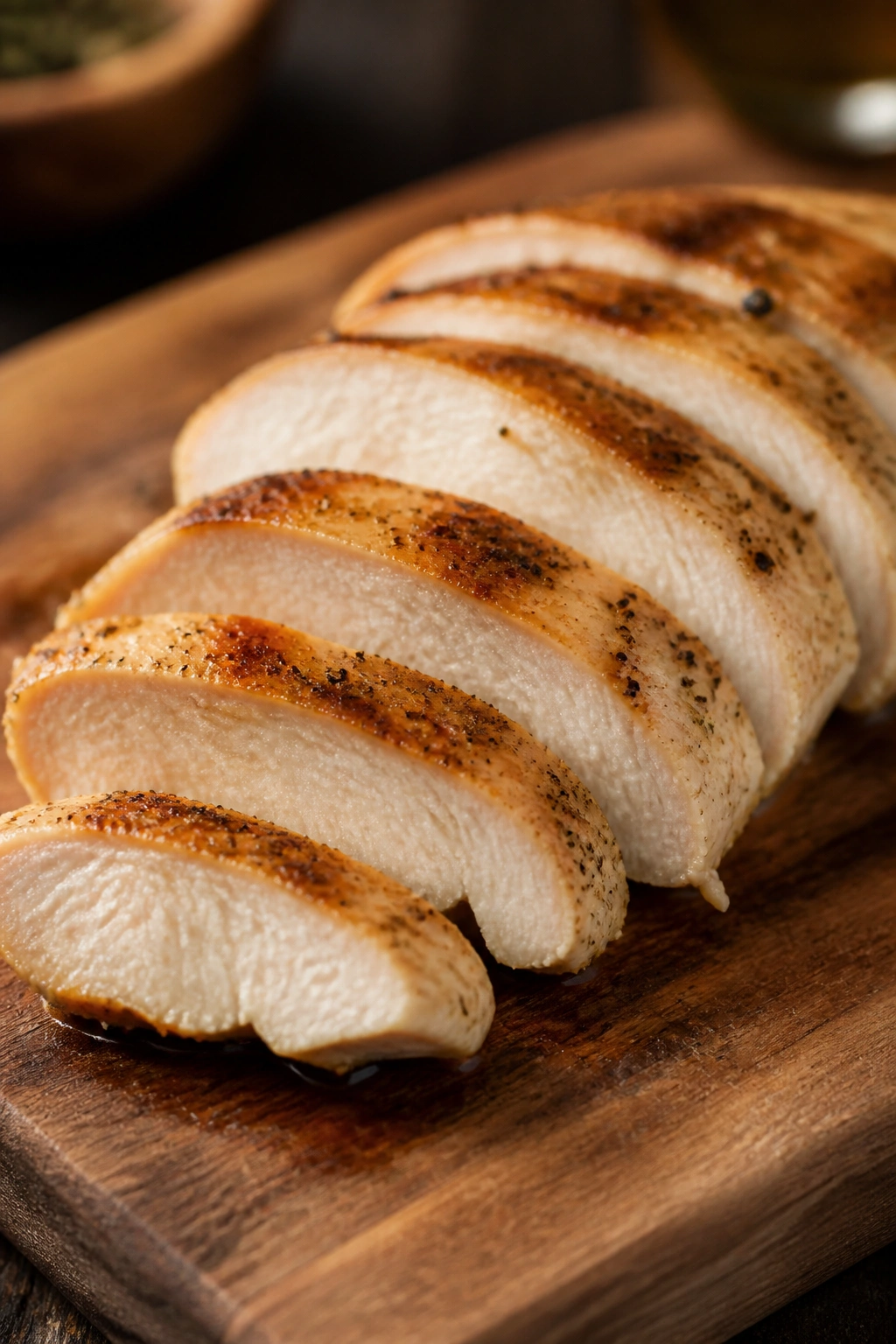
Open the fridge at 6 p.m. and chicken breast is the plain answer that still works.
It is not exciting. That is the appeal. A cooked 3- to 4-ounce portion gives you roughly 25 to 30 grams of protein, which is enough to anchor a meal and keep it from becoming a snacky mess an hour later. If you’re building a plate around steady energy, chicken breast does a very good job of carrying the load without adding much extra fat.
Keep It Juicy
The biggest mistake is overcooking it. Chicken breast goes from useful to dry in a hurry, and dry chicken is how people start reaching for sauce by the cupful. A fast brine helps: salt it lightly and let it sit for 15 minutes before cooking if you have time. Bake at 425°F for 18 to 20 minutes, depending on thickness, then rest it for 5 minutes before slicing.
You can grill it, pan-sear it, or bake a batch on Sunday and use it all week. The difference between good chicken and sad chicken usually comes down to a thermometer and a little restraint.
- 3 to 4 ounces cooked is a solid serving
- A thermometer should read 165°F in the thickest part
- Resting helps the juices stay inside
- Slice across the grain for a softer bite
Plain? Yes. Useful? Also yes.
11. Cottage Cheese for Late-Night Hunger
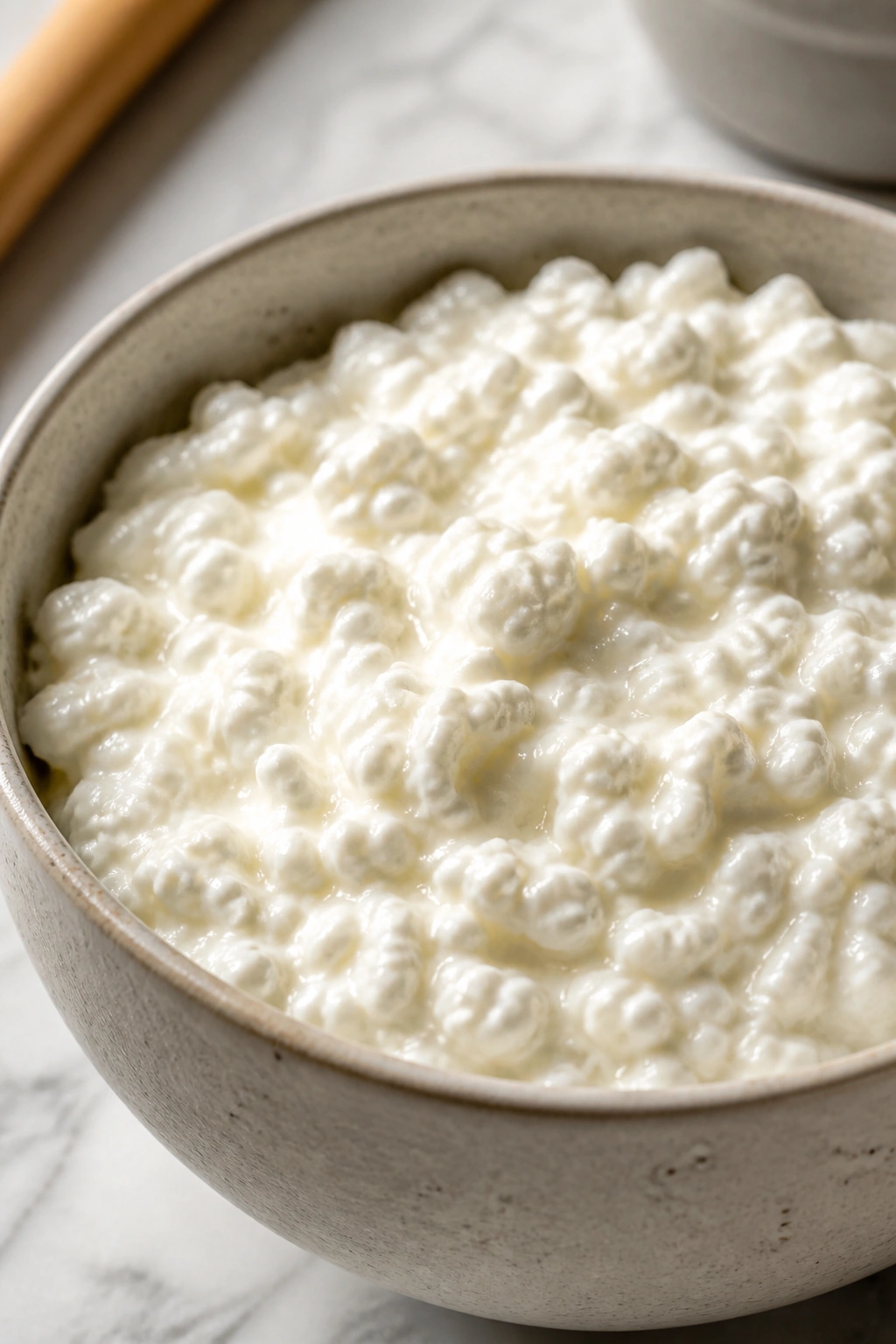
Cottage cheese is one of the easiest late-night fixes if hunger keeps circling back.
It gives you slow-digesting dairy protein, and the texture is oddly comforting once you get used to it. A half-cup serving can bring a useful protein hit without a lot of sugar or fuss, which is why it works so well when you want something small that still feels like a real snack. It is especially handy if the problem is not “I’m starving” but “I just need something before bed.”
The curds scare some people. Fair enough. If you hate the texture, blend it until smooth and turn it into a savory dip or a creamy bowl with cinnamon and berries. That trick changes the whole experience.
Watch the sodium if you eat it often. Some brands are saltier than you’d expect, and that can make you feel puffier than the snack deserves. Pick a version you can eat plain, then add your own topping. I like it with black pepper and sliced cucumber when I want something savory, and with strawberries when I want a sweeter end to the day.
12. Chia Seeds That Turn Water Into a Filling Pudding
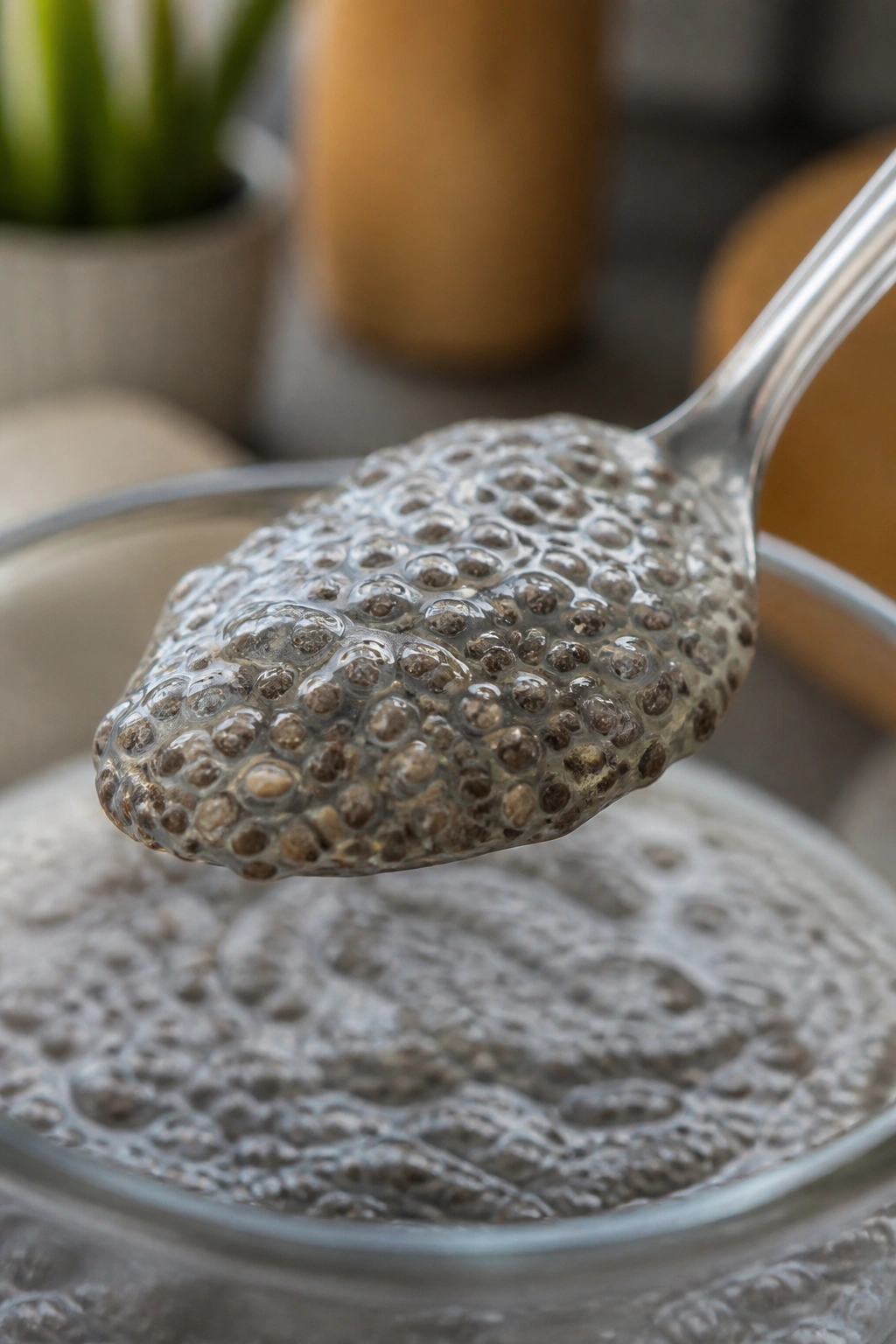
Two tablespoons of chia seeds look tiny, then they turn into a thick gel and act like they paid rent.
That texture is the magic. Chia seeds soak up liquid fast, which creates a pudding-like feel that slows the way you eat and makes a small serving feel bigger than it is. They also bring fiber and a little fat, so they fit neatly into the “steady energy” lane without needing much prep.
Why the Texture Matters
A serving of 2 tablespoons mixed with about 1/2 cup liquid is a good starting point. Stir it well, wait 15 to 20 minutes, stir again, and let it sit until the mixture looks thick and spoonable. If you want a grab-and-go breakfast, make it the night before and keep it in the fridge.
Do not eat a dry spoonful of chia and call it a snack. That is a bad plan. The seeds need liquid to do their job, and the gel they make is part of what helps you feel full.
- 2 tablespoons is a standard serving
- Use milk, almond milk, or yogurt as the base
- Add berries or cocoa powder for flavor
- Keeps well for 3 to 4 days in the fridge once mixed
Chia pudding sounds fussy. It is not. It is one jar and a spoon.
13. Almonds in the Right Portion
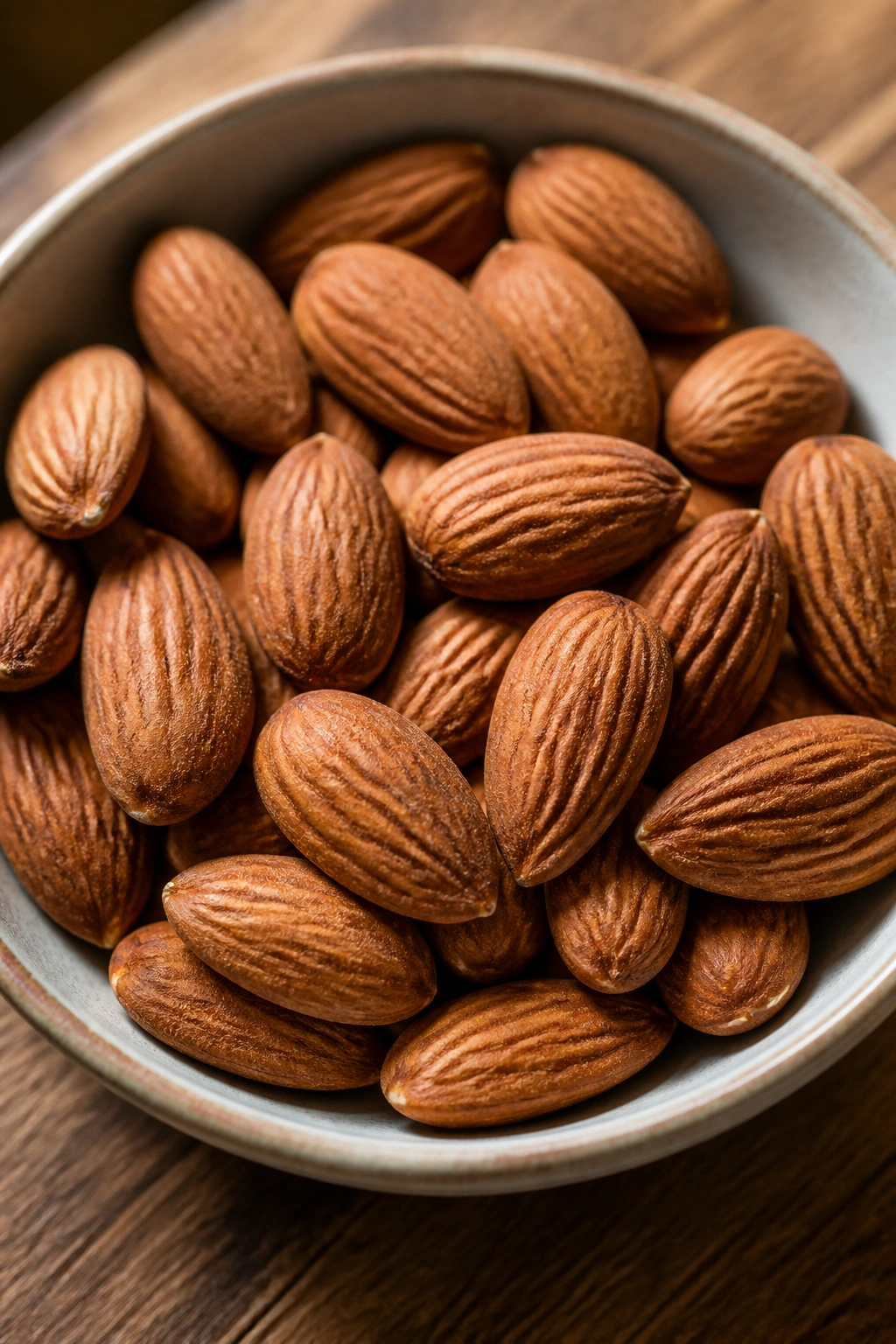
Unlike a granola bar, almonds give you fat, fiber, and crunch without a sugar glaze.
That sounds small, but it matters. A measured 1-ounce serving is about 23 almonds, give or take, and that portion has enough fat and protein to take the edge off hunger without turning into a calorie bomb. Whole nuts are easy to overeat from the bag, though. That is the catch. Put a bowl on the counter and you’ll eat half of it without thinking.
How to Keep Them Useful
Pre-portion almonds into small containers or snack bags so you know what you’re eating. Raw almonds are fine, dry-roasted almonds are fine, and unsalted versions are usually the smarter move if you eat them often. Salt can make them disappear faster.
They work best when you need something portable and slow to eat. A handful of almonds between meetings, in the car, or after a walk can steady you until the next meal. And if you pair them with fruit, the snack feels more complete without getting complicated.
- 1 ounce is the target portion
- Dry-roasted unsalted almonds are easy to store
- A tight container keeps them from going stale
- Best used as a bridge, not an all-day grazing food
The portion is the point. Miss that, and the snack gets away from you.
14. Sweet Potatoes for Calm, Steady Carb Energy
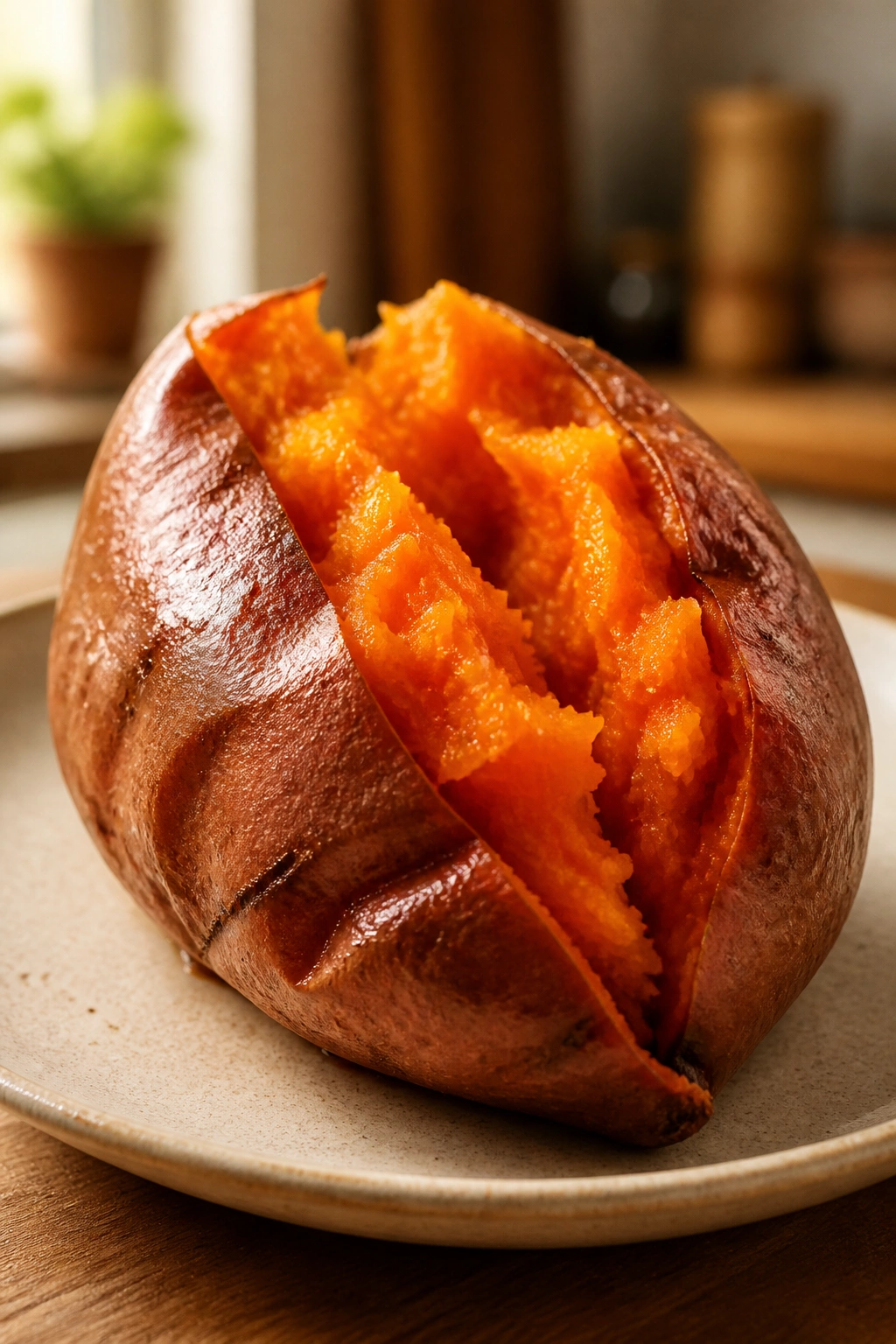
Sweet potatoes are the carb people keep underestimating.
They bring fiber, potassium, and a slow, steady kind of carbohydrate energy that works well when you need fuel without the crash. A medium baked sweet potato can fit into a fat-loss meal just fine, especially when you pair it with protein and a little fat. Carbs are not the enemy. Bad portions and weak combinations are the problem.
How to Cook Them Fast
Bake a sweet potato at 400°F for 45 to 60 minutes if you want the skin crisp and the inside fluffy. If you need it sooner, microwave it for 5 to 7 minutes, turning it halfway through and checking for a soft center. That shortcut is ugly, but it works on busy nights.
Once it’s cooked, split it open and add something that gives the meal structure. Chicken, tofu, Greek yogurt, or even a little cottage cheese all work. A plain sweet potato by itself can feel one-note. With protein on top, it turns into a real meal.
What Makes Them Useful
- 1 medium sweet potato is usually enough for one person
- The skin adds extra fiber
- They reheat well in the oven or microwave
- A little cinnamon works for sweet versions, salt and pepper for savory ones
If you want steady energy from carbs, this is one of the first places I’d look.
15. Tofu When You Want a Meatless High-Protein Option
What if you want a high-protein dinner without meat?
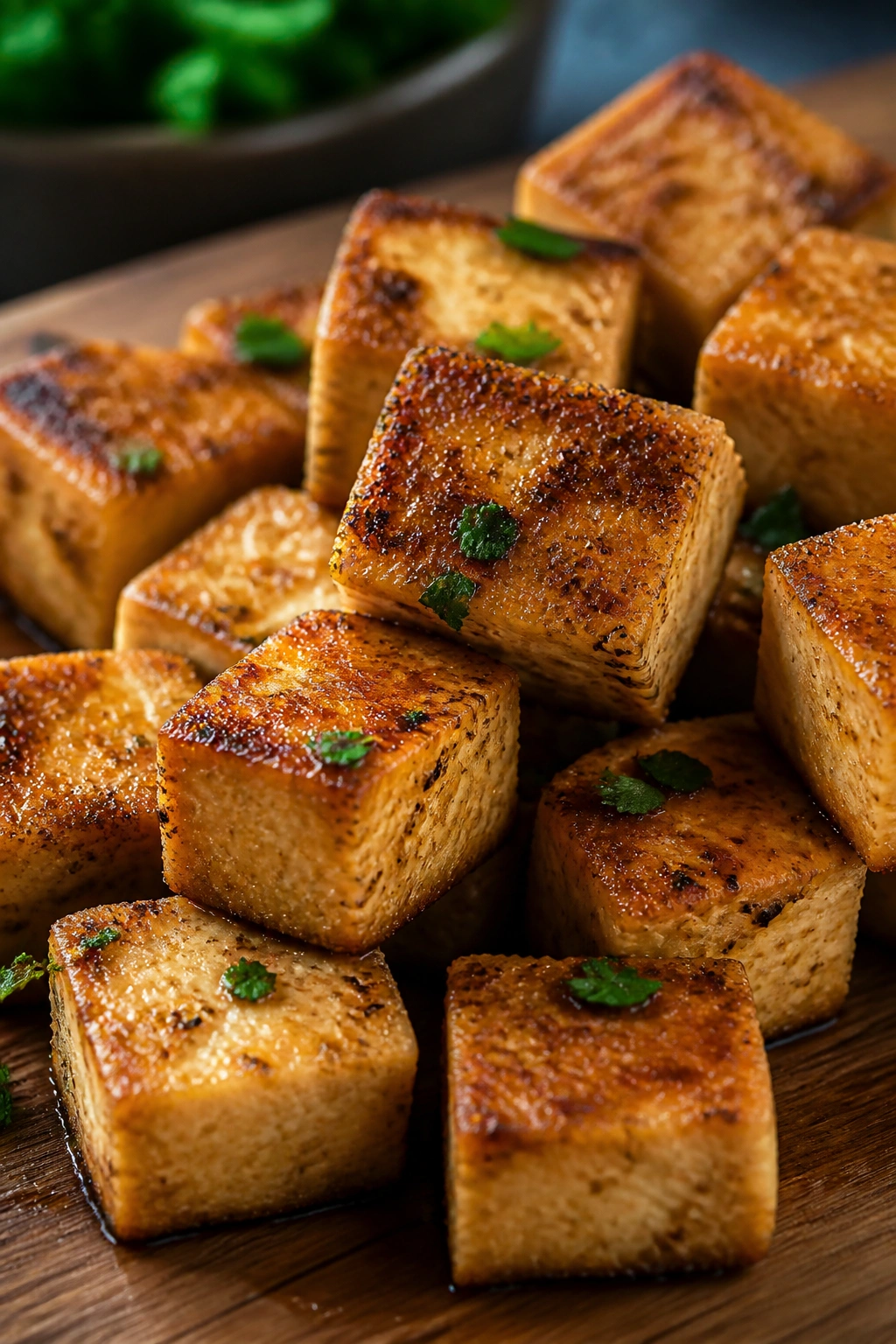
Tofu is the answer a lot of people skip because they expect it to taste bland. Bland tofu is real, but so is crispy tofu, and they are not the same food in practice. Firm tofu gives you a solid protein base, takes on marinade well, and cooks into something with edges if you treat it right.
A half-block can bring a useful amount of protein, depending on the brand, and it works especially well in bowls, stir-fries, and sheet-pan dinners. Press it for 15 to 20 minutes if you have time. That removes extra water and helps it brown instead of steaming into something soft and pale.
Cut it into cubes, toss it with a little oil, soy sauce, garlic, and maybe a pinch of cornstarch, then bake at 425°F for 25 to 30 minutes or pan-sear it until the sides turn golden. The outside should feel a little crisp when you move it around the pan. That texture changes everything.
Tofu is especially useful if you want a meal that feels lighter than chicken but still keeps hunger under control. Pair it with spinach, sweet potato, or a small portion of rice, and you’ve got a dinner that does its job without making a big speech about it.
