



The best pre-workout boost I know still comes with a peel, a spoon, or a sheet pan—not a fluorescent scoop. Natural pre workout foods can give you steadier energy, fewer jitters, and a lot less digestive drama than stimulant-heavy blends that hit hard and fade fast. If you’ve ever started a workout feeling wired, thirsty, and oddly hungry at the same time, you already know the problem.
Food before training is less about hype and more about timing, digestion, and picking the right fuel for the job. A ripe banana 30 minutes before a run behaves differently than a bowl of bran cereal. A plate of eggs and toast can carry you through a lift if you eat it two hours early, but that same meal 15 minutes before burpees is a rough bet.
Your stomach gets a vote.
And this is the part people skip. Clean energy is not some mystical property hiding inside a health food aisle. It usually means a food gives you usable carbs, maybe a little protein, some fluids or electrolytes, and it does not sit in your gut like a brick. Sports nutrition guidance has long centered pre-exercise fueling around carbohydrates, with meal size and timing doing most of the heavy lifting.
A good pre-workout food should leave you feeling ready, not stuffed, shaky, or distracted by your own digestion. That narrows the field fast.
What Clean Energy Feels Like in the Middle of a Workout
Picture the first 20 minutes of a workout. Your legs feel awake. Your breathing climbs the way it should. You are not belching up lunch, and you are not thinking about vending-machine snacks halfway through your warm-up. That is clean energy in practice—steady effort, stable focus, and a stomach that stays quiet.
Most of the time, carbs are the base. Your body breaks them into glucose, stores some as glycogen in muscle and liver, and leans on that supply once training starts. For short, hard efforts, easy carbs matter even more because they are quick to use. Protein can help if your pre-workout meal is farther from training, though it should play a supporting role rather than crowd out the carbs.
Fat and fiber are where timing gets tricky. Both are healthy. Both can also slow digestion. A high-fat meal 20 to 30 minutes before sprints or circuits can feel like you swallowed a bowling ball. Fiber has the same problem for some people—especially runners, rowers, and anyone doing jump-heavy training.
The cleanest pre-workout foods tend to share a few traits:
- They give you carbs in a form your stomach handles well
- They fit the clock, whether you have 20 minutes or 2 hours
- They match the session, since a long ride and a heavy upper-body lift do not ask for the same thing
- They taste good enough to eat often, because no fueling plan works if you dread it
That last point matters more than nutrition charts make it seem.
Timing Natural Pre Workout Foods So They Land Well
If your session starts in two to three hours, you have room for a mixed meal: carbs, lean protein, and a small amount of fat. If your session starts in 30 to 60 minutes, shrink the portion and lower the fat and fiber. Close the gap to 15 to 30 minutes, and fast carbs tend to work best.
A useful rule from sports nutrition is about 1 to 4 grams of carbohydrate per kilogram of body weight in the 1 to 4 hours before longer or harder training. You do not need to turn breakfast into algebra every day, though. A simpler version works for most people:
A rough timing cheat sheet
- 2 to 3 hours before: rice, potatoes, oats, toast, fruit, yogurt, eggs
- 60 to 90 minutes before: oatmeal, Greek yogurt with fruit, toast with honey, sweet potato
- 15 to 30 minutes before: banana, dates, raisins, honey, orange segments
Hydration belongs here too. A dry mouth, a headache, or a heavy-legged feeling in the warm-up can come from under-fueling, under-drinking, or both. Drinking 16 to 24 ounces of fluid in the two hours before training is a solid place to start, then add a few more ounces close to exercise if you still feel thirsty.
Morning workouts are their own beast. Some people can lift on an empty stomach and feel fine. Others fade fast. If you train early and cannot handle a full meal, a banana, a spoonful of honey on toast, or a few dates often does the job without much fuss.
Short Lifts, Long Runs, and Fasted Mornings Need Different Fuel
A 45-minute strength session is not a two-hour bike ride. Sounds obvious, yet people often eat the same pre-workout snack for both and wonder why one day feels sharp and the next feels flat. Match the food to the demand.
For strength training, a moderate carb meal with some protein one to three hours before often works well. Think eggs and toast, Greek yogurt with fruit, or rice with chicken if you train later in the day. You want energy and focus, though you do not need a giant carb load for a shorter lift.
Endurance training asks for more carbohydrate. Runs, rides, rowing sessions, and long field workouts burn through glycogen faster, so foods like oats, white rice, bananas, raisins, dates, and potatoes pull more weight here. If the session lasts longer than an hour, the choice you make before training matters a lot more.
Then there are fasted mornings. Some people love them. I do not think they deserve the halo they get. If the workout is easy and short, you may be fine. If you are doing intervals, hard lifting, or anything where pace matters, a small carb snack usually beats stubbornness. Even 15 to 25 grams of quick carbs can change the feel of the whole session.
Now to the foods that earn a regular spot on the bench, the counter, and the gym bag.
1. Bananas
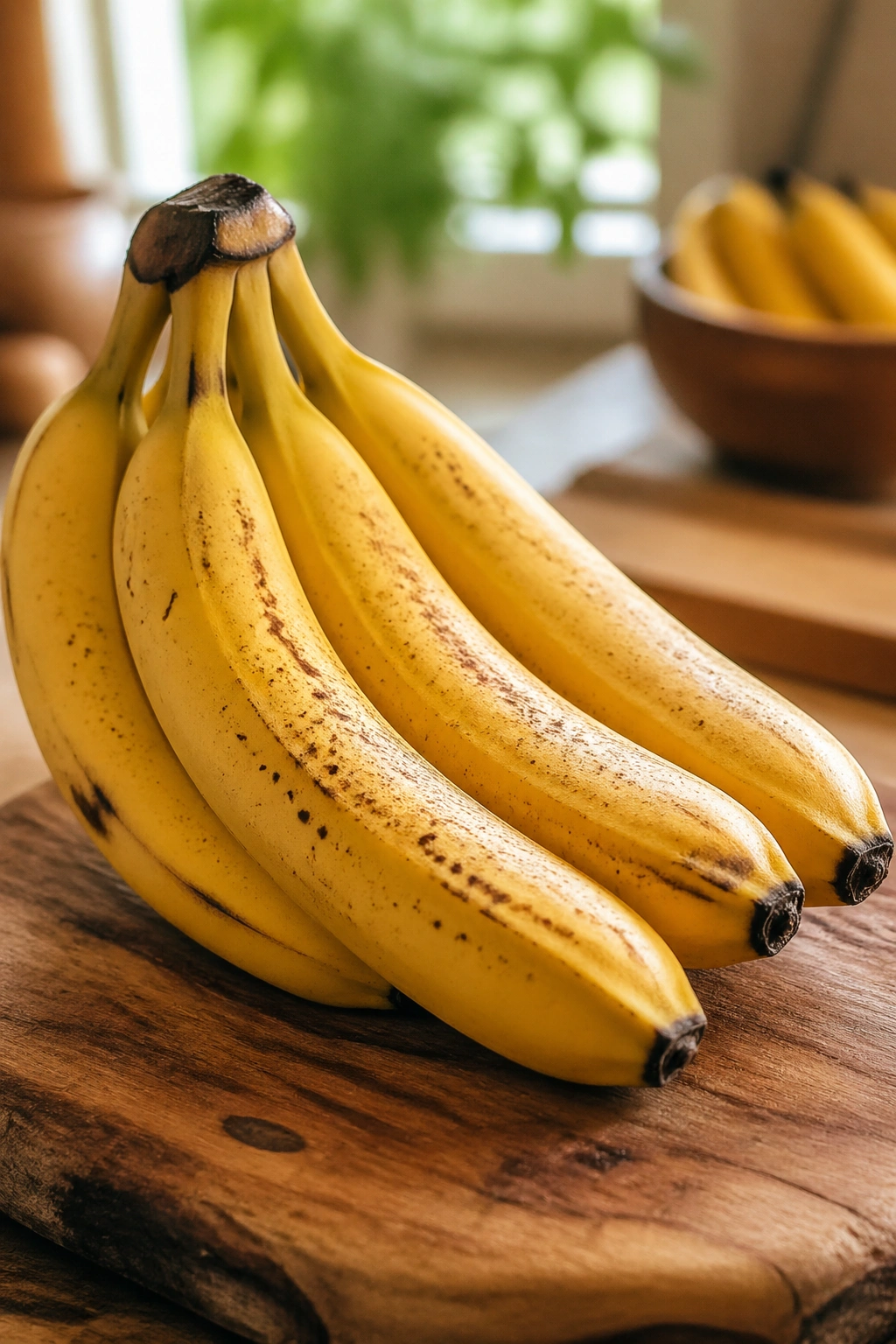
Bananas are the old reliable of pre-workout eating, and they deserve the reputation. One medium banana gives you about 25 to 27 grams of carbohydrate, a useful hit of potassium, and a texture that digests easily when it is ripe. That matters when your workout starts soon and you do not want food sloshing around.
A greenish banana has more resistant starch and can sit heavier. A yellow banana with brown speckles is often better right before exercise because the starch has shifted toward sugars your body can use faster. Tiny detail, big difference.
Why bananas work so well
They are portable, cheap, and forgiving. You can eat one in a parking lot, on a commute, or while tying your shoes. There is no prep, no mess, no mystery ingredient list. For morning training, that alone is half the battle.
Quick use ideas
- Eat 1 banana 30 to 60 minutes before lifting, running, or cycling
- Pair it with 1 tablespoon peanut butter if you have at least 60 to 90 minutes
- Slice it over oatmeal when you want a larger meal
- Freeze chunks for a fast smoothie if solid food feels rough early in the morning
Best fit: short to moderate workouts, early sessions, sensitive stomachs.
2. Dates
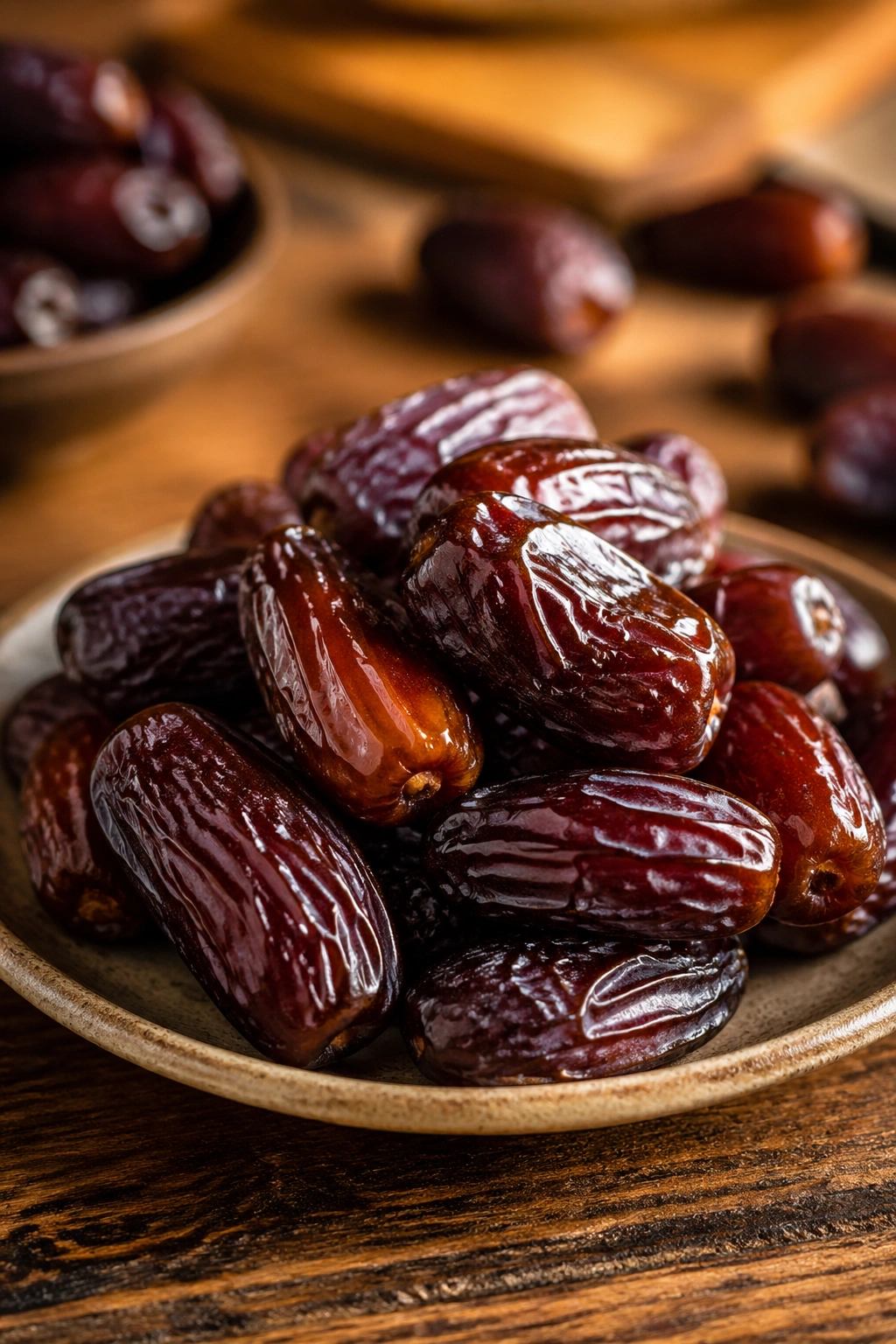
Three dates can do more for a workout than a lot of expensive powders. Medjool dates are dense, sweet, and fast. One large date gives you roughly 18 grams of carbohydrate, mostly as natural sugars, which makes them handy when you need energy soon and do not want much bulk.
They are almost tailor-made for the 15-to-30-minute window before hard training. I like them for track workouts, circuits, and long warm-ups where you know you will be moving hard but cannot stomach a full snack. They also travel well, which sounds boring until you’ve dug through a gym bag looking for something that is not crushed.
There is one downside. Dates are rich. Two or three are plenty for most people before exercise. Eat six in a rush and your mouth will love you while your stomach files a complaint later.
Try them a few ways. Stuff one with a thin smear of almond butter if you are eating earlier. Chop them into oats if you want a slower release. Or eat 2 to 3 dates with a few sips of water right before heading out the door. That combo works far better than it has any right to.
3. Oats
Why do oats work for one workout and feel heavy before another? Timing. Oats are one of the best natural pre workout foods when you have at least 60 to 120 minutes, not when you are already halfway into your gym shoes.
Half a cup of dry rolled oats gives you about 27 grams of carbs, plus a few grams of protein and soluble fiber. That fiber helps steady energy, which is great if you are eating breakfast well before training. It is less great if you are about to do hill sprints.
Best way to use oats before training
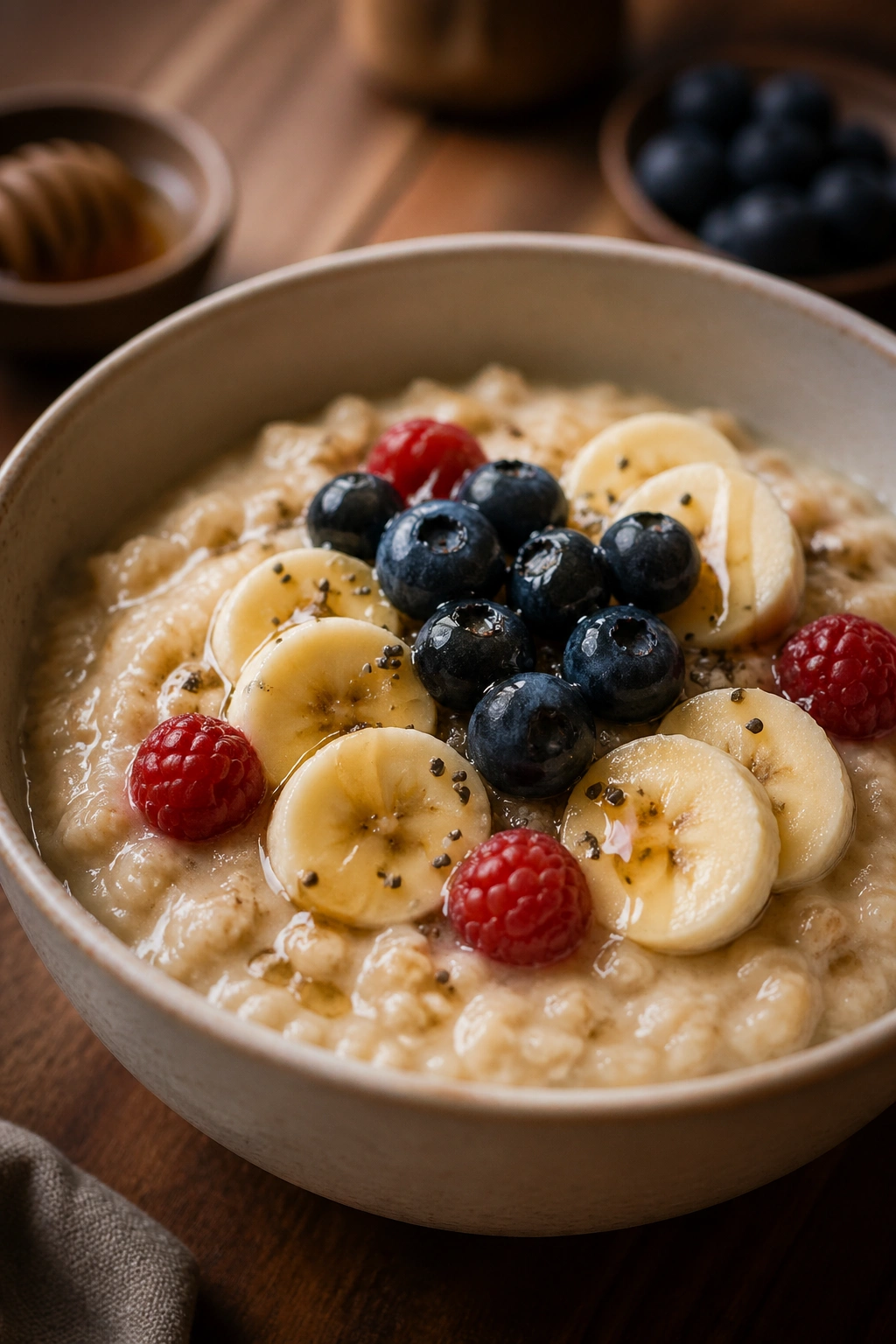
Cook ½ to ¾ cup rolled oats with water or milk, then add easy carbs on top:
- 1 sliced banana
- 1 tablespoon honey
- ¼ cup raisins
- ½ cup berries
The mix matters. Plain oats can be a little too slow on their own, while oats plus fruit or honey hit a nicer middle ground.
Overnight oats work too, though cold oats can feel heavier for some people first thing in the morning. If that is you, try hot oatmeal instead. Little tweak. Big comfort difference.
Best fit: training after breakfast, long runs, longer gym sessions, anyone who wants energy that lasts more than 20 minutes.
4. Sweet Potatoes
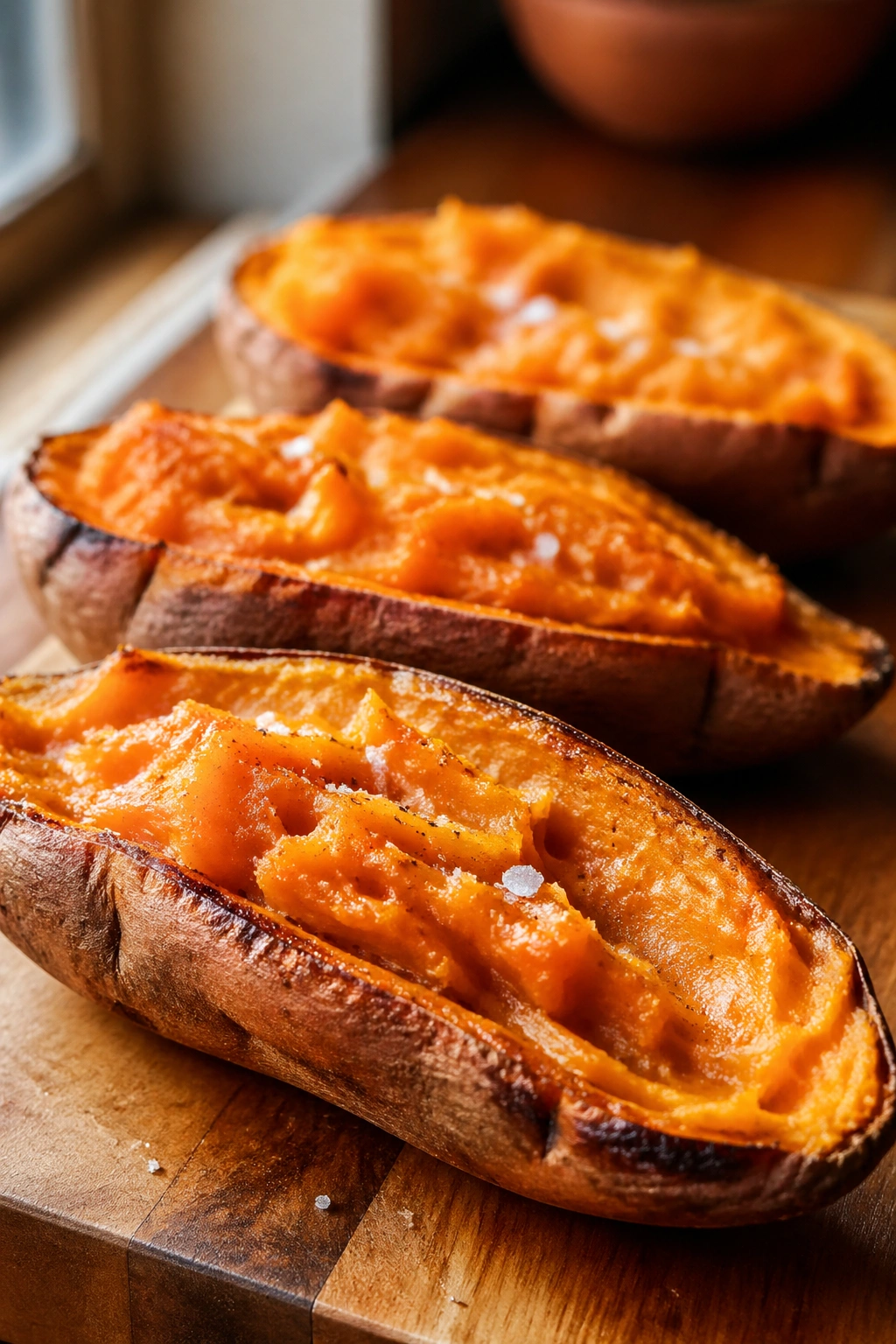
If you train later in the day and have time for a proper meal, sweet potatoes are hard to beat. A medium baked sweet potato gives you about 24 grams of carbohydrate, potassium, and a softer, more filling kind of energy than quick sugar snacks.
They shine 90 minutes to 3 hours before training. Roast a tray at the start of the week, split one open, add a pinch of salt, and pair it with eggs, chicken, or Greek yogurt depending on the rest of your day. The texture matters here too. Roasted sweet potato that turns creamy in the middle tends to go down easier than dry cubes or thick skins.
I would not reach for sweet potatoes 20 minutes before a run. Too much volume. Too much fiber for a lot of people. But as a pre-lift lunch or an early dinner before evening training, they make a ton of sense.
A small trick I come back to: mash roasted sweet potato with a little cinnamon and salt. No butter needed. It tastes good warm, room temp, or cold from the fridge if you are in a rush.
Where sweet potatoes fit best
- Pre-lift meals
- Team sport practices later in the day
- Endurance sessions when you can eat well ahead of time
They are not flashy. That is part of the appeal.
5. White Rice
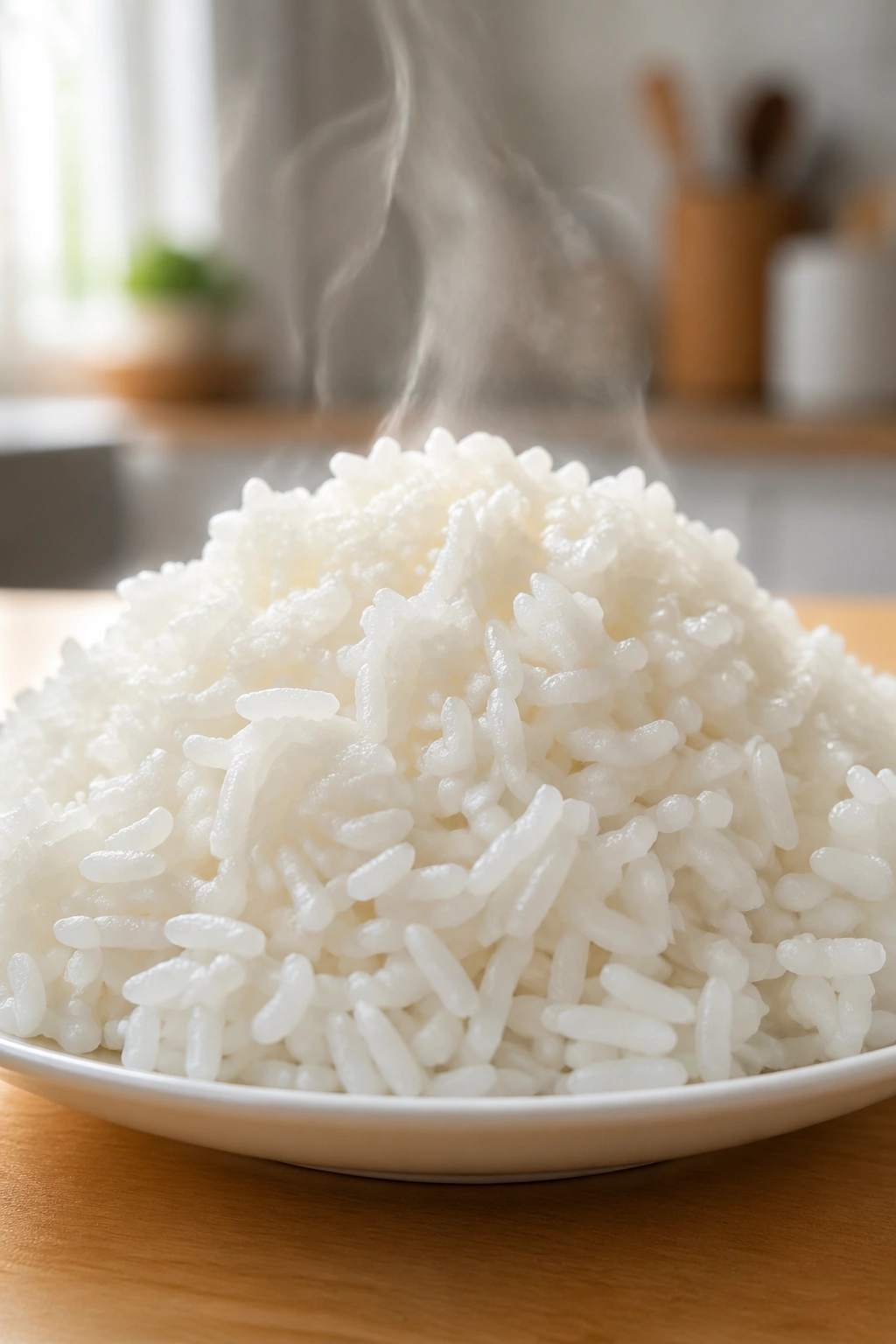
White rice is the food I wish more recreational athletes would stop apologizing for. It is one of the easiest carb sources to digest, especially when you peel back the meal and keep it plain. One cooked cup gives you roughly 45 grams of carbohydrate with little fiber to get in the way.
That low-fiber part is the whole point. Before training, especially before running or hard intervals, easy digestion is often better than nutritional heroics. Brown rice has its place. So do beans. Neither one is my first pick in the two hours before a brutal workout.
A bowl of white rice with a little lean protein can carry a long session well. Chicken and rice is cliché because it works. Rice with scrambled egg also works. Rice with a drizzle of soy sauce and sliced fruit on the side works too. You do not need to eat like a bodybuilder trapped in a meme.
If you sweat heavily, adding salt helps. If you train after work and feel flat by 5 p.m., white rice at lunch or in a snack meal 90 minutes before training can change the whole session. This is clean energy in the least glamorous, most useful form possible.
6. Sourdough Toast
Unlike dense whole-grain bread packed with seeds, sourdough toast often lands lighter. The fermentation process can make it easier to digest for some people, and two slices usually give you 25 to 35 grams of carbohydrate, depending on thickness.
Toast is also a platform, which is why it shows up so often in pre-workout eating. You can keep it lean and quick with honey or jam. You can make it more substantial with eggs, cottage cheese, or sliced banana if you have more time. A food that bends that easily around your schedule earns its keep.
Who is it best for? People who train after breakfast, people who hate sweet pre-workout foods, and people who need a snack they can build in 90 seconds. If you are someone who wakes up hungry and wants something warm, toast often beats cold fruit.
A small caution: thick artisan slices can be heavier than standard sandwich bread. Two giant slabs of bakery sourdough with nut butter right before a run may feel noble and healthy and completely wrong once you start moving.
Try this: two slices of toasted sourdough, one tablespoon honey, a pinch of sea salt. Fast, tidy, and better than skipping food.
7. Potatoes
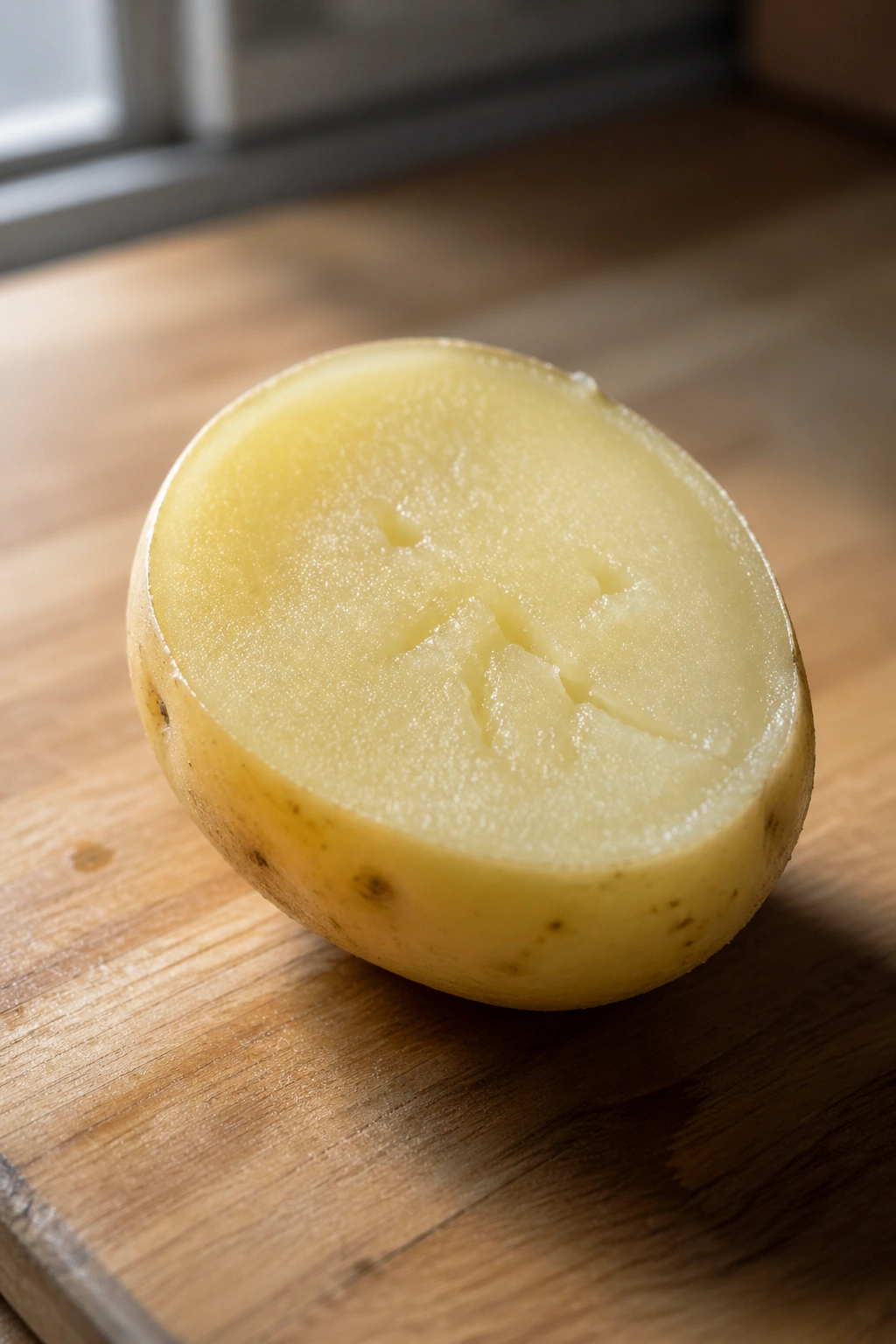
Plain potatoes deserve far more love in sports nutrition than they get. A medium white potato gives you around 30 grams of carbohydrate, plus potassium, and it can be prepared in ways that are light enough for pre-workout meals. Boiled, baked, mashed—pick your lane.
The trick is how you cook them. Deep-fried potatoes are post-game comfort food, not pre-workout fuel. Boiled or baked potatoes with the skin removed tend to digest faster. Mashed potatoes, lightly salted, can be one of the easiest carb options before a hard session if your stomach is touchy.
I have seen runners handle mashed potatoes better than expensive sports chews. That sounds odd until you remember what the body wants: usable carbohydrate, sodium, and a form that does not fight back.
Quick potato notes
- Eat them 60 to 180 minutes before training
- Add salt if you sweat a lot
- Keep butter, cream, and cheese modest before exercise
- Use peeled potatoes if fiber bothers you
Cold potatoes do carry more resistant starch, which can be useful in other contexts. Before exercise, warm often feels better.
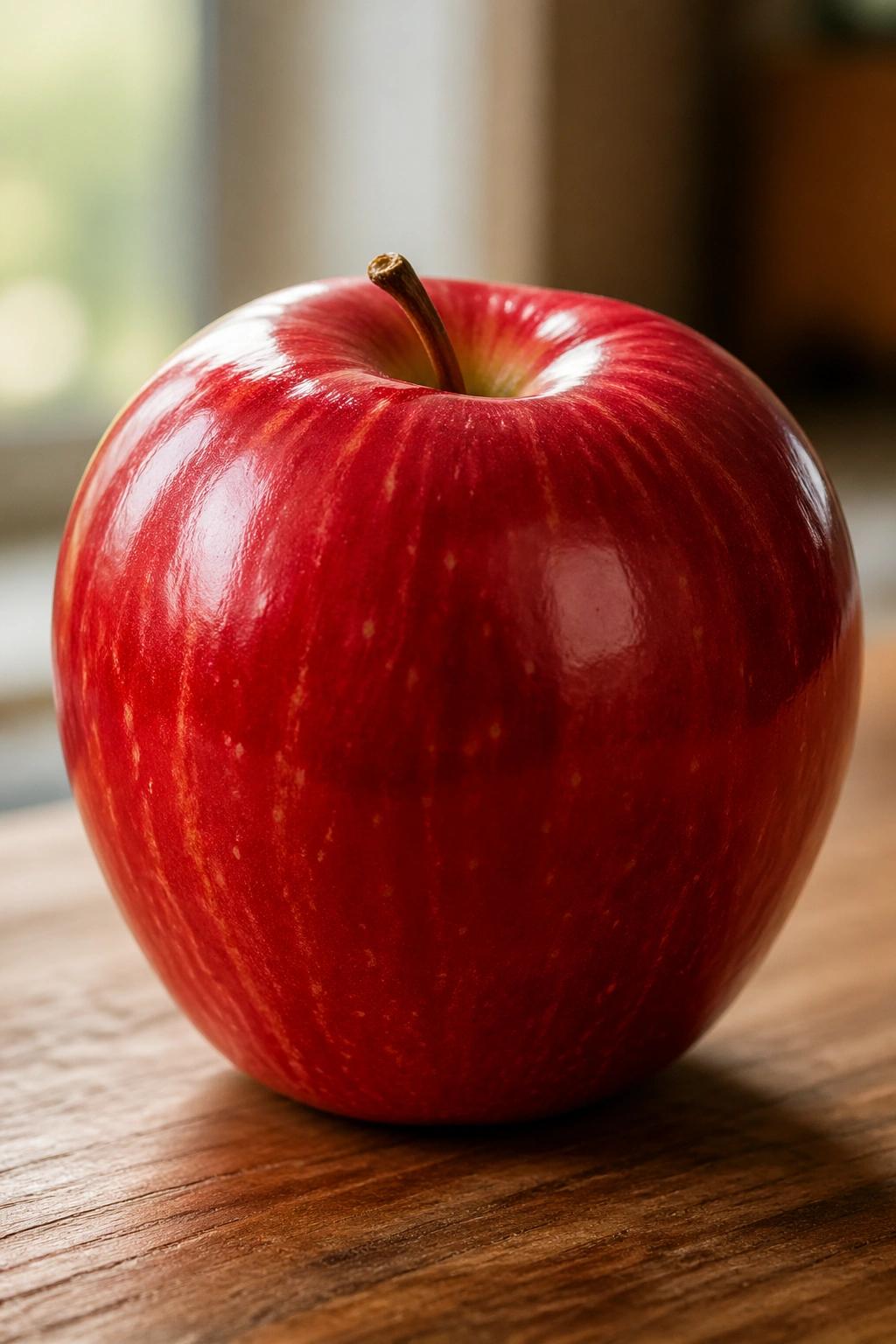
8. Apples
An apple can work beautifully before exercise—or not at all. This is one of those foods where timing and your gut tolerance matter more than the nutrition label. A medium apple has about 25 grams of carbs and useful fluid, though it also brings a decent amount of fiber.
If you have 60 to 90 minutes before training, apples are often fine. Crunchy, refreshing, easy to carry. If you are 15 minutes out from a hard run, the fiber can be a bad trade. Some people never have an issue. Others learn once and do not repeat the experiment.
The type of apple changes the feel too. Softer, sweeter apples often sit better than tart, dense ones. Peeled apple slices digest faster than eating the whole fruit skin and all. If that sounds fussy, maybe. Still, this is the kind of small adjustment that turns “healthy but annoying” into “useful and repeatable.”
Apples pair well with foods that soften their edges. Greek yogurt. Oats. Toast. Even a small piece of cheese if you are eating earlier. Alone, they are a light snack. Built into a small meal, they become sturdier fuel.
Best fit: a moderate workout after school or work, not the final 10-minute scramble before intervals.
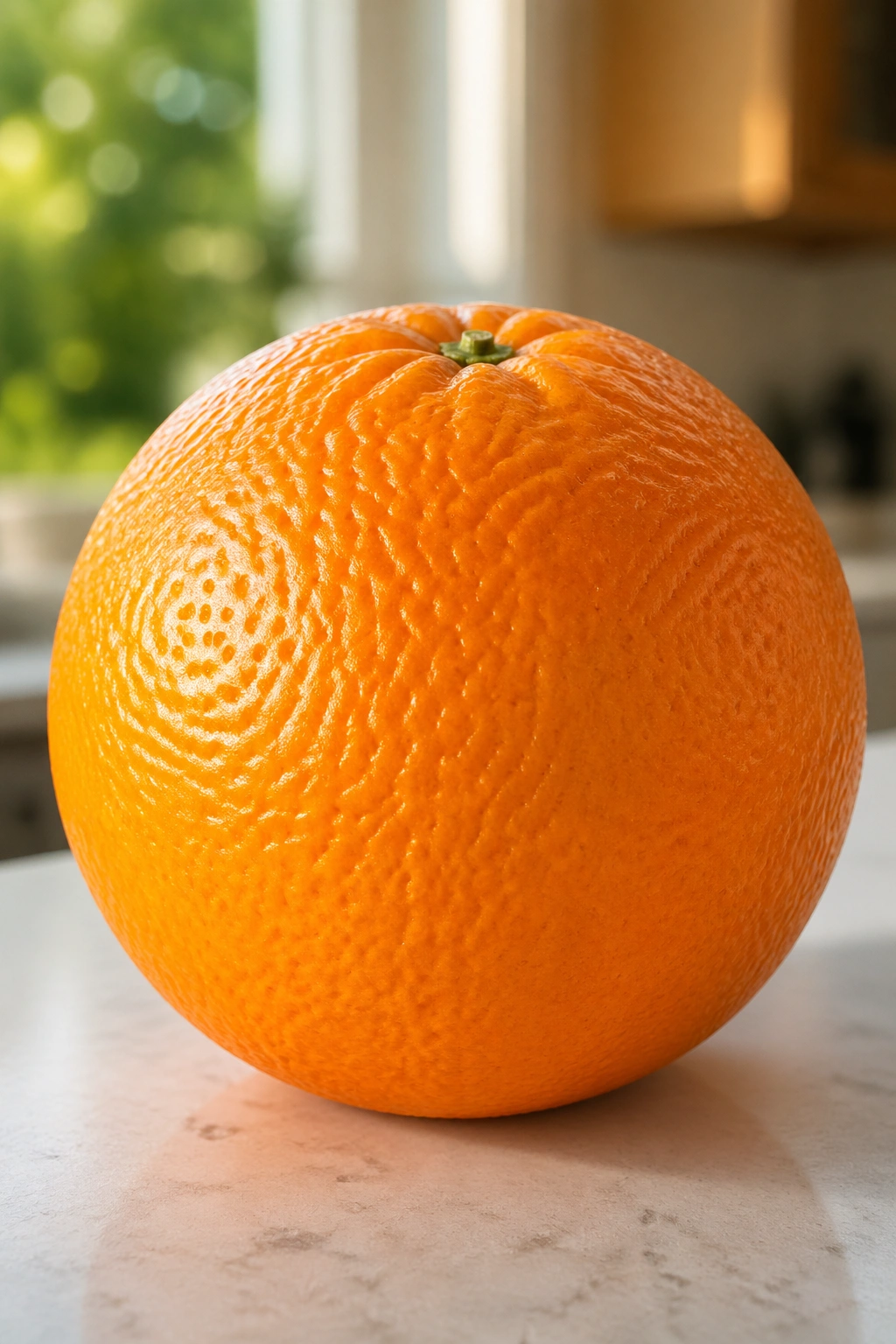
9. Oranges
Need a pre-workout food that feels hydrating as well as energizing? Oranges punch above their weight. One medium orange gives you around 15 grams of carbohydrate, a good amount of water, and a bright taste that can wake you up when heavy foods sound awful.
They are especially good in warm weather or before indoor sessions where the air feels dry and stale. Orange segments go down easily, and the juice inside the fruit helps if you started the day under-hydrated. No, vitamin C is not a magic performance switch. The value here is simpler: carbs, fluid, freshness.
Why oranges earn a place here
- They offer quick carbs without much heaviness
- The high water content helps before sweaty sessions
- Segments are easy to portion if you want only a small snack
- They pair well with yogurt, toast, or cottage cheese
The membrane and pulp can bother some runners if eaten too close to training. In that case, eat them 45 to 60 minutes before, or go with orange slices over chugging a large glass of juice. Juice is faster, though whole fruit usually feels steadier.
A cold orange after a warm-up also hits a level of satisfaction that is hard to overstate.
10. Watermelon

Cold watermelon before a workout feels like relief. Two cups of diced watermelon give you about 18 to 20 grams of carbohydrate and a big load of water, which makes it a smart choice before hot runs, summer field sessions, or sweaty garage-gym workouts.
Because it is light and juicy, watermelon works best as a close-in snack or as part of a larger pre-workout setup. It will not carry a long ride by itself, though it can top off energy and hydration nicely in the last 30 to 45 minutes before you start.
How to use it well
Eat a bowl of chilled cubes with a pinch of salt if you are a heavy sweater. Blend it with ice and a squeeze of lime if chewing feels unappealing before training. Or pair it with yogurt an hour out if you need something with a bit more staying power.
One warning, and it matters: huge portions can leave you feeling sloshy. Watermelon is mostly water. That is the advantage and the limit. Keep the serving reasonable and it stays in the sweet spot.
For athletes who struggle to eat solid, dry foods before exercise, watermelon can be a sneaky little win.
11. Berries
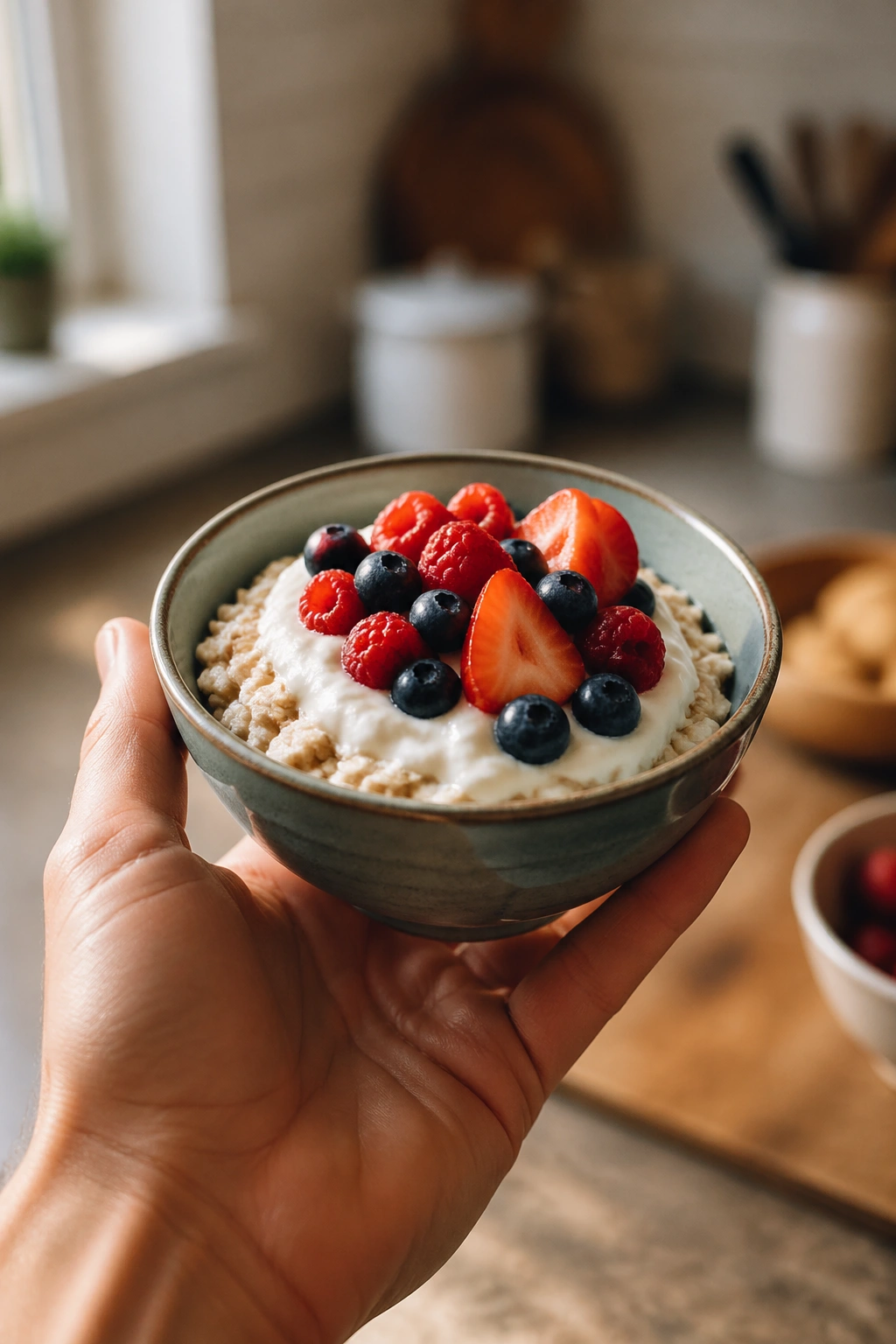
Berries are not the heaviest carb hitters on this list, yet they earn a spot because they are easy to combine with stronger fuel sources. Blueberries give you about 21 grams of carbs per cup. Strawberries and raspberries bring less carbohydrate, more fiber, and a fresher, lighter feel.
That mix makes berries best in a supporting role. Stir them into oats, fold them into yogurt, add them to a smoothie with banana, or spoon them over toast with ricotta. Used that way, they freshen up pre-workout meals that might otherwise taste flat or feel too dense.
I do not love berries as the only fuel before a hard session. Too little carbohydrate unless the serving gets large, and large servings can bring more fiber than some stomachs want. Still, paired smartly, they help.
A small bowl of Greek yogurt with blueberries and honey is one of my favorite pre-lift snacks. It gives you carbs, protein, and enough flavor to keep you from wandering toward less useful options. And if you train in the afternoon, berries can make a reheated bowl of oats feel a lot less sad.
Best fit: mixed snacks, moderate sessions, athletes who want fruit without a sugar bomb.
12. Mango
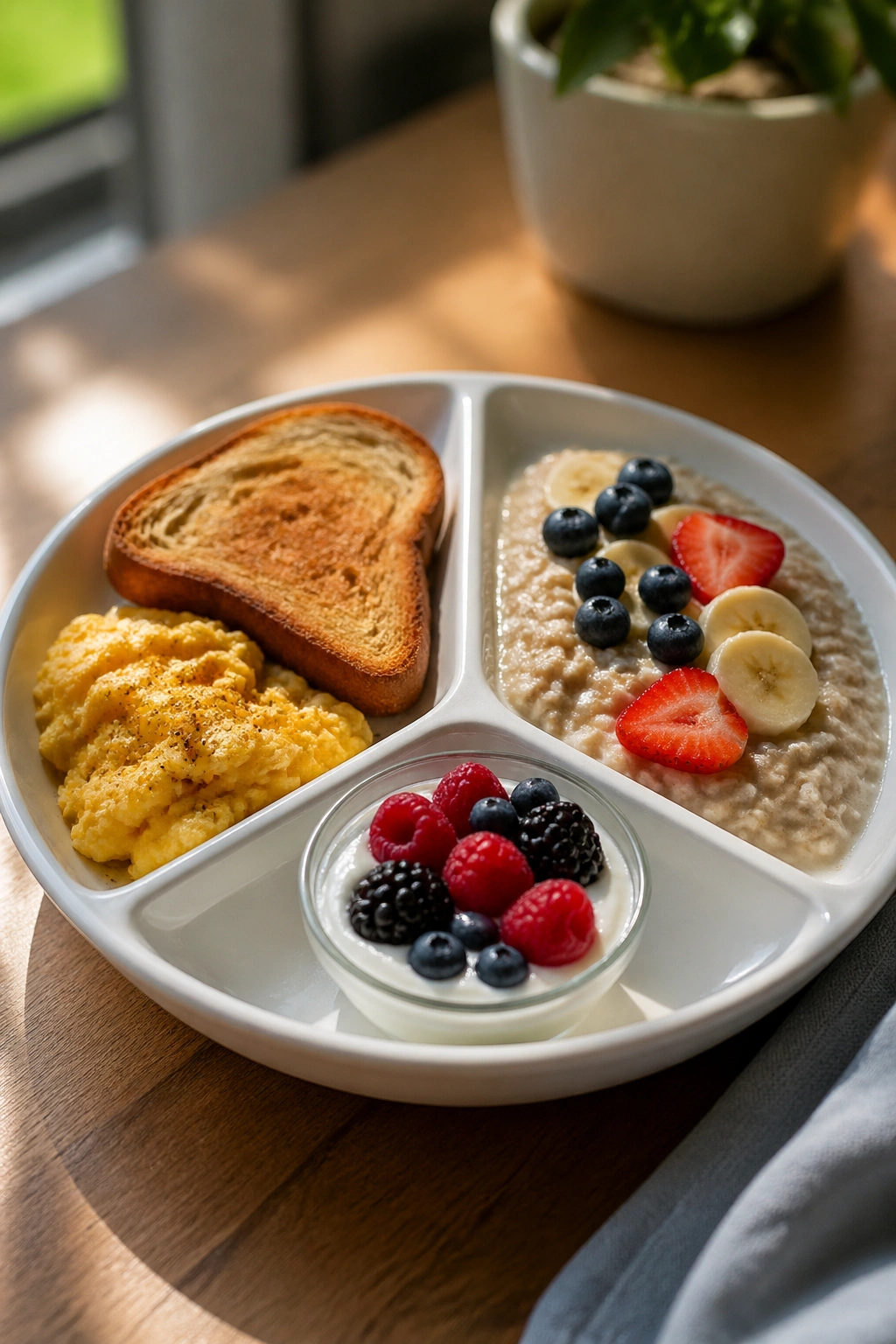
Mango is what I reach for when berries feel too light and bananas feel too bland. One cup of sliced mango has around 25 grams of carbohydrate, and ripe mango tends to digest smoothly because the fiber feels softer and the fruit itself is easy to chew.
It works well in the 30-to-90-minute window before training. You can eat it plain, add it to yogurt, blend it into a smoothie, or toss cubes into overnight oats. It is one of the few fruits that feels both refreshing and substantial, which is a harder balance to find than it sounds.
Unlike apples or pears, mango rarely gets blamed for pre-run gut issues unless the serving is huge. That makes it a strong option for athletes who want fruit but do not trust high-fiber choices. Frozen mango can also work in smoothies, though fully thawed or blended pieces are easier on the stomach than icy chunks.
If you are trying to build a clean, repeatable pre-workout routine, mango is worth keeping in rotation. It is sweet enough to feel like a treat, carb-dense enough to matter, and versatile enough to fit breakfast, lunch, or a last-minute snack.
13. Beetroot
Beetroot plays a different role from bananas or honey. It is less about quick carbs and more about nitrates, compounds that your body can turn into nitric oxide. That process can support blood flow and exercise efficiency, which is why beets keep showing up in endurance circles.
Timing matters here more than with almost any food on this list. Beetroot is usually most useful 2 to 3 hours before training, not 10 minutes before. You need time for the nitrate-to-nitric-oxide pathway to do its work. A common target used in sports nutrition is around 300 to 500 milligrams of nitrate, often reached with concentrated beet juice or a generous serving of cooked beets.
Good ways to use beetroot
- Drink a small glass of beet juice 2 to 3 hours pre-workout
- Add roasted beets to a rice bowl earlier in the day
- Blend cooked beet with fruit in a smoothie if you dislike the earthy taste
There are two catches. First, beetroot is not a replacement for carbs. It is an add-on. Second, if you hate the taste, you will never stick with it. Be honest there.
Also, yes, your urine can turn pinkish after eating beets. People panic about this every single time. It is usually harmless.
14. Greek Yogurt
Greek yogurt sits in a sweet spot between snack and meal. A single-serving cup often gives you 15 to 20 grams of protein, and if you pair it with fruit, oats, or honey, it becomes a balanced pre-workout option that holds up well for lifting, longer gym sessions, or training after school or work.
Plain Greek yogurt on its own is usually too low in carbs for hard exercise. That is the mistake. People eat a high-protein yogurt cup, skip the carbs, and then wonder why their energy feels thin. Add banana slices, berries, granola, raisins, or a spoonful of honey and the whole thing makes more sense.
What makes it different
Greek yogurt is thick, cool, and filling without being as heavy as a cooked meal. It also works for people who want protein before training but do not want eggs, meat, or a shake.
Lactose tolerance matters, though many people who struggle with milk do fine with yogurt because fermentation changes the feel. Start small if you are unsure.
Best fit: 60 to 120 minutes pre-workout, strength sessions, hybrid workouts, or days when you want one food to cover more than one job.
15. Kefir
Can a drinkable dairy food work better than a full snack before exercise? For a lot of people, yes. Kefir gives you protein, carbs, fluid, and a thinner texture than yogurt, which can make it easier to tolerate when nerves or early-morning training kill your appetite.
A cup of plain kefir often lands around 9 to 12 grams of protein with a similar amount of carbohydrate, though the exact numbers vary. It becomes stronger pre-workout fuel when you blend it with banana, mango, oats, or honey.
When kefir shines
If you have 30 to 60 minutes before training and solid food sounds miserable, kefir can bridge the gap. Drink it cold, sip it slowly, and pair it with one quick carb if the session will be hard. Banana and kefir is an easy combo. So is kefir with honey stirred in.
Fermented dairy is not magic for performance. What it does offer is practicality. It goes down fast. It hydrates. It gives your stomach less work than chewing through a full meal. For anxious competitors and early risers, those are not small perks.
Check the label, though. Some flavored kefirs carry a lot of added sugar, which can be fine, though the taste can get syrupy fast.
16. Cottage Cheese
Cottage cheese is better before training than people think, though it works best when you are not eating at the last second. It gives you a dense hit of protein—often 12 to 15 grams per half cup—and a mild flavor that pairs well with fruit, toast, or honey.
This is not a sprint-start snack. Think 90 minutes to 2½ hours before training. Cottage cheese is useful when you want a steadier pre-workout meal that covers hunger without feeling as heavy as meat or a greasy breakfast sandwich. Add pineapple, mango, berries, or sliced peach and you get carbs on board without much effort.
Some athletes swear by cottage cheese and fruit before lifting. I get it. The combo is cold, quick, and easy to portion. Two spoonfuls too much is easy to notice, which is helpful when you are dialing in how much food your stomach likes before hard work.
One caution: full-fat versions can sit heavier. If you know fat slows you down pre-workout, choose a lower-fat tub and get most of your energy from the fruit or bread you pair with it.
17. Eggs
Eggs are not “wrong” before a workout. They are wrong at the wrong time. Two eggs give you about 12 grams of protein and some fat, which makes them a smart part of a pre-workout meal eaten one to three hours before training. Eat them 10 minutes before a run and you may regret every life choice that got you there.
That timing issue is why eggs confuse people. They are not a quick-carb snack. They are a meal anchor. Scramble a couple with sourdough toast and fruit, and you have a sturdy breakfast before lifting. Add rice or potatoes on the side if the session will be long or hard.
I would not build a pre-endurance meal around eggs alone. Too little carbohydrate. Pairing is the whole game here.
A practical way to use eggs
- 2 eggs
- 2 slices toast or 1 potato
- 1 piece of fruit
- Eat it 90 to 180 minutes before training
Hard-boiled eggs can work when life is chaotic, though they are less comfortable for some people than scrambled or poached eggs. Texture matters more than nutrition panels admit.
18. Quinoa

Quinoa sits somewhere between rice and oats in the pre-workout lineup. One cooked cup gives you about 39 grams of carbohydrate and 8 grams of protein, which makes it useful when you want a meal with a bit more staying power but not a ton of heaviness.
It is best earlier rather than later—usually 2 to 3 hours before training. Because quinoa has more fiber than white rice, it may not be the first choice for runners heading into speed work, though it can be excellent before a longer lift, hike, or field practice where you need energy that lasts.
How to portion quinoa before training
Keep it plain. Add salt. Pair it with easier-to-digest foods.
- Quinoa with scrambled eggs and fruit
- Quinoa bowl with roasted sweet potato and chicken
- Quinoa with yogurt and mango if you like it on the sweeter side
Rinsing matters. If you skip that step, the outer coating can leave a bitter taste that ruins the whole point of meal prep. Another small detail people ignore until they taste it.
Quinoa will not beat white rice for immediate digestibility. It does beat a lot of heavier lunch options for athletes who train a few hours after eating.
19. Raisins
Raisins are the quiet workhorse of endurance fueling. One small box gives you roughly 22 grams of carbohydrate, mostly in fast-digesting sugars, and it takes about ten seconds to eat. That convenience is hard to beat before a run, ride, hike, or game warm-up.
I like raisins because they solve real-life problems. You can stash them in a glove box, gym bag, desk drawer, or backpack without fuss. They do not bruise. They do not leak. They do not need refrigeration. When your pre-workout plan falls apart—which happens more often than nutrition influencers admit—raisins can save the day.
Best uses for raisins
- Eat 1 small box 15 to 30 minutes before endurance work
- Stir them into oatmeal for a bigger meal
- Pair them with yogurt if you want carbs plus protein
- Use them during long training sessions too, not only before
Some people find dried fruit sticky in the mouth before hard breathing efforts. A few sips of water fixes most of that. Easy.
They may not look exciting, though they work. I will take useful over exciting every time.
20. Honey
A tablespoon of honey gives you about 17 grams of carbohydrate, and nearly all of it is quick fuel. That makes honey one of the fastest natural ways to top up energy before intervals, circuits, or a short morning lift when you have almost no time and even less appetite.
Honey is rarely the whole snack. It is the booster. Drizzle it over toast, stir it into yogurt, swirl it into oatmeal, or take a spoonful with a banana if you know you burn through energy fast. Used that way, it is practical, cheap, and easy to digest.
There is one group who may not love honey alone before training: people who get a sharp sugar rise and then feel hungry or shaky. If that sounds familiar, pair honey with a food that slows the ride a bit—toast, oats, yogurt, maybe even cottage cheese if the timing is longer.
Fast ways to use honey
- 1 tablespoon on toast 20 to 45 minutes pre-workout
- 1 teaspoon stirred into Greek yogurt with fruit
- 1 tablespoon in warm oats before long training
- 1 spoonful with tea and banana on early mornings
Honey is simple. That is why it works.
Building a Better Pre-Workout Plate From These Foods
You do not need a single “perfect” food. You need the right combination for the clock, the workout, and your stomach. Once you know the pieces, building a pre-workout snack gets easy.
If you have 2 to 3 hours, think meal:
- White rice with eggs
- Sweet potato with Greek yogurt
- Quinoa with chicken and fruit
- Toast, eggs, and orange slices
If you have 60 to 90 minutes, think light meal or sturdy snack:
- Oatmeal with banana and honey
- Greek yogurt with berries and raisins
- Sourdough toast with honey and kefir
- Cottage cheese with mango
If you have 15 to 30 minutes, think fast carbs:
- Banana
- Dates
- Raisins
- Honey on toast
- Orange segments
The part people learn the hard way is that “healthy” and “good before training” are not always the same thing. A kale salad with nuts and beans may be nutritious and still be a complete disaster before intervals. Save high-fiber, high-fat foods for later when digestion is not competing with movement.
Final Thoughts
The best natural pre workout foods are usually the least dramatic ones: fruit, rice, oats, potatoes, toast, yogurt, eggs, honey. They work because they fit how the body fuels exercise, not because the packaging says something bold.
Start with timing. Then pay attention to how your stomach responds. A banana that feels perfect before lifting may not feel as good before a hard run. White rice may look plain on the plate and perform better than a “clean eating” masterpiece packed with fiber and good intentions.
Pick three or four foods from this list and test them under real conditions—same workout time, similar portion, same gap before training. Patterns show up quickly when you keep the experiment simple. Once you find your go-to options, pre-workout eating becomes less of a debate and more of a useful habit.
